Keeping the Records No Goldendoodle Registry Holds
Goldendoodle health records lack a central registry, requiring owners to independently organize medical histories and genetic data.
Know what to watch for.
Breed-specific conditions, screening and DNA tests, what surgery actually costs, and the daily habits that stretch a healthy lifespan.

Goldendoodle health records lack a central registry, requiring owners to independently organize medical histories and genetic data.

Goldendoodle end-of-life planning helps owners recognize gentle behavioral declines, mobility issues, and physical signs of aging.

Assessing an aging Goldendoodle involves tracking mobility issues, sensory loss, and cognitive decline to measure well-being.

A senior health panel at age nine helps Goldendoodle owners detect hidden kidney disease, diabetes, and organ issues early.

Canine cognitive dysfunction syndrome in senior Goldendoodles causes disorientation, altered sleep cycles, and house soiling.

Senior Goldendoodle hearing loss explanation, covering age-related decline, ear infections, blockages, and veterinary care steps.

Senior Goldendoodle vision loss explained through common causes, early signs, nuclear sclerosis, cataracts, and glaucoma.
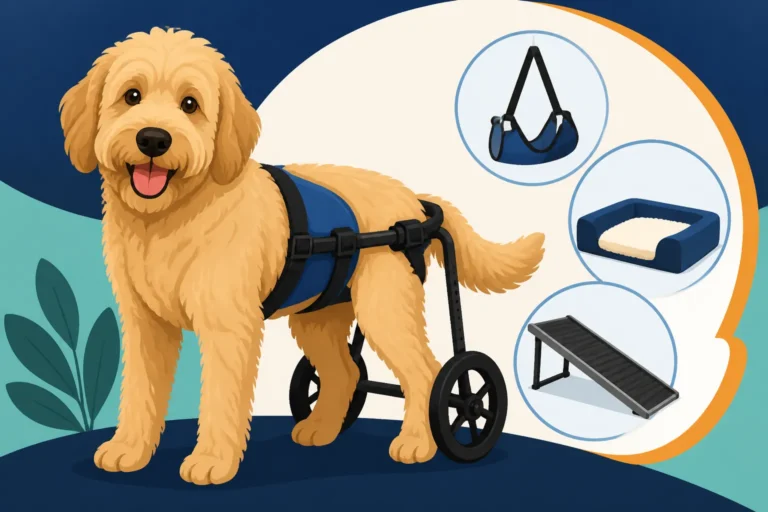
Goldendoodle mobility aids help dogs with failing hips manage hip dysplasia, reduce joint friction, and improve daily life.

Senior Goldendoodle veterinary care after age nine shifts to check-ups every six months to manage age-related conditions.
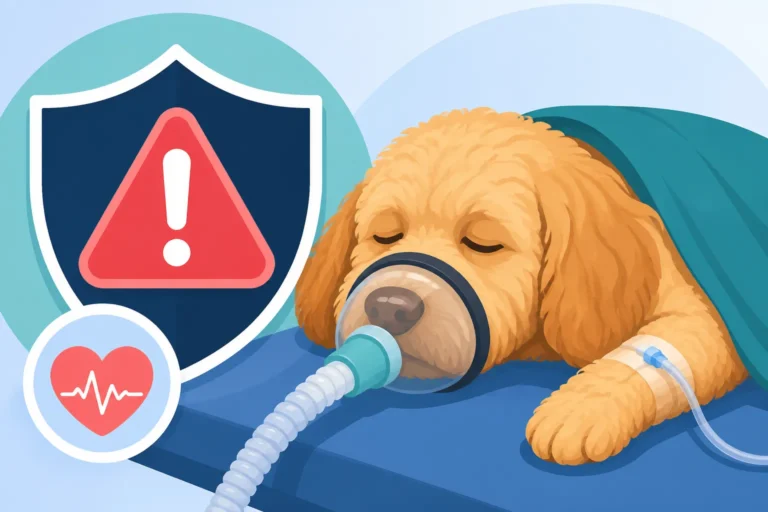
Anesthesia risks for a Toy Goldendoodle involve specific metabolic rates, thermoregulation challenges, and precise drug dosing.