Reading a Goldendoodle Parent’s OFA Record
Goldendoodle parent health records from the Orthopedic Foundation for Animals explain hip dysplasia, elbow dysplasia, and eye conditions.
Know what to watch for.
Breed-specific conditions, screening and DNA tests, what surgery actually costs, and the daily habits that stretch a healthy lifespan.

Goldendoodle parent health records from the Orthopedic Foundation for Animals explain hip dysplasia, elbow dysplasia, and eye conditions.

Essential DNA testing for Goldendoodle litters explains genetic risks from Golden Retrievers and Poodles to protect puppy health.

Embark DNA testing panels screen for over 200 genetic conditions to explain vital health results for Goldendoodle parents.
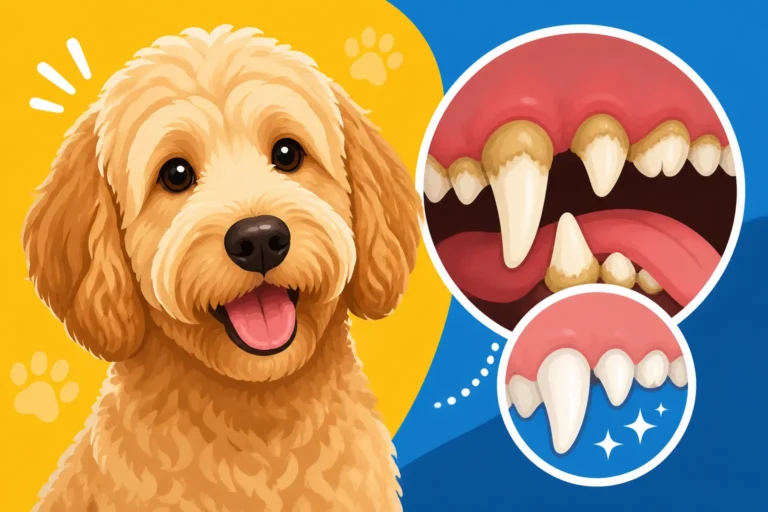
Goldendoodle dental health depends on jaw structure, revealing why smaller varieties face severe tartar and gum disease risks.
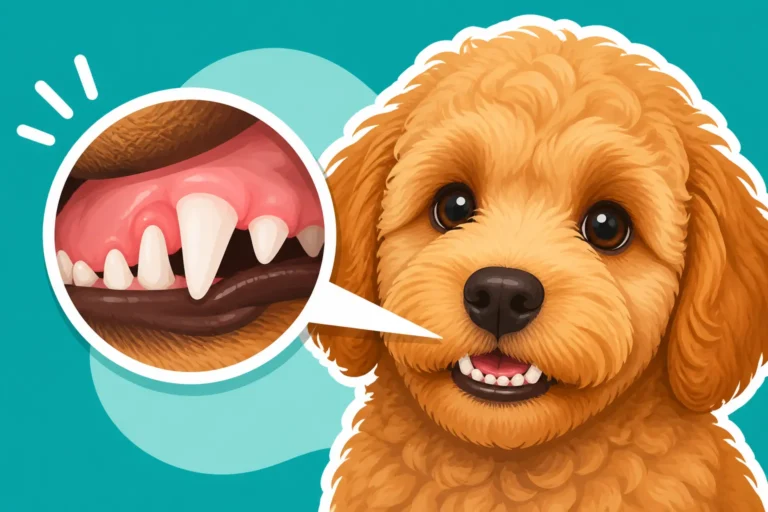
Retained puppy teeth in mini Goldendoodles occur when twenty eight baby teeth fail to fall out before forty two adult teeth emerge.
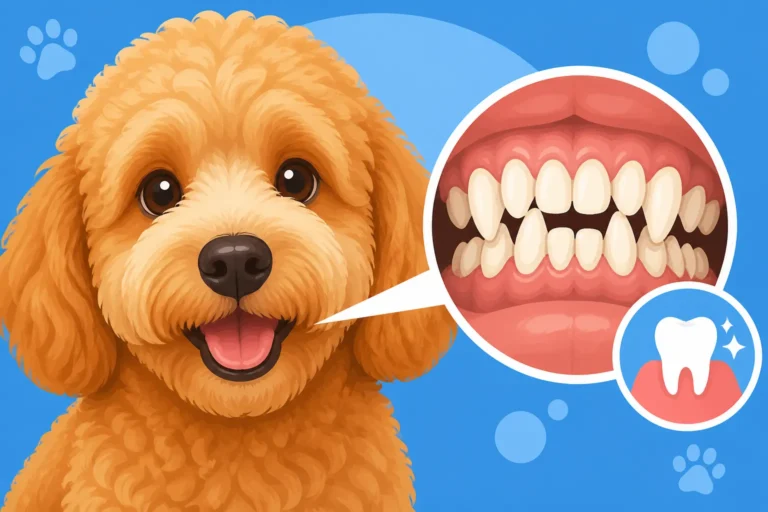
Dental crowding in Toy Goldendoodles happens when small Poodle jaws house larger Golden Retriever teeth, causing pain and retained puppy teeth.
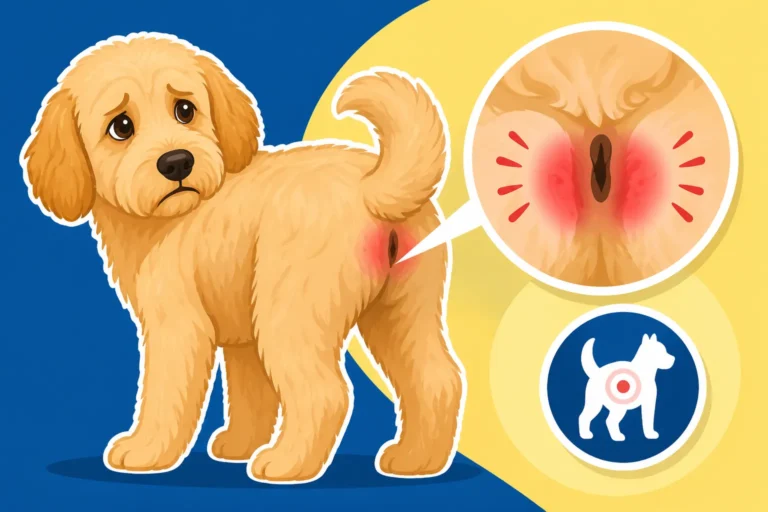
Goldendoodle anal gland problems cause discomfort and scooting, explained alongside effective prevention, treatment strategies, and common symptoms.

Goldendoodle paw licking often signals discomfort from environmental allergies, food sensitivities, pain, or localized injury.
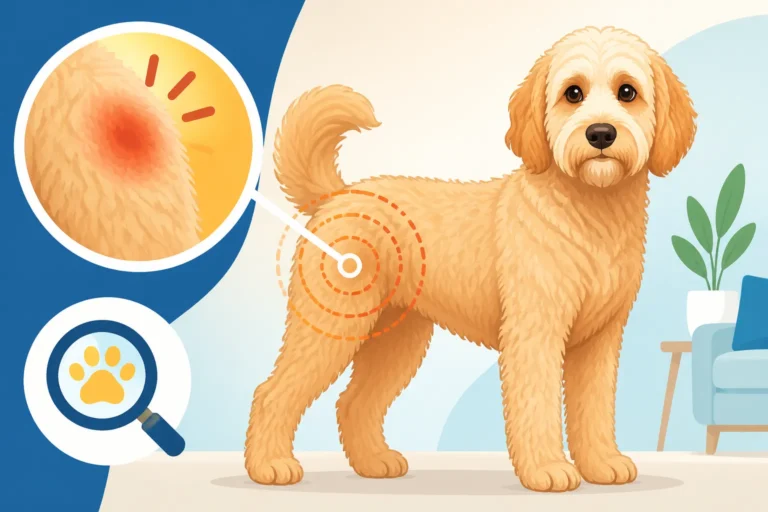
Goldendoodle hot spot identification methods help owners catch painful skin lesions early, preventing severe bacterial infections and foul odors.

Goldendoodle environmental allergies cause seasonal skin irritation, incessant itching, and paw licking triggered by tree pollen and grass.