Cleaning a Goldendoodle Ear Every Week
Oh, the Goldendoodle ear! It’s a tale as old as time for us Doodle parents. You look at those adorable, floppy, furry ears and think, "How could anything possibly go wrong there?" Then, one day, you catch a whiff, or notice your sweet pup scratching vigorously, and you realize those cute floppy ears are actually little humid hideaways for all sorts of trouble. Dealing with chronic ear infections can be a real headache, and it's something many Goldendoodle owners struggle with. This guide is all about equipping you with the knowledge and a practical, weekly routine to keep those ears clean, healthy, and happy, hopefully preventing those dreaded infections before they even start.
Why Goldendoodle Ears Need Special Attention
Let's be real, Goldendoodle ears are adorable, but they are also uniquely designed to be a breeding ground for trouble. It’s not your fault if your pup gets ear infections; it’s largely due to their unique anatomy and the beautiful coat we all love so much. Understanding why they're prone to issues is the first step in prevention.
The Furnished Ear Canal and Its Challenges
Unlike many other breeds with open, hairless ear canals, our Goldendoodles inherit what’s lovingly called a "furnished ear." This means they have hair – often quite a lot of it – growing inside their ear canals, sometimes right down to the eardrum. Imagine trying to keep a carpeted, humid cave clean; that's essentially what we're up against. This hair traps moisture, debris, and wax, creating a perfect little environment for bacteria and yeast to flourish. The floppy nature of their ears, inherited from both the Golden Retriever and the Poodle, seals off the ear canal, limiting airflow and exacerbating the problem. It’s a double whammy: lots of hair, little air circulation. You might want to learn more about Goldendoodle Ear Hair and Chronic Infection.
The Damp, Dark Environment
Think about it: warm, dark, and damp. That's practically a five-star resort for unwelcome microorganisms. After a bath, a swim in the lake, or even just a particularly humid day, moisture can easily get trapped inside the Goldendoodle’s ear canal. Because the ears flop down, that moisture has nowhere to go. It doesn't evaporate easily, creating a consistently damp environment. This isn't just uncomfortable for your dog; it's a prime setup for bacteria and yeast to multiply at an alarming rate. Before you know it, you’ve gone from a perfectly healthy ear to a full-blown, itchy, painful infection. It’s a frustrating cycle that many Goldendoodle parents know all too well.
Inherited Predisposition
It’s not just about the hair and the floppy ears; there's also an inherited component. Both Golden Retrievers and Poodles, the foundation breeds for our Goldendoodles, are known to be prone to ear infections. Golden Retrievers can be susceptible to allergies that manifest as itchy ears, and Poodles often have significant hair growth in their ear canals. When you combine these traits, you get a Goldendoodle that might have a higher genetic likelihood of developing ear issues. This doesn't mean it's inevitable, but it does mean we, as their guardians, need to be extra diligent with our preventative care. Understanding this predisposition helps us stay motivated for that weekly cleaning routine, even when life gets busy.
Gathering Your Goldendoodle Ear Cleaning Arsenal
Before you dive into cleaning, you need to have the right tools on hand. Don't just grab anything from the cabinet; using the wrong products or methods can actually make things worse. A little preparation goes a long way in making this a smooth and effective process for both you and your Goldendoodle.
Essential Cleaning Solutions
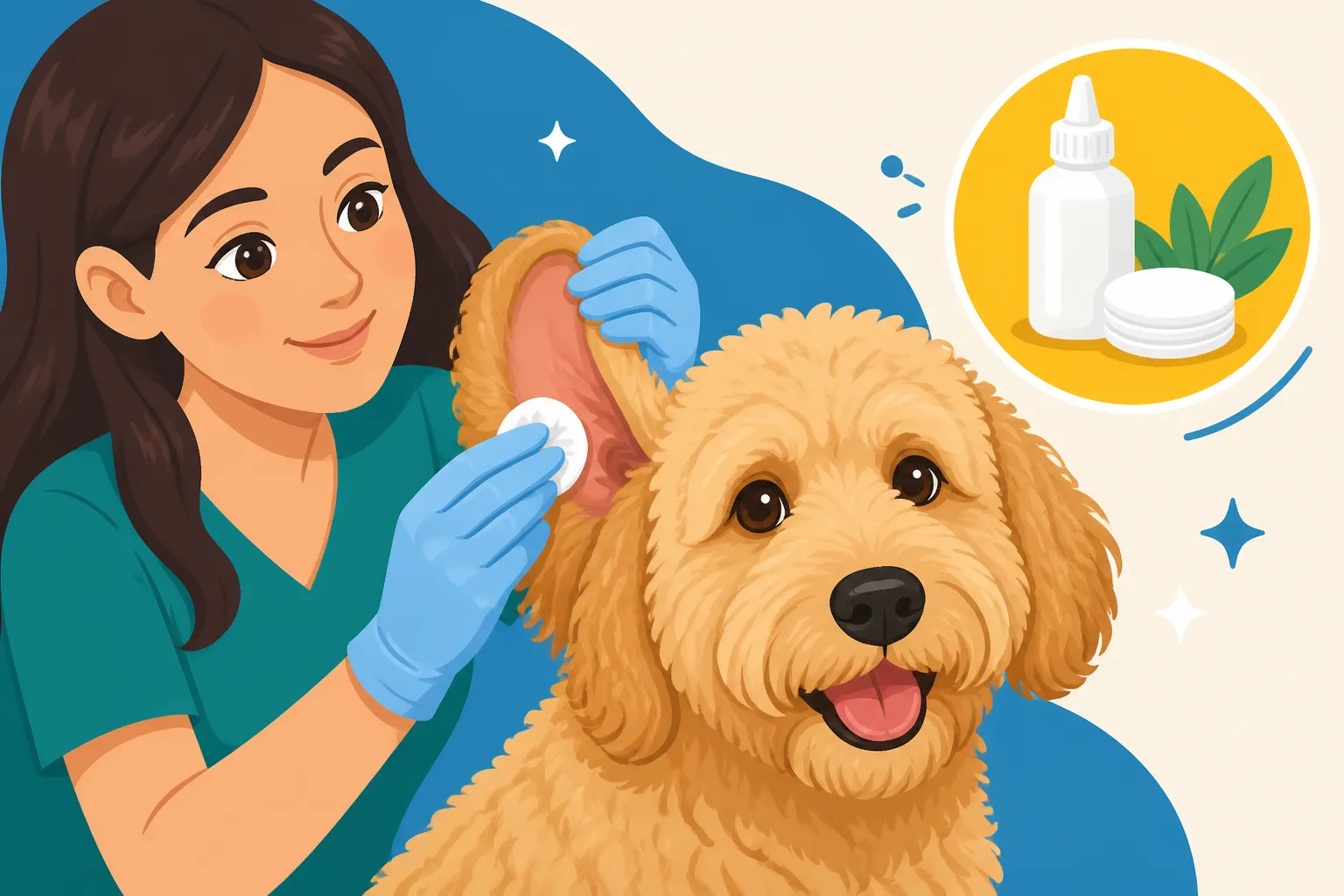
Choosing the right ear cleaning solution is crucial. You want something specifically designed for dogs, ideally formulated to break down wax, dry out the canal, and create an environment inhospitable to yeast and bacteria, without causing irritation. Look for solutions containing ingredients like salicylic acid, boric acid, or witch hazel, which are gentle antiseptics and drying agents. Avoid anything with alcohol, as it can be very drying and irritating, especially if your dog already has sensitive ears or a budding infection. Scented products can also cause issues for sensitive pups. You can find excellent veterinarian-recommended ear cleaners on sites like Chewy or Amazon. Always check the ingredients list and consider consulting your vet for their specific recommendation, especially if your Goldendoodle has a history of allergies or chronic ear problems. Getting the right cleaner is half the battle won.
Tools for a Thorough Clean
Beyond the cleaning solution, you'll need a few other items:
- Cotton balls or large cotton pads: These are essential for gently wiping away debris and excess solution. Make sure they are soft and absorbent. Avoid cotton swabs (Q-tips) for cleaning deep inside the ear canal, as they can push debris further in or damage the eardrum.
- Gauze squares: Similar to cotton balls, gauze can be useful for wiping, especially for larger debris or if you need a slightly firmer wipe on the outer ear folds.
- Treats: Lots of them! Positive reinforcement is key to making ear cleaning a pleasant experience for your Goldendoodle. Small, high-value treats will help create a positive association.
- Optional: Hemostats (with extreme caution): Some owners and groomers choose to use hemostats to pluck ear hair. If you decide to do this, please get proper instruction from your vet or a professional groomer first. Improper plucking can cause pain, irritation, or even trauma to the ear canal, potentially leading to infection. For most owners, focusing on cleaning and trimming external hair is sufficient. Remember, your goal is to prevent issues, not create new ones.
Step-by-Step Weekly Ear Cleaning Routine
Consistency is paramount when it comes to Goldendoodle ear care. A weekly routine is ideal to stay ahead of problems. This isn't a quick wipe; it's a deliberate process that requires patience and gentle handling. Establishing this routine early, perhaps even when they're still a puppy, can make a world of difference.
Preparing Your Goldendoodle
The key to a successful cleaning session is a calm, cooperative dog. Start by choosing a quiet time when both you and your Goldendoodle are relaxed. Have all your supplies laid out within easy reach. If your dog is nervous, begin with short, positive interactions, gently touching their ears, and immediately rewarding them with a treat. The goal is to build a positive association with ear handling. You might even do this without any cleaning solution for the first few times, just to get them used to the sensations. Speaking in a soothing voice, offering praise, and making it a comfortable experience are all vital. Remember, this isn't a punishment; it's an act of care.
The Cleaning Process
Here’s a detailed breakdown of the cleaning steps:
- Examine the Ear: Before you even touch the solution, gently lift your Goldendoodle’s ear flap and inspect the visible part of the ear canal. Look for any redness, swelling, discharge, or unusual odor. This initial inspection helps you gauge the current state of the ear. If anything looks truly alarming, hold off on cleaning and contact your vet.
- Apply the Cleaner: Hold the ear flap upright to expose the ear canal. Carefully insert the tip of the ear cleaning solution bottle into the entrance of the ear canal. Do not jam it down deep. Squeeze gently to fill the canal with the solution. You'll likely hear a squishing sound. The amount varies by dog size, but generally a good squirt will do.
- Massage the Base of the Ear: Once the solution is in, gently massage the base of your Goldendoodle’s ear for about 30 seconds. You should hear that satisfying squishing sound again, indicating the solution is moving around and breaking up wax and debris. This massage is crucial for loosening everything up.
- Let Them Shake it Out: After massaging, stand back and allow your dog to shake their head. And they will shake their head! This is perfectly normal and helps to dislodge the loosened gunk and excess solution. Be prepared for a bit of a spray, so maybe do this outside or in a bathroom.
- Wipe Away Debris: Use a cotton ball or gauze wrapped around your finger to gently wipe out the visible parts of the ear canal and the underside of the ear flap. Go as deep as your finger comfortably allows, but never force it. You're simply removing the loosened debris and solution that has worked its way out. You might be surprised by how much dirt comes out, especially the first few times. Repeat this step with fresh cotton balls until they come out clean. Remember, you're only cleaning what you can easily see and reach. You might find our guide on Cleaning a Goldendoodle Ear Before It Gets Infected helpful here.
- Reward, Reward, Reward: Every step should be paired with praise and a treat. When you’re done with one ear, give them a big reward before moving to the next. This reinforces the positive experience and makes them more tolerant of future cleanings.
Post-Cleaning Care and Rewards
After the cleaning is complete, it’s important to ensure the ears are as dry as possible. Gently pat the outer ear flap with a clean, dry cotton ball or towel. If your Goldendoodle is particularly hairy, you can even use a low-setting hairdryer (held far away and on a cool setting) to help dry the external parts of the ear, but be extremely careful not to overheat or cause discomfort.
The most important "post-cleaning care," however, is the generous offering of treats, praise, and perhaps a favorite game or cuddle session. You want your Goldendoodle to associate ear cleaning not just with the slight discomfort of the procedure, but with a highly positive outcome. This ongoing positive reinforcement will make future cleanings much easier and less stressful for everyone involved. Consistency in reward and routine truly builds trust.
Common Ear Issues to Watch For Between Cleans
Even with a diligent weekly cleaning routine, it's vital to remain observant. Goldendoodle ears can be tricky, and sometimes issues can crop up quickly. Knowing what to look for can help you intervene early, preventing a minor irritation from escalating into a full-blown infection that requires veterinary attention.
Recognizing Signs of Infection
Spotting the early signs of an ear infection is crucial for prompt treatment. Here's what to keep an eye (or nose!) out for:
- Odor: This is often the first and most noticeable sign. A healthy ear has little to no smell. An infected ear, however, can emit a strong, yeasty, or even pungent odor, sometimes described as sweet or cheesy, or just plain foul.
- Redness and Swelling: Gently lift the ear flap and look inside. Is the skin redder than usual? Is there any swelling, particularly around the ear canal opening? These are clear indicators of inflammation.
- Discharge: Healthy ears are relatively clean. An infected ear might have a dark brown, waxy discharge (often yeast), or a yellowish-green, pus-like discharge (often bacterial).
- Head Shaking and Scratching: If your Goldendoodle is constantly shaking their head, pawing at their ears, or rubbing them against furniture, they're likely experiencing discomfort or itchiness. This is a big red flag.
- Pain or Sensitivity: If your dog whines, flinches, or pulls away when you touch their ear, it's a sign of pain. This can be particularly noticeable during cleaning.
- Changes in Behavior: Sometimes, an ear infection can make a dog generally grumpy, lethargic, or reluctant to play. They might also tilt their head to one side.
Don't dismiss these signs. If you notice any of them, it's time to take action. Ignoring them can lead to more serious, painful, and harder-to-treat infections, which might even affect their hearing or balance. Early detection is your best friend when it comes to Goldendoodle Ear Infections That Return Every Month.
Here's a quick comparison of healthy vs. infected ear signs:
| Feature | Healthy Goldendoodle Ear | Infected Goldendoodle Ear |
|---|---|---|
| Odor | Mild or no odor | Strong, foul, yeasty, or sweet smell |
| Color | Pale pink | Red, inflamed, swollen |
| Discharge | Minimal, light brown wax (normal) | Excessive dark brown, black, yellow, green |
| Behavior | No scratching, head shaking, discomfort | Frequent scratching, head shaking, rubbing |
| Sensitivity | Tolerates handling | Painful to touch, flinching, whining |
When to Call the Vet
While weekly cleaning is a fantastic preventative measure, it's not a cure-all. There are definite times when you need to put down the ear cleaner and pick up the phone to call your veterinarian.
- Persistent Symptoms: If you notice any of the infection signs (odor, redness, discharge, scratching, pain) and they don't improve within a day or two of extra diligent cleaning, or if they worsen, it's time for professional help.
- Severe Pain: If your Goldendoodle is clearly in a lot of pain, yelping when touched, or refusing to let you near their ear, don't delay. They might have a ruptured eardrum or a deep infection that requires immediate attention.
- Balance Issues or Head Tilt: If your dog seems disoriented, stumbles, or has a persistent head tilt, the infection might have spread to the middle or inner ear. This is a serious condition that needs urgent veterinary care.
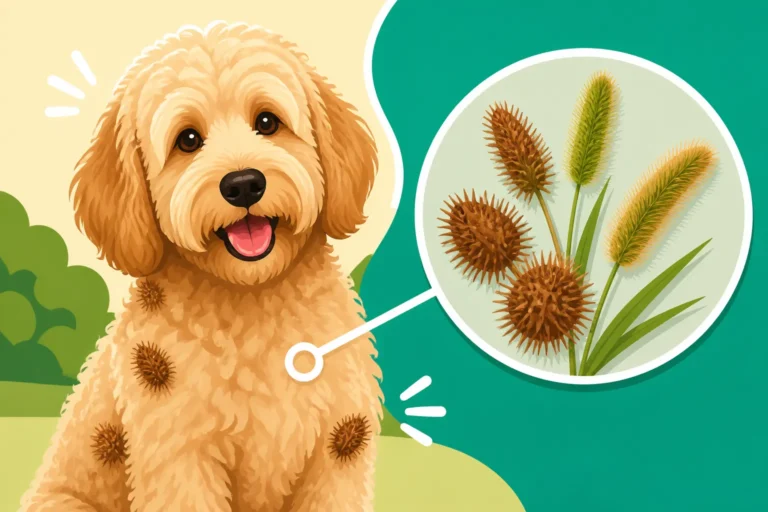
- Foreign Objects: If you suspect a foreign object (like a foxtail or a piece of grass seed) might be lodged in the ear canal, do NOT try to remove it yourself. You could push it deeper or cause damage. Let the vet handle it.
- Recurring Infections: If your Goldendoodle seems to get ear infections frequently, despite your best efforts, your vet can investigate underlying causes such as allergies (food or environmental), anatomical issues, or other health problems. They might suggest diagnostic tests or different treatment approaches. Goldendoodle Allergies and Itchy Skin can often be the root cause of recurring ear troubles.
Your vet can properly diagnose the type of infection (bacterial, yeast, or both) and prescribe the appropriate medication, which might include medicated ear drops or oral antibiotics. Never attempt to treat a severe infection with home remedies or old medications without veterinary guidance.
Advanced Goldendoodle Ear Maintenance Considerations
Beyond the basic weekly clean, there are other aspects of Goldendoodle ear care that can either enhance prevention or require a bit more thought and professional input. These considerations often come up for Goldendoodles with particularly challenging ear health or those prone to moisture-related issues.
To Pluck or Not to Pluck: Discussing the Debate Around Ear Hair Plucking
Ah, the great ear hair plucking debate! This is a topic that sparks a lot of discussion among Goldendoodle owners and even professionals. The idea behind plucking the hair inside the ear canal is to increase airflow and reduce the amount of debris and wax that can get trapped, theoretically lowering the risk of infection.
However, it's not a clear-cut solution.
- The Argument for Plucking: Proponents argue that by removing the hair, you eliminate the "carpet" that traps moisture and creates an ideal breeding ground for pathogens. For some Goldendoodles with extremely dense ear hair, plucking can make a noticeable difference in ear health.
- The Argument Against Plucking: Critics point out that plucking can actually cause micro-traumas to the delicate skin of the ear canal. These tiny abrasions can become entry points for bacteria, leading to more infections rather than fewer. It can also be quite painful for the dog, making future ear care a battle. Furthermore, some studies suggest that plucking does not significantly reduce infection rates and may even increase them if not done correctly and sparingly.
My Take: For most Goldendoodles, regular, thorough cleaning is more important and less risky than plucking. If your Goldendoodle has chronic ear infections and your vet or an experienced groomer suggests plucking, they will likely do it with minimal trauma. If you choose to pluck, only do it if absolutely necessary, after professional guidance, and sparingly. Many Goldendoodles can live long, healthy lives without ever having their ear hair plucked. The best approach is always to discuss it with your veterinarian who knows your specific dog. You might also be interested in Whether Plucking Ear Hair Prevents Goldendoodle Infections.
Managing Moisture After Baths or Swims
This is perhaps one of the most critical "advanced" considerations, because it's so easy for moisture to get trapped. Goldendoodles often love water, whether it's a bath, a romp in a muddy puddle, or a swim in a lake. But this love of water can be a fast track to an ear infection if you're not careful.
- Post-Bath Drying: After every bath, take extra time to thoroughly dry your Goldendoodle's ears. Use cotton balls or soft gauze to gently wipe out any visible moisture from the outer ear canal. You can also use a low-heat, low-speed hairdryer, held at a safe distance, to gently dry the external ear flap and around the opening of the canal. Ensure the air isn't too hot and always keep it moving.
- Swimming Precautions: If your Goldendoodle is a frequent swimmer, consider using an ear drying solution immediately after they get out of the water. These solutions are specifically designed to quickly evaporate moisture from the ear canal. They are different from regular ear cleaners and are typically applied after exposure to water. Always check with your vet for a recommended brand. Even better, make it part of your routine on swim days. This proactive step can dramatically reduce the risk of yeast and bacterial overgrowth fueled by trapped water. Don't underestimate the power of a wet ear. Yeast in a Goldendoodle Ear After Swimming is a common problem.
Dietary Factors and Ear Health
While ear cleaning is a topical solution, sometimes the root cause of chronic ear infections lies within: allergies. Many Goldendoodles develop allergies, either to ingredients in their food or to environmental factors, and these allergies often manifest as itchy skin and, you guessed it, itchy, inflamed ears.
- Food Allergies: If your Goldendoodle experiences recurrent ear infections, even with diligent cleaning, talk to your vet about the possibility of food allergies. Common culprits include certain proteins (chicken, beef, dairy) or grains. An elimination diet, under veterinary guidance, is typically the most reliable way to diagnose a food allergy. If identified, switching to a novel protein or hydrolyzed protein diet can significantly improve ear health. Brands like Ollie, which offers fresh, customized meals, or specialized veterinary diets available through Chewy, can be part of this approach.
- Environmental Allergies: Pollen, dust mites, and molds can also trigger allergic reactions that lead to inflamed, itchy ears. Your vet might suggest allergy testing and potentially prescribe antihistamines, steroids, or even immunotherapy (allergy shots) to manage these symptoms. Addressing the underlying allergy can reduce the inflammation in the ears, making them less susceptible to secondary infections and making your cleaning efforts far more effective. It's about treating the cause, not just the symptom.
By combining a consistent weekly cleaning routine with proactive moisture management and addressing any underlying allergies, you can give your Goldendoodle the best chance at having healthy, comfortable ears for years to come.
Disclaimer
This article is for general informational purposes only and does not constitute professional advice. Laws, prices and regulations vary by location and change over time. Consult a qualified professional for guidance on your specific situation.