How Often to Bath a Goldendoodle at Home
One of the biggest head-scratchers for new Goldendoodle parents, and even some seasoned ones, is figuring out how often to actually bathe their furry family member. It’s not just about keeping them smelling fresh; it's a balancing act that impacts skin health, coat condition, and even your sanity, especially when dealing with that infamous Goldendoodle coat. This guide will help you understand the nuances of bathing your Goldendoodle at home, ensuring they stay clean, comfortable, and mat-free without overdoing it.
Understanding Your Goldendoodle's Unique Coat Needs
The Goldendoodle coat is a marvel, a beautiful blend of its Golden Retriever and Poodle ancestry. But it's also a high-maintenance affair that can quickly become a matted mess if not properly understood and cared for. Knowing your dog's specific coat type is the first step in determining an effective bathing routine.
The Different Goldendoodle Coat Types and Their Impact on Bathing
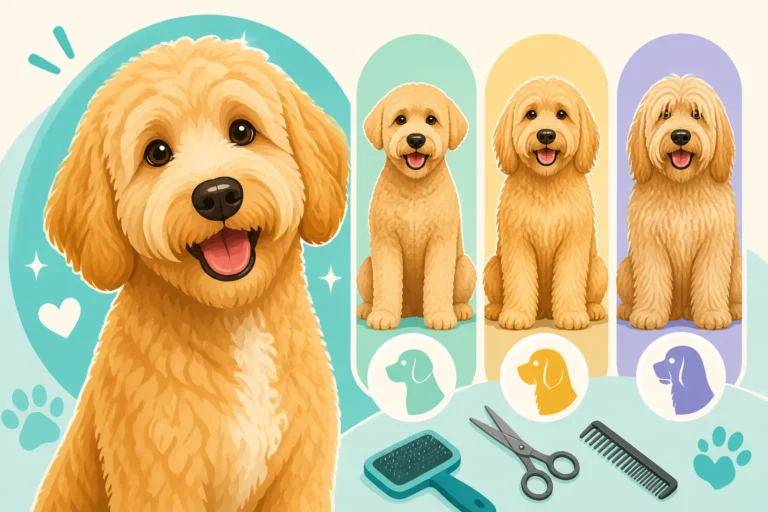
Goldendoodles can sport a few different coat types, each with its own quirks and demands. Generally, you'll see flat, wavy, or curly coats, and these distinctions play a huge role in how often and how you should bathe your dog.
A flat coat, often seen in F1 Goldendoodles, might look more like a Golden Retriever's fur. It's generally lower maintenance than the curlier varieties when it comes to tangles and mats, but it can still shed, and it can certainly pick up dirt and odors just as easily. While brushing is still essential, these coats might forgive a slightly less frequent bathing schedule, though they might also show dirt more readily.
Then there's the wavy coat, often called "fleece" or "shaggy." This is probably the most common Goldendoodle coat, and it's a beautiful, soft, flowing texture. It tends to be low-shedding but is a magnet for mats, especially behind the ears, in the armpits, and where harnesses rub. These coats absolutely demand diligent brushing and careful bathing to prevent tangles from becoming impenetrable felt. Bathing needs to be approached with caution to avoid tightening existing tangles.
Finally, the curly or "wool" coat is denser and tighter, much like a Poodle's. This coat is typically the most hypoallergenic and non-shedding, but it's also the most prone to matting right down to the skin. Owners of curly-coated Goldendoodles often find themselves battling mats daily if they're not careful. Bathing a curly coat requires extreme pre-bath preparation to ensure there are no tangles, as water will cause any existing mat to seize up and become much harder to remove. Understanding these variations is key to managing your dog's grooming needs.
Why Regular Brushing Matters More Than Frequent Bathing
This might sound counter-intuitive, but for a Goldendoodle, consistent, thorough brushing is far more critical than how often you dunk them in the tub. Think of bathing as the cherry on top, not the whole sundae. Goldendoodles, especially those with wavy or curly coats, are prone to matting. Mats are not just unsightly; they can be painful, pulling on the skin, causing skin irritation, and even hiding parasites or infections.
When a matted Goldendoodle gets wet, those mats tighten up, becoming almost impossible to brush out without causing immense discomfort to your dog. It's like trying to untangle wet, knotted yarn – it just gets worse. This is why groomers will often refuse to bathe a severely matted dog and will instead recommend shaving them down. It’s not because they don't want to do the work; it's a welfare issue for the dog. Regular brushing, at least every other day, and often daily for particularly dense or curly coats, is your primary defense against matting. For a deeper dive, check out Why Goldendoodle Matting Is Almost Always Preventable. This groundwork makes bathing a much smoother, safer, and more effective process for both of you.
Setting a Realistic Home Bathing Schedule
There's no single, universally "correct" answer to how often you should bathe your Goldendoodle. It's a highly individualized matter, influenced by their lifestyle, coat type, and any specific health concerns. What works for one Goldendoodle might be far too much or too little for another.
Factors Influencing Bathing Frequency
Several factors will dictate how often your Goldendoodle needs a home bath. Consider these points when planning your routine:
First, activity level and environment play a huge role. Does your Goldendoodle love rolling in mud puddles at the dog park? Are they a dedicated swamp-monster, diving into every available body of water, or do they spend most of their time indoors, pristine and clean? A Goldendoodle that enjoys frequent outdoor adventures, especially in wet or dirty conditions, will naturally need baths more often than a couch potato. Mud, pollen, and general outdoor grime will accumulate in their coat, leading to smells and potential skin irritation.
Skin and coat health are also major considerations. Dogs with dry skin, allergies, or certain dermatological conditions might require specialized shampoos and a more carefully managed bathing schedule. Some skin conditions necessitate frequent medicated baths, while others might be aggravated by too much washing, stripping natural oils. If your Goldendoodle has recurring skin issues, always consult your vet for guidance on bathing frequency and products. Conversely, a Goldendoodle with excessive oiliness might benefit from more frequent bathing to manage their skin.
Finally, the type of coat your Goldendoodle has (as discussed above) affects things. A very curly, dense coat might trap dirt and odors more readily, but it also mats incredibly easily when wet. A flatter coat might seem cleaner, but could still be holding onto allergens or environmental irritants. Each coat type brings its own set of challenges that inform how often a bath is beneficial versus detrimental.
General Guidelines for Goldendoodle Bathing
While there's no hard-and-fast rule, a good starting point for most Goldendoodles is to aim for a bath every 4 to 8 weeks. This range allows you to keep their coat clean without over-stripping their natural oils, which can lead to dry, itchy skin. However, "as needed" truly is the best guide. If your Goldendoodle gets particularly dirty, smelly, or has an unexpected encounter with something sticky, a bath is obviously in order, even if it's sooner than your usual schedule.
For puppies, especially, it's a good idea to introduce them to bathing gently and incrementally. You don't want to overwhelm them. Regular bathing during puppyhood can help them acclimate to the process, making future grooms much easier. Just remember, their puppy coat will transition to an adult coat around 8-12 months, which can be a period of intense matting, regardless of bathing frequency. This transition often coincides with their first professional grooming appointments. For thoughts on professional grooming, take a look at How Often a Goldendoodle Needs a Professional Groom.
Recognizing When Your Goldendoodle Really Needs a Bath
Sometimes, it's obvious. Other times, it's a subtle cue your Goldendoodle is giving you (or your nose is). Here’s how to tell if it’s genuinely time for a bath:
The most undeniable sign is odor. If your Goldendoodle starts smelling distinctly "doggy," even after a good brushing, it's time for a bath. This can range from a general stale smell to something more potent if they've rolled in something unpleasant. Don't ignore persistent odors, as sometimes they can indicate an underlying skin issue that needs veterinary attention. However, more often than not, it's just accumulated oils and environmental debris.
Visible dirt or debris is another clear indicator. If you can see mud caked on their legs, burrs tangled in their fur, or they've gotten into something greasy, a bath is necessary. Simply brushing won't remove all of this, and leaving it can lead to skin irritation or matting. Check their paws, under their belly, and behind their ears, as these are common spots for dirt to hide.
Finally, pay attention to the texture and appearance of their coat. If it looks dull, greasy, or feels gritty, even after brushing, a bath can help restore its natural luster and softness. A dull coat might also signal a build-up of product residue if you've been using topical treatments or certain sprays without proper cleansing. A healthy Goldendoodle coat should feel soft and clean, not sticky or heavy.
The Home Bathing Process: More Than Just Water and Shampoo
Bathing a Goldendoodle isn't just a quick rinse; it's a multi-step process that, when done correctly, ensures a clean, healthy, and mat-free coat. Rushing through it or skipping steps can do more harm than good, especially with their unique fur.
Pre-Bath Preparation: The Crucial First Step
This is perhaps the most critical stage, often overlooked by owners who just want to get the "dirty part" over with. Before a single drop of water touches your Goldendoodle, you absolutely must perform a thorough brush-out. This means line brushing all the way down to the skin to remove any loose hair, tangles, or budding mats. Remember, water will tighten any existing mat, making it nearly impossible to remove without shaving. You can find detailed guidance on this technique in Line Brushing a Goldendoodle Section by Section.
Gather all your supplies beforehand. This isn't the time to realize you're out of shampoo or can't find the conditioner. You'll need:
- A good quality dog shampoo and conditioner: Specifically formulated for dogs, not human products, as dog skin has a different pH.
- Towels: Plenty of them.
- A non-slip mat for the tub or shower.
- Cotton balls to protect their ears from water.
- A force dryer or a powerful pet-specific hair dryer (human hair dryers are often too hot and not powerful enough).
- Brushes and combs: Slicker brush, pin brush, and a steel comb for line brushing during drying.
Have everything within arm's reach. Your Goldendoodle will likely be enthusiastic (or at least tolerant) in the tub, and you don't want to leave them unattended, especially if they try to shake off excess water in your bathroom!
Choosing the Right Products for Your Goldendoodle
The products you use make a significant difference in the health and appearance of your Goldendoodle's coat and skin. Don't just grab the first dog shampoo you see.
Look for dog-specific shampoos that are gentle, pH-balanced, and ideally sulfate-free. Oatmeal-based shampoos are excellent for sensitive skin, while a good detangling shampoo can be helpful for their curly or wavy coats. Avoid shampoos with harsh detergents or artificial fragrances that can irritate skin. Shampoo That Suits a Goldendoodle Coat delves deeper into choosing the right one. Brands like Earthbath, TropiClean, and Burt's Bees are often popular and widely available on platforms like Chewy and Amazon, offering various formulations for different needs.
A conditioner is non-negotiable for a Goldendoodle. Their coats can dry out easily, leading to frizz, breakage, and more matting. A good conditioner helps to rehydrate the skin and coat, smooth the hair cuticles, and make subsequent brushing much easier. Apply it generously after shampooing, ensuring it reaches all parts of the coat, then let it sit for a few minutes before rinsing thoroughly. For more on this, check out Conditioner and Why a Goldendoodle Needs It. If you use a leave-in detangler spray during drying, ensure it's compatible with your shampoo and conditioner. You can find excellent options for conditioners on Amazon, often bundled with their matching shampoos.
The Bath Itself: Technique for a Thorough Clean
Once prepped, it's time for the actual bath. Start by placing cotton balls gently in your Goldendoodle's ears to prevent water from entering, which can lead to ear infections, a common issue for dogs with floppy, furnished ears.
Use lukewarm water – not too hot, not too cold – and thoroughly wet your Goldendoodle's entire coat. This can take a while with their dense fur! Work the shampoo into a rich lather, starting from their neck and working your way down to their tail and paws. Pay special attention to areas that get particularly dirty or greasy, like their belly, armpits, and paws. Be very careful around their face and eyes; use a washcloth with just water to gently clean their face, avoiding getting shampoo in their eyes or up their nose.
Rinsing is arguably even more important than shampooing. You need to rinse, rinse, and then rinse again. Any shampoo residue left behind can irritate the skin, cause itching, and attract dirt, leading to a dull coat and faster re-soiling. Squeeze excess water from their coat, especially the long feathering on their legs and tail, and then apply conditioner if you're using one. After letting the conditioner sit for the recommended time, rinse thoroughly again until the water runs clear and their coat feels squeaky clean, not slick. Neglecting the ear cleaning routine is a common pitfall, so read up on The Weekly Goldendoodle Ear Routine Step by Step to keep those ears healthy.
Post-Bath Drying and Finishing Touches
This is another crucial stage where many owners go wrong, leading to mats and skin problems. Never air-dry a Goldendoodle, especially if they have a wavy or curly coat. Air drying will almost certainly result in mats as the coat dries unevenly and curls up.
Start with vigorous towel drying to remove as much excess water as possible. Then, it's time for the dryer. A dedicated force dryer (like those from Flying Pig Grooming, often available on Amazon) is highly recommended. These dryers blow room-temperature air at high velocity, pushing water out of the coat without using heat, which can damage hair and skin. If you don't have a force dryer, use a pet-specific hair dryer on a cool or low-heat setting, keeping it moving constantly to avoid burning their skin.
As you dry, use your slicker brush and comb to brush through the coat. This helps straighten the hair, prevents mats from forming as it dries, and ensures every part of the coat gets dry down to the skin. Pay meticulous attention to areas prone to matting. Continue drying and brushing until your Goldendoodle is completely, absolutely dry – no dampness whatsoever. Even slightly damp fur can quickly become matted or develop hot spots. Drying a Goldendoodle Down to the Skin explains this process in more detail, highlighting Why a Damp Goldendoodle Coat Mats Faster.
| Factor Determining Bath Frequency | Considerations | Typical Impact |
|---|---|---|
| Activity Level | How often your Goldendoodle plays outdoors, in mud, or swims. | High activity = more frequent baths |
| Environment | Exposure to dirt, allergens, pollutants, or strong odors. | Dirty environment = more frequent baths |
| Coat Type | Flat, wavy, or curly coat. | Curly/Wavy coats mat faster if not brushed. |
| Skin Conditions/Allergies | Dry skin, itching, hot spots, allergies. | May require special medicated baths or less frequent bathing (consult vet). |
| Odor | Persistent "doggy" smell. | Time for a bath! |
| Visible Dirt | Mud, grime, sticky substances. | Immediate bath likely needed. |
Beyond the Bath: Maintaining Coat Health
Bathing is just one part of the equation when it comes to a Goldendoodle's overall coat health. What you do between baths, and even what you feed them, has a profound impact.
Addressing Specific Coat Challenges
Even with a perfect bathing schedule, Goldendoodles can still present coat challenges. Matting remains the biggest enemy. If you find small mats despite regular brushing, try working them out with a detangling spray (you can find various options on Chewy for different coat types) and a comb before bathing. Never try to cut out mats with scissors close to the skin, as it's incredibly easy to accidentally cut your dog. If mats are severe, a professional groomer is your safest bet.
Skin issues like dryness, flakiness, or greasy patches might not always be solved by bathing alone. Dry skin can sometimes be exacerbated by bathing too often or using harsh shampoos. Greasy fur might indicate an underlying skin condition or even dietary imbalance. If you notice persistent skin problems, an appointment with your veterinarian is crucial to rule out medical causes. They might recommend specific medicated shampoos or dietary changes.
Diet and Supplements for a Healthy Coat
You truly are what you eat, and the same goes for your Goldendoodle! A high-quality diet provides the building blocks for healthy skin and a shiny coat. Look for dog foods that list a named meat source as the first ingredient and contain essential fatty acids like Omega-3 and Omega-6. These "good fats" are crucial for skin hydration, reducing inflammation, and promoting a lustrous coat.
Some owners opt for fresh food diets, like those offered by Ollie, which can contribute to better coat health due to their high-quality, minimally processed ingredients. Discussing dietary changes with your vet or a canine nutritionist is always a good idea to ensure it's balanced for your Goldendoodle's specific needs. Additionally, certain supplements, such as fish oil, flaxseed oil, or specific skin and coat supplements, can provide an extra boost. Omega Oils for a Goldendoodle Coat and Supplements That Actually Help a Goldendoodle Coat offer more in-depth information on supporting your Goldendoodle's coat from the inside out.
The Importance of Professional Grooming
While home bathing is vital, it doesn't replace regular professional grooming for most Goldendoodles. Professional groomers have the specialized tools, experience, and knowledge to handle Goldendoodle coats, especially during challenging periods like the puppy coat change. They can perform services like trimming, sanitary clips, paw pad trims, and ear cleaning that are difficult or unsafe to do at home.
Professional grooms typically happen every 6-8 weeks, depending on your dog's coat and your preferred length. These appointments help maintain the coat's integrity, prevent severe matting, and keep your Goldendoodle looking (and feeling) their best. Home bathing is an excellent way to maintain cleanliness between those professional visits, extending the time between full grooms or simply keeping your Goldendoodle fresh for daily life. Sometimes, that messy coat just needs an expert's touch.
Disclaimer
This article is for general informational purposes only and does not constitute professional advice. Laws, prices and regulations vary by location and change over time. Consult a qualified professional for guidance on your specific situation.