Physical Therapy After Goldendoodle Knee Surgery
It's a moment no Goldendoodle parent ever wants to face: the vet delivers the news that your bouncy, joyful companion needs knee surgery. The relief that there's a solution quickly gives way to a new wave of anxiety about the recovery. This comprehensive guide will walk you through the often-overwhelming world of physical therapy after Goldendoodle knee surgery, detailing what to expect, the stages of rehabilitation, and how you can best support your furry friend on their long road back to health.
Understanding Goldendoodle Knee Issues and the Path to Surgery
Bringing your Goldendoodle home is an absolute joy, filled with dreams of long walks, romps in the park, and endless games of fetch. So when a lameness, a limp, or a sudden yelp after a jump signals something is wrong with their knee, it can feel like a punch to the gut. The truth is, Goldendoodles, like many active breeds, can be prone to certain knee conditions that sometimes require surgical intervention. Understanding these issues is the first step in preparing for the recovery journey.
The Common Culprits: Cruciate Ligaments and Patellas
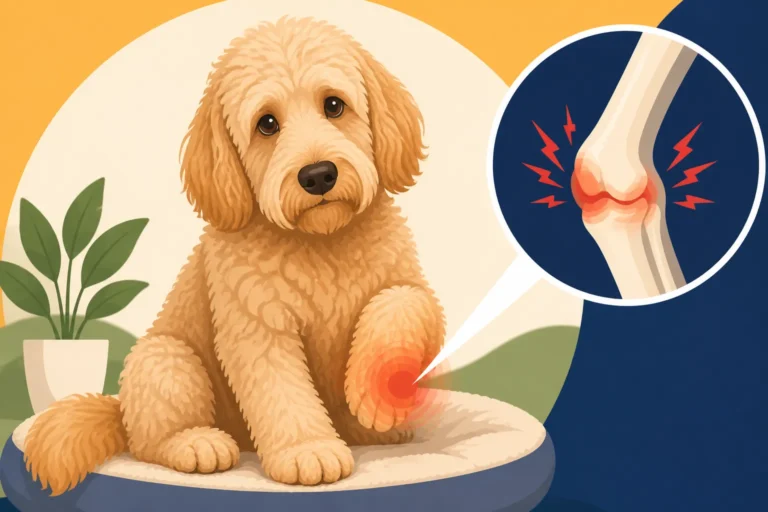
Two of the most frequent knee problems that send Goldendoodles to surgery are cranial cruciate ligament (CCL) tears and patellar luxation. The cranial cruciate ligament is akin to the ACL in humans, providing critical stability to the knee joint. When this ligament tears, either partially or completely, the knee becomes unstable, causing pain and lameness. Goldendoodles, with their athletic build and propensity for energetic play, can be particularly susceptible to these tears. A sudden twist during a chase, a misstep while jumping off furniture, or even chronic degeneration over time can lead to a tear. We often see these injuries in younger, active dogs, but they can occur at any age. Learning about Cruciate Ligament Tears in a Jumping Goldendoodle can provide more insight into how these injuries happen and what signs to look for.
Patellar luxation, on the other hand, involves the kneecap (patella) slipping out of its normal groove. While it can be caused by trauma, it's more often a congenital issue, meaning dogs are born with a predisposition to it due to the shape of their bones. This condition is particularly common in smaller Goldendoodles, such as Mini or Toy sizes. You might notice your Goldendoodle skipping a step, holding a leg up for a few strides, and then seemingly shaking it off as if nothing happened. This intermittent lameness is a classic sign. Over time, this constant slipping can lead to pain, arthritis, and further damage to the joint. It's a condition often graded one through four, with higher grades more likely to require surgery. Understanding Kneecap Grades One Through Four in a Goldendoodle can help you interpret your vet's diagnosis and understand the severity.
Navigating the Surgical Decision and Immediate Aftermath
Once your veterinarian diagnoses a significant knee injury, the conversation will likely turn to surgery. This can be an incredibly difficult decision, filled with questions about efficacy, recovery, and cost. Your vet will explain the different surgical options, such as TPLO (Tibial Plateau Leveling Osteotomy) or TTA (Tibial Tuberosity Advancement) for CCL tears, or corrective procedures for patellar luxation. It’s crucial to ask every question you have, no matter how small, to feel confident in the path forward. Finding a board-certified veterinary surgeon who specializes in these procedures is highly recommended, as their expertise can make a significant difference in outcomes.
The immediate period after surgery is critical for setting the stage for a successful recovery. Your Goldendoodle will likely come home with pain medication, anti-inflammatories, and possibly antibiotics. Their incision site will need careful monitoring for any signs of infection or swelling. The most important directive during these first few days and weeks is strict rest. This means no jumping, no running, no stairs, and absolutely no off-leash activity. Potty breaks will be short, controlled leash walks only, and often you’ll need to assist your dog, especially if they are larger or groggy from medication. This period of enforced calm can be challenging, especially for a high-energy Goldendoodle, but it’s absolutely non-negotiable for proper healing of the bone and soft tissues.
The Essential Stages of Goldendoodle Physical Therapy
Once the initial post-operative pain and swelling subside, and your vet gives the green light, physical therapy (PT) becomes the cornerstone of your Goldendoodle’s recovery. This isn't just about "getting them moving again"; it's a carefully structured, progressive program designed to restore strength, flexibility, balance, and ultimately, a high quality of life. Skipping or cutting corners on PT can significantly increase the risk of re-injury or developing chronic issues like arthritis.
Phase One: Protecting and Gentle Healing (Weeks 1-4)
The first phase of physical therapy, usually starting within a week or two after surgery, is all about gentle care and protecting the healing tissues while preventing muscle atrophy and stiffness. Your veterinary rehabilitation therapist will guide you through exercises that are low-impact and focused on passive movement. One of the primary techniques here is Passive Range of Motion (PROM) exercises. This involves you, the owner, gently flexing and extending your Goldendoodle's knee joint while they are lying down. The key is never to force the movement or cause pain. The goal is to maintain joint flexibility, prevent scar tissue from becoming too restrictive, and improve circulation to the area.
Another vital component of this phase is gentle massage around the surgical site (avoiding the incision itself) and the surrounding muscles. This helps reduce swelling, promote blood flow, and keep muscles from tightening up. Cryotherapy, applying cold packs, is often recommended in the first few weeks to further reduce swelling and inflammation, while later, thermotherapy (warm compresses) might be introduced to relax muscles before exercises. Your Goldendoodle's walks will still be very short and controlled on a leash, strictly on flat, non-slippery surfaces. The focus remains on careful monitoring of pain levels and incision healing. This foundational period is crucial, even if it feels slow, as it lays the groundwork for more active rehabilitation.
Phase Two: Building Strength and Balance (Weeks 5-12)
As your Goldendoodle progresses and the surgeon confirms adequate healing, typically around 4-6 weeks post-op, you'll enter the intermediate phase of rehabilitation. This is where active exercises are gradually introduced to start rebuilding muscle mass and improving coordination. Controlled leash walks will become longer and more purposeful, focusing on a normal gait pattern. Your therapist might introduce exercises like sit-to-stands, where you encourage your dog to sit and then stand repeatedly, strengthening the muscles around the knee and hip. Weight-shifting exercises, where you gently shift your Goldendoodle's weight from side to side or front to back, help them bear weight more evenly on the recovering limb.
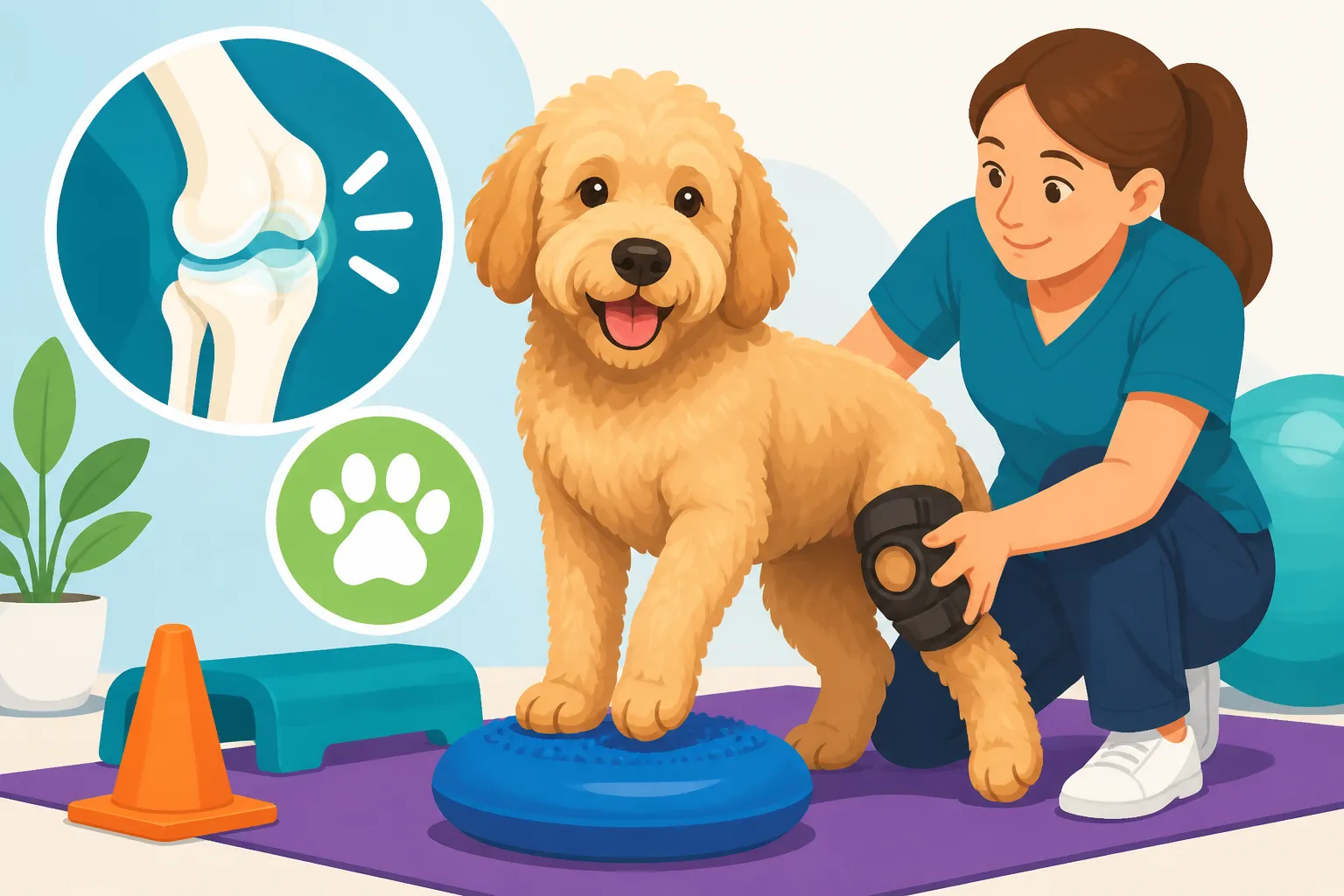
One of the most beneficial modalities in this phase for many Goldendoodles is hydrotherapy, particularly using an underwater treadmill. The buoyancy of the water reduces the load on the healing joint, allowing your dog to walk and move without the full impact of gravity. This helps build muscle strength and endurance safely and effectively, often with less pain. Many Goldendoodles, being part Golden Retriever, naturally enjoy water, making this a positive experience. Whether a Goldendoodle Enjoys Swimming explores this in more detail. In addition to hydrotherapy, proprioception exercises become important. These involve using unstable surfaces like balance boards or cushions to challenge your dog's balance and teach their brain how to communicate better with the injured limb, further enhancing stability.
Phase Three: Restoring Function and Preventing Re-injury (Months 3 and Beyond)
The advanced stage of physical therapy, usually starting around the three-month mark and continuing for several months, aims to fully restore function, build maximum strength, and condition your Goldendoodle for their normal activities. This phase involves more dynamic and challenging exercises tailored to their individual recovery and activity level. You'll likely introduce advanced strengthening exercises, potentially using resistance bands, controlled trotting on varied terrains, and specific exercises designed to target any remaining muscle imbalances.
Agility exercises, performed on soft surfaces and with low-impact obstacles, can help refine coordination and build confidence. Working on inclines and declines helps strengthen different muscle groups and improve joint articulation. A very gradual and controlled return to appropriate play is also part of this phase, always under strict supervision to prevent overexertion or sudden twists that could lead to re-injury. Long-term exercise planning is crucial here; your therapist will help you create a sustainable routine to maintain muscle strength and joint health. It's also vital to monitor your Goldendoodle for any signs of discomfort or changes in gait, and to keep a close eye on their weight. Maintaining a healthy Goldendoodle Weight and the Load on Its Joints is paramount, as excess weight puts immense strain on recovering joints and can lead to future problems. This ongoing commitment can significantly reduce the likelihood of another injury or the onset of severe Goldendoodle Arthritis After the Age of Eight.
Practical Considerations for a Successful PT Journey
The journey of physical therapy after knee surgery is a marathon, not a sprint. It demands consistency, patience, and a significant investment of time, energy, and resources. Understanding these practical aspects upfront can help you better prepare and navigate the challenges that inevitably arise.
The Commitment: Time, Effort, and Emotional Support
Let's be real: recovery from knee surgery, especially a major one like a TPLO, is a full-time job for several months. You'll be spending a considerable amount of time each day performing exercises, managing medications, and ensuring your Goldendoodle adheres to their restrictions. This daily grind can be exhausting, and it’s easy to feel frustrated when progress seems slow or when your Goldendoodle has a setback. It’s important to manage your expectations – recovery is rarely linear. There will be good days and challenging days. Celebrate every small victory, like a steady walk or a stronger sit-to-stand.
The emotional toll on both you and your Goldendoodle can be significant. Your dog might be frustrated by the lack of activity, leading to restlessness or even anxiety. Providing mental stimulation through puzzle toys, chew items, and gentle training sessions (like working on "stay" or "down") can help keep their minds engaged when their bodies are limited. Your unwavering patience and positive reinforcement are vital. They pick up on your stress, so staying calm and encouraging them through each exercise is key. Remember, you are their biggest advocate and their primary source of comfort during this challenging time.
Financial Planning and Professional Guidance
There's no sugarcoating it: Goldendoodle knee surgery and the subsequent physical therapy can be a substantial financial undertaking. The surgery itself, depending on the complexity, your location, and the type of procedure, can range from a few thousand dollars to upwards of $7,000-$10,000, and that's before a single physical therapy session. Weekly or bi-weekly PT sessions, including hydrotherapy and specialized exercises, can add hundreds of dollars per month to the bill. Knowing the typical Goldendoodle Knee Surgery Costs by Size can help you budget, but unforeseen complications can always arise.
This is where pet insurance can truly be a lifesaver. Policies from providers like Healthy Paws, if enrolled before the injury occurred, can significantly offset the financial burden of surgery and ongoing rehabilitation. It's crucial to understand your policy's coverage, deductibles, and reimbursement rates. Some policies, for example, might cover a certain percentage of physical therapy visits, while others might have annual limits. Even if you don't have insurance, discussing payment plans with your vet or exploring financing options can help make these critical treatments accessible. Beyond finances, finding a board-certified canine rehabilitation therapist is paramount. These professionals have specialized training in veterinary physical therapy and can design a safe, effective, and individualized plan for your Goldendoodle. Their expertise in gait analysis, muscle palpation, and progressive exercise development is invaluable. Don't hesitate to interview potential therapists, ask about their experience with Goldendoodles, and ensure you feel comfortable with their approach.
Home Environment Adjustments and Long-Term Care
To support your Goldendoodle's recovery at home, you'll need to make some practical adjustments to your living space. Slick floors are a major hazard for a recovering knee. Invest in non-slip rugs or runners, especially in high-traffic areas. Consider using ramps instead of stairs, both indoors and for getting into and out of vehicles. Elevated food and water bowls can make eating and drinking more comfortable, reducing strain on the recovering leg. A comfortable, supportive bed is also essential for resting and sleeping.
Long-term care extends beyond the formal physical therapy sessions. Your rehab therapist will equip you with a home exercise program to continue maintaining strength and flexibility. Incorporating appropriate Goldendoodle Joint Health by Size Category supplements, such as glucosamine, chondroitin, or omega-3 fatty acids, can help support joint health, especially as your Goldendoodle ages. Regular, controlled exercise tailored to your dog's abilities will be key to preventing future issues. It's also vital to schedule regular check-ups with your primary vet, and possibly your surgeon and rehab therapist, to monitor their progress and address any concerns promptly. Your commitment to these ongoing measures will ensure your Goldendoodle enjoys a full and active life for years to come.
Getting your Goldendoodle through knee surgery and the demanding recovery process of physical therapy is a significant undertaking, requiring immense dedication and love. While the journey can be challenging, the reward of seeing your joyful companion regain their mobility, chase a ball, and once again live life to the fullest is immeasurable. With consistent effort, professional guidance, and a supportive home environment, your Goldendoodle can make an incredible recovery and return to being the vibrant, happy dog you know and adore.
Disclaimer
The information provided in this article is for general informational purposes only and is not a substitute for professional veterinary advice, diagnosis, or treatment. Always seek the advice of your veterinarian or other qualified animal health provider with any questions you may have regarding a medical condition or treatment plan for your Goldendoodle. Never disregard professional veterinary advice or delay in seeking it because of something you have read in this article.