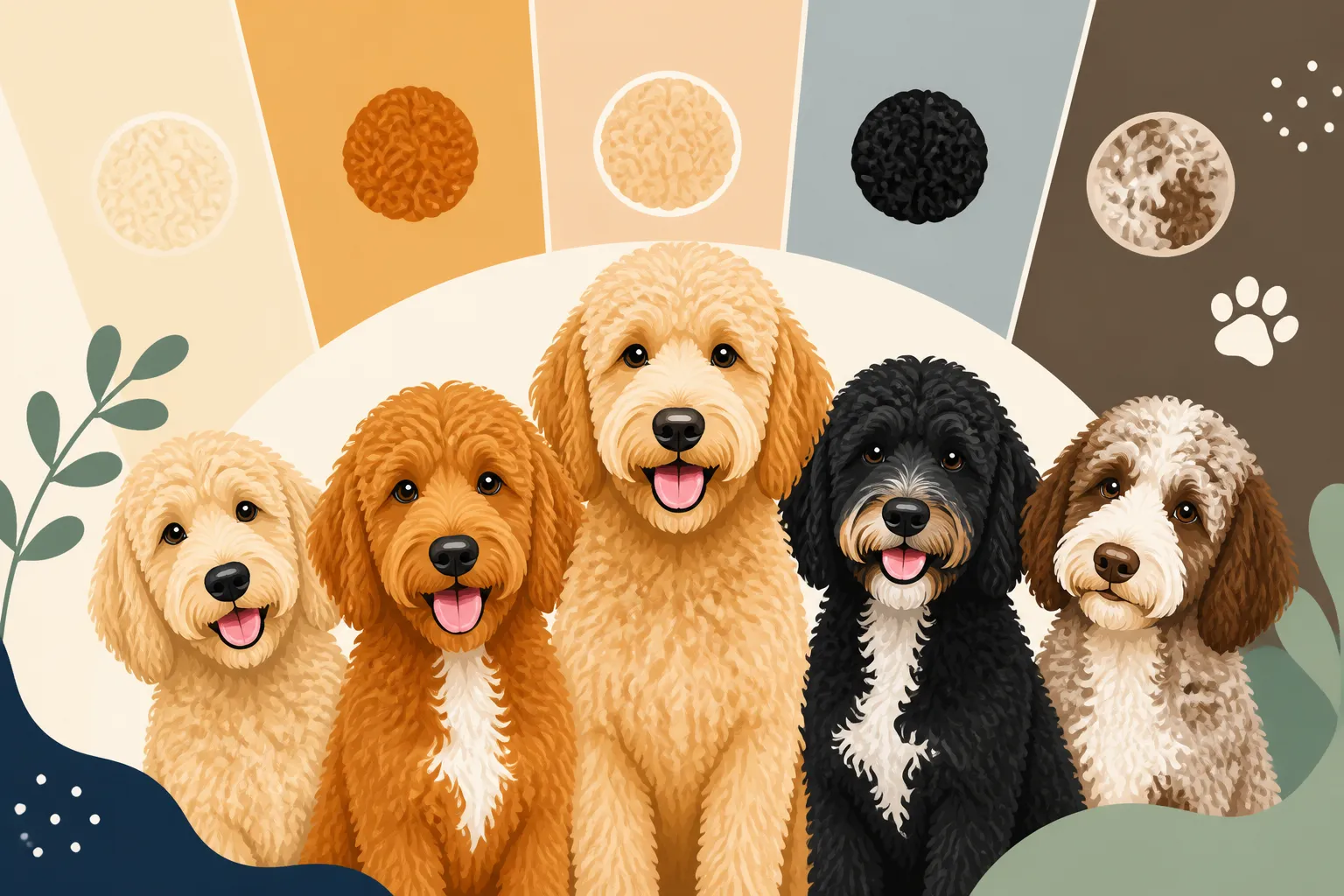
Goldendoodle Colors and Coat Patterns
You're thinking about bringing a Goldendoodle into your life, and one of the first things that catches your eye, beyond those irresistible puppy dog eyes, is the sheer variety of colors and patterns these wonderful dogs come in. It can be overwhelming to see pictures of everything from creamy white to deep red, black, and even multi-colored coats, and you might wonder what's natural, what's rare, and what it all means for you as a future owner. This comprehensive guide will walk you through the amazing spectrum of Goldendoodle coat colors and patterns, explain the genetics behind them, discuss how colors can change, and delve into the practical considerations and even controversies surrounding certain coat types.
The Rainbow of Goldendoodle Colors: More Than Just Gold!
When you first hear "Goldendoodle," you probably picture a dog that's, well, golden! And while the classic golden hue is certainly prominent, thanks to their Golden Retriever heritage, the Poodle side of the family brings an incredible amount of genetic diversity to the table, opening up a veritable rainbow of possibilities. This isn't just about aesthetics; understanding the range of colors and patterns helps you appreciate the breed's unique genetics and what you might expect when you bring one of these delightful companions home.
Goldendoodle Colors: A Spectrum from Cream to Black
It's truly remarkable how many different shades and combinations you can find in a Goldendoodle litter. You might see puppies ranging from almost pure white, known as 'cream,' all the way to a striking, solid black. In between, there are apricots that glow like a sunset, rich reds that stand out in any crowd, and a whole host of browns, from light cafe au lait to deep, dark chocolate. Each color has its own charm, and often, what a puppy looks like at eight weeks can evolve significantly as they grow. This spectrum means that no two Goldendoodles are exactly alike, adding to their unique appeal.
Why So Many Colors in One Crossbreed?
The reason for this extensive palette lies squarely in the genetic contributions of both parent breeds. Golden Retrievers, as their name suggests, typically come in shades of gold, cream, and red. Poodles, on the other hand, boast a much wider genetic color pool, including black, white, brown, apricot, red, blue, silver, and cream, along with various patterns. When these two breeds are crossed, their genes combine in fascinating ways, leading to the unpredictable yet beautiful array of Goldendoodle colors we see. This genetic lottery is part of the fun and surprise of getting a Goldendoodle, especially in early generations like the F1, where the genetic mixing is most pronounced. It's a prime example of What a Goldendoodle Inherits From Each Parent Breed.
Solid Goldendoodle Colors: The Classics and Beyond
Solid colors are perhaps the most commonly recognized Goldendoodle coats, though even within a single color category, there can be a wide range of shades and intensities. These solid hues are often what people initially seek, believing them to be the "traditional" Goldendoodle look, even if the definition of "traditional" for a relatively new crossbreed is a bit fluid!
Cream, Apricot, and Red Goldendoodles: The Warm Hues
These are arguably the most iconic Goldendoodle colors, directly influenced by the Golden Retriever's typical coat.
- Cream: Imagine a latte with extra foam, or perhaps a marshmallow – that's the gorgeous cream Goldendoodle. Their coats are typically a very light, almost off-white shade. While some might mistake them for white, true white Goldendoodles are much rarer. Cream coats often carry a soft, luxurious feel and can appear brighter or duller depending on lighting and grooming. They're incredibly popular and often maintain a fairly consistent shade throughout their lives, though some may lighten slightly with age.
- Apricot: A step up in warmth from cream, apricot Goldendoodles are simply stunning. They have a lovely, peachy tone, reminiscent of the fruit itself. The depth of apricot can vary greatly, from a pale, barely-there tint to a deeper, more vibrant orange-gold. Many Goldendoodles labeled "golden" are, in fact, apricot. These coats tend to be quite striking, especially in natural light, and often come with matching apricot noses and paw pads.
- Red: The boldest of the warm hues, red Goldendoodles possess a deep, rich reddish-brown coat. Think Irish Setter or a dark penny. This color can be truly breathtaking, offering a vibrant, fiery appearance. However, it's worth noting that red coats, particularly those from Poodle lines, can sometimes "fade" or "clear" over time, turning into a lighter apricot or even cream as the dog ages. This phenomenon is due to specific genes, and it's something many owners find surprising. For more on this, you might look into Red Goldendoodles and Whether the Color Fades.
Black and Chocolate Goldendoodles: The Rich, Dark Shades
For those who prefer a deeper, more dramatic look, black and chocolate Goldendoodles offer a sophisticated appeal. These colors are predominantly inherited from the Poodle side, which carries a strong genetic predisposition for rich dark coats.
- Black: A truly solid black Goldendoodle is a magnificent sight. Their coats are a deep, inky black from nose to tail, often with matching black pigment on their noses, paw pads, and eye rims. These coats tend to hold their color very well, though some may develop a slight brownish tint if exposed to a lot of sun, or in older dogs. The intensity of a black coat can make their soft, expressive eyes stand out even more. Finding a Goldendoodle with a truly jet-black coat can be a wonderful discovery for those seeking this classic shade.
- Chocolate: Ah, the chocolate Goldendoodle! This rich, warm brown can range from a lighter milk chocolate to a dark, almost espresso shade. Their noses, eye rims, and paw pads will typically also be brown, complementing their gorgeous coat. Chocolate coats are particularly beautiful when they catch the light, revealing subtle nuances of color. Like red coats, some chocolate Goldendoodles, especially those with certain Poodle genetics, might "clear" over time, developing a lighter café or silver-beige shade. The chocolate gene is recessive, meaning both parents must carry it for puppies to express this color. Chocolate and Black Goldendoodle Coats delves deeper into these elegant shades.
Gray and Silver Goldendoodles: The Less Common Silvery Tones
These colors are less common but equally stunning, bringing a unique, refined look to the Goldendoodle. They are almost exclusively derived from the Poodle parent's genetic lineage, as Golden Retrievers do not carry these color genes.
- Gray: True gray Goldendoodles are often born black and then "clear" to a smoky gray or blue color as they mature, sometimes taking a year or two for the full transition. The shade can vary from a light slate gray to a deeper, charcoal hue. Their pigment (nose, eye rims) will typically remain black, providing a lovely contrast. These coats have a distinguished appearance and are quite striking once they reach their adult color.
- Silver: Similar to gray, silver Goldendoodles also typically start as black and "clear" to a beautiful, shimmering silver. This process can be quite dramatic, with a black puppy gradually transforming into a dog with a metallic, almost iridescent silver coat. Silver is often a lighter, brighter shade than gray. Again, this clearing is a Poodle trait, and not all black Goldendoodles will carry the genes to turn gray or silver. It’s a fascinating genetic dance to observe as a puppy matures.
Patterned Goldendoodle Coats: When Color Gets Creative
Beyond the solid colors, Goldendoodles can also exhibit a variety of beautiful coat patterns, adding another layer of visual interest and uniqueness. These patterns involve two or more colors on the coat, creating distinct markings that make each dog a true work of art.
Parti Goldendoodles: Bold Blocks of Color
Parti is one of the most eye-catching Goldendoodle patterns, characterized by a coat that is at least 50% white, with large, irregular patches of another solid color. Imagine a canvas of white with splashes of black, chocolate, red, or apricot.
The term "parti" comes from "parti-colored," meaning having two or more distinct colors in patches. These patches can appear anywhere on the body, from the head and ears to the back and tail, creating a truly unique look for each dog. The white base is usually very clean and bright, making the colored patches pop. Parti Goldendoodles are always adored for their playful and distinctive appearance. If you're looking for a dog that stands out, a parti Goldendoodle is definitely one to consider. You can learn more about these striking coats in Parti Goldendoodles and Their White Markings.
Phantom Goldendoodles: Elegant Markings Like a Doberman
Phantom is a sophisticated and highly sought-after pattern that mimics the classic markings seen on breeds like Doberman Pinschers or Rottweilers. A phantom Goldendoodle will have a solid base color (such as black, chocolate, or red) with contrasting lighter markings (typically cream, apricot, or silver) appearing in specific areas.
These markings are always found in the same places: above each eye, on the sides of the muzzle, on the chest, on the lower parts of the legs, and under the tail. The contrast between the base color and the phantom points is what makes this pattern so elegant. For example, a black phantom Goldendoodle might have a jet-black body with sharp apricot markings over its eyes and on its chest. The genetic coding for phantom is carried by the Poodle parent, making it a distinctly Poodle-derived trait. These dogs have a regal appearance and their unique markings are quite captivating. For those interested in this specific pattern, Phantom Goldendoodle Markings Explained offers an in-depth look.
Merle Goldendoodles: The Dappled Debate
Merle is perhaps the most distinctive and, at times, controversial coat pattern found in Goldendoodles. It creates a stunning, mottled, or dappled effect on the coat, where patches of diluted color are interspersed with areas of the full, undiluted base color. Think of a swirling, marbled appearance, often with blue or partially blue eyes.
For example, a blue merle Goldendoodle would have patches of diluted black (appearing as grey or blue) mixed with solid black, and possibly some white markings. Red merle would show diluted red/liver patches with solid red/liver. While undeniably beautiful, the merle gene itself carries potential health risks, particularly when two merle dogs are bred together. This can lead to serious eye and ear defects, including blindness and deafness. Reputable breeders are extremely cautious with merle genetics, ensuring that only one parent carries the merle gene to avoid these health complications. This is a pattern where informed breeding practices are absolutely crucial. We discuss this important topic further in Merle Goldendoodles and the Health Warning.
The Genetics Behind the Goldendoodle Palette
Understanding Goldendoodle colors isn't just about admiring their beauty; it's also about appreciating the fascinating science of canine genetics. Every color and pattern you see is the result of specific genes inherited from their Golden Retriever and Poodle parents. It's a complex interplay of dominant and recessive genes that dictates the final coat appearance.
The Golden Retriever's Influence on Goldendoodle Color
The Golden Retriever side of the Goldendoodle equation primarily contributes genes for shades of gold, cream, and red. Golden Retrievers themselves come in a range of these colors, from light cream to a rich mahogany red. The key gene here is often related to eumelanin (black/brown pigment) and phaeomelanin (red/yellow pigment) production, and how intensely these pigments are expressed.
Golden Retrievers typically carry genes that predominantly produce phaeomelanin, resulting in their characteristic golden coats. They also often carry a gene that restricts black pigment to the nose and eye rims, rather than throughout the coat. So, when you see a cream or golden Goldendoodle, you're seeing a strong influence from their Golden Retriever ancestry. However, they don't carry the wide array of colors or patterns that Poodles do, so their contribution is more limited to this warm spectrum.
The Poodle's Genetic Contribution to Color and Pattern
The Poodle is the true artist of the Goldendoodle color palette. Poodles are genetically predisposed to produce nearly every color and pattern seen in dogs. They carry genes for black, brown (chocolate), white, apricot, red, blue, silver, and cream. More importantly, they carry the genes responsible for patterns like parti, phantom, and merle, as well as dilution genes that can turn black into blue or silver, and chocolate into café or silver-beige.
The "furnishings" gene, which gives Goldendoodles their characteristic bearded, shaggy faces and low-shedding coats, also comes from the Poodle. While not a color gene itself, it influences the texture and growth of the hair where these colors and patterns are expressed. The Poodle's diverse genetic makeup is why Goldendoodles can look so different from one another, even within the same litter. This rich genetic background is what truly differentiates a Goldendoodle's coat possibilities from just a purebred Golden Retriever.
Understanding Basic Color Genes in Goldendoodles
To simplify a bit, there are a few core genetic loci (locations on a chromosome) that control most Goldendoodle coat colors and patterns:
- The E Locus (Extension): This gene controls whether a dog can produce red (phaeomelanin) or black (eumelanin) pigment in its coat. A dog that is "ee" at this locus will be red/yellow/apricot regardless of other color genes. Golden Retrievers are typically "ee." Poodles can be "E" (allowing black) or "e."
- The B Locus (Brown): This gene determines whether eumelanin pigment is black or brown. "BB" or "Bb" dogs have black pigment, while "bb" dogs have brown (chocolate) pigment.
- The K Locus (Dominant Black): This gene controls whether a dog expresses a solid black coat, or if other modifying genes (like those for fawn/sable) can show.
- The A Locus (Agouti): This locus contributes to patterns like sable, phantom, and tan points.
- The M Locus (Merle): This is the gene responsible for the merle pattern. It's an incomplete dominant gene, which is why breeding two merle dogs can lead to severe health issues.
It's a lot to take in, but understanding these basic genes helps explain Why Two Goldendoodles From One Litter Differ in appearance, even if their parents are the same. DNA testing for coat color genetics is becoming increasingly common among responsible breeders to predict litter outcomes and avoid undesirable health consequences, especially with patterns like merle.
Understanding Coat Color Changes: What to Expect
It's a common surprise for new Goldendoodle owners: the puppy color they fell in love with isn't quite the adult color they end up with! Many Goldendoodle coats, particularly those with Poodle influence, are not set in stone and can undergo significant changes as the dog matures. This phenomenon, often called "clearing" or "fading," is a fascinating aspect of Goldendoodle genetics.
Why Goldendoodle Coats Can Fade or Lighten
The primary reason Goldendoodle coats fade or lighten is due to specific "fading" or "greying" genes inherited from the Poodle side. Poodles are known for this characteristic, where a puppy born a dark color (like black or brown) can gradually lighten to silver, blue, or café au lait as they age. This isn't a sign of poor health or nutrition; it's simply a genetic trait.
The most common colors to experience this are reds, apricots, blacks, and chocolates. A vibrant red puppy might mature into a soft apricot or even cream. A deep chocolate could become a lighter café. And a jet-black puppy might transition to a steel blue or shimmering silver. This process can take anywhere from a few months to a couple of years, making the Goldendoodle's final adult color a bit of a delightful mystery. It's all part of the unique charm of this crossbreed.
The "Clearing" Gene from the Poodle Side
The "clearing" or "greying" gene, often associated with the G locus in Poodle genetics, causes the progressive dilution of eumelanin (black and brown pigment) over time. This means that a dog born with full black or brown pigment will gradually lose that intensity as their hair grows and sheds. The effect is most noticeable on the body hair and less so on the nose, paw pads, and eye rims, which often retain their original dark pigment.
For example, a black Goldendoodle carrying the greying gene will start with a solid black coat, but as they grow, their new hair growth will be lighter, eventually resulting in a blue or silver coat. Similarly, a chocolate Goldendoodle with the clearing gene might transition to a café or silver-beige. It’s a slow, beautiful transformation that many owners enjoy witnessing. The extent of clearing can also vary, with some dogs turning much lighter than others.
When to Expect Goldendoodle Coat Color Changes
The process of color change typically begins around 6 to 12 months of age, coinciding with the Goldendoodle's The Goldendoodle Coat Change at Eight to Twelve Months. During this period, the puppy coat, which is often softer and more uniform in color, is shed and replaced by the coarser, adult coat. It's during this transition that the true adult color genes begin to express themselves more fully.
You might first notice the change around the muzzle, eyes, or paws, with new lighter hair growing in. The process can continue gradually over the next year or two, sometimes even longer, until the dog reaches its mature color. If you're hoping for a specific long-term color, it's always best to ask breeders about the parents' color histories and whether their lines typically "clear." They might even have photos of older puppies from previous litters to give you an idea of what to expect.
Grooming and Care for Different Colored Goldendoodles
While the fundamental grooming needs of a Goldendoodle remain the same regardless of color – consistent brushing, regular professional grooms, and ear care – certain coat colors can present specific considerations or require particular attention.
Protecting Lighter Coats from Sunburn and Staining
Lighter-colored Goldendoodles, such as creams and apricots, can be more susceptible to sunburn, especially if they have thin coats or sensitive skin. If your Goldendoodle loves spending time outdoors, particularly with a shorter summer cut, you might need to apply dog-safe sunscreen to exposed areas like their nose, ear tips, or any areas with less dense fur.
Another common issue with lighter coats is staining, especially around the mouth and eyes. Tear stains, which are often reddish-brown, are much more noticeable on a cream or white face. Similarly, if your Goldendoodle is a messy eater, their beard can quickly become discolored by food or water, leading to a rusty tint. Regular cleaning of the face with a damp cloth or a gentle, dog-safe tear stain remover can help. For more tips, check out Keeping a Goldendoodle Beard From Staining. Also, consider stainless steel or ceramic bowls instead of plastic, as plastic can sometimes harbor bacteria that contribute to staining.
Maintaining the Vibrancy of Darker Goldendoodle Coats
Darker Goldendoodle coats – blacks, chocolates, and even deep reds – generally hold their color well, but they can still benefit from specific care to maintain their vibrancy. Prolonged exposure to harsh sunlight can sometimes cause darker coats to develop reddish or brownish highlights, especially on the back and shoulders. While this isn't harmful, if you prefer to keep the rich, deep tone, limiting extreme sun exposure or using a dog-safe coat conditioner with UV protection might help.
Regular bathing with high-quality, color-enhancing shampoos (specifically formulated for dark coats, without dyes) can also help keep their fur looking lustrous and prevent dullness from dirt or product buildup. Ensuring your Goldendoodle has a balanced diet rich in omega fatty acids can contribute to a healthy, shiny coat of any color. Reputable brands like Chewy offer a wide range of supplements and shampoos perfect for maintaining a healthy, vibrant Goldendoodle coat.
Grooming a Goldendoodle to Prevent Mats Regardless of Color
Regardless of your Goldendoodle's color, matting is the biggest grooming challenge. The thick, often curly, and low-shedding coat is prone to tangles that quickly turn into painful mats if not brushed regularly. While coat color doesn't directly cause matting, a matted coat, no matter its hue, will look dull and unhealthy.
The key to preventing mats is consistent Brushing a Goldendoodle Often Enough to Stop Matting. This means line brushing down to the skin several times a week, especially in high-friction areas like behind the ears, armpits, and under harnesses. A good slicker brush and a metal comb are essential tools. If mats do form, they'll need careful detangling or, in severe cases, professional shaving, which is never ideal for the dog's comfort or the owner's budget. Finding quality grooming tools and products from Chewy can make this daily task much easier and more effective.
The Controversy of "Rare" Goldendoodle Colors
In the world of designer dogs, "rare" often carries a premium price tag. While some Goldendoodle colors are genuinely less common due to recessive genetics, others are marketed as "rare" when they carry significant health risks. It's crucial for prospective owners to understand the difference and approach claims of "rare" colors with informed caution.
Merle Goldendoodles and Associated Health Risks
As mentioned earlier, the merle pattern, while beautiful, is a genetic trait that carries inherent risks, especially when mishandled in breeding. The merle gene dilutes random areas of the coat, creating a marbled effect. It's also known to affect eye and ear development.
The major concern arises when two dogs carrying the merle gene are bred together, resulting in what's known as "double merle" offspring. Double merles have a significantly increased risk of severe health issues, including blindness, deafness, microphthalmia (abnormally small eyes), and other ocular defects. These conditions can range from mild to profoundly debilitating. A truly ethical breeder will never breed two merle dogs together. They will only breed a merle dog with a non-merle (solid colored) dog to minimize these risks. If a breeder is promoting "double merle" puppies or seems unaware of these genetic risks, it's a huge red flag.
Why "Rare" Often Means "Risky"
The term "rare" itself can be a marketing tactic. Some colors are indeed rarer because they are controlled by recessive genes (meaning both parents must contribute the gene) or are simply less common in the Poodle lines used. However, certain "rare" colors, particularly merle, have become popular without a full understanding of the underlying genetics and potential health consequences.
For example, breeders might charge significantly more for a merle Goldendoodle, sometimes without adequately educating buyers about the genetic testing involved or the potential issues if bred improperly. This can lead to buyers unknowingly supporting irresponsible breeding practices. It's vital to remember that a truly responsible breeder prioritizes health, temperament, and genetic soundness over fleeting color trends or "rare" claims. Be very wary of breeders who emphasize "rare" colors and demand exorbitant prices without providing comprehensive health testing and genetic information for both parents. Learn more about evaluating breeders through Choosing a Goldendoodle Breeder Worth Buying From.
Ethical Breeding Practices for Goldendoodle Colors
Ethical breeding focuses on the overall health and well-being of the puppies, not just their appearance. For colors and patterns, this means:
- Genetic Testing: Reputable breeders perform extensive DNA testing on their parent dogs to identify all potential color genes, including merle, to ensure safe and predictable pairings. This helps avoid accidental double merle matings.
- Health First: The health and temperament of the parents should always be the top priority. A stunning coat color is meaningless if the dog is plagued by genetic health issues or has an unsound temperament. This includes genetic screening for conditions like hip and elbow dysplasia, eye diseases, and other breed-specific concerns, regardless of coat color. The DNA Panel a Goldendoodle Breeder Should Run offers more details.
- Transparency: Ethical breeders are open and honest about the genetics of their dogs, including coat color genes, and are happy to discuss potential outcomes and any associated risks. They will provide health clearances and be transparent about their breeding philosophy.
- Education: A good breeder will educate prospective buyers on what to expect with their Goldendoodle's coat, including potential color changes and any specific care requirements.
| Goldendoodle Coat Color/Pattern | Description | Common Parent Contribution | Potential for Fading/Clearing |
|---|---|---|---|
| Cream | Very light, off-white coat. | Golden Retriever, Poodle | Generally stable |
| Apricot | Peachy, warm orange-gold tone. | Golden Retriever, Poodle | Can lighten to cream |
| Red | Deep, rich reddish-brown. | Golden Retriever, Poodle | Often lightens to apricot/cream |
| Black | Solid, inky black from nose to tail. | Poodle | Can clear to blue/silver |
| Chocolate | Rich, warm brown (milk to dark). | Poodle | Can clear to café/silver-beige |
| Gray/Silver | Born black, clears to smoky gray or shimmering silver. | Poodle | Always clears from black |
| Parti | At least 50% white with large patches of another color. | Poodle | Base colors may fade |
| Phantom | Solid base color with contrasting lighter points (e.g., above eyes, chest). | Poodle | Base colors may fade |
| Merle | Mottled, dappled coat with diluted and undiluted color patches. | Poodle | Base colors may fade |
Choosing Your Goldendoodle: Beyond Just the Pretty Color
It's completely natural to have a preference for certain colors or patterns when choosing a Goldendoodle. Their diverse appearances are part of what makes them so appealing! However, it's essential to remember that a Goldendoodle is much more than just its coat color. Focusing solely on aesthetics can lead to overlooking more critical factors like health, temperament, and the ethics of the breeder.
Prioritizing Health and Temperament Over Aesthetics
When you're bringing a living, breathing companion into your home for potentially 10-15 years, their health and temperament will impact your daily life far more than the shade of their fur. A Goldendoodle's personality, trainability, and overall well-being should always come first.
A dog with good genetics, raised in a loving environment, will have a better chance of being a happy, healthy, and well-adjusted member of your family, regardless of whether it's cream, red, or parti-colored. Health issues, on the other hand, can lead to heartbreak, significant vet bills, and a diminished quality of life for your pet. Similarly, a dog with behavioral problems, even if stunningly beautiful, can be a source of stress and frustration. Focus on finding a breeder who emphasizes these core traits, performs all recommended health screenings, and places puppies based on personality match, not just looks. For more on health, see Goldendoodle Hip Dysplasia at 15 to 20 Percent.
The Importance of Breeder Transparency
A responsible Goldendoodle breeder will be completely transparent about everything related to their puppies, including their health history, temperament of the parents, and the genetics behind their coats. They won't shy away from questions about potential health risks associated with certain colors or patterns, nor will they try to upsell you on "rare" colors without providing the full picture.
They should be able to show you health clearances for both parent dogs (like OFA or PennHIP for hips and elbows, eye certifications from a veterinary ophthalmologist, and genetic disease panels). They'll discuss the parents' temperaments and how they socialize their puppies. If a breeder is vague, pressures you, or seems more interested in getting a deposit than answering your questions thoroughly, it's a sign to look elsewhere. Always feel empowered to ask tough questions and expect detailed, honest answers. You can explore What Health Papers a Goldendoodle Breeder Should Show for more detailed guidance.
Living with a Goldendoodle: Embracing All Their Traits
Ultimately, the joy of living with a Goldendoodle comes from their incredible personalities, their boundless affection, and their playful spirit. While their diverse coats are certainly part of their charm, the color of their fur won't make them a better companion or change how much you love them.
You'll spend years enjoying their goofy antics, their eagerness to please, and their soft, cuddly nature. Embrace the fact that their coat color might change over time, and appreciate the uniqueness that each Goldendoodle brings. Whether your Goldendoodle is a classic golden, a fiery red, an elegant black, or a striking parti, they will offer unconditional love and become a cherished member of your family. The beauty of a Goldendoodle truly shines from within, a vibrant personality wrapped in a wonderful, varied coat.
Disclaimer
This article is for general informational purposes only and does not constitute professional advice. Laws, prices and regulations vary by location and change over time. Consult a qualified professional for guidance on your specific situation.