The Goldendoodle Against an Aussiedoodle
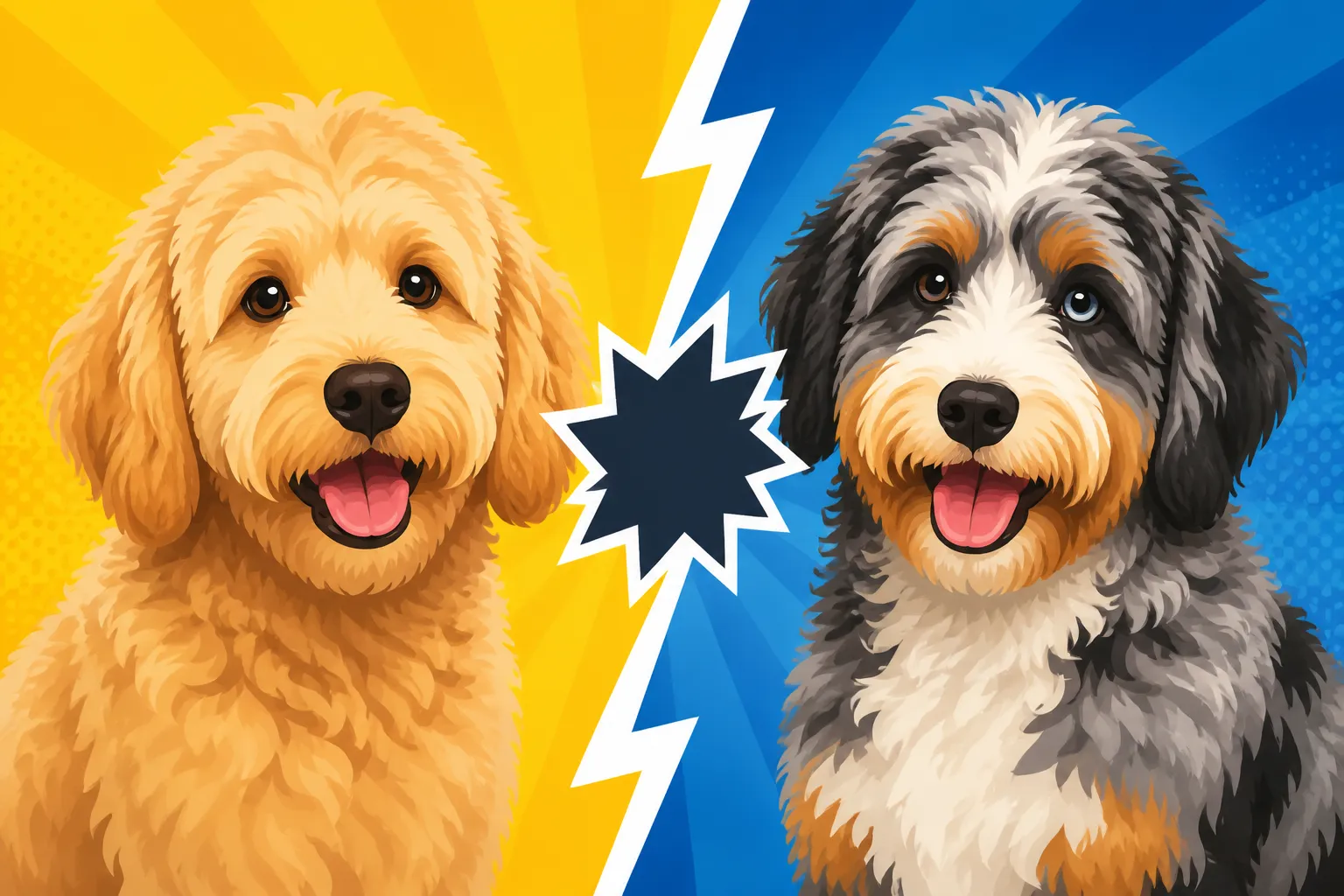
Choosing a new furry family member is such an exciting time, but it can also feel overwhelming with so many wonderful options, especially when you start looking at the popular "Doodle" crosses. If you've found yourself torn between the universally adored Goldendoodle and the increasingly popular Aussiedoodle, you're not alone. Both breeds bring incredible intelligence and charm, but they come from very different backgrounds and have distinct needs that could make one a much better fit for your household than the other. This guide will dive deep into the nuances of each, helping you understand their core differences in temperament, exercise, grooming, and health, so you can make an informed decision for your unique lifestyle.
Unpacking the Parentage: Goldendoodle vs. Aussiedoodle Foundations
Understanding where these delightful dogs come from is the first step in figuring out which one might be the best companion for you. Their parent breeds imbue them with inherent traits that can't be ignored, shaping their personalities, needs, and even their health predispositions.
The Golden Retriever and Poodle Blend: What Makes a Goldendoodle
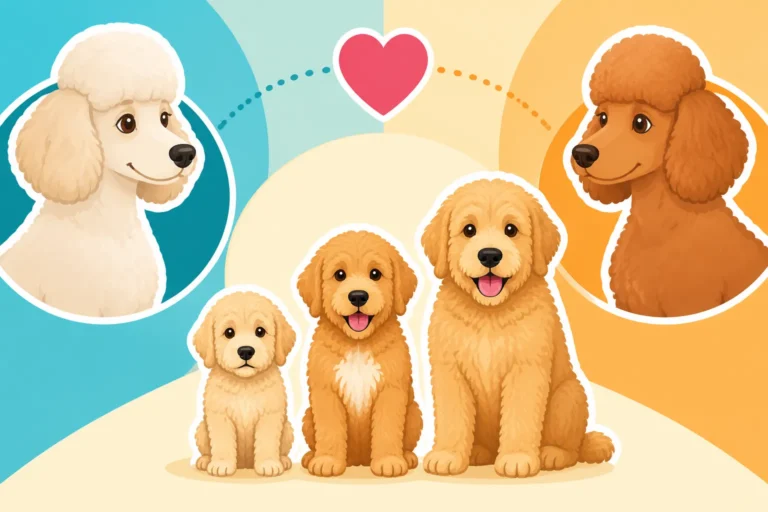
The Goldendoodle is, as the name suggests, a cross between a Golden Retriever and a Poodle. This combination was initially envisioned to create a low-shedding guide dog, bringing together the Golden Retriever's legendary friendliness and biddability with the Poodle's sharp intellect and hypoallergenic-leaning coat.
From the Golden Retriever side, you get a dog renowned for its amiable disposition. Goldens are deeply people-oriented, eager to please, and have a strong retrieving instinct, making them natural family companions. They thrive on interaction and are generally patient and gentle, which is why they've long been a top choice for families with children. They have an inherent desire to be involved in whatever their human family is doing, whether it's a game of fetch in the yard or a quiet evening on the couch. This strong desire to connect forms the backbone of the Goldendoodle's famously friendly and outgoing nature.
Then you have the Poodle, a breed often misunderstood as being merely ornamental, but in reality, they are highly intelligent, athletic, and wonderfully trainable working dogs. Poodles come in various sizes, allowing for the wide range of Goldendoodle sizes we see today, from Toys to Standards. Their non-shedding, curly coat is a huge draw, and their sharp minds contribute significantly to the Goldendoodle's quick learning ability and eagerness to engage in training. The Poodle's active nature ensures that Goldendoodles aren't just couch potatoes; they enjoy activity and mental stimulation. When you combine these two incredible breeds, you often get a dog that is not only smart and easy to train but also incredibly affectionate and devoted. For a broader look at their genetic makeup, check out What a Goldendoodle Inherits From Each Parent Breed.
The Australian Shepherd and Poodle Mix: The Aussiedoodle's Roots
The Aussiedoodle is a hybrid that brings together the Australian Shepherd and the Poodle. This is a pairing that creates a dog with a significantly different energy level and working drive compared to the Goldendoodle, primarily due to the Australian Shepherd's strong herding heritage.
The Australian Shepherd is a breed celebrated for its keen intelligence, agility, and intense working drive. Aussies were bred to herd livestock, and they excel at tasks that require problem-solving, stamina, and a strong partnership with their handler. They are incredibly loyal and protective of their families, often forming a very strong bond with one primary person. However, their working background means they can become bored or destructive without sufficient mental and physical outlets. They possess a natural athleticism and an almost insatiable desire to be active, making them unsuitable for homes that can't provide that engagement. This herding instinct can sometimes manifest as nipping at heels, circling family members, or trying to "manage" children or other pets, especially if not channeled correctly.
Again, the Poodle contributes its renowned intelligence, athleticism, and the desirable low-shedding coat. The Poodle's contribution helps moderate some of the Aussie's intensity but still leaves a highly energetic and intelligent dog. The combination often results in an Aussiedoodle that is brilliantly smart and exceptionally trainable, but also carries that inherent working dog need for purpose and activity. They are often described as having "off-the-charts" energy and a mind that constantly needs to be challenged. This is a dog that will happily join you on any adventure, and will likely outlast you!
Temperament and Trainability: Beyond the Cute Appearance
While both Goldendoodles and Aussiedoodles are known for their adorable looks, it's their underlying temperaments and how easily they can be trained that truly define daily life with them. These aspects are heavily influenced by their parent breeds, creating noticeable differences in their suitability for various households.
The Goldendoodle: Affectionate, Eager, and People-Oriented
Goldendoodles tend to be the quintessential "friendly family dog." Their Golden Retriever lineage gives them an almost universal desire to make friends, both with humans and other animals. They are typically very affectionate, often described as "velcro dogs" because they love to be close to their people, following them from room to room. This strong desire for companionship is one of their most endearing qualities, making them wonderful lap dogs (even the larger ones!) and eager participants in family activities.
Their eagerness to please, inherited from both parent breeds, makes Goldendoodles highly trainable. They respond incredibly well to positive reinforcement methods, thriving on praise, treats, and toys. If you're looking for a dog that picks up cues quickly and enjoys the process of learning, a Goldendoodle is often a fantastic choice. They're generally patient, which makes them excellent companions for children, and their typically lower prey drive means they often get along well with other pets, too. However, this deep attachment to their humans can sometimes manifest as Goldendoodle Separation Anxiety From Both Parent Lines if they aren't properly accustomed to alone time from a young age. Early and consistent training, often through positive reinforcement as discussed in Positive Reinforcement and Why It Suits a Goldendoodle, is key to nurturing their best qualities. They thrive on routine and consistent, gentle guidance, and will soak up every lesson you offer.
The Aussiedoodle: High-Energy, Smart, and Needing a Job
Aussiedoodles, on the other hand, carry a more intense, working-dog temperament. While they are certainly affectionate and bond strongly with their families, their primary drive isn't just to be a companion; it's often to do something. Their Australian Shepherd heritage means they are brimming with intelligence, energy, and a need for a "job." This can be a huge advantage for active owners who want a dog for sports like agility, flyball, or advanced obedience, but it can be a challenge for those unprepared for their drive.
Aussiedoodles are incredibly smart, sometimes almost to a fault. They can learn commands with astonishing speed, but if their clever minds aren't adequately stimulated, they can easily become bored and resort to undesirable behaviors like excessive barking, chewing, or even herding children or other pets by nipping at heels. This isn't out of malice, but simply a manifestation of their genetic programming. They need consistent training, mental puzzles, and clear boundaries from day one. While Goldendoodles are eager to please, Aussiedoodles often require a more engaged, experienced owner who can stay a step ahead of their quick wit and channel their energy productively. They might not be the best fit for first-time dog owners unless that owner is fully committed to a rigorous training and activity schedule. Their loyalty runs deep, but it's often earned through shared activities and consistent leadership rather than simply being a loving presence.
Exercise Needs and Lifestyle Compatibility: Matching Your Pace
When considering a Goldendoodle versus an Aussiedoodle, their exercise requirements are perhaps one of the most critical distinguishing factors. Matching a dog's energy level to your lifestyle is paramount for a happy household, and these two Doodles have very different definitions of "a good walk."
Goldendoodle Exercise Requirements: Daily Walks and Playtime
Goldendoodles, thanks to their Golden Retriever and Poodle parents, typically have moderate to high energy levels, but they are generally more adaptable than Aussiedoodles. A standard Goldendoodle needs a good 30-60 minutes of vigorous exercise daily, which can be broken into two sessions. This could look like a brisk walk around the neighborhood, a session of fetch in the backyard, or a trip to a dog-friendly park. They love to play, so incorporating games into their routine is a fantastic way to keep them happy and engaged.
Beyond physical exercise, Goldendoodles also need mental stimulation to prevent boredom. Puzzle toys, short training sessions, and interactive games like hide-and-seek with their favorite treats can satisfy their intelligent Poodle brains. They generally adapt well to various living situations, from suburban homes with yards to apartments, as long as their physical and mental needs are consistently met. A Goldendoodle is usually content to curl up at your feet after a good play session, happy to relax and be part of the family downtime. This makes them a more flexible choice for families with busy schedules, as long as dedicated time for activity is carved out. For more on keeping them active, see Goldendoodle Exercise and Mental Work Every Day.
Aussiedoodle's High-Octane Lifestyle: More Than Just a Walk
Now, if you're picturing your dog happily snoozing after a short stroll, the Aussiedoodle might come as a bit of a shock. Aussiedoodles are, simply put, high-energy dogs. Their Australian Shepherd lineage means they possess an incredible amount of stamina, agility, and a strong drive to move and work. A simple walk around the block won't cut it for most Aussiedoodles; they need extensive physical exercise, often an hour or two minimum each day, and it needs to be vigorous. Think long runs, intense games of fetch, hiking, swimming, or even accompanying you on bike rides. They are fantastic candidates for dog sports like agility, flyball, dock diving, or canine freestyle, where their intelligence and athleticism can truly shine.
But physical activity alone isn't enough. An Aussiedoodle's sharp mind also demands constant stimulation. They thrive on having a "job" or a challenging activity to focus on. Without sufficient mental engagement, they can easily become bored, leading to destructive behaviors like excessive chewing, digging, or incessant barking. If you work long hours away from home and can't dedicate significant time each day to their exercise and mental needs, an Aussiedoodle is likely to become a frustrated, unhappy, and potentially destructive companion. They are best suited for highly active individuals or families who are committed to incorporating their dog into an adventurous, engaging lifestyle, rather than simply having a pet. They are not dogs that will be satisfied with being left alone in a yard all day, even if it's a large one.
Grooming and Coat Considerations: Shedding and Maintenance
Both Goldendoodles and Aussiedoodles inherit their Poodle parent's curly or wavy coat, which means both generally require significant grooming. However, there are nuances in their coats and maintenance needs that are worth exploring.
Goldendoodle Coat Types and Grooming Challenges
Goldendoodles are often sought after for their low-shedding, "hypoallergenic" qualities. While no dog is truly 100% hypoallergenic, many Goldendoodles do shed significantly less than a Golden Retriever. However, this low-shedding quality comes with a trade-off: intensive grooming. Their coats can range from straight (rare, often sheds more), to wavy (fleece coat), to curly (wool coat). The wavy and curly coats are the most common and also the most prone to matting.
Without consistent, thorough grooming, a Goldendoodle's coat will quickly form painful mats, especially in areas like behind the ears, armpits, and under collars or harnesses. This necessitates daily or at least every-other-day line brushing down to the skin, not just skimming the surface. Professional grooming every 6-8 weeks is essential, and these appointments are not cheap. Many owners learn to do some basic grooming at home to maintain their dog's coat between professional visits, and reliable tools from retailers like Chewy can be a lifesaver. You'll need a good slicker brush, a metal comb, and potentially even clippers. For an in-depth look at preventing mats, see Brushing a Goldendoodle Often Enough to Stop Matting. Owners must be prepared for the time commitment and cost involved in keeping their Goldendoodle's coat healthy and comfortable.
Aussiedoodle Coats: Similarities and Differences in Care
Aussiedoodles also inherit a Poodle-influenced coat, meaning they too generally require significant grooming attention. Their coats can also vary from wavy to curly, and similar to Goldendoodles, they are often low-shedding but prone to matting. The Aussiedoodle's grooming needs are comparable in intensity to the Goldendoodle's: regular brushing to prevent mats, especially in those high-friction areas, and professional grooming every 6-8 weeks.
However, it's worth noting that some Aussiedoodles, especially those with more Australian Shepherd influence, might inherit a slightly denser or thicker undercoat. While the Poodle's genetics generally reduce shedding, an Aussie's double coat could introduce some additional challenges or slight shedding, particularly during seasonal changes, though typically not to the extent of a purebred Australian Shepherd. Grooming an Aussiedoodle requires the same diligent approach as a Goldendoodle, with attention to detail and consistent maintenance to keep their coat healthy, clean, and mat-free. Access to good quality grooming tools, whether from a local pet store or online through Chewy, is non-negotiable for either breed.
Here's a quick comparison of their typical traits:
| Feature | Goldendoodle | Aussiedoodle |
|---|---|---|
| Parent Breeds | Golden Retriever x Poodle | Australian Shepherd x Poodle |
| Temperament | Affectionate, eager to please, friendly, social | Intelligent, high-energy, strong working drive, loyal |
| Trainability | Very eager, quick learner, responds to positive reinforcement | Highly intelligent, learns quickly, needs consistent challenge |
| Exercise Needs | Moderate (30-60 mins daily), walks, fetch, playtime | High (1-2+ hours daily), intense activity, mental stimulation |
| Grooming | High maintenance, prone to matting, professional grooming every 6-8 weeks | High maintenance, prone to matting, professional grooming every 6-8 weeks |
| Social Needs | Loves companionship, "velcro dog," can develop separation anxiety | Bonds strongly, but also enjoys working independently if given a task |
| Best Fit For | Families, active but not extreme lifestyles, first-time owners willing to train | Highly active, experienced owners, those interested in dog sports/work |
Health Considerations: Understanding Inherited Risks
Both Goldendoodles and Aussiedoodles, being crossbreeds, can inherit health conditions from both of their parent breeds. The idea of "hybrid vigor" is often discussed, but it doesn't guarantee a healthier dog, especially if responsible health testing isn't done on the parent dogs.
Common Health Concerns in Goldendoodles
Goldendoodles can inherit conditions common to Golden Retrievers and Poodles. From the Golden Retriever side, concerns include:
- Hip and Elbow Dysplasia: This is a malformation of the hip or elbow joints that can lead to arthritis and pain. Screening parents through OFA or PennHIP is crucial.
- Certain Cancers: Golden Retrievers have a higher predisposition to various cancers, including lymphoma, hemangiosarcoma, and mast cell tumors. The Cancers a Goldendoodle Can Inherit
- Subvalvular Aortic Stenosis (SAS): A heart condition that can be serious.
From the Poodle side, potential issues include:
- Addison's Disease: An endocrine disorder that can be life-threatening if not managed. Addison's Disease a Goldendoodle Gets From the Poodle
- Bloat (Gastric Dilatation-Volvulus): A severe and often fatal condition where the stomach twists. More common in larger Poodles and thus Standard Goldendoodles.
- Progressive Retinal Atrophy (PRA): A group of genetic eye diseases that cause blindness. Progressive Retinal Atrophy Carried by Both Goldendoodle Lines
- Luxating Patella: A condition where the kneecap slips out of place, more common in smaller Poodles and Mini Goldendoodles.
A responsible Goldendoodle breeder will conduct comprehensive health testing on both parent dogs to minimize the risk of passing these genetic conditions to their puppies. Always ask for proof of Health Testing Both Goldendoodle Parents Should Have.
Aussiedoodle Health Risks: Beyond the Poodle's Contribution
Aussiedoodles can inherit health issues from Australian Shepherds and Poodles, and some of the Australian Shepherd's genetic predispositions are particularly important to be aware of.
From the Australian Shepherd side, concerns include:
- MDR1 Gene Mutation: This is a crucial one. Dogs with this mutation can have adverse reactions to certain common drugs, including some anti-parasitics, chemotherapy agents, and sedatives. Testing for MDR1 is non-negotiable for Aussie and Aussiedoodle parents.
- Various Eye Conditions: Besides PRA, Aussies are prone to Collie Eye Anomaly (CEA) and Hereditary Cataracts.
- Hip and Elbow Dysplasia: Similar to Goldens, Aussies can also suffer from these joint issues.
- Epilepsy: A neurological disorder causing seizures.
- Von Willebrand's Disease (vWD): A bleeding disorder, also seen in Poodles.
Aussiedoodles can also inherit the Poodle-related issues listed above for Goldendoodles (Addison's, bloat, luxating patella, PRA). Given the unique genetic risks from the Australian Shepherd, it is absolutely vital that an Aussiedoodle breeder provides clear documentation of genetic testing for all relevant conditions, especially MDR1, PRA, and other eye certifications, in addition to hip and elbow clearances. Knowing what The DNA Panel a Goldendoodle Breeder Should Run involves can help you ask the right questions. Without these tests, you could unknowingly bring home a puppy predisposed to serious and costly health problems.
Which Breed Is Right for You? Making the Informed Choice
Deciding between a Goldendoodle and an Aussiedoodle ultimately comes down to an honest assessment of your lifestyle, experience level, and what you're truly looking for in a canine companion. Both are intelligent, affectionate dogs, but they offer very different experiences.
When a Goldendoodle Might Be Your Perfect Match
A Goldendoodle is likely your ideal companion if you:
- Are seeking a highly affectionate, people-oriented dog that loves to be an integral part of family life. They thrive on companionship and enjoy cuddling.
- Have a moderately active lifestyle. You enjoy daily walks, playtime in the yard, and perhaps some light hiking or trips to the dog park, but you're not looking for a canine marathon partner every day.
- Are a first-time dog owner or want a dog that is generally forgiving and eager to please, making training a more straightforward and rewarding experience. They still need consistent training and socialization, but their biddability often makes the process easier.
- Have children or other pets and want a dog known for its gentle and patient nature.
- Are prepared for extensive grooming to maintain their potentially curly, low-shedding coat and prevent mats.
- Work from home or have a schedule that allows for frequent interaction, as their "velcro" nature means they prefer not to be left alone for extremely long stretches.
When an Aussiedoodle Is the Better Fit
An Aussiedoodle, with its working dog background, is better suited for individuals or families who:
- Lead a highly active, adventurous lifestyle. You're an avid runner, hiker, cycler, or enjoy dog sports, and you want a canine partner who can keep up and even push you further.
- Are prepared to provide significant daily mental stimulation. This isn't just about physical exercise; it's about puzzle toys, advanced training, scent work, and giving their brilliant minds a constant challenge.
- Are experienced dog owners who understand working dog temperaments and can provide consistent leadership, structure, and early socialization to channel their herding instincts appropriately.
- Are committed to ongoing training and dog sports. Aussiedoodles often excel in activities like agility, obedience, flyball, and even frisbee, truly shining when given a job.
- Can dedicate substantial time to both their physical and mental needs daily. Leaving an Aussiedoodle bored and under-exercised is a recipe for destructive behavior and an unhappy dog.
- Are diligent about health testing, particularly for conditions like the MDR1 gene mutation unique to the Australian Shepherd line.
- Are still prepared for extensive grooming, similar to a Goldendoodle, as their Poodle-influenced coat requires regular attention. Don't forget to stock up on all your grooming essentials from Chewy!
Both Goldendoodles and Aussiedoodles are truly wonderful, intelligent dogs that can bring immense joy to the right home. The key is to be brutally honest with yourself about the time, energy, and resources you can commit. Don't just pick based on cuteness; choose the dog whose needs genuinely align with your lifestyle, and you'll build a partnership that lasts a lifetime.
Disclaimer
This article is for general informational purposes only and does not constitute professional advice. Laws, prices and regulations vary by location and change over time. Consult a qualified professional for guidance on your specific situation.