What Furnishings Give a Goldendoodle Its Beard
One of the most defining and adorable features of a Goldendoodle is that charming, fluffy beard and those expressive eyebrows. Many new Goldendoodle parents fall in love with this distinctive look, but sometimes they don't quite understand why their puppy has it or what it means for their future grooming routine. This guide is here to unravel the mystery of "furnishings" – the special genetic trait that gives your Goldendoodle that unmistakable doodle face, and what it implies for their coat care and overall well-being.
Understanding Goldendoodle Furnishings
That cute, shaggy face on your Goldendoodle isn't just a happy accident; it's the result of a specific genetic trait known as "furnishings." Without this gene, your Goldendoodle would look quite different, often with a smoother, more Golden Retriever-like face. Understanding furnishings is key to anticipating your dog's adult appearance, grooming needs, and even shedding tendencies.
What Exactly Are Furnishings?
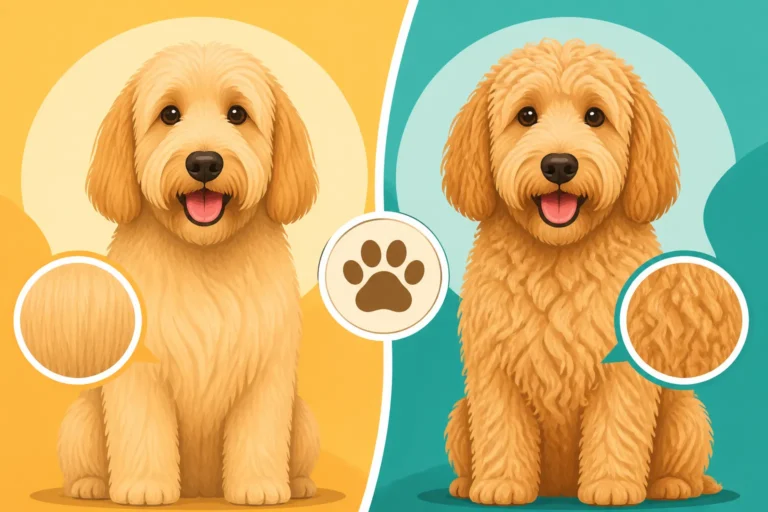
In simple terms, furnishings refer to the longer hair on a dog's face, including the beard, mustache, and eyebrows. It's a dominant genetic trait, meaning that a dog only needs one copy of the "furnishings" gene (often denoted as F) to express this characteristic. Dogs without this gene (ff) will have a smooth face, similar to a Golden Retriever. Think of it as nature's way of giving your Goldendoodle that signature "teddy bear" or "muppet" look. Without furnishings, a Goldendoodle might still have a wavy or curly body coat, but their face would be sleek and less prone to growing that delightful, shaggy beard. It's a fundamental visual difference that sets many Goldendoodles apart.
The Visual Impact of Furnishings on a Goldendoodle
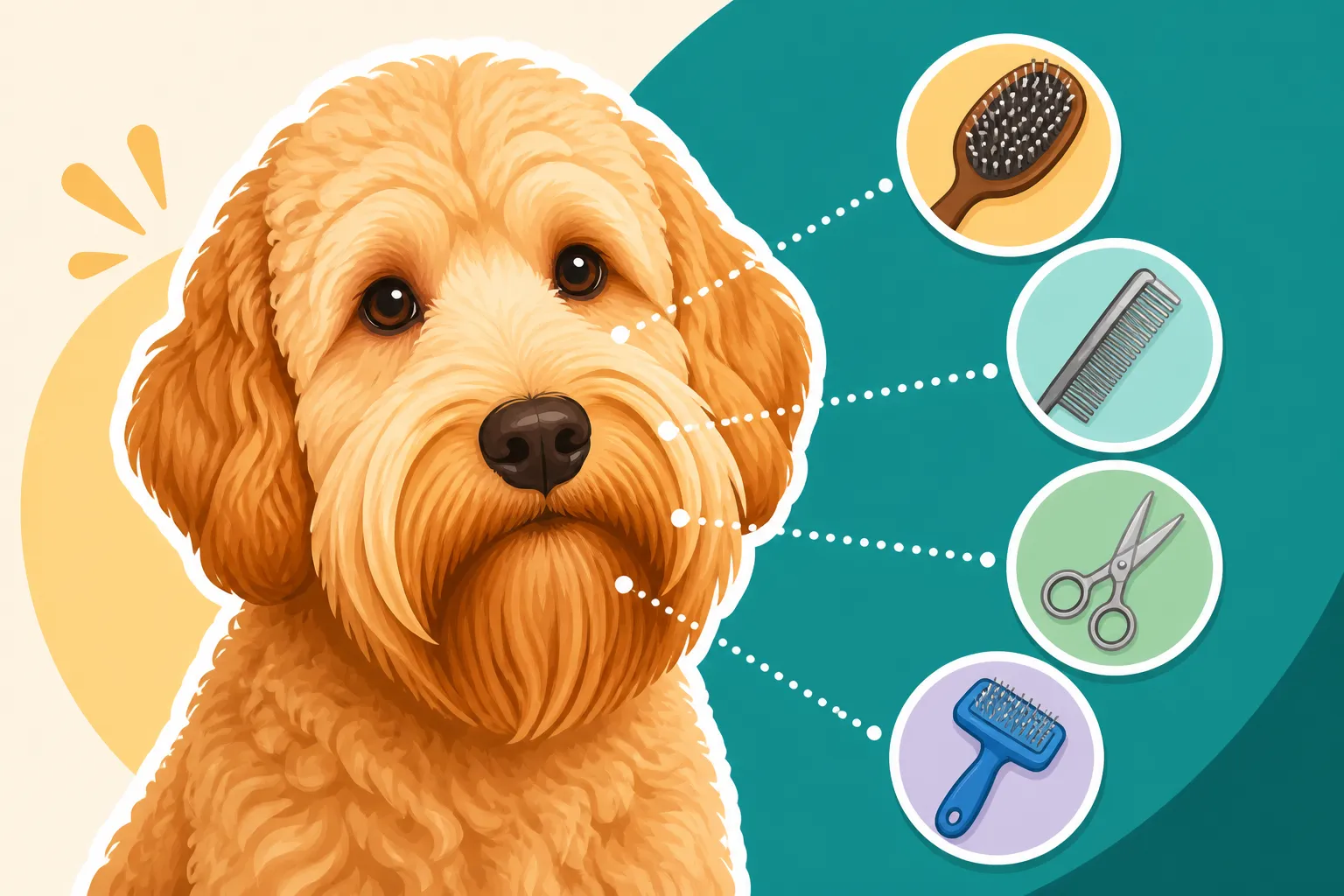
The most obvious impact of furnishings is, of course, the face. Instead of a short, smooth coat on the muzzle, a furnished Goldendoodle will develop a longer, often wavy or curly coat around their mouth, creating the iconic beard and mustache. You'll also notice longer hair above their eyes, forming eyebrows that can give them wonderfully expressive faces. This isn't just about aesthetics; this longer facial hair plays a role in how dirt, food, and moisture interact with your dog's face. It’s what gives them that adorable, sometimes messy, appeal. This furnished look is often what people envision when they think of a Goldendoodle, and it’s what contributes to the popular "doodle" aesthetic. The texture and length of these furnishings can vary, from slightly wavy to quite curly and dense, depending on the individual dog's genetics and overall coat type.
The Genetic Basis of Furnishings (F/f Gene)
Let's get a little scientific, but not too much! The presence of furnishings is determined by the "furnishings" gene, often referred to as the R-spondin 2 (RSPO2) gene, or simply the F/f gene. The 'F' allele (dominant) means the dog has furnishings, while the 'f' allele (recessive) means they don't.
- FF (Homozygous Furnished): The dog has two copies of the dominant gene and will definitely have furnishings. All their puppies will inherit at least one 'F' gene, guaranteeing furnishings.
- Ff (Heterozygous Furnished): The dog has one dominant and one recessive gene. They will have furnishings, but they can pass on either the 'F' or 'f' gene to their puppies. If bred with an 'ff' dog, some puppies could be unfurnished.
- ff (Unfurnished): The dog has two copies of the recessive gene and will not have furnishings. They will have a smooth face. All their puppies will inherit an 'f' gene.
Breeders can perform DNA tests to determine a dog's furnishings genotype, which is incredibly helpful for predicting litter outcomes. This testing helps ensure that puppies born with the desired "doodle" look actually carry the furnishings gene. This is particularly important for F1 Goldendoodles (Golden Retriever x Poodle), as the Poodle parent carries two copies of the F gene (FF) and the Golden Retriever parent carries two copies of the f gene (ff), resulting in all F1 puppies being Ff (furnished). However, in later generations, it becomes more complex, and breeders use DNA testing to avoid unintentionally producing unfurnished puppies, which some buyers might not expect. You can learn more about how genetics play a role in a Goldendoodle's traits in What a Goldendoodle Inherits From Each Parent Breed.
The Goldendoodle Beard: More Than Just a Cute Face
While undeniably charming, the Goldendoodle's beard and other facial furnishings are not just for show. They come with their own set of unique grooming needs and challenges that every owner needs to understand and manage. Ignoring them can lead to discomfort for your dog and a much bigger headache for you!
Grooming Challenges with a Furnished Face
That beautiful, fluffy beard and the long hair around the eyes can quickly become a magnet for trouble. Food, especially wet food, gets caked into the beard, creating a crusty mess. Water drips from their mouth after drinking, leading to a perpetually damp and sometimes smelly chin. Debris from playing outdoors – leaves, twigs, dirt – can easily become entangled in the facial hair.
- Matting: The fine, often wavy or curly hair around the muzzle and under the chin is highly prone to matting. If not brushed regularly, these mats can become tight and pull on the skin, causing pain and irritation. This is especially true after eating or drinking, as moisture helps tighten knots. Mats can also form easily behind the ears, another furnished area. Behind the Ears and the First Goldendoodle Mats goes into detail about common matting spots.
- Eye Irritation: The longer hair above and around the eyes can grow into or rub against the eyes, causing irritation, tearing, and potential infections. This hair also traps eye boogers, which can harden and become difficult to remove.
- Odor: A constantly damp or food-encrusted beard can develop an unpleasant odor due, to bacterial growth. It's not uncommon for owners to notice a "doggy breath" smell that isn't coming from the teeth, but rather from the dirty beard itself.
These challenges are a big reason why Goldendoodle Grooming as the Biggest Line in the Budget is such a crucial read for prospective owners.
Keeping the Beard Clean and Healthy
Regular, consistent care is paramount for a furnished Goldendoodle's face. It's not optional if you want a happy, healthy, and sweet-smelling companion.
- Daily Wiping: After every meal and drink, gently wipe your Goldendoodle's beard and around their mouth with a damp cloth or a pet-safe wipe. This removes food residue and excess moisture before it has a chance to dry and harden or create an odor. Many owners find Amazon has a great selection of gentle, unscented pet wipes.
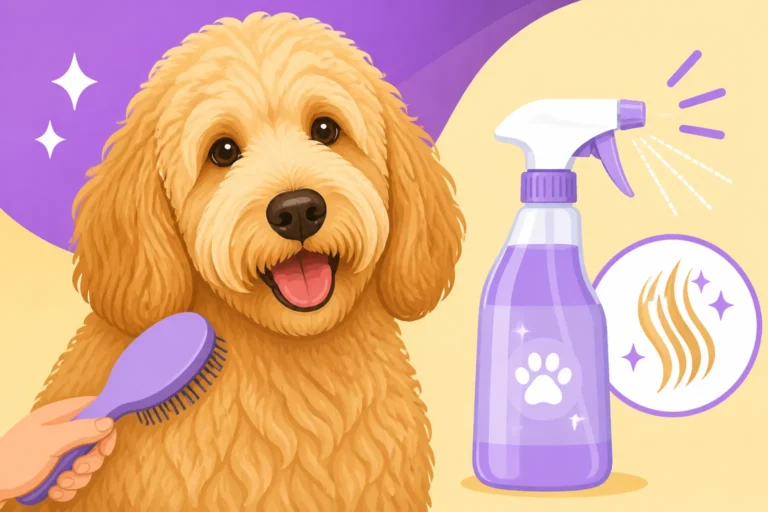
- Regular Brushing: Incorporate the beard and facial hair into your daily brushing routine. Use a slicker brush and a metal comb (also readily available on Chewy) to carefully work through any tangles. Pay special attention to the areas under the chin and around the mouth where mats form quickly. Brushing a Goldendoodle Often Enough to Stop Matting offers a step-by-step guide.
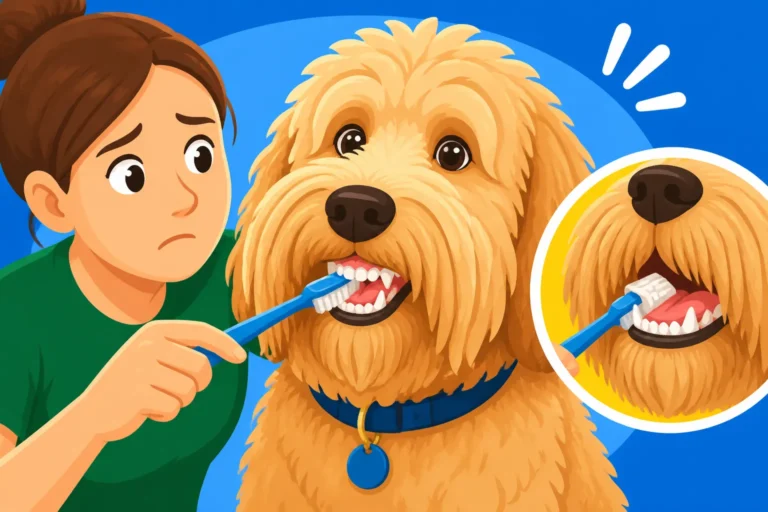
- Washing the Beard: If your Goldendoodle's beard gets particularly dirty or smelly, a quick spot wash with a mild dog shampoo is much easier than a full bath. Lather up the beard, rinse thoroughly, and then make sure to dry it completely with a towel or a low-heat pet dryer. A damp beard is a breeding ground for problems.
- Specialized Bowls: Consider purchasing a "spaniel bowl" or a slow-feeder bowl with sloped sides. These designs help keep the ears and beard out of the food and water, reducing the amount of mess.
- Diet Considerations: Some owners find that certain types of food contribute more to beard staining or mess. For example, fresh food diets like those offered by Ollie can sometimes be easier to clean from a beard compared to crumbly kibble, though individual results vary.
Managing the Furnished Face for Comfort
Beyond daily cleaning, strategic trimming is essential to keep your Goldendoodle comfortable and their furnishings manageable. This is where a good groomer truly shines, but you can also do some basic maintenance at home.
- Eye Area Trimming: The hair around your Goldendoodle's eyes needs to be kept short enough so it doesn't poke or rub their eyeballs. Many groomers refer to this as a "sanitary trim" for the eyes. If you do this at home, always use blunt-nosed scissors and exercise extreme caution. It's often safer to gently comb the hair forward and then trim only the very tips, keeping them short enough to clear the eyes but leaving enough to protect them.
- Sanitary Beard Trim: For extremely messy or mat-prone Goldendoodles, a groomer can perform a shorter trim on the beard itself. This doesn't mean shaving it all off, but rather tidying it up to a length that's easier to maintain while still retaining that adorable doodle look. Discussing "blade lengths for a Goldendoodle haircut" with your groomer can help achieve the desired look and manageability.
- Ear Hair: Furnishings extend to the ears, meaning longer hair can grow inside the ear canal and around the ear flap. This dense hair can trap moisture and debris, leading to frequent ear infections. Regular cleaning and sometimes professional plucking or trimming of this inner ear hair are necessary. Goldendoodle Ear Hair and Chronic Infection provides more insight into this common problem.
Furnishings and the "Hypoallergenic" Myth
One of the primary reasons Goldendoodles became so popular was the belief that their Poodle heritage and often curly, furnished coats made them "hypoallergenic." While furnishings do play a role in shedding, it's crucial to understand that no dog is truly 100% hypoallergenic.
How Furnishings Relate to Shedding
The furnishings gene is closely linked to the low-shedding characteristic that many people associate with Goldendoodles. Dogs with furnishings (Ff or FF) typically have a longer hair growth cycle, meaning their hair doesn't fall out as frequently or as much as a dog with a smooth, unfurnished coat (ff). This is because the furnishings gene causes continuously growing hair, rather than hair that grows to a certain length and then sheds.
- Trapped Hair: Even low-shedding Goldendoodles do shed; the hair just tends to get caught in their curly or wavy coat instead of falling onto your furniture and floor. This is why regular brushing is so vital – it removes the dead hair that would otherwise lead to mats.
- Allergen Distribution: Less shedding generally means fewer loose dander particles (which are the primary allergen, not the hair itself) circulating in the environment. So, while a furnished Goldendoodle might produce less airborne dander, they still produce dander. This is why Why No Goldendoodle Is Truly Hypoallergenic is an essential read for anyone with severe allergies. The level of allergens can also vary greatly even between furnished littermates.
Why an Unfurnished Goldendoodle Might Shed More
An unfurnished Goldendoodle (ff genotype) will typically have a coat that more closely resembles that of a Golden Retriever. Their face will be smooth, without the characteristic beard and eyebrows. Their body coat might still be wavy or even slightly curly, but without the furnishings gene, they are far more likely to shed significantly more than their furnished counterparts.
- Appearance: An unfurnished Goldendoodle often has a sleeker facial appearance, sometimes referred to as an "I-look" or "flat-faced" doodle. They lack the long, fluffy facial hair that defines the traditional Goldendoodle look.
- Shedding: Because their hair growth cycle is more similar to that of a Golden Retriever, unfurnished Goldendoodles will shed more consistently. This means more hair on your clothes, furniture, and floors. For individuals with mild allergies, an unfurnished Goldendoodle might trigger symptoms more readily than a furnished one.
- Grooming: While they shed more, the body coat of an unfurnished Goldendoodle might be less prone to severe matting, especially on the face, simply because there's less long hair to tangle. However, regular brushing is still important to manage shedding.
| Feature | Furnished Goldendoodle (Ff or FF) | Unfurnished Goldendoodle (ff) |
|---|---|---|
| Facial Hair | Long beard, mustache, eyebrows | Smooth, Golden Retriever-like face, no beard |
| "Doodle" Look | Yes, classic fluffy, teddy bear appearance | No, resembles a Golden Retriever with possibly wavy body coat |
| Shedding Tendency | Low to moderate shedding (hair caught in coat) | Moderate to high shedding (hair falls out more readily) |
| Grooming Needs | High: frequent brushing, professional grooming for mats and facial hygiene | Moderate: regular brushing to manage shedding, less facial matting concern |
| Allergy Impact | Potentially better for mild allergy sufferers (less dander dispersal) | Likely to trigger allergies more (more dander dispersal) |
| Coat Type | Can be straight, wavy, or curly (body coat), but face is always long | Can be straight, wavy, or curly (body coat), but face is smooth |
Implications for Goldendoodle Owners and Future Puppies
Understanding furnishings isn't just an academic exercise; it has real-world implications for current and prospective Goldendoodle owners. It influences your expectations, your budget for care, and even your peace of mind.
Identifying Furnishings in a Goldendoodle Puppy
Sometimes, it can be tricky to tell if a very young Goldendoodle puppy will grow furnishings. Their puppy coat can be quite short and fluffy, obscuring the tell-tale signs. However, there are a few things to look for:
- The "Beard" at the Muzzle: Even on a young puppy, you might notice the hair around their muzzle looks a bit denser or slightly longer than the hair on top of their head. It won't be a full beard, but a subtle fuzziness.
- Eyebrows: Look for slightly longer, coarser hairs above their eyes, even if they aren't fully formed eyebrows yet.
- Texture of Facial Hair: The hair on a furnished puppy's face might feel a bit different – perhaps a touch wirier or more "cottony" compared to the sleek, soft hair of an unfurnished puppy.
- Parent's Appearance: The most reliable indicator is to look at the parents. If both parents are visibly furnished, and especially if one or both are Ff or FF, the puppy is very likely to be furnished. A reputable breeder will also have DNA testing results for their breeding dogs, which can confirm the furnishings genotype. What Health Papers a Goldendoodle Breeder Should Show will tell you what to ask for.
- The "Scruffy" Look: As puppies age, usually around 6-8 weeks, the facial hair on a furnished pup will start to become noticeably longer and more distinct, giving them that adorable "scruffy" appearance.
Choosing a Goldendoodle Based on Furnishings
Your preference for a furnished or unfurnished Goldendoodle often comes down to personal aesthetics and practical considerations.
- For the Classic "Doodle" Look: If you absolutely adore the shaggy beard, the expressive eyebrows, and the overall teddy bear appearance, you'll want to choose a furnished Goldendoodle. This means looking for breeders who specifically breed for furnishings and can provide DNA test results for their parent dogs, especially in multi-generational litters where the genetics can be more varied.
- For Allergy Sufferers: While no dog is truly hypoallergenic, a Goldendoodle with furnishings and a curly or wavy coat (meaning lower shedding) is generally a better choice for individuals with mild dog allergies. The longer, continuously growing hair traps dander, reducing its spread. However, it's always recommended to spend time with the specific puppy and its parents if possible, to gauge your reaction.
- For Lower Grooming Maintenance (Facial Hair): If the idea of daily beard wiping and intricate facial grooming sounds like too much work, an unfurnished Goldendoodle might be a surprisingly good fit. While they will still require regular grooming for their body coat and general hygiene, the intensive facial care that comes with a beard is largely eliminated. Be prepared for more shedding, however.
- Understanding "Unfurnished": It's important to be aware that unfurnished Goldendoodles exist. Sometimes, due to specific breeding choices or accidental pairings, a puppy might come out unfurnished even in a litter of otherwise furnished siblings. A responsible breeder will be transparent about this possibility and the implications for the puppy's adult coat and shedding. Don't be surprised if an unfurnished puppy is priced differently, as the "doodle" look is often highly sought after. Goldendoodle Puppies Sold With a Health Guarantee might mention how breeders handle differences in coat appearance.
Ultimately, whether your Goldendoodle has that iconic beard or a smooth, sleek face, the most important thing is a healthy, happy dog. Knowing about furnishings simply empowers you to make informed decisions and provide the best care for your unique companion.
Disclaimer
This article is for general informational purposes only and does not constitute professional advice. Laws, prices and regulations vary by location and change over time. Consult a qualified professional for guidance on your specific situation.