Where a Goldendoodle’s Allergens Actually Come From
It's a common, heartbreaking misconception: you bring home a Goldendoodle, convinced you've found the perfect "hypoallergenic" dog, only to find yourself still sniffling, sneezing, and itchy. You were told they don't shed, so how could you still be allergic? The truth is, the culprit isn't usually the hair itself, but microscopic particles that come along for the ride. This guide will dive deep into where Goldendoodle allergens actually come from, helping you understand why your furry friend might still trigger your allergies and what you can do about it.
The Myth of the "Hypoallergenic" Dog Coat
Let's cut right to the chase: no dog is 100% hypoallergenic. It's a marketing term, not a scientific one, and it's led countless hopeful Goldendoodle owners down a path of disappointment and frustration. When people say a dog is hypoallergenic, what they usually mean is that it's low-shedding. While a Goldendoodle, especially one with a curlier, Poodle-dominant coat, might shed significantly less than a Golden Retriever, shedding isn't the primary source of allergens. This distinction is crucial for anyone living with dog allergies.
Why Shedding Isn't the Only Problem
You see, many people mistakenly believe that dog allergies are caused by the hair itself. This isn't entirely accurate. While hair can certainly carry allergens around your home, the hair itself isn't what your immune system is reacting to. This is why a low-shedding dog can still trigger severe allergic reactions. Think of it like this: if you have a dog that sheds a lot, like a Golden Retriever, those allergen-laden hairs become tiny vehicles, distributing potential triggers everywhere. With a Goldendoodle, the hair might stay attached to the dog longer, but the allergens are still present and can still escape into the environment.
The Role of the Poodle Coat
The Poodle half of the Goldendoodle equation is often touted as the reason for their "hypoallergenic" status. Poodles have a single coat that grows continuously, much like human hair, and sheds minimally. This characteristic is what breeders aim for in Goldendoodles, especially in F1b or multigen generations that have a higher percentage of Poodle genetics. A dog with this type of coat does tend to release fewer loose hairs into the environment, which can reduce the spread of allergens. However, it doesn't eliminate the allergens themselves. Many a Goldendoodle owner has invested in high-quality grooming tools from places like Chewy, diligently brushing their dog to manage shedding, only to find their allergies persist because the fundamental source of the allergen remains. For a deeper dive, check out Why no Goldendoodle is truly hypoallergenic.
The True Sources of Goldendoodle Allergens
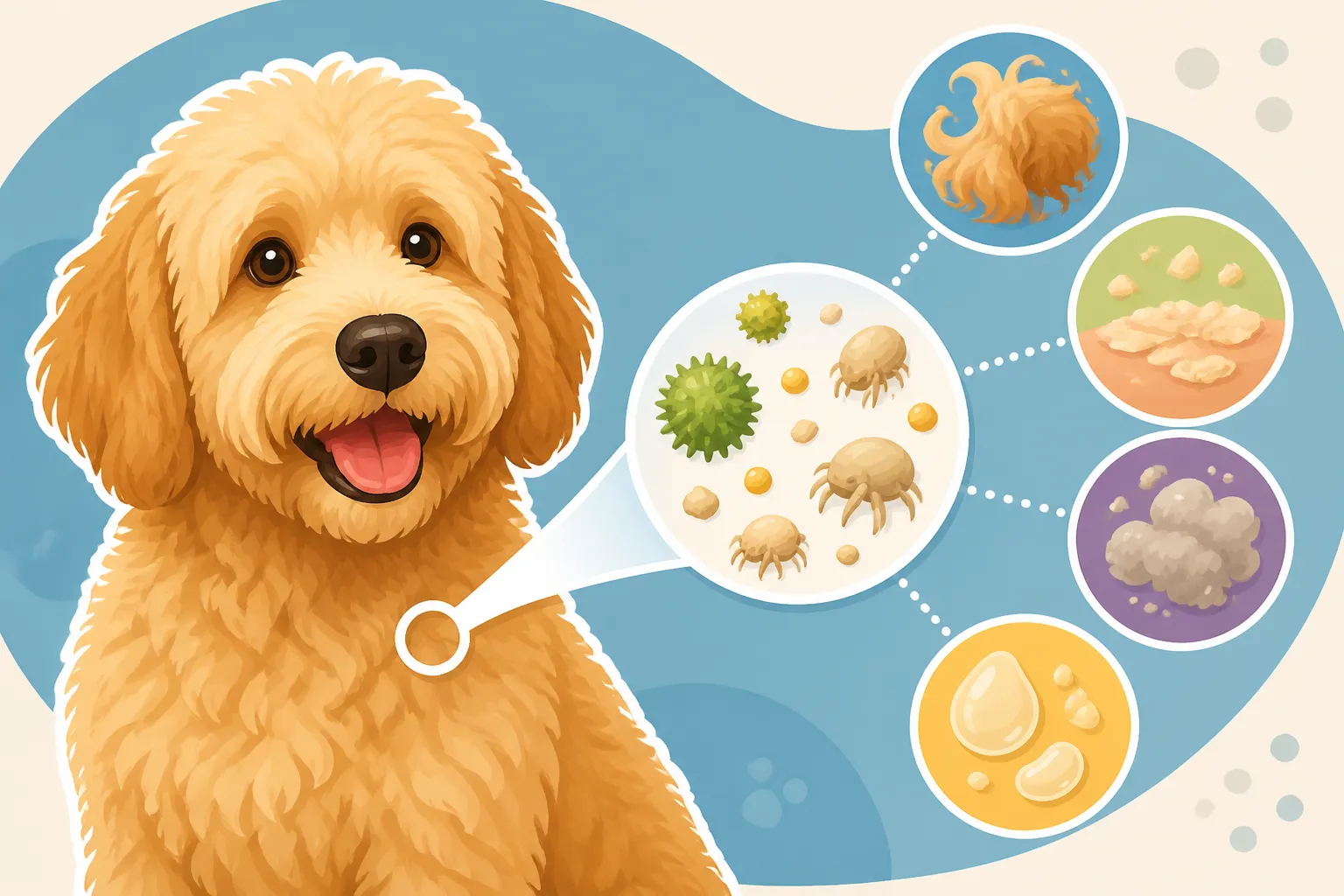
So, if it's not the hair, what exactly is causing the sneezing and itching? The real culprits are microscopic proteins found in a dog's dander (tiny flakes of skin), saliva, and urine. These proteins are present in all dogs, regardless of breed or coat type. When your Goldendoodle licks you, grooms itself, or simply walks around, these allergen-rich particles become airborne or settle on surfaces in your home.
The Can f 1 Protein: The Primary Culprit
The most common dog allergen, and the one responsible for the vast majority of human reactions, is called Can f 1. This protein is produced in the sebaceous glands of a dog's skin, as well as in their saliva and urine. When a dog sheds dander, licks its fur, or even just breathes, these tiny protein particles are released. Because they are so small and lightweight, they can remain airborne for hours, settling on furniture, carpets, clothing, and even walls. Even if your Goldendoodle sheds very little, it's still producing Can f 1, which means it's still producing allergens. For a detailed explanation, read Can f 1 and Where a Goldendoodle Carries Allergens.
Dander, Saliva, and Urine: The Real Allergen Factories
Let's break down where these proteins originate:
- Dander: This is perhaps the most significant source. All dogs shed skin cells, just like humans do. These dead skin cells, or dander, carry the Can f 1 protein. Whether a dog sheds a lot of hair or very little, it still produces dander. The dander then floats through the air, gets embedded in carpets, upholstery, and circulates throughout your home. A Goldendoodle's thick, often curly coat can trap dander close to the skin, which might initially reduce its spread compared to a heavy-shedding breed, but it doesn't stop its production. Regular brushing can help remove some of this dander, but it's a constant battle.
- Saliva: Every time your Goldendoodle licks itself to groom, or licks you in affection, it deposits allergen-laden saliva. As the saliva dries on their fur or on your skin, the proteins become airborne, adding to the allergen load in your environment. This is why some people find that contact allergies (hives, rashes) are a significant part of their reaction, not just respiratory symptoms. This is also why Goldendoodle owners often find that Why Goldendoodle Saliva Matters More Than Shedding is a critical piece of information.
- Urine: While less commonly discussed, dog urine also contains allergen proteins. If a dog has accidents in the house, or if urine dries on outdoor surfaces they frequent, these proteins can aerosolize and contribute to the overall allergen level. This is generally a smaller factor than dander or saliva for most people, but it's worth noting, especially in homes with puppies or senior dogs.
Factors Affecting Allergen Load
Several factors can influence the amount of allergens a Goldendoodle produces and spreads:
- Individual Dog Variability: Just like people, individual dogs within the same breed (or crossbreed) can produce varying amounts of allergen proteins. One Goldendoodle might produce more Can f 1 than another, even from the same litter. This is part of why "testing" a specific dog by spending time with it before adoption is so important.
- Coat Type: While shedding isn't the primary issue, a dog with a true Poodle-like non-shedding, wooly coat might trap more dander and shed less hair, potentially reducing the spread of allergens. However, Goldendoodles come in The Three Goldendoodle Coat Types and How to Tell Them (straight, wavy, curly), and not all will have that ideal Poodle coat. A Goldendoodle with a straighter or wavier coat, more akin to a Golden Retriever, may shed more and distribute allergens more widely.
- Grooming Routine: A well-groomed Goldendoodle, regularly brushed and bathed, will likely have fewer loose allergens in its coat than one that is neglected. This doesn't stop allergen production, but it can help contain and remove them before they spread as widely. This is why consistent Brushing a Goldendoodle Often Enough to Stop Matting is not just for coat health, but also for allergen management.
| Allergen Source | Primary Protein | Impact on Allergy Sufferers | Management Strategies |
|---|---|---|---|
| Dander | Can f 1 | Respiratory, skin contact | Brushing, bathing, HEPA filters |
| Saliva | Can f 1 | Skin contact, respiratory | Wipe dog's face, avoid licking |
| Urine | Can f 1 | Respiratory, environmental | Immediate cleanup, good potty training |
The "Hypoallergenic" Goldendoodle: Marketing vs. Reality
The enduring myth of the hypoallergenic Goldendoodle is largely a product of marketing. Breeders, understandably, want to highlight traits that make their dogs appealing, and the low-shedding Poodle ancestry offers a strong selling point for allergy sufferers. However, the scientific reality is far more nuanced, leading to widespread confusion and often disappointment for families hoping for an allergy-free pet.
What Allergists Actually Say
If you talk to an allergist, they will almost universally tell you that there is no such thing as a truly hypoallergenic dog. They emphasize that allergic reactions are to proteins, not hair, and that all dogs produce these proteins. While some individuals with very mild allergies might find a low-shedding Goldendoodle tolerable because there are fewer physical hairs carrying the allergens, it's not a guarantee. Often, a severe allergy sufferer will react to any dog, regardless of its coat type or shedding habits. It’s critical to understand What Allergists Say About Goldendoodles before making a commitment.
Why Individual Reactions Vary So Much
You might hear stories of one person with dog allergies living happily with a Goldendoodle, while another suffers terribly. This isn't because Goldendoodles are sometimes hypoallergenic and sometimes not; it's because allergies are highly individual. The severity of a person's allergy, their specific immune response, and even the overall allergen load in their environment can all play a role. Some people might be less sensitive to Can f 1, or their symptoms might be triggered more by the quantity of airborne particles rather than direct contact. This variability makes it incredibly difficult to predict how any single person will react to any single Goldendoodle. The best approach remains careful exposure and thorough preparation.
The Importance of "Testing" Before You Buy
Given the unpredictable nature of allergies, one of the most crucial steps you can take is to "test drive" your potential Goldendoodle, or at least spend significant time in a breeder's home with the adult parent dogs. Simply meeting a puppy for a few minutes isn't enough, as puppy coats and allergen production can differ from adult dogs. Ask to spend an hour or two with the mother and father of the litter, or even a grown puppy from a previous litter, in an indoor setting. This allows for sufficient exposure to gauge your reaction. For more information on this, refer to Spending Time With a Goldendoodle Before Buying. Some people even ask for a small swatch of the dog's fur or a used blanket to take home and see if they react in their own environment over a couple of days.
Managing Allergens in a Goldendoodle Home
While Goldendoodles are not truly hypoallergenic, you can take significant steps to manage allergen levels in your home, which may make living with a Goldendoodle more tolerable for allergy sufferers. It requires diligence, consistency, and a multi-pronged approach, but it's certainly possible for many families.
Consistent Grooming and Cleaning Practices
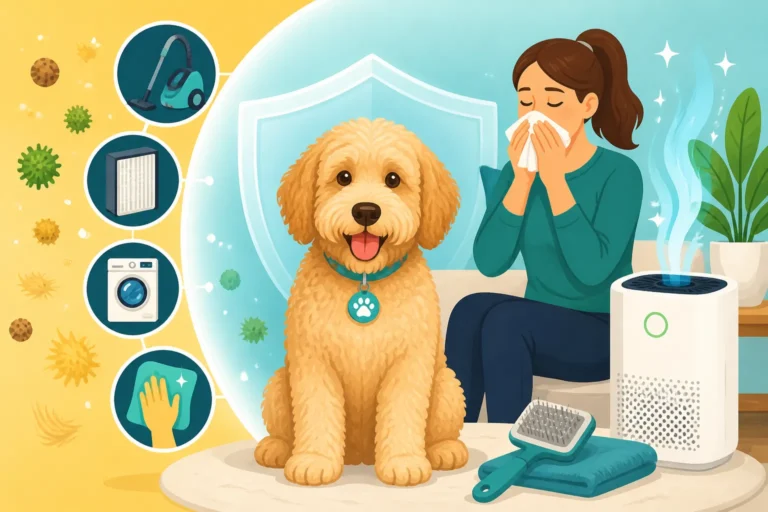
This is your first line of defense. The more allergens you remove from your dog and your home, the fewer there are to trigger a reaction.
- Regular Brushing: Brush your Goldendoodle frequently, ideally daily, outside if possible, to remove loose dander and hair. Use a good slicker brush and metal comb to get down to the skin and prevent mats, which can trap even more dander. Brushing products from brands like Chewy can make this easier.
- Frequent Bathing: Bathing your Goldendoodle every 2-4 weeks with a gentle, moisturizing shampoo designed for dogs can help wash away accumulated dander and saliva. Be sure to rinse thoroughly to avoid skin irritation.
- Wiping Down: Consider wiping your Goldendoodle's face and paws after they eat or come in from outside to remove saliva and environmental allergens. Pay special attention to their beard, as saliva can accumulate there. Cleaning a Goldendoodle Beard After Every Meal is a useful guide for this task.
- Professional Grooming: Schedule regular professional grooms, perhaps every 6-8 weeks, to ensure proper coat maintenance and further reduce allergen buildup. A professional can handle thorough cleaning and dematting, which is crucial for overall hygiene.
- Deep Cleaning Your Home: Vacuum frequently with a vacuum cleaner equipped with a HEPA filter. Wash bedding, throw blankets, and dog beds regularly. Hard floors are easier to keep clean than carpets, so consider removing carpeting if allergies are severe. Steam cleaning carpets can also help.
Environmental Control Measures
Beyond direct dog care and general cleaning, specific environmental controls can make a big difference.
- Designated Dog-Free Zones: Create "safe zones" in your home where your Goldendoodle is not allowed, especially bedrooms. This gives allergy sufferers a place where they can escape the highest concentrations of allergens.
- HEPA Air Purifiers: Place high-efficiency particulate air (HEPA) purifiers in rooms where your Goldendoodle spends a lot of time, and especially in bedrooms. These can help remove airborne allergen particles.
- Encase Bedding: Use allergen-proof covers for mattresses and pillows to prevent allergens from settling into them.
- Ventilation: Improve ventilation in your home by opening windows when possible, or using exhaust fans. This helps circulate fresh air and reduce allergen buildup.
- Filter Maintenance: Regularly change the filters in your furnace and air conditioning system, using high-efficiency pleated filters if your system can handle them.
Lifestyle Adjustments for Allergy Sufferers
Finally, the person with allergies might need to make some personal adjustments.
- Medication: Over-the-counter or prescription allergy medications (antihistamines, nasal sprays) can help manage symptoms. Consult with your doctor or allergist.
- Hand Washing: Wash your hands thoroughly after petting or interacting with your Goldendoodle. Avoid touching your face or eyes before washing.
- Avoid Face Licking: While it’s hard to resist those sweet Goldendoodle kisses, try to avoid letting your dog lick your face, especially around your mouth and nose.
- Consider Immunotherapy: For severe allergies, your allergist might recommend allergy shots (immunotherapy), which can gradually desensitize your immune system to specific allergens over time.
Living with a Goldendoodle and allergies is a marathon, not a sprint. It requires commitment, consistency, and a realistic understanding of where those allergens truly originate. By focusing on dander and saliva management through rigorous grooming and cleaning, alongside strategic environmental controls, many families find a way to make it work. For a broader overview of strategies, check out Managing Dog Allergens in a Goldendoodle Household.
Disclaimer
This article is for general informational purposes only and does not constitute professional advice. Laws, prices and regulations vary by location and change over time. Consult a qualified professional for guidance on your specific situation.