Senior Goldendoodle Care and Coat Changes
Watching your beloved Goldendoodle, once a bouncy, tireless ball of fluff, start to slow down can be a really poignant experience. It’s a gentle reminder that time marches on, even for our furry best friends. Suddenly, that boundless energy gives way to longer naps, the once-effortless leap onto the couch becomes a thoughtful step, and you notice little changes in their coat or how they move. This guide is here to walk you through the specifics of senior Goldendoodle care, from adjusting their diet and managing those inevitable coat changes to ensuring their overall comfort and mental well-being in their precious golden years.
Understanding the Aging Goldendoodle
Just like us, dogs don't just wake up one day and poof – they're old! It's a gradual process, marked by subtle shifts in energy, appearance, and behavior. For Goldendoodles, with their wonderful blend of Golden Retriever and Poodle traits, these changes can be both expected and, at times, a little surprising, especially if you're used to their puppy or adult exuberance.
When a Goldendoodle Becomes a Senior
Deciding exactly when a Goldendoodle crosses the threshold into "senior" territory isn't an exact science, but generally, we start thinking about it around the age of seven or eight. For larger Goldendoodles, like the Standards, this might even happen a little sooner, around six, given that larger breeds tend to have slightly shorter lifespans than their smaller counterparts. A Miniature or Toy Goldendoodle might not show significant signs of aging until they're closer to nine or ten years old. It’s less about a specific birthday and more about the individual dog, their health history, and the visible changes you start to observe. Every Goldendoodle is unique, but paying attention to these general age markers can help you proactively adjust their care. You might find it helpful to read more about Senior Goldendoodle Care After the Age of Nine as your pup reaches that stage.
It’s crucial to remember that age is not a disease, but it does come with certain predispositions. Thinking of your Goldendoodle as "senior" isn't a negative label; it's an acknowledgement that their body is changing, and their needs are evolving. This shift means it's time to become even more attuned to their physical and emotional states. Rather than waiting for problems to arise, we can anticipate them and provide preventative care that keeps them comfortable and happy. This proactive approach can truly make a difference in extending their quality of life.
Common Age-Related Changes to Expect
As your Goldendoodle ages, you'll likely notice a spectrum of changes, some obvious, others more subtle. One of the first things many owners observe is a general slowing down. The morning zoomies might become less frequent or shorter-lived, and they might choose to nap more throughout the day. Their joints might not be as supple as they once were, leading to a bit of stiffness after lying down or a reluctance to jump. You might see some gray hairs appearing around their muzzle, eyes, or paws, which is often one of the most visible indicators of their advancing years.
Beyond the external, internal changes are also at play. Their metabolism might slow, making them more prone to weight gain if their diet and exercise aren't adjusted. Their senses, such as sight and hearing, can start to dull. They might not respond as quickly to their name or might bump into furniture they once effortlessly navigated. These changes, while sometimes heartbreaking to witness, are a natural part of the aging process. It’s our job as their caregivers to understand them and adapt our routines and environments to ensure their continued well-being. Keeping an eye on their overall Goldendoodle Lifespan and What a Cross Really Buys You can also give you a broader perspective on their journey.
Adapting Their Diet for Senior Health
Nutrition plays an even more critical role as your Goldendoodle enters their senior years. What they ate as a energetic puppy or active adult might no longer be the best fit for their changing body. Their metabolism slows down, their activity levels decrease, and their organs might not function with the same youthful efficiency. Addressing these shifts through their diet can significantly impact their comfort, energy levels, and overall health.
Nutritional Needs of an Older Goldendoodle
Senior Goldendoodles typically require a diet that is lower in calories to prevent unwanted weight gain, as their activity naturally tapers off. However, it's not just about cutting calories. They still need high-quality protein to maintain muscle mass, which can naturally decrease with age. Look for foods that feature easily digestible proteins and healthy fats. Many senior dog foods are also formulated with reduced phosphorus levels to support kidney health, and sometimes slightly higher fiber to aid digestion, which can become sluggish in older dogs.
Beyond the macro-nutrients, specific ingredients become increasingly important. Glucosamine and chondroitin, often found in senior formulas, are fantastic for supporting joint health. Omega-3 fatty acids, like those from fish oil, can help reduce inflammation, benefit skin and coat, and even support cognitive function. If your Goldendoodle is prone to dental issues, you might also consider softer food textures or specific dental chews. Brands like Ollie often offer fresh food options tailored to different life stages, which can be a great way to provide highly digestible and palatable meals for seniors.
Addressing Weight Management and Appetite Changes
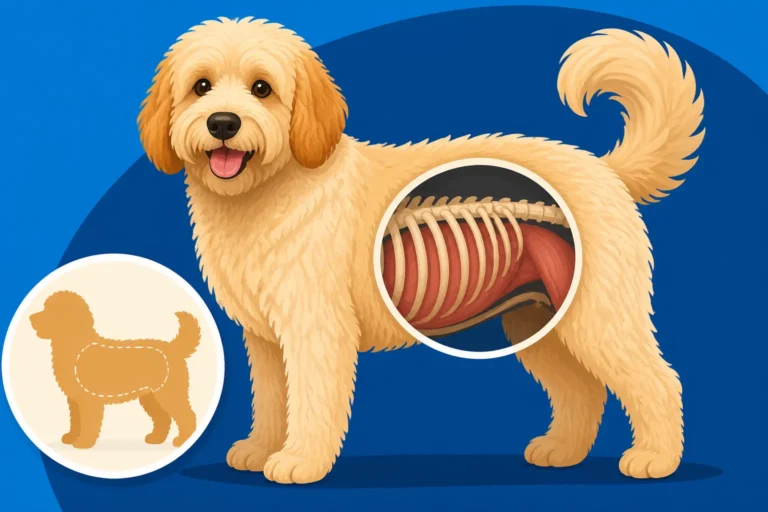
Weight management can become a real challenge as your Goldendoodle ages. That extra pound or two might not seem like much on a younger dog, but on a senior Goldendoodle, it can put significant strain on already aging joints and worsen conditions like arthritis. Their coat can sometimes hide subtle weight gain, so it's essential to regularly check their body condition by feeling their ribs – you should be able to feel them easily without them being visibly prominent. If your Goldendoodle is gaining weight, it’s time to scale back on portions, opt for lower-calorie treats, and perhaps increase gentle exercise. For more insight, check out Goldendoodle Weight Gain and the Strain on Joints.
Conversely, some older Goldendoodles might experience a decrease in appetite. This can be due to a variety of factors, from dental pain to underlying health conditions, or simply a reduced sense of smell and taste. If your Goldendoodle is consistently refusing meals or losing weight, a vet visit is paramount to rule out any serious issues. For picky eaters, warming their food slightly, adding a bit of low-sodium broth, or incorporating fresh ingredients (like those from a service such as Ollie, or even some safe, cooked chicken) can sometimes tempt them. Making mealtime a calm, positive experience, perhaps using an elevated food bowl to ease strain on their neck and joints, can also help.
Supporting Joint and Cognitive Health Through Food
The right diet can do wonders for supporting your senior Goldendoodle's joints and cognitive function. Beyond the glucosamine and chondroitin we discussed, look for foods rich in antioxidants, which combat cellular damage and can support overall health, including brain function. Ingredients like blueberries, spinach, and other colorful fruits and vegetables (in appropriate amounts, of course) can provide these vital nutrients.
For cognitive health, you might see senior dog foods fortified with medium-chain triglycerides (MCTs), often derived from coconut oil, which some studies suggest can help fuel the brain in older dogs. Omega-3 fatty acids are also crucial here, playing a role in maintaining brain cell health. Many supplements aimed at senior dogs combine these ingredients, and reputable online retailers like Chewy offer a wide selection of these specialized foods and supplements, making it easier to find what you need. Always discuss any dietary changes or supplements with your veterinarian to ensure they're appropriate for your individual Goldendoodle's needs.
Navigating Senior Goldendoodle Coat Changes
One of the defining characteristics of a Goldendoodle is their magnificent coat, but even this will undergo transformations as they age. What was once thick and vibrant might become thinner, coarser, or even change color. These changes require adjustments to your grooming routine to ensure their comfort and prevent skin issues.
Why the Coat Changes with Age
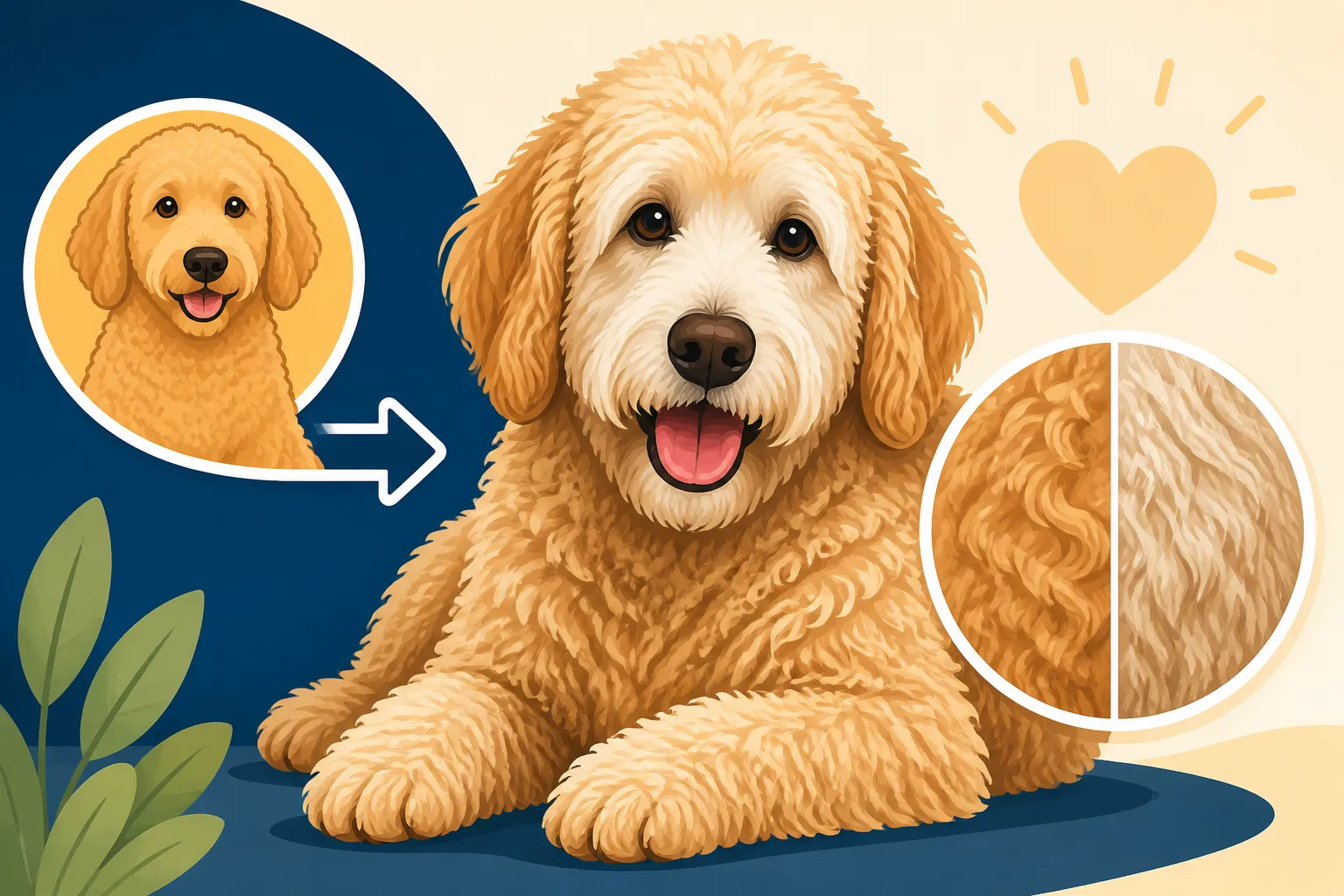
As Goldendoodles age, their coat often changes due to a combination of factors, including hormonal shifts, reduced circulation to the skin, and a natural decline in the production of oils that keep hair healthy and pliable. You might notice their coat becoming thinner in certain areas, particularly along the back and flanks, or generally less dense than it once was. The texture can also change, sometimes becoming coarser, wirier, or even more prone to matting because the individual hairs are weaker and break more easily. Just like humans get gray hair, many Goldendoodles will develop graying around their muzzle, eyes, and sometimes throughout their body, giving them a distinguished look. This is a common and natural part of the aging process. For a deeper dive into this, consider reading Senior Goldendoodle Coat Thinning.
Beyond aesthetics, these coat changes can indicate underlying health shifts. A dull, brittle, or excessively dry coat might point to nutritional deficiencies, thyroid issues, or other internal problems that warrant a vet visit. Hormonal imbalances, for instance, can drastically affect coat quality. It's not just about vanity; the coat is often a good barometer of internal health. Therefore, any dramatic or sudden changes in coat quality should always be discussed with your veterinarian to rule out medical causes.
Managing Thinning Hair and Dry Skin
Thinning hair can make your senior Goldendoodle more susceptible to sunburn in areas where the coat is sparse, so consider protective clothing or pet-safe sunscreen during prolonged outdoor exposure, especially for dogs with lighter coats or very short clips. Along with thinning, dry skin is a common complaint in older Goldendoodles. Their skin's natural oil production tends to decrease, leading to flakiness, itchiness, and sometimes even hot spots if they scratch excessively.
To combat dry skin, ensure they are on a high-quality diet with adequate omega-3 and omega-6 fatty acids. Your vet might recommend a supplement if their food isn't providing enough. Regular, gentle bathing with a moisturizing, oatmeal-based shampoo and conditioner designed for sensitive skin can also help. Just be careful not to over-bathe, as this can strip essential oils. After bathing, make sure to dry them thoroughly but gently, avoiding harsh rubbing that can irritate sensitive skin. Many pet supply stores, like Chewy and Amazon, carry a wide range of sensitive skin shampoos and conditioners formulated specifically for older dogs.
Gentle Grooming for Sensitive Senior Skin
Grooming a senior Goldendoodle requires extra care and patience. Their skin can be more fragile, and they might have tender joints or arthritis that makes standing for long periods or being handled in certain ways uncomfortable. Brushing needs to be a gentle, positive experience. Use a soft slicker brush and a wide-toothed comb to prevent pulling on their sensitive skin or snagging on existing mats. Focus on line brushing, working in small sections, always brushing down to the skin to ensure no hidden mats are forming close to their body.
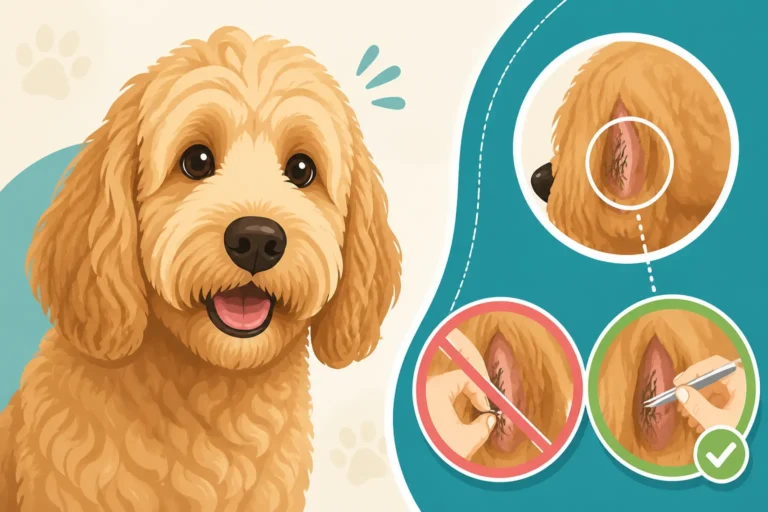
During grooming, be mindful of any lumps, bumps, or tender spots that might indicate a health concern. Their nails might also become thicker and more brittle, requiring more frequent trimming. If your Goldendoodle has arthritis, consider grooming them on a non-slip mat on the floor, or use a grooming table with a ramp if they can no longer jump. Short, frequent grooming sessions are often better than one long, strenuous one. If your dog finds grooming painful, it might be worth looking into Grooming an Arthritic Goldendoodle Comfortably for tips. Remember, their comfort is paramount.
Maintaining Mobility and Comfort
Mobility is often one of the first things to be affected by age, and maintaining it is crucial for your Goldendoodle’s quality of life. Watching them struggle with stairs or hesitate before jumping can be tough, but there are many things you can do to support their joints and keep them moving comfortably.
Recognizing and Managing Arthritis and Joint Pain
Arthritis, or osteoarthritis, is incredibly common in older dogs, and Goldendoodles, with their Golden Retriever and Poodle lineage, are no strangers to joint issues. Both parent breeds can contribute to predispositions for conditions like hip and elbow dysplasia, which can worsen with age. Signs of arthritis might include stiffness, lameness (limping), difficulty getting up after resting, a reluctance to climb stairs or jump, a decrease in activity, or even irritability when handled, especially around affected joints. Sometimes, you might notice them licking or chewing at a particular joint. If you notice any of these signs, a trip to the vet is essential for a proper diagnosis and treatment plan.
Managing arthritis often involves a multi-faceted approach. Your vet might recommend anti-inflammatory medications, joint supplements (like glucosamine, chondroitin, and MSM), or even prescription diets specifically formulated for joint health. Physical therapy, underwater treadmill sessions, or even acupuncture can be incredibly beneficial. Regular, gentle exercise is important to keep muscles strong and joints mobile, but always avoid high-impact activities. For more detailed information on this common issue, consider reading Senior Goldendoodle Mobility and Arthritis and Goldendoodle Arthritis After the Age of Eight.
Exercise Adjustments for an Aging Dog
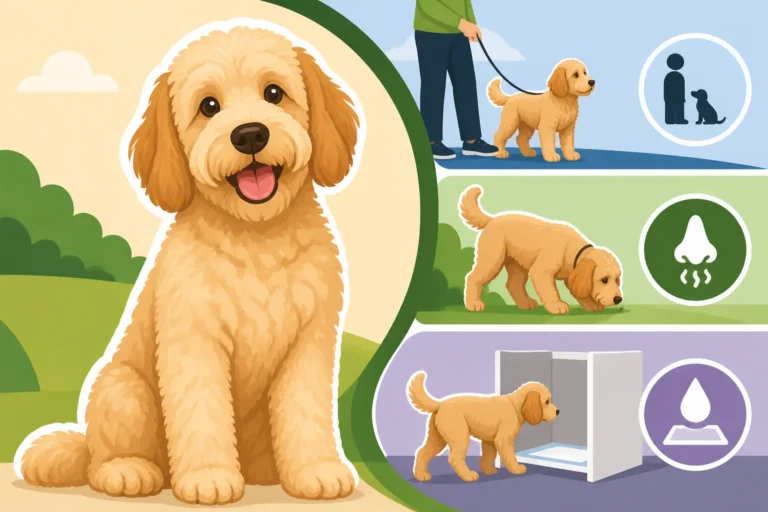
The days of hour-long, high-intensity fetch sessions might be behind your senior Goldendoodle, but that doesn't mean exercise should stop entirely. In fact, consistent, low-impact exercise is vital for maintaining muscle mass, joint flexibility, and a healthy weight. Instead of one long walk, consider two or three shorter, gentle strolls throughout the day. A leisurely walk around the block, a sniff-filled potter in the yard, or even a short, slow game of retrieve on a soft surface can be perfect.
Swimming, if your Goldendoodle enjoys it and has no open wounds or ear infections, can be an excellent non-weight-bearing exercise that strengthens muscles without stressing joints. Pay close attention to their cues: if they lag behind, start panting heavily, or seem stiff afterward, you’ve probably pushed them too hard. The goal is consistent, gentle movement, not strenuous activity. Always ensure they have easy access to fresh water during and after any exercise.
Creating a Comfortable Home Environment
Making your home senior-friendly can significantly improve your Goldendoodle's comfort and reduce the risk of injury. Non-slip rugs or runners on hardwood and tile floors can prevent slips and falls, which can be devastating for an arthritic dog. Ramps or pet stairs can provide easy access to furniture they once jumped on effortlessly, or even to the car for vet visits or outings. Elevated food and water bowls can make eating and drinking more comfortable, reducing strain on their neck and joints.
A supportive, orthopedic dog bed is a must for older Goldendoodles. These beds are designed to cushion joints and provide better support than traditional beds, helping to alleviate pressure points and improve sleep quality. Place their bed in a quiet, easily accessible spot where they feel secure. Consider nightlights if their vision is fading, and ensure their favorite resting spots are out of drafts but well-ventilated. Small adjustments can make a world of difference in their daily comfort and ability to navigate their surroundings. Many fantastic orthopedic beds can be found on Amazon or Chewy.
Comprehensive Veterinary Care for Senior Goldendoodles
As your Goldendoodle ages, their need for regular veterinary attention actually increases, not decreases. Proactive vet visits become your most powerful tool in managing age-related changes and catching potential health issues early, when they are often most treatable.
The Importance of Regular Senior Health Checks
Gone are the days of annual "all clear" check-ups once your Goldendoodle hits their senior years. Most veterinarians recommend twice-yearly wellness exams for older dogs. Why? Because diseases and conditions can progress much more quickly in seniors. These more frequent visits allow your vet to monitor chronic conditions, detect new problems early, and adjust medications or care plans as needed. It's not just about addressing visible symptoms; it's about preventative care.
During these senior check-ups, your vet will perform a thorough physical examination, paying close attention to their joints, teeth, eyes, and ears. They will often recommend a "senior panel" of blood and urine tests. These tests provide crucial insights into the functioning of internal organs like the kidneys, liver, and thyroid, which can start to show signs of decline before any outward symptoms appear. Early detection of issues like kidney disease, diabetes, or thyroid problems can lead to interventions that significantly improve your Goldendoodle's prognosis and quality of life. For more on what these tests involve, see The Senior Panel a Goldendoodle Should Have at Nine.
Common Health Concerns in Older Goldendoodles
Older Goldendoodles can be susceptible to a range of health issues common to both Golden Retrievers and Poodles, as well as general age-related conditions. Beyond arthritis, you might see conditions like:
- Dental Disease: Accumulation of tartar and plaque can lead to painful infections, tooth loss, and even impact heart or kidney health.
- Kidney Disease: Often silent in its early stages, regular bloodwork can catch elevations in kidney values before your dog shows symptoms like increased thirst or urination.
- Liver Disease: Similar to kidney disease, early detection through blood tests is key.
- Heart Conditions: Murmurs or other heart issues can develop, impacting their stamina and overall health.
- Thyroid Issues: Hypothyroidism is common, leading to weight gain, lethargy, and coat changes.
- Cancer: Both parent breeds can be prone to certain cancers, so regular examinations for lumps and bumps are crucial.
- Cognitive Dysfunction Syndrome (CDS): Similar to Alzheimer's in humans, CDS can manifest as disorientation, changes in sleep-wake cycles, or altered interactions.
Understanding that these conditions are possibilities doesn't mean your Goldendoodle will get them, but it highlights the importance of vigilance and regular veterinary screenings.
Recognizing Signs That Something Isn't Right
As their primary caregiver, you are the first line of defense in recognizing when your senior Goldendoodle needs veterinary attention. Don't dismiss changes in behavior or physical symptoms as "just old age." While some things are normal aging, many can be indicators of treatable conditions. Pay attention to:
- Changes in appetite or thirst: Eating less, eating more, or drinking significantly more water.
- Weight changes: Sudden weight loss or gain.
- Lethargy or decreased activity: More sleeping, less interest in walks or play.
- Difficulty with mobility: Stiffness, limping, struggling to get up.
- Changes in urination or defecation: Accidents in the house, increased frequency, straining, or changes in stool consistency.
- Vomiting or diarrhea: Especially if persistent.
- Coughing or difficulty breathing.
- New lumps, bumps, or sores.
- Changes in vision or hearing: Bumping into things, not responding to sounds. More information can be found in Vision Loss in an Old Goldendoodle.
- Changes in behavior: Increased anxiety, disorientation, house soiling, altered sleep patterns (signs of CDS).
If you observe any of these symptoms, it's always best to contact your veterinarian. It’s better to be overly cautious than to miss a treatable condition. Trust your gut; you know your Goldendoodle best.
Supporting Cognitive Function and Mental Well-being
As dogs age, their brains age too. Just as we might experience "senior moments," our Goldendoodles can also show signs of cognitive decline. Supporting their mental well-being is just as important as caring for their physical health to ensure a rich and fulfilling senior life.
Signs of Cognitive Decline in Senior Dogs
Recognizing cognitive decline can be subtle at first, but it often manifests in a collection of behaviors known as Canine Cognitive Dysfunction Syndrome (CDS). The acronym DISHA is often used to summarize the key symptoms:
- Disorientation: Your Goldendoodle might seem confused in familiar surroundings, stare blankly at walls, or get "stuck" in corners.
- Interaction changes: They might interact less with family members, or conversely, become more clingy. Their responses to greetings or commands might change.
- Sleep-wake cycle alterations: They might sleep more during the day but be restless, pace, or vocalize at night.
- House soiling: They might have accidents indoors despite being perfectly house-trained for years.
- Activity changes: A decrease in purposeful activities, or repetitive behaviors like pacing.
It's important to remember that these signs could also indicate other medical conditions, so always consult your vet if you notice them. Early diagnosis can help manage symptoms and slow progression. You can learn more about this by reading Cognitive Decline in a Goldendoodle Past Ten.
Keeping Their Minds Engaged
Even with cognitive decline, keeping your senior Goldendoodle's mind active is crucial. Mental stimulation helps maintain neural pathways and can slow the progression of cognitive symptoms. Think low-impact, low-stress brain games. Puzzle toys, where they have to figure out how to get a treat, are excellent. Even familiar toys that require a little thought, like a Kong filled with something tasty, can be engaging.
Short, gentle scent games are also wonderful. Hide treats around a room and let them use their nose to find them. This is a natural behavior for dogs and is less physically demanding than intense play. Revisit simple obedience commands they already know; the repetition can be comforting and mentally stimulating. The key is to keep it fun and non-frustrating, adapting activities to their current abilities.
Maintaining Routine and Reducing Stress
Consistency and routine become incredibly important for a senior Goldendoodle, especially if they are experiencing cognitive decline or sensory loss. A predictable daily schedule for meals, walks, potty breaks, and bedtime can help reduce anxiety and confusion. They thrive on knowing what to expect next. Try to avoid major changes to their environment or routine if possible.
Reducing stress is also vital. A quiet, safe space where they can retreat, away from household hustle and bustle, is essential. If their hearing or vision is impaired, avoid startling them. Approach them gently, speak softly, and let them know you’re there before touching them. Their world is changing, and providing a stable, loving, and predictable environment is one of the greatest gifts you can give your aging Goldendoodle.
The Emotional Journey of Caring for a Senior Goldendoodle
Caring for a senior Goldendoodle is a profound journey, filled with unique joys and challenges. It requires patience, adaptability, and a heart full of love. This final stage of their life offers an opportunity to deepen your bond and provide comfort and dignity in their twilight years.
Embracing Their Golden Years
Watching your Goldendoodle grow older allows you to appreciate every moment even more deeply. Their slower pace can be an invitation for you to slow down with them, enjoying quiet cuddles, gentle massages, and peaceful companionship. There's a certain wisdom and serene beauty that comes with an aging dog. They've been a constant source of joy and unconditional love, and now it's your turn to shower them with extra care and understanding.
Embracing their golden years means adjusting expectations. They might not be able to hike miles with you anymore, but they can still enjoy a short stroll in the park. They might not leap to greet you with the same vigor, but their soft nudge or contented sigh is just as meaningful. These years are about celebrating the lifelong bond you share, focusing on their comfort, happiness, and ensuring they feel cherished every single day.
Making Difficult Decisions with Compassion
One of the hardest aspects of caring for a senior dog is the eventual need to make difficult decisions about their quality of life. This is a conversation that every senior Goldendoodle owner will eventually face with their veterinarian. It's about recognizing when their pain or discomfort outweighs their joy and when their good days are consistently outnumbered by their bad days.
This is an emotionally charged topic, and it's okay to feel overwhelmed, sad, and uncertain. Talk openly and honestly with your vet about your Goldendoodle's prognosis, pain management options, and what a compassionate end-of-life plan might look like. Remember, choosing to alleviate suffering is the ultimate act of love and kindness. Surround yourself with support, whether it's family, friends, or a pet bereavement counselor. These last decisions are heartbreaking, but they are made out of profound love for your loyal companion. To understand more about this, you can look into The Last Decisions for an Aging Goldendoodle.
Here's a quick overview of some key adjustments for your senior Goldendoodle:
Summary of Senior Care Adjustments
| Category | Action Items | Why It Matters |
|---|---|---|
| Diet | Lower calorie, high-quality protein, joint supplements | Prevent weight gain, maintain muscle, support joints |
| Consider softer or fresh food options | Aid digestion, address dental issues, entice appetite | |
| Grooming | Gentle brushing, moisturizing shampoos | Prevent mats, soothe dry skin, avoid irritation |
| Shorter, more frequent sessions | Accommodate discomfort, reduce stress | |
| Mobility | Low-impact exercise (short walks, swimming) | Maintain muscle, joint flexibility, prevent stiffness |
| Orthopedic beds, ramps, non-slip rugs | Reduce joint strain, prevent falls, increase comfort | |
| Vet Care | Twice-yearly senior health checks | Early detection of disease, monitor chronic conditions |
| Senior blood panel, urine tests | Assess organ function, catch issues before symptoms | |
| Mental Health | Gentle puzzle toys, scent games | Maintain cognitive function, provide enrichment |
| Consistent daily routine, quiet spaces | Reduce anxiety, provide security, especially with CDS |
Disclaimer
This article is for general informational purposes only and does not constitute professional advice. Laws, prices and regulations vary by location and change over time. Consult a qualified professional for guidance on your specific situation.