Food Allergy Itching Hidden Under a Goldendoodle Coat
One of the most frustrating challenges a Goldendoodle owner can face is a persistent, unexplained itch. You watch your beloved pup scratch, lick, and chew themselves raw, but with their thick, often curly coat, it's incredibly hard to see what's truly going on underneath. This guide will walk you through the insidious world of food allergies in Goldendoodles, helping you understand why they're so difficult to pinpoint and how you can uncover the true cause of your dog's discomfort.
The Sneaky Nature of Goldendoodle Food Allergies
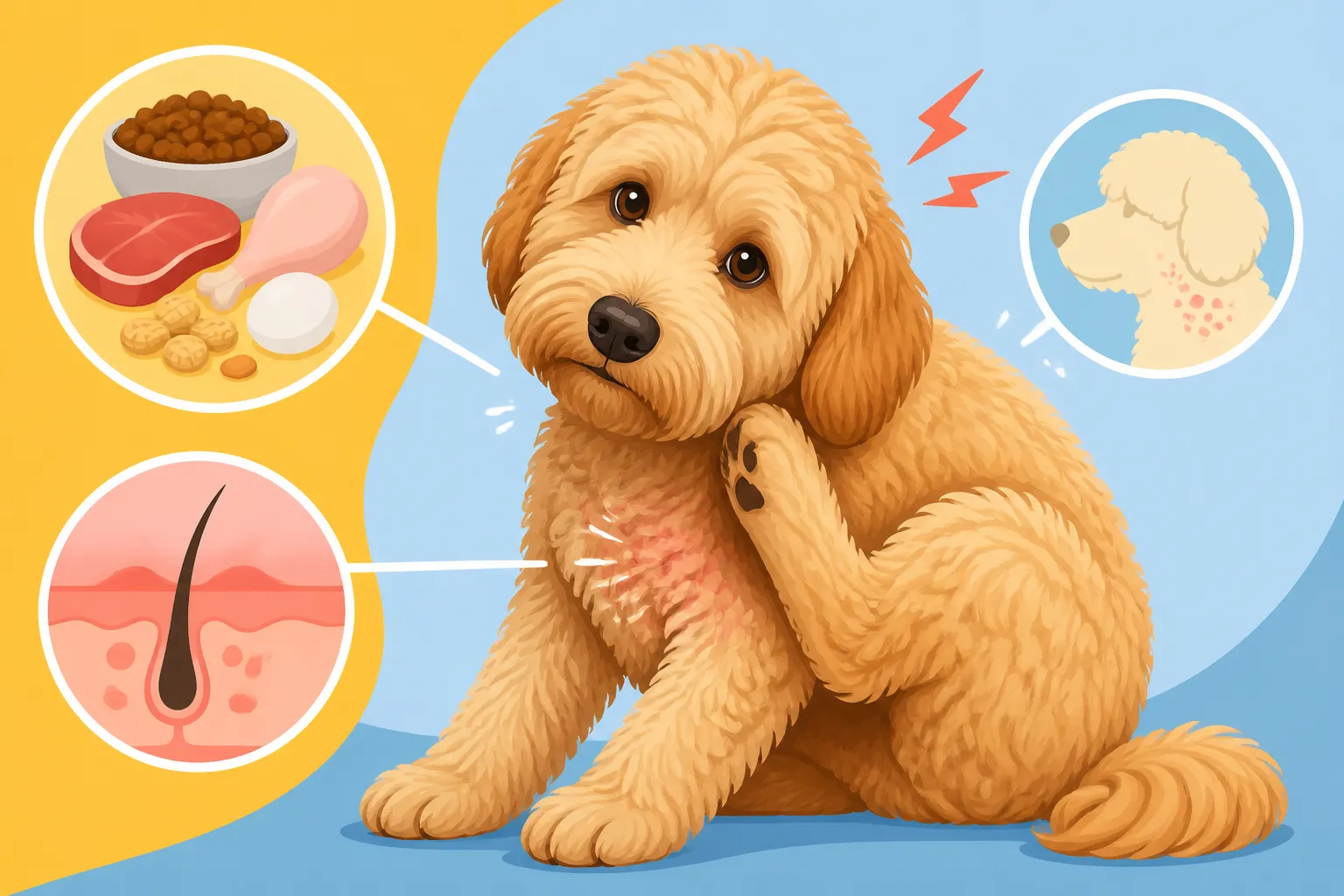
Goldendoodles are known for their gorgeous, low-shedding (usually!) coats, but this very trait can be a double-edged sword when it comes to detecting skin issues. What might be obvious on a short-haired breed – a patch of redness, flaking skin, or a small rash – can easily be completely hidden beneath inches of fluffy fur. This makes food allergies, which often manifest as chronic itching and skin irritation, particularly challenging to diagnose in our beloved doodles.
Why Their Coat Makes Detection So Tricky
Imagine trying to find a tiny needle in a haystack, but the haystack is constantly moving and has a mind of its own. That's a bit like trying to spot subtle skin inflammation on a Goldendoodle. Their dense coats, especially the woolly or curly types, act like a thick blanket, obscuring direct visual inspection. You might notice your dog scratching more, but when you part the fur, all you see is more fur. It can take a severe hot spot or a patch of hair loss for the underlying irritation to become visibly obvious to the naked eye. Often, by the time you spot something, the problem has escalated significantly.
Furthermore, the very nature of their furnishings – the longer hair on their face, ears, and legs – creates environments where moisture and heat can get trapped. This means that if they're constantly licking or scratching an area due to an allergy, that spot becomes a breeding ground for secondary infections, like yeast or bacteria. The Goldendoodle’s long, dropped ears, inherited from their Poodle ancestors, are another prime example; moisture and lack of air circulation can exacerbate ear infections, which are often a symptom of underlying allergies, not just a standalone issue. It’s a cascading effect, where one problem quickly leads to another, all concealed by that beautiful coat. You might notice a smell before you see the raw skin.
Common Misdiagnoses and Frustrations
It’s completely understandable why many Goldendoodle owners, and even some veterinarians, might initially misdiagnose food allergies. The symptoms—itching, licking paws, ear infections, skin rashes—are incredibly generic and can point to a myriad of issues. Often, the first line of treatment involves steroids to reduce inflammation, antibiotics for secondary infections, or antifungals for yeast. These treatments can provide temporary relief, making it seem like the problem is solved, only for the symptoms to return with a vengeance once the medication is stopped. This cycle can be incredibly frustrating and expensive.
Another common pitfall is immediately blaming environmental allergies. While environmental allergies are incredibly prevalent in Goldendoodles (and dogs in general!), their symptoms often overlap with food allergies. Without a systematic approach to diagnosis, it's easy to jump to conclusions, leading to ineffective treatments and prolonged discomfort for your dog. Owners often feel like they're constantly chasing symptoms without ever getting to the root cause, leading to feelings of helplessness and exhaustion. We want our furry friends to be comfortable, and seeing them suffer makes us feel like we're failing them.
Understanding the Culprits: Common Food Allergens
When we talk about food allergies in dogs, we're really talking about an adverse immune reaction to specific proteins in their diet. It's not about an intolerance, which might cause digestive upset, but a full-blown immune response that often manifests as intense itching and skin issues. It's a fundamental misunderstanding of what a Goldendoodle's body perceives as a threat.
The Usual Suspects in Dog Food
Surprisingly, the most common culprits in canine food allergies are often the proteins found in ingredients that form the base of many commercial dog foods. We're talking about proteins like beef, dairy, chicken, wheat, and sometimes soy or corn. It's not necessarily the "cheap" ingredients; it's just that these are the proteins dogs are most frequently exposed to throughout their lives. An allergy develops over time, with repeated exposure, as the immune system mistakenly identifies a harmless protein as an invader. For example, a Goldendoodle that has eaten chicken-based kibble its entire life might suddenly develop an allergy to chicken, even if it's been fine for years.
It’s easy to get caught up in marketing hype about "grain-free" diets, but it's important to remember that grains like wheat, while sometimes an allergen, are far less common triggers than animal proteins. In fact, current veterinary consensus indicates that most dogs with food allergies are reacting to a protein source, not a carbohydrate. This is why simply switching to a grain-free option might not solve the problem if the underlying protein (like chicken) remains in the new food. This is a common misunderstanding that can lead owners down the wrong path, spending money on foods that don't address the core issue.
How a Goldendoodle Develops Sensitivities
A Goldendoodle develops food sensitivities or allergies similarly to how humans do: through repeated exposure. Their immune system, housed largely in their gut, becomes sensitized to a particular protein. Each time that protein is ingested, the immune system launches a response, leading to inflammation and the typical allergic symptoms. This process can take months or even years to manifest, meaning a food your Goldendoodle has eaten happily for ages can suddenly become the enemy. It's often not about a sudden change in diet, but a gradual build-up of sensitivity.
Genetic predisposition also plays a role. Both Golden Retrievers and Poodles, the parent breeds of the Goldendoodle, can be prone to allergies, whether food or environmental. This means your Goldendoodle might inherit a higher likelihood of developing these issues. Their unique gut microbiome, the complex community of bacteria and other microorganisms in their digestive tract, also plays a critical role. An imbalanced gut can contribute to a "leaky gut" syndrome, where undigested food particles pass through the intestinal lining and trigger an immune response, essentially creating new allergies. Understanding this complex interplay helps us appreciate why resolving food allergies isn't always a quick fix.
Pinpointing the Problem: The Elimination Diet
The gold standard for diagnosing food allergies in dogs is an elimination diet, also known as a food trial. This isn't just about switching foods; it's a carefully controlled scientific experiment you conduct at home, requiring immense discipline and consistency. It’s the most reliable way to identify exactly which ingredient is causing your Goldendoodle's distress, cutting through the guesswork and frustration. What a Goldendoodle Elimination Trial Involves is a topic many doodle owners find themselves researching.
Preparing for an Elimination Trial
Before you even touch a new bag of food, preparation is key. This isn't a casual switch. You need to commit fully for a minimum of 8-12 weeks, and sometimes longer. Start by creating a detailed log of your Goldendoodle's current symptoms: how often they scratch, where they lick, the condition of their skin and ears, and their bowel movements. Take photos! This baseline data will be invaluable for tracking progress. Next, purge your house of all other dog foods, treats, chews, and even flavored toys that contain common allergens. This includes human foods. Every family member needs to be on board, as one accidental treat can completely derail the entire process.
Your veterinarian will help you select an appropriate diet. This usually falls into two categories: a novel protein diet or a hydrolyzed protein diet. A novel protein diet uses an ingredient your Goldendoodle has never eaten before (think venison, duck, kangaroo, alligator, or even insect protein). A hydrolyzed protein diet uses common proteins that have been broken down into such tiny molecules that the immune system doesn't recognize them as allergens. You can find many options from brands available through retailers like Chewy or Amazon. Make sure to discuss with your vet which type is best for your Goldendoodle, especially if they have a history of multiple sensitivities.
Implementing the Novel Protein or Hydrolyzed Diet
Once you've chosen your new diet, the hard part begins: strict adherence. For the next 8-12 weeks, your Goldendoodle can eat nothing but the prescribed food. No treats (unless they're made from a single, approved ingredient like a specific vegetable), no table scraps, no flavored medications, no sneaking bits of cheese under the table. Even accidental ingestion of a crumb from the floor can trigger a reaction and force you to restart the clock. This is where the commitment from every member of the household truly counts. For a Goldendoodle known for their keen retriever drive, this can be challenging, but consistency is paramount.
During this phase, continue to meticulously log your Goldendoodle's symptoms. You should start to see a gradual reduction in itching, licking, and skin inflammation. For some dogs, improvement is dramatic within a few weeks; for others, it takes the full 12 weeks to see significant change. If symptoms do not improve at all after 12 weeks on a truly novel or hydrolyzed diet, it’s highly unlikely that food allergies are the primary cause of their itching, and your vet will likely pivot to investigating environmental allergies or other skin conditions.
The Reintroduction Phase and Symptom Tracking
If your Goldendoodle's symptoms significantly improve during the elimination diet, congratulations! You've likely identified that food is indeed the problem. Now comes the reintroduction phase, which is crucial for pinpointing the specific culprits. This is where you systematically reintroduce one potential allergen at a time, usually starting with a common one like chicken or beef. You introduce it for about a week, observing your Goldendoodle closely. If symptoms flare up, you’ve found an allergen. You then remove that ingredient, allow symptoms to resolve again, and move on to the next potential allergen.
This phase is like detective work. You’ll introduce a protein (e.g., a small piece of cooked chicken), observe for a week, and then if no reaction, remove it again and introduce the next protein (e.g., a small piece of cooked beef). If your Goldendoodle reacts negatively – increased scratching, paw licking, ear redness, or even digestive upset – then you've found an ingredient to avoid. Keep detailed notes on how quickly a reaction occurs and how severe it is. This careful process is the only way to build a definitive list of foods your Goldendoodle must avoid long-term.
Managing Symptoms and Long-Term Care
Once you've successfully navigated the elimination trial and identified your Goldendoodle's food allergens, the journey shifts from diagnosis to long-term management. This involves selecting appropriate foods, understanding the role of supplements, and continuously monitoring their overall health.
Topical Solutions and Symptom Relief
While you’re in the midst of an elimination diet, or even as you transition to a new regular diet, your Goldendoodle still needs relief from their itching. Topical treatments can be immensely helpful. Medicated shampoos, prescribed by your vet, can soothe inflamed skin, reduce yeast or bacterial overgrowth, and provide temporary relief from the incessant itch. Look for shampoos containing ingredients like chlorhexidine or miconazole, which target common secondary infections. Sometimes, a cool bath itself can offer comfort.
Additionally, your vet might recommend topical sprays or mousses containing corticosteroids or anti-itch ingredients to calm localized hot spots or persistent licking. For Goldendoodles, whose furnishings make them prone to dampness, carefully drying the coat after bathing and ensuring good air circulation, especially around their ears and paw pads, is essential. Regular cleaning of their ears, even if they're not currently infected, can help prevent future flare-ups if allergies are a known issue. Remember, these are management tools to relieve discomfort while you work on the underlying dietary changes, not cures for the allergy itself. Goldendoodle Hot Spots Under a Thick Coat are particularly common in allergic dogs.
Choosing the Right Food After Identification
Once you know which ingredients your Goldendoodle is allergic to, your next step is to find a commercial dog food that is completely free of those allergens. This can be more challenging than it sounds, as many foods use shared manufacturing lines or include hidden ingredients. Read labels meticulously – "chicken meal" is still chicken. You might need to stick with a limited ingredient diet (LID) or continue with a novel protein diet. Many brands offer LID formulas that feature single animal protein sources (like salmon or duck) and limited carbohydrates. Some Goldendoodle owners even turn to fresh food delivery services like Ollie, which can offer customizable meal plans with clear, single-source ingredients, making it easier to avoid specific allergens.
It's crucial to check all food items, not just their main kibble. This includes treats, dental chews, and even certain medications or supplements that might contain hidden fillers or flavorings. Opt for single-ingredient treats, like freeze-dried lamb lung or sweet potato chews, ensuring they don't contain any of your Goldendoodle's identified allergens. This fastidiousness is what will keep your Goldendoodle comfortable in the long run.
The Role of Supplements and Gut Health
Beyond the food itself, certain supplements can play a vital role in supporting your Goldendoodle's skin barrier and gut health, which are often compromised in allergic dogs. Omega-3 fatty acids, found in fish oil, are powerful anti-inflammatory agents that can improve skin and coat health, reducing dryness and itchiness. Look for high-quality, vet-approved fish oil supplements. Omega Oils for a Goldendoodle Coat can make a visible difference. Probiotics and prebiotics are also invaluable. Since much of the immune system resides in the gut, a healthy gut microbiome is crucial for managing allergies. Probiotics introduce beneficial bacteria, while prebiotics feed those bacteria, helping to restore balance.
Digestive enzymes can also be considered, particularly if your Goldendoodle shows any digestive upset alongside their skin issues. These can help break down food more efficiently, reducing the potential for undigested particles to trigger an immune response. Always discuss any new supplements with your veterinarian to ensure they are appropriate for your Goldendoodle's specific needs and won't interfere with their diet or other medications. Supporting their internal health is a proactive step in preventing future flare-ups and maintaining that healthy, happy Goldendoodle coat. Gut Support for a Goldendoodle With a Messy Beard can also improve overall digestion.
Beyond Food: Ruling Out Other Allergy Triggers
While we're focusing on food allergies, it's vital to remember that they are just one piece of the puzzle. Often, dogs suffer from multiple types of allergies simultaneously, which can complicate diagnosis and treatment. Ruling out other common triggers is a crucial step in ensuring your Goldendoodle gets comprehensive care.
Environmental Allergies vs. Food Allergies
Environmental allergies, or atopy, are extremely common in Goldendoodles and often present with very similar symptoms to food allergies: itching, paw licking, ear infections, and skin redness. The key difference lies in the triggers and often the seasonality. Environmental allergies are caused by inhaled or absorbed allergens like pollen, dust mites, mold spores, and grasses. You might notice your Goldendoodle's itching is worse during certain seasons if pollen is the culprit, or year-round if dust mites are the issue. Goldendoodle Environmental Allergies by Season can be a real headache.
If an elimination diet doesn't resolve your Goldendoodle's symptoms, or if symptoms persist even after a successful food trial and dietary change, environmental allergies become the prime suspect. Diagnosis for environmental allergies typically involves either blood tests or intradermal skin testing performed by a veterinary dermatologist. Treatment for environmental allergies can include antihistamines, immunotherapy (allergy shots or drops), or newer medications designed to target the allergic itch pathway specifically. It’s not uncommon for a Goldendoodle to have both food and environmental allergies, making a multi-pronged approach necessary for their comfort.
Other Skin Conditions Mimicking Allergies
Beyond allergies, several other skin conditions can cause itching and irritation in Goldendoodles, sometimes mimicking allergy symptoms. These include parasitic infestations (fleas, mites like sarcoptic or demodectic mange), bacterial skin infections (pyoderma), fungal infections (ringworm), or even autoimmune conditions. While many Goldendoodle owners are diligent about flea and tick prevention, even a single flea bite can trigger intense itching in a sensitive dog. Your vet will often want to rule out parasites with a simple skin scraping or flea comb check early in the diagnostic process.
Moreover, issues like The Skin Disease a Goldendoodle Gets From the Poodle Line can also cause chronic skin irritation. Your veterinarian may perform various diagnostic tests, such as skin scrapings, cytology (examining cells from the skin under a microscope), or fungal cultures, to accurately identify these conditions. It's important not to self-diagnose, as treating for allergies when the underlying issue is, for example, a bacterial infection, will only prolong your Goldendoodle's suffering and potentially worsen the problem. A thorough veterinary examination and diagnostic work-up are always the first and best steps when dealing with any persistent skin issue.
| Phase of Elimination Diet | Duration | Goal | Key Actions | What to Observe |
|---|---|---|---|---|
| Preparation | 1-2 Weeks | Establish Baseline | Vet consult, choose diet, remove all non-approved foods/treats, create symptom log. | Document current itching, licking, skin condition, ear health, paw chewing. |
| Elimination | 8-12 Weeks | Resolve Symptoms | Feed ONLY novel protein or hydrolyzed diet, zero exceptions. | Daily tracking of symptom reduction. Look for decreased itching, redness, ear issues. |
| Reintroduction | 1-2 Weeks per ingredient | Identify Allergens | Introduce ONE new ingredient (e.g., chicken, beef) at a time. | Watch for return of symptoms within hours to days after reintroduction. |
| Maintenance | Ongoing | Sustain Health | Feed diet free of identified allergens. | Monitor for any new symptoms, manage environment for other allergens. |
Uncovering the cause of food allergy itching in your Goldendoodle can feel like a daunting task, especially with their luscious coats hiding so much. But with patience, a structured approach like the elimination diet, and close collaboration with your veterinarian, you can pinpoint the triggers and provide your beloved Goldendoodle with the relief they desperately need. It's a journey that requires dedication, but seeing your furry friend comfortable and happy is the ultimate reward.
Disclaimer
This article is for general informational purposes only and does not constitute professional advice. Laws, prices and regulations vary by location and change over time. Consult a qualified professional for guidance on your specific situation.