DNA Coat Testing on a Goldendoodle
It’s a common scenario: you’ve fallen head over heels for an adorable Goldendoodle puppy, with its soft, fluffy coat, only to find yourself wondering what its adult fur will really be like. Will it shed? Will it need endless grooming? This uncertainty about coat type, especially for families with allergies or those unprepared for intensive grooming, can be a real source of anxiety. This comprehensive guide will walk you through everything you need to know about DNA coat testing for your Goldendoodle, from understanding the science behind those curly locks and adorable beards to interpreting the results and using them to better prepare for your dog's future care.
Why Goldendoodle Coat DNA Testing Is a Game-Changer for Owners and Breeders
Bringing a Goldendoodle into your home often comes with hopes of a low-shedding, fluffy companion. However, as any Goldendoodle owner can attest, their coats are incredibly diverse. You might have a pup with a sleek, flat coat that sheds surprisingly much, or a densely curled "wool" coat that seems to be a magnet for mats. This unpredictability, particularly in early generations like F1 Goldendoodles, is precisely why DNA coat testing has become such a valuable tool. It removes the guesswork, offering a scientific peek into your dog's genetic makeup that dictates how their fur will grow, whether it will shed, and even its texture.
For prospective owners, especially those dealing with allergies, understanding these genetic markers before a puppy even comes home can be crucial. Imagine knowing with a high degree of certainty whether that cute, fluffy puppy will indeed be a low-shedder or if it's genetically predisposed to a coat that might trigger allergic reactions in your household. This isn't just about aesthetics; it’s about preparedness for a lifetime of care, grooming needs, and ensuring a comfortable environment for everyone in the family. Breeders, on the other hand, utilize this testing to make informed decisions about pairings, striving to produce litters with more predictable coat types that meet the desires of their clients, reducing the chances of mismatched expectations down the line. It's truly a win-win, fostering better matches between Goldendoodles and their forever homes.
The Problem of Unpredictable Goldendoodle Coats
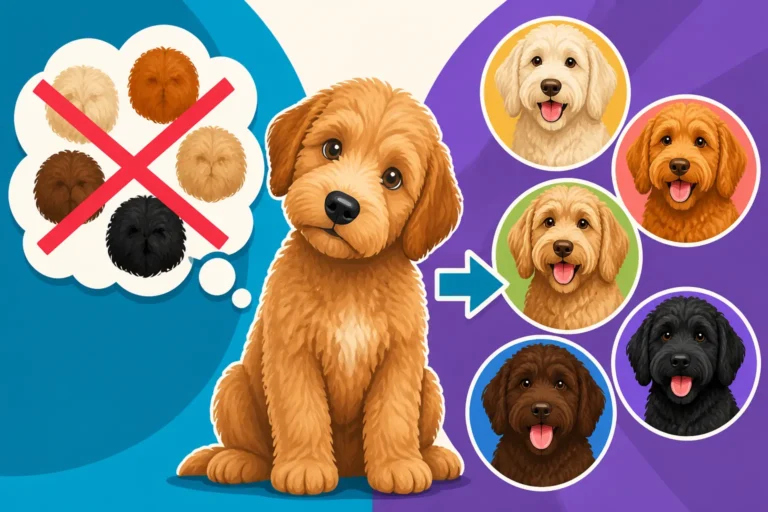
When you combine two distinct breeds like the Golden Retriever and the Poodle, you inherit a fascinating genetic lottery, especially concerning their coats. Golden Retrievers are known for their beautiful, flowing double coats that shed considerably. Poodles, conversely, boast a single, curly coat that sheds minimally, if at all, and is often touted as "hypoallergenic." A Goldendoodle, being a hybrid, can inherit any combination of these coat traits. This means a litter from the same parents can produce puppies with dramatically different coats: some might have a flat, sleek coat reminiscent of a Golden Retriever, others a wavy or shaggy "fleece" coat, and some the tight, curly "wool" coat of a Poodle.
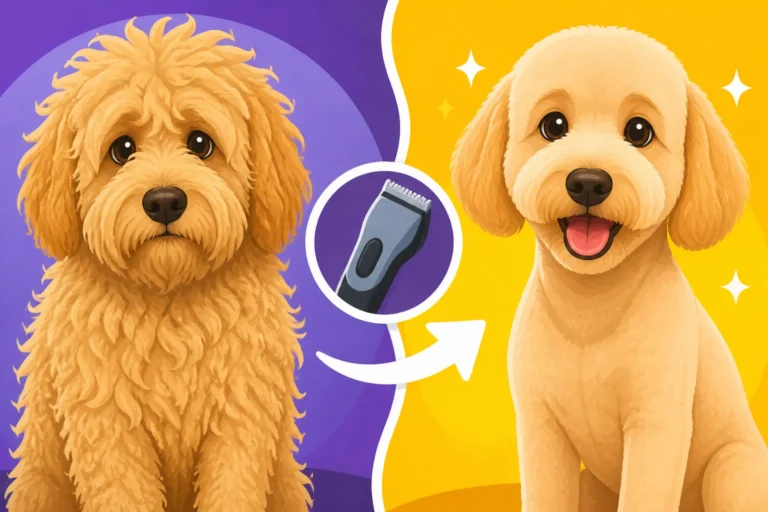
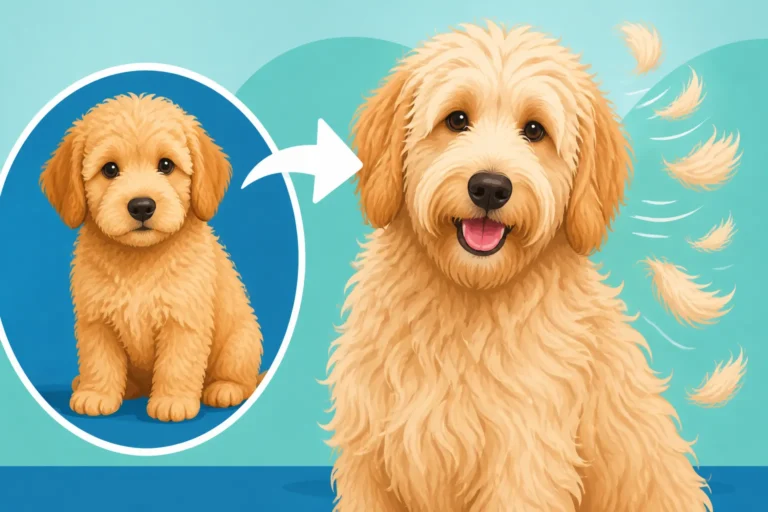
The biggest frustration for many comes around the eight to twelve-month mark, often referred to as the "coat change." A puppy with soft, manageable fluff can suddenly develop an adult coat that mats almost overnight. This coat change period is notoriously difficult, requiring intensive grooming and often catching new owners completely off guard. Without DNA testing, there's no way to definitively predict if your sweet, fluffy puppy will transform into a high-maintenance mat monster or an easy-breezy low-shedder. This unpredictability extends to the presence of "furnishings"—the distinctive facial hair, eyebrows, and beard that give Goldendoodles their iconic "doodle" look. Without these furnishings, a Goldendoodle can resemble a Golden Retriever much more closely, which can be a surprise if you were expecting the classic doodle appearance.
The Science Behind Predicting Coat Types
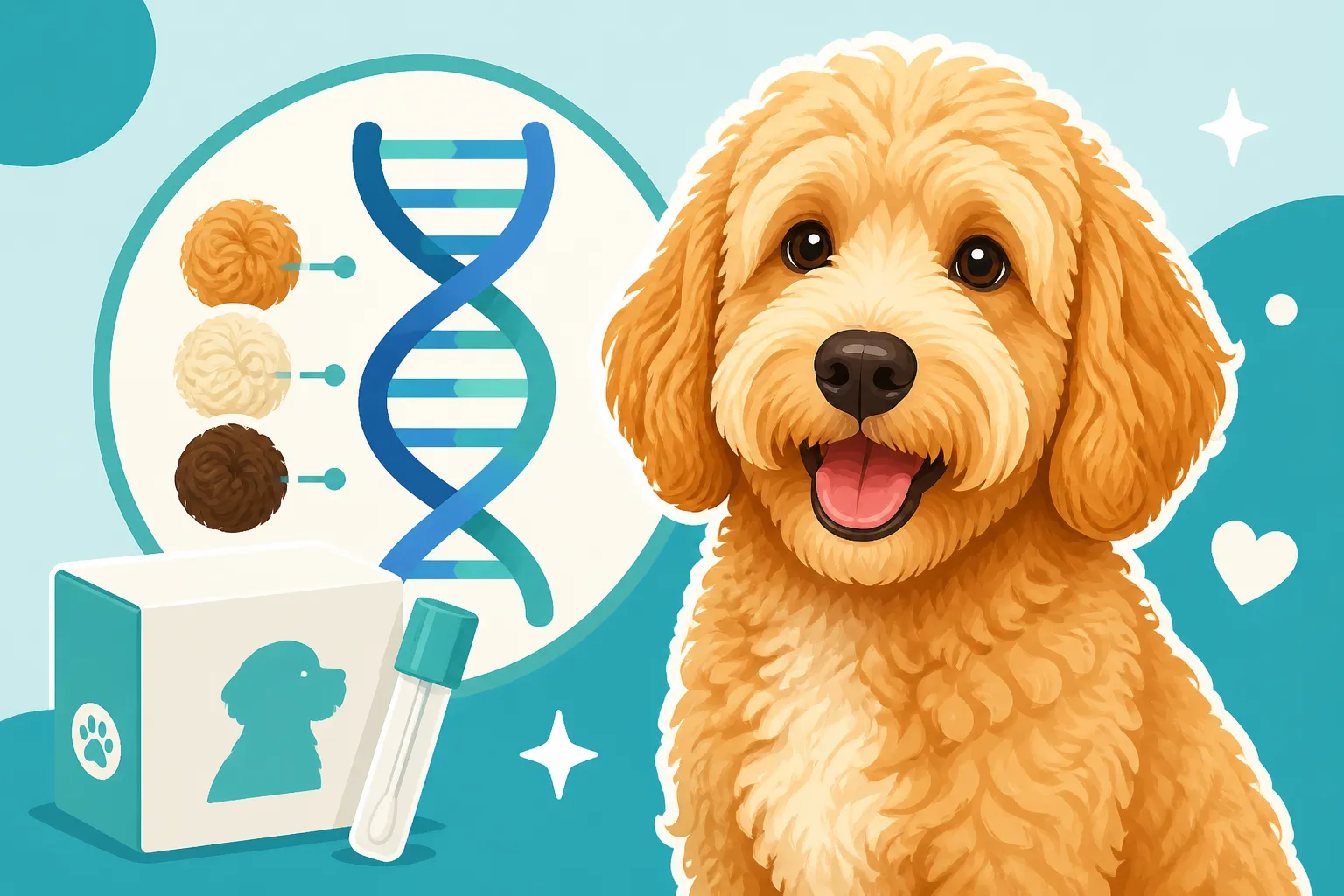
At its heart, DNA coat testing looks for specific genetic markers that influence coat characteristics. The two most significant genes for Goldendoodles are RSPO2 and FGF5. The RSPO2 gene is responsible for "furnishings"—that signature beard, mustache, and eyebrows that give Goldendoodles their teddy bear look and, critically, correlate strongly with reduced shedding. A dog without two copies of the furnishing gene (F/F) will have a smooth, unfurnished face, shed more, and often have a flatter coat.
The FGF5 gene, on the other hand, determines coat length and, to a degree, curl. While not directly about shedding, it influences the texture and waviness of the coat. Other genes can influence curl (like KRT71 in some breeds, though RSPO2 is the primary driver of the "doodle curl"), shedding, and even color modifiers. By analyzing these specific genetic loci, labs can provide a detailed report outlining your Goldendoodle’s genetic predisposition for various coat traits. This scientific approach helps decode the mystery, allowing owners and breeders to anticipate grooming needs, potential allergen concerns, and even the final aesthetic of the adult dog long before that unpredictable coat change even begins.
Decoding Your Goldendoodle's Coat Genes: Furnishings, Shedding, and Curl
Understanding your Goldendoodle's coat DNA test results involves getting familiar with a few key genetic markers. These aren't just abstract scientific terms; they directly translate to the real-world characteristics of your dog's fur, impacting everything from how much it sheds to its texture and the amount of grooming it will need. The main players in the Goldendoodle coat game are the genes for furnishings, shedding, and curl. These genes interact in complex ways to produce the wide variety of doodle coats we see.
The testing typically looks for specific alleles (versions of a gene) at certain locations on the dog's chromosomes. The results are usually presented as letters, representing whether your dog inherited two copies of a dominant trait, two copies of a recessive trait, or one of each. Deciphering these combinations is where the magic happens, giving you clarity about your Goldendoodle's genetic destiny regarding its coat. For breeders, this information is invaluable for planning litters, while for owners, it's a window into the future of their pup's grooming and allergen management.
The Furnishings Gene (RSPO2) and Its Impact on Shedding
The RSPO2 gene is arguably the most critical gene for Goldendoodle owners, especially those concerned with shedding and the iconic "doodle look." This gene determines the presence of "furnishings," which are the longer hair on the muzzle, eyebrows, and legs. Without furnishings, a dog often has a smoother face, similar to a Golden Retriever. More importantly, dogs with two copies of the furnishing allele (F/F) are almost always low-shedding. This is because the furnishings gene is closely linked to a low-shedding coat.
Here’s a breakdown of the typical RSPO2 gene combinations and what they mean:
- F/F (Furnished/Furnished): Your Goldendoodle has two copies of the furnishing gene. This dog will definitely have furnishings (beard, mustache, eyebrows) and will almost certainly be a low-shedder. This is the ideal genetic makeup for allergy sufferers and those seeking a minimal-shedding dog. Their coat will require regular brushing to prevent matting.
- F/I (Furnished/Improper Coat): Your Goldendoodle has one copy of the furnishing gene and one copy of the "improper coat" (non-furnishing) gene. This dog will have furnishings and will likely be low-shedding, similar to an F/F dog. However, if bred, they can pass on the "improper coat" gene.
- I/I (Improper Coat/Improper Coat): Your Goldendoodle has two copies of the "improper coat" gene. This dog will not have furnishings. Its face will be smooth, resembling a Golden Retriever. Crucially, these dogs will shed much more than furnished Goldendoodles, similar to a Golden Retriever's shedding level. While they are still Goldendoodles, they won't have the classic "doodle" look and may not be suitable for homes with severe allergies. This is often what happens when an F2 or F3 generation Goldendoodle ends up with an unexpected coat type. For more on this, check out An Unfurnished Goldendoodle With a Smooth Face.
Understanding these combinations helps set realistic expectations about the amount of shedding you'll experience.
Unpacking the Curl Gene and Coat Texture (KRT71 & Others)
Beyond furnishings, the amount of curl in a Goldendoodle’s coat is another major factor influencing its appearance and grooming needs. While RSPO2 is strongly associated with the wavy-to-curly texture that accompanies furnishings, other genes, like KRT71 (in some breeds, though less definitively linked as the primary curl gene for Goldendoodles as a whole, it contributes), also play a role in defining the tightness of the curl. The Poodle parent contributes genes for dense, curly coats, while the Golden Retriever parent typically contributes genes for straight or wavy coats.
Here are the common gene combinations for curl and their implications:
- Cu/Cu (Curly/Curly): Your Goldendoodle has two copies of the curly gene, often inherited from the Poodle side. This typically results in a tight, dense, wool-like coat. These coats are highly prone to matting and require very frequent, diligent grooming, often daily brushing, to prevent knots. They are very low-shedding.
- Cu/c (Curly/Straight): Your Goldendoodle has one copy of the curly gene and one copy of the straight or wavy gene. This is often seen in Goldendoodles with a "fleece" coat, which is characterized by soft, flowing waves or loose curls. This is a very popular coat type due to its softness and relatively low shedding (especially if also F/F for furnishings). Grooming is still essential, but perhaps less intense than a full wool coat.
- c/c (Straight/Straight): Your Goldendoodle has two copies of the straight or wavy gene, often leaning more towards the Golden Retriever side. This results in a flatter, straighter, or only slightly wavy coat. If this Goldendoodle also has furnishings, it will still have the beard and eyebrows, but the body coat will be much straighter. These coats tend to shed more than curly or wavy coats, even with furnishings, and might not be ideal for severe allergy sufferers.
It's important to remember that coat texture isn't the sole predictor of shedding. Why a Goldendoodle Curl Gene Is Not a Shedding Gene delves deeper into this often-misunderstood aspect. Regardless of curl, all Goldendoodles require consistent grooming to prevent painful mats.
What Your Goldendoodle's Coat Test Results Actually Mean for Grooming and Allergies
Once you have your Goldendoodle’s coat DNA test results in hand, you’re not just looking at a string of letters; you're holding a personalized care manual for your pup. These results translate directly into actionable insights about how much grooming your Goldendoodle will need, how often you should brush them, and what level of shedding to anticipate. For families where allergies are a concern, these results can offer critical guidance on managing potential triggers, moving beyond hopeful assumptions to informed strategies.
Understanding these implications early on can save you a lot of frustration, time, and money in the long run. Instead of being caught off guard by unexpected matting or surprising amounts of shed hair, you can proactively prepare for the specific needs of your Goldendoodle's unique coat. This knowledge empowers you to provide the best possible care, ensuring your dog's comfort and your family's well-being.
Predicting Shedding Levels and Allergy Friendliness
The primary reason many people choose a Goldendoodle is the promise of a low-shedding, "hypoallergenic" dog. DNA coat testing offers the best available prediction for these traits. As discussed, the RSPO2 furnishings gene is the strongest indicator of low shedding.
- Low Shedding (F/F or F/I for furnishings, regardless of curl): If your Goldendoodle has at least one copy of the Furnishing gene (F/F or F/I), it is genetically predisposed to be low-shedding. This means you’ll likely find minimal hair around the house. For allergy sufferers, these dogs are generally the best bet, as reduced shedding means fewer dander-carrying hairs are distributed into the environment. However, it's crucial to remember that no dog is 100% hypoallergenic. Allergens come from dander, saliva, and urine, not just hair. Still, a low-shedding coat significantly reduces allergen dispersion. These dogs will still require regular grooming to prevent mats, which can be the biggest challenge.
- Moderate to High Shedding (I/I for furnishings): If your Goldendoodle tests as I/I for furnishings, it will likely shed much more, similar to a Golden Retriever. These dogs will not have the distinctive facial furnishings. They will drop hair, and while it might still be less than a purebred Golden, it will be noticeable. For allergy sufferers, an I/I Goldendoodle is generally not recommended, as the shedding and dander will likely trigger symptoms.
The curl gene also plays a role in perceived shedding. A very curly coat (Cu/Cu) traps any shed hair within the coat, so you see less hair on your furniture, but it must be brushed out to prevent mats. A straighter coat (c/c) allows shed hair to fall out more easily. Knowing these factors helps manage expectations and choose the right tools, whether that's a powerful vacuum or specific brushes you can find on Amazon or Chewy. What a Goldendoodle Inherits From Each Parent Breed offers a deeper dive into the genetic mix.
Tailoring Your Grooming Routine
Your Goldendoodle’s coat test results are a direct guide to their grooming needs. Different coat types require different approaches.
- Wool Coat (Often Cu/Cu and F/F): This is the most Poodle-like coat: tight, dense curls. It is very low-shedding but mats extremely easily. You should plan for daily brushing with a slicker brush and metal comb to line brush down to the skin. Professional grooming every 4-6 weeks is non-negotiable, typically with shorter cuts to manage the density. If you neglect this, severe matting will occur, often necessitating a full shave-down, which no one wants for their furry friend. Check out Brushing a Goldendoodle Often Enough to Stop Matting for detailed techniques.
- Fleece Coat (Often Cu/c and F/F): This popular coat type is soft, wavy, or loosely curled. It's generally low-shedding and feels lovely. While less prone to matting than a wool coat, it still needs consistent attention. Plan on brushing 2-3 times a week, paying special attention to friction areas like behind the ears, armpits, and under the collar. Professional grooming every 6-8 weeks is usually sufficient. This coat type often gets the classic "teddy bear" cut.
- Flat/Straight Coat (Often c/c, possibly I/I): This coat is more like a Golden Retriever's, with straight or slightly wavy hair. If it also lacks furnishings (I/I), it will shed more. While it mats less than the curly types, it can still develop tangles, especially during seasonal sheds. Weekly brushing with a slicker brush and undercoat rake can help manage shedding. Professional grooming might be less frequent, perhaps every 8-12 weeks, focusing on tidying up and de-shedding treatments. These dogs will shed, and you'll want to be prepared with lint rollers!
A critical period for all coat types is the "coat change," usually between 8 and 12 months, where the puppy coat gives way to the adult coat. This can be an intense matting phase, regardless of genetic predisposition. Knowing your dog's adult coat type via DNA testing beforehand allows you to ramp up your grooming efforts during this crucial time. The Goldendoodle Coat Change at Eight to Twelve Months offers more guidance on navigating this period.
| Coat Gene Result (Simplified) | Predicted Coat Type | Shedding Level | Grooming Frequency | Allergy Friendliness |
|---|---|---|---|---|
| RSPO2: F/F, KRT71: Cu/Cu | Wool (Poodle-like) | Very Low | Daily Brushing, 4-6wk Professional | Highest (for a Goldendoodle) |
| RSPO2: F/F, KRT71: Cu/c | Fleece (Wavy/Loose Curl) | Low | 2-3x/week Brushing, 6-8wk Professional | High |
| RSPO2: F/F, KRT71: c/c | Straight/Wavy with Furnishings | Low-Moderate | 2x/week Brushing, 8-10wk Professional | Moderate-High |
| RSPO2: I/I, KRT71: Any | Flat (Golden-like), Unfurnished | Moderate-High | Weekly Brushing, 10-12wk Professional | Lowest (for a Goldendoodle) |
Note: This table provides general predictions. Individual variation can occur, and other genes can subtly influence coat characteristics.
How to Get Your Goldendoodle's Coat DNA Tested and What to Expect
Getting your Goldendoodle’s coat DNA tested is a straightforward process that anyone can do, whether you're a breeder making informed pairing decisions or an owner curious about your puppy's future coat. The availability of at-home testing kits has made this scientific insight incredibly accessible. Knowing what to expect from the process, from selecting a kit to receiving and interpreting the results, helps demystify it and ensures you get the most out of your investment.
This proactive step allows you to plan effectively, whether it's adjusting your grooming budget, investing in the right tools (perhaps from Chewy, which has a wide selection of grooming supplies), or simply understanding your furry family member better. It's about preparedness and setting both you and your Goldendoodle up for a happier, healthier life together, free from unexpected coat-related surprises.
Choosing a Reputable DNA Testing Kit
When it comes to DNA testing for your Goldendoodle, there are several reputable companies that offer coat trait analysis. The most widely recognized and trusted names in the industry include Embark Vet and Wisdom Panel. Both offer comprehensive genetic testing panels that cover not only coat traits but also breed identification and health screenings, which can be invaluable for Goldendoodle owners.
- Embark Vet: Known for its extensive database and scientific accuracy, Embark offers a "Breed + Health Kit" that includes detailed coat trait analysis. They test for furnishings, curl, shedding, coat length, and various color genes. Many breeders use Embark for their comprehensive results. You can often find these kits on Amazon or directly through their website.
- Wisdom Panel: Another leading provider, Wisdom Panel also offers various kits, including those with coat trait analysis. Their "Premium" kit typically covers coat traits, breed ancestry, and some health screening. They are a well-established company with reliable results.
When choosing a kit, consider the following:
- Scope of Testing: Do you only want coat traits, or are you interested in breed composition and health predispositions too? Goldendoodles, as a hybrid, don't have a breed club health scheme, so comprehensive health testing is often recommended. The DNA Panel a Goldendoodle Breeder Should Run offers more insights into full health panels.
- Cost: Prices vary between companies and the comprehensiveness of the kit.
- Report Detail: Look at sample reports if available to ensure the information is presented clearly and is easy to understand.
- Reviews: Check reviews from other Goldendoodle owners to gauge satisfaction with the service and accuracy.
Generally, purchasing directly from the company's website or through trusted retailers like Chewy or Amazon ensures you receive an authentic kit.
The Collection and Analysis Process
Once you've chosen your kit, the process of collecting your Goldendoodle's DNA is surprisingly simple and can be done from the comfort of your home.
- Activate Your Kit: The first step is to register your kit online using the unique barcode provided. This links your dog's sample to your account and ensures you receive the results.
- Collect the Sample: Most kits use a cheek swab. This involves gently rubbing a sterile swab against the inside of your dog's cheek for about a minute. The goal is to collect cells, not just saliva. It's usually best to do this before feeding or after your dog has had some time without food or water to ensure a clean sample. Follow the instructions precisely; you typically need to rub quite firmly to gather enough epithelial cells.
- Mail the Sample: After collection, you’ll usually air dry the swab for a specified time and then place it into the provided collection tube or envelope. The kit will come with pre-paid postage or instructions for mailing it back to the lab.
- Wait for Results: This is often the hardest part! Turnaround times vary by company and can range from 2-6 weeks, sometimes longer during peak periods. You'll usually receive email updates on the progress of your sample.
- Interpret Your Report: Once the results are ready, you'll receive an email notification to view your comprehensive report online. The report will detail your Goldendoodle's genetic makeup for various coat traits, often with explanations of what each gene combination means for their appearance and shedding. Don't hesitate to research any terms you don't understand or contact the testing company's customer support for clarification.
Armed with this information, you can confidently anticipate your Goldendoodle's adult coat, plan your grooming regimen, and ensure your home environment is comfortable for everyone. Whether your dog has a low-shedding wool coat that needs constant attention or a more manageable wavy fleece, knowing their genetic blueprint allows for truly personalized care.
Disclaimer
This article is for general informational purposes only and does not constitute professional advice. Laws, prices and regulations vary by location and change over time. Consult a qualified professional for guidance on your specific situation.