Treats That Do Not Stick in a Goldendoodle Beard
Oh, the Goldendoodle beard! It’s undeniably charming, giving our fluffy companions that distinguished, soulful look. But let’s be honest, that gorgeous facial hair can quickly become a magnet for every crumb, smear, and sticky goo, especially when treats are involved. You reach for what you think is a perfectly innocent snack, only to find it clinging to their chin hairs like a furry velcro patch, creating a crunchy, matted, and frankly, smelly disaster zone. You're left debating whether to grab the comb, a damp cloth, or just shave it all off in a fit of frustration. This guide is all about helping you navigate the treacherous waters of Goldendoodle treat time, identifying the snacks that won’t become permanent fixtures in their magnificent beards, and offering tips to keep that beautiful muzzle pristine.
The Sticky Truth About Goldendoodle Beards and Treats
The Goldendoodle’s iconic "furnishings" – the longer hair on their face, eyebrows, and beard – are a huge part of their appeal. They're what give them that adorable, teddy-bear-like expression. However, these furnishings, particularly the beard, are also a functional challenge. Unlike smooth-faced breeds where a treat either makes it into their mouth or drops to the floor, a Goldendoodle's beard acts like a net, catching anything that doesn't go straight down the hatch.
Why a Messy Beard is More Than Just an Eyesore
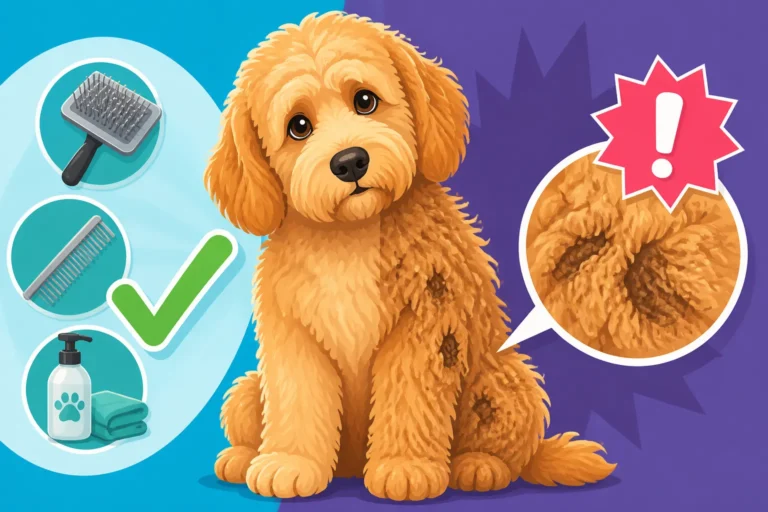
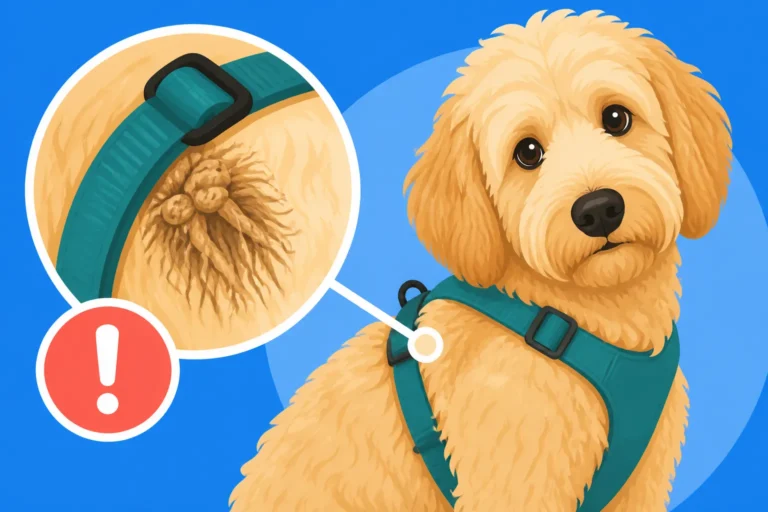
Beyond the aesthetic challenge of a crusty beard, there are genuine health and hygiene concerns. That sticky residue isn't just unsightly; it can create a breeding ground for bacteria and yeast, leading to skin irritation, redness, and even painful infections underneath the matted hair. Imagine constantly having old food plastered to your chin – it's uncomfortable, itchy, and certainly not hygienic. For dogs, this can manifest as "beard rash" or secondary infections that require veterinary attention. Plus, regular matting from treats makes daily grooming harder and can lead to expensive dematting fees at the groomer. It's not just about looking good; it's about comfort and preventing skin issues. Cleaning a Goldendoodle Beard After Every Meal isn't just a suggestion, it's a necessity, especially if you're not careful with treat selection.
The Anatomy of a Goldendoodle Beard: Furnishings Explained
The furnishings are a genetic trait inherited from the Poodle side of the family. This dominant gene means most Goldendoodles will have this longer, often wavy or curly, facial hair. It's a hallmark of the breed, distinguishing them from, say, a smooth-faced Golden Retriever. The texture of this hair can vary too; some Goldendoodles have softer, silkier furnishings, while others have coarser, denser hair that seems to hold onto things with even more tenacity. This variation means that while one Goldendoodle might shake off a crumb with ease, another might end up with a full-on food beard after the same treat. Understanding that this isn't just "extra hair," but a specific genetic characteristic, helps us approach grooming and treat selection with more informed care. It's a part of what makes them a Goldendoodle, and it deserves special consideration.
Characteristics of the Best Beard-Friendly Treats
Finding the perfect treat for your Goldendoodle means looking for specific attributes that minimize mess and maximize enjoyment. It's a delicate balance, but totally achievable once you know what to prioritize.
Crunchy, Low-Moisture, and Quick-Dissolving
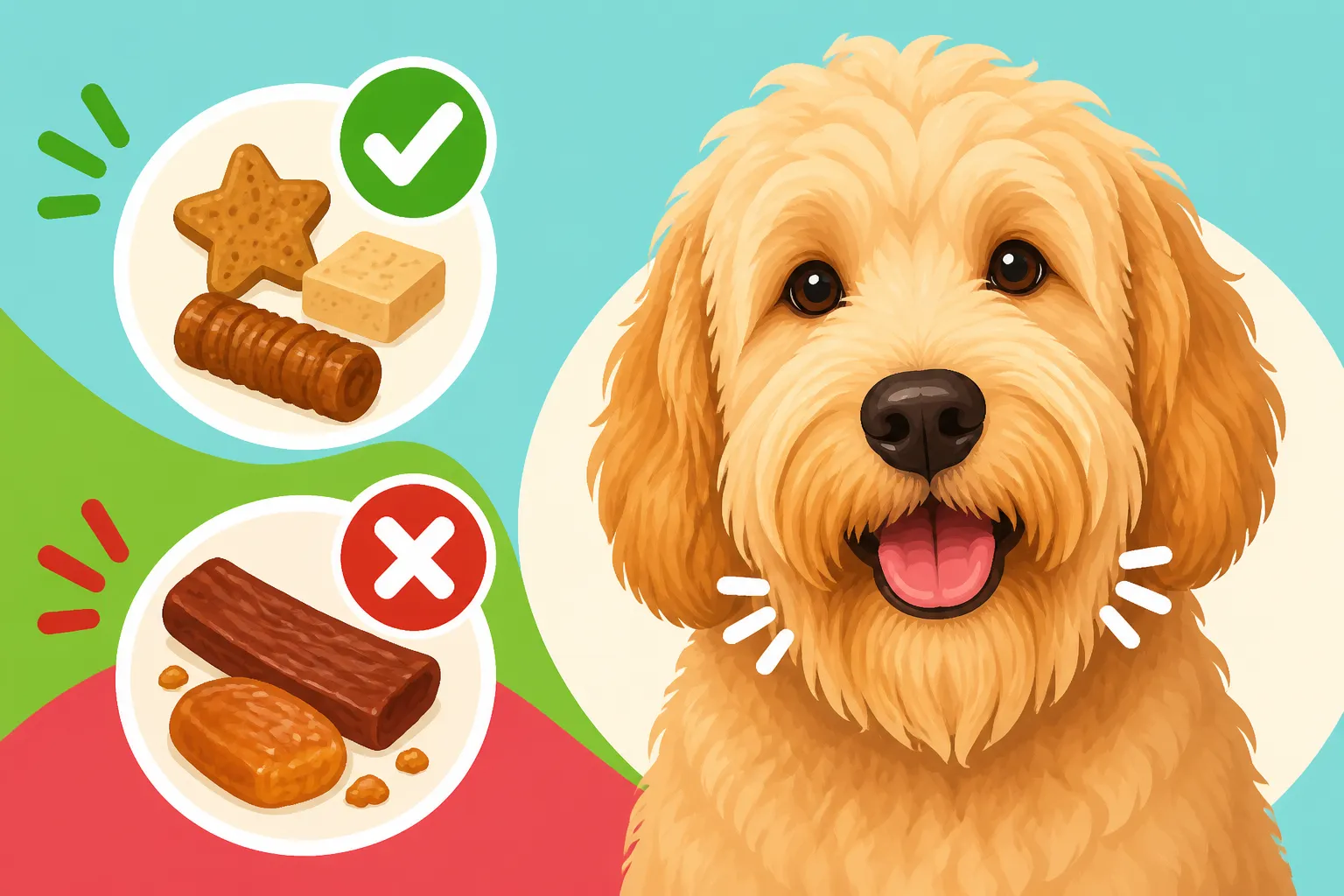
The absolute best treats for a Goldendoodle beard are those that are hard, crunchy, and have very low moisture content. Think small biscuits, crunchy dental chews, or even certain freeze-dried options. These treats tend to break cleanly when chewed, rather than smushing or crumbling into a sticky paste. Look for ingredients that are less likely to create residue. If a treat dissolves quickly once it hits moisture (like saliva), that’s a huge bonus, as it means less lingering stickiness.
For instance, a small, hard kibble-like training treat that they can just crunch and swallow with minimal fuss is often ideal. Brands you might find on Chewy or Amazon often specify "crunchy" or "crisp" in their descriptions, which is a good indicator. Avoid anything overly chewy, gummy, or with a thick coating. These are the prime culprits for beard entanglement. Training Treats Sized for a Mini Goldendoodle often fall into this category, being small and firm, regardless of your Goldendoodle's actual size.
Avoid Sticky, Gummy, or Highly Crumbling Textures
This might seem obvious, but it’s worth reiterating: if a treat is sticky to your touch, it will be ten times stickier in your Goldendoodle's beard. Think about those soft, chewy dental sticks that leave a film on your fingers, or crumbly, baked treats that seem to explode into a thousand pieces with one bite. These are beard nightmares. Gummy treats, soft jerky-style chews, or anything with a gooey center are also high-risk.
While these types of treats might be delicious for your dog, the cleanup can be a real pain, and the health risks associated with trapped food particles are not worth the momentary joy. If you must give a treat like this (say, for medication), then careful preparation and immediate cleanup are key, which we'll discuss later. But for everyday rewards, stick to the safer options.
Size and Shape Matter for Less Mess
The size and shape of the treat also play a significant role. Smaller, bite-sized treats are generally better than large ones that require extensive chewing or tearing. When a dog has to work at a treat for a long time, more opportunities arise for pieces to break off, get wet with saliva, and cling to the beard.
Consider flat, disk-shaped treats or small, irregular nuggets. Shapes that can be swallowed fairly quickly after a few good chomps are ideal. Long, thin sticks can also work if they are hard enough not to splinter into mushy bits. For example, a small, hard biscuit that's designed to be swallowed quickly after a couple of crunches will be far less messy than a large, irregular chunk of dried meat that requires prolonged gnawing.
| Treat Characteristic | Beard-Friendly | Beard-Unfriendly | Why It Matters |
|---|---|---|---|
| Texture | Crunchy, hard | Soft, chewy, gummy | Hard treats break cleanly; soft ones smear. |
| Moisture Content | Low | High, gooey | Less moisture means less stickiness and residue. |
| Crumbliness | Minimal | High | Treats that shatter rather than powder are best. |
| Size | Small, bite-sized | Large, requiring prolonged chewing | Less time in the mouth means less beard contact. |
| Dissolvability | Quick-dissolving | Lingering, sticky | Dissolves easily with saliva, minimizing residue. |
Specific Treat Recommendations for Your Goldendoodle
Now that we know what to look for, let’s talk about some actual treat types that tend to be Goldendoodle-beard-approved. Remember, every dog is an individual, so what works perfectly for one might still be a little messy for another. Observation is key!
Crunchy Biscuits and Training Nibs
This is often your safest bet. Hard, oven-baked biscuits in small sizes are fantastic. They offer a satisfying crunch, are usually low in moisture, and break cleanly rather than smearing. Many brands offer mini biscuits or training treats that are perfect. Look for brands that focus on natural ingredients, as overly processed ones can sometimes leave a weird residue. You can find a huge variety of these on Chewy, from simple oat-based biscuits to more complex protein-rich crunchy bites. Just make sure they aren't coated in anything sticky or greasy. These are also excellent for Marker Training a Goldendoodle From Week One because they're small and quick to deliver.
Small, pellet-like training treats are also great. They're designed to be consumed quickly, keeping beard contact to a minimum. If you’re doing a training session, quick consumption means less distraction and more focus on the task at hand.
Freeze-Dried Meats and Veggies (with a caveat)
Freeze-dried treats can be a fantastic option because they are incredibly low in moisture and often crumble into a fine powder rather than a sticky paste. Think freeze-dried chicken, salmon, or liver. They’re also highly palatable for most dogs. However, the caveat is that some can be quite crumbly. While the powder itself might not stick as badly as a wet paste, it can still collect in the beard, especially if your Goldendoodle is an enthusiastic eater.
To mitigate this, choose larger chunks of freeze-dried treats that your dog can crunch a few times and swallow, rather than tiny pieces that create a dust cloud. Or, if they are crumbly, make sure to feed them outside or over an easily cleaned surface. Brands like Stella & Chewy's or Orijen often have good freeze-dried options. You can usually find these on Amazon or specialized pet food sites.
Dental Chews Designed for Cleanliness
Many dental chews are excellent for Goldendoodles, not just for their oral health benefits, but also because they tend to be firm and less likely to create beard havoc. Look for dental chews with a smooth, firm texture that encourages chewing rather than tearing and shredding. The ridged or brush-like designs can be great for teeth, but if they're too soft, they might trap food.
- Avoid: Anything that feels overly gummy or soft, as it will likely stick.
- Look for: Harder, denser dental chews that take a bit of work to break down, and whose residue is designed to be easily brushed away or dissolved. Greenies or similar firm dental chews often work well. Some pet supply stores or online retailers like Chewy will have specific "hard" or "long-lasting" dental chew options.
What About Fresh or Soft Treats?
Sometimes you just want to give your Goldendoodle a piece of banana, a dollop of peanut butter, or a soft, homemade cookie. These are often the biggest culprits for beard messes. If you’re using something like peanut butter, which is notoriously sticky, consider using it with a lick mat or a KONG toy where your dog can lick it clean without it ever touching their beard.
For soft, fresh treats, try breaking them into very small, manageable pieces. Hold the treat firmly between your fingers and direct it straight into their mouth, deep enough to bypass the beard. Have a damp cloth or paper towel ready for immediate cleanup. While brands like Ollie focus on fresh, human-grade food, their meal portions are usually soft. If you were to use a small portion of their food as a treat, the same rules apply: small, direct feeding, and quick cleanup. It's a bit more effort, but sometimes the high value of a fresh treat is worth it.
Tips for Feeding Treats to a Bearded Goldendoodle
Even with the most beard-friendly treats, a little extra strategy goes a long way in keeping your Goldendoodle's muzzle clean and tidy.
The Art of the "Clean Delivery"
This is a learned skill for both you and your Goldendoodle! When offering a treat, aim to deliver it as deep into their mouth as possible, past the initial beard line. If it’s a small treat, you might even be able to drop it gently into their open mouth. For larger, crunchier treats, hold one end firmly and let them take a bite, guiding their muzzle so the treat doesn't brush against the beard unnecessarily.
Practicing a "take it gently" cue can help prevent them from snatching the treat, which often leads to more mess. Practicing Face and Beard Handling on a Goldendoodle from a young age will make them more tolerant of you getting close to their face during treat time, which is invaluable for a clean delivery.
Breaking Treats into Smaller, Manageable Pieces
This is a game-changer. Even if a treat is generally beard-friendly, a large piece still presents more opportunity for mess. Break larger biscuits or dental chews into smaller, single-bite portions. This reduces the amount of chewing required and the time the treat spends in direct contact with the beard.
This is especially helpful for high-value treats that might be a bit softer but are still important for training or rewards. By making them tiny, your Goldendoodle can often consume them in one quick gulp, significantly reducing the chances of anything sticking. Plus, smaller treats mean you can give more rewards without overfeeding.
Immediate Post-Treat Beard Patrol
No matter how careful you are, some treats will inevitably leave a little something behind. This is where vigilance comes in. As soon as treat time is over, have a soft, damp cloth ready to gently wipe around your Goldendoodle’s muzzle and beard. A quick wipe can remove any lingering crumbs or moisture before they dry and become a crusty, matted mess.
For really persistent stickiness, a grooming wipe specifically designed for pets can be helpful. Think of it as a post-meal napkin for your dog! Regular, gentle wiping also helps to desensitize your Goldendoodle to face handling, making future grooming sessions much easier. This regular spot cleaning is a key part of maintaining overall Goldendoodle Skin and Coat Disease prevention, as irritation can quickly escalate if left unchecked.
Considering Snoods or Beard Bands for Very Messy Treats
Okay, this might sound a little extra, but hear me out: for those rare occasions when you really want to give your Goldendoodle a messy treat (like a bully stick that they'll gnaw on for a while, or a spoonful of peanut butter), a snood or beard band can be a lifesaver. A snood is essentially a fabric tube that slips over your dog's head and ears, keeping their long ear and beard hair contained and away from the food.
While it might look a little silly, it’s highly effective for protecting that beautiful beard from all sorts of food-related disasters. You can find these on Amazon or at specialty pet boutiques. It's not for every day, but for those special, extra-messy occasions, it’s a brilliant tool. Think of it as a bib for their beard!
By incorporating these strategies, you can enjoy treat time with your Goldendoodle without the constant worry of a matted, sticky beard. It's all about thoughtful selection, smart delivery, and a little bit of post-snack cleanup.
Disclaimer
This article is for general informational purposes only and does not constitute professional advice. Laws, prices and regulations vary by location and change over time. Consult a qualified professional for guidance on your specific situation.