Yard Plants That Are Toxic to a Goldendoodle
It's an utterly terrifying moment for any Goldendoodle parent: you glance over, and there they are, nosing at a plant in the yard, maybe even taking a sneaky bite. Our sweet, often overly curious Goldendoodles, with their Golden Retriever instincts to mouth everything and Poodle intelligence that sometimes leads to mischievous exploration, can unwittingly put themselves in danger right in their own backyard. This guide is here to help you understand which common yard plants pose a threat, what signs to look for, and most importantly, how to create a safer outdoor haven for your beloved furry family member.
The Hidden Dangers in Your Own Backyard
Our backyards, filled with lush greenery and vibrant blooms, often feel like a safe haven for our dogs. We spend hours cultivating beautiful spaces, perhaps without realizing that some of those very plants could be ticking time bombs for a curious Goldendoodle. It’s not about fear-mongering, but about informed decision-making to protect our pups. The sheer variety of plants that can cause mild to severe reactions is astounding, and it's easy to overlook them because they're so common.
Why Goldendoodles Are Prone to Plant Nibbling
Goldendoodles, by their very nature, are often playful and inquisitive. That strong Golden Retriever heritage means they love to explore with their mouths. They're retrievers, after all! A dropped leaf might be seen as a new toy, an interesting texture to chew, or simply something to investigate. Puppies, especially, are notorious for their "taste test" approach to the world, exploring everything from stray socks to garden borders. You might have seen your Goldendoodle puppy nipping at hands or trying to sample various household items, and the garden is no exception. This natural curiosity, combined with a lack of understanding about what's harmful, makes them particularly vulnerable. Even an otherwise well-behaved adult Goldendoodle might get bored during unsupervised outdoor time and decide to sample some greenery. This is why vigilance is so crucial.
Understanding Plant Toxicity Levels
When we talk about toxic plants, it's not a one-size-fits-all danger. Some plants might cause only mild gastrointestinal upset, like a little Goldendoodle Vomiting and When It Matters or Goldendoodle Diarrhea Lasting More Than Two Days, which resolves quickly. Others can lead to severe organ damage, neurological issues, or even be fatal. The level of toxicity depends on several factors:
- The Plant Species: Some are highly toxic, even in small amounts.
- The Part of the Plant: Often, only certain parts (leaves, stems, flowers, bulbs, seeds, berries) are poisonous.
- The Amount Ingested: A tiny nibble might be harmless, while eating a significant portion could be catastrophic.
- Your Goldendoodle's Size and Sensitivity: A small Toy Goldendoodle might be affected more severely by a small dose than a robust Standard Goldendoodle. Individual sensitivities can also play a role.
- Hybrid Vigor vs. Toxic Response: While Goldendoodles are often touted for What Hybrid Vigor Means for a Goldendoodle, this concept doesn't offer any protection against plant toxins. Their physiology responds to poisons just like any other dog.
It's important not to panic over every leaf, but to be aware and proactive. Knowing which plants are highly dangerous means you can prioritize their removal or exclusion.
Common Outdoor Plants You Need to Watch Out For
Let's dive into some of the most common culprits you might find in your garden, often without realizing the potential danger they pose. This isn't an exhaustive list, but it covers many of the plants I hear about most often in doodle communities.
Ornamental Flowers and Shrubs
These are often the most beautiful additions to our yards but can harbor serious risks.
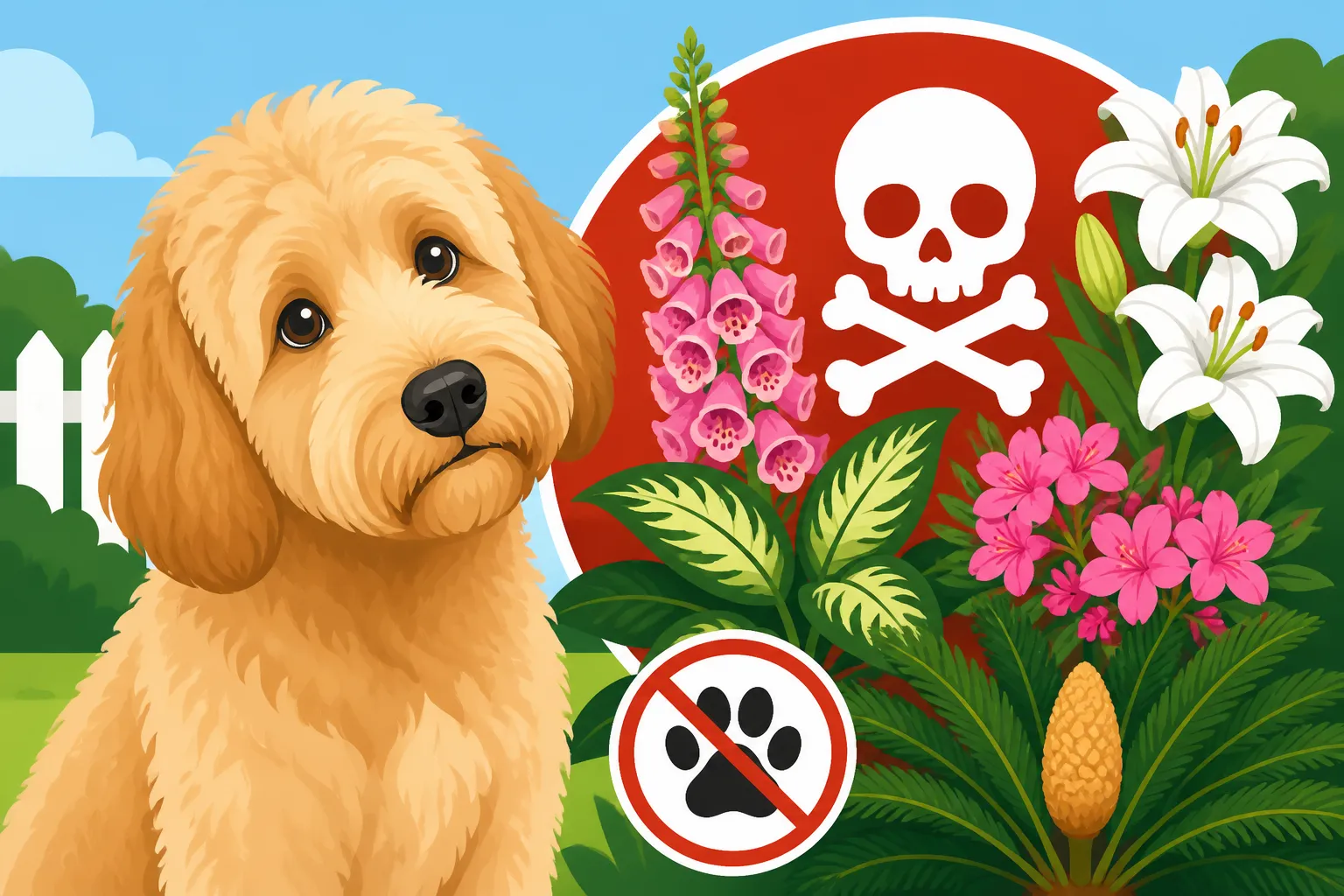
- Azaleas and Rhododendrons: These stunning flowering shrubs, common in many landscapes, contain grayanotoxins. Even a few leaves can cause severe vomiting, diarrhea, drooling, weakness, and central nervous system depression. In large quantities, they can lead to cardiovascular collapse and death. They're a big one to watch out for, especially in spring.
- Lilies (True Lilies and Daylilies): While often associated with cats, lilies are also dangerous to dogs, though typically causing less severe reactions than in felines. Ingesting any part of a true lily (like Easter lily, Tiger lily, Stargazer lily) can lead to vomiting, lethargy, and lack of appetite. Daylilies cause similar symptoms. While unlikely to cause kidney failure in dogs like they do in cats, they're definitely not something you want your Goldendoodle munching on.
- Oleander: This attractive shrub, popular in warmer climates, is highly toxic. It contains cardiac glycosides, which can cause severe heart problems, vomiting, diarrhea, weakness, and even sudden death. Every part of the oleander plant is poisonous, whether fresh or dried. This is one you absolutely want to keep out of reach.
- Sago Palm: A trendy tropical plant, the Sago palm is incredibly dangerous. All parts of the plant are toxic, but the seeds (nuts) contain the highest concentration of cycasin, which can cause severe liver damage, vomiting, diarrhea, seizures, and death. Even a small amount can be fatal. If you have one, consider replacing it with a safer alternative or installing very robust fencing.
- Tulips and Hyacinths (especially the bulbs): While the flowers and leaves can cause mild stomach upset, the bulbs are the most concentrated source of toxins. If your Goldendoodle digs up and eats tulip or hyacinth bulbs, they can experience severe vomiting, diarrhea, increased heart rate, and difficulty breathing. Remember to properly dispose of any excess bulbs.
Garden Vegetables and Fruits (and their plants)
Even our edible gardens aren't entirely safe. While the fruits and vegetables themselves are often fine (or even beneficial, like carrots or blueberries), the plants they grow on can be a problem. Many Goldendoodles have a playful nature, and some love to "help" in the garden, which can unfortunately lead to them chewing on plant parts that aren't meant for consumption.
- Tomato Plants (and Potato Plants): While ripe tomatoes and potatoes are generally safe for dogs in moderation, the green parts of the plants—stems, leaves, and unripe fruits/potatoes—contain solanine, a glycoalkaloid that can be toxic. Ingesting these parts can lead to gastrointestinal upset, lethargy, weakness, and confusion. It’s best to keep your Goldendoodle away from these plants, especially if they’re prone to sampling.
- Rhubarb Leaves: The stalks of rhubarb are delicious in pies, but the leaves contain oxalic acid, which can cause kidney damage. Symptoms include excessive drooling, vomiting, diarrhea, and changes in thirst and urination. Make sure your Goldendoodle isn't tempted by those broad green leaves.
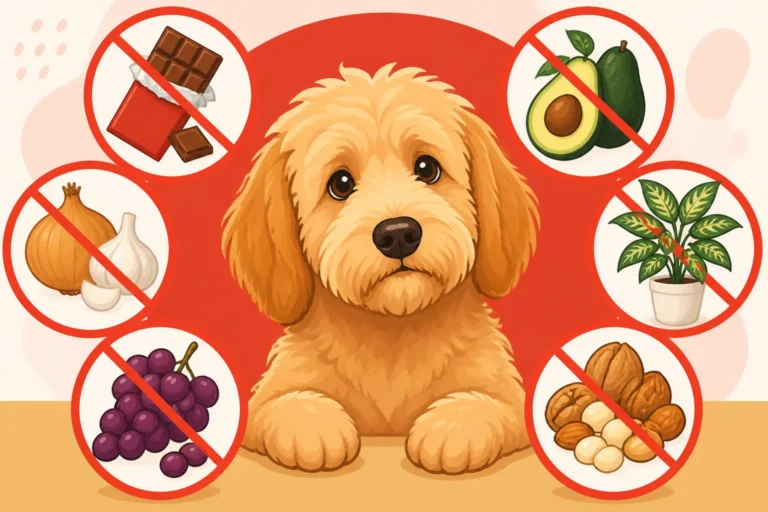
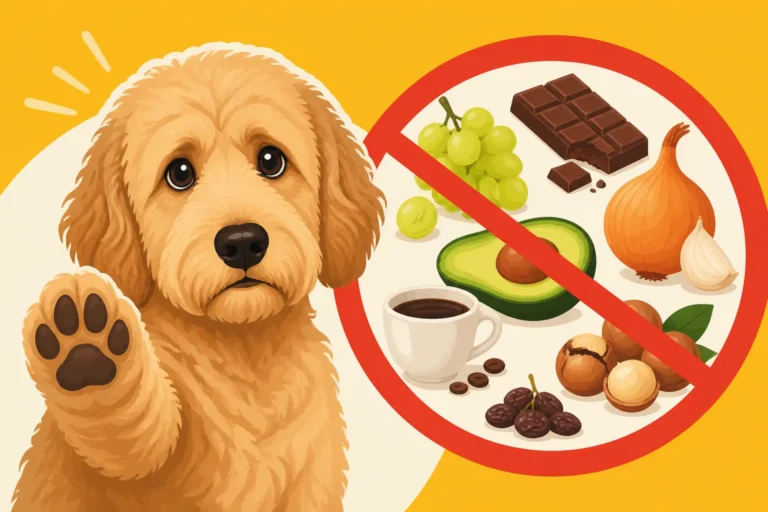
- Onions, Garlic, Leeks, Chives: These are common garden edibles in the Allium family. While not "plants" in the same sense as a shrub, the bulbs and green tops of these plants are toxic to dogs, whether raw, cooked, or powdered. They can cause damage to red blood cells, leading to anemia, weakness, and difficulty breathing. Be careful if you have an herb garden or vegetable patch within reach of your Goldendoodle. The Human Foods That Poison a Goldendoodle often includes these items as well.
Trees and Their Components
Sometimes, the danger comes not from a small plant, but from the giants in your yard.
- Oak Trees (Acorns): Acorns, leaves, and bark from oak trees contain tannins. When ingested, especially in large quantities, these can cause gastrointestinal upset, kidney damage, and liver damage. While a single acorn might not be an emergency for a Standard Goldendoodle, if a smaller Goldendoodle or any Goldendoodle gorges on them, it can be serious. They can also pose a choking hazard.
- Wild Cherry Trees: The leaves, stems, and pits of wild cherry trees (and many other fruit trees like peaches and apricots) contain cyanogenic glycosides. When chewed or broken, these release cyanide. Wilting leaves are particularly dangerous because the toxins are concentrated. Symptoms can be rapid and severe, including bright red gums, difficulty breathing, seizures, and collapse. If you have such trees, consider the fallen fruit and leaves as hazardous.
This table offers a quick overview of some common toxic plants:
| Plant Name | Toxic Parts | Common Symptoms | Severity |
|---|---|---|---|
| Azalea/Rhododendron | All parts | Vomiting, diarrhea, drooling, weakness, tremors, seizures, heart problems, death | High |
| Lilies (True Lilies) | All parts | Vomiting, lethargy, loss of appetite, dehydration (more severe for cats) | Moderate |
| Oleander | All parts | Vomiting, diarrhea, heart abnormalities, weakness, collapse, death | High |
| Sago Palm | All parts, esp. nuts | Vomiting, diarrhea, liver failure, seizures, death | Extremely High |
| Tulips/Hyacinths | Bulbs primarily | Vomiting, diarrhea, drooling, increased heart rate, difficulty breathing | Moderate |
| Tomato/Potato Plants | Green parts, unripe | Vomiting, diarrhea, lethargy, weakness, confusion | Mild to Moderate |
| Rhubarb | Leaves | Drooling, vomiting, diarrhea, changes in thirst/urination, kidney damage | Moderate |
| Oak Trees | Acorns, leaves, bark | Vomiting, diarrhea, lethargy, kidney/liver damage | Moderate |
| Wild Cherry Trees | Leaves, stems, pits | Bright red gums, difficulty breathing, seizures, collapse (cyanide poisoning) | Extremely High |
What to Do If Your Goldendoodle Eats a Toxic Plant
Discovering your Goldendoodle has eaten something potentially toxic can send a bolt of panic through you. It's a stressful situation, but staying calm and acting quickly is paramount. Don't waste time trying to figure out if it's "enough" to be dangerous; let the professionals assess that.
Immediate Steps to Take
- Remove the Source: First and foremost, get your Goldendoodle away from the plant. If there's any remaining plant material in their mouth, gently remove it.
- Contact Your Vet or Pet Poison Control: This is the critical step. Do NOT wait for symptoms to appear, and do NOT try to induce vomiting yourself unless specifically instructed by a professional. Some toxins can cause more harm coming back up, or your Goldendoodle could inhale vomit, leading to aspiration pneumonia. Call your veterinarian immediately, or a pet poison control hotline. They are available 24/7 and have databases of toxic plants and their effects. Keep their number, and your vet's, easily accessible.
- Gather Information: As you're calling, try to gather as much information as possible.
- Stay Calm: Your Goldendoodle will pick up on your stress. Do your best to remain calm and reassuring, even if you're internally panicking.
Information Your Vet Will Need
When you call, having this information readily available will help the professionals provide the best and fastest advice:
- What was eaten? If you know the name of the plant, fantastic. If not, describe it or, even better, take a photo. If you can safely get a sample (leaves, flowers, berries), put it in a bag to take with you.
- How much was eaten? Was it a tiny nibble, a whole leaf, or half the bush? Your best estimate is helpful.
- When was it eaten? An approximate time frame is crucial for determining treatment options.
- What symptoms, if any, is your Goldendoodle showing? Be specific: vomiting (how many times, what does it look like), diarrhea, lethargy, tremors, drooling, pawing at mouth, etc.
- Your Goldendoodle's details: Their age, approximate weight (important for dosing medications), and any pre-existing health conditions.
- Your vet's details: If you're calling poison control, they'll often want to share information directly with your vet.
Don't be shy about asking for help. The professionals are there for you and your Goldendoodle. Remember, early intervention can make a huge difference in the outcome.
Preventing Future Incidents
The best defense is a good offense! Proactive steps can save you a lot of worry and potential emergency vet visits.
- Audit Your Yard: Walk through your yard and identify all plants. If you're unsure, snap a picture and use a plant identification app or consult a local nursery. Remove any highly toxic plants. For moderately toxic ones, consider fencing them off securely or replacing them with safe alternatives. This is also a good time to clear out any Burrs and Foxtails in a Goldendoodle Coat that might be hiding.
- Fencing and Barriers: For existing toxic plants you can't remove, create physical barriers. Raised garden beds, sturdy decorative fencing, or even heavy pots for smaller plants can help keep curious Goldendoodles away.
- Supervision: The simplest yet most effective method. Always supervise your Goldendoodle when they are in the yard, especially puppies or new dogs. This means actively watching, not just letting them out. Daily dedicated The Hour or Two a Goldendoodle Needs Each Day of supervised outdoor time is beneficial for their physical and mental health.
- "Leave It" Training: Teach your Goldendoodle the "leave it" command. This can be a lifesaver, allowing you to tell them to ignore something potentially harmful. Consistent practice, using high-value treats, is key. Teaching Leave It to a Goldendoodle can be a game-changer.
- Mental Enrichment: A bored Goldendoodle is more likely to get into mischief. Provide plenty of appropriate toys and mental stimulation. Puzzle Toys That Occupy a Goldendoodle for an Hour can keep them engaged indoors, reducing the likelihood of them seeking "entertainment" by chewing on plants outside. You can find a great selection of interactive toys on Chewy or Amazon.
Creating a Safe Goldendoodle-Friendly Yard
Making your yard a safe haven doesn't mean it has to be barren. There are plenty of beautiful, non-toxic options that allow you to have both a stunning garden and a worry-free space for your Goldendoodle to romp and play.
Safe Plant Alternatives
You might be surprised by how many lovely plants are perfectly safe for dogs! Here are a few ideas to get you started:
- Flowers: Sunflowers, petunias, roses (thorn management needed!), snapdragons, marigolds, impatiens, and African violets are generally considered non-toxic.
- Herbs: Basil, rosemary, thyme, and mint are safe and can add lovely scents to your garden.
- Vegetables: Carrots, green beans, peas, and lettuce are all safe and can even be grown specifically for your Goldendoodle to snack on (in moderation, of course!). Just remember, the plant part of tomatoes and potatoes are still a no-go.
- Shrubs/Trees: While there are many safe trees, it's always best to research each specific variety. Consider dog-friendly ground covers like creeping thyme or clover, which can also be a nice soft surface for their paws.
Remember to consider your local climate and soil conditions when selecting new plants. A reputable local nursery can offer tailored advice for your area.
Landscape Design for Safety
Thoughtful landscaping can integrate safety seamlessly into your yard's aesthetic.
- Raised Beds: Using raised garden beds for your vegetables and more delicate ornamentals not only looks great but also puts them out of casual reach for most Goldendoodles, especially smaller Mini or Toy Goldendoodles. This gives you a clear boundary.
- Strategic Fencing: Install decorative fencing around particularly tempting or potentially mildly toxic plants. Even a small, low fence can act as a psychological barrier if your Goldendoodle is well-trained to respect boundaries. For higher risk areas, consider something more substantial.
- Clear Paths and Play Zones: Designate specific areas for your Goldendoodle to play, run, and relieve themselves, and keep these areas free of any potentially harmful plants. Maintain clear, wide paths where your dog can move freely without brushing against plants. You can even create a "sniffing garden" of safe, interesting scents away from any no-go zones.
- Avoid Mulch Hazards: While not a plant, be mindful of cocoa mulch, which contains theobromine (the same toxin in chocolate) and is dangerous. Stick to cedar, pine, or other wood mulches, but even these can sometimes cause gastrointestinal upset if ingested in large quantities, so use them in areas where your Goldendoodle is less likely to dig.
Training and Supervision: The Ultimate Defense
Ultimately, even the most carefully curated yard benefits from ongoing training and diligent supervision. Your Goldendoodle is an intelligent and sensitive companion, and consistent guidance will help them thrive in a safe environment.
- Consistent "Leave It" and "Drop It": These commands aren't just for dropped food indoors. Practice them frequently outdoors with various items, making sure your Goldendoodle understands that ignoring or releasing something means a reward is coming.
- Leash Training in the Yard: If you have a larger yard or a very curious Goldendoodle puppy, consider keeping them on a long line or leash initially while they explore, especially if you're still identifying all your plants. This gives you immediate control.
- Recognize Boredom: Goldendoodles need mental and physical engagement. If you find your Goldendoodle constantly sampling plants, it might be a sign they need more stimulation. Are they getting enough walks, playtime, and Goldendoodle Exercise and Mental Work Every Day? A well-exercised and mentally engaged Goldendoodle is less likely to resort to undesirable behaviors like plant chewing.
- Professional Help: If you're struggling with a Goldendoodle who seems determined to eat everything, consider working with a certified professional dog trainer. They can provide tailored advice and strategies to curb unwanted behaviors and reinforce positive ones. Companies like Ollie often emphasize holistic well-being, which includes a safe environment.
By being informed, proactive, and consistent, you can ensure your yard is a beautiful, safe, and enjoyable space for every member of your family, especially your wonderful Goldendoodle.
Disclaimer
This article is for general informational purposes only and does not constitute professional advice. Laws, prices and regulations vary by location and change over time. Consult a qualified professional for guidance on your specific situation.