The First Call After a Goldendoodle Eats Something
It’s every Goldendoodle parent’s nightmare: you turn your back for just a second, and suddenly your beloved fluffy companion is chomping down on something they absolutely shouldn’t be. Whether it's a forgotten chocolate bar on the coffee table, a sneaky dive into the trash can, or a curious nibble on a houseplant, that moment of panic can be overwhelming. This guide is here to walk you through the crucial steps to take when your Goldendoodle eats something it shouldn't, helping you act quickly and effectively to protect their health.
Immediate Actions When You Catch Your Goldendoodle Eating Something Bad
When you find your Goldendoodle ingesting something questionable, the first few minutes are absolutely critical. It’s natural to feel a surge of panic, but taking a deep breath and acting methodically can make all the difference. Your immediate goal is to assess the situation and gather information that will be vital for any professional help you might need.
Identifying the Toxic Culprit and Its Quantity
The very first thing you need to do, if you haven't already, is to identify exactly what your Goldendoodle ate. This might sound obvious, but in the heat of the moment, you could be focused on just stopping them. Was it a dark chocolate bar, a handful of grapes, a discarded pill from your nightstand, or perhaps a toxic plant leaf? The type of substance dictates the urgency and severity of the situation. For instance, a small amount of milk chocolate is usually less critical than even a tiny piece of dark chocolate or a single lily leaf, which can be deadly.
Once you know what it was, try to estimate how much they consumed. Did they eat an entire package of sugar-free gum, or just one piece? Did they lick a few drops of spilled antifreeze, or did they drink a significant amount? The quantity consumed relative to your Goldendoodle's size and weight is a key factor in determining the potential for toxicity. A standard Goldendoodle might handle a tiny ingestion better than a toy Goldendoodle, for example. Try to retrieve any remaining packaging, wrappers, or residue, as this can provide valuable information about ingredients and concentration. Don't throw anything away, no matter how small; it could be a vital clue for your vet.
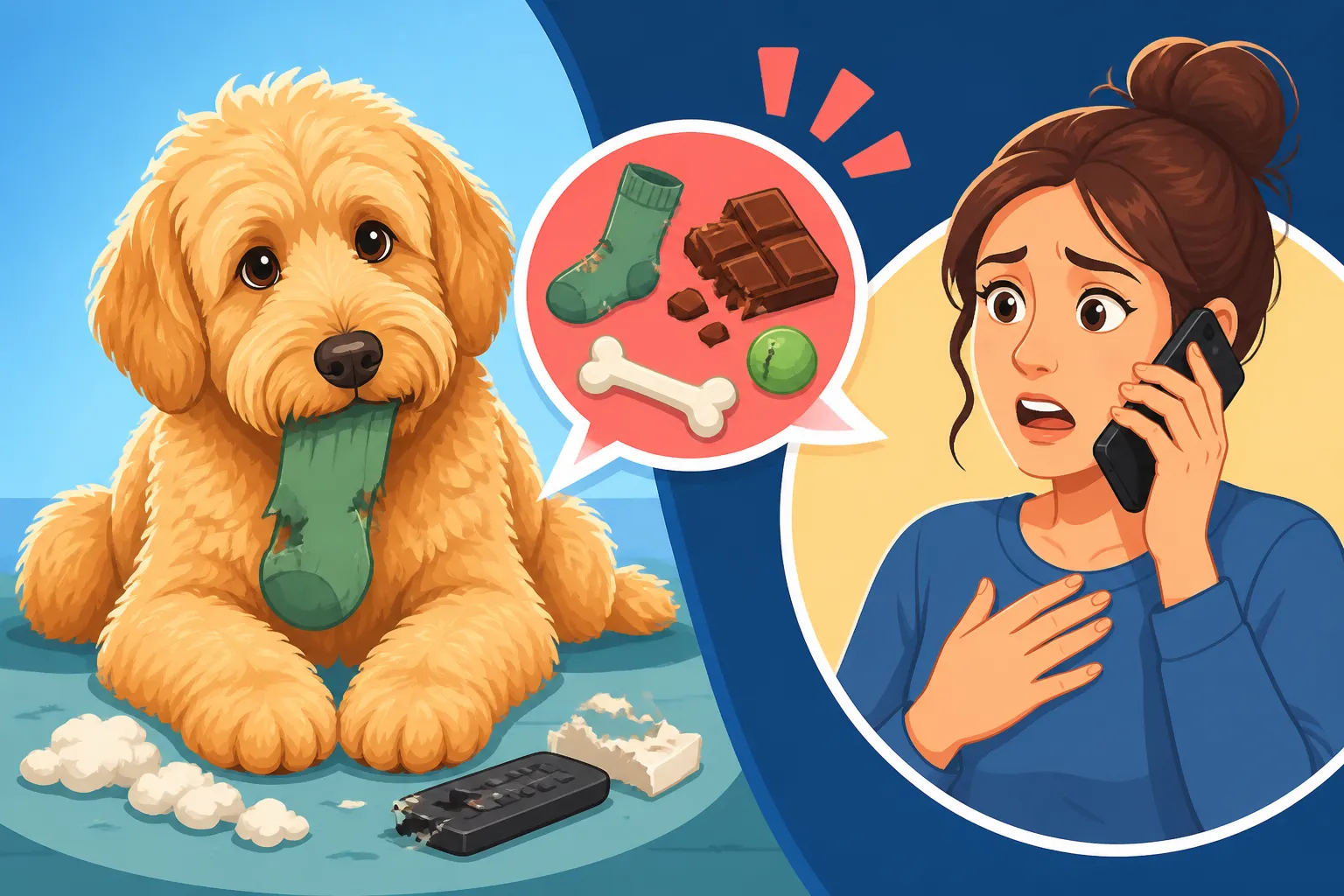
In many cases, your Goldendoodle's natural curiosity and keen sense of smell, combined with the retriever drive they inherit, can lead them to items you never imagined they'd find interesting. From socks to remote controls, they can ingest a shocking variety of non-food items. Even if it's not strictly "toxic," a foreign body ingestion can lead to severe gastrointestinal issues, obstruction, or even perforation, requiring emergency surgery. Knowing exactly what is missing can prevent hours of guesswork and potentially life-saving delays.
Observing Your Goldendoodle's Immediate Reaction
After securing the "evidence," turn your full attention to your Goldendoodle. Are they acting normally? Are there any immediate signs of distress? Look for changes in their demeanor: sudden lethargy, excessive drooling, restlessness, pacing, vomiting, diarrhea, tremors, or disorientation. Sometimes, the effects of a toxin can be immediate, while other times, they might not appear for hours or even days, depending on the substance and how it's metabolized.
For instance, if your Goldendoodle just consumed something fatty, like bacon grease or a stick of butter, you might initially see excitement, followed by potential digestive upset like vomiting or diarrhea later in the day, indicating a less acute but still concerning issue. On the other hand, if they just swallowed an Advil, immediate agitation or stomach distress could be a red flag. Your careful observations will be incredibly important when you talk to a veterinary professional. Be specific about what you see, and if possible, note the time the ingestion occurred and when symptoms started. Remember that Goldendoodles are generally very tolerant and will often try to hide discomfort, so even subtle changes warrant attention.
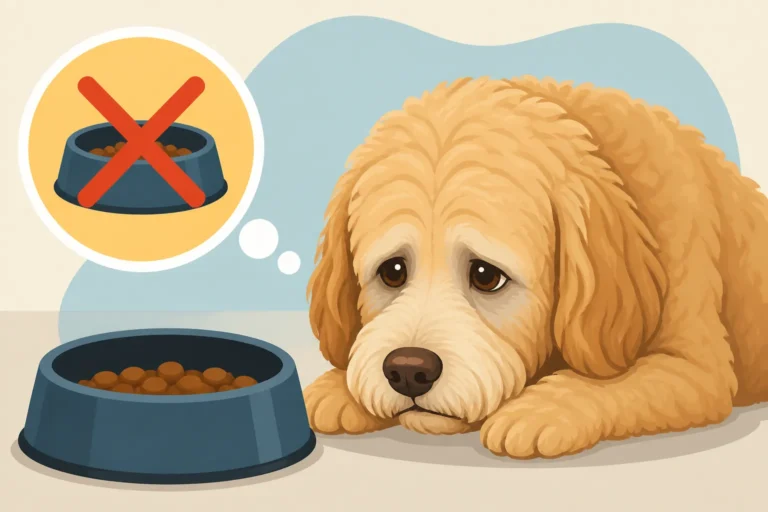
Consider how your Goldendoodle normally behaves. Is your usually bouncy companion suddenly quiet and tucked away? Is their usually robust appetite gone? These subtle shifts can be the first indicators that something is truly wrong. Keep them calm and prevent them from eating or drinking anything else until you’ve consulted with a professional. Sometimes, giving them water or food can actually worsen the situation, depending on what they’ve ingested.
When to Induce Vomiting and When Not To
This is perhaps the most critical point: never try to induce vomiting in your Goldendoodle unless explicitly instructed to do so by a veterinarian or a pet poison control center. While it might seem like a logical first step to get the offending substance out, inducing vomiting incorrectly can cause more harm than good.
Some substances, like strong acids, alkalis (such as drain cleaner), or petroleum products (like gasoline or paint thinner), can cause severe damage to the esophagus and airway if vomited back up. They might even cause aspiration pneumonia if inhaled into the lungs during vomiting. Furthermore, if your Goldendoodle is already showing signs of distress, is lethargic, seizing, or has a compromised airway, inducing vomiting could put them at severe risk. There's also the risk of choking on their vomit.
A vet will consider the specific substance, the amount ingested, the time elapsed since ingestion, and your Goldendoodle's current condition before making a recommendation. If they do advise inducing vomiting, they will often provide specific instructions on how to do it safely, which may involve certain dosages of hydrogen peroxide or other methods. In almost all cases, it's best to head to the vet clinic where they can administer medications and monitor your Goldendoodle in a controlled environment. The speed with which you get them there often matters more than trying to fix it at home.
When to Call the Vet or Pet Poison Helpline Immediately
Knowing when to bypass home remedies and go straight to the professionals is crucial. Many common household items are highly toxic to dogs, and Goldendoodles, with their curious nature, are particularly susceptible. Don't wait to see if symptoms develop – early intervention can be life-saving.
Recognizing High-Risk Toxins for Goldendoodles
Certain substances are immediate red flags that warrant an emergency vet visit or a call to pet poison control. These include, but are not limited to:
- Chocolate: Especially dark chocolate, baking chocolate, or cocoa powder. The methylxanthines in chocolate are toxic.
- Xylitol: A sugar substitute found in sugar-free gum, candies, some peanut butters, and baked goods. Even small amounts can cause a rapid and severe drop in blood sugar (hypoglycemia) and liver failure. Always check your peanut butter jar before giving it to your Goldendoodle!
- Grapes and Raisins: Can cause acute kidney failure in some dogs, even in small quantities.
- Human Medications: Over-the-counter pain relievers (like ibuprofen, naproxen, acetaminophen), antidepressants, heart medications, and many others can be deadly.
- Rat Poison/Rodenticides: Extremely dangerous, often causing internal bleeding, kidney failure, or neurological damage.
- Antifreeze (Ethylene Glycol): Highly toxic, even in tiny amounts. Its sweet taste makes it attractive to dogs.
- Certain Plants: Lilies, sago palms, oleander, azaleas, rhododendrons, and many others are toxic. Familiarize yourself with plants in your home and yard. The Human Foods That Poison a Goldendoodle provides a more detailed list of food items to avoid.
- Household Cleaners: Bleach, detergents, drain cleaners, and other chemicals.
- Batteries: Can cause chemical burns or obstructions.
This list isn't exhaustive, but it highlights some of the most common and dangerous ingestions. If you suspect your Goldendoodle has eaten any of these, consider it an emergency. Don't try to guess or wait; call for professional advice immediately.
The Importance of Rapid Professional Consultation
Time is often of the essence when it comes to poisoning. The sooner a toxin is identified and treatment begins, the better the prognosis for your Goldendoodle. A veterinarian or a pet poison helpline has access to extensive databases of toxins and their effects, allowing them to provide precise, life-saving advice tailored to the specific situation. They can guide you on whether to induce vomiting, administer activated charcoal, or rush to the emergency clinic.
Don't underestimate the expertise these professionals bring. What might seem like a small amount of a substance to you could be a lethal dose for a dog, especially a smaller Goldendoodle. Their knowledge of veterinary toxicology and drug interactions is invaluable. Waiting "just to see" if your Goldendoodle gets sick can allow the toxin to be fully absorbed into their system, making treatment far more difficult and less effective. Many toxins have a narrow window for effective intervention. For some, like those causing kidney damage, early treatment can prevent irreversible harm. You can often find vet-recommended products for specific dietary needs or recovery support on sites like Chewy.
When you call, be prepared for potential fees from pet poison helplines, as they are often run by board-certified veterinary toxicologists. However, this fee is a small price to pay for expert advice that could save your Goldendoodle's life and potentially save you much higher emergency vet bills later. They can even provide case numbers directly to your vet, ensuring seamless communication and treatment.
What Information to Have Ready for Your Vet
When you make that urgent call to your vet or pet poison control, having key information readily available will speed up the process and help them give you the best advice. Gather these details before you pick up the phone:
| Information Category | Specific Details to Provide |
|---|---|
| Your Goldendoodle's Info | Breed (Goldendoodle), Age, Weight (estimate if you don't know exactly), existing health conditions, medications they're currently on. |
| The Substance Ingested | EXACT name of product/plant/medication. Ingredients list if available (e.g., from packaging). |
| Amount Ingested | Best estimate (e.g., "three squares of dark chocolate," "one whole bottle of ibuprofen," "a few bites of a lily leaf"). |
| Time of Ingestion | Exact time if known, or best estimate (e.g., "sometime between 8 AM and 9 AM"). |
| Symptoms Observed | Any changes in behavior, vomiting, diarrhea, tremors, lethargy, drooling, restlessness, etc. Be specific about onset and duration. |
| Actions Taken So Far | Did you try to induce vomiting? Give them water? Anything else? |
| Contact Information | Your name, phone number, and location. |
Having this table of information at your fingertips will allow the veterinary professional to quickly assess the risk and guide you on the best course of action, whether it's immediate transport to an emergency clinic or watchful waiting with specific instructions. Knowing your Goldendoodle's typical behavior and habits, which you gain through Why a Goldendoodle Picks Up Cues So Quickly and Training a Goldendoodle That Wants to Please You, can also help you spot subtle changes in their health.
Managing the Aftermath: What to Expect and How to Prevent Future Incidents
Once your Goldendoodle has received professional care for ingesting something harmful, your role shifts to supportive care and, crucially, prevention. Recovery can take time, and a proactive approach to pet-proofing your home is essential.
Post-Toxicity Care and Monitoring at Home
After a vet visit or treatment, your Goldendoodle might be sent home with specific instructions. This could include a special diet, medications, or strict monitoring guidelines. It’s absolutely vital to follow these instructions precisely. For example, if your Goldendoodle experienced gastrointestinal upset, they might need a bland diet of boiled chicken and rice for a few days, or a specialized therapeutic diet that you might source from an online retailer like Chewy or your vet.
Continue to observe your Goldendoodle closely for any lingering or new symptoms. This might involve checking their appetite, water intake, energy levels, and bowel movements. If they had a serious poisoning, the vet might recommend follow-up blood tests to monitor organ function, especially liver or kidney values. Your vet will advise you on what to watch for and when to bring them back for re-evaluation. Recovery isn't always linear, and some toxins can have delayed effects, so vigilance is key. Think of it as a sensitive period where your Goldendoodle needs extra comfort and care, much like during their initial puppy training when you learned Goldendoodle Puppy Vaccination Timing.
During this time, ensure they have a quiet, comfortable place to rest away from household commotion. Keep fresh water available, but only offer food as directed by your vet. If they’re on medication, set reminders so you don’t miss a dose. It’s also a good idea to keep a detailed log of their food intake, medication administration, and any symptoms, which can be helpful information for follow-up vet appointments.
Securing Your Home Against Future Goldendoodle Mischief
Prevention is always better than cure, especially when it comes to your Goldendoodle's insatiable curiosity. Goldendoodles are intelligent and often food-motivated, making them adept at sniffing out hidden treasures. You need to "Goldendoodle-proof" your home, looking at it from their perspective.
Start with the kitchen. Counter-surfing is a common Goldendoodle trait, particularly in standard sizes that can easily reach surfaces. A Standard Goldendoodle Tall Enough to Reach the Counter is a real issue! Keep all food, especially human snacks, stored securely in cupboards or containers that can't be easily opened or chewed through. Child locks on cabinets can be surprisingly effective. Trash cans should have secure, dog-proof lids that latch. Consider elevated food and water bowls, not just for mealtime, but also to minimize spills and access to standing water if your Goldendoodle is prone to drinking things they shouldn't.
Move to bathrooms and utility rooms. All medications, cleaning supplies, and toxic personal care products (like toothpaste with xylitol or mouthwash) must be behind closed, latched doors or in high, inaccessible cabinets. Garages and sheds also often contain dangerous items like antifreeze, pesticides, and tools. Store these in sealed containers on high shelves. For things like gardening chemicals or even pet-safe ice melt, many pet parents opt to purchase from online retailers like Amazon or Chewy, ensuring they review ingredients carefully.
Outdoors, inspect your yard for toxic plants. Remove any that are known to be harmful to dogs. Ensure no rodenticides or slug baits are accessible. Even certain fertilizers and mulches (like cocoa bean mulch) can be toxic. Secure compost piles and garden waste. Essentially, if you wouldn't want a toddler to get into it, your Goldendoodle shouldn't either. The effort you put into Goldendoodle Exercise and Mental Work Every Day also helps; a well-exercised and mentally stimulated Goldendoodle is less likely to seek out trouble through boredom.
Training and Management to Prevent Ingestion
Beyond physical barriers, training and consistent management are powerful tools in preventing accidental ingestion. Teaching your Goldendoodle a solid "Leave It" command is perhaps one of the most critical skills they can learn. This command can literally save their life, allowing you to stop them from picking up something dangerous on a walk or in the house. Practice this command frequently in various situations, making it a reliable behavior. Teaching Leave It to a Goldendoodle can start in puppyhood and should be reinforced throughout their lives.
"Drop It" is another essential command, teaching them to release an item they already have in their mouth. This is particularly useful if they've grabbed something quickly. Reward them generously when they comply, reinforcing the idea that giving up an object leads to something better. Regular recall practice, as described in Goldendoodle Recall and the Retriever Half, can also prevent them from wandering off to investigate suspicious items in an unfenced area.
Finally, consistent supervision is irreplaceable. While Goldendoodles thrive on companionship, they also need to learn to be calm and settled on their own. However, when you're not actively supervising, consider using a crate or a securely fenced area. Crate training, when done positively, can be a safe haven for your Goldendoodle and a way to ensure they aren't getting into trouble when you're busy or away. Puzzle toys, especially those you can purchase from Amazon, can also keep them mentally engaged, reducing the likelihood of them seeking out mischief from boredom. Consider subscription fresh food services like Ollie as a way to ensure your Goldendoodle always has healthy, appealing food, potentially reducing their desire to scavenge for other items. A well-fed, well-exercised, and well-trained Goldendoodle is less likely to be a sneaky scavenger.
Disclaimer
This article is for general informational purposes only and does not constitute professional advice. Laws, prices and regulations vary by location and change over time. Consult a qualified professional for guidance on your specific situation.