Thyroid Disease and a Goldendoodle Losing Coat
It’s incredibly disheartening to watch your beloved Goldendoodle start losing patches of that gorgeous, fluffy coat, or notice it becoming dull and brittle. You brush, you groom, you try different shampoos, but nothing seems to help, and you’re left wondering if it’s just a normal part of their unique coat or something more serious happening beneath the surface. This guide is here to shed light on a common, yet often misunderstood, culprit behind such changes: thyroid disease, specifically hypothyroidism, and how it impacts your Goldendoodle’s overall health and that beautiful fur.
Understanding Hypothyroidism in Goldendoodles
Hypothyroidism is one of the most common endocrine disorders affecting dogs, and Goldendoodles, like their parent breeds, can certainly be susceptible. It's essentially an underactive thyroid gland, meaning it's not producing enough crucial hormones. These hormones are like the conductors of an orchestra, responsible for regulating metabolism in almost every cell in the body, influencing everything from energy levels to heart rate, and yes, even the health and growth of their coat.
What is the Thyroid Gland and Its Role?
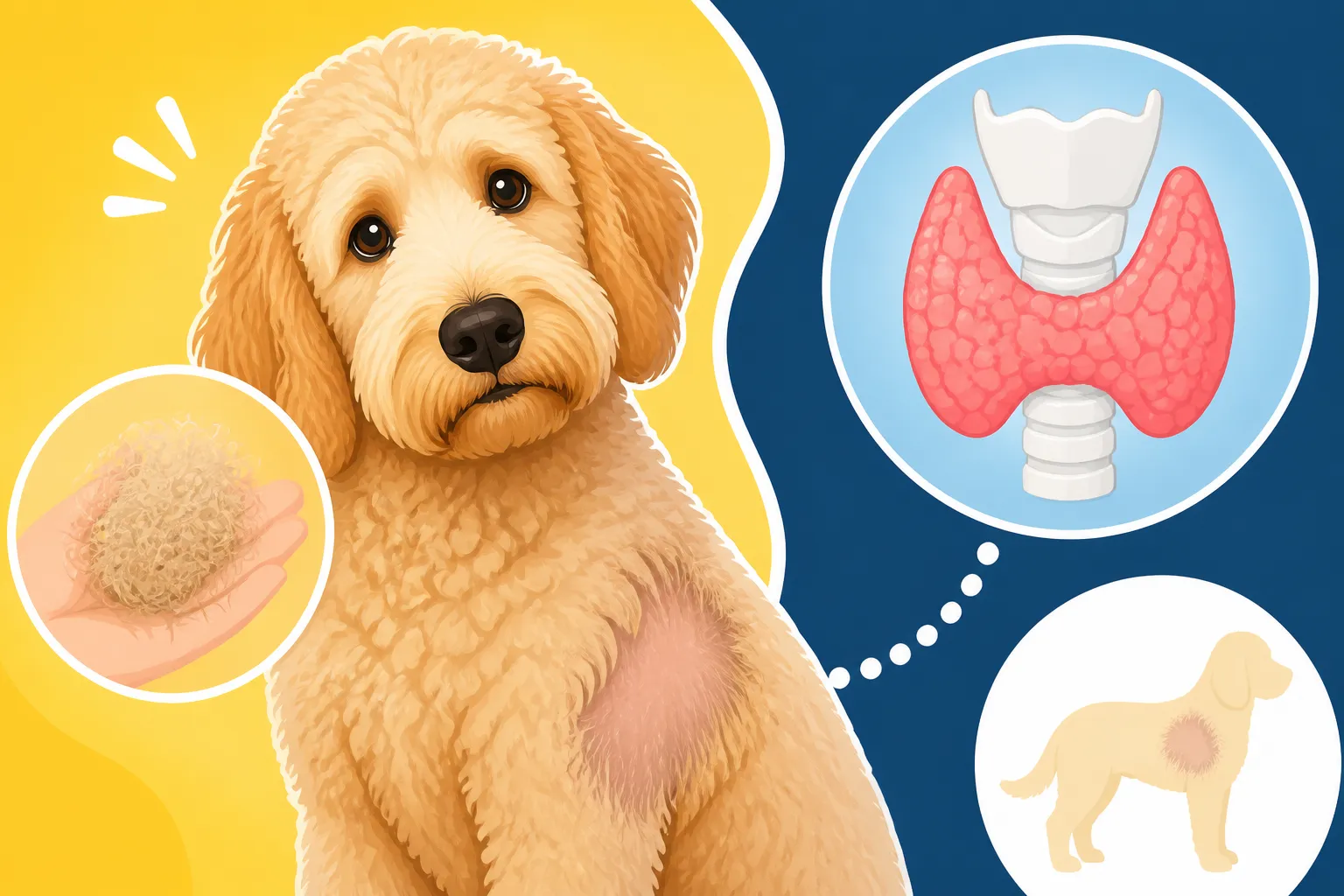
Deep in your Goldendoodle’s neck, nestled near the trachea, are two small lobes that make up the thyroid gland. These little powerhouses produce two main hormones: thyroxine (T4) and triiodothyronine (T3). Think of them as the master regulators of metabolic rate. When your dog eats, breathes, moves, or even just sits there, these hormones are working behind the scenes, dictating how efficiently their body uses energy. They influence protein synthesis, fat metabolism, and even nerve function.
Without adequate thyroid hormones, everything starts to slow down. It’s like the orchestra conductor has suddenly gone on a long vacation, and the musicians are playing at half-speed, or sometimes not at all. This metabolic slowdown impacts numerous bodily functions, and the symptoms can be incredibly varied and sneaky, often creeping up so gradually that owners might not even notice them at first glance.
How Hypothyroidism Develops in Goldendoodles
For most dogs, including Goldendoodles, hypothyroidism is primarily an autoimmune disease. This means the dog's own immune system, which is supposed to protect them from invaders, mistakenly attacks and destroys the thyroid gland itself. This condition is often called lymphocytic thyroiditis. Over time, the continuous assault on the thyroid cells leads to atrophy and a significant reduction in hormone production.
Another, less common cause is idiopathic atrophy, where the gland simply shrinks and stops functioning without a clear autoimmune attack. Genetic predisposition plays a significant role in both scenarios. Golden Retrievers and Poodles, the foundation breeds for Goldendoodles, are both known to be susceptible to thyroid issues. Therefore, it's not surprising that their wonderful Goldendoodle offspring can also inherit this tendency. If you’re researching a puppy, understanding What a Goldendoodle Inherits From Each Parent Breed can give you insight into potential health predispositions. It's not a matter of "if" it will happen, but rather being aware of the risk and knowing what to look for.
The Connection Between Thyroid Hormones and Coat Health
So, how exactly does an underactive thyroid lead to hair loss and dull coats? It all boils down to that metabolic slowdown. Healthy hair growth is a very metabolically demanding process. Hair follicles need a constant supply of energy and nutrients to cycle through their growth phases. Thyroid hormones are critical for stimulating these cycles.
When thyroid hormone levels are low, the hair follicles essentially go into a prolonged resting phase. They stop actively growing hair, and the old hairs that would normally be shed and replaced just stay put for longer, eventually becoming brittle, thin, and easily broken. You might notice areas of thinning or complete hair loss, especially on the flanks, chest, and tail. The remaining hair often feels coarse, dry, and lifeless, and the skin underneath can become flaky or greasy. This is distinct from the normal Goldendoodle Coat Change at Eight to Twelve Months, which is a temporary phase of matting and shedding as the puppy coat transitions to the adult coat. With thyroid issues, the coat loss is typically patchy, bilateral (symmetrical on both sides), and progressive.
Unmasking the Subtle Symptoms Beyond Just Coat Loss
The tricky thing about hypothyroidism is that its symptoms are incredibly diverse and can mimic a host of other conditions. While coat loss is a classic sign, it’s rarely the only one. Owners often report a gradual decline in their Goldendoodle’s usual vibrancy, and it can be easy to brush off these changes as "just getting older" or a quirk of their personality.
Early Warning Signs and Behavioral Changes
Before you even notice significant coat changes, your Goldendoodle might start exhibiting subtle behavioral shifts. One of the most common early indicators is a noticeable decrease in energy. That once-bouncy Goldendoodle who loved long walks and endless fetch might become more lethargic, less enthusiastic about playtime, and spend more time sleeping. This isn't just laziness; it's a genuine drop in their metabolic rate making them feel sluggish.
Weight gain is another significant symptom, often occurring despite no change in diet or exercise. Because their metabolism is slower, they burn fewer calories. You might be carefully monitoring their food intake, only to see the numbers on the scale slowly creeping up. Coupled with this, some Goldendoodles may seem mentally duller or less responsive. They might not react as quickly to commands, seem a bit "off," or just not quite as sharp as they used to be. They might also seem more sensitive to cold, seeking out warm spots or shivering more easily, as their body struggles to regulate its temperature.
Skin Issues Accompanying Coat Problems
Beyond the obvious hair loss, hypothyroidism can wreak havoc on your Goldendoodle's skin. The skin, being the largest organ, is highly dependent on healthy thyroid function. When hormone levels drop, the skin becomes dry, flaky, and can develop a greasy or oily feel, which is often described as "seborrhea." This isn't just uncomfortable; it makes them more prone to secondary skin infections, both bacterial and yeast-based, because the skin's natural protective barrier is compromised. You might even find yourself dealing with persistent Goldendoodle Hot Spots Under a Thick Coat that seem to recur despite treatment, as the underlying thyroid issue is never resolved.
Another common skin manifestation is hyperpigmentation, where patches of skin, especially in areas of hair loss, become darker. Their skin might also feel thickened, almost leathery, particularly in chronic cases. If you've been battling recurrent skin infections, a dull coat, or unexplained patchiness, and nothing seems to work, it’s a huge red flag to consider thyroid testing. This is especially true if you’ve already ruled out more common issues like Goldendoodle Allergies and Itchy Skin.
Less Obvious Systemic Impacts
Because thyroid hormones affect virtually every system, the impact of hypothyroidism can extend far beyond skin and coat. Some Goldendoodles might experience reproductive issues, such as irregular heat cycles in females or decreased libido in males. There can be mild anemia, or even subtle effects on cardiovascular health, such as a slower heart rate.
In some severe or untreated cases, more dramatic symptoms can arise, though these are less common. This could include neurological signs like weakness or paralysis, though these are rare. It's a reminder that while coat and skin changes are often the most visible, hypothyroidism is a systemic disease that can impact a Goldendoodle’s entire body. Because the symptoms are so varied and non-specific, it's easy to overlook them or attribute them to something else, which is why a thorough veterinary investigation is so crucial when these changes start to appear.
The Diagnostic Journey: Testing for Thyroid Imbalances
Suspecting hypothyroidism is the first step, but confirming it requires careful diagnostic work by your veterinarian. The diagnostic process isn't always straightforward, as many factors can influence thyroid hormone levels, leading to confusing results. It's a journey that requires patience and a good partnership with your vet.
Initial Bloodwork and Screening Tests
When your vet suspects a thyroid issue, they’ll typically start with a general blood panel to check overall health and then specifically look at certain thyroid hormone levels. The most common initial screening test measures total T4 (thyroxine). This gives a snapshot of the amount of thyroid hormone circulating in your Goldendoodle’s blood. If the total T4 is low, it’s a strong indicator of hypothyroidism, but it's not the whole story.
However, a low total T4 alone isn't always conclusive. Other factors, like certain medications (steroids, some anti-inflammatory drugs), other illnesses (like Cushing’s disease or severe infections), or even breed variations, can temporarily depress T4 levels without actual thyroid disease. This is known as "euthyroid sick syndrome" and it can complicate diagnosis. Therefore, vets often pair the total T4 test with a cTSH (canine Thyroid-Stimulating Hormone) test. In hypothyroid dogs, the pituitary gland tries to stimulate the underperforming thyroid by releasing more TSH, so a low T4 combined with a high TSH is usually a very strong indicator of primary hypothyroidism.
Comprehensive Thyroid Panels and Autoantibody Testing
To get a more definitive diagnosis, especially if initial results are ambiguous, your vet might recommend a comprehensive thyroid panel. This often includes:
- Free T4 (fT4 by equilibrium dialysis): This is considered a more accurate measure of the biologically active thyroid hormone, as it's not affected by binding proteins or other medications as much as total T4.
- Total T3 and Free T3: While T3 is also a thyroid hormone, its levels fluctuate more and are generally less reliable for diagnosing hypothyroidism in dogs.
- Thyroglobulin Autoantibodies (TgAA): This is a crucial test for Goldendoodles and other predisposed breeds. A positive TgAA test indicates that the dog's immune system is actively attacking its own thyroid gland, confirming the autoimmune basis for the disease (lymphocytic thyroiditis). This is particularly important for breeders, as a positive TgAA can indicate a genetic predisposition. Testing a Goldendoodle Thyroid After Two Years is a common recommendation, especially for breeding dogs, as the autoimmune process can take time to manifest.
Working with a veterinary endocrinologist or a specialized lab that understands breed-specific reference ranges for thyroid hormones can be very helpful. These labs often have a better grasp of what "normal" looks like for a Goldendoodle, which might differ slightly from a generalized canine reference range.
Differentiating Hypothyroidism from Other Coat Conditions
One of the biggest challenges is that Goldendoodle Hair Loss Traced to the Thyroid can look very similar to hair loss caused by other conditions. It's crucial to rule out other possibilities before settling on a thyroid diagnosis.
- Allergies: Goldendoodles are prone to allergies, which can cause intense itching, skin inflammation, and secondary infections, leading to hair loss. Unlike thyroid-related hair loss, allergy-related hair loss is often localized to areas the dog can scratch or chew, like paws, ears, and belly.
- Sebaceous Adenitis: This is another autoimmune skin condition that can cause progressive hair loss, dull, brittle coat, and scaly skin, particularly along the back and head. It's more common in Poodles and therefore also seen in Goldendoodles. A skin biopsy is usually needed to differentiate this from hypothyroidism. You can learn more about Sebaceous Adenitis and a Goldendoodle Losing Coat as a differential diagnosis.
- Nutritional Deficiencies: While less common with high-quality commercial dog foods, severe deficiencies can affect coat health.
- Parasites: Fleas, mites, and other parasites can cause itching and hair loss.
- Seasonal Flank Alopecia: This is a harmless, cosmetic condition where dogs lose hair on their flanks, often symmetrically, during certain times of the year, and it usually regrows.
This is where your vet's expertise comes in. They'll use the blood tests, coupled with a thorough physical exam and your detailed history, to paint a complete picture and arrive at the correct diagnosis. A reliable pet insurance provider like Healthy Paws can be a godsend during this diagnostic phase, as comprehensive testing can involve multiple visits and specialized lab work, helping to cover unexpected costs.
Navigating Treatment and Lifelong Management
Once a Goldendoodle receives a definitive diagnosis of hypothyroidism, the good news is that it’s a very manageable condition. Treatment is typically straightforward, inexpensive, and most dogs respond wonderfully, showing significant improvement in their symptoms relatively quickly.
Thyroid Hormone Replacement Therapy
The cornerstone of treatment for canine hypothyroidism is lifelong thyroid hormone replacement therapy. This involves administering a synthetic form of thyroxine, typically levothyroxine (L-thyroxine), orally once or twice a day. This medication simply replaces the hormones your Goldendoodle’s thyroid gland isn’t producing enough of. It's not a cure, as the damaged thyroid gland won't magically heal and start working again, but it effectively manages the condition.
The dosage is carefully calculated based on your Goldendoodle’s weight, and it's absolutely crucial to administer it consistently every day. Missing doses or giving it irregularly can lead to a return of symptoms. Most dogs tolerate levothyroxine very well with minimal to no side effects at the correct dose. The goal is to return their thyroid hormone levels to a normal range, alleviating their symptoms and restoring their quality of life. Owners often report seeing their dog "come back to life" after starting treatment, with improved energy, mental alertness, and a healthier coat.
Monitoring Treatment Effectiveness and Adjustments
Starting medication is just the beginning. The next critical step is monitoring how well your Goldendoodle is responding to the treatment. Approximately 4-8 weeks after starting levothyroxine, your vet will recommend another blood test to check their thyroid hormone levels. This follow-up test, often a total T4, is usually taken 4-6 hours after their morning dose, when the medication levels in the blood are at their peak.
Based on these results, your vet will adjust the dosage as needed. It's a bit of a titration process to find the optimal dose for your individual dog. Once stable, your Goldendoodle will likely need yearly or bi-annual blood tests to ensure their hormone levels remain within the therapeutic range. These regular checks are vital because a dog's metabolic needs can change over time, or they might develop other conditions that affect hormone absorption. Again, knowing that your pet insurance, such as Healthy Paws, can help with these ongoing monitoring costs can provide significant peace of mind. Consistent monitoring helps prevent both underdosing (where symptoms return) and overdosing (which can lead to hyperthyroidism symptoms like restlessness, increased thirst, and weight loss).
Supportive Care for Skin and Coat Recovery
While medication addresses the root cause, it takes time for the coat to fully recover. You'll likely start to see improvements in energy and demeanor within a few weeks, but coat regrowth can take several months, often 3-6 months, as new hair cycles are stimulated. During this recovery period, supportive care can make a big difference for their skin and coat.
- Diet: Ensure your Goldendoodle is on a high-quality, balanced diet rich in essential fatty acids (omega-3 and omega-6). These nutrients are vital for skin barrier health and coat luster. Some owners consider supplements like fish oil, which can support skin health. You can explore Supplements That Actually Help a Goldendoodle Coat for more ideas.
- Grooming: Gentle, regular brushing (always line brushing down to the skin to prevent mats) can help stimulate circulation to the skin and remove dead hair, encouraging new growth. Be extra gentle on any sensitive or bald patches. Avoid harsh shampoos, opting for moisturizing, hypoallergenic formulas.
- Environmental Management: Protect their sensitive skin from harsh weather. If they're prone to secondary skin infections, your vet might prescribe medicated shampoos or topical treatments in addition to the thyroid medication.
Patience is key during this phase. That beautiful Goldendoodle coat will return, healthier and shinier than before, as their body's metabolism normalizes.
Proactive Steps: Breeding and Ongoing Monitoring
Understanding the hereditary component of hypothyroidism means there are steps Goldendoodle breeders and owners can take to minimize the risk and ensure early detection. This isn't just about managing a disease; it's about promoting overall health and responsible pet ownership.
The Importance of Breeder Health Testing
For anyone considering bringing a Goldendoodle into their home, it is absolutely paramount to choose a reputable breeder who conducts thorough health testing on their breeding dogs. This includes screening for conditions common to Golden Retrievers and Poodles, and importantly, for thyroid disease. Breeders should perform a full thyroid panel, including TgAA, on their breeding dogs before they are bred. This isn’t a one-time test; annual thyroid testing is recommended, especially for breeding dogs, as autoimmune thyroiditis can develop over time.
A breeder who shares detailed, verifiable health clearances, including thyroid results, demonstrates a commitment to the health of their lines. They should be able to explain what the results mean and discuss the thyroid history of their parent dogs. While testing doesn't guarantee a puppy will never develop hypothyroidism, it significantly reduces the risk by ensuring parents are not affected by or actively contributing to the genetic predisposition for the autoimmune form of the disease. While there's no single "Goldendoodle breed club health scheme" like there is for purebreds, responsible breeders still follow testing protocols. Knowing Which DNA Tests Matter for a Goldendoodle Litter beyond just coat color can help you ask the right questions.
Regular Vet Checks and Early Detection
Even with the most reputable breeding, no dog is immune to health issues. Therefore, regular veterinary check-ups throughout your Goldendoodle's life are essential for early detection. Annual wellness exams give your vet an opportunity to perform a thorough physical, discuss any changes you've observed, and recommend screening tests if concerns arise.
For Goldendoodles, especially as they approach middle age (around 5-7 years old), it’s a good idea to discuss baseline thyroid screening with your vet, even if no symptoms are present. Catching hypothyroidism early, before symptoms become severe, can prevent prolonged discomfort and more dramatic coat loss. If you notice any of the subtle signs discussed earlier – lethargy, weight gain, dull coat, or skin issues – don’t hesitate to bring them up during your routine visit. Don't dismiss these changes as just "old age." Early intervention can make a significant difference in your Goldendoodle's quality of life. This proactive approach is particularly important for Senior Goldendoodle Care After the Age of Nine, where other age-related conditions can sometimes mask or complicate thyroid issues. Being enrolled with Healthy Paws from an early age can help ensure that if and when these ongoing diagnostic and monitoring costs arise, you're financially prepared.
| Symptom Category | Potential Goldendoodle Hypothyroidism Signs |
|---|---|
| Coat/Skin | Dry, brittle, dull coat |
| Patchy hair loss (flanks, chest, tail) | |
| Symmetrical hair loss | |
| Thickened, flaky, or greasy skin | |
| Darkened skin (hyperpigmentation) | |
| Recurrent skin infections | |
| Behavioral | Lethargy, decreased activity |
| Increased sleeping | |
| Mental dullness, less responsive | |
| Seeking warmth, cold intolerance | |
| Physical | Unexplained weight gain |
| Weakness | |
| Slow heart rate | |
| Puffy face (myxedema) | |
| Reproductive issues (infertility) |
Disclaimer
Always consult with a qualified veterinarian for any medical advice, diagnosis, or treatment for your Goldendoodle. The information provided in this article is for educational purposes only and should not be considered a substitute for professional veterinary care.