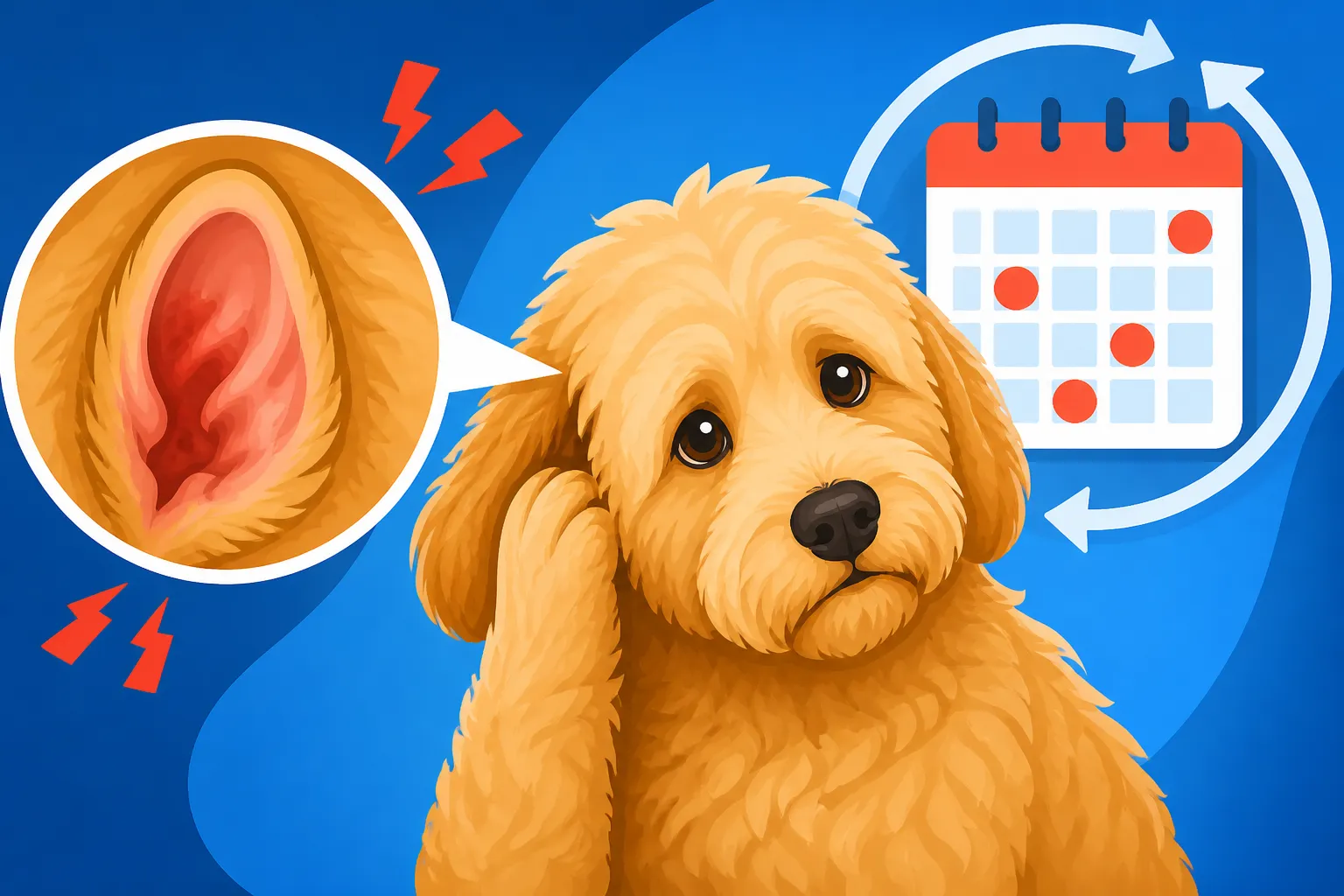
Goldendoodle Ear Infections That Return Every Month
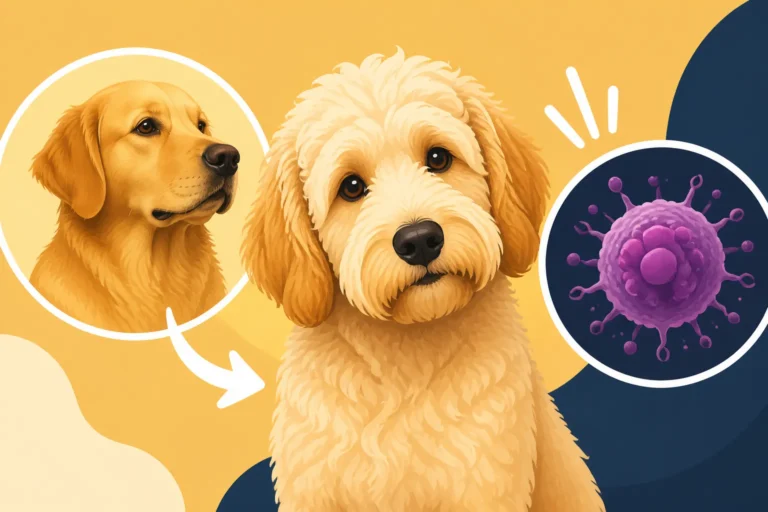
Is there anything more frustrating than dealing with a Goldendoodle ear infection that just keeps coming back, month after month? You clean them, you treat them with drops, and just when you think you've got it under control, the scratching starts again, or that tell-tale odor returns. This guide is here to help you understand why your Goldendoodle might be caught in this frustrating cycle and, more importantly, what you can do to break it for good.
Why Goldendoodle Ears Are a Breeding Ground for Trouble
Goldendoodles are wonderful dogs, full of joy and playful energy, but their adorable, floppy ears and the specific coat type they often inherit can unfortunately make them prone to chronic ear issues. It’s not just bad luck; there’s a biological reason these infections become such a recurring nightmare.
The Anatomy of a Furnished Ear
The typical Goldendoodle inherits what’s known as "furnishings" – those lovely long hairs around their face, eyebrows, and, critically, inside their ear canals. This is distinct from a smooth-faced dog and contributes significantly to the Goldendoodle look. However, this dense hair acts like a furry trap, holding onto debris, wax, and moisture. Combine that with a long, floppy ear flap that covers the ear canal, limiting airflow, and you have a perfect storm for bacterial and yeast overgrowth. Imagine wearing earmuffs all the time, even when you're sweaty – that's a bit like what your Goldendoodle's ear experiences. This anatomical predisposition is why understanding Goldendoodle Ear Hair and Chronic Infection is so crucial for owners.
The Role of Moisture and Warmth
Moisture is a huge culprit in recurrent ear infections. Goldendoodles often love water; whether it’s a romp in a muddy puddle, a swim in the lake, or even just a vigorous bath at home, water can easily get trapped in that warm, dark, and hairy ear canal. Once moisture is in there, it doesn't evaporate easily due to the lack of airflow from the floppy ear and internal hair. This damp, warm environment is exactly what yeast and bacteria thrive in. It's like a tiny, humid greenhouse right inside their head, just waiting for the next pathogen to move in. Owners frequently report that the problem gets worse after their Goldendoodle has been swimming, which is a classic scenario for Yeast in a Goldendoodle Ear After Swimming.
Underlying Allergies as a Root Cause
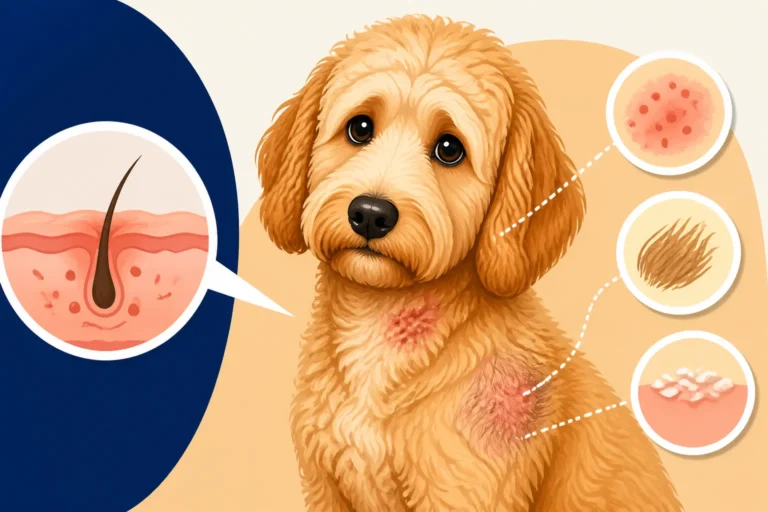
Here's the often-missed piece of the puzzle: many recurrent ear infections aren't just about dirty or wet ears. They are a symptom of a deeper, underlying issue, most commonly allergies. Just like humans can get hives or sneeze from allergies, dogs often manifest their allergic reactions through their skin – and the skin lining the ear canal is no exception. When a Goldendoodle has allergies, whether it's to something in their food, pollen in the air, or dust mites, their immune system overreacts, causing inflammation. This inflammation thickens the skin of the ear canal, making it even narrower and more prone to trapping moisture and debris, thereby creating an ideal environment for secondary infections to flourish. This vicious cycle explains why treating only the infection without addressing the allergy often leads to it returning promptly. It’s a common reason why dogs develop Goldendoodle Allergies and Itchy Skin.
Identifying and Breaking the Cycle of Infection
When your Goldendoodle is scratching their ears for the third time this quarter, it's clear the cycle needs to be broken. This isn't just about relief; chronic inflammation and infection can lead to more serious, irreversible damage over time.
Recognizing the Subtle Signs of Trouble
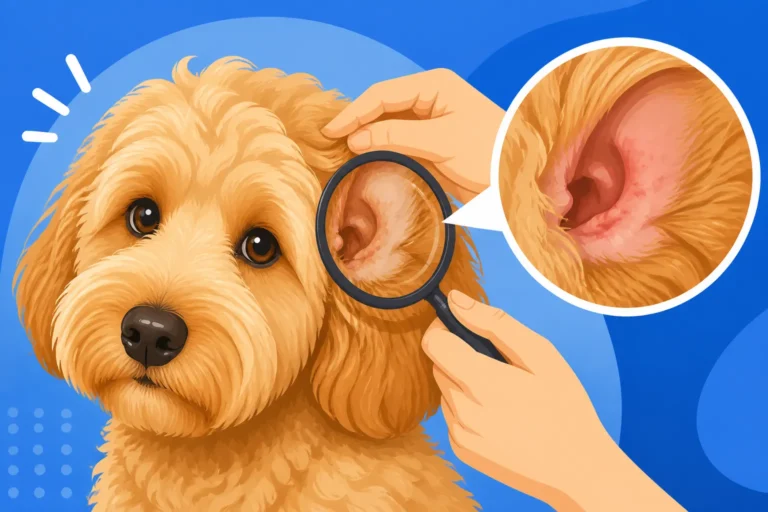
By the time a Goldendoodle is shaking their head vigorously or holding one ear down, the infection is often well-established. But there are earlier, more subtle signs you can look for to catch it before it becomes a full-blown crisis. Pay close attention to your dog's behavior. Are they pawing at their ears more than usual? Are they rubbing their head along furniture or the carpet? A change in the smell from their ears is another significant indicator; a sweet, yeasty smell or a pungent, foul odor are both red flags. Visually, you might notice redness inside the ear flap or discharge ranging from brown and waxy to yellowish and pus-like. Sometimes, the only sign is a slightly sensitive ear that your dog flinches when you touch. Catching these early signs is essential for managing Catching a Goldendoodle Ear Infection Under the Hair.
Working with Your Vet for a Definitive Diagnosis
When ear infections keep returning, a quick look and a general antibiotic often aren't enough. Your veterinarian needs to be your partner in this. They will likely start by performing an otoscopic exam, looking deep into the ear canal with a specialized scope. But the real game-changer for chronic cases is cytology. This involves taking a swab of the ear discharge and examining it under a microscope to identify exactly what's living in there – yeast, different types of bacteria, or even mites. Knowing the specific culprits allows for targeted treatment. If the infection is particularly stubborn, a bacterial culture might be necessary to determine which antibiotics will be most effective. Sometimes, more advanced imaging, like a CT scan, is needed if the infection has spread deep into the middle ear, though this is less common. Don't be afraid to ask your vet about these diagnostic steps; they are key to effective treatment. It's a critical part of a comprehensive Goldendoodle Puppy Vaccination and Puppy Health Checks.
Tailored Treatment Plans for Recurrent Cases
Simply using the same ear drops repeatedly without a proper diagnosis is often why infections persist. Once your vet has identified the type of infection, they can prescribe a specific treatment. For yeast infections, anti-fungal drops are used. For bacterial infections, specific antibiotics (topical or oral) will be prescribed. In cases where allergies are suspected to be the underlying cause, the vet might recommend medications to reduce inflammation, such as steroids, to give the ear a chance to heal. They might also discuss a food trial if Goldendoodle Food Allergies Showing on the Skin. are suspected, or refer you to a veterinary dermatologist. The key here is not just treating the symptoms, but working to identify and manage the root cause. This often involves a multi-pronged approach that goes beyond just cleaning the ears. Remember, recurring vet visits and specialized medications can add up quickly, so if you don't already have one, researching pet insurance options like Healthy Paws could be a wise decision to help manage these ongoing costs.
Long-Term Prevention Strategies You Can Actually Maintain
Breaking the cycle of recurrent ear infections requires a proactive and consistent approach. It’s about building a routine that supports ear health, rather than just reacting to each new flare-up.
The Crucial Role of Regular Cleaning
Regular, appropriate ear cleaning is your first line of defense. The goal isn't just to remove visible dirt, but to maintain a healthy environment within the ear canal. Your vet can recommend a good quality ear cleaner solution safe for a Goldendoodle that’s designed to gently break down wax and debris without irritating the delicate skin. For a Goldendoodle with chronic issues, cleaning once or twice a week is often necessary.
Here’s a simple step-by-step routine:
- Gather Supplies: Have your vet-approved ear cleaner, cotton balls or gauze pads (avoid Q-tips as they can push debris deeper), and plenty of treats ready.
- Position Your Dog: Have your Goldendoodle sit or lie down comfortably. A calm dog makes the process much easier.
- Apply Cleaner: Gently lift your Goldendoodle’s ear flap. Squeeze the ear cleaner directly into the ear canal until it's full, or as directed by your vet.
- Massage: Gently massage the base of the ear for 20-30 seconds. You should hear a squishy sound as the cleaner works its way through the canal. This helps loosen wax and debris.
- Let Them Shake: Stand back and let your Goldendoodle shake their head. This expels much of the cleaner and loosened debris.
- Wipe Clean: Use a cotton ball or gauze pad to wipe away any visible cleaner and gunk from the inner ear flap and the entrance to the ear canal. Do not insert anything deep into the ear canal.
- Reward: Lavishly praise and reward your dog with treats. Make it a positive experience!
Consistency is key for Cleaning a Goldendoodle Ear Before It Gets Infected.
Managing Ear Hair and Moisture
Given the Goldendoodle's unique ear anatomy, managing hair and moisture is non-negotiable.
- Ear Hair: This is a topic of much debate among Goldendoodle owners. Some believe plucking ear hair prevents infections, while others argue it irritates the ear canal and makes infections worse. The best approach is often a middle ground: discuss with your vet or professional groomer. If your Goldendoodle has very dense hair deep in the canal causing blockage, careful plucking by a professional might be recommended. More often, simply keeping the hair around the ear canal entrance trimmed short can significantly improve airflow and reduce moisture retention.
- Moisture Control: After baths, swimming, or even rainy walks, always thoroughly dry your Goldendoodle's ears. You can use a soft towel, cotton balls, or even a low-setting hairdryer (held at a safe distance) to gently dry the inside of the ear flap and the entrance of the canal. For active Goldendoodles who love water, a post-swim ear cleaner specifically designed to dry the ear canal can be incredibly beneficial. Preventing moisture buildup is critical in preventing the recurrence of infections.
Addressing Environmental and Food Allergies
If your Goldendoodle's ear infections are truly chronic and recurrent despite diligent cleaning and treatment, allergies are the most likely culprit that needs to be definitively addressed.
- Food Allergies: This often requires an elimination diet, where your dog is fed a novel protein or hydrolyzed protein diet for 8-12 weeks, strictly avoiding all other foods and treats. If the ear issues improve, foods are slowly reintroduced to identify the allergen. This isn't easy, but it can be incredibly effective.
- Environmental Allergies: These are triggered by things like pollen, dust mites, or molds. Management can involve frequent bathing with a medicated shampoo to remove allergens from the coat, using air purifiers, and wiping down your dog's paws and muzzle after outdoor excursions. For more severe cases, your vet might suggest allergy testing (either blood tests or intradermal skin tests) to pinpoint specific allergens. Once identified, treatments like allergen-specific immunotherapy (allergy shots or oral drops) can desensitize your Goldendoodle to these triggers over time, providing long-term relief. Medications, such as Apoquel or Cytopoint, can also help manage the itch and inflammation associated with environmental allergies, which in turn reduces the severity and frequency of ear infections. Dealing with recurring ear issues can be a significant financial strain, and many pet parents find that a reliable pet insurance provider like Healthy Paws can make a huge difference in covering the costs of diagnostics, specialized diets, and ongoing allergy treatments.
When to Consider Advanced Options
Sometimes, despite all best efforts, recurring ear infections can become so severe and persistent that they warrant more aggressive intervention. This is usually when chronic inflammation has led to irreversible changes in the ear canal.
The Case for a Veterinary Dermatologist
If your general practice veterinarian has exhausted their options or the infections are simply not responding, a referral to a board-certified veterinary dermatologist is often the next step. These specialists have advanced training and equipment specifically for diagnosing and treating skin and ear conditions. They can perform more in-depth diagnostics, interpret complex allergy tests, and formulate highly tailored, long-term management plans. They might explore less common causes of ear infections, such as autoimmune diseases or endocrine disorders, that a general vet might not routinely investigate. A dermatologist can truly be a game-changer for a Goldendoodle suffering from relentless ear problems. They might consider treatments like custom-compounded medications or advanced immunotherapies. This specialized care often carries a higher price tag, which is another instance where having comprehensive coverage from a provider like Healthy Paws can provide peace of mind.
Surgical Interventions for Chronic Issues
In the most severe and chronic cases, when the ear canal has become permanently narrowed, scarred, or calcified due to years of infection and inflammation, surgery might be the only viable option to provide relief and prevent further suffering. The most common procedure for this is a Total Ear Canal Ablation (TECA) with Bulla Osteotomy. This surgery involves removing the entire diseased ear canal and often opening the bone that houses the middle ear to remove any infection there.
It's a major surgery and typically a last resort, but for dogs who have lived with relentless pain and discomfort, it can dramatically improve their quality of life. While the dog will lose hearing in the affected ear, the elimination of chronic pain is often a huge benefit. Your vet will discuss the pros and cons thoroughly, and usually, a specialist surgeon performs this procedure. Conditions that lead to such extreme measures often start with less severe symptoms, such as those that can cause Goldendoodle Ear Hematomas From Head Shaking.
| Problem | Cause | Common Signs | Typical Treatment | Long-Term Prevention |
|---|---|---|---|---|
| Yeast Infection | Overgrowth of naturally occurring yeast due to moisture, poor airflow, allergies. | Sweet, yeasty odor; brown, waxy discharge; itching; redness; head shaking. | Antifungal ear drops, often for 7-14 days. Thorough cleaning. | Regular ear cleaning (1-2x/week), thorough drying after water exposure, managing underlying allergies (diet, environment), keeping ear hair trimmed around the opening. |
| Bacterial Infection | Bacterial overgrowth, often secondary to yeast, moisture, or allergies. | Foul odor; yellow/green pus-like discharge; pain; swelling; intense itching; head tilt. | Antibiotic ear drops or oral antibiotics, duration depends on severity and type of bacteria (culture-guided). | As above, plus addressing specific bacteria with appropriate antibiotics, preventing recurrence by treating root causes, especially allergies. |
| Allergies (underlying) | Environmental allergens (pollen, dust mites), food allergens (specific proteins). | Red, itchy skin (including ear canals), chronic ear infections, paw licking, skin rashes, hair loss, gastrointestinal upset. | Elimination diet trials, allergy testing, immunotherapy (shots/drops), anti-inflammatory medications (e.g., Apoquel, steroids), bathing. | Long-term allergy management based on diagnosis, strict adherence to elimination diet, environmental controls, consistent cleaning to prevent secondary infections. |
Disclaimer
The information provided in this article is for educational and informational purposes only and does not constitute veterinary advice. Always consult with a qualified veterinarian for any health concerns or before making any decisions about your Goldendoodle's medical care.