Addison’s Disease and a Goldendoodle That Crashes
There’s almost nothing more terrifying than when your vibrant, loving Goldendoodle suddenly, and without much warning, seems to just crash. One moment they might seem a bit off, a little tired, and the next they’re collapsing, vomiting, or struggling to even stand. This sudden, alarming deterioration can be a sign of an Addisonian crisis, a severe manifestation of Addison's disease, and it’s a critical moment where understanding what’s happening can literally save your dog's life. This guide will walk you through what Addison’s disease is, why it can hit Goldendoodles so hard, how to recognize the signs of a crisis, and what steps you need to take right away.
Understanding Addison's Disease in Goldendoodles
Addison’s disease, also known as hypoadrenocorticism, isn't something many dog owners are familiar with until it impacts their own beloved pet. It's a tricky condition that often masquerades as other, less severe illnesses, making early diagnosis a real challenge. For Goldendoodle owners, especially, understanding this disease is crucial because our furry friends, unfortunately, carry a genetic predisposition.
What Exactly Is Addison's Disease?
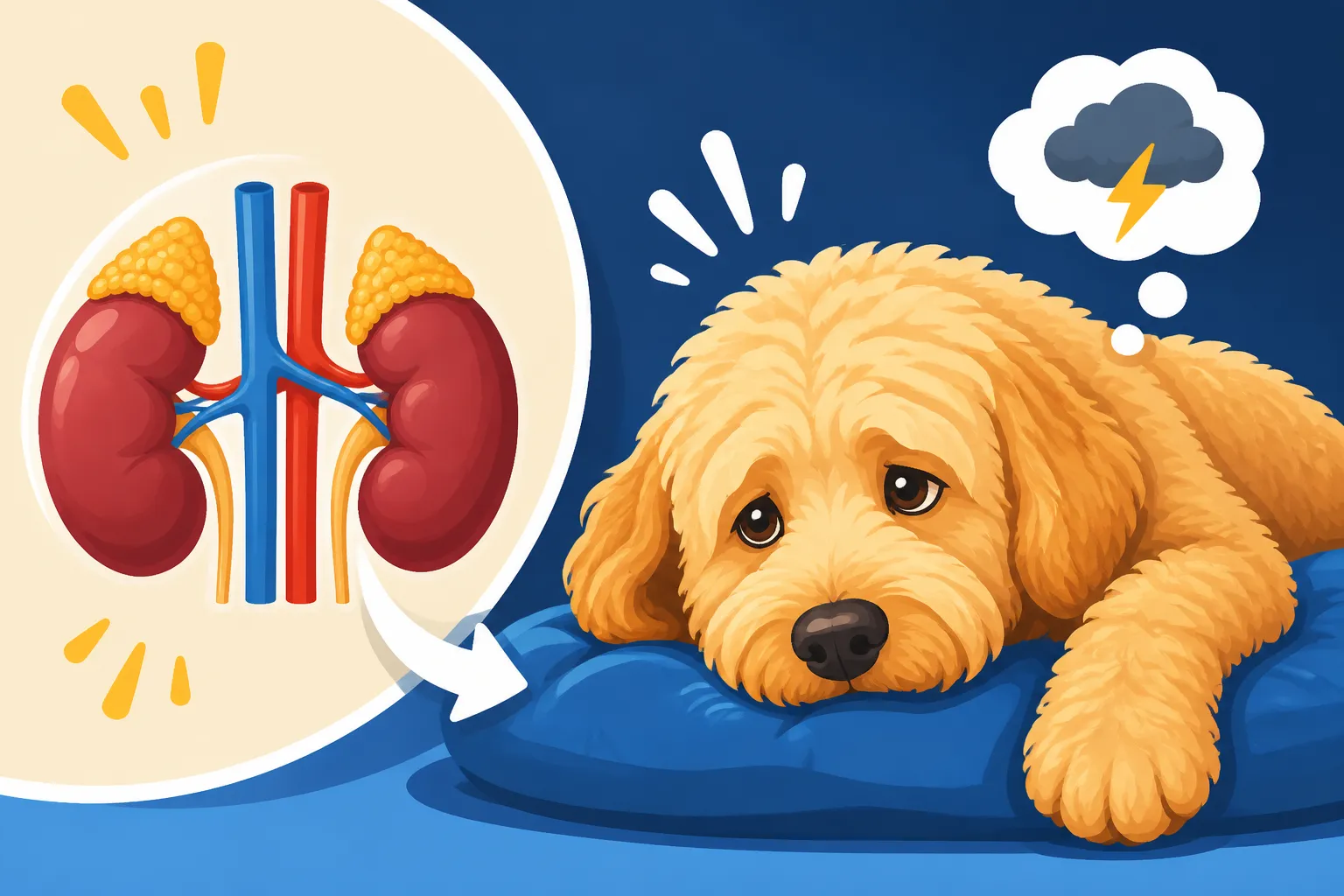
At its core, Addison’s disease is a hormonal disorder that occurs when your dog's adrenal glands, which are these tiny but mighty glands located near their kidneys, fail to produce enough of certain vital hormones. Think of the adrenal glands as mini factories constantly churning out chemicals that keep the body in balance. The two main hormones we're talking about here are cortisol and aldosterone.
Cortisol is often called the "stress hormone," but it does so much more. It plays a critical role in managing metabolism, reducing inflammation, and helping the body respond to stress, illness, and injury. Without enough cortisol, your Goldendoodle’s body struggles to cope with even minor stressors, leading to vague symptoms that come and go. Aldosterone, on the other hand, is key for regulating electrolytes like sodium and potassium. When aldosterone levels drop, these electrolytes can get wildly out of whack, leading to serious heart and kidney problems, and ultimately, the devastating "crash" we often see. Most cases of Addison's disease in dogs are "primary Addison's," meaning the adrenal glands themselves are damaged, usually by the dog's own immune system attacking them.
Why Goldendoodles Are Prone to Addison's
It’s heartbreaking to think that some wonderful traits come with increased risks, but that’s often the reality with genetic predispositions. In the case of Goldendoodles, the increased risk of Addison's disease is largely inherited from their Poodle parentage. Standard Poodles, in particular, have a well-documented higher incidence of Addison's disease compared to the general dog population. While the Golden Retriever side doesn't typically carry this specific risk, the Poodle's genetic contribution means that any Goldendoodle can be affected.
This genetic link is why breeders who are truly focused on the health of their lines will perform extensive health testing. Unfortunately, there isn't a simple DNA test for Addison's disease in Poodles or Goldendoodles, which makes prevention through selective breeding challenging. It's not about hybrid vigor failing here, but rather a specific genetic vulnerability passed down from one of the parent breeds. For more on how traits are inherited, you might want to read our guide on What a Goldendoodle Inherits From Each Parent Breed.
The Insidious Nature of Early Signs
One of the most frustrating and dangerous aspects of Addison's disease is how subtle and inconsistent its early symptoms can be. Owners often describe their Goldendoodle as "just not themselves." You might notice periods of lethargy that come and go, perhaps a decrease in appetite, or mild vomiting and diarrhea that seem to resolve on their own, only to reappear weeks later. These are classic Addison's Disease Signs in a Goldendoodle. Because these signs can mimic so many other common ailments – from a simple upset stomach to general fatigue – vets and owners alike can be fooled.
Imagine your Goldendoodle, usually a ball of energy, having a few "off" days where they're quiet, maybe skip a meal, and then perk right back up. You might assume they ate something funky in the yard, or perhaps just had a strenuous play session. This waxing and waning nature is characteristic of chronic Addison's. The body is struggling to maintain balance, but hasn't yet reached a point of complete collapse. This makes it incredibly difficult to catch early, as most owners won't rush to the vet for a transient tummy ache. However, these intermittent symptoms are your Goldendoodle's way of telling you that something is simmering beneath the surface, slowly building towards a potential crisis.
When a Goldendoodle "Crashes": Recognizing an Addisonian Crisis
The term "crash" perfectly encapsulates the terrifying experience of witnessing an Addisonian crisis. It’s when those subtle, on-again-off-again symptoms suddenly give way to an acute, life-threatening emergency. This isn't just a bad day; it's your Goldendoodle's body shutting down because it can no longer compensate for the lack of vital hormones.
The Sudden Onset of Severe Symptoms
An Addisonian crisis is a dramatic and rapid deterioration of your Goldendoodle’s health. What might have been mild listlessness can suddenly turn into profound weakness, collapse, and an inability to stand. Here are some of the most common and alarming signs:
- Severe Lethargy and Weakness: Your Goldendoodle will appear profoundly weak, perhaps unable to get up or even lift their head. They might stumble or walk as if drunk.
- Vomiting and Diarrhea: This is often severe and can be bloody, leading to rapid dehydration. If your Goldendoodle Vomiting and When It Matters or has Goldendoodle Diarrhea Lasting More Than Two Days, and these symptoms are coupled with extreme weakness, it's a huge red flag.
- Dehydration: Sunken eyes, dry gums, and skin that stays tented when gently pinched are signs of severe dehydration.
- Abdominal Pain: Your Goldendoodle may guard their belly, whimper, or show signs of discomfort when touched around the abdomen.
- Trembling or Shivering: This can be due to weakness, pain, or electrolyte imbalances affecting muscle function.
- Slow, Weak Heart Rate: This is a serious sign that the body’s systems are failing.
- Collapse and Shock: In the most severe cases, your Goldendoodle may collapse and go into hypovolemic shock, characterized by very pale gums, cold extremities, and rapid, shallow breathing. Their body simply cannot maintain blood pressure.
This rapid onset of severe symptoms can be incredibly confusing and frightening, as it can mimic conditions like poisoning, bloat, or severe infections. However, the history of vague, intermittent illness prior to the crash often points towards Addison's.
Why the Crisis Happens: The Body's Overwhelm
The Addisonian crisis is essentially the body reaching its breaking point. Without enough cortisol, your Goldendoodle’s body can’t handle stress. Any form of stress – even a minor illness, excitement, or simply living day-to-day – requires cortisol to function normally. When the adrenal glands aren’t producing it, the body can’t regulate its blood sugar, blood pressure, or inflammatory responses properly.
Even more critically, the lack of aldosterone leads to a dangerous imbalance of electrolytes, specifically high potassium and low sodium. High potassium levels directly impact the heart's electrical activity, leading to potentially fatal arrhythmias. Low sodium levels contribute to dehydration and can lead to weakness and neurological issues. When these imbalances become extreme, coupled with severe dehydration from vomiting and diarrhea, the cardiovascular system becomes overwhelmed, leading to shock and organ failure if not treated immediately. It's a cascading failure where the absence of these tiny hormones creates a life-threatening chain reaction.
Emergency Action: What to Do Immediately
If you suspect your Goldendoodle is experiencing an Addisonian crisis, this is an immediate veterinary emergency. There is no time to wait or see if they improve. Every minute counts.
- Contact Your Veterinarian Immediately: Call your vet or the nearest emergency veterinary clinic while you are on your way. Explain their symptoms and mention your suspicion of an Addisonian crisis if you have it. This allows the vet team to prepare for your arrival and begin treatment protocols as soon as you walk through the door.
- Transport Safely: If your Goldendoodle is weak or has collapsed, transport them gently. Use a blanket or a stretcher to move them without causing further stress or injury.
- Provide a Full History: Be ready to give the vet a complete history of your Goldendoodle’s health, including any subtle symptoms you've noticed over the past weeks or months, even if they seemed minor at the time. Mentioning any previous episodes of vomiting, diarrhea, lethargy, or decreased appetite that resolved on their own is critical.
- Expect Intensive Care: Upon arrival, your Goldendoodle will likely be admitted for intensive care. This typically includes intravenous (IV) fluids to correct dehydration and electrolyte imbalances, and immediate administration of synthetic hormones (like corticosteroids and mineralocorticoids) to replace what their body isn’t producing. These medications act quickly to stabilize their condition and prevent further deterioration.
The quick action in an emergency can make all the difference. While scary, an Addisonian crisis is treatable, and with prompt, aggressive intervention, most Goldendoodles make a full recovery from the acute episode.
Diagnosis and Lifelong Management of Addison's in Goldendoodles
Getting an Addison's diagnosis can be a huge relief, despite the seriousness, because it means you finally have an answer for your Goldendoodle’s mysterious health issues. More importantly, it means you can start effective treatment. Addison's disease is a lifelong condition, but it's one that is highly manageable with proper care.
The ACTH Stimulation Test: The Definitive Answer
Given how non-specific the symptoms of Addison's can be, a definitive diagnostic test is absolutely essential. While a routine blood test might show some clues, such as elevated potassium and low sodium, or even low blood sugar, these are not enough to confirm Addison's. These initial blood work findings can only suggest the possibility.
The gold standard for diagnosing Addison's disease is the ACTH (Adrenocorticotropic Hormone) stimulation test. Here’s how it typically works:
- Baseline Blood Sample: Your vet will draw a blood sample from your Goldendoodle to measure their baseline cortisol levels.
- ACTH Administration: A synthetic form of ACTH is then injected. ACTH is the hormone normally produced by the pituitary gland that tells the adrenal glands to produce cortisol.
- Second Blood Sample: After a specific waiting period (usually one hour), a second blood sample is drawn.
In a healthy dog, the adrenal glands would respond to the injected ACTH by producing a significant amount of cortisol, resulting in a much higher cortisol level in the second blood sample. In a Goldendoodle with Addison's disease, the adrenal glands are damaged and unable to respond. Therefore, their cortisol levels will remain low, even after being stimulated by ACTH. This lack of response confirms the diagnosis. It’s a very specific test that leaves little room for doubt, providing clear answers after potentially months of confusing symptoms. This is why understanding The ACTH Test for a Goldendoodle is so important.
Lifelong Medication for an Addisonian Goldendoodle
Once diagnosed, Addison's disease requires lifelong medication to replace the hormones your Goldendoodle’s adrenal glands aren’t producing. The good news is that treatment is highly effective and relatively straightforward, allowing most Goldendoodles to live full, happy lives.
The treatment typically involves two types of hormone replacement:
- Mineralocorticoid Replacement: This is usually given as a monthly injection of desoxycorticosterone pivalate (DOCP), commonly known by brand names like Percorten-V or Zycortal. This hormone replaces aldosterone, balancing electrolytes and preventing dehydration and heart issues. The consistency of these injections is key.
- Glucocorticoid Replacement: This replaces cortisol and is often given as a daily oral steroid, such as prednisone. The dose is usually very low and is often adjusted based on your Goldendoodle’s individual needs, especially during times of stress (like vet visits, travel, or illness). It’s crucial not to suddenly stop this medication, as it can trigger another crisis.
It’s vital to work closely with your veterinarian to find the right dosage for your Goldendoodle. Regular follow-up blood tests, especially in the initial months, will be necessary to ensure their electrolyte levels are stable and the medication is working effectively. The cost of these medications, especially the monthly injections, can add up over your Goldendoodle's lifetime. Many owners find that a good pet insurance plan, like those offered by Healthy Paws, can be incredibly helpful in managing these ongoing expenses, making lifelong care more affordable. Our article on Lifelong Medication for an Addisonian Goldendoodle provides more detail on what to expect.
Living with an Addisonian Goldendoodle: Prognosis and Quality of Life
Receiving an Addison's diagnosis can feel overwhelming, but the long-term prognosis for Goldendoodles with Addison's disease is excellent, provided they receive consistent and appropriate treatment. With proper medication and regular veterinary check-ups, most Addisonian dogs live a normal lifespan with an excellent quality of life.
Here's what you can expect as you manage your Goldendoodle's Addison's:
- Consistency is Key: Administering medications exactly as prescribed and not missing doses, particularly the monthly injection, is paramount. If you forget a dose of daily prednisone, contact your vet for advice.
- Stress Management: Your vet might recommend increasing the daily prednisone dose slightly during anticipated stressful events (e.g., boarding, surgery, thunderstorms) to help their body cope. Always discuss this with your vet beforehand.
- Regular Monitoring: Expect regular vet visits, especially initially, for blood work to monitor electrolyte levels and ensure the medication dosage is optimal. Once stable, visits may become less frequent, but still crucial for ongoing care, similar to how you would approach Senior Goldendoodle Vet Visits After Nine when they are older.
- Educate Yourself and Others: Make sure anyone caring for your Goldendoodle (pet sitters, groomers, family) understands their condition and medication schedule. Consider a medical alert tag for your Goldendoodle.
- Watch for Subtle Changes: Even with medication, it's wise to remain vigilant for any return of those vague symptoms. If your Goldendoodle seems "off," even mildly, contact your vet. It might mean a medication adjustment is needed.
Living with an Addisonian Goldendoodle means being a diligent advocate for their health, but it's a condition that responds remarkably well to treatment. With your commitment, your Goldendoodle can continue to be the joyous, active companion you know and love.
| Symptom Category | Mild, Chronic Addison's Symptoms (Intermittent) | Addisonian Crisis Symptoms (Acute, Severe) |
|---|---|---|
| Energy Level | Lethargy, tiredness, reluctance to play | Profound weakness, collapse, inability to stand |
| Appetite | Decreased appetite, skipping meals | Complete loss of appetite, anorexia |
| Digestive | Intermittent vomiting, mild diarrhea | Severe vomiting, profuse diarrhea (possibly bloody) |
| Pain/Discomfort | Vague abdominal discomfort | Severe abdominal pain, guarding belly |
| Hydration | May be slightly dehydrated | Severe dehydration (sunken eyes, dry gums) |
| Other | Weight loss, shivering, general "off" feeling | Trembling, slow heart rate, shock (pale gums, cold extremities) |
Disclaimer
The information provided in this article is for general informational purposes only and is not a substitute for professional veterinary advice. Always consult with a qualified veterinarian for any health concerns or before making any decisions related to your Goldendoodle's health and treatment.