Goldendoodle Hypothyroidism and Weight Gain
It's incredibly frustrating when your beloved Goldendoodle starts putting on weight, seems a little "off," or just isn't their usual bouncy self, and you can't quite pinpoint why. Many of us just assume it's a normal part of aging, but sometimes, there's a deeper, treatable medical reason behind those creeping pounds and lowered energy. This guide will help you understand the connection between hypothyroidism, that mysterious thyroid condition, and the weight gain you might be seeing in your Goldendoodle.
Understanding Hypothyroidism in Goldendoodles
Hypothyroidism is one of those conditions that often flies under the radar for a while, making it easy to dismiss early signs as just normal dog behavior or aging. But for Goldendoodles, it's a surprisingly common concern.
What is Hypothyroidism and Why Goldendoodles?
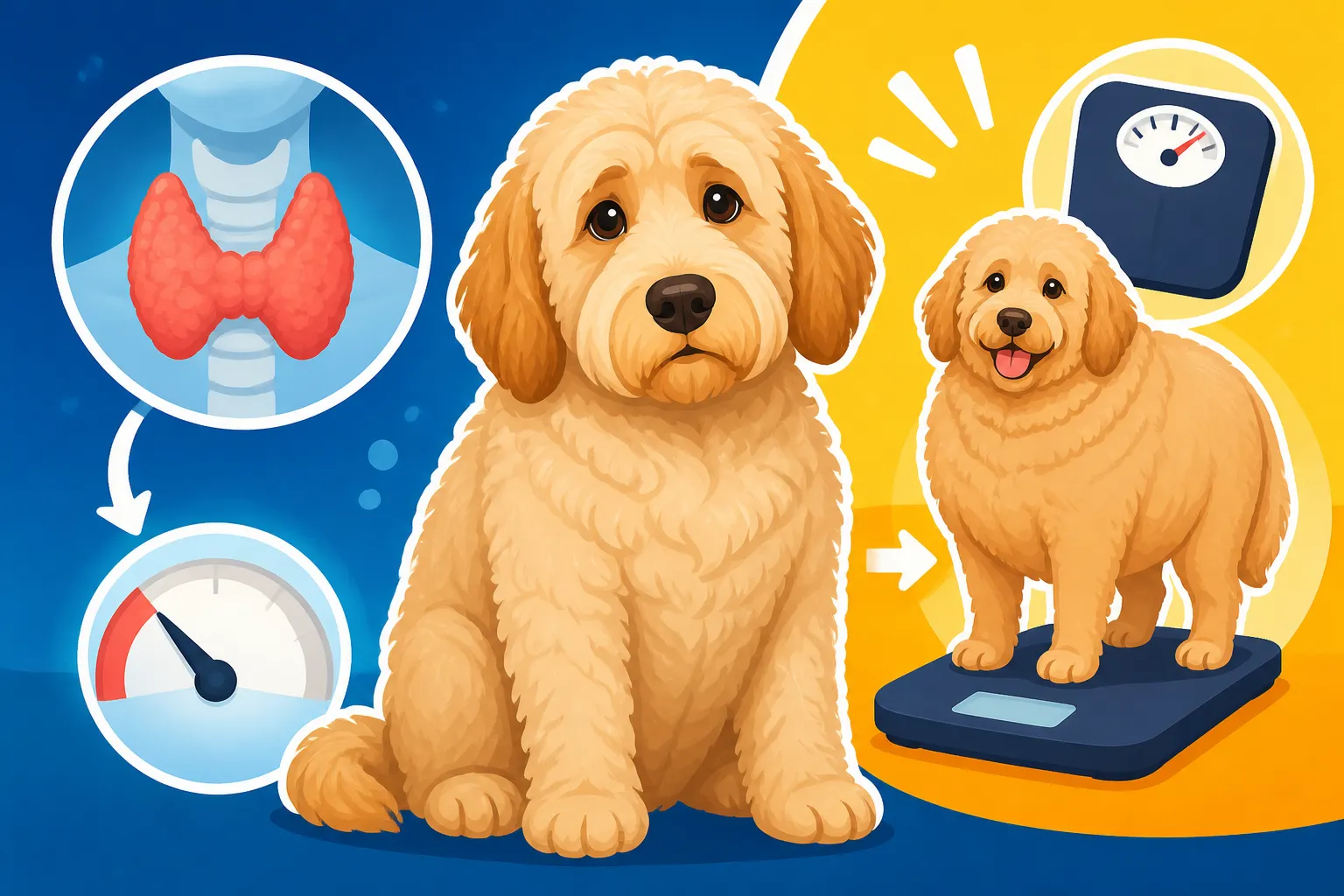
At its core, hypothyroidism means your dog's thyroid gland, a small but mighty gland located in their neck, isn't producing enough thyroid hormone. This hormone is absolutely crucial because it regulates almost every metabolic process in the body. Think of it as the master control for how efficiently your Goldendoodle uses energy. When there isn't enough, everything starts to slow down.
Goldendoodles, as a crossbreed, inherit traits and genetic predispositions from both the Golden Retriever and Poodle lines, and unfortunately, both parent breeds are known for having a higher incidence of thyroid issues. Golden Retrievers are particularly prone to autoimmune thyroiditis, where the dog's own immune system attacks and destroys the thyroid gland. Poodles also have their share of thyroid problems. This genetic inheritance is why we see hypothyroidism popping up more frequently in our beloved Doodles than in some other breeds. It’s not your fault or your dog’s; it’s simply a roll of the genetic dice, exacerbated by being a hybrid of two predisposed breeds. The onset is often so gradual that you might not notice it until your dog has been experiencing symptoms for months, sometimes even a year or more.
Common Signs Beyond Just Weight Gain
While weight gain is a significant indicator, it's rarely the only one. Hypothyroidism manifests in a variety of ways, and recognizing these other signs can be key to early diagnosis. Your Goldendoodle might start acting a bit more sluggish, seem less enthusiastic about walks, or just want to nap more than usual. This lethargy can easily be mistaken for them simply "growing up" or becoming a senior.
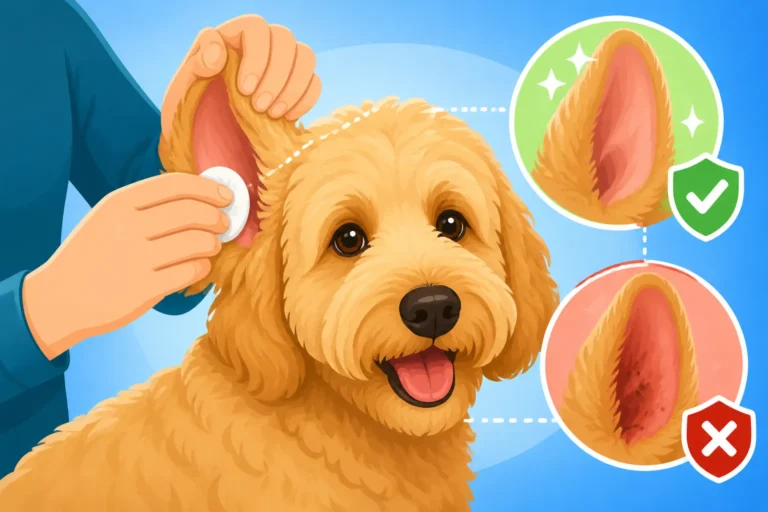
Another very common symptom involves changes to their skin and coat. You might notice their beautiful, soft fur becoming dry, brittle, or even thinning, especially on their flanks, chest, or tail. Some Goldendoodles develop a "rat tail" or patchy hair loss. Their skin might become flaky, develop dandruff, or even feel thicker and cooler to the touch. Recurring skin infections, often mistakenly treated as just allergies, can also be a sign that their immune system isn't functioning optimally due to low thyroid hormone. If you've ever wondered about unusual shedding or dullness, our deep dive into Goldendoodle Hair Loss Traced to the Thyroid offers more detailed insights. Mentally, your Goldendoodle might seem a bit duller or less responsive, not as sharp as they used to be. They might also become unusually intolerant to cold, seeking out warm spots more often.
It’s important to remember that these symptoms are often subtle and can creep up over time. If you notice a combination of these changes, it's definitely worth bringing up with your veterinarian.
The Link Between Hypothyroidism and Goldendoodle Weight Gain
The connection between an underactive thyroid and your Goldendoodle packing on pounds is often the most noticeable and frustrating symptom for owners. It feels counterintuitive when you haven't changed their diet, yet the scale keeps creeping up.
How a Slow Metabolism Leads to Extra Pounds
The thyroid hormone's primary job is to regulate metabolism. When your Goldendoodle's body isn't producing enough of this vital hormone, their metabolic rate slows down significantly. This means their body burns calories at a much reduced pace, even when they're at rest. Imagine your dog's body is like a furnace, and the thyroid hormone is the fuel. If there's not enough fuel, the furnace burns very slowly.
So, even if your Goldendoodle is eating the exact same amount of food they always have and getting the same amount of exercise, their body simply isn't processing and burning those calories as efficiently. The excess calories, instead of being used for energy, are stored as fat. This leads directly to frustrating weight gain that seems impossible to control through diet and exercise alone. You might cut back on their food, only to find they're still gaining or struggling to lose even a single pound. This isn't a sign of laziness or overfeeding on your part; it's a direct physiological consequence of a malfunctioning thyroid. This unexplained weight gain can put an undue strain on their joints and overall health. For a broader look at the consequences, explore our article on Goldendoodle Weight Gain and the Strain on Joints.
The Importance of Early Detection for Managing Weight
Catching hypothyroidism early is incredibly important, not just for your Goldendoodle's overall health, but specifically for managing and reversing that weight gain. The longer hypothyroidism goes undiagnosed and untreated, the more significant the weight gain can become, potentially leading to obesity.
Obesity itself opens the door to a host of other serious health issues. Overweight dogs are at a higher risk for conditions like diabetes, heart disease, certain types of cancer, orthopedic problems (like arthritis and cruciate ligament tears), and even a shortened lifespan. When you factor in the already common joint issues in Goldendoodles, adding extra weight only exacerbates these problems.
Early detection allows for prompt treatment, which can stabilize your Goldendoodle's metabolism before excessive weight gain occurs. It means you can start them on medication, and then, with proper dietary adjustments and exercise, their body will finally be able to shed those extra pounds. Proactive veterinary care, including regular check-ups, can truly be a lifesaver. While the initial diagnostic tests and ongoing medication might seem like an upfront cost, a reliable pet insurance provider like Healthy Paws can often help cover these expenses, turning a potentially large financial burden into a manageable one, especially for chronic conditions. Don't wait until your Goldendoodle is struggling with significant obesity; advocate for early testing if you suspect anything is amiss.
Diagnosing and Managing Hypothyroidism in Your Goldendoodle
Navigating a potential diagnosis of hypothyroidism can feel daunting, but thankfully, it's a very treatable condition. The key is proper testing and consistent management.
Getting Your Goldendoodle Tested for Thyroid Disease
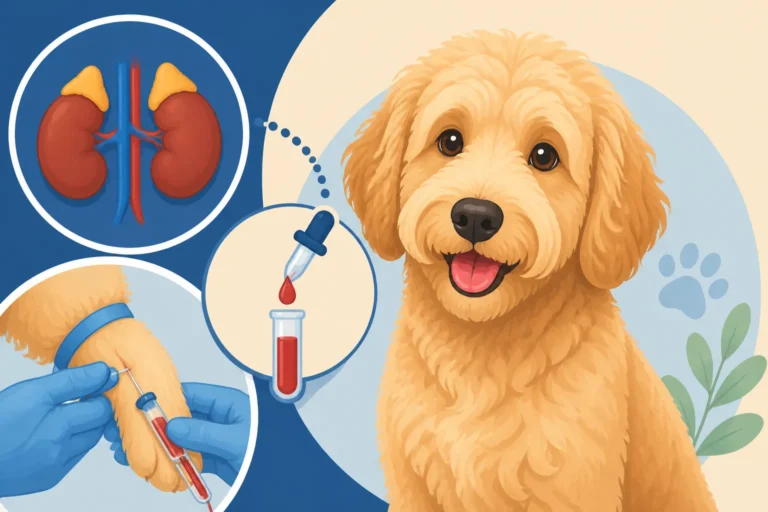
If you've noticed your Goldendoodle exhibiting any of the symptoms we've discussed, especially unexplained weight gain, lethargy, or coat changes, it's crucial to talk to your veterinarian about thyroid testing. A simple blood test is usually the starting point. Vets typically look at several key thyroid hormone levels, including:
- Total T4 (TT4): This measures the total amount of thyroxine in the blood, both bound and unbound. It's a good initial screening test, but can be influenced by other illnesses or medications.
- Free T4 (FT4): This measures the unbound, or "active," form of thyroxine. It's often considered a more accurate indicator than TT4 because it's less affected by non-thyroidal illnesses.
- TSH (Thyroid Stimulating Hormone): This hormone is produced by the pituitary gland to stimulate the thyroid. In hypothyroid dogs, the TSH level is usually high because the pituitary is trying desperately to get the underperforming thyroid to produce more hormone.
- Thyroglobulin Autoantibodies (TgAA): This test checks for antibodies that indicate an autoimmune attack on the thyroid gland, which is a common cause of hypothyroidism, particularly in Golden Retrievers.
Sometimes, a single "low" T4 isn't enough for a definitive diagnosis, as other illnesses or certain medications can temporarily lower T4 levels (this is called "sick euthyroid syndrome"). Your vet might recommend a full thyroid panel, often sent to a specialized veterinary endocrinology lab, to get the most comprehensive picture. It's also important to note that thyroid issues can sometimes start to appear in middle-aged dogs, so if your Goldendoodle is past two years old, testing becomes even more relevant. Our guide on Testing a Goldendoodle Thyroid After Two Years provides more context on age-related considerations for this testing.
Lifelong Treatment and Weight Management Strategies
Once hypothyroidism is definitively diagnosed, the good news is that treatment is straightforward and highly effective. Your Goldendoodle will likely be prescribed a synthetic thyroid hormone replacement, most commonly levothyroxine. This medication simply replaces the hormone their body isn't producing naturally. It's typically given once or twice a day, usually for the rest of their life.
The dosage will be carefully determined by your vet based on your Goldendoodle's weight and the severity of their condition. It's not uncommon for the dosage to be adjusted over the first few months as your vet monitors their blood levels to find the perfect balance. Consistent medication is key; sticking to the schedule and never skipping doses is paramount to their well-being.
As your Goldendoodle's thyroid hormone levels normalize, their metabolism will gradually return to a healthy pace. This is where the weight management strategies come into play. While the medication helps regulate their internal systems, you'll still need to be diligent about their diet and exercise.
- Dietary Adjustments: Work with your vet to determine an appropriate calorie intake for your Goldendoodle's ideal weight. Often, this means a balanced, high-quality dog food with controlled portions. Avoid free-feeding, and measure out meals precisely. For specific calorie recommendations based on size, you might find our article on Daily Calories for a Standard Goldendoodle helpful.
- Consistent Exercise: Ensure your Goldendoodle gets regular, appropriate exercise. As their energy levels return, they'll likely be more eager to play and walk. Daily walks, playtime, and mental stimulation are all crucial. Our article on Goldendoodle Exercise for Body and Mind offers some great ideas.
It's a combined effort: the medication addresses the underlying metabolic issue, and your consistent management of their food and activity helps them shed the excess weight and maintain a healthy body condition. Keeping an eye on their weight can be tricky with their thick coat, so checking body condition regularly is important. Our article Keeping a Goldendoodle Lean When the Coat Hides It gives practical tips for doing just that.
Living with a Hypothyroid Goldendoodle
Once your Goldendoodle starts treatment for hypothyroidism, you'll likely see a remarkable transformation. However, it's a journey that requires ongoing commitment and monitoring.
Monitoring Progress and Adjusting Care
Living with a hypothyroid Goldendoodle means you become a crucial partner in their ongoing care. Initially, your vet will want to retest their thyroid levels a few weeks after starting medication to ensure the dosage is correct and the levels are within the therapeutic range. Once stable, blood tests are typically recommended every 6 to 12 months. This regular monitoring is essential because a Goldendoodle's needs can change, and the medication dosage might need slight adjustments over time.
Beyond vet visits, you'll be monitoring your Goldendoodle at home. Keep a keen eye on their energy levels, appetite, weight, and especially the quality of their coat and skin. Are they more active? Is their coat looking healthier and less sparse? Is the weight slowly coming off? You might even consider keeping a journal or using a weight tracking app. Patience is definitely a virtue here; it can take several weeks or even a few months to see the full benefits of the medication and for their coat to grow back and their weight to normalize. If you notice any return of symptoms, or if new concerns arise, don't hesitate to reach out to your vet. This consistent communication ensures your Goldendoodle remains on the optimal treatment plan. Remember, ongoing care and medication costs can add up, and a comprehensive pet insurance plan like Healthy Paws can be a tremendous financial buffer, covering a significant portion of these recurring expenses.
Proactive Steps for Overall Goldendoodle Health
While addressing hypothyroidism is key, it's also an excellent opportunity to recommit to holistic wellness for your Goldendoodle. Their overall health will directly impact how well they manage their chronic condition.
- Balanced Nutrition: Continue providing a high-quality, balanced diet. Even after their metabolism normalizes, good nutrition supports every bodily function. Avoid excessive treats and ensure meals are measured.
- Regular Exercise: Maintain a consistent exercise routine. Physical activity not only helps manage weight but also keeps their joints healthy, boosts mood, and provides essential mental stimulation. As they age, their exercise needs may change, and our guide on Senior Goldendoodle Care After the Age of Nine offers relevant advice.
- Consistent Grooming: Regular brushing and professional grooming are vital for Goldendoodles, especially since coat issues are a symptom of hypothyroidism. Brushing helps you feel for any lumps, bumps, or changes in skin texture that might otherwise be hidden. Our article on Goldendoodle Skin and Coat Disease highlights the importance of this.
- Routine Vet Visits: Beyond thyroid checks, annual or bi-annual wellness exams are crucial. These visits allow your vet to catch other potential issues early, from dental disease to developing arthritis. As your Goldendoodle reaches their senior years, specific screenings, like those covered in The Senior Panel a Goldendoodle Should Have at Nine, become even more critical.
- Genetic Considerations: If you are considering getting another Goldendoodle, it's worth understanding the importance of responsible breeding. Breeders who conduct thorough health testing on parent dogs, including thyroid panels, help reduce the incidence of inherited conditions like hypothyroidism. You can learn more about this in our article Health Testing Both Goldendoodle Parents Should Have.
By taking these proactive steps, you're not just managing hypothyroidism; you're ensuring your Goldendoodle enjoys the happiest, healthiest, and longest life possible.
| Symptom Category | Possible Hypothyroid Sign | Often Mistaken For (Normal Aging) | Key Differentiating Factor |
|---|---|---|---|
| Weight Changes | Unexplained weight gain despite no change in diet/exercise | Slowed metabolism due to age, less activity | Significant, persistent gain, very difficult to lose, often with other symptoms |
| Energy Levels | Lethargy, increased sleeping, reduced stamina, less enthusiasm | Just "slowing down" or becoming "lazy" in old age | Sudden or noticeable drop in energy, disinterest in previously enjoyed activities |
| Coat & Skin | Dry, brittle, thinning coat; hair loss (flanks, tail); dandruff; thickened skin; recurring infections | Seasonal shedding, dry winter skin, "just old dog coat" | Symmetrical hair loss, "rat tail," persistent dryness, lack of luster, chronic skin issues |
| Temperature | Cold intolerance, seeking warmth, shivering | Not a common sign of normal aging, though senior dogs can be less robust | Noticeable sensitivity to even mild cold, seeking blankets/heat |
| Mental State | Mental dullness, less responsive, slower learning | Senior cognitive decline, "selective hearing" | Often more generalized mental slowness than specific forgetfulness, can improve with treatment |
Disclaimer
The information provided in this article is for educational purposes only and is not a substitute for professional veterinary advice. Always consult with your veterinarian for any health concerns or before making any decisions about your Goldendoodle's medical care.