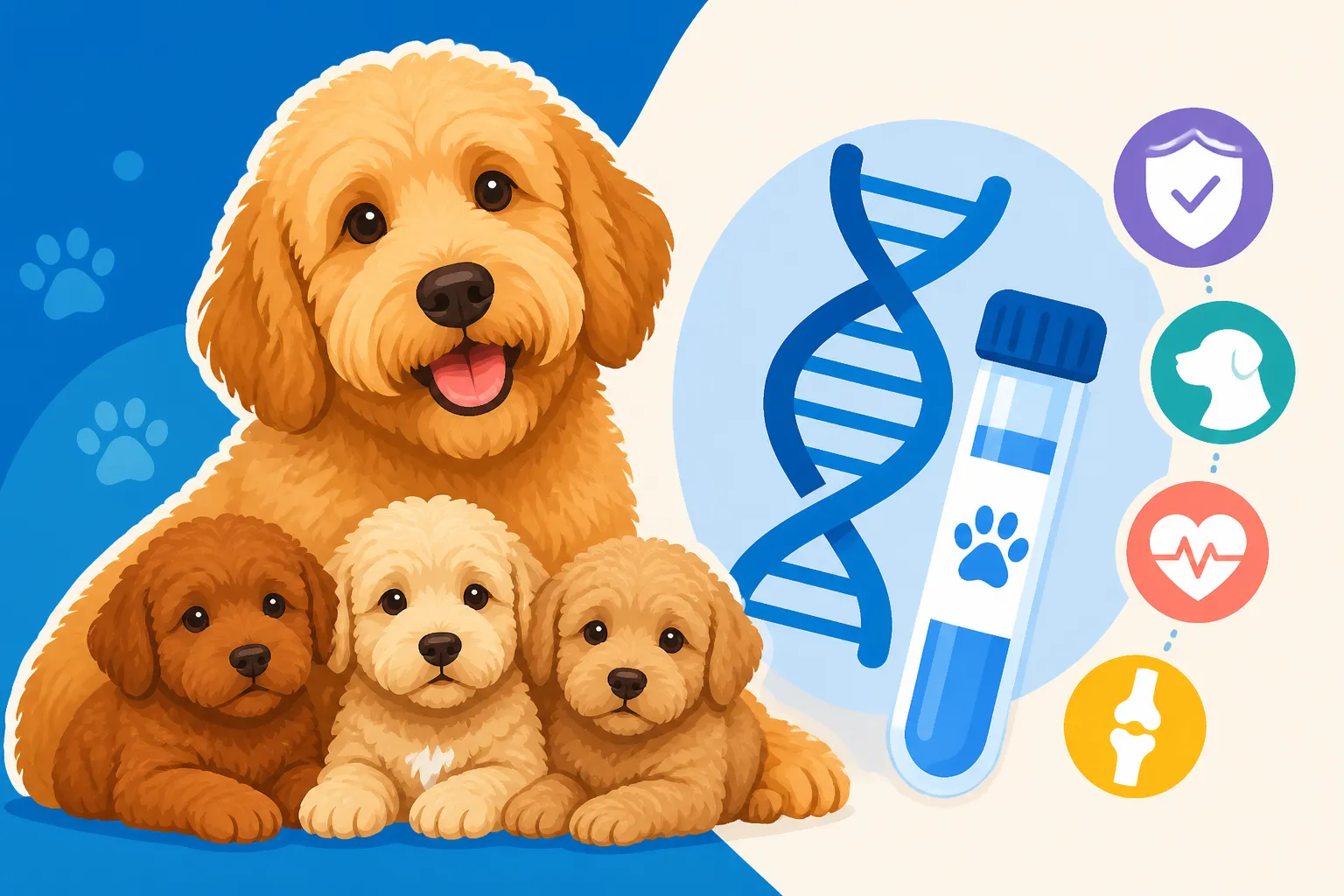
Which DNA Tests Matter for a Goldendoodle Litter
Bringing a Goldendoodle puppy home is an incredibly exciting time, full of dreams of joyful walks and cuddles on the couch. But for many hopeful owners, there's a nagging worry: what if my puppy inherits a serious genetic illness? It's a completely valid concern, especially with crossbreeds where the genetic lottery can feel a bit more opaque. This guide is here to cut through the confusion and explain exactly which DNA tests truly matter for a Goldendoodle litter, helping you understand how responsible breeders use these tools to ensure the healthiest possible start for your furry family member.
Understanding the Importance of DNA Testing for Goldendoodles
The allure of the Goldendoodle often stems from the promise of a friendly temperament, a low-shedding coat, and, for many, the idea of "hybrid vigor"—the belief that crossbreeds are inherently healthier. While many Goldendoodles are wonderfully healthy dogs, relying solely on hybrid vigor without genetic testing is a gamble.
Why "Hybrid Vigor" Isn't a Guarantee
It's tempting to think that mixing two breeds automatically cancels out their individual health problems. The concept of hybrid vigor, or heterosis, suggests that increased genetic diversity can lead to improved health and vitality. And to some extent, it's true! An F1 Goldendoodle, the first cross between a purebred Golden Retriever and a purebred Poodle, does often exhibit a broader genetic makeup than a purebred dog from a tightly bred line. This can sometimes reduce the chances of inheriting recessive diseases if the parents don't share the same faulty genes.
However, this benefit is often misunderstood and can lead to complacency. Hybrid vigor doesn't make a dog immune to genetic disease. If both parent breeds carry the same problematic recessive gene, or if a dominant gene is present, a Goldendoodle can absolutely inherit serious conditions. For instance, both Golden Retrievers and Poodles can suffer from certain orthopedic issues or eye conditions, so a Goldendoodle could still be at risk. This is why you'll often hear that The Goldendoodle Hybrid Vigor Claim and Where It Breaks needs careful consideration.
The Shared Genetic Risks from Both Parent Breeds
When you combine a Golden Retriever and a Poodle, you're essentially creating a genetic melting pot. Unfortunately, this means a Goldendoodle can potentially inherit health concerns from either side of its family tree. The Golden Retriever side, beloved for its gentle nature, is known for predispositions to certain cancers, such as lymphoma and hemangiosarcoma, and orthopedic issues like hip and elbow dysplasia. On the other hand, the intelligent and agile Poodle side, particularly the Standard Poodle, can carry risks for conditions like Addison's disease, sebaceous adenitis, and bloat.
What often surprises prospective owners is that some conditions are actually shared by both breeds, increasing the odds for a Goldendoodle. For example, some forms of Progressive Retinal Atrophy (PRA) are present in both Golden Retrievers and Poodles, making careful screening of both parents absolutely critical. This overlap underscores why a comprehensive approach to health testing, including DNA panels, is non-negotiable for responsible breeders. It's not enough to test just one parent; you need to know the full genetic picture of both the sire and the dam to minimize risks for the puppies. Understanding What a Goldendoodle Inherits From Each Parent Breed is key to appreciating the breadth of potential genetic predispositions.
Empowering Breeders and Buyers with Knowledge
DNA testing isn't just a fancy add-on; it's a fundamental tool that empowers both breeders and buyers. For breeders, it allows for informed pairing decisions, ensuring they don't accidentally breed two carriers of the same recessive disease, which could result in an "affected" puppy. Imagine breeding two seemingly healthy dogs, only to find out their offspring develop a debilitating genetic condition a few years down the line. DNA testing helps prevent that heartache. It allows breeders to confidently state that their puppies have a significantly lower risk of inheriting specific genetic diseases.
For buyers, this knowledge provides invaluable peace of mind. When a breeder can present clear DNA panel results for both parent dogs, you know they've taken proactive steps to safeguard the health of their litter. It allows you to ask targeted questions about potential health concerns and understand the long-term outlook for your puppy. This transparency helps you plan for the future, knowing that you're less likely to face unexpected, costly, and emotionally draining genetic health battles. While no test can guarantee a perfectly healthy dog for life, these screenings are your best defense against predictable genetic conditions.
Essential DNA Tests for Goldendoodle Parents (Before Breeding)
Responsible Goldendoodle breeding starts long before the puppies are born. It begins with meticulous health screening of the prospective parent dogs, and DNA testing is a cornerstone of this process. These tests help identify genetic markers for diseases that might not show physical symptoms in the parents but could be passed on to their offspring.
Progressive Retinal Atrophy PRA Testing
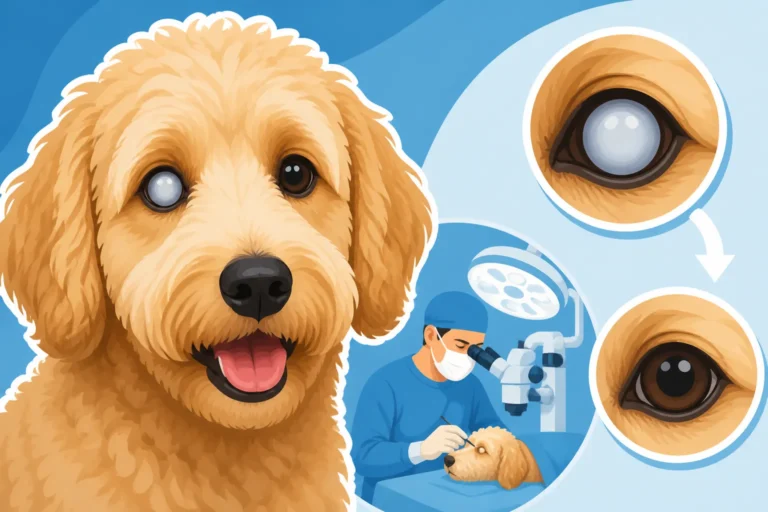
Progressive Retinal Atrophy, or PRA, is a group of genetic diseases that cause the gradual degeneration of the retina, ultimately leading to blindness. It's a particularly insidious condition because it often starts with subtle night blindness and progresses slowly, sometimes going unnoticed until the dog's vision is significantly impaired. Both Golden Retrievers and Poodles can carry different forms of PRA, such as prcd-PRA, GR-PRA1, and GR-PRA2. Therefore, it's absolutely crucial that both Goldendoodle parents are tested for all relevant forms of PRA.
A DNA test can identify if a dog is "clear," "a carrier," or "affected." A clear dog has no copies of the gene mutation. A carrier has one copy and typically won't develop the disease but can pass it on. An affected dog has two copies and will likely develop the condition. Responsible breeders will never breed two carriers together, as this carries a 25% chance of producing an affected puppy. Knowing Progressive Retinal Atrophy Carried by Both Goldendoodle Lines empowers breeders to make responsible pairings.
Von Willebrand Disease vWD Testing
Von Willebrand Disease (vWD) is a common inherited bleeding disorder affecting both Poodles and Golden Retrievers. It's similar to hemophilia in humans, where the blood doesn't clot properly due to a deficiency in Von Willebrand factor, a protein essential for blood coagulation. Dogs with vWD can experience excessive bleeding from minor cuts, nosebleeds, prolonged bleeding after surgery or injury, and sometimes even spontaneous internal hemorrhages. The severity can vary greatly between individuals.
There are different types of vWD, with Type I being the most common in Standard Poodles and Type III found in some other breeds. DNA testing can pinpoint the genetic mutation responsible. Just like with PRA, a dog can be clear, a carrier, or affected. An affected dog is at serious risk, while a carrier typically shows no symptoms but can pass the gene to its offspring. It's vital that both parent dogs are tested to prevent passing on this potentially life-threatening condition. Planning for any surgery, even routine neutering, for a vWD affected dog requires careful veterinary preparation to manage bleeding risks.
Ichthyosis Testing
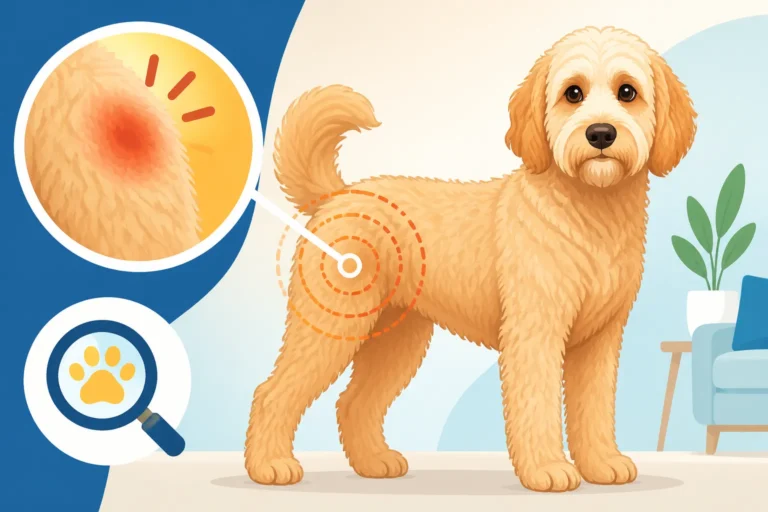
Ichthyosis is a hereditary skin condition primarily seen in Golden Retrievers, characterized by flaky, dry, and often itchy skin. The name comes from the Greek word for "fish," describing the scale-like appearance of the skin. While not life-threatening, it can cause significant discomfort for the dog and require lifelong management, including specialized shampoos, moisturizers, and sometimes dietary supplements. The flaky skin can also contribute to other skin infections if not properly managed, and it's particularly tricky to spot on Goldendoodles with their dense, curly coats.
The DNA test for Ichthyosis identifies the genetic mutation responsible. Again, results will show if a dog is clear, a carrier, or affected. Breeding two carriers together can produce affected puppies. While the condition doesn't usually cause pain, it's a quality-of-life issue that good breeders strive to eliminate from their lines. It’s particularly important for Goldendoodle owners to be aware of skin conditions, as their thick coats can hide issues like Goldendoodle Skin and Coat Disease until they become quite advanced.
Degenerative Myelopathy DM Testing
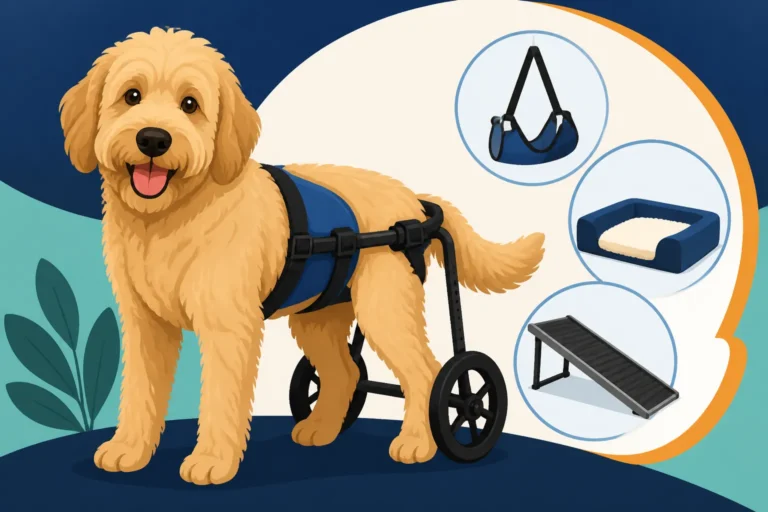
Degenerative Myelopathy (DM) is a progressive neurological disease that affects the spinal cord, leading to weakness in the hind limbs and eventually paralysis. It's a cruel condition, often mistaken for arthritis initially, as it typically presents in older dogs (8 years and up). There is no cure, and the progression is relentless. While most commonly associated with breeds like German Shepherds, the SOD1 gene mutation responsible for DM is also found in Golden Retrievers and Standard Poodles.
Due to its late onset and devastating nature, DNA testing for DM is crucial. A "clear" result means the dog does not carry the gene. A "carrier" has one copy and is unlikely to develop DM but can pass it on. An "at-risk" dog has two copies of the gene and is at a significantly higher risk of developing DM later in life. Responsible breeding practices dictate that "at-risk" dogs should not be bred, and "carriers" should only be bred with "clear" partners to ensure no "at-risk" puppies are produced.
Neonatal Encephalopathy with Seizures NEwS (Poodle Side)
Neonatal Encephalopathy with Seizures (NEwS) is a severe, inherited neurological disorder found in Standard Poodles. Puppies affected by NEwS usually appear normal at birth but develop tremors, weakness, and an inability to nurse effectively within a few weeks. They suffer from recurrent seizures and rarely survive past three to five weeks of age. It's a devastating condition for both the puppies and the breeder.
This recessive genetic disorder means that a puppy must inherit two copies of the mutated gene (one from each parent) to be affected. DNA testing allows breeders to identify carriers, who show no symptoms themselves but can pass the gene to their offspring. By testing both Goldendoodle parents for NEwS, especially if there's any Poodle ancestry, breeders can prevent the tragic birth of affected puppies.
Other Important Tests for Golden Retriever Lines
While PRA, vWD, Ichthyosis, and DM are critical, the Golden Retriever side of your Goldendoodle's family tree may warrant other tests. These include:
- Neuronal Ceroid Lipofuscinosis (NCL): A group of inherited neurodegenerative diseases affecting dogs, leading to progressive neurological decline, including loss of coordination, seizures, and blindness. A specific form, NCL-GR, affects Golden Retrievers.
- Progressive Retinal Atrophy 1 & 2 (GR-PRA1, GR-PRA2): Specific forms of PRA found in Golden Retrievers, which need to be tested for in addition to the generalized prcd-PRA.
- Muscular Dystrophy (GRMD): Though less common, some forms of muscular dystrophy can affect Golden Retrievers, causing progressive muscle weakness.
- Degenerative Myelopathy (DM): As mentioned, while also in Poodles, it's a significant test for Golden Retrievers.
Knowing about these allows breeders to ensure a comprehensive panel is run, reducing the chances of passing on these specific breed-related issues to their Goldendoodle offspring. Many reputable labs, such as Embark or Canine HealthCheck, offer comprehensive panels that cover these and more, simplifying the process for breeders.
Other Important Tests for Poodle Lines
The Poodle lineage brings its own set of genetic predispositions that responsible Goldendoodle breeders should screen for:
- Addison's Disease: While not a DNA test in the same way some others are, Poodles are predisposed to Addison's, and breeders should be aware of family history. Some research is ongoing into genetic markers. Addison's can be tricky to diagnose, and the signs can be vague, often mimicking other illnesses. It’s definitely something to be aware of, as Addison's Disease a Goldendoodle Gets From the Poodle can be a significant concern.
- Osteochondrodysplasia (OCD): A skeletal disorder causing abnormal bone and cartilage development, often leading to stunted growth or limb deformities. While more prevalent in some other breeds, certain Poodle lines can carry this.
- GM2 Gangliosidosis: A severe, progressive neurological disease causing seizures, tremors, and loss of motor skills, primarily affecting Standard Poodles.
- Macrothrombocytopenia: An inherited blood disorder characterized by abnormally large but reduced numbers of platelets, increasing bleeding risk.
- Chondrodystrophy (CDDY with IVDD Risk): A gene associated with abnormal cartilage development, leading to shorter limbs and an increased risk of Intervertebral Disc Disease (IVDD). This is crucial for smaller Goldendoodle varieties, as back problems can be debilitating.
A breeder committed to the health of their Goldendoodle puppies will invest in a full The DNA Panel a Goldendoodle Breeder Should Run that encompasses the known risks from both parent breeds. This proactive approach significantly reduces the chance of producing puppies with these serious health challenges.
How DNA Test Results Impact a Goldendoodle Litter
The goal of DNA testing isn't just to gather information; it's to apply that knowledge to make informed breeding decisions that directly benefit the health of every Goldendoodle puppy. Understanding the implications of "clear," "carrier," and "affected" results is paramount for both breeders and potential owners.
Understanding Clear, Carrier, and Affected Results
When a genetic test is performed, the results typically fall into one of three categories for recessive genetic diseases:
- Clear (or Normal): This means the dog does not carry the gene mutation for the tested disease. They cannot develop the disease themselves (if it's a recessive trait) and cannot pass it on to their offspring. This is the ideal result for both parent dogs.
- Carrier: This means the dog carries one copy of the gene mutation but also has a normal copy. For recessive diseases, a carrier usually will not develop the disease symptoms themselves, as the healthy gene compensates. However, they can pass the mutated gene on to 50% of their offspring. This is where responsible breeding decisions become critical.
- Affected (or At-Risk): This means the dog has inherited two copies of the gene mutation (one from each parent) for a recessive disease, or one copy for a dominant disease. An affected dog will likely develop the disease symptoms, potentially suffering significantly. They will pass on a copy of the mutated gene to all of their offspring.
It's crucial to understand that a "carrier" dog is not necessarily an unhealthy dog; it simply means they carry a specific gene. The problem arises when two carriers of the same recessive disease are bred together. In that scenario, each puppy in the litter has a 25% chance of being affected, a 50% chance of being a carrier, and a 25% chance of being clear. This is precisely why knowing When Both Goldendoodle Parents Carry the Same Gene is so important for ethical breeding.
Preventing Inherited Diseases in Offspring
The beauty of DNA testing is its preventative power. By strategically pairing parent dogs based on their genetic profiles, responsible breeders can virtually eliminate the risk of producing puppies affected by known genetic diseases.
Here’s how it works in practice:
- Clear x Clear: The ideal pairing. All puppies will be clear and will not develop or carry the disease.
- Clear x Carrier: This is an acceptable pairing in a breeding program. None of the puppies will be affected by the disease. However, approximately 50% of the puppies will be carriers. These carrier puppies can then be sold to pet homes (with full disclosure) or, if destined for future breeding, would themselves need to be bred only to clear partners.
- Clear x Affected: This pairing would result in all puppies being carriers. Again, none would be affected, but all would carry the gene. This might be done in very specific circumstances to preserve valuable traits if an affected dog is otherwise exceptional, but it requires careful management of the offspring.
- Carrier x Carrier: This is a pairing that responsible breeders avoid. As mentioned, it has a 25% chance of producing affected puppies, which is an unnecessary risk when genetic testing can prevent it.
- Carrier x Affected: Highly unethical. This pairing would result in 50% affected puppies and 50% carriers.
- Affected x Affected: Completely unethical. All puppies would be affected by the disease.
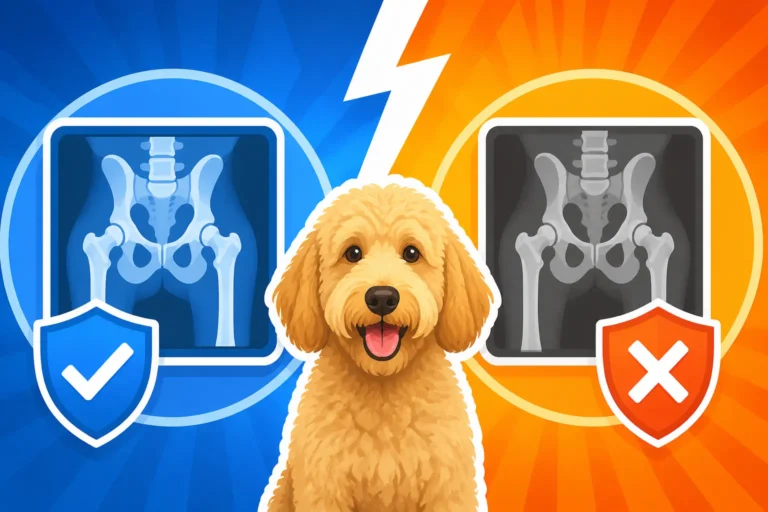
By adhering to these principles, breeders can make significant strides in improving the health of the Goldendoodle population. They can use a combination of DNA testing for recessive conditions and OFA clearances for multifactorial conditions like Goldendoodle Hip Dysplasia at 15 to 20 Percent to produce the healthiest possible puppies. It's a testament to how science helps minimize preventable suffering in our beloved companions.
What to Ask Your Breeder About DNA Testing
As a prospective Goldendoodle owner, you have every right—and frankly, a responsibility—to ask detailed questions about the health testing performed on the parent dogs. A reputable breeder will be transparent and eager to share this information. Don't be shy; your questions protect not only your future puppy but also support ethical breeding practices.
Here’s a checklist of questions to ask:
- "Can I see the DNA test results for both the sire (father) and dam (mother)?" A good breeder will provide actual documentation from a reputable lab (like Embark, Paw Print Genetics, or Canine HealthCheck), not just verbally confirm "they're clear." The results should be specific, indicating the diseases tested for and the status (clear, carrier, affected) for each parent.
- "Which specific genetic conditions do you test for?" Compare this against the list we've discussed (PRA, vWD, Ichthyosis, DM, NEwS, etc.). Ensure they've covered the common and critical ones for both Golden Retrievers and Poodles.
- "What are your policies for breeding carriers?" A responsible breeder will explain their breeding strategy. For example, they might say, "We have a wonderful female who is a carrier for vWD, but we only breed her to a male who is clear, ensuring none of our puppies will be affected."
- "Do you also perform OFA (Orthopedic Foundation for Animals) or PennHIP clearances for hips, elbows, and patellas, and eye certifications from a veterinary ophthalmologist?" While DNA tests cover genetic diseases, OFA/PennHIP and eye exams cover structural health and other eye conditions that aren't DNA-linked. These are equally vital. You can learn more about this by asking your breeder about Health Testing Both Goldendoodle Parents Should Have.
- "Are the puppies covered by a health guarantee, and what does it entail regarding genetic conditions?" Most reputable breeders offer a health guarantee, typically for 1-2 years, against life-altering genetic defects. Understand the terms, what it covers, and what you would need to do if an issue arose.
This diligent questioning isn't about being confrontational; it's about being an informed consumer and ensuring you're supporting a breeder who prioritizes the long-term health and well-being of their Goldendoodles. This due diligence can also impact your decision on pet insurance providers like Healthy Paws, as knowing predispositions might influence the type of coverage you seek. Investing time upfront in these discussions can save you immense grief and expense down the road.
Summary of Key Goldendoodle DNA Health Tests
To help you keep track, here's a quick overview of the essential DNA tests discussed, along with what they screen for and their primary relevance to the Goldendoodle's parent breeds.
| DNA Test | Primary Condition Screened For | Relevance (Primary Parent Breed) | What a "Carrier" Means | Why it Matters for Goldendoodles |
|---|---|---|---|---|
| Progressive Retinal Atrophy (PRA) | Progressive blindness | Golden Retriever & Poodle | Won't get disease, can pass to offspring | Prevents puppies from inheriting a condition that leads to eventual blindness. |
| Von Willebrand Disease (vWD) | Bleeding disorder | Poodle (Type I & III), Golden Retriever | Won't get disease, can pass to offspring | Crucial for preventing excessive bleeding during injuries or surgeries, which can be life-threatening. |
| Ichthyosis | Dry, flaky, itchy skin | Golden Retriever | Won't get disease, can pass to offspring | Prevents a chronic, uncomfortable skin condition that requires lifelong management and can be hidden by dense coats. |
| Degenerative Myelopathy (DM) | Progressive paralysis of hind limbs | Golden Retriever & Poodle | Unlikely to get, can pass to offspring | Avoids a devastating, incurable neurodegenerative disease that manifests later in life. |
| Neonatal Encephalopathy with Seizures (NEwS) | Severe neurological disorder, early death | Poodle | Won't get disease, can pass to offspring | Prevents tragic, early death of puppies due to a severe seizure disorder. |
| Neuronal Ceroid Lipofuscinosis (NCL) | Neurodegenerative disease | Golden Retriever | Won't get disease, can pass to offspring | Prevents another form of progressive neurological decline, seizures, and blindness. |
| Chondrodystrophy (CDDY with IVDD Risk) | Short limbs, increased IVDD risk | Poodle (often smaller varieties) | May get disease, can pass to offspring | Reduces risk of debilitating back problems and disc issues, particularly important for Mini/Toy Goldendoodles. |
This table provides a snapshot, but always discuss the full scope of testing with your chosen breeder. It is an evolving field, and new tests emerge regularly, so staying informed is key.
Disclaimer
The information provided in this article is for educational and informational purposes only and does not constitute veterinary advice. Always consult with a qualified veterinarian or veterinary specialist for any health concerns or before making any decisions about your pet's health or medical care. Genetic testing is an important tool but should be part of a comprehensive health screening program for any breeding dog.