What Health Papers a Goldendoodle Breeder Should Show
Trying to navigate the world of Goldendoodle breeders can feel like deciphering an ancient scroll, especially when it comes to health testing and the mysterious "papers" everyone talks about. It's incredibly frustrating when you just want to ensure your future furry family member has the best possible start, but you're met with jargon or, worse, vague promises. This guide is here to cut through the confusion and explain exactly what health papers a Goldendoodle breeder should provide and why they're so crucial for your peace of mind and your puppy's well-being.
The Murky Waters of Goldendoodle "Health Papers"
Let's be real: when you're looking for a Goldendoodle, you're not dealing with a recognized breed in the traditional sense. This isn't like buying a purebred Golden Retriever or a Poodle, where there are established breed clubs, national registries like the American Kennel Club (AKC), and standardized health schemes like the Canine Health Information Center (CHIC) that require specific tests. Goldendoodles, as a crossbreed, exist in a less regulated space, which unfortunately means there's a wider variation in breeder practices. This lack of a formal, overarching health scheme is precisely why understanding individual parent health testing is paramount for Goldendoodle buyers.
Many prospective owners are drawn to the idea of "hybrid vigor," believing that a crossbreed is automatically healthier. While there's a kernel of truth to the concept of hybrid vigor, it's not a magical shield against all genetic diseases. In fact, without proper testing, you could unknowingly be buying a puppy from parents who both carry genes for the same serious conditions, increasing the risk for their offspring. This is why you need to go beyond the word "hybrid" and demand concrete evidence of health screening. The burden is truly on the buyer to understand what to ask for and what to look at, because the word of a breeder, however well-meaning, isn't enough to secure a Goldendoodle's health.
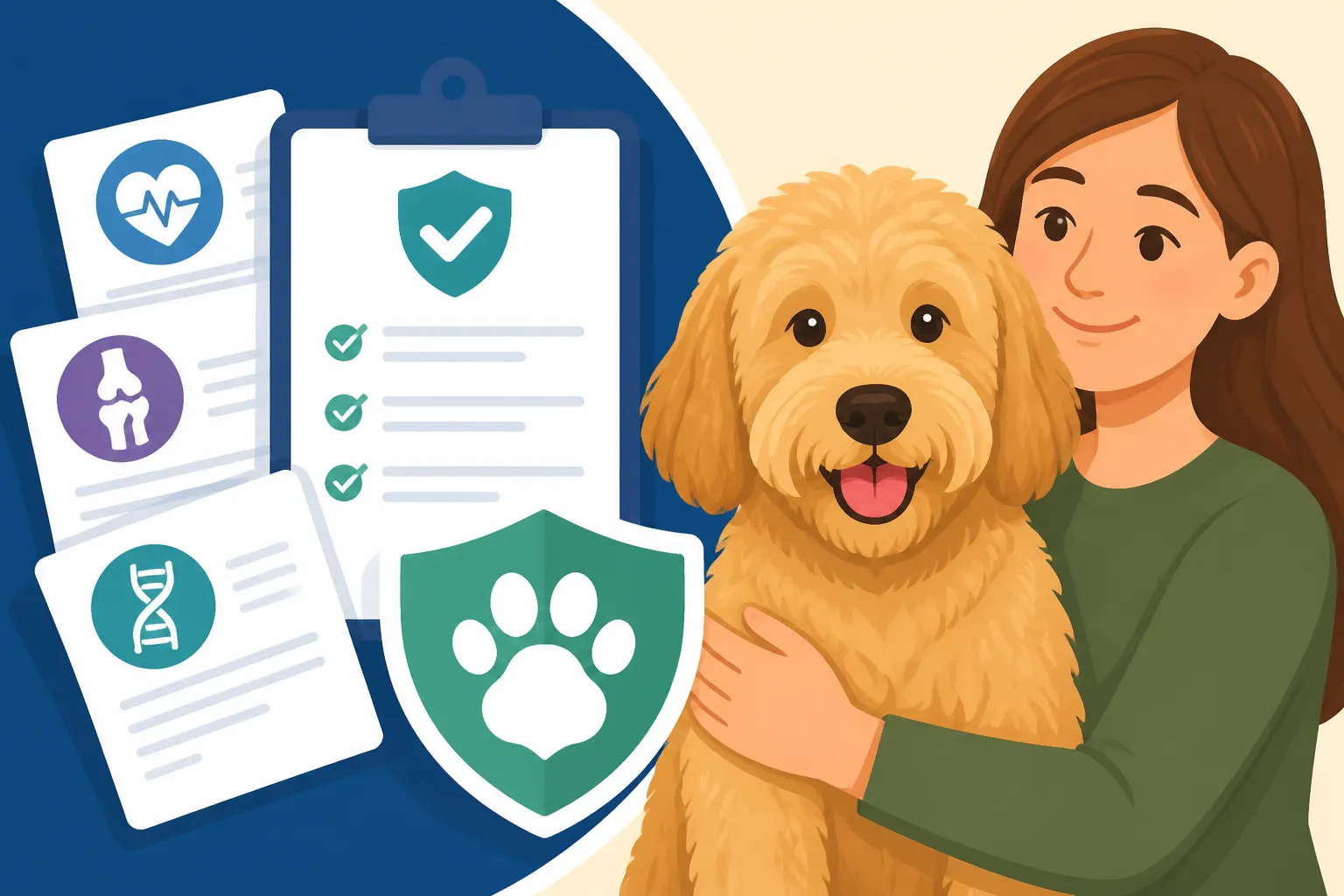
The term "health papers" itself can be a bit misleading because it’s not usually one official document like a car title. Instead, it refers to a collection of individual test results and certifications from various veterinary specialists and genetic testing companies. A responsible Goldendoodle breeder isn't just selling puppies; they're demonstrating a commitment to the health of their lines, and that means being transparent with these results. Without these papers, you're essentially buying a lottery ticket, hoping for the best but without any informed basis.
Essential Health Tests Every Goldendoodle Parent Needs
When it comes to Goldendoodles, the health papers you're looking for are primarily certifications and DNA test results for the parent dogs – the Golden Retriever and the Poodle. These tests screen for genetic conditions known to affect both parent breeds, and therefore, potentially their Goldendoodle offspring. Don't be shy about asking for these; it's a non-negotiable part of responsible breeding.
Orthopedic Clearances for Hips and Elbows
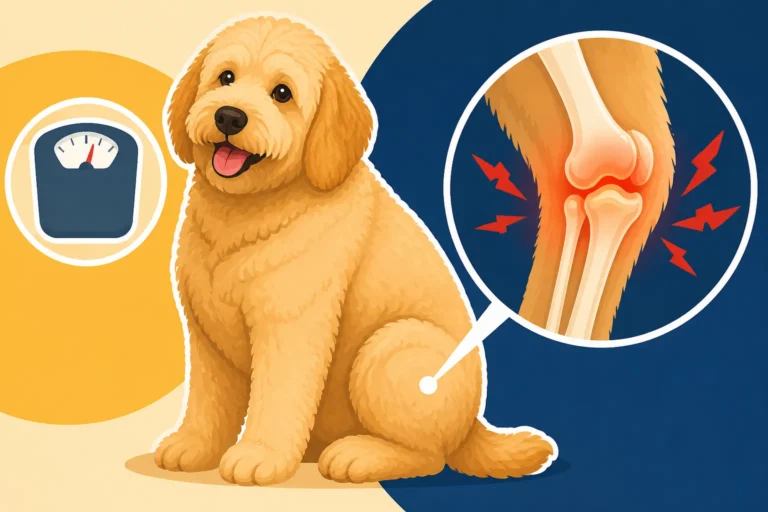
Hip and elbow dysplasia are unfortunately common orthopedic conditions in larger dog breeds, including Golden Retrievers and Standard Poodles. Even Mini Goldendoodles can be affected, as smaller versions of these breeds can still carry the genes. These conditions involve abnormal development of the hip or elbow joints, leading to arthritis, pain, and lameness. Getting results from reputable organizations like the Orthopedic Foundation for Animals (OFA) or the University of Pennsylvania Hip Improvement Program (PennHIP) is critical.
For OFA, you want to see a hip rating of Fair, Good, or Excellent. Anything less, or if a dog hasn't been tested, should be a red flag. For elbows, an OFA result should be "Normal." PennHIP provides a distraction index, and lower numbers indicate tighter, healthier hips. A breeder should be able to provide the official certificates or, even better, the OFA numbers that you can verify directly on the OFA public database. Remember, these evaluations need to be done on adult dogs, typically after 24 months of age, to be considered final. Puppy hip evaluations are often unreliable. You should also be asking for a discussion about Goldendoodle Hip Dysplasia and the OFA Numbers.
Eye Clearances and Genetic Eye Diseases
Both Golden Retrievers and Poodles can carry genes for various eye conditions, the most concerning of which is Progressive Retinal Atrophy (PRA). PRA is a degenerative disease that eventually leads to blindness. Fortunately, there are DNA tests available that can identify carriers and affected dogs before breeding.
A good breeder will provide evidence of a recent eye exam by a board-certified veterinary ophthalmologist, often through the OFA Eye Certification Registry (formerly CERF). This exam screens for observable conditions like cataracts and other structural abnormalities. Additionally, you absolutely need to see DNA test results for PRA, specifically progressive rod-cone degeneration (PRA-prcd) and other forms relevant to the parent breeds. A "clear" result means the dog does not carry the gene. If a parent is a "carrier," they should only be bred to a dog that is "clear" to avoid producing affected puppies. This is a prime example of What a Carrier PRA Result Means for a Goldendoodle.
Heart and Patella Screenings
Heart conditions, particularly subvalvular aortic stenosis (SAS), can be a concern in Golden Retrievers. Poodles can also be susceptible to various cardiac issues. A breeder should provide a cardiac clearance from a board-certified veterinary cardiologist, often an OFA Cardiac report. This usually involves an auscultation (listening to the heart) and sometimes an echocardiogram, depending on the breed and specific concerns. For the Goldendoodle parent breeds, specifically for the Poodle side, a basic practitioner exam is often sufficient, but for the Golden Retriever, a specialist exam is preferred.
For smaller Goldendoodles, especially Mini and Toy sizes, patellar luxation (slipping kneecaps) is another important screening. This condition is prevalent in smaller Poodles. An OFA Patellar Luxation evaluation should show a "Normal" rating. Just like with hips and elbows, these should be from evaluations done on mature dogs. A Goldendoodle buyer needs to understand that Patellar Luxation in a Mini Goldendoodle can lead to painful limping and costly surgeries if not properly screened for in the parent lines.
Genetic DNA Panels Beyond PRA
Thanks to advancements in genetic testing, breeders can now screen for a multitude of inherited diseases with a simple cheek swab or blood test. Companies like Embark Veterinary and Paw Print Genetics offer comprehensive panels for both Golden Retrievers and Poodles. These panels test for conditions such as:
- Von Willebrand Disease (vWD): A bleeding disorder found in Poodles.
- Ichthyosis: A skin condition common in Golden Retrievers.
- Degenerative Myelopathy (DM): A progressive neurological disease that affects both parent breeds.
- Addison's Disease: While not a direct DNA test in the same way, some lines of Poodles are prone to it, and a good breeder will be aware of their lines' history regarding this condition. You might not find a direct "paper" for Addison's prevention, but it's a conversation to have with the breeder about their lineage health.
- Neonatal Encephalopathy with Seizures (NEwS): A severe neurological disorder in Poodles.
A comprehensive DNA panel will typically list "clear," "carrier," or "affected" for each condition. As mentioned with PRA, a "carrier" parent should only be bred to a "clear" mate. The breeder should readily provide you with the full report, usually a PDF, detailing all the genetic conditions screened and the results for each parent. This transparency is crucial because it helps you understand Which DNA Tests Matter for a Goldendoodle Litter.
Understanding and Verifying Breeder Health Claims
Getting the papers is one thing, but understanding what they mean and verifying their authenticity is another crucial step. A responsible breeder won't just hand you a stack of papers; they'll walk you through them and explain what each certification signifies.
Reading and Interpreting OFA Records
The Orthopedic Foundation for Animals (OFA) maintains a public database of health certifications. If a breeder provides an OFA number for a parent dog, you can go to the OFA website (ofa.org) and search for that dog's results using its registered name or OFA number. This allows you to independently verify the hip, elbow, patella, and cardiac clearances. Look for:
- Permanent ID: Microchip or tattoo number.
- Breed: Golden Retriever or Poodle.
- Date of Birth: To ensure the dog was old enough for final clearances (24 months for hips/elbows).
- Results: Fair/Good/Excellent for hips, Normal for elbows/patellas, Normal for cardiac.
- Eye Exams: A "Normal" rating or specific noted conditions.
It's common for breeders to only list the OFA results that are "passing." A truly transparent breeder will be happy for you to look up their dogs in the public database, which is a great way of Reading a Goldendoodle Parent's OFA Record. If a breeder is hesitant or claims their dog's results aren't online for some vague reason, consider it a significant red flag.
Interpreting Genetic DNA Panel Results
When reviewing a DNA panel from Embark or Paw Print Genetics, pay close attention to the "Result" column for each disease.
| Condition | Golden Retriever Parent Result | Poodle Parent Result | Implications for Puppies |
|---|---|---|---|
| Progressive Retinal Atrophy | Clear | Clear | Puppies will be clear, low risk of inheriting PRA. |
| Von Willebrand Disease | Clear | Carrier | Puppies will be either clear or carriers, but not affected. |
| Ichthyosis | Carrier | Clear | Puppies will be either clear or carriers, but not affected. |
| Degenerative Myelopathy | Clear | Clear | Puppies will be clear, low risk of inheriting DM. |
| Neonatal Encephalopathy w/S | Clear | Clear | Puppies will be clear. |
- Clear: The dog does not have the gene mutation and will not pass it on. This is ideal.
- Carrier: The dog has one copy of the gene mutation but is not affected by the disease. If a carrier is bred to a clear dog, some puppies will be clear, and some will be carriers, but none will be affected. If two carriers are bred together, there's a 25% chance of producing affected puppies. This is why two carriers should never be bred.
- Affected: The dog has two copies of the gene mutation and is affected by the disease. Affected dogs should not be bred.
Ensure that for any recessive genetic disease, at least one parent is "clear." If both parents are listed as "carriers" for the same condition, walk away. This is crucial for avoiding foreseeable health issues. You need to know Which Embark Results Matter on a Goldendoodle Parent to make an informed decision.
Why Breeder Transparency Matters
A good breeder will be an open book about their dogs' health history, inviting questions and providing evidence without prompting. They should also be able to discuss the health of their breeding dogs' parents and grandparents. This shows a long-term commitment to improving the health of their lines. Be wary of breeders who:
- Only offer a "vet check" certificate for a puppy. While initial vet checks are important for a puppy's overall health, they don't replace genetic screening of the parents. A vet check doesn't tell you if the puppy's parents carry genes for hip dysplasia or PRA.
- Claim "hybrid vigor" means no testing is needed. This is a common and dangerous misconception used to justify cutting corners.
- Give vague answers or get defensive when asked about health papers.
- Only show you a piece of paper without letting you verify the results online or providing copies.
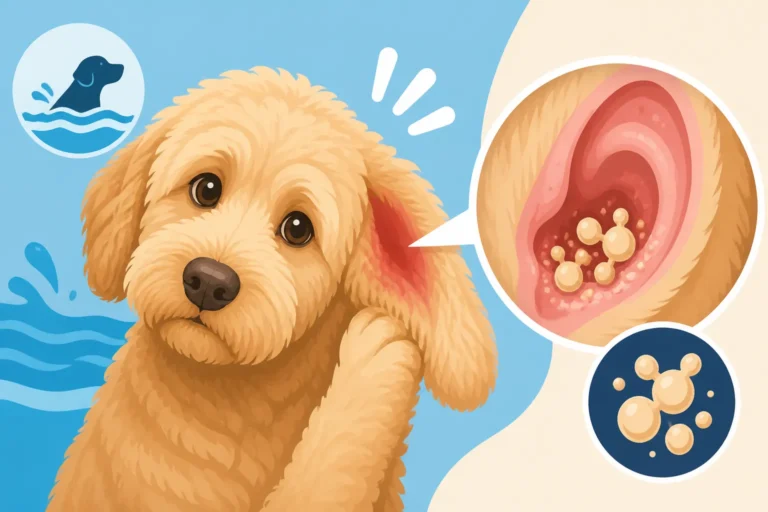
Even with the best health testing, unforeseen health issues can arise. This is where options like pet insurance can provide a vital safety net. Companies like Healthy Paws offer coverage that can help with unexpected veterinary bills, giving you peace of mind that you can afford the best care for your Goldendoodle, whether it's for an ear infection or something more serious.
What to Expect Beyond the Health Papers
Beyond the immediate health clearances, a responsible Goldendoodle breeder provides ongoing support and stands behind their puppies. These aren't "papers" in the traditional sense, but they are crucial components of a reputable breeder's offering.
The Health Guarantee and Its Limitations
Most ethical Goldendoodle breeders offer a health guarantee, typically for the first one to three years of a puppy's life, covering severe genetic or congenital conditions (like severe hip dysplasia, certain heart defects, or PRA). It's essential to read this document carefully and understand its terms.
- What it covers: Does it cover conditions like hip/elbow dysplasia, heart defects, or genetic eye diseases?
- What it requires: Do you need to return the dog for a replacement, or do they offer a partial refund towards treatment?
- Timeframe: What is the duration of the guarantee?
While a health guarantee is a good sign, it's not a substitute for proper parent health testing. Ideally, you want to mitigate risks through testing rather than rely solely on a guarantee after a problem arises. Also, understand that guarantees rarely cover things like common ear infections, allergies, or other general illnesses that can pop up. This is another area where having pet insurance, such as through Healthy Paws, can be incredibly beneficial, covering a wider range of unexpected health issues that a breeder's guarantee might not touch.
Vaccination Records and Puppy Health Checks
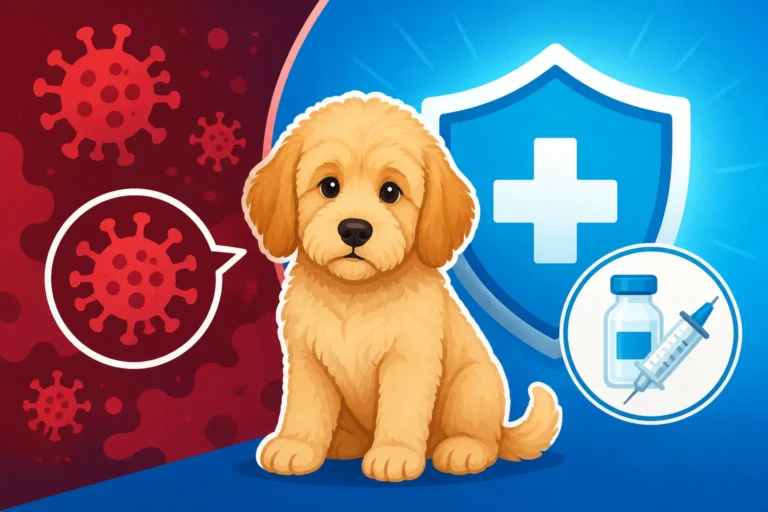
When you pick up your Goldendoodle puppy, you should receive a complete vaccination record detailing all shots administered, including dates and types of vaccines (distemper, parvovirus, adenovirus, parainfluenza). This is critical information for your vet's first visit. You should also get a record of deworming treatments.
Reputable breeders will also have had the puppies examined by a licensed veterinarian at least once, often multiple times, before they go to their new homes. This "health check" confirms the puppy is visibly healthy, free of obvious defects, and has a clear bill of health at the time of pickup. This initial vet report is important, but remember, it's distinct from the parent health clearances which are about genetic predispositions. This provides a baseline understanding of Goldendoodle Vaccination and Puppy Health Checks.
Sales Contract and Spay/Neuter Agreements
While not strictly "health papers," the sales contract is a legally binding document that outlines the responsibilities of both the buyer and the breeder. It often includes:
- Purchase price and payment terms.
- Health guarantee details.
- Spay/neuter agreement: Many breeders require puppies to be spayed or neutered by a certain age, often with a clause about returning papers or a portion of the purchase price if proof isn't provided. This is usually to protect their lines from accidental or unauthorized breeding.
- Return policy: What happens if you can no longer care for the dog? A good breeder will always take their dogs back at any point in their life.
Carefully review the entire contract before signing. It protects both you and the breeder and sets clear expectations for the Goldendoodle's future. The entire process of reviewing these documents, along with the health papers, ensures you're making an informed decision for your family and your new Goldendoodle.
Disclaimer
This article is for informational purposes only and is not a substitute for professional veterinary advice. Always consult with a qualified veterinarian for any health concerns or before making any decisions about your pet's health or treatment.