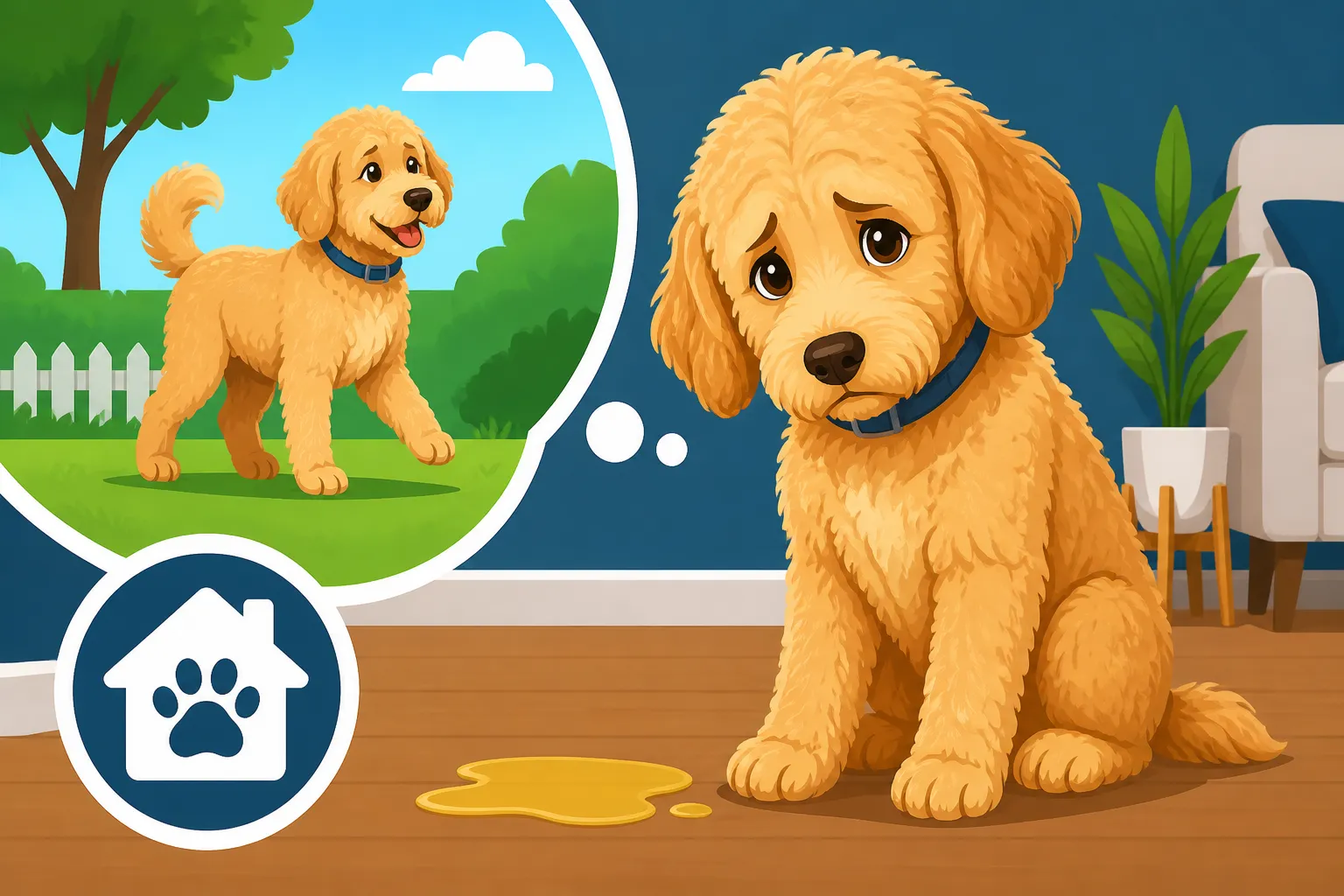
A Goldendoodle Regressing on House Training
It can be incredibly disheartening, not to mention messy, when your beloved Goldendoodle, who you thought was perfectly house-trained, suddenly starts having accidents indoors. You feel like you've done everything right, put in the hard work, and then out of nowhere, you're cleaning up puddles or worse again. This guide is here to walk you through the common reasons why a Goldendoodle might regress on their house training and, most importantly, provide actionable steps to get you and your furry family member back on track.
Understanding Why Regression Happens
When your Goldendoodle starts having accidents again, it’s easy to feel frustrated and even a little confused. After all, they knew what to do before, right? Regression isn't usually a sign that your dog is being stubborn or defiant; it's almost always a symptom of an underlying issue, whether medical, environmental, or behavioral. Pinpointing that root cause is your first and most crucial step.
Medical Reasons for Sudden Accidents
The very first thing you should do when house training regression occurs is to schedule a visit to your veterinarian. This isn't just a precaution; it's a necessity. Many medical conditions can manifest as a sudden inability to hold urine or feces, or an increased urgency to go. Overlooking a physical cause can delay proper treatment and prolong your Goldendoodle's discomfort and your frustration.
Urinary tract infections (UTIs) are perhaps the most common culprits. A UTI can make it impossible for your Goldendoodle to hold their bladder, leading to frequent urination, sometimes just small dribbles, and often accidents indoors because they simply can't wait to get outside. You might also notice them straining to urinate, or their urine might appear cloudy or have a strong odor. Since Goldendoodles are generally quite stoic and want to please, they might not show obvious signs of pain until the infection is quite advanced, so even subtle changes warrant a vet check.
Beyond UTIs, other medical issues can be at play. Bladder stones, kidney disease, diabetes, or even certain endocrine disorders can lead to increased thirst and thus increased urination, overwhelming your dog's ability to hold it. Pain, such as from arthritis, hip dysplasia (a concern in Goldendoodles, as discussed in Goldendoodle Hip Dysplasia at 15 to 20 Percent), or an injury, might make it painful for your dog to get into a squatting position, or make them reluctant to go outside in inclement weather, preferring the comfort of an indoor spot. Even gastrointestinal upset, like a sudden bout of diarrhea, can catch a previously well-trained dog off guard, leading to accidents that are purely physical and not behavioral. Your vet can perform tests like urinalysis, blood work, and possibly imaging to rule out these possibilities.
Behavioral & Environmental Stressors
Once medical causes have been ruled out, it’s time to play detective with your Goldendoodle’s environment and routine. Dogs thrive on routine and stability, and even minor changes can be significant stressors that lead to behavioral regression. Think about anything that has shifted in your home or your dog's life recently.
A new routine, such as a change in your work schedule leading to longer periods alone, can be a major stressor. If your Goldendoodle was used to potty breaks every few hours and now has to hold it for six or eight, they might simply not be physically able to, or the anxiety of the change could trigger accidents. Similarly, a move to a new home, the arrival of a new baby or pet, or even a houseguest can disrupt their sense of security and their established territory. A Goldendoodle, being naturally sensitive and intelligent, can pick up on these changes and react with anxiety, which might manifest as house soiling. For more on their natural inclinations, you might find What a Goldendoodle Inherits From Each Parent Breed insightful.
Fear and anxiety are huge drivers of house training regression. Loud noises, new people, or even changes in the weather (some dogs genuinely dislike rain or snow) can make a dog hesitant to go outside. For some Goldendoodles, particularly those prone to separation anxiety, being left alone can trigger urination or defecation. This isn't spite; it's a panic response. If your Goldendoodle is showing other signs of distress when left alone, like destructive chewing, excessive barking, or pacing, this is a strong indicator that separation anxiety is at play. Even subtle shifts in diet or water intake can affect their bathroom schedule, making previously predictable trips outside less effective.
Re-establishing House Training Foundations
Once you've either treated a medical condition or identified a behavioral/environmental trigger, the next step is to go back to basics. Think of it as hitting the reset button on their house training. This isn't about punishment; it's about clear communication, consistency, and positive reinforcement, rebuilding their confidence and understanding.
Back to Basics: The Puppy Protocol
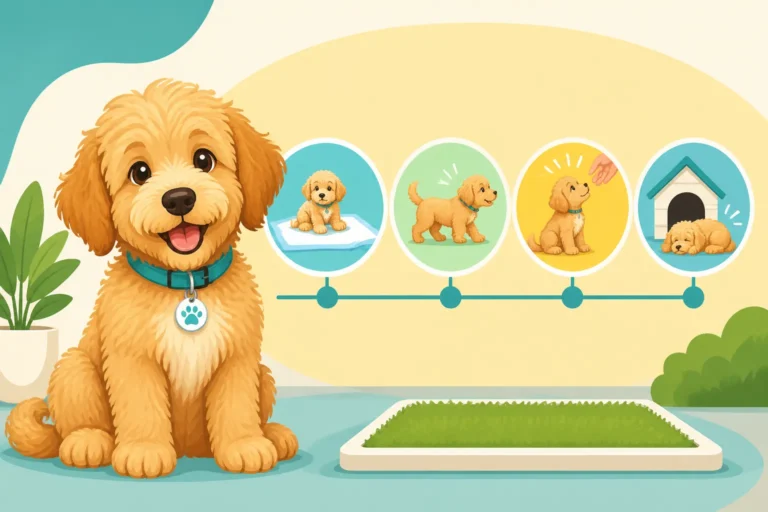
Remember those early days of puppyhood, with constant trips outside and diligent supervision? It’s time to revive that protocol. Start by treating your Goldendoodle as if they were an untrained puppy again. This means taking them out frequently – every 1-2 hours initially, immediately after waking up, after eating or drinking, and before bed. Always take them to the same designated potty spot. Use a consistent phrase like "go potty" or "do your business" to associate the command with the action.
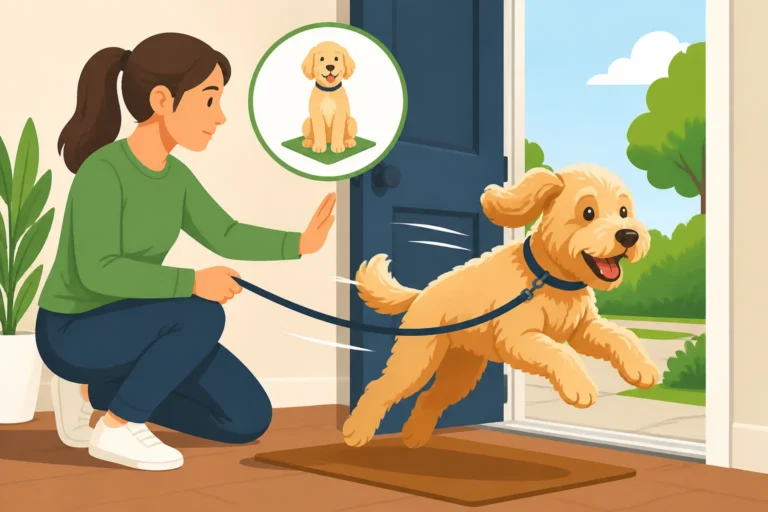
When they successfully eliminate outside, praise them lavishly and offer a high-value treat. Make it a celebration! The idea is to make going outside the most rewarding experience possible. Supervise them constantly indoors. This might mean having them on a leash tethered to you, especially if you're working from home. The moment you see any signs of them needing to go – sniffing, circling, heading towards a door – immediately scoop them up (if small enough) or lead them outside. If you’re looking for a structured approach that you can do from home, programs like BAXTER & Bella offer excellent online resources that can guide you through this kind of re-training step-by-step.
Crate training can be an invaluable tool during this period, provided your Goldendoodle views their crate as a safe, comfortable den and not a punishment. Dogs are generally reluctant to soil their sleeping area. When you cannot actively supervise your Goldendoodle, they should be in their crate for short periods. This helps prevent accidents and reinforces the idea of holding it until they are taken outside. Ensure the crate is appropriately sized – just large enough for them to stand up, turn around, and lie down comfortably. If it’s too big, they might use one end as a bathroom. For more detailed insights, you might want to review Crate Training a Goldendoodle That Screams if your Goldendoodle struggles with crate confinement.
Managing the Environment for Success
While you're re-establishing the routine, it's crucial to manage your home environment to minimize opportunities for accidents and ensure any past mistakes are thoroughly dealt with. This means limiting your Goldendoodle's unsupervised access to areas where accidents have occurred. Consider baby gates or closing doors to rooms you cannot actively watch.
Crucially, any past accidents need to be cleaned with an enzymatic cleaner designed specifically for pet stains. Regular household cleaners might remove the visible stain, but they won't eliminate the odor entirely. Dogs have an incredibly keen sense of smell, and if they can still detect the scent of urine or feces, they are more likely to return to that spot to relieve themselves again. Products widely available on Amazon are excellent for breaking down pet waste enzymes, removing the odor at its source, and helping prevent repeat offenses.
| Cause of Regression | Immediate Action | Long-Term Strategy |
|---|---|---|
| Medical Issue | Vet visit for diagnosis & treatment | Regular vet check-ups; consistent health monitoring |
| Environmental Change | Identify & minimize stressor; re-establish routine | Gradual exposure to new stimuli; build confidence |
| Separation Anxiety | Start short alone-time training; consult professional | Desensitization; counter-conditioning; potentially medication |
| Fear/Stress | Identify triggers; create safe space; positive association | Behavior modification; consistent positive reinforcement |
| Inconsistent Routine | Strict potty schedule (every 1-2 hrs initially) | Maintain predictable routine; praise outdoor elimination |
| Incomplete Cleaning | Use enzymatic cleaner on all past accident spots | Prompt, thorough cleaning of any new accidents |
Addressing Underlying Behavioral Issues
Sometimes, house training regression isn't just about a change in routine; it's a symptom of deeper behavioral challenges that need specific attention. Goldendoodles are intelligent and sensitive dogs, and while they are eager to please, they can also be prone to certain anxieties that impact their behavior.
Tackling Separation Anxiety-Related Accidents
Goldendoodles are often described as "Velcro dogs" due to their strong attachment to their human families. This wonderful trait, however, can sometimes lean into full-blown separation anxiety, where being left alone causes immense distress. If your Goldendoodle's accidents primarily occur when you leave the house or even just leave the room, and are accompanied by other signs like destructive chewing (especially around exits), excessive barking or howling, pacing, or frantic greetings upon your return, then separation anxiety is likely a significant factor. You can learn more about this in Goldendoodle Separation Anxiety From Both Parent Lines.
Addressing separation anxiety requires a careful and patient approach, starting with building positive associations with alone time. Begin with very short absences – just a few seconds – and gradually increase the duration. Provide high-value, long-lasting chew toys or puzzle feeders stuffed with delicious treats right before you leave. This distracts them and creates a positive experience associated with your departure. Avoid making a big fuss when you leave or return; keep hellos and goodbyes calm and low-key. Consider installing a pet camera to monitor their behavior when you're gone. If the anxiety is severe, professional help from a certified dog trainer or a veterinary behaviorist is highly recommended. They can help develop a tailored desensitization and counter-conditioning program, and in some cases, medication might be considered to help your Goldendoodle cope. Online training platforms like BAXTER & Bella can also provide excellent resources for managing alone time effectively.
Fear, Stress, and Submissive Urination
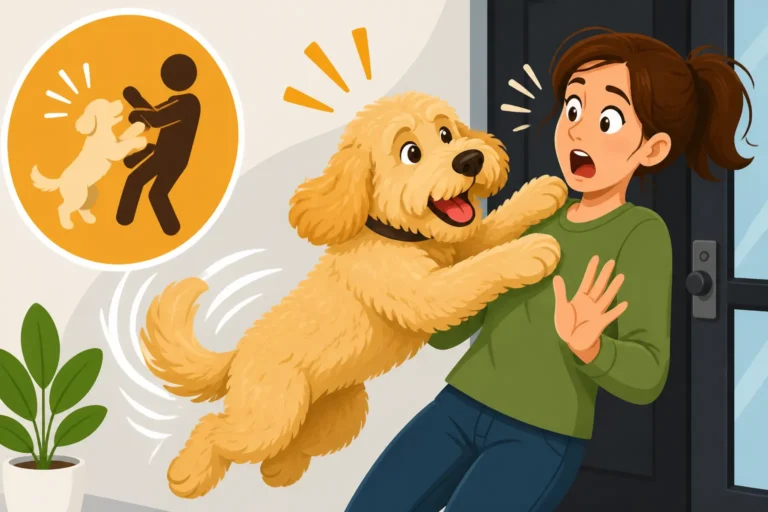
Beyond separation anxiety, general fear or stress can also lead to house training regression. This might stem from an unpleasant experience outside, such as a loud noise startling them during a potty break, or an encounter with another dog that makes them reluctant to go back to that area. Goldendoodles, with their Poodle heritage, can be quite sensitive to their environment, and something you might dismiss as minor could be significant to them. Accidents can also occur out of submissive urination, particularly in sensitive or shy Goldendoodles who might urinate when excited, fearful, or being greeted. This is involuntary and not something they can control.
To address fear and stress, first identify the triggers. Is it specific noises, certain people, or particular situations? Once identified, work on creating a safe, calm environment for your Goldendoodle. Ensure they have a comfortable, private retreat, like their crate or a specific dog bed, where they feel secure. For fear-related issues, counter-conditioning and desensitization are key. This involves gradually exposing your dog to the trigger at a very low intensity, while simultaneously providing something positive, like tasty treats or gentle praise. The goal is to change their emotional response from fear to a positive anticipation. For example, if they're scared of the rain, start by giving treats while it's just drizzling, moving closer to the door, until they associate rain with good things. It’s also important to understand Why Harsh Corrections Backfire on a Goldendoodle, as punitive training methods will only exacerbate fear and anxiety, making the problem worse.
Distinguishing between true house training regression and marking behavior is also important. Marking is often done by intact (unneutered or unspayed) dogs and involves urinating small amounts on vertical surfaces, typically to establish territory. While it can happen in spayed/neutered dogs too, especially if there's another dog in the house, it's typically a different motivation than a full bladder release. If your Goldendoodle is marking, behavioral interventions and sometimes even medical consultation to rule out underlying issues are necessary, along with a thorough cleaning regimen to remove scent markers.
Long-Term Strategies for Prevention
Preventing house training regression in the long run hinges on maintaining consistency, understanding your Goldendoodle’s needs, and proactive health monitoring. House training isn't a "one-and-done" deal; it's an ongoing commitment to communication and care.
Consistent Routine and Communication
Once your Goldendoodle is back on track, the temptation might be to relax the routine. However, consistency is your best friend when it comes to maintaining excellent house training habits. Continue to take your Goldendoodle out on a regular schedule, even if they seem to "tell" you they need to go less often. Keep those potty breaks predictable: first thing in the morning, after meals, before bed, and several times throughout the day. This reinforces the expectation and builds strong habits. Goldendoodle Potty Training by Week offers a good framework for consistency even beyond puppyhood.
Learning to read your Goldendoodle's subtle cues is also incredibly important. While some dogs will stand by the door and whine, others might just sniff around, pace, or quietly stare at you. Pay attention to these precursor behaviors. Catching them early allows you to usher them outside before an accident happens, reinforcing the correct behavior. Always celebrate successful outdoor eliminations with praise and treats, maintaining that positive association. Remember that Goldendoodles often have a strong desire to please, so positive reinforcement will be highly effective in maintaining these good habits.
Regular Vet Check-ups and Monitoring
Even after an initial vet check for regression, ongoing health monitoring is vital for prevention. As Goldendoodles age, they can become more susceptible to conditions that affect bladder and bowel control, such as kidney disease, cognitive dysfunction, or increased frequency of UTIs. Regular wellness exams, especially as your Goldendoodle moves into their senior years, can help detect these issues early. Your vet can perform routine blood work and urinalysis to catch any changes before they lead to accidents. For older Goldendoodles, addressing mobility issues can also prevent accidents, as they may struggle to get outside quickly enough or even find it painful to squat. You can learn more about this in Senior Goldendoodle Vet Visits After Nine.
Furthermore, continue to be observant of any changes in your Goldendoodle’s thirst, appetite, energy levels, or general demeanor. Sometimes, a subtle shift in behavior, even seemingly unrelated to potty habits, can be the first sign of an underlying health problem. If you notice any deviations from their normal routine or personality, a quick call to your vet is always a good idea. Proactive care is the best way to ensure your Goldendoodle remains healthy, happy, and reliably house-trained throughout their life.
Disclaimer
This article is for general informational purposes only and does not constitute professional advice. Laws, prices and regulations vary by location and change over time. Consult a qualified professional for guidance on your specific situation.