A Goldendoodle That Snaps During Grooming
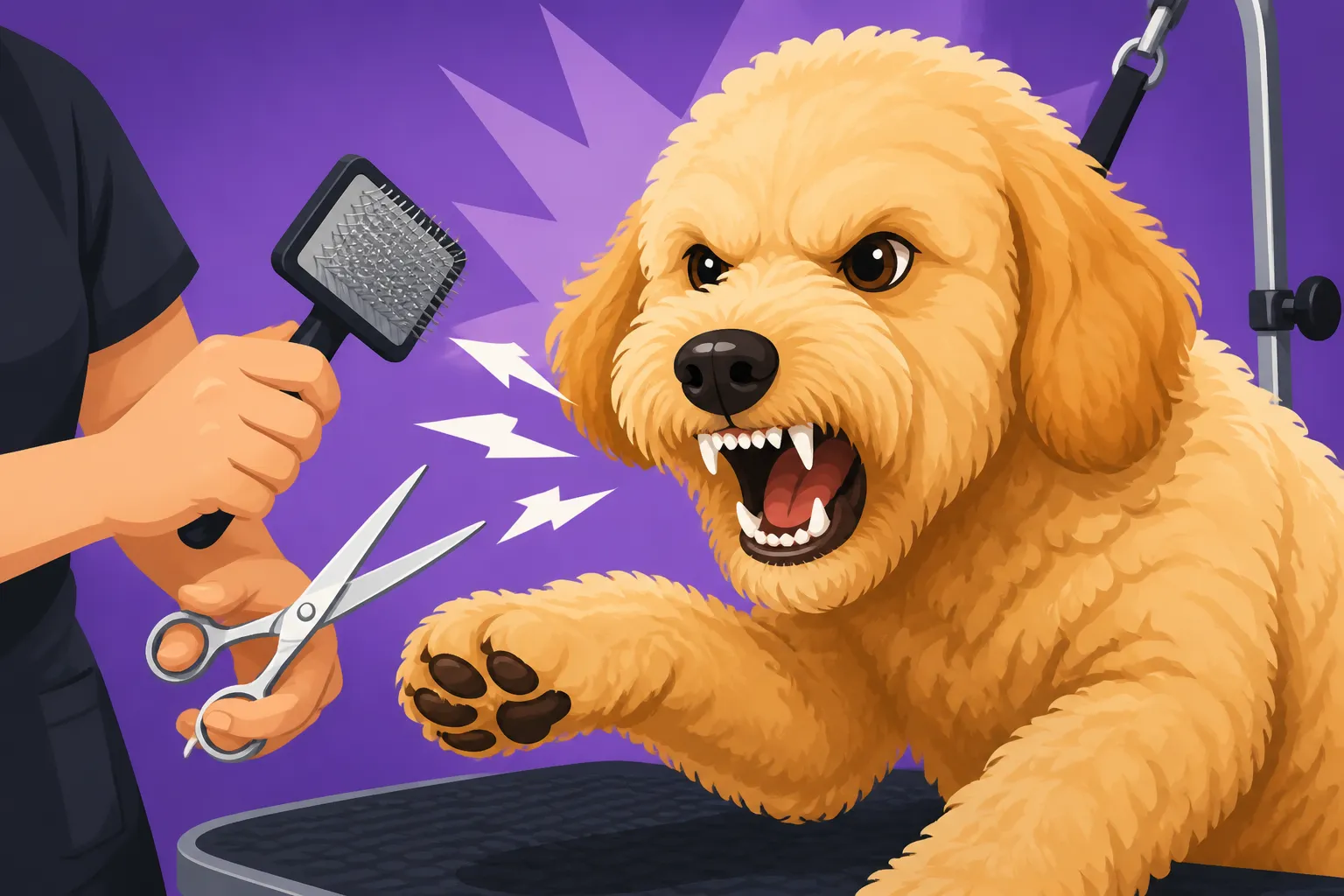
It’s incredibly upsetting and even frightening when your beloved Goldendoodle, usually so sweet and eager to please, suddenly snarls or snaps during a grooming session. This isn't just a minor inconvenience; it's a clear signal that something is seriously wrong for your dog, and it can leave you feeling confused, heartbroken, and even a little scared. This guide will walk you through understanding why your Goldendoodle might resort to snapping, how to ensure everyone's safety in the moment, and most importantly, how to rebuild trust and make grooming a positive, stress-free experience for both of you.
Understanding Why Your Goldendoodle Snapped During Grooming
When a Goldendoodle snaps, it’s rarely out of malice. It's almost always a last-resort communication from a dog that feels threatened, in pain, or completely overwhelmed. Understanding the root cause is the first step to addressing the behavior and preventing future incidents.
Is it Pain or Discomfort?
This is often the number one reason a dog will snap during grooming. Our Goldendoodles are stoic creatures sometimes, and they might not show obvious signs of pain until it becomes unbearable. Imagine someone pulling on a matted clump of hair that's tugging at their skin, or trying to trim nails when their quick has been cut before. It's incredibly painful and can quickly lead to a defensive reaction.
Consider areas that are particularly sensitive:
- Mats: Goldendoodles are famous for their luscious, but sometimes challenging, coats. Even small mats hidden deep within the undercoat can cause immense pain when brushed or pulled. Why Goldendoodle Matting Is Almost Always Preventable explains how easily this can happen. Areas like behind the ears, armpits, and under the collar are notorious for matting. If a brush hits a tender mat, the dog's instinct is to pull away, and if restrained, to lash out.
- Joint Pain: As Goldendoodles age, or even if they have underlying conditions like hip or elbow dysplasia, being held in certain positions or having their limbs manipulated can be excruciating. A groomer might be trying to trim paw pads, but if the dog’s hip is sore, the stretching required could trigger a snap. Goldendoodle Joint Health by Size Category delves into these concerns.
- Ear Infections: Goldendoodles are prone to ear infections due to their floppy ears and hair growth within the canal. If you try to clean or even just touch an infected ear, the pain can be sharp and sudden, leading to a snap. Goldendoodle Ear Infections Under a Furnished Ear highlights this common issue.
- Dental Issues: Believe it or not, dental pain can make a dog reactive during grooming. If their mouth is sore from a broken tooth, gum disease, or even retained puppy teeth in smaller Goldendoodles, they might snap if their face is handled near their mouth.
- Other Injuries or Health Issues: A hidden cut, a hot spot, a strained muscle, or even a skin irritation could be the culprit. If your Goldendoodle suddenly starts snapping, especially if it’s out of character, a vet visit should be your first port of call. Goldendoodle Behavior Shifts That Mean Something Hurts further explores how pain manifests in behavior.
Is it Fear, Anxiety, or Lack of Socialization?
Grooming involves a lot of strange sensations: buzzing clippers, the spray of water, unfamiliar smells, loud dryers, and being held still by a person. For a dog that hasn't been properly introduced to these experiences, it can be terrifying.
- Negative Past Experiences: If your Goldendoodle had a traumatic grooming experience as a puppy – perhaps a painful mat removal, an accidental nick, or rough handling – they can carry that fear for a long time. Every subsequent grooming session becomes a reminder, building anticipation and anxiety.
- Lack of Early Introduction: Puppies need to be exposed to grooming tools and handling from a very young age, gradually and positively. If your Goldendoodle wasn't taught to accept brushes, nail trims, and baths as a young pup, these activities can feel invasive and scary when they're older and stronger. Why Goldendoodle Grooming Training Starts Week One emphasizes the importance of this early exposure.
- Sensory Overload: The noise of clippers, the vibration against their skin, the forced air from a dryer – all of these can be overwhelming. Some Goldendoodles are more sensitive than others. They might not understand what's happening and interpret the tools as threats.
- Feeling Trapped or Restrained: Being held still, especially on a grooming table, can make a dog feel trapped and helpless. If they can’t escape a perceived threat or discomfort, snapping is their only way to try and make it stop. This is particularly true for dogs who haven't had positive crate training or cooperative care introduced gently.
Is it a Lack of Training or Clear Boundaries?
Sometimes, the snapping isn't entirely fear-based but rather a learned behavior, or a dog pushing boundaries because they haven't been taught otherwise.
- Undertraining for Handling: Many Goldendoodles don't receive enough consistent, positive handling practice from puppyhood. Owners might only brush them when they're matted, or only trim nails when they're too long, making the experience inherently unpleasant. Dogs need to learn that being touched, having their paws handled, and their ears cleaned is a normal, non-threatening part of life. Handling a Goldendoodle's Paws Every Single Day and Getting a Goldendoodle to Accept Ear Handling are crucial aspects to train.
- Testing Boundaries: If a dog has learned that a growl or a snap makes the unpleasant thing stop, they will try it again. This isn't necessarily dominance, but rather an effective communication strategy from their perspective. They're telling you, "I don't like this, and I want it to stop." If it works, they'll continue.
- Over-Excitement or Poor Impulse Control: Some Goldendoodles can get over-aroused, especially if they are particularly high-energy or haven't learned to settle. While not direct aggression, an over-excited dog might mouth or snap out of frustration or a lack of self-control, especially if the grooming session goes on too long.
Immediate Steps for Safety and De-escalation
When your Goldendoodle snaps, your first priority is to ensure the safety of everyone involved and to de-escalate the situation calmly. Panicking or reacting harshly can make things much worse.
Prioritizing Everyone's Safety
A dog snapping is a serious warning sign. It’s their way of saying, “I’m uncomfortable, and I might bite.”
- Stop Immediately: The moment your Goldendoodle shows any sign of discomfort – stiffening, whale eye, growling, or snapping – stop what you are doing. Continuing will only escalate the situation and confirm to your dog that they need to escalate their warnings too. Put down the clippers, brush, or nail trimmers.
- Assess the Threat and Yourself: Take a deep breath. Are you in a position where you could be bitten? Is your dog still agitated? Give them a moment to cool down. If you feel nervous or angry, your dog will pick up on that, intensifying their own stress.
- Consider a Muzzle: If you know your Goldendoodle is likely to snap during a necessary grooming task (like a critical mat removal or a nail trim before a vet visit), a muzzle is a safety tool, not a punishment. It protects you and others while you address the immediate issue. Ensure it's a comfortable, well-fitting basket muzzle that allows them to pant and drink, rather than a tight, restrictive fabric muzzle. Introduce it positively with treats, well before any grooming. Muzzle Training a Goldendoodle for the Groomer is an important read here.
- Remove the Pressure: Gently move your hand away. If they are on a grooming table, ensure they are securely leashed but not overly restrained. Allow them to move slightly if they need to, as long as it's safe.
Ending the Session and Assessing the Situation
Once you’ve stopped the immediate grooming, it’s crucial to know when to call it quits for the day and what to do next.
- Don't Push It: If your Goldendoodle has snapped, the grooming session is over. Do not try to finish "just one more nail" or "just this last mat." Pushing a dog past their breaking point erodes trust and makes future sessions even harder. It teaches them that their warnings are ignored, forcing them to use more extreme measures.
- Examine for Obvious Injury or Pain: Once calm, gently (if safe to do so) check the area you were working on. Is there a visible mat? A cut? A swollen ear? If you suspect pain, make an appointment with your veterinarian before attempting any more grooming. This is non-negotiable.
- Reflect on the Triggers: What exactly happened right before the snap? Was it the sound of the clippers? The pulling of the brush? Being held in a specific way? Identifying these triggers is vital for creating a positive training plan.
- Seek Assistance if Necessary: If you are unable to safely disengage or if the dog is truly aggressive and you fear for your safety, call for help from another adult in the household, or if necessary, a professional dog handler or emergency vet line.
| Trigger for Snapping | Immediate Action | Potential Underlying Issue | Next Steps |
|---|---|---|---|
| Sudden yelp/flinch when touched | Stop immediately, gentle reassurance, check for injury | Pain, mats, skin irritation | Vet check, inspect coat thoroughly |
| Growling/stiffening when groomed | Stop, calmly remove tool, allow space | Fear, past trauma, boundary testing | Reassess grooming environment, implement positive training |
| Snapping when restrained | Release gentle pressure, ensure dog feels secure | Feeling trapped, anxiety | Practice cooperative care without restraint initially |
| Intense dislike of specific tool | Stop, put tool away, praise for calm | Fear of sound/sensation | Desensitize to tool slowly, pair with treats |
Long-Term Strategies for Positive Grooming
Rebuilding trust and creating a positive grooming experience for a Goldendoodle that has snapped requires patience, consistency, and a commitment to positive reinforcement.
Building a Foundation of Cooperative Care
Cooperative care is all about teaching your dog to consent to handling and grooming, rather than forcing them to tolerate it. This involves making grooming a choice, not a command.
- Start Small and Short: Forget about full grooming sessions for a while. Your goal is to create many tiny, positive interactions. This might mean simply touching a paw for a second and immediately giving a high-value treat, then repeating that many times over days.
- The "Touch and Treat" Game: Gently touch a sensitive area (like an ear, a paw, or a patch of hair) for just a second, then immediately give a fantastic treat and praise. Repeat. As your dog tolerates it, gradually increase the duration of the touch. The key is to stop before they get uncomfortable. You want them to associate the touch with something wonderful.
- Introduce Tools Gradually: Bring out the brush, the clippers, the nail trimmers. Let your Goldendoodle sniff them. Place them on the floor. If they show interest, give a treat. Then, turn them on (clippers/dryer) in another room so the sound is distant. Pair the sound with treats. Slowly, over days or weeks, bring the sound closer. Touch the back of the clippers to their body (not the blade) for a second, then treat. Gradually work up to actual grooming. This process, known as Desensitising a Goldendoodle to Clippers, is vital.
- "Relax on a Mat" Training: Teach your Goldendoodle to settle calmly on a mat or bed. This gives them a "safe space" during grooming, and you can reward them for staying there quietly. Many online programs, including resources from BAXTER & Bella, offer fantastic guidance on this type of foundational training. It's about teaching impulse control and self-settling.
- Practice Handling Daily: Even when you’re not grooming, gently touch your Goldendoodle’s ears, paws, mouth, and tail. Make it a normal, pleasant part of your daily routine. This builds a positive association with handling and makes actual grooming less of a shock.
Desensitization and Counter-Conditioning Techniques
These are powerful behavior modification techniques that change your dog's emotional response to something they fear or dislike.
- Desensitization (DS): This involves gradually exposing your dog to the trigger (e.g., the brush, clippers) at a very low intensity, below the point where they react. For example, if they hate the brush, start by just showing them the brush from across the room.
- Counter-Conditioning (CC): This means changing your dog's negative emotional association with the trigger to a positive one. Every time they see the brush (or hear the clippers, or have their paw touched), something good happens (a high-value treat, praise, a favorite toy).
- Combining DS & CC: Show the brush (DS) -> Give a treat (CC). Touch the brush to their back for half a second (DS) -> Give a treat (CC). The key is to keep the exposure brief and always end on a positive note, before your dog becomes stressed or reactive. If your dog flinches, you’ve gone too fast. Take a step back.
- High-Value Rewards: This isn't the time for regular kibble. Use something your Goldendoodle absolutely loves, like small pieces of cheese, cooked chicken, peanut butter (xylitol-free!), or special training treats. These powerful rewards help create strong positive associations. Many excellent training treats are available on Amazon.
- Know Your Dog's Threshold: Pay close attention to your Goldendoodle's body language. Subtle signs like lip licking, yawning, looking away, head turning, or a tense body are all indicators of stress. Stop before they escalate to growling or snapping.
- Short, Frequent Sessions: Instead of one long, stressful grooming session, aim for multiple very short (1-5 minute) positive sessions each day. Consistency is more important than duration. Building a Goldendoodle's Tolerance for Two Hours comes only after many months of these short, positive interactions.
Essential Tools for Stress-Free Grooming
Having the right tools, and knowing how to use them gently, makes a huge difference.
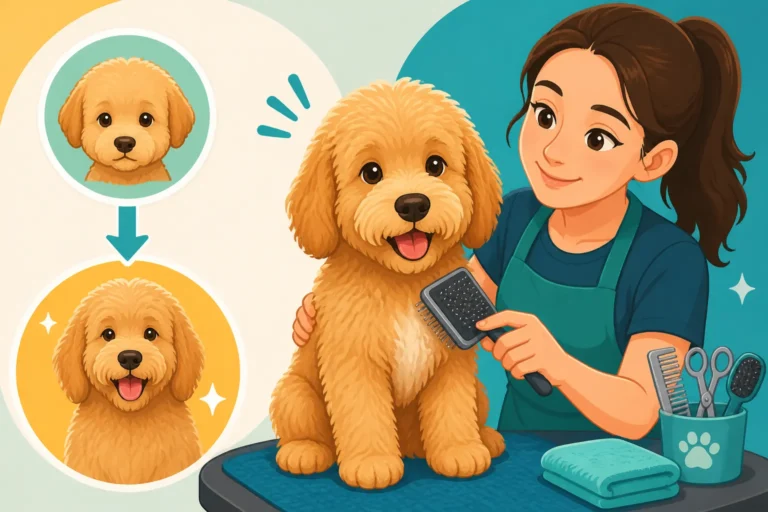
- Quality Brushes and Combs: A good slicker brush and a sturdy metal comb are indispensable for Goldendoodles. Line brushing, where you part the coat and brush in sections down to the skin, prevents painful mats. Make sure your tools are clean and in good repair. The Slicker Brush and Comb a Goldendoodle Needs details why these are so important.
- Dematting Spray and Conditioner: Never brush a dry coat. A good detangling spray can help the brush glide through, making the experience more comfortable. Conditioners after bathing also help prevent mats.
- Silent or Low-Noise Clippers: If your Goldendoodle is sensitive to noise, investing in quiet clippers can be a game-changer.
- Nail Grinder vs. Clippers: Some dogs tolerate a Dremel-style nail grinder better than clippers, as it removes the sudden pressure and "snip" sound. Again, introduce it slowly and positively.
- Grooming Table with Arm: While professional tables have these, a small, sturdy table at home with a grooming arm can help keep your Goldendoodle safely contained and at a comfortable working height for you, reducing strain on both of you. It's about stability, not punishment.
- Non-Slip Mats: On any grooming surface, ensure there's a non-slip mat so your dog feels secure and isn't constantly bracing themselves, which can add to their stress.
When to Call in Professional Help
If you've tried the above strategies and your Goldendoodle is still snapping, or if the behavior is escalating, it's crucial to seek professional help. You shouldn't have to live in fear of grooming your own dog.
Consulting Your Veterinarian First
Always, always rule out medical causes first. This cannot be stressed enough.
- Comprehensive Health Check: Schedule a full physical exam with your vet. Explain the snapping behavior in detail, noting when it started, what triggered it, and any other changes you’ve noticed.
- Pain Assessment: Your vet can specifically check for pain in joints, ears, teeth, skin, and any other potential areas. They might recommend blood tests or imaging (X-rays) if they suspect an underlying issue like arthritis or hip dysplasia.
- Medication for Anxiety/Pain: If a medical cause is found, treating it might resolve the snapping. In cases of severe anxiety surrounding grooming, your vet might prescribe anti-anxiety medication to be used short-term to help lower their stress threshold during training, or even a sedative for particularly challenging professional grooming appointments. This is typically a last resort, used to facilitate training, not replace it.
Working with a Certified Professional Dog Trainer or Behaviorist
Once medical issues are ruled out, a qualified professional can provide tailored guidance and hands-on help.
- Certified Professional Dog Trainer (CPDT-KA/KPA-CTP): A trainer specializing in positive reinforcement and cooperative care can help you implement the desensitization and counter-conditioning protocols effectively. They can observe your interactions, identify subtle body language cues you might be missing, and teach you techniques to make grooming more comfortable. Finding a Trainer Who Works With Goldendoodles is crucial for success.
- Veterinary Behaviorist (DACVB) or Certified Applied Animal Behaviorist (CAAB): If the snapping is severe, seems generalized, or presents with other concerning behavioral issues, a veterinary behaviorist is a veterinarian with specialized training in animal behavior. They can diagnose and treat behavioral disorders, including prescribing behavior-modifying medications if appropriate, in conjunction with a comprehensive training plan.
- Choosing the Right Professional: Look for someone who uses force-free, positive reinforcement methods. Avoid anyone who suggests harsh corrections, punishment, or dominance-based training, as these methods will only increase your Goldendoodle's fear and reactivity, making the problem worse.
- Groomer Collaboration: Find a groomer who is willing to work with your dog's specific needs and your training plan. Many groomers offer "happy visits" where your Goldendoodle can just come in, get treats, and leave without any actual grooming, building positive associations with the salon. A good groomer understands that Why Groomers Refuse Some Goldendoodles often comes down to lack of early training and fear. They might also advise on The Goldendoodle Coat Change at Eight to Twelve Months, a tricky period that often causes matting and discomfort.
Remember, addressing snapping during grooming is a marathon, not a sprint. Be patient, be consistent, and always prioritize your Goldendoodle's well-being and safety. With the right approach and professional guidance, you can transform grooming from a dreaded ordeal into a manageable, even pleasant, routine.
Disclaimer
This article is for general informational purposes only and does not constitute professional advice. Laws, prices and regulations vary by location and change over time. Consult a qualified professional for guidance on your specific situation.