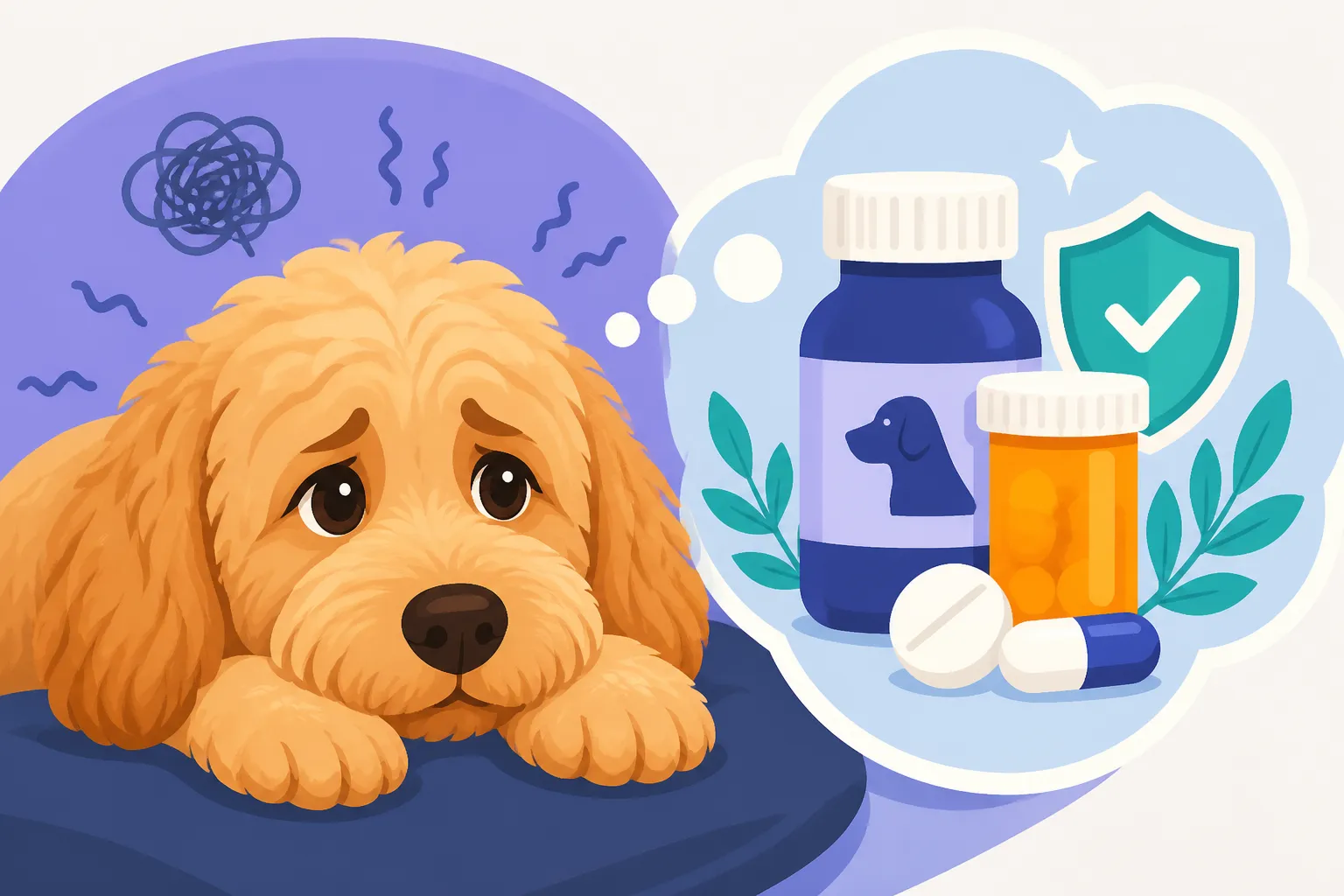
Anxiety Medication for a Goldendoodle
It's absolutely heartbreaking to watch your beloved Goldendoodle struggle with anxiety, feeling helpless as they pant, pace, or even destroy things when you leave. You've tried everything you can think of—extra walks, calming treats, leaving the TV on—and nothing seems to really stick. This guide is here to walk you through understanding Goldendoodle anxiety, exploring non-pharmacological approaches, and when discussing anxiety medication with your veterinarian becomes a crucial next step for your furry family member.
Understanding Goldendoodle Anxiety and Its Triggers
It’s easy to dismiss anxious behaviors as just "being a naughty dog" or "getting into mischief," but for many Goldendoodles, these actions are a desperate cry for help. Goldendoodles, inheriting traits from both the intelligent Poodle and the eager-to-please Golden Retriever, can be incredibly sensitive dogs. While their intelligence makes them quick learners, it also means they can pick up on subtle changes in their environment or routine, sometimes leading to heightened anxiety.
Think about it from their perspective: they thrive on companionship and routine, and when that's disrupted, it can feel like their world is falling apart. They don't understand why you leave for work every day or why the neighbor's kids suddenly started yelling outside. Their reactions are often instinctual responses to perceived threats or stressors, even if those threats seem minor to us.
Common Forms of Goldendoodle Anxiety
Anxiety isn't a one-size-fits-all condition, and it can manifest in several ways for a Goldendoodle. Recognizing the specific type of anxiety your dog is experiencing is the first step toward effective management.
-
Separation Anxiety: This is probably the most widely recognized form of anxiety, and it's particularly common in Goldendoodles given their strong bond with their humans. When left alone, a Goldendoodle with separation anxiety isn't just bored; they are genuinely distressed. You might come home to chewed furniture, scratched doors, or accidents on the floor, even if they're otherwise house-trained. They might vocalize excessively, with barking or howling, or engage in destructive behaviors specifically targeting exit points like doors and windows. This isn't spite; it's panic. Goldendoodle Separation Anxiety From Both Parent Lines goes into more detail about how this trait can be inherited.
-
Generalized Anxiety: Some Goldendoodles seem to be anxious about everything and nothing specific at all. They might be constantly restless, hyper-vigilant, or easily startled by everyday sounds like a doorbell or a dropped pan. This form of anxiety often makes them appear "on edge" even in familiar environments. It's a pervasive feeling of unease that can impact their quality of life significantly, making it hard for them to relax or engage in normal dog behaviors without seeming stressed.
-
Noise and Storm Phobias: The crack of thunder, the flash of lightning, or even the distant boom of fireworks can send some Goldendoodles into a full-blown panic. This isn't just mild fear; it's often a severe phobic reaction that can involve trembling, hiding, destructive attempts to escape, and even inappropriate urination or defecation. These dogs may anticipate storms, showing signs of distress even before the first clap of thunder, demonstrating how deeply ingrained these fears can become.
-
Social Anxiety/Fear of Strangers: While Goldendoodles are generally known for their friendly nature, some can develop fear or anxiety around new people or other dogs, especially if they weren't properly socialized as puppies. This might manifest as cowering, growling, excessive barking, or attempting to hide behind their owner. It's not about being aggressive; it's about being overwhelmed and scared in social situations. Proper What a Goldendoodle Puppy Must Meet Before Sixteen Weeks is crucial for preventing this.
Holistic and Behavioral Strategies Before Medication
Before jumping to medication, it's really important to ensure you've explored all the foundational behavioral and environmental adjustments. Medication can be a powerful tool, but it works best when combined with a comprehensive approach that addresses the root causes and daily management of anxiety. Think of it like a three-legged stool: environment, behavior modification, and sometimes, medication. You need all three legs to keep things stable.
Creating a Calming Environment
Your Goldendoodle's living space plays a huge role in their emotional well-being. A chaotic or inconsistent environment can exacerbate anxiety, while a calm, predictable one can help mitigate it.
-
Safe Spaces: Every Goldendoodle, especially an anxious one, needs a designated safe space where they can retreat and feel secure. This could be a crate covered with a blanket, a quiet corner of a room, or even a specific dog bed. The key is that this space is always available, never used for punishment, and associated with positive experiences. For crate-trained dogs, it’s a den, a personal sanctuary. Crate Training a Velcro Goldendoodle can provide valuable insights here.
-
Routine and Predictability: Dogs thrive on routine. Knowing when meals, walks, and playtime will happen can significantly reduce generalized anxiety. Try to keep schedules as consistent as possible, especially if your Goldendoodle struggles with change. Even small shifts can be unsettling. A predictable day helps them feel more in control and less prone to unexpected stressors.
-
Noise Management: For Goldendoodles sensitive to sounds, consider using white noise machines, calming music specifically designed for dogs, or even leaving on a talk radio station when you leave the house. These can help mask external triggers like traffic, sirens, or neighborhood sounds that might otherwise cause distress. Some folks even find that playing classical music downloaded from platforms like Amazon Music helps create a more serene atmosphere.
Behavior Modification and Training
Behavioral interventions are often the first line of defense against anxiety. These strategies aim to change your Goldendoodle's emotional response to triggers and equip them with coping mechanisms.
-
Desensitization and Counter-Conditioning: This involves gradually exposing your Goldendoodle to their anxiety triggers at a very low intensity while simultaneously associating the trigger with something positive. For example, if your dog is scared of car rides, you might start by just sitting in the car with them, offering high-value treats, then slowly progress to turning on the engine, and eventually short trips. The goal is to change their emotional response from fear to a neutral or even positive one. This process takes patience and consistency.
-
Enrichment and Mental Stimulation: An under-stimulated Goldendoodle, particularly one with the Poodle's brainpower, can often develop anxiety or destructive behaviors out of sheer boredom or frustration. Incorporate puzzle feeders, scent work, and new trick training into their daily routine. These activities burn mental energy and build confidence. Brands like BAXTER & Bella offer online training programs that can guide you through various mental enrichment exercises and trick training that are perfect for keeping a smart Goldendoodle engaged and less prone to anxious boredom. The Thinking Work That Actually Tires a Goldendoodle can offer more ideas.
-
Teaching Alone Time Gradually: For separation anxiety, building up tolerance to being alone in tiny increments is vital. Start with leaving for just a few seconds, returning before your dog shows signs of distress, and gradually increasing the duration. It’s a slow process, but it teaches them that your departures are always followed by your return. Setting up cameras can be incredibly helpful here to monitor their reactions and ensure you're not pushing them too far, too fast. Building Alone Time for a Goldendoodle in Minutes covers this in detail.
When to Consider Anxiety Medication for Your Goldendoodle
Sometimes, despite all our best efforts with behavioral modification and environmental adjustments, a Goldendoodle's anxiety can still be overwhelming. This is when it's absolutely crucial to have a frank conversation with your veterinarian about whether medication might be appropriate. Medication isn't a "magic pill" that makes all problems disappear; rather, it's a tool that can help lower your dog's overall anxiety levels, making them more receptive to training and able to cope more effectively.
Signs Your Goldendoodle Might Need Medication
It's natural to feel hesitant about medicating your dog, but recognizing severe or debilitating anxiety is key to ensuring their well-being. If you're seeing any of these persistent signs, it's definitely time to talk to a vet:
-
Intense and Persistent Distress: Your Goldendoodle's anxiety causes them significant, visible distress for prolonged periods. This might include nonstop pacing, uncontrollable trembling, excessive drooling, or constant vocalization (barking, whining, howling). It's not just mild discomfort; it's a state of genuine panic or suffering.
-
Self-Harm or Injury Risk: Anxious behaviors can sometimes escalate to self-harm. This could be excessive licking that leads to hot spots or skin infections, frantic chewing on paws, or attempting to chew through crates, doors, or windows, risking broken teeth, cut paws, or other physical injuries. Goldendoodle Hot Spots Under a Thick Coat are often a sign of underlying issues.
-
Inability to Respond to Behavioral Training: You've diligently worked on desensitization, counter-conditioning, and creating a calm environment, perhaps even with the help of a certified professional dog trainer, but your Goldendoodle is still too anxious to learn or apply coping mechanisms. Their anxiety levels are simply too high for them to process new information.
-
Significant Impact on Quality of Life: If your Goldendoodle's anxiety prevents them from enjoying normal dog activities—like walks, interacting with family, or simply resting peacefully—then it's severely impacting their quality of life. Anxious dogs often miss out on enrichment and positive experiences because their fear overrides everything else. Goldendoodle Behavior Shifts That Mean Something Hurts might also be an indicator.
The Importance of Veterinary Consultation
Before you even think about medication, a thorough veterinary examination is non-negotiable. Many medical conditions can mimic or exacerbate anxiety symptoms, so it’s vital to rule out any underlying physical issues. For instance, pain from hidden arthritis or a thyroid imbalance could make a dog feel irritable, restless, and anxious.
Your vet will perform a physical exam, likely recommend blood work, and possibly other diagnostic tests. Once physical causes are ruled out, they can discuss a diagnosis of anxiety and explore pharmaceutical options. They'll consider your dog's overall health, age, weight, and the specific nature of their anxiety to determine the most appropriate medication and dosage. They can also connect you with veterinary behaviorists if needed, who are specialized in these complex cases.
Types of Anxiety Medication and What to Expect
When your veterinarian suggests medication, they're typically talking about drugs that work by altering brain chemistry to reduce anxiety. It's not about sedating your Goldendoodle into a stupor; it's about helping their brain achieve a more balanced state so they can better cope with their environment.
Common Classes of Medications
Veterinarians have several options for anxiety medications, often chosen based on the specific type of anxiety and individual dog's response.
-
SSRIs (Selective Serotonin Reuptake Inhibitors): These are long-term medications, similar to antidepressants used in humans, that help increase serotonin levels in the brain. Serotonin plays a key role in mood, sleep, and anxiety. They take several weeks (typically 4-8 weeks) to reach full effectiveness, so patience is crucial. They are often prescribed for generalized anxiety or chronic separation anxiety. Examples might be fluoxetine or sertraline.
-
Tricyclic Antidepressants (TCAs): Also long-term medications, TCAs work on multiple neurotransmitters to reduce anxiety and promote a calmer state. Like SSRIs, they require a period of consistent use before their full benefits are seen. Clomipramine is a common TCA used for canine anxiety.
-
Benzodiazepines: These are fast-acting medications often used for situational anxiety, such as fear of thunderstorms or fireworks. They work by enhancing the effect of GABA, a neurotransmitter that inhibits brain activity, leading to a calming effect. Because they can be sedating and have a risk of dependence with long-term daily use, they are typically prescribed for short-term, as-needed use. Alprazolam is a common example.
-
Other Anxiolytics: Sometimes other medications, like trazodone, might be used. Trazodone is often used for both short-term situational anxiety and as an adjunct to SSRIs or TCAs for more severe cases, as it can help with acute anxiety spikes and sleep. It can be particularly helpful for dogs who get wound up and can't settle.
It’s important to remember that these medications are usually prescribed off-label for dogs, meaning they are approved for human use but widely accepted and used in veterinary medicine. Your vet will explain this to you.
Potential Side Effects and Management
Like any medication, anxiety drugs can have side effects. Your vet will discuss these with you, but it's good to be aware of what to watch for.
| Medication Class | Common Side Effects | Management Tips |
|---|---|---|
| SSRIs/TCAs | Lethargy, upset stomach, loss of appetite | Administer with food; gradual dose adjustments; contact vet if severe |
| Benzodiazepines | Sedation, increased appetite, disinhibition | Monitor behavior closely; use lowest effective dose; temporary drowsiness is common |
| Trazodone | Sedation, upset stomach, ataxia (wobbliness) | Start with low dose; administer with food; avoid concurrent use with certain drugs |
Most side effects are mild and temporary as your Goldendoodle adjusts to the medication. However, if you notice severe lethargy, persistent vomiting or diarrhea, or any alarming behavioral changes (like increased aggression or disinhibition), contact your veterinarian immediately. They may need to adjust the dosage or switch to a different medication. Never stop or change your dog's medication without consulting your vet.
Medication as Part of a Comprehensive Plan
It's vital to reiterate: anxiety medication is rarely a standalone solution. It’s a tool that works best when integrated into a broader management strategy that includes:
-
Continued Behavioral Training: Medication helps lower the "volume" of anxiety, making your Goldendoodle more capable of learning and responding to positive reinforcement training. This is where resources like BAXTER & Bella’s online programs can be incredibly valuable, offering structured training plans that complement medication by building confidence and teaching coping skills.
-
Environmental Management: Maintaining that calm, predictable environment and safe spaces is still critical. Medication doesn't remove the need for thoughtful living arrangements.
-
Consistent Exercise and Mental Stimulation: These remain foundational for a Goldendoodle's overall well-being. A physically and mentally tired dog is generally a less anxious dog.
-
Regular Veterinary Check-ups: Ongoing monitoring by your vet is essential to assess the medication's effectiveness, check for side effects, and make any necessary adjustments over time. Your vet is your best partner in managing your Goldendoodle's anxiety.
Navigating anxiety in your Goldendoodle can be a long and challenging journey, but with patience, persistence, and the right support from your veterinarian, you can help your beloved companion lead a happier, more peaceful life. Don't hesitate to seek professional help—you and your Goldendoodle deserve it.
Disclaimer
This article is for general informational purposes only and does not constitute professional advice. Laws, prices and regulations vary by location and change over time. Consult a qualified professional for guidance on your specific situation.