Goldendoodle Behavior Shifts That Mean Something Hurts
It's incredibly unsettling when your normally cheerful, bouncy Goldendoodle starts acting… off. You know their usual antics, their daily routines, and when those suddenly shift, it's easy to dismiss it as just a mood, or perhaps a new, baffling behavior. However, these subtle changes are often your Goldendoodle's quiet way of communicating that something hurts. This comprehensive guide will walk you through common behavioral shifts that can signal pain, helping you recognize the signs and understand when it's time to seek veterinary help.
Subtle Changes in Movement and Activity
Your Goldendoodle is usually a whirlwind of fluffy energy, right? They bound off the couch, leap for toys, and practically dance when you grab the leash. So, when you start noticing a reluctance, a hesitation, or a complete stop to these familiar movements, it’s a big red flag. Dogs are masters at hiding pain, often continuing to move or play even when it hurts, so any noticeable alteration in their activity level or how they move is significant.
Reluctance to Jump or Climb
One of the first signs of discomfort, especially in joints like hips, knees, or the spine, is a sudden aversion to jumping or climbing. Think about your Goldendoodle's favorite spot on the couch or bed. Do they now stand at the edge, looking up wistfully instead of effortlessly launching themselves? Perhaps they used to fly up and down the stairs, but now they take each step with unusual deliberation, or even stop trying altogether. This isn't laziness; it's often a calculation of pain versus reward. They might weigh the comfort of the couch against the sharp twinge they know they'll feel in their hips or knees as they push off or land. This can be particularly pronounced in larger Goldendoodles who carry more weight on their joints, making conditions like Goldendoodle Hip Dysplasia at 15 to 20 Percent or Goldendoodle Elbow Dysplasia From Both Parent Breeds more apparent.
Even smaller Goldendoodles, like minis or toys, can show this sign if they're experiencing discomfort, perhaps from a luxating patella or early arthritis. They might find creative, less painful ways to get where they want to go, like finding a stool to use as an intermediate step, or demanding to be lifted when they never did before. Pay attention not just to if they jump, but how they jump. Is there a grunt, a wince, or a stiff landing? These observations provide critical clues to their well-being.
Limping, Stiffness, or a Change in Gait
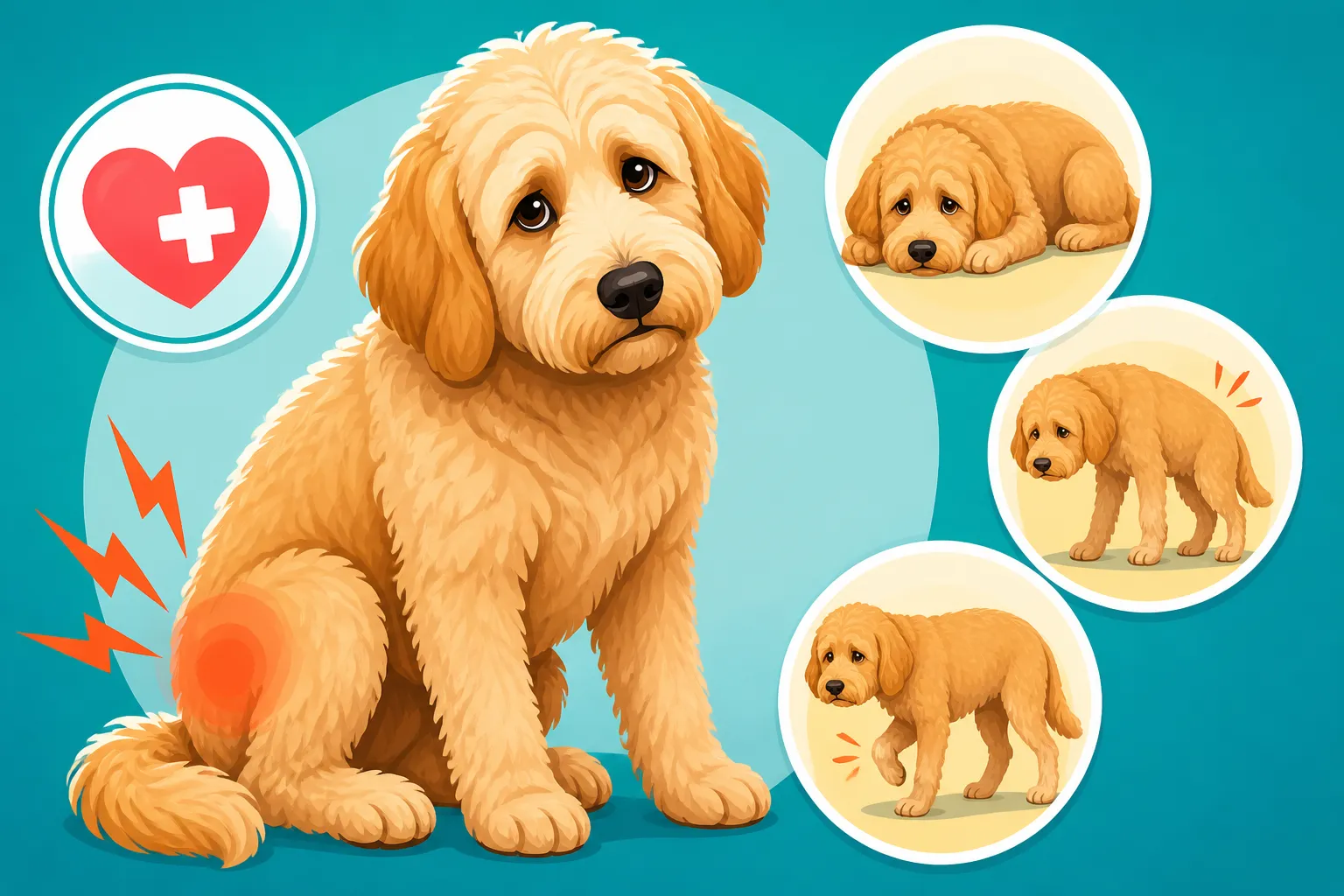
A clear limp is, of course, an obvious indicator of pain, but sometimes it’s far more subtle. You might notice a slight unevenness in their stride, almost like a hitch in their step. Maybe they shift their weight more to one side, or hold one paw just a little differently when standing. Stiffness, especially after resting or first waking up, is another common symptom. Your Goldendoodle might take longer to 'warm up' after a nap, moving slowly and awkwardly for the first few minutes, which is a classic sign of joint discomfort or Goldendoodle Arthritis After the Age of Eight.
Observe them walking on different surfaces – sometimes pain is more evident on hard floors than on grass. Watch them from behind and in front. Is their topline level, or is one hip higher or lower than the other? Do they drag their back paws slightly, or scuff their nails more than usual? Sometimes, a Goldendoodle might start to "bunny hop" with their back legs when running, lifting both back legs together to avoid pain in a single hip or knee. This isn't cute; it's usually a compensatory movement for underlying discomfort. These seemingly minor alterations can point to issues ranging from a small sprain to more serious orthopedic conditions.
Shifts in Temperament and Interaction
Goldendoodles are renowned for their friendly, outgoing, and joyful personalities. They’re often described as "velcro dogs" because of their desire to be near their people. When this hallmark temperament begins to change, especially towards irritability or withdrawal, it's a huge indicator that something is amiss internally. They can't tell you in words that they're hurting, so they communicate through their behavior.
Increased Irritability or Snapping
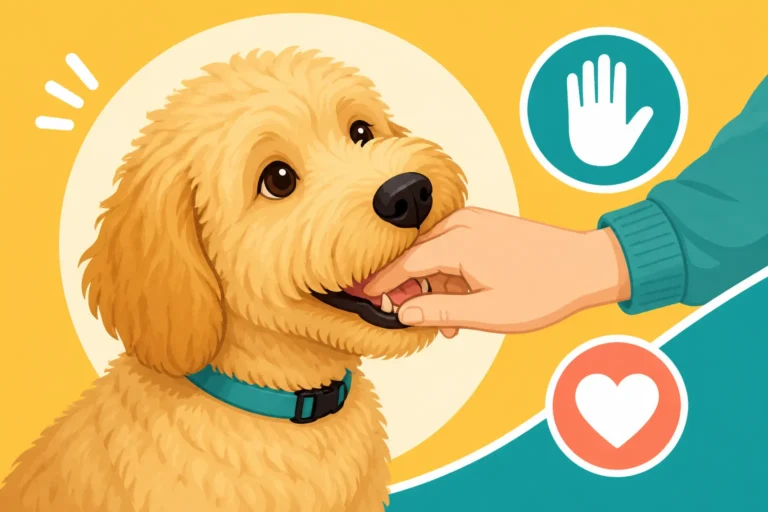
A Goldendoodle who suddenly becomes short-tempered, growls, or even snaps when previously they never would, is a dog in distress. This isn't about them "turning aggressive" in a behavioral sense; it's often a desperate attempt to create space and prevent further pain. Imagine if someone poked you repeatedly on a fresh bruise – you'd likely react sharply too. Your Goldendoodle might become irritable if you approach them when they're sleeping, reach for a previously harmless spot on their body, or even just walk too close to them. They might snap at other pets or even at children who get too close during play, especially if they're in pain and fear being stepped on or bumped.
This change is especially heartbreaking because it's so out of character for the breed. If your Goldendoodle, who once tolerated endless ear rubs or belly scratches, now flinches or tries to bite when touched in certain areas, pay very close attention. This could be indicative of localized pain, perhaps from an ear infection, dental issues, or even an internal organ discomfort. Their tolerance for interaction diminishes because every touch, every bump, could potentially exacerbate their pain.
Sudden Shyness or Withdrawal
Conversely, some Goldendoodles respond to pain by retreating into themselves. Instead of their usual greeting at the door, they might stay in another room, or offer a subdued tail wag instead of their whole-body wiggle. They might stop initiating play, or decline invitations to go on walks or car rides, activities they once adored. This withdrawal is often a way to protect themselves from further injury or discomfort. They might seek out quiet, secluded spots to rest, rather than lounging in the middle of the family action.
If your typically social Goldendoodle suddenly seems to prefer solitude, is less interested in cuddles, or just seems "down" and less engaged with their environment, it’s a strong signal. This behavior can be particularly common when dealing with chronic, pervasive pain that drains their energy and reduces their overall zest for life. It’s not depression in the human sense, but a sign that their physical state is making their usual activities too uncomfortable to enjoy. You might notice them just lying there, watching the family but not participating, a stark contrast to their usual "always in the middle of it all" attitude.
Excessive Panting or Restlessness
Panting is usually associated with heat or exertion, but it can also be a significant indicator of pain or anxiety related to pain. If your Goldendoodle is panting heavily when they haven't been exercising and aren't hot, it's worth investigating. This kind of panting often accompanies restlessness – they might pace, unable to settle, constantly shifting positions, or struggle to get comfortable when lying down. They might get up and lie down repeatedly, sighing frequently, as if trying to find a position that alleviates their discomfort.
This restlessness can be particularly pronounced at night, disrupting their sleep and yours. They might whine or pace the bedroom floor, unable to relax. This can be a sign of anything from acute pain after an injury to the more diffuse discomfort of bloat, a serious condition particularly relevant for standard-sized Goldendoodles, which manifests with restlessness and visible discomfort in the abdomen. Bloat Warning Signs in a Standard Goldendoodle include these symptoms, and knowing them can be life-saving. Observing these signs, especially when combined with other behavioral changes, indicates a pressing need for veterinary attention.
Altered Eating, Drinking, and Potty Habits
Changes in fundamental biological needs like eating, drinking, and elimination are often clear, albeit sometimes subtle, indicators of underlying health issues, including pain. Your Goldendoodle’s routine around these activities is usually very predictable, so any deviation should catch your eye.
Changes in Appetite
A Goldendoodle's appetite can be quite robust, so a sudden decrease in how much they eat, or a complete refusal of food, is definitely a cause for concern. They might sniff their bowl and walk away, or eat only a few bites before losing interest. This could be due to pain associated with eating, such as dental problems where chewing is painful, or a sore jaw. They might also be experiencing nausea from an internal issue or general discomfort that makes food unappealing.
On the flip side, some dogs, when experiencing certain types of pain or illness, might actually increase their appetite, or develop pica (eating non-food items). This is less common as a direct pain response but can be associated with hormonal imbalances that might also cause discomfort. However, for most pain-related issues, a decrease in appetite is more typical. If your Goldendoodle, who usually vacuums up their kibble, suddenly becomes picky or leaves food behind, it's a sign something is physically off. Even minor changes in their enthusiasm for mealtime are important clues.
Increased Thirst or Changes in Urination/Defecation
An increase in thirst (polydipsia) can signal various health problems, some of which might involve discomfort. Conditions like kidney disease or diabetes can make dogs drink more, and while not directly painful, the underlying condition often leads to a general feeling of malaise. Similarly, changes in urination – more frequent urination, straining to urinate, or having accidents in the house – can point to a urinary tract infection or bladder stones, both of which are painful. If your Goldendoodle seems uncomfortable when squatting to pee, or if their urine is discolored or contains blood, this warrants immediate veterinary attention.
Changes in defecation, such as diarrhea, constipation, or straining, also suggest gastrointestinal discomfort or other issues. Diarrhea might be accompanied by stomach cramps, while straining to defecate can indicate anal gland problems or constipation, which can be quite painful. It’s also important to note the posture during elimination. If your Goldendoodle seems to hunch, or is reluctant to squat fully, it might be due to back or hip pain making the movement difficult. Any of these changes in elimination should prompt a call to your vet. Don't forget, if your Goldendoodle is having episodes of Goldendoodle Vomiting and When It Matters or Goldendoodle Diarrhea Lasting More Than Two Days, pain is often a secondary symptom of the distress they're experiencing.
Unexplained Grooming or Self-Licking
Goldendoodles are typically clean dogs, but when their grooming habits become excessive, repetitive, or localized to a specific area, it's often a sign they're trying to soothe discomfort or pain. This obsessive licking, chewing, or even scratching is their way of addressing an irritation or ache that we might not otherwise perceive.
Licking or Chewing Specific Areas
One of the most common signs of localized pain or irritation is a Goldendoodle incessantly licking or chewing a particular spot on their body. This could be a paw, a leg, their tail, or even a flank. They might develop a "hot spot" – a red, inflamed, often oozing area – from this persistent attention, which then itself becomes painful and itchy, creating a vicious cycle. The initial cause could be anything from an insect bite, a minor wound, an allergy causing itchiness, or, critically, an underlying orthopedic pain. For instance, a Goldendoodle with knee pain might constantly lick that knee, while hip pain might manifest as licking the outer thigh.
It's essential to look under that beautiful, often dense Goldendoodle coat. What looks like normal grooming from a distance might actually be an obsessive behavior that has gone on for hours, leading to skin irritation, hair loss, or even infection. If you catch them repeatedly working on one area, gently part their fur and examine the skin. You might find redness, swelling, heat, or even a small lump. This behavior is a direct signal that something in that area is bothering them. For Goldendoodles prone to allergies, this can also be a way they self-soothe intense itching, which can also be quite uncomfortable. Goldendoodle Paw Licking and What It Means is a common symptom for allergies, but could also indicate joint pain in the paws.
Sudden Excessive Shedding or Skin Sensitivity
While Goldendoodles are often touted as low-shedding, they do shed to varying degrees depending on their coat type and generation. However, a sudden, noticeable increase in shedding, especially if it's patchy or accompanied by skin changes, can indicate stress, illness, or pain. When a dog is under chronic stress or pain, their body can react by prematurely releasing hair. This isn't the kind of normal seasonal shedding, but rather a more generalized, or sometimes localized, hair loss.
Beyond shedding, you might notice new skin sensitivity. Your Goldendoodle, who usually loves a good brush, might now flinch or pull away when you try to brush certain areas. This could be a response to pain in the underlying muscle or joint, or a skin condition that makes touch uncomfortable. You might also see their skin appear more oily or dry, or develop flakes. Sometimes, a dull, brittle coat can be a sign of poor nutrition or internal illness causing general discomfort. Always investigate these coat and skin changes, as they are often external manifestations of internal distress.
New Reactions to Touch or Handling
Our Goldendoodles are often cuddly, affectionate, and tolerate handling well – from vigorous petting to ear cleaning and brushing. When they start to react negatively to touch, it’s a direct and powerful way they tell us, "Stop, that hurts!"
Sensitivity to Petting
A Goldendoodle who previously reveled in full-body petting might suddenly become particular about where they want to be touched. They might stiffen when you reach for their back, duck their head if you try to pet their ears, or even move away if you try to scratch their hindquarters. This isn't them being rude or losing affection; it's a clear boundary-setting due to pain. They are trying to communicate, "This spot causes me pain, please don't touch it."
Observe where they react. If they shy away from touch on their head or neck, it could be dental pain, ear infection, or even neck stiffness. If it's along their spine or hips, it could indicate back pain, hip dysplasia, or arthritis. Sometimes, even a gentle stroke can elicit a wince or a sharp look. This type of sensitivity is particularly telling because petting is usually a positive experience for them. If your dog, who once melted into your hand, now flinches when you pet them, it's a serious sign that something is wrong.
Guarding Specific Body Parts
Beyond just sensitivity, a Goldendoodle in pain might actively guard a specific body part. They might tuck a paw underneath them, keep a leg slightly raised, or hunch their back. If you try to lift them, they might brace themselves, or yelp in anticipation of pain. This guarding behavior is an instinctual protection mechanism; they know that movement or touch to that area will cause them pain, so they try to prevent it.
For instance, if your Goldendoodle has an injured paw, they might hold it up off the ground, even while standing. If they have back pain, they might keep their back stiff and avoid twisting or bending. You might notice them favoring one side when they lie down, or refusing to lie on their back for belly rubs anymore. This is a very clear signal that a specific area is compromised. If your Goldendoodle is showing new sensitivities to handling, positive reinforcement techniques, like those taught by BAXTER & Bella, can help build trust and allow for gentle examination, but always with veterinary guidance first. A Goldendoodle That Flinches at the Brush might be signaling pain, not just a dislike for grooming.
Yelping or Crying Upon Contact
This is perhaps the most unambiguous sign of acute pain. If your Goldendoodle yelps, cries, or whimpers when a specific area is touched, or when they attempt a certain movement, it means the pain is significant. This could happen if you accidentally step on a sore paw, or if they twist their body in a way that aggravates a back injury. Sometimes, the yelp is unexpected and quick, leaving you wondering exactly what happened.
These vocalizations are a last resort for many dogs, who inherently try to hide their vulnerabilities. A yelp often indicates that the pain is sharp, sudden, or severe. It's an alarm bell that demands immediate attention. Even if the yelping is brief and they seem to recover quickly, the fact that it happened at all means there's an underlying issue that needs to be addressed. Don't dismiss it as just a "spook" or an overreaction; it's a vital piece of information about their physical state.
Changes in Sleep Patterns and Routines
Sleep is restorative, and a comfortable, undisturbed sleep is crucial for overall health. When a Goldendoodle's sleep patterns shift dramatically, it can be a subtle but important clue that pain or discomfort is keeping them from truly resting.
More Sleeping or Lethargy
If your Goldendoodle seems to be sleeping significantly more than usual, or appears generally lethargic even when awake, it could be a sign of pain or illness. Dogs in pain often conserve energy, and an increased need for rest can be their body's way of coping with discomfort or trying to heal. They might be less enthusiastic about walks, slower to get up, or just spend more time curled up in their bed, even during times they would normally be active.
This isn't just about longer naps; it's about a decrease in their overall energy and engagement. They might seem dull, subdued, or simply "not themselves." This lethargy can be a general response to chronic pain, or a symptom of an underlying systemic illness that causes discomfort throughout their body. Pay attention to how they respond when you try to rouse them – do they perk up as usual, or do they seem hesitant and slow? A noticeable decrease in vitality is always a reason to consult your vet.
Difficulty Getting Comfortable
A Goldendoodle struggling to get comfortable when lying down is a classic sign of pain, particularly joint or back pain. You might observe them circling repeatedly before settling, getting up and changing positions frequently throughout the night, or sighing loudly as they try to find a comfortable spot. They might favor certain positions, like lying on one side but never the other, or always trying to stretch out fully when they usually curl up.
The difficulty often stems from trying to relieve pressure on a sore joint or muscle. They might try to cushion themselves against pillows or blankets in new ways, or even seek out unusual sleeping spots that offer different support. If they previously slept soundly through the night but now wake frequently, pace, and then resettle, it suggests discomfort is disrupting their rest. A supportive dog bed, perhaps one with orthopedic foam, can help alleviate some pressure, and you can find many options on Amazon that cater to various sizes and needs. However, a new bed is not a substitute for addressing the underlying cause of their discomfort. This restlessness can also be a symptom of Senior Goldendoodle Mobility and Arthritis, especially as they age.
Restless Sleep or Night Waking
Beyond simply having trouble settling, a Goldendoodle in pain might experience truly restless sleep, or wake up frequently during the night. They might whimper or twitch in their sleep, or suddenly wake with a start, seeming disoriented or in pain. This is particularly concerning because sleep is when much of the body's repair work happens, and disrupted sleep can exacerbate existing pain and delay healing.
If your Goldendoodle is waking you up at odd hours, not because they need to go out, but because they simply can't seem to find peace, it's a strong indicator of internal discomfort. They might vocalize, pace, or even try to get your attention, looking for reassurance or a way to alleviate their pain. This can be heartbreaking to witness, as it means they're suffering even when they should be at their most relaxed. Consistent night waking should always be investigated by a veterinarian to identify the root cause of their disrupted sleep.
What to Do When You Notice These Shifts
Noticing these behavioral shifts is the first, crucial step. The next is taking action. It's incredibly important not to play "wait and see" when it comes to potential pain in your Goldendoodle. Their stoicism means that by the time you're seeing obvious signs, they've likely been experiencing discomfort for a while.
Document Everything
Before you even call the vet, start making notes. Write down exactly what you're observing:
- When did the behavior start? Was it sudden or gradual?
- What specific behaviors are you seeing? Be as detailed as possible (e.g., "limping on front right leg after naps," "growling when touched near hindquarters," "refusing to jump into the car").
- How often does it happen? Is it constant or intermittent?
- Are there any triggers? Does it worsen after exercise, or with specific movements?
- What other changes have you noticed? Appetite, thirst, energy levels, mood?
This detailed information will be invaluable to your veterinarian, helping them narrow down potential causes and conduct a more targeted examination. Consider taking short video clips if the behavior is intermittent or hard to describe. Sometimes, seeing the action helps a vet visualize what you're explaining.
Contact Your Veterinarian
As soon as you notice persistent or concerning behavioral changes that suggest pain, contact your veterinarian. Don't self-diagnose or try home remedies without professional guidance. Your vet is the best person to accurately assess your Goldendoodle's condition. They will perform a thorough physical exam, which might include palpating joints, checking range of motion, and observing your Goldendoodle's gait.
Depending on their initial findings, they might recommend diagnostic tests such as X-rays to check for orthopedic issues like Goldendoodle Hip Dysplasia and the OFA Numbers, blood work to look for systemic illnesses, or urinalysis to detect infections. Early intervention is key, as many conditions, when caught early, are more treatable and can prevent chronic pain or worsening of the problem. Always remember, your vet is your partner in ensuring your Goldendoodle's health and comfort.
| Behavioral Shift | Potential Pain/Discomfort Area | Example Indicators |
|---|---|---|
| Movement | Joints (hips, knees, elbows, spine), muscles, paws | Reluctance to jump, limping, stiffness after rest, slow on stairs, favoring one side |
| Temperament | Generalized pain, localized acute pain, anxiety | Growling/snapping when touched, withdrawal/hiding, excessive panting, restlessness, inability to settle |
| Eating/Drinking/Potty | Mouth/dental, GI tract, urinary tract, kidneys, generalized illness | Decreased appetite, difficulty chewing, increased thirst, frequent/straining urination, house-soiling, constipation/diarrhea |
| Grooming/Licking | Localized irritation/pain, allergies, neurological | Obsessive licking/chewing a specific area (paws, joints, flank), hot spots, patchy hair loss, skin redness |
| Reactions to Touch | Localized acute pain, chronic pain | Flinching when petted, guarding a limb/body part, yelping/crying upon contact or movement |
| Sleep Patterns | Generalized discomfort, joint pain, anxiety | Increased lethargy/sleeping, frequent position changes, restless sleep, night waking, pacing |
Provide Comfort and Support at Home
While awaiting your vet appointment or following treatment, focus on making your Goldendoodle as comfortable as possible. This could mean:
- Restricting activity: No strenuous exercise, jumping, or rough play. Leash walks for potty breaks only, if advised by your vet.
- Providing easy access: Use ramps for cars or furniture if jumping is painful. Elevate food and water bowls if neck or back pain is an issue.
- Comfortable bedding: Ensure they have a soft, supportive bed that eases pressure on joints.
- Gentle handling: Be mindful of where and how you touch them. Avoid areas that seem sensitive.
- Emotional support: Pain can be isolating and frightening for dogs. Offer quiet reassurance and presence, without forcing interaction if they prefer space.
Remember that treating the pain isn't just about medication; it's about holistic care that supports their physical and emotional well-being. Your careful observations and loving support make all the difference in helping your Goldendoodle feel better and get back to their happy, comfortable self.
Disclaimer
This article is for general informational purposes only and does not constitute professional advice. Laws, prices and regulations vary by location and change over time. Consult a qualified professional for guidance on your specific situation.