Sudden Goldendoodle Aggression and a Vet Check
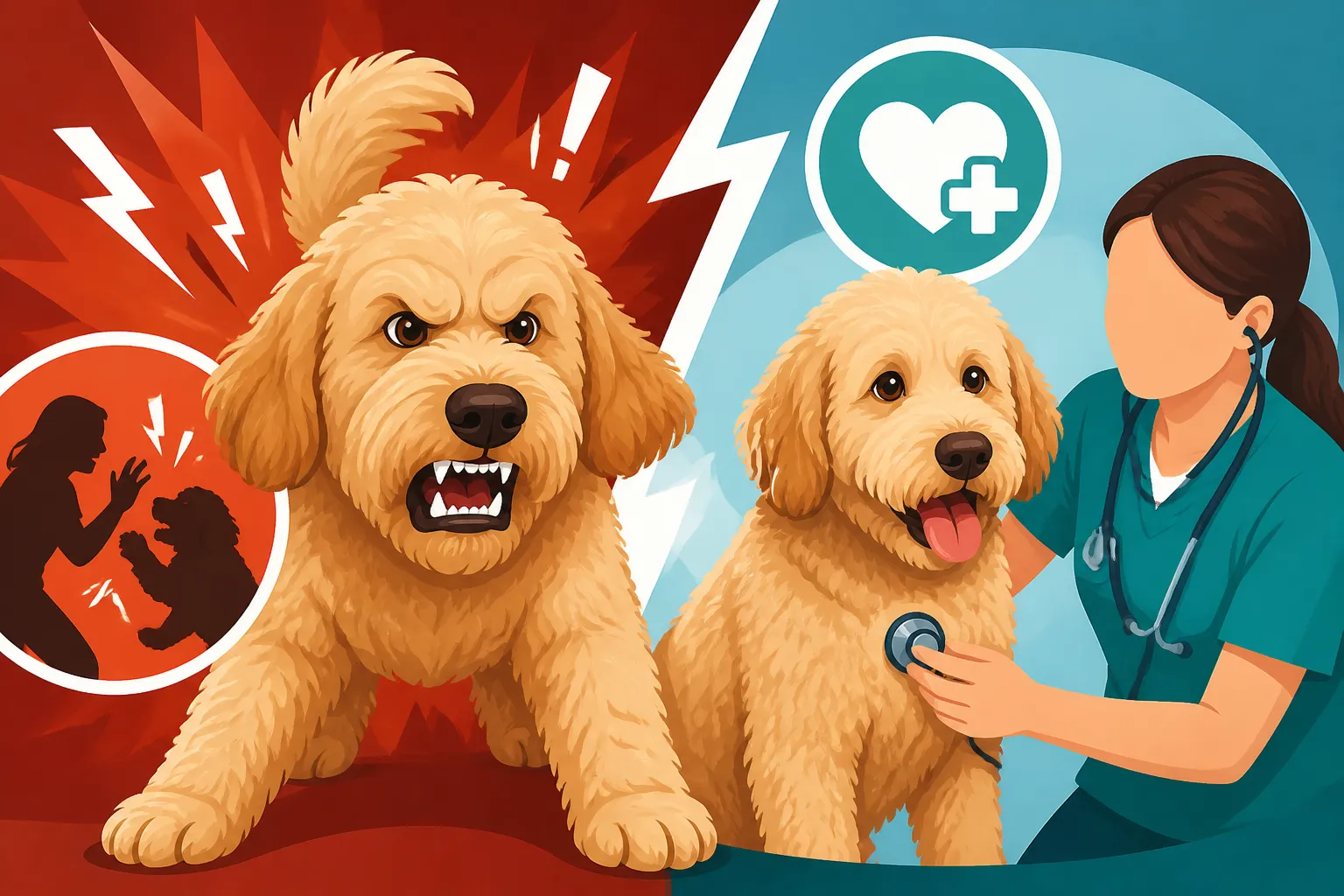
It's incredibly unsettling and often heartbreaking when the sweet, goofy Goldendoodle you adore suddenly lashes out. One moment they're cuddling on the couch, the next they're growling, snapping, or even biting. This guide is here to help you navigate that terrifying experience, focusing on the critical, immediate steps you need to take to understand and address sudden aggression, with a strong emphasis on why a thorough vet check is your absolute first priority.
The Alarming Shift: When Your Sweet Goldendoodle Shows Aggression
When your Goldendoodle, a breed known for its friendly and gentle nature, suddenly displays aggression, it can feel like a betrayal, a profound confusion, and certainly, a deeply worrying sign. This isn't just a "bad day" or a fleeting mood swing; it's a dramatic change in behavior that signals something significant is amiss. Owners often describe feeling bewildered, wondering if they've done something wrong or if their beloved companion has somehow fundamentally changed. The key is to remember that sudden aggression in a typically well-adjusted dog is almost never about "being mean" or "dominant," but rather a symptom of an underlying issue that needs to be identified and addressed with urgency.
Defining "Sudden Aggression" in a Goldendoodle
Let's get clear on what "sudden aggression" actually means in this context. We're not talking about a puppy nipping during play that hasn't been properly redirected, or an adolescent Goldendoodle pushing boundaries with a cheeky growl. We're talking about a distinct, noticeable shift where your dog, who previously tolerated handling, strangers, or certain situations with ease, now reacts with fear, defensiveness, or outright hostility. This could manifest as growling when approached, snapping during petting, lunging at other dogs they once played with, or even biting a family member seemingly unprovoked. The aggression often appears out of character and can be inconsistent at first, making it even harder to pinpoint. It's the change that is the most critical factor here.
Perhaps your Goldendoodle always loved having their ears cleaned, but now flinches and growls when you reach for them. Or maybe they used to greet every visitor with a wagging tail, and now they bark furiously and try to hide. These are the kinds of abrupt behavioral changes that should immediately raise a red flag. It's a clear signal that your dog is in distress, and they're communicating that distress in the loudest way they know how. This isn't a minor training hiccup; it's a serious behavioral crisis that warrants immediate investigation.
Why the "Velcro Dog" Personality Makes This So Confusing
Goldendoodles are often called "Velcro dogs" for a reason – they're typically deeply bonded to their families, eager to please, and generally quite affectionate. This inherent temperament, a wonderful blend of the Golden Retriever's biddability and the Poodle's intelligence, makes any aggressive display particularly jarring. You expect cuddles and playful antics, not conflict. This strong attachment can make it even more confusing and upsetting when aggression emerges, as it goes against everything you know and love about your dog's personality. Their usual desire to be close to you and participate in family life often means they are less likely to withdraw or become reactive without a significant reason.
Because they are so attuned to their people, a Goldendoodle's sudden aggression often stems from a profound internal struggle. It's highly unlikely that a Goldendoodle would suddenly decide to be aggressive without a strong underlying cause. This breed's sensitive nature means they are often quick to react to discomfort or pain, and since they can't tell us in words, a change in behavior, like aggression, is often their only way to communicate their suffering. Understanding this can help shift your perspective from feeling confused or even hurt, to feeling a strong sense of urgency to find the root cause and provide relief. Goldendoodle Behavior Shifts That Mean Something Hurts is an important read on this very topic.
The Critical First Step: Ruling Out Pain or Illness
When a Goldendoodle suddenly becomes aggressive, your very first and most crucial step is to get them to the veterinarian for a thorough examination. I cannot stress this enough: do not assume it's "just" a training issue or a behavioral problem. While behavioral problems can certainly cause aggression, a sudden onset, especially in a previously well-adjusted dog, is highly indicative of an underlying medical condition. Dogs are masters at hiding pain and illness, a survival instinct from their wild ancestors. Aggression is often the absolute last resort, a desperate cry for help when they can no longer cope.
Ignoring this possibility or delaying a vet visit could prolong your dog's suffering and potentially worsen their condition. Think about it: if you were in immense pain, you might lash out too, especially if someone tried to touch the source of your agony. Your Goldendoodle is no different. They're communicating in the only way they know how that something is fundamentally wrong. A comprehensive vet check isn't just about finding the cause; it's about validating your dog's distress and beginning the path to relief.
Common Medical Issues That Trigger Aggression
So, what kind of medical issues could lead to a sudden aggressive outburst in your Goldendoodle? The list is surprisingly long and varied, encompassing everything from acute injuries to chronic, debilitating conditions. Here are some of the most common culprits:
-
Pain: This is by far the most frequent reason for sudden aggression. Pain can stem from countless sources, including:
- Orthopedic issues: Arthritis, hip dysplasia Goldendoodle Hip Dysplasia and the OFA Numbers, elbow dysplasia, cruciate ligament tears, or patellar luxation can cause chronic discomfort or acute pain. If you touch a sore joint, your dog might snap.
- Dental problems: A painful tooth abscess, severe gum disease, or even a broken tooth can make eating, yawning, or even gentle face touches unbearable. Goldendoodle Dental Crowding in the Smaller Sizes is also a common issue.
- Spinal issues: Pinched nerves, disc disease, or other back problems can cause immense pain when a dog is moved or touched in certain ways.
- Internal organ pain: Conditions affecting the stomach, kidneys, bladder, or other organs can cause generalized discomfort, making your dog irritable and reactive.
-
Neurological conditions:
- Brain tumors: These can cause changes in personality, including aggression, due to pressure on brain tissue.
- Seizure disorders: Even subtle, partial seizures can manifest as behavioral changes, including irritability or aggression, both during and after the event. Goldendoodle Epilepsy and When Seizures Start
- Cognitive dysfunction (canine dementia): In older Goldendoodles, similar to human dementia, this can cause confusion, anxiety, and a decreased tolerance for handling or sudden movements, leading to aggression. Cognitive Decline in a Goldendoodle Past Ten
- Hydrocephalus: While more common in smaller breeds, this can occur and cause neurological symptoms, including behavioral changes.
-
Sensory decline:
- Vision loss: A dog who can't see well might be easily startled, leading to fear-based aggression. If you approach them from their blind side, they might react defensively. Vision Loss in an Old Goldendoodle
- Hearing loss: Similar to vision loss, a dog who can't hear you approaching might be surprised and react defensively. Hearing Loss in a Senior Goldendoodle
-
Metabolic diseases:
- Thyroid disease: Hypothyroidism can lead to lethargy, weight gain, and sometimes, irritability or aggression. Goldendoodle Hypothyroidism and Weight Gain
- Addison's disease: While less common to present primarily as aggression, its fluctuating symptoms can cause general malaise and irritability. Addison's Disease Signs in a Goldendoodle
This table highlights some of the common medical conditions that can lead to sudden aggression in dogs:
| Condition | Potential Aggression Trigger | Other Common Signs |
|---|---|---|
| Pain | Touch sensitivity, guarding a specific body part, aggression when moved or approached, irritability. | Limping, difficulty moving, reluctance to jump, panting, loss of appetite, lethargy, vocalization. |
| Neurological Issues | Disorientation, confusion, unpredictable outbursts, increased irritability, fear-based reactions due to altered perception. | Seizures, circling, head pressing, balance issues, vision problems, unusual vocalizations, changes in sleep patterns. |
| Sensory Decline | Startling easily, defensive reactions when approached unexpectedly, confusion, bumping into objects. | Bumping into furniture, difficulty finding food/water, unresponsiveness to commands, increased barking. |
| Thyroid Disease | Irritability, anxiety, increased fearfulness, sometimes aggression (less common primary symptom but can contribute). | Lethargy, weight gain, hair loss, cold intolerance, dull coat. |
| Dental Disease | Aggression when mouth or face is touched, reluctance to eat hard food, pawing at mouth. | Bad breath, drooling, difficulty eating, swollen face, visible tartar, red gums. |
| Infections/Inflammation | Generalized discomfort, fever, sensitivity to touch over affected area, irritability. | Lethargy, fever, swelling, discharge, lameness, loss of appetite. |
Remember, this isn't an exhaustive list, but it covers the most common medical explanations for why a loving Goldendoodle might suddenly turn aggressive. This is why a detailed physical exam and potentially diagnostic tests are so vital.
How to Approach a Potentially Painful Goldendoodle
If you suspect your Goldendoodle is in pain and is acting aggressively, your priority is your safety and theirs. A dog in pain can bite, even their beloved owner, simply because their instinct to protect themselves overrides their learned affection.
Here's how to approach them safely:
- Give Them Space: Do not force interaction. Let them retreat to a safe, quiet spot if they wish. Avoid cornering them.
- Observe From a Distance: Look for subtle clues of pain: limping, favoring a paw, difficulty getting up, panting, trembling, a hunched posture, or reluctance to move. Notice if they guard a specific part of their body.
- Gentle, Calm Communication: Speak to them in a soft, reassuring voice. Avoid sudden movements or loud noises. Do not reach out to pet them unless they clearly invite it and you feel it is safe.
- No Punishments: Never punish a dog for growling or snapping when they are in pain. This teaches them to suppress their warnings, making a bite more likely the next time. They are communicating, not being "naughty."
- Secure for Transport (If Necessary): If you need to move them to the vet, and they are resisting, consider using a slip leash from a distance if safe, or if they are small enough, a towel or blanket to gently scoop them, protecting yourself. If they are a larger dog and you're truly concerned about being bitten, a muzzle might be necessary for safe transport, but only if you can put it on without stressing them further or risking a bite. Many Goldendoodles are familiar with positive grooming experiences, so a basket muzzle (like those you can find on Amazon, ensuring it allows for panting) might be something they're somewhat desensitized to. However, forcing one on a painful dog is dangerous. If you're really struggling, call your vet for advice on safe transport.
Preparing for Your Vet Visit and What to Tell Them
Once you've secured a vet appointment, gather as much information as possible. The more details you provide, the better equipped your veterinarian will be to pinpoint the problem.
Here's what to prepare:
- Timeline of Behavior: When did the aggression start? Was it sudden or gradual?
- Specific Behaviors: Describe exactly what your Goldendoodle does. Is it growling, snapping, baring teeth, lunging, biting? Who or what are they aggressive towards (people, other dogs, specific objects)?
- Triggers: What specific actions or situations provoke the aggression? (e.g., being touched on their back, being approached while sleeping, encountering a new dog on a walk).
- Accompanying Symptoms: Have you noticed any other changes? Lethargy, changes in appetite or thirst, vomiting, diarrhea Goldendoodle Vomiting and When It Matters, limping, stiffness, increased panting, changes in urination/defecation, coat changes, or eye discharge? Even seemingly unrelated symptoms can be crucial clues.
- Recent Changes: Any recent changes in their routine, diet, environment, or family dynamic? A new pet, a house move, a change in work schedule?
- Past Medical History: Be ready to discuss any previous injuries, illnesses, or medications. Don't forget their vaccination history and recent parasite prevention.
- Diet and Exercise Routine: Detail what and how much they eat, and their typical daily exercise. Goldendoodle Weight Gain and the Strain on Joints can lead to joint issues that cause pain.
Your vet will likely perform a comprehensive physical exam, which might include palpating joints, checking teeth, listening to the heart and lungs, and assessing neurological function. They may recommend diagnostic tests like blood work The Senior Panel a Goldendoodle Should Have at Nine, X-rays (especially if orthopedic pain like Goldendoodle Hip Dysplasia at 15 to 20 Percent or Goldendoodle Arthritis After the Age of Eight is suspected), or even more advanced imaging like an MRI if a neurological cause is highly suspected. Be open to these recommendations; they are essential for getting to the bottom of the issue.
Beyond the Physical: Behavioral Factors to Consider (After Vet Clearance)
Only after a thorough veterinary examination has ruled out all medical causes should you begin to seriously consider purely behavioral reasons for sudden aggression. It's crucial to follow this order, as treating a behavioral issue while an underlying medical problem persists is not only ineffective but can also be detrimental to your Goldendoodle's well-being. Once your vet has given your dog a clean bill of health, or has identified and addressed any medical concerns, then you can shift your focus to understanding the behavioral nuances.
Even then, "sudden aggression" due to purely behavioral reasons is often rooted in something that has been building up or has reached a tipping point, rather than truly appearing out of nowhere. It’s rarely malicious intent. Instead, it’s a dog feeling overwhelmed, anxious, or threatened, and using aggression as a desperate communication tool when other signals have been missed or are no longer sufficient.
Fear-Based Aggression and Environmental Triggers
One of the most common forms of behavioral aggression, even in generally friendly Goldendoodles, is fear-based aggression. This occurs when a dog feels threatened or unsafe in a particular situation and resorts to growling, snapping, or biting to make the perceived threat go away.
Consider these scenarios:
- Unexpected encounters: Your Goldendoodle might have developed a new sensitivity to a specific sound, person, or object. Perhaps they were startled by a loud noise or had a negative interaction with another dog while on a walk, and now they react defensively to similar stimuli. Goldendoodle Fear Periods in Puppyhood in adolescence can sometimes lead to lasting sensitivities if not handled carefully.
- Environmental changes: A new baby in the house, a houseguest who stays for an extended period, or even new furniture can upset a Goldendoodle's sense of security, leading to anxiety and fear. Their "Velcro" nature means they can be particularly sensitive to shifts in family dynamics or attention.
- Lack of socialization or negative experiences: While Goldendoodles are generally well-socialized if they come from a good breeder, a previous negative experience can leave a lasting impact. If your dog wasn't adequately exposed to a variety of people, dogs, and environments during their critical socialization period, they might develop fears later on. Or perhaps a dog park incident has left them wary of other dogs, leading to A Friendly Goldendoodle That Turns Reactive on Leash.
Identifying the specific triggers for fear-based aggression is key. Observe your dog's body language leading up to an aggressive display: are their ears back, tail tucked, whites of their eyes showing, or are they lip-licking? These are signs of stress and anxiety. Once triggers are identified, management (avoiding the triggers) and counter-conditioning (changing your dog's emotional response to the trigger) are vital. For initial support, online resources like BAXTER & Bella can offer guidance on foundational obedience and desensitization exercises, helping you build your dog's confidence and reduce anxiety in various situations.
Resource Guarding: A Subtle Form of Aggression
Resource guarding is another form of aggression that can sometimes appear "sudden" if previous, more subtle warnings were missed. This is when a dog growls, snarls, or snaps to protect a valued item—it could be food, a chew toy, a favorite sleeping spot, or even a person. While some dogs are more prone to it, it can develop in any dog, including a Goldendoodle, if they feel their resources are threatened.
Imagine this: your Goldendoodle is happily chewing on a special bone, and a child unknowingly walks too close or tries to take it away. If your dog suddenly growls fiercely, that's resource guarding. It's not about being "mean"; it's a primal instinct to protect something they deem valuable. This can be particularly concerning because a Goldendoodle's typically soft nature might make owners less vigilant, leading to a surprising, strong reaction.
Managing resource guarding involves teaching your dog that people approaching their possessions means good things, not threats. This often involves swapping for higher-value items, or teaching a "drop it" cue with positive reinforcement. Never punish a dog for guarding, as it can escalate the behavior and lead to bites without warning. Instead, work with a professional to implement safe and effective behavior modification strategies. Goldendoodle Behavior Problems That Start in Puppyhood often includes early signs of guarding, which are easier to address when young.
Seeking Professional Behavioral Help
If your Goldendoodle has received a clean bill of health from the vet and you still observe aggression, the next essential step is to consult a qualified professional dog behaviorist or certified professional dog trainer specializing in aggression. This is not a task for DIY solutions or relying solely on online advice, no matter how well-intended. Aggression is complex and can be dangerous, and it requires expert guidance.
Look for professionals who use positive reinforcement, force-free methods. Avoid anyone who suggests punishing your dog for aggression, as this can exacerbate fear and make the problem worse, suppressing warnings but not solving the underlying emotional state. A good behaviorist will conduct a thorough assessment, analyze triggers, and develop a customized behavior modification plan. This plan might involve:
- Desensitization and Counter-conditioning: Gradually exposing your dog to triggers at a low intensity while creating positive associations.
- Management Strategies: Implementing changes in your home or routine to prevent aggressive outbursts while you work on behavior modification (e.g., using leashes, crates, or baby gates). A reliable crate, perhaps one found on Amazon with good reviews for sturdy construction, can be invaluable for creating a safe space and managing access.
- Skill Building: Teaching your Goldendoodle new coping mechanisms, such as a strong "leave it" or "come" cue, or teaching them to settle on a mat. BAXTER & Bella, for example, offers online programs that teach these foundational skills and more, which can be a great starting point for building a dog's confidence and responsiveness.
- Environmental Enrichment: Ensuring your Goldendoodle has enough physical exercise and mental stimulation to reduce stress and anxiety. Goldendoodle Exercise and Mental Work Every Day is crucial for their well-being.
Finding the right professional is critical. Don't hesitate to interview a few candidates. Ask about their certifications, their methods, and their experience with aggression in Goldendoodles or similar breeds. A referral from your veterinarian is often a great place to start. Remember, this is an investment in your dog's well-being and your family's safety, and it's a journey best taken with an experienced guide. Finding a Trainer for a Goldendoodle is an excellent resource for selecting the right expert.
Disclaimer
This article is for general informational purposes only and does not constitute professional advice. Laws, prices and regulations vary by location and change over time. Consult a qualified professional for guidance on your specific situation.