The Hours a Velcro Goldendoodle Can Manage Alone
It’s a common frustration for Goldendoodle owners: you’ve heard about their friendly, family-oriented nature, but nobody warned you just how much they’d want to be glued to your hip. These affectionate "Velcro dogs" can make alone time a real challenge, leaving many wondering how long is too long. This guide dives deep into understanding your Goldendoodle's need for companionship and provides actionable strategies to help them comfortably cope when you can't be by their side.
Understanding Your Goldendoodle's "Velcro" Tendencies
Goldendoodles are beloved for their charming personalities, often described as eager-to-please, intelligent, and incredibly social. But these very traits, which make them such wonderful companions, are also the root of their "Velcro" tendencies. It's not just a cute quirk; it's deeply ingrained in their genetic makeup from both parent breeds.
The Inherited Desire for Companionship
Think about the Golden Retriever side of your Goldendoodle. Golden Retrievers were bred to work closely with people, retrieving game and always staying within sight and command of their handler. This inherent "biddability" and strong desire to be part of the family unit translates directly into a Goldendoodle's need for companionship. They thrive on interaction and often view themselves as an integral part of your daily activities. They’re not just in the house; they’re with you, following from room to room, often settling at your feet the moment you sit down. It's a testament to their loyalty and the bond they form with their humans. What a Goldendoodle Takes From the Golden Retriever elaborates on this more.
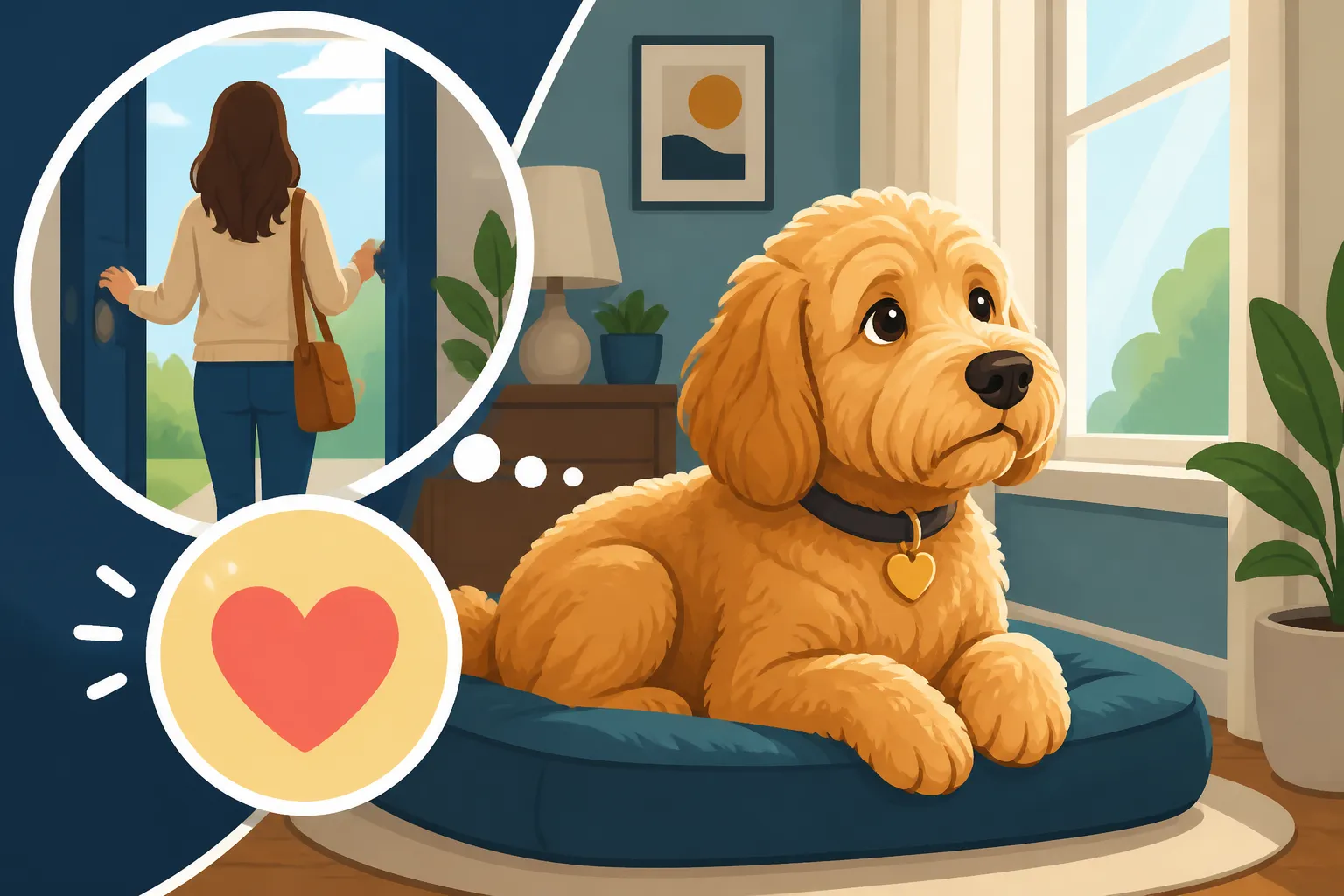
Then, we have the Poodle influence. Poodles are highly intelligent, sensitive, and also very people-oriented. They bond deeply with their families and can be quite emotionally attuned. This combination of retriever eagerness and Poodle sensitivity means your Goldendoodle is likely to be a dog that genuinely loves being around you, learning from you, and participating in your life. They aren't just tolerating your presence; they actively seek it out. This makes leaving them alone feel a bit like abandoning a best friend, which is precisely why so many Goldendoodle owners grapple with guilt when they have to step out. This strong connection is what makes them prone to developing separation related behaviors if not properly managed.
When Affection Turns into Over-Reliance
While a loving, attentive dog is a joy, the line between affection and over-reliance can sometimes blur. An over-reliant Goldendoodle might struggle immensely with solitude, leading to behaviors that are stressful for both dog and owner. This isn't about them being "bad"; it's about them genuinely struggling to cope with the absence of their primary source of comfort and stimulation.
Consider a Goldendoodle who follows you A Goldendoodle That Follows You Room to Room even into the bathroom, whining softly if a door closes between you. This isn't just seeking attention; it's often a precursor to deeper anxiety about being alone. If every moment you're home involves constant proximity, your dog never learns to self-soothe or entertain themselves independently. When you finally leave, the sudden lack of your presence can be a shock to their system, triggering stress rather than just mild boredom. This is where the challenge lies: nurturing their loving nature without inadvertently fostering a dependency that makes alone time unbearable for them.
Realistic Expectations for Alone Time by Age
Understanding how long your Goldendoodle can manage alone is less about a magic number and more about their age, development, and individual personality. Just like human children, puppies and adolescents have vastly different needs than adult dogs.
Puppyhood: Building a Foundation for Independence
Puppies have tiny bladders, enormous energy, and a profound need for social connection. For a Goldendoodle puppy, especially in those crucial first few months, alone time should be minimal and carefully structured.
- 8-10 weeks old: At this age, a Goldendoodle puppy can realistically only hold their bladder for about 2-3 hours. More importantly, they are in a critical socialization window and need constant positive experiences and supervision. Alone time should ideally be limited to short naps in a safe, designated space (like a crate) for no more than 1-2 hours at a stretch. This is where Crate Training a Velcro Goldendoodle becomes invaluable, teaching them to view their crate as a safe den.
- 10-16 weeks old: As they grow, their bladder capacity increases slightly, perhaps up to 3-4 hours. However, their mental and emotional needs for companionship remain high. They're still learning the world, and too much unsupervised alone time can lead to destructive chewing, potty accidents, or increased anxiety. This is a prime time to start Building Alone Time for a Goldendoodle in Minutes, gradually stretching those periods.
- 4-6 months old: By this point, a puppy might manage 4-5 hours, but this is pushing it. The focus should still be on quality over quantity. A long walk and a potty break immediately before you leave can help them last a bit longer, but they still need mental stimulation and human interaction. Many owners find success using puzzle feeders or long-lasting chews during these short periods. BAXTER & Bella, for example, offers puppy training programs that emphasize introducing alone time gradually within a structured learning environment, which can be incredibly helpful during these foundational months.
Adolescent Goldendoodles and Testing Boundaries
The adolescent phase, typically from 6 months to 18-24 months, can be a rollercoaster. Your Goldendoodle might look like an adult, but their brain is still developing, and they are prone to testing boundaries and experiencing new anxieties.
- 6-12 months old: While physically capable of holding it for longer, their emotional maturity might not match. They might be able to handle 5-6 hours if they've been properly prepped with exercise and enrichment. However, this is also when "selective hearing" can kick in, and if alone time hasn't been consistently positive, problem behaviors like barking or destructive chewing might emerge. Their energy levels are often at their peak, meaning they need significant physical and mental outlets before being left alone.
- 12-24 months old: Some Goldendoodles may start to settle into a more predictable routine, capable of 6-8 hours alone if well-exercised and accustomed to it. However, others might still struggle with periods of separation, especially if their environment isn't enriching enough or if they're experiencing a fear period. It’s crucial to continue reinforcing positive associations with alone time and providing plenty of Goldendoodle Exercise for Body and Mind when you are home. Many Goldendoodles will push the boundaries during this time, and a lapse in routine can quickly unravel previous training.
Adult Goldendoodles: Finding Their Comfortable Limit
Once your Goldendoodle is fully mature, typically around two years old, they often find their sweet spot for alone time.
- Healthy Adult (2+ years): A well-adjusted adult Goldendoodle, with proper training and enrichment, might comfortably manage 6-8 hours alone. Some exceptional individuals might even do a bit more, but it’s rarely ideal or recommended for daily routines. The key is comfortably. This means no destructive behaviors, no excessive vocalization, and no signs of distress upon your return. A good rule of thumb is that no dog should be left alone for more than 8-10 hours regularly without a break, as even the calmest dog needs a potty break, a stretch, and some mental stimulation. For many Goldendoodles, 6 hours is a much more realistic and humane maximum for daily solitude.
Here's a quick reference table for general guidelines, but always remember your Goldendoodle is an individual!
| Age Range | Bladder Control (Approx.) | Recommended Max Alone Time | Key Considerations |
|---|---|---|---|
| 8-10 Weeks | 2-3 hours | 1-2 hours | Potty breaks, short naps, constant supervision |
| 10-16 Weeks | 3-4 hours | 2-3 hours | Potty breaks, start crate training, positive experiences |
| 4-6 Months | 4-5 hours | 3-4 hours | Consistent routine, mental stimulation |
| 6-12 Months (Adolescent) | 5-6 hours | 4-5 hours | High energy, boundary testing, continued training |
| 12-24 Months (Adolescent) | 6-8 hours | 5-6 hours | Maturity varies, consistent exercise is vital |
| 2+ Years (Adult) | 8-10 hours | 6-8 hours | Well-adjusted, proper prep, individual comfort levels |
Preparing Your Goldendoodle for Successful Solo Stays
Getting your Goldendoodle used to being alone isn't about simply leaving them and hoping for the best. It's a strategic process that involves careful preparation of both the dog and their environment.
The Pre-Departure Routine: Exercise and Potty Breaks
Before you even think about stepping out the door, your Goldendoodle needs to be in the right state of mind and body. This means addressing their physical and mental needs beforehand.
- Physical Exercise: A tired dog is a good dog, as the saying goes. A vigorous walk, a solid game of fetch in the yard, or a trip to the dog park can go a long way in burning off excess energy. For a standard Goldendoodle, this might mean 30-60 minutes of active exercise. A mini or toy Goldendoodle still needs their playtime too! Aim for a good energy release that leaves them ready for a nap, not still buzzing with excitement. This isn't just about physical exertion; it's about helping them transition from active engagement to a calm, restful state.
- Mental Stimulation: Goldendoodles are intelligent dogs What a Goldendoodle Takes From the Poodle, and physical exercise alone often isn't enough to tire them out. Engage their brains with some quick training sessions (5-10 minutes is perfect for Five Minute Goldendoodle Training Sessions), a sniff walk where they can explore scents, or a puzzle toy before you leave. This helps fulfill their mental needs, making them less likely to get bored and destructive when alone.
- Potty Break: This might seem obvious, but a thorough potty break right before you leave is non-negotiable. Ensure they've had ample opportunity to fully relieve themselves. Don't rush it; let them sniff and choose their spot. A full bladder is not only uncomfortable but can lead to accidents and unnecessary stress during alone time.
Creating a Safe and Inviting "Alone Zone"
Where your Goldendoodle spends their alone time is just as important as how long they spend there. It needs to be a place they feel secure, comfortable, and where they can't get into trouble.
- Crate Training: For many Goldendoodles, a properly introduced crate becomes their den – a safe, quiet place where they can relax. Ensure the crate is appropriately sized, allowing them to stand, turn around, and lie down comfortably. Cover it with a blanket to create a cozy, den-like atmosphere. Never use the crate as punishment, as this will only build negative associations. Crate Training a Velcro Goldendoodle is an excellent resource for establishing this positively.
- Puppy-Proofed Room: If your Goldendoodle isn't comfortable in a crate or for longer periods, a puppy-proofed room can be a good alternative. Remove anything they could chew on, ingest, or knock over. Think about things like electrical cords, houseplants, shoes, and valuable furniture. Use baby gates to secure the area. The room should be familiar, have their bed, water, and appropriate toys.
- Comfort and Scent: Place their favorite bed, a cozy blanket, and an item that smells like you (like an old t-shirt) in their alone zone. Familiar scents can be very comforting and help ease anxiety. The goal is to make this space feel like a positive, safe haven, not a place of isolation.
Enriching the Environment for Mental Stimulation
Boredom is the enemy of alone time for an intelligent Goldendoodle. Providing engaging activities can prevent destructive behaviors and make their solo hours more pleasant.
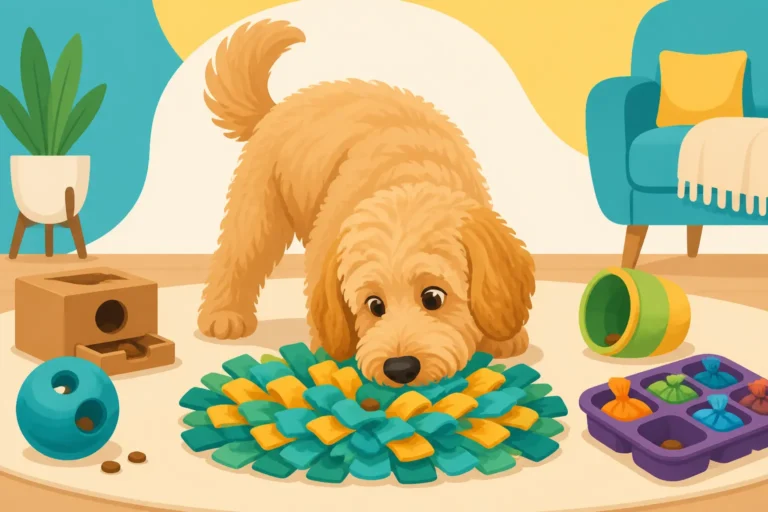
- Puzzle Toys: These are lifesavers for Goldendoodle owners. Kongs stuffed with peanut butter or wet food (frozen for extra longevity!), treat-dispensing balls, or snuffle mats can keep your Goldendoodle occupied and mentally stimulated for a significant period. Many options are available on Amazon. Goldendoodle Puzzle Feeders and Scent Games offers more ideas. The challenge of getting food out of a toy mimics their natural foraging instincts and provides a healthy outlet for their Poodle intelligence.
- Long-Lasting Chews: Bully sticks, dental chews, or other safe, digestible chews can provide sustained engagement. Always supervise new chews initially to ensure they are safe for your dog and won't splinter or pose a choking hazard. Choose high-quality options from reputable brands.
- Background Noise: Some Goldendoodles find comfort in background noise, as it can mask outdoor sounds that might trigger barking or anxiety. Try leaving a radio on a talk station, playing classical music, or using a white noise machine. Avoid anything too stimulating or with sudden loud noises.
- Interactive Cameras: Consider investing in a pet camera, many available on Amazon, that allows you to monitor your Goldendoodle and even dispense treats or speak to them remotely. This can give you peace of mind and help you understand their behavior when you're not home. Cameras That Show What a Goldendoodle Does Alone can be incredibly insightful.
Gradually Increasing Tolerance for Solitude
The most critical aspect of teaching your Goldendoodle to be alone is to do it gradually and positively. Rushing this process will almost certainly lead to setbacks and reinforce negative feelings about your absence.
Starting Small: Minutes, Not Hours
Think of this as a training regimen, not a test of endurance. You wouldn't expect your dog to run a marathon without training, and you shouldn't expect them to handle hours of alone time without building up to it.
- Practice "Pretending" to Leave: Start by simply going through your departure routine (grabbing keys, putting on shoes) but don't actually leave. Return after a few seconds, rewarding your Goldendoodle for remaining calm. Repeat this many times.
- Short Absences (Seconds to Minutes): The next step is to actually leave for very short periods. Step out the door, close it, and immediately come back in. If your Goldendoodle is calm, praise and reward them. If they start to whine or bark, wait for a brief moment of quiet before re-entering to avoid inadvertently rewarding the vocalization. Gradually increase the duration – 10 seconds, 30 seconds, a minute, five minutes. The goal is to return before they become distressed.
- Varying Departures: Don't always use the same door or leave for the same duration. Mix it up! Sometimes leave for 2 minutes, sometimes for 7, sometimes for 3. This helps prevent them from predicting your departure and getting anxious before you're even out the door.
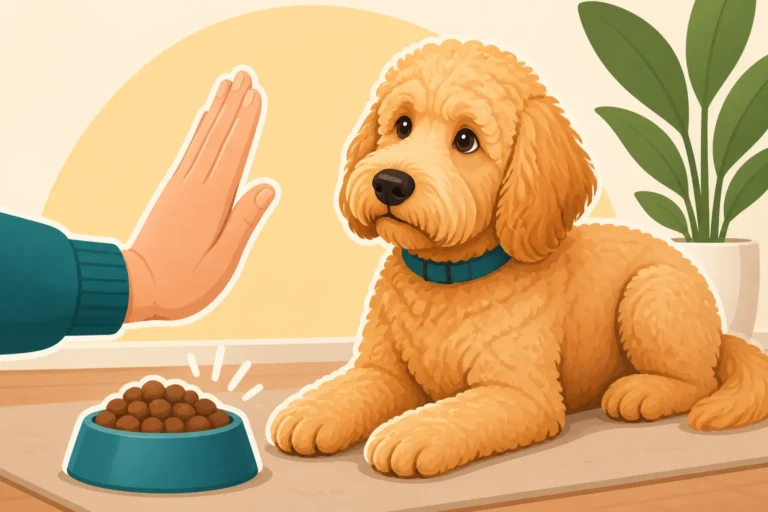
- No Emotional Goodbyes: While it's hard, avoid drawn-out, emotional goodbyes or excited greetings when you return. This can heighten their anxiety about your departure and reinforce the idea that your absence is a huge, dramatic event. A calm, matter-of-fact "I'll be back" and a quiet greeting upon return are best. Once they're settled, then you can offer affection.
Monitoring Progress and Avoiding Setbacks
This process requires patience and keen observation. Your Goldendoodle will communicate their comfort levels through their behavior.
- Observe and Adapt: Watch for subtle cues. Are they pacing? Chewing inappropriately? Barking for extended periods? Are they completely exhausted or relieved when you return? If you notice signs of stress, you've likely gone too far, too fast. Scale back the duration of alone time and go back to a point where they were comfortable.
- Use a Camera: An inexpensive pet camera is invaluable here. It allows you to see exactly what your Goldendoodle does when you're gone. Are they sleeping peacefully, or are they pacing, panting, or barking constantly? This objective information helps you tailor your training.
- Consistency is Key: Everyone in the household needs to be on the same page with the training. Inconsistency will confuse your Goldendoodle and make the process take much longer. Regularly practice alone time, even on weekends or days off, to maintain their comfort with solitude. Remember, it's about building a positive association with your absence, not just enduring it.
When "Velcro" Becomes Separation Anxiety
There's a significant difference between a Goldendoodle who merely prefers your company (a "Velcro dog") and one who suffers from genuine separation anxiety. The latter is a serious behavioral issue that requires a more intensive approach than simply gradual exposure.
Identifying the Signs of True Distress
Separation anxiety is characterized by a panic response when left alone, not just mild boredom or disappointment. Look for a cluster of these behaviors, specifically occurring only when you are absent:
- Destructive Behavior: This isn't just a chewed slipper. Dogs with separation anxiety might destroy doors, windowsills, crates, or other household items, often targeting exit points in an attempt to get out and find you.
- Excessive Vocalization: Constant barking, howling, or whining that persists for long periods. This isn't a few barks when the mailman comes; it's sustained distress.
- Inappropriate Urination/Defecation: Potty accidents inside, even from a fully house-trained Goldendoodle, that happen only when left alone. This isn't about lack of bladder control, but a physiological response to stress.
- Pacing and Panting: Restless movement, often circling or pacing, accompanied by heavy panting even when the temperature is cool.
- Drooling: Excessive drooling, sometimes to the point of leaving puddles.
- Escaping: Attempts to escape from crates or rooms, potentially causing self-injury.
- Self-Mutilation: Less common, but some dogs may lick or chew at themselves to the point of creating sores.
If you suspect Goldendoodle Separation Anxiety From Both Parent Lines, it's crucial to address it promptly. This isn't a training problem in the traditional sense; it's an emotional one.
Seeking Professional Guidance
Dealing with true separation anxiety is incredibly challenging and often requires professional help. Don't feel like you're failing if you need to reach out.
- Veterinarian Consultation: Your first step should always be a visit to your vet. They can rule out any underlying medical conditions that might be contributing to the behaviors. They can also discuss potential medication options that, when used in conjunction with behavior modification, can help reduce your Goldendoodle's anxiety to a level where training can be more effective.
- Certified Professional Dog Trainer or Behaviorist: Seek out a certified professional dog trainer (CPDT-KA) or, even better, a veterinary behaviorist (DACVB) or a certified applied animal behaviorist (CAAB) who specializes in separation anxiety. These professionals have the expertise to create a tailored behavior modification plan. They often use desensitization and counter-conditioning techniques, which involve gradually exposing your Goldendoodle to your departure cues while changing their emotional response from panic to calm. A program like BAXTER & Bella can provide foundational training, but specific separation anxiety protocols usually require one-on-one expert guidance.
- Understanding the Process: Treatment for separation anxiety is not a quick fix. It can take weeks or months of dedicated effort, and consistency is paramount. It often involves very specific exercises where you leave for fractions of a second, gradually increasing duration, all while ensuring your dog never reaches a state of panic. This is why a professional's guidance is so important.
Lifestyle Adjustments for Goldendoodle Owners
Living with a Goldendoodle, especially one prone to being a "Velcro dog," sometimes means making adjustments to your own routine and expectations. It's all part of the commitment to a happy, well-adjusted pet.
Balancing Work Schedules with Dog Needs
For many working Goldendoodle owners, balancing their dog's need for companionship with a 9-to-5 job is the biggest hurdle.
- Split Shifts/Work-from-Home: If possible, consider adjusting your work schedule to split shifts with a partner or working from home a few days a week. This allows for mid-day potty breaks, playtime, and mental stimulation, significantly reducing the amount of continuous alone time.
- Dog Walkers/Pet Sitters: If you're out for long hours, a mid-day dog walker is a fantastic investment. They can come to your home, give your Goldendoodle a potty break, a quick walk, and some human interaction. This breaks up the day and prevents them from holding their bladder for too long. For extended absences, a trusted pet sitter who stays at your home can provide continuous care and companionship.
- Doggy Daycare (Carefully Chosen): For some Goldendoodles, doggy daycare can be a great option for socializing and burning energy. However, it's not for every Goldendoodle, especially sensitive ones who might find the environment overstimulating. Research facilities carefully, ensure they have proper supervision, and consider a trial day to see how your Goldendoodle responds. Look for places that prioritize small play groups and plenty of rest time.
- Utilize Your Lunch Break: Even if you can't go home, can a friend or family member visit during your lunch break? Every bit of human interaction helps.
Utilizing Support Systems and Services
You don't have to tackle this alone. There are resources and people who can help support you and your Goldendoodle.
- Trusted Friends and Family: Do you have neighbors, friends, or family members who love dogs and might be willing to help out occasionally? A trusted individual who can pop over for a short visit or let your Goldendoodle out can be a lifesaver.
- Pet Care Professionals: Beyond dog walkers, consider professional pet sitters for when you travel. Many will come to your home, which is often less stressful for your Goldendoodle than boarding. Interview potential sitters thoroughly, check references, and ensure they are bonded and insured.
- Online Communities and Resources: Engage with other Goldendoodle owners in online forums or social media groups. You'll find a wealth of shared experiences, tips, and moral support. While online advice isn't a substitute for professional guidance, it can be helpful for everyday challenges.
- Training Programs: While BAXTER & Bella can assist with general puppy training and establishing good habits, remember that severe separation anxiety warrants a specialist. However, for preventing over-reliance and building a good foundation, an online program can be a valuable tool to give you structured steps to follow.
Ultimately, helping your "Velcro" Goldendoodle manage alone time is a journey of understanding, patience, and consistent effort. By respecting their inherent needs for companionship while teaching them the valuable skill of self-soothing, you can foster a Goldendoodle who is both deeply devoted and comfortably independent.
Disclaimer
This article is for general informational purposes only and does not constitute professional advice. Laws, prices and regulations vary by location and change over time. Consult a qualified professional for guidance on your specific situation.