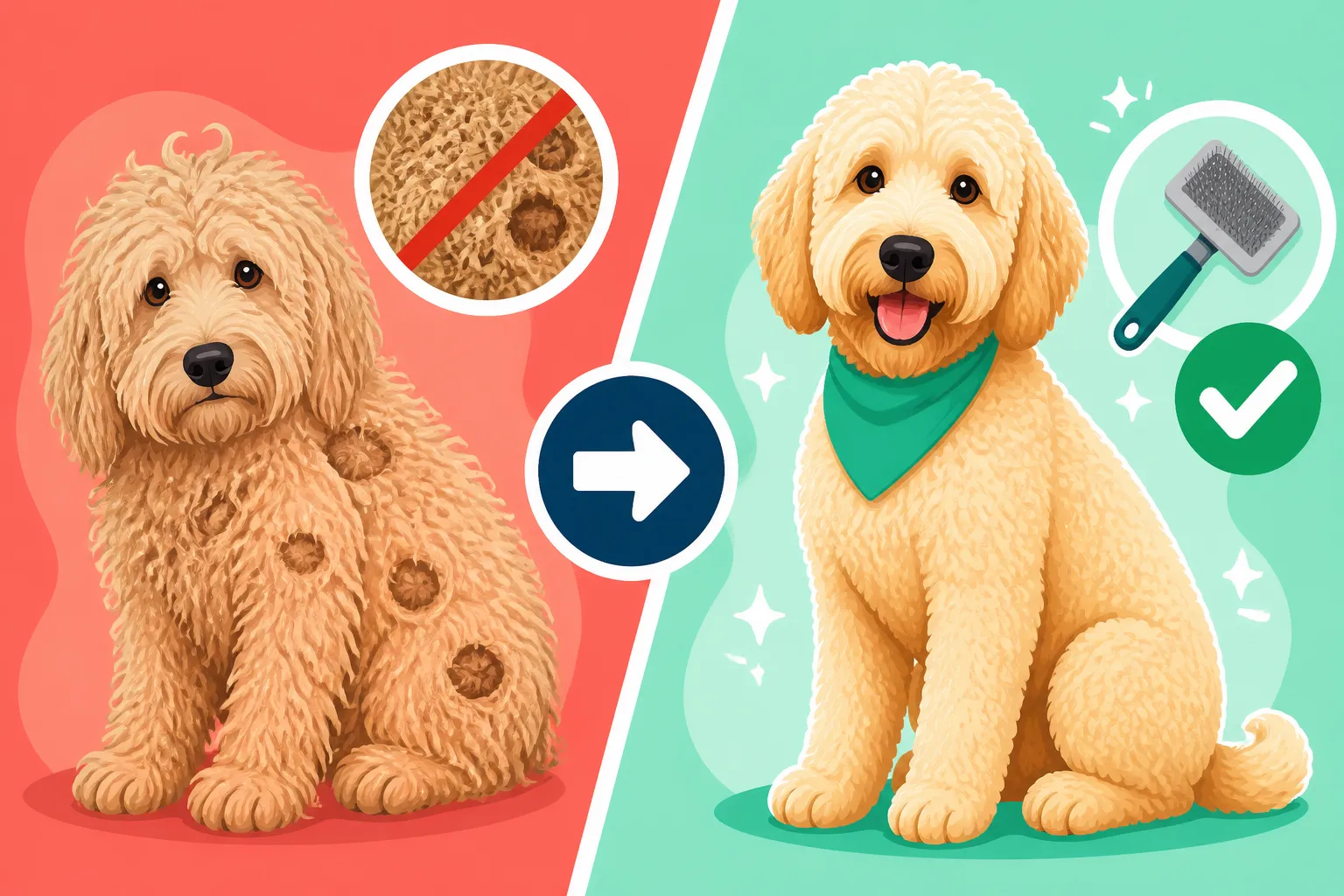
Why Goldendoodle Matting Is Almost Always Preventable
One of the biggest heartaches for Goldendoodle owners, and honestly, one of the most common reasons these wonderful dogs end up needing a full shave-down, is matting. It’s incredibly frustrating to see those beautiful curls turn into felted lumps, especially when you know it's uncomfortable for your furry friend. The good news is that, with understanding and consistent effort, Goldendoodle matting is almost entirely preventable, and this guide is here to walk you through exactly how to keep your dog's coat healthy and tangle-free.
Understanding the Goldendoodle Coat: A Recipe for Mats
Let's be real, that luscious Goldendoodle coat is what draws so many of us in. It's soft, often low-shedding, and just begs to be cuddled. But beneath that charming exterior lies a complex hair structure that, without proper care, is an absolute magnet for mats. It's not just "fluffy hair"; there are specific characteristics that make Goldendoodle coats prone to felting. Understanding these unique qualities is the first step in preventing those dreaded tangles.
The Furnishings Factor: Why Your Goldendoodle Has That Beard
The hallmark of a Goldendoodle, that adorable teddy bear face with the beard and eyebrows, comes from what we call "furnishings." This is a dominant genetic trait inherited from the Poodle side. Dogs with furnishings have hair that grows long on their face, legs, and body, rather than the short, smooth hair typical of a Golden Retriever's face. While these furnishings are key to the classic Goldendoodle look and contribute to their lower shedding tendencies, they are also a major contributor to matting.
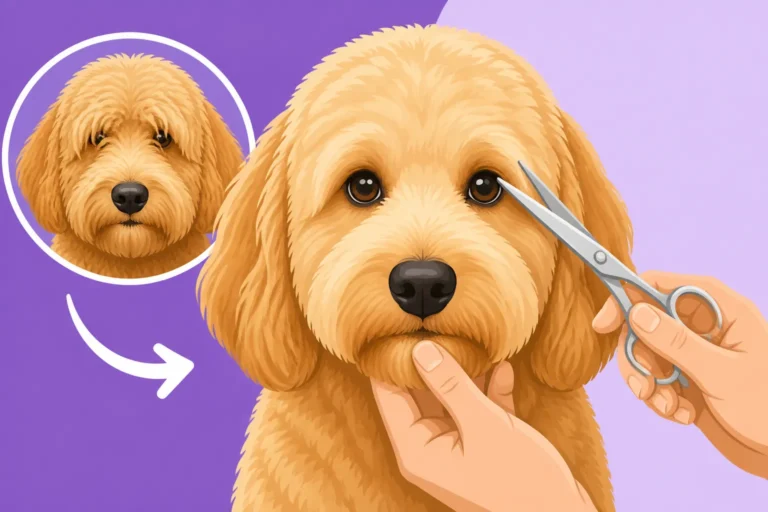
Think about it: more hair, especially hair that is soft and often wavy or curly, means more surface area for friction and tangles. The longer hair on their muzzle can get wet and sticky from food and water, drying into clumps. The hair around their eyes can easily accumulate debris or tear stains, creating tiny, hard mats that pull on sensitive skin. It’s a double-edged sword: the very thing that makes them so cute and (often) hypoallergenic also makes them high-maintenance in the grooming department. This isn't just cosmetic; these mats can quickly become painful if left unaddressed.
Straight, Wavy, and Curly: Not All Goldendoodle Coats Are Created Equal
If you've spent any time looking at Goldendoodles, you'll notice their coats aren't all the same. There's a spectrum, usually falling into three main types: straight (often called "flat-coated" or "G-type"), wavy (the most common, often referred to as "fleece"), and curly (sometimes called "wool" or "P-type"). Each type has its own matting challenges and requires a slightly different approach to grooming.
The straight-coated Goldendoodles, while often shedding more, can still mat, especially if their hair is fine and gets easily knotted. Wavy, or fleece, coats are incredibly popular but notoriously prone to matting because the waves naturally intertwine and grab onto loose hair, debris, and each other. Curly, or wool, coats are usually the least shedding but also the most prone to dense matting, almost like sheep's wool, which can felt solid very quickly if not diligently maintained. Knowing which type of coat your Goldendoodle has can help you anticipate their specific grooming needs and adjust your routine accordingly.
The Infamous Goldendoodle Coat Change: Puppy to Adult Fur
Ah, the dreaded Goldendoodle coat change! If you’ve never experienced it, prepare yourself. This usually occurs between 8 and 12 months of age, though it can start earlier or later. During this period, your Goldendoodle puppy's soft, fine puppy fur is gradually replaced by their thicker, denser adult coat. The problem is, the shedding puppy fur gets caught within the incoming adult coat, creating a perfect storm for mats that form seemingly overnight. It’s a phase that catches many first-time Goldendoodle owners by surprise, and it's a prime time for massive matting if you're not prepared.
It's like trying to comb out two different textures of hair at once. The puppy coat wants to cling, and the adult coat is busy growing in. This is when your brushing routine needs to kick into overdrive. Many Goldendoodles who were previously easy to brush suddenly become a tangled mess, and without consistent, thorough brushing, their entire body can become matted solid. For more details on this challenging period, check out The Goldendoodle Coat Change at Eight to Twelve Months. You'll want to be extra vigilant during these months to prevent major issues down the line.
The Daily Battle: Brushing Techniques That Actually Work
Let's face it, brushing can feel like a chore, especially when your Goldendoodle prefers to wiggle and play. But for a Goldendoodle, brushing isn't just about looking good; it's essential for their health and comfort. Superficial brushing, where you just skim the top layer of hair, is probably the number one reason mats form. To truly prevent matting, you need to commit to effective, deep-down brushing techniques that get right to the skin.
Line Brushing: The Only Way to Truly Reach the Skin
If you only learn one grooming technique for your Goldendoodle, make it line brushing. This isn't just running a brush over their coat; it's a methodical approach that ensures you detangle every single strand of hair, right down to the skin. Mats form at the base of the hair, close to the skin, and if you're not separating the hair in layers and brushing from the roots out, you're missing the crucial areas where problems begin.
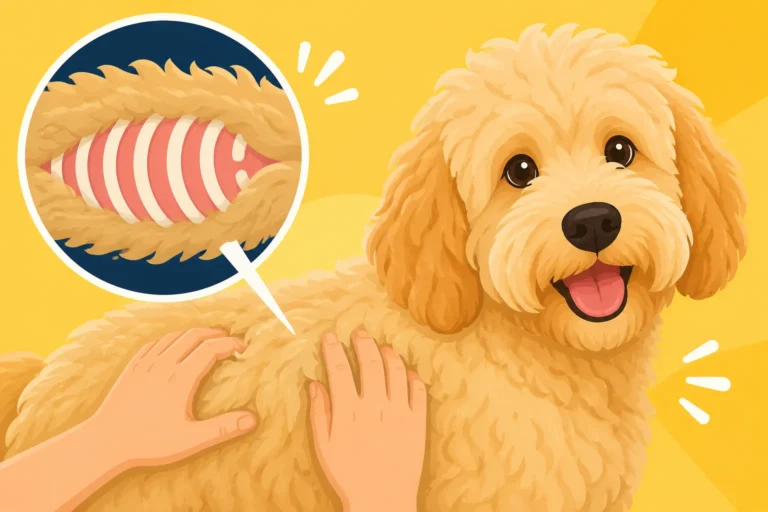
Here’s how it works: you part your dog’s hair, creating a "line" across their body, much like you would part human hair. You then hold the upper section of hair up and out of the way, and brush the hair below the line, starting from the skin and working your way out to the ends. Once that section is tangle-free, you move the next section of hair down and repeat the process, slowly working your way across their body. It's time-consuming, yes, but it’s the only way to guarantee you're catching nascent mats before they become formidable felt. For a complete walkthrough, refer to Line Brushing a Goldendoodle Down to the Skin.
Essential Tools for Your Goldendoodle Grooming Arsenal
Having the right tools is just as important as having the right technique. Skimping on quality here will only lead to frustration for both you and your Goldendoodle. You'll want a good slicker brush, a sturdy metal comb, and a detangling spray as your absolute must-haves. A good quality slicker brush, often with fine, bent wire pins, is designed to separate and smooth the coat without pulling. It’s your primary tool for breaking up smaller tangles and removing loose undercoat.
Following up with a metal comb, ideally one with both wide and narrow teeth, is crucial. The comb is your mat detector; if the comb can’t glide smoothly through the hair from skin to tip, there’s a tangle you missed. Many Goldendoodle owners make the mistake of thinking a slicker brush is enough, but if a comb can't get through, your dog will mat. Detangling sprays (you can find great options on Chewy or Amazon) help loosen knots and protect the hair from breakage during brushing. For a deeper dive into what you need, check out The Slicker Brush and Comb a Goldendoodle Needs and Detangler Sprays That Help a Goldendoodle. Remember, investing in good tools is investing in your Goldendoodle's comfort.
Tackling the Trouble Zones: Where Mats Love to Hide
While line brushing helps you cover the entire dog, certain areas are notorious matting hotspots. These are the places where friction is highest, moisture tends to linger, or owners often miss during routine brushing. Pay extra attention to these zones, as a small mat in these areas can quickly spread and become painful.
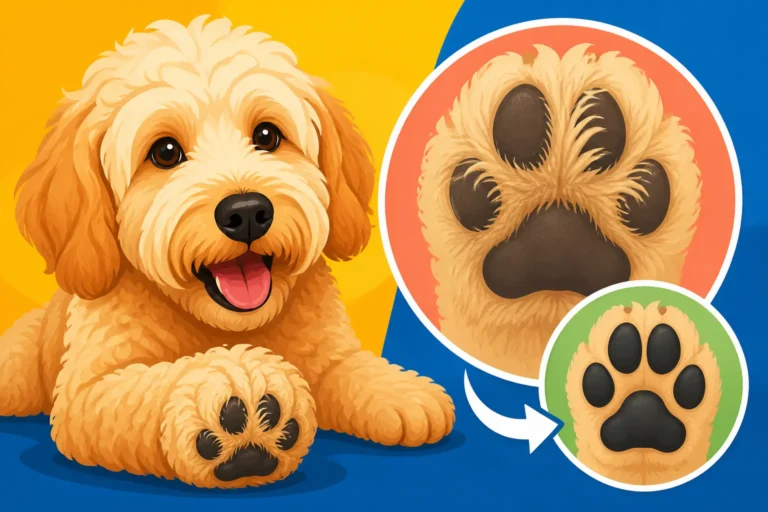
The areas behind their ears are practically mat magnets. The hair here is often finer, and the constant movement of their head, coupled with the friction from collars or harnesses, means mats form quickly. The armpits are another prime location due to leg movement and constant rubbing. Don't forget their sanitary areas, paw pads (hair here traps debris and can cause discomfort), and under the collar or harness. Even the hair on their tail base can mat if neglected. For more on specific problem areas, read Behind the Ears and the First Goldendoodle Mats and Armpit and Collar Mats on a Goldendoodle. Incorporate specific checks of these trouble zones into every brushing session.
Beyond Brushing: Comprehensive Care to Prevent Matting
Brushing is paramount, but it's just one piece of the matting prevention puzzle. A truly mat-free Goldendoodle requires a holistic approach that includes professional grooming, proper bathing and drying, and even mindful use of accessories. Ignoring these other factors can quickly undo all your diligent brushing efforts.
The Power of Professional Grooming: When to Call in the Experts
Even the most dedicated home groomer will benefit from regular professional grooming appointments. Professional groomers have specialized equipment, like high-velocity dryers, and extensive experience with complicated coats like the Goldendoodle’s. They can tackle areas you might struggle with and perform services like sanitary trims, paw pad trims, and ear cleaning that are critical for preventing mats and maintaining overall hygiene.
For most Goldendoodles, a professional groom every six to eight weeks is ideal. This schedule helps keep their coat at a manageable length, prevents mats from taking hold, and allows the groomer to address any emerging issues. Skipping these appointments, or stretching them out too long, is a surefire way to end up with a matted mess. Don't view professional grooming as a luxury; it's a necessity for Goldendoodle coat health. To understand what to expect, take a look at Booking a Goldendoodle Groom Every Six to Eight Weeks and What Happens at a Goldendoodle Grooming Appointment.
Bathing and Drying: Avoiding Accidental Felting
Bathing a Goldendoodle might seem straightforward, but it’s actually a prime opportunity for matting if not done correctly. Water causes hair to clump, and if you rub shampoo into a tangled coat, you're essentially felting it even tighter. Always brush your Goldendoodle thoroughly before bathing to ensure there are no existing tangles. Use a good quality dog shampoo and conditioner, working them gently through the coat rather than scrubbing vigorously.
The drying process is arguably even more critical than the bath itself. Leaving a Goldendoodle to air dry, or not drying them completely, is an open invitation for mats. As the hair dries, it shrinks and tightens, pulling any existing tangles into dense mats. You need to blow-dry your Goldendoodle thoroughly, ideally with a high-velocity dryer (if you have one, otherwise a human blow dryer on a cool setting works, but takes longer), while brushing simultaneously. This ensures the hair is straight and tangle-free as it dries. This takes time, patience, and can be quite the arm workout, but it’s non-negotiable for a mat-free coat. Learn more about this crucial step in Drying a Goldendoodle Coat Properly.
Harnesses, Collars, and Accessories: Unseen Matting Culprits
Believe it or not, your Goldendoodle's favorite collar or harness can be a significant source of matting. Any accessory that constantly rubs against the coat creates friction, which can quickly lead to tangles and knots. The hair under collars, especially flat nylon ones, can get crushed and matted. Similarly, the straps of harnesses often rub the hair in the armpit area and across the chest, causing mats to form where you might not immediately notice them.
To mitigate this, opt for wider, softer collars and harnesses when possible, and ensure they fit properly – not too tight, not too loose. Take off your Goldendoodle's collar and harness when they are relaxing at home, especially overnight, to give their fur a break. During your regular brushing sessions, pay extra attention to the areas where these accessories sit. If you notice persistent matting in these spots, consider trying a different style of collar or harness. Even cute bandanas or sweaters can cause friction, so use them sparingly and always check the coat underneath after removal.
When Mats Happen: Damage Control and What Not to Do
Despite your best efforts, sometimes a mat or two can still pop up. Maybe you missed a spot, or your Goldendoodle rolled in something sticky. The key then becomes how you handle these mats. Trying to tackle severe matting yourself can cause pain, skin irritation, and even injuries to your dog. It's important to know when to persist with gentle detangling and when to accept that professional intervention is needed.
Gentle Detangling vs. Shaving: Making the Hard Choice
When you find a mat, the first instinct is often to try and comb it out. For small, loose tangles, this is absolutely the right approach. Using a detangling spray and patiently working the mat out with your fingers, then a comb, is effective. Always work from the outside of the mat inwards, and never pull directly on the skin. Hold the hair at the base of the mat close to the skin to cushion the pull. However, if a mat is dense, large, or close to the skin, trying to comb it out can be excruciating for your dog and potentially damage their skin.
A matted coat can pull on the skin, restricting movement and causing discomfort. It can also hide skin infections, parasites, or injuries. If a mat is too tight or too painful to remove gently, the kindest and safest option is often a full shave-down. It might feel like you're losing their beautiful coat, but your Goldendoodle's comfort and health come first. Sometimes, you just have to accept that the mats have won the battle for that particular patch of fur. For a difficult decision like this, understanding When a Goldendoodle Mat Has to Be Shaved can be very helpful.
The Importance of a Humane Shave and Professional Help
Please, resist the urge to grab a pair of scissors or human clippers to try and cut out large, dense mats yourself. This is incredibly dangerous. Goldendoodle skin is thin and easily cut, especially when it's pulled taut by a mat. Many dogs have ended up in the emergency vet with severe lacerations from well-meaning owners trying to 'free' their dog from mats with household scissors. When mats are severe, they become a solid, felted layer right against the skin, making it impossible to tell where the hair ends and the skin begins.
A professional groomer has the right tools (sharp clippers with specific blades, and often years of experience) to safely remove severe matting with minimal risk to your dog. They understand how to safely navigate the contours of your dog's body and how to handle a dog that might be in pain or fearful. If your Goldendoodle is severely matted, don't delay – call a professional groomer. They might recommend a full shave to start fresh, and while it's a shock, it's truly the best thing for your dog's welfare.
Learning from the Mats: Adjusting Your Routine
Finding mats, especially large ones, can be disheartening. But instead of feeling guilty, use it as a learning opportunity. Mats are often a symptom that something in your grooming routine needs adjustment. Was it that you skipped a few brushing sessions? Did you bathe them without thoroughly brushing first? Did you let them air dry after a swim?
Take a moment to identify why the mats formed. Perhaps you need to increase your brushing frequency, upgrade your tools, or pay more attention to specific problem areas. Maybe you need to invest in a quality high-velocity dryer or schedule professional grooming more often. The goal isn't perfection, but consistent, proactive care. Every Goldendoodle is an individual, and their coat care needs can change with age, activity level, and even the seasons. By learning from each matting incident, you can refine your routine and keep your Goldendoodle happy, healthy, and beautifully coiffed.
| Goldendoodle Coat Type | Matting Propensity | Brushing Frequency (Ideal) | Key Considerations |
|---|---|---|---|
| Straight (Flat) | Moderate | 2-3 times per week | Can still get fine, wispy tangles; may shed more. |
| Wavy (Fleece) | High | Daily to every other day | Most common, waves intertwine easily; needs diligent line brushing. |
| Curly (Wool) | Very High | Daily | Least shedding but mats quickly and tightly; benefits from shorter clips. |
This article is for general informational purposes only and does not constitute professional advice. Laws, prices and regulations vary by location and change over time. Consult a qualified professional for guidance on your specific situation.