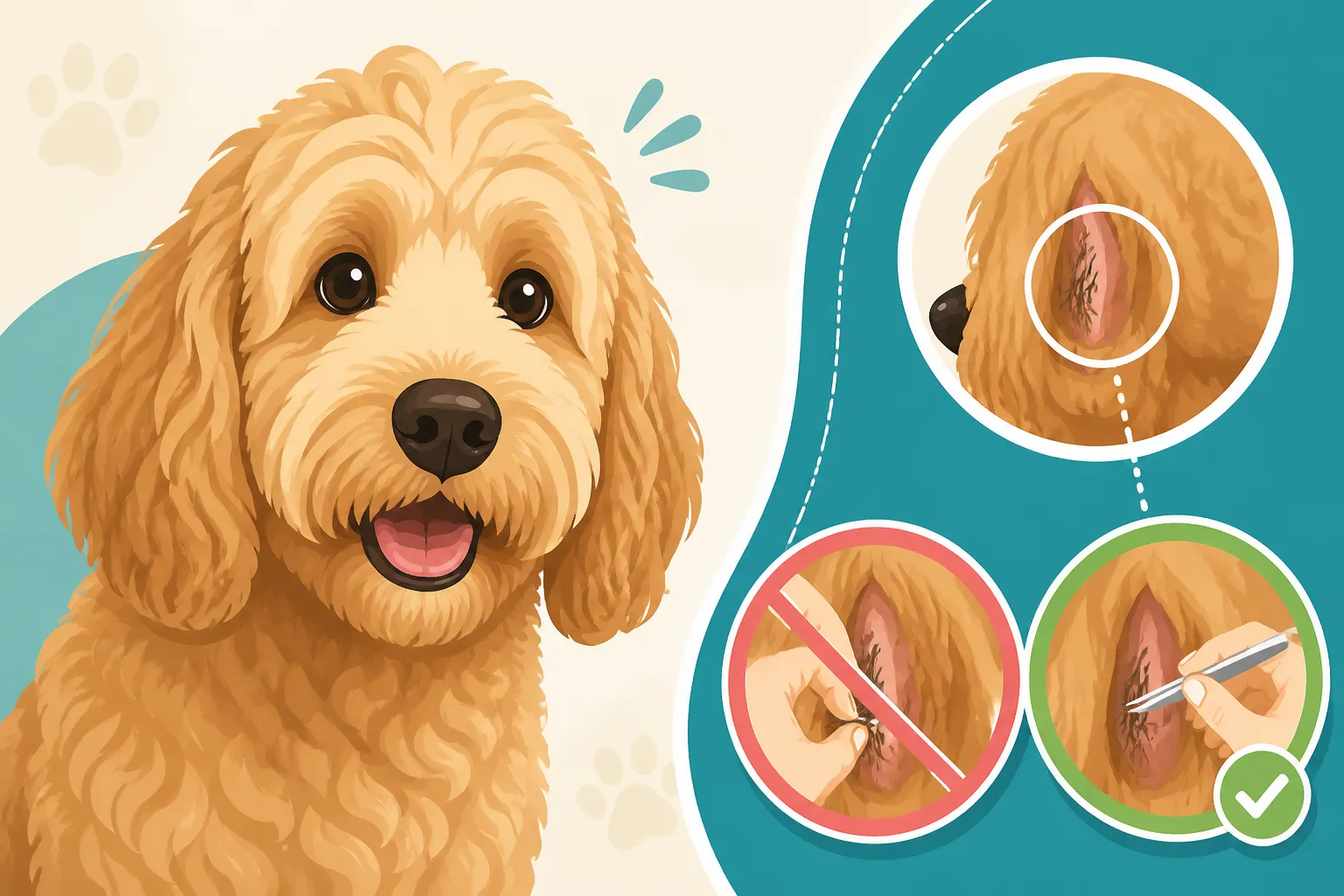
Goldendoodle Ear Hair and Whether to Pluck It
One of the most common worries Goldendoodle parents face is figuring out what to do with all that hair, especially the tufts growing deep inside their beloved dog's ears. It’s a baffling problem—should you leave it alone, trim it, or get it pulled out? This guide is here to walk you through the ins and outs of Goldendoodle ear hair, discussing the different approaches and helping you decide what's best for your furry friend's comfort and ear health.
Understanding the Goldendoodle Ear Canal
The Goldendoodle ear is a fascinating blend, inheriting traits from both the Golden Retriever and the Poodle. This unique combination often leads to a particular set of challenges when it comes to ear health, largely due to the structure of the ear itself and the specific type of hair that tends to grow within it. It’s not just surface-level fluff; we're talking about hair that can grow surprisingly deep.
The Poodle Influence on Ear Hair Growth
If you've spent any time around Poodles, you know their ears are often heavily furnished, meaning they have a significant amount of hair both on the ear flap and, crucially, down inside the ear canal. This isn't just a stylistic choice for show dogs; it's a genetic trait. Your Goldendoodle inherits this tendency from their Poodle lineage, meaning many Goldendoodles will develop a thick, sometimes curly, mat of hair within their ear canal. This internal hair isn't like the fine, sparse hair found in some other breeds; it can be quite dense.
This dense growth can act like a plug, blocking airflow deep into the ear canal. Imagine trying to breathe through a thick, furry filter – that's what your Goldendoodle's ear might be experiencing. Proper air circulation is vital for keeping the ear canal dry and healthy, as warmth and moisture create the perfect breeding ground for bacteria and yeast. When that airflow is compromised, the environment inside the ear becomes ripe for problems.
Moreover, the Poodle ear itself is generally floppy, hanging down close to the head. This "furnished ear" design naturally limits air circulation further, regardless of the internal hair. So, when you combine the floppy ear with a thick jungle of hair inside, you've got a double whammy for trapping moisture and warmth, making ear infections a recurring nightmare for many Goldendoodle owners. It's a key reason why Goldendoodle Ear Infections Under a Furnished Ear is such a common complaint.
The Golden Retriever Contribution to Ear Issues
While the Poodle brings the internal hair, the Golden Retriever side often contributes to the floppy ear structure that hangs down. Golden Retrievers are also prone to ear infections, even without the excessive internal hair, simply because their large, pendulous ears create a warm, dark, and humid environment. This ear type covers the opening of the ear canal, trapping heat and moisture, which we now know is a recipe for microbial overgrowth.
When these two traits—the Poodle's dense internal hair and both breeds' floppy ear structure—combine in a Goldendoodle, you end up with an ear that is particularly vulnerable. It's not just about the hair; it's about the entire microclimate within the ear. A Goldendoodle's ear canal is often long and L-shaped, making it even harder for moisture and debris to escape naturally. This design, coupled with the hair and the covered ear flap, creates a perfect storm for persistent ear problems if not managed proactively. It’s no wonder so many Goldendoodle owners feel like they’re constantly battling a losing war against ear gunk and itchiness, often spending considerable sums on vet visits for recurring issues.
The Great Ear Hair Debate: To Pluck or Not to Pluck?
For years, the conventional wisdom among many groomers and even some veterinarians was that plucking hair from a Goldendoodle’s ear canal was essential for preventing infections. The idea was simple: remove the hair, improve airflow, and reduce moisture, thereby minimizing the chances of yeast and bacterial overgrowth. However, this advice has become a hot topic of debate in recent years, with strong arguments on both sides. It's crucial for Goldendoodle owners to understand the nuances before making a decision for their pet.
Arguments in Favor of Ear Hair Plucking
Advocates for ear plucking often point to improved ventilation as the primary benefit. They argue that removing the dense, sometimes matted hair from the ear canal allows air to circulate more freely, creating a drier, less hospitable environment for pathogens. This can be especially appealing for Goldendoodles with exceptionally thick or woolly coats that extend deep into the ear, effectively acting like a cork. Without this hair, proponents suggest, moisture from baths, swimming, or even just humidity can evaporate more readily, reducing the risk of a damp, warm canal.
Another common argument is the reduction of trapped debris. Ear wax, dirt, and dead skin cells can cling to ear hair, building up and forming blockages. This trapped debris can also irritate the delicate skin of the ear canal, leading to scratching and further inflammation. Plucking, in theory, removes these anchor points for debris, allowing the ear’s natural self-cleaning mechanisms to function more effectively. Many owners with Goldendoodles who suffer from chronic ear infections report a noticeable improvement in frequency and severity after regular plucking, at least initially. They feel that it provides immediate relief and a cleaner canal, making routine cleaning easier.
Furthermore, if a Goldendoodle has a history of severe, recurring ear infections, a veterinarian might recommend plucking as part of a comprehensive treatment plan. In such cases, the priority is to get medication deep into the ear canal to address the infection. A thick mat of hair can act as a barrier, preventing topical medications from reaching the affected areas effectively. Therefore, plucking in these specific, vet-recommended scenarios can be seen as a necessary step to facilitate treatment and provide relief. However, this is usually under direct veterinary guidance and not a routine preventative measure.
Arguments Against Ear Hair Plucking
Despite the traditional approach, there's growing evidence and veterinary opinion suggesting that routine ear plucking can actually do more harm than good for many Goldendoodles. The main concern centers around the trauma it inflicts on the delicate skin lining the ear canal. Each hair follicle, when plucked, leaves behind a tiny open wound. These microscopic lesions can become entry points for bacteria, essentially inviting infection rather than preventing it. Imagine constantly picking at a small wound – it struggles to heal and is more likely to become infected.
Moreover, the act of plucking itself can cause significant inflammation and irritation. The ear canal is incredibly sensitive, and pulling out multiple hairs can lead to redness, swelling, and discomfort for your dog. This irritation can make the ear even itchier, prompting your Goldendoodle to scratch at it, which further exacerbates the problem and can introduce more bacteria. Owners often observe their dogs shaking their heads excessively or pawing at their ears after a plucking session, indicating the discomfort they're experiencing.
Some studies and veterinary observations indicate that while plucking might offer temporary relief, it can lead to a cycle of chronic inflammation. The constant irritation can thicken the skin of the ear canal over time, narrow the canal, and potentially lead to more severe, harder-to-treat infections. It's a bit like constantly trying to clear out a forest by pulling up every sapling – you might clear it for a moment, but the ground is left vulnerable and might react by growing back thicker or becoming a wasteland. Many modern vets now advise against routine plucking unless there's a very specific medical reason, preferring alternative, less invasive methods for ear hygiene.
Potential Risks of Ear Plucking
Deciding whether to pluck your Goldendoodle's ear hair is a weighty decision, and it’s critical to be fully aware of the potential downsides. While the intention behind plucking is usually to promote health, the reality can sometimes be quite the opposite. These risks aren't just minor inconveniences; they can lead to serious and painful conditions for your dog.
Trauma and Infection of the Ear Canal
As we touched on, the act of plucking hair from the ear canal creates tiny, microscopic open wounds in the delicate skin lining. Think of it like pulling individual hairs out of your own sensitive skin – it hurts, and it leaves a small, irritated pore. For a Goldendoodle, especially if the hair is dense and deeply rooted, this process can be even more traumatic. Each pull can cause micro-abrasions, redness, and swelling within the ear canal. This immediate trauma makes the ear incredibly vulnerable to infection.
Bacteria and yeast, which are always present in the environment (and often naturally occur in small numbers in a dog's ear), can easily enter these freshly opened follicles. What might have been a minor bacterial presence can quickly escalate into a full-blown ear infection, characterized by redness, swelling, foul odor, and discharge. This is particularly frustrating because the owner's intention was to prevent such issues. It's a painful irony when a preventative measure inadvertently causes the very problem it was meant to solve. A Goldendoodle owner might notice their dog scratching at their ears more after plucking, a clear sign of discomfort and potential inflammation leading to an impending infection. Goldendoodle Ear Infections That Return Every Month can often be traced back to this cycle of irritation and secondary infection.
Pain and Discomfort for Your Goldendoodle
Let's be honest, plucking hair isn't a comfortable experience for anyone, human or dog. For a Goldendoodle, especially one with sensitive ears, it can be downright painful. Dogs communicate their discomfort in various ways: yelping, flinching, head shaking, pawing at their ears, or even snapping if the pain is severe. This negative association can make future grooming sessions, particularly anything involving their ears, incredibly stressful and difficult. Imagine trying to clean an ear that your dog now fears will be painful.
The pain doesn't necessarily stop once the plucking is done. The ear canal can remain tender, inflamed, and itchy for several days afterward. This prolonged discomfort can lead to excessive head shaking or scratching, which can then cause secondary issues like aural hematomas (blood blisters on the ear flap from vigorous shaking) or further damage to the ear canal from sharp nails. It’s a vicious cycle where the dog tries to relieve the itch or pain, only to make things worse. Many owners choose to avoid plucking simply because they can’t bear to put their beloved Goldendoodle through such distress, opting for less invasive methods for Cleaning a Goldendoodle Ear Before It Gets Infected.
Alternatives to Plucking for Goldendoodle Ear Health
Given the growing concerns about ear plucking, many Goldendoodle owners and veterinary professionals are turning to less invasive, yet highly effective, methods to maintain ear hygiene. These alternatives focus on managing the environment within the ear without causing trauma to the delicate canal lining. The goal is still the same: keep the ears clean, dry, and well-ventilated, but with a gentler approach.
Regular Trimming of Ear Hair
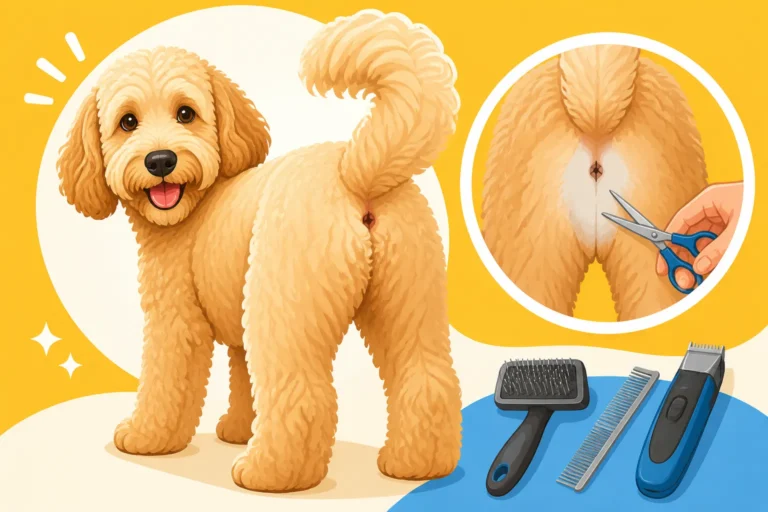
Instead of pulling out the hair by the root, many groomers and vets now advocate for simply trimming the hair at the entrance of the ear canal and on the underside of the ear flap. This method achieves the goal of improved airflow without causing the micro-trauma associated with plucking. Using a small pair of blunt-nosed scissors or a tiny electric trimmer (often called a detail trimmer or a "peanut" trimmer), groomers can carefully clip away the excess hair that's obstructing the ear canal opening. This doesn't remove the hair entirely, but it shortens it enough to prevent it from matting and blocking the flow of air.
The benefit here is twofold: you still get better ventilation, which helps to keep the inner ear dry, and you avoid creating those tiny open wounds that can lead to infection. Regular trimming also makes it easier to clean the ear, as there's less hair for wax and debris to cling to. It's a proactive measure that focuses on maintenance rather than an aggressive removal. Many Goldendoodles tolerate trimming much better than plucking, making the experience less stressful for both dog and owner. You can find detail trimmers on sites like Chewy or Amazon, making it accessible for home use, but always exercise extreme caution and consider professional guidance first.
Consistent Ear Cleaning Routine
A consistent and appropriate ear cleaning routine is paramount for Goldendoodle ear health, regardless of whether you pluck or trim. The goal of cleaning is to remove excess wax and debris, reduce moisture, and maintain a healthy microbial balance in the ear. This isn't about scrubbing aggressively; it's about gentle, regular maintenance. For Goldendoodles, whose ears are prone to dampness, this routine is even more critical. The Weekly Goldendoodle Ear Routine Step by Step is an essential read for any Goldendoodle owner.
Your veterinarian can recommend a suitable ear cleaning solution, which typically contains a drying agent and a mild antiseptic. When cleaning, gently lift your Goldendoodle's ear flap, insert the tip of the cleaner bottle into the canal (never push it deep), and squeeze in the recommended amount of solution. Then, massage the base of the ear for about 30 seconds to help break up debris. Let your Goldendoodle shake their head – this is crucial as it helps dislodge the gunk. Finally, use a soft cotton ball or gauze wrapped around your finger to gently wipe away any visible solution and debris from the outer ear and the visible parts of the canal. Never use cotton swabs deep inside the ear, as this can push debris further in or damage the eardrum.
Consistency is key. Depending on your Goldendoodle's individual needs, activity level (especially if they swim!), and ear history, cleaning might be needed anywhere from once a week to a few times a month. If your Goldendoodle loves water, ensuring Why a Wet Goldendoodle Ear Has to Be Dried Fast is followed rigorously after every dip is vital. This proactive approach helps keep the ear environment clean and reduces the need for more drastic interventions like frequent plucking.
A Holistic Approach to Goldendoodle Ear Hygiene
Maintaining healthy ears for your Goldendoodle isn't just about what you do or don't do with their ear hair; it's about a comprehensive approach that considers their entire well-being. From their diet to their environment, many factors can influence ear health. Adopting a holistic perspective means looking at the bigger picture and implementing strategies that support overall health, which in turn benefits those sometimes-troublesome Goldendoodle ears.
Environmental and Lifestyle Adjustments
Your Goldendoodle's environment and daily activities play a significant role in their ear health. For instance, if your Goldendoodle loves to swim, or if you live in a humid climate, their ears are naturally going to be more prone to dampness. After any water exposure – a bath, a swim in the lake, or even a walk in heavy rain – it is absolutely crucial to thoroughly dry your Goldendoodle’s ears. Using a soft towel to gently blot the outer ear and, if your dog tolerates it, a low, cool setting on a hairdryer (held at a safe distance) to gently dry the inner ear canal can make a huge difference. This prevents moisture from lingering and creating a breeding ground for yeast and bacteria.
Beyond water exposure, consider the general cleanliness of your dog's living spaces. Dust, pollen, and other allergens can irritate sensitive ears, leading to inflammation and itchiness. Regular vacuuming, washing dog bedding, and keeping outdoor areas free of excessive allergens can help. Furthermore, ensuring your Goldendoodle gets adequate exercise and mental stimulation can reduce stress, which some experts believe can impact overall immune function and susceptibility to infections. Remember that while Goldendoodles love to be active, always check for Burrs and Foxtails in a Goldendoodle Coat after outdoor adventures, as these can easily migrate into ear canals.
The Role of Diet in Ear Health
While it might not seem immediately obvious, your Goldendoodle's diet can have a profound impact on their ear health, particularly if they are prone to allergies. Food allergies often manifest as skin issues, and guess what? The skin lining the ear canal is part of that same system. If your Goldendoodle is constantly scratching, has chronic redness, or experiences recurring ear infections despite diligent cleaning, diet could be a significant underlying factor. Common food allergens for dogs include certain proteins like beef, chicken, dairy, and wheat.
Working with your veterinarian to conduct an elimination diet trial can help identify if a food allergy is at play. This typically involves feeding a novel protein or hydrolyzed protein diet for several weeks and then reintroducing ingredients one by one. If ear issues clear up on the special diet and then return when a specific ingredient is added back, you've found your culprit. Switching to a hypoallergenic diet or one with novel proteins can dramatically reduce inflammation throughout the body, including the ears, thus preventing many recurring ear problems. While brands like Ollie focus on fresh food, always consult your vet for specific dietary recommendations tailored to allergy management.
When to Seek Professional Goldendoodle Ear Care
While home care is essential, there are times when your Goldendoodle's ear issues warrant a trip to the vet or a professional groomer. It’s crucial to know the signs that indicate a problem is escalating beyond what you can manage with routine cleaning and care. Ignoring these signals can lead to more serious health complications for your beloved companion.
Recognizing Signs of Infection
You know your Goldendoodle best, and any change in their behavior or the appearance of their ears should be noted. The most common and obvious signs of an ear infection include excessive head shaking or pawing at the ears. Your dog might also hold their head tilted to one side. When you examine the ear, you might notice redness, swelling, or warmth to the touch within the ear canal or on the ear flap. A foul odor emanating from the ear is a strong indicator of bacterial or yeast overgrowth.
Discharge is another tell-tale sign; this can range from a dark, waxy build-up (often indicative of yeast) to yellowish or greenish pus (suggesting a bacterial infection). Your Goldendoodle might also yelp or show pain when you try to touch their ear. If you observe any of these symptoms, don't delay – a prompt visit to the veterinarian is necessary. Ear infections can be incredibly uncomfortable and painful, and if left untreated, they can lead to chronic issues, hearing loss, or even spread to other parts of the body. Timely intervention is key to effective treatment and preventing future recurrences. Early detection and treatment can make all the difference in managing Goldendoodle Ear Infections That Return Every Month.
The Role of the Veterinarian and Professional Groomer
When it comes to ear issues, your veterinarian should always be your first point of contact, especially if you suspect an infection. A vet can accurately diagnose the type of infection (bacterial, yeast, or both) through an otoscopic examination and microscopic analysis of ear swabs. They can then prescribe the appropriate medication, which might include topical drops, oral antibiotics, or anti-fungals. Your vet can also assess the severity of the infection, check for foreign bodies, or identify underlying causes like allergies or ear mites. They can also provide guidance on Ear Cleaner Solutions Safe for a Goldendoodle and demonstrate proper cleaning techniques.
A professional groomer, while not a medical professional, can play a supportive role in ongoing ear hygiene. Once a vet has cleared your Goldendoodle of active infection and you've established a healthy ear baseline, a skilled groomer can help with maintenance. They are trained in careful trimming of ear hair, ensuring improved airflow without causing irritation. They can also spot early signs of trouble, like excessive redness or a developing odor, and alert you to consult your vet. A good groomer understands the unique needs of a Goldendoodle's coat and ears and can integrate ear care seamlessly into their regular grooming appointments. Make sure your groomer is aware of your Goldendoodle's ear history and preferences, and always prioritize veterinary advice for any suspected medical issues.
| Aspect | Ear Hair Plucking (Manual) | Ear Hair Trimming (Clipping) |
|---|---|---|
| Method | Hairs pulled out from the root using fingers or hemostats | Hairs cut short using blunt scissors or small clippers |
| Trauma | Can cause micro-trauma, open follicles, inflammation | Minimal to no trauma to skin if done carefully |
| Pain | Can be painful and uncomfortable, leading to negative associations | Generally well-tolerated, less painful |
| Infection Risk | Higher risk due to open wounds and inflammation | Lower risk, as skin barrier remains intact |
| Airflow | Immediately improves airflow by removing hair completely | Improves airflow by shortening hair, preventing blockage |
| Debris Trapping | Reduces spots for debris to cling; can lead to more wax buildup due to irritation | Reduces ability for debris to cling and accumulate |
| Maintenance | Typically done less frequently (e.g., monthly to quarterly) | Can be done more frequently (e.g., every 2-4 weeks) during grooming |
| Skill Level | Requires precision to avoid skin damage, can be challenging for owners | Easier for owners with proper tools and technique, but still requires care |
| Vet Recommendation | Increasingly discouraged by vets unless medically indicated | Generally favored by modern vets and groomers as a safer alternative |
Maintaining Long-Term Goldendoodle Ear Health
Ensuring your Goldendoodle’s ears remain healthy throughout their life requires a proactive and consistent approach. It’s not just about addressing problems when they arise, but about implementing preventative measures and maintaining good habits from puppyhood through their senior years. Think of it as a commitment to their comfort and well-being, an integral part of responsible Goldendoodle ownership.
Establishing a Preventative Routine
The cornerstone of long-term ear health for your Goldendoodle is a well-established preventative routine. This means regular visual checks of their ears, even when they seem perfectly fine. Aim to do a quick check a few times a week, or daily if your dog is prone to issues. Look for redness, swelling, unusual discharge, or any unpleasant odor. Early detection of minor issues can prevent them from escalating into painful infections. Incorporate ear examination into your regular petting sessions, so your Goldendoodle associates it with positive attention rather than discomfort.
Beyond visual checks, a regular cleaning schedule, as discussed earlier, is crucial. For many Goldendoodles, cleaning every one to two weeks is sufficient, but this might need to be adjusted based on their activity level, ear type, and any history of infections. After baths or swimming, always ensure their ears are thoroughly dried. If your Goldendoodle has a significant amount of internal ear hair, regular trimming by you or your groomer will prevent matting and improve air circulation without the trauma of plucking. Remember, consistency in these small steps adds up to significant long-term benefits, helping to avoid recurring problems like Yeast in a Goldendoodle Ear After Swimming.
Educating Yourself and Working with Professionals
The world of dog care is constantly evolving, and what was considered best practice years ago might be outdated today. As a Goldendoodle owner, continuously educating yourself on current veterinary recommendations and best grooming practices is vital. Read reputable sources, attend webinars, or talk to experienced Goldendoodle owners. Understand the unique challenges posed by your Goldendoodle’s specific coat type and ear structure. The Goldendoodle Hybrid Vigor Claim and Where It Breaks often touches on how mixed breeds inherit unique combinations of traits, and ears are a prime example.
Furthermore, fostering a strong, communicative relationship with your veterinarian and professional groomer is invaluable. They are your partners in your Goldendoodle’s health journey. Don't hesitate to ask questions, discuss your concerns, and seek their expert advice. Share your Goldendoodle’s full medical history and any observations you have made about their ears. A good vet can guide you on the most appropriate ear care products and techniques, while a skilled groomer can execute these practices safely and effectively. Together, you can create a tailored ear care plan that keeps your Goldendoodle comfortable, healthy, and happy for many years to come, avoiding the dreaded Goldendoodle Ear Hematomas From Head Shaking.
Disclaimer
This article is for general informational purposes only and does not constitute professional advice. Laws, prices and regulations vary by location and change over time. Consult a qualified professional for guidance on your specific situation.