The Goldendoodle Hybrid Vigor Claim and Where It Breaks
It’s a truly frustrating experience to pour your heart and savings into bringing home a Goldendoodle, often with the promise of "hybrid vigor" suggesting a healthier, longer-lived companion, only to find yourself facing vet bills and chronic conditions sooner than you ever expected. The dream of a healthier crossbreed can often clash with the complicated realities of canine genetics, leaving many owners feeling confused and let down. This guide will meticulously break down the concept of hybrid vigor, explore where its claims for Goldendoodles often fall short, and equip you with the knowledge to make informed decisions about your furry family member's health.
Understanding the Buzz Around "Hybrid Vigor"
When you first hear the term "hybrid vigor," or heterosis as it's known scientifically, it sounds fantastic, right? It conjures images of robust, resilient animals, free from the common ailments that can plague purebred dogs. For Goldendoodle enthusiasts, this concept has become a cornerstone of their appeal, suggesting that by mixing the Golden Retriever and the Poodle, you automatically get a dog that's stronger and healthier than either parent.
The Basic Idea of Hybrid Vigor in Crossbreeds
At its core, hybrid vigor is the phenomenon where a crossbred individual shows superior qualities to both of its parents, particularly when those parents come from two distinct, unrelated genetic lines. Think of it like this: in purebred lines, continuous breeding within a small gene pool can sometimes lead to an accumulation of recessive genes that cause health problems. If both parents carry a copy of a problematic recessive gene, their offspring will inherit two copies and express the disease.
The theory behind hybrid vigor is that by breeding two different purebreds, you're introducing a wider variety of genes. This increased genetic diversity means that if one parent carries a recessive gene for a specific illness, the other parent is less likely to carry the same problematic recessive gene. So, the offspring will inherit only one copy, making them a "carrier" but not actively affected by the disease. It's like shuffling a deck of cards, theoretically reducing the chances of drawing two of the same "bad" card. This concept is particularly strong in F1 crosses, which are the first generation resulting directly from two purebred parents (e.g., a purebred Golden Retriever and a purebred Poodle). The thinking goes that these dogs maximize heterozygosity, meaning they have more varied gene pairs, which can sometimes lead to improved health, fertility, and growth.
Why the Goldendoodle Seems Like a Prime Candidate
Given the popularity of Goldendoodles, it’s easy to see why the hybrid vigor narrative has taken such a strong hold. Golden Retrievers are beloved for their friendly temperament and intelligence, but they are unfortunately predisposed to certain cancers, hip and elbow dysplasia, and heart conditions. Poodles, renowned for their intelligence, elegant appearance, and low-shedding coats, also come with their own set of potential genetic pitfalls, including Addison's disease, progressive retinal atrophy (PRA), and patellar luxation.
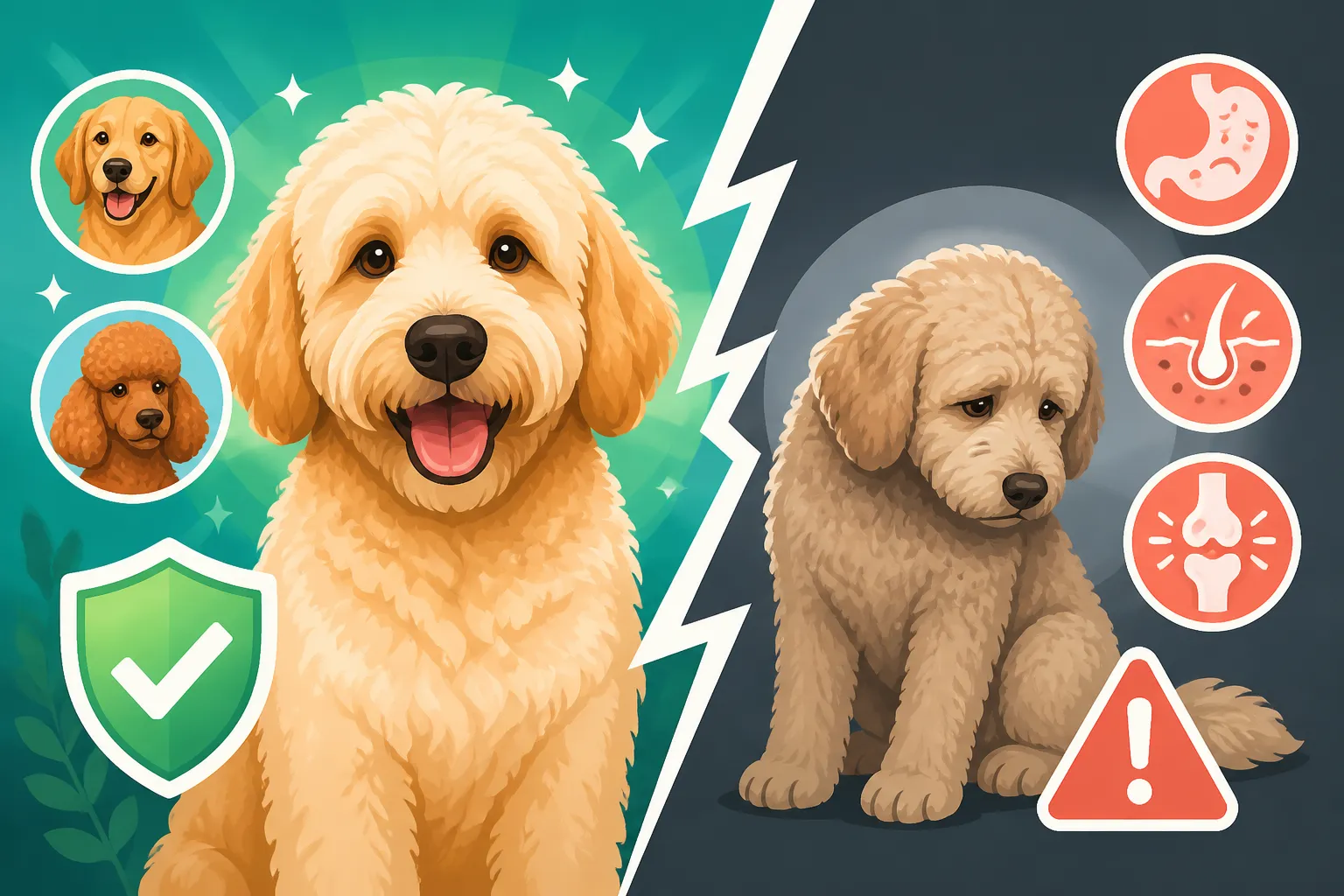
So, on paper, crossing these two breeds seems like a brilliant strategy. The hope is that the Golden Retriever's genetic weaknesses will be "covered" by the Poodle's strengths, and vice-versa. People are often told they’re getting the best of both worlds: the Golden's sunny disposition and the Poodle's smarts and allergy-friendly coat, all wrapped up in a healthier package thanks to that elusive hybrid vigor. This promise is incredibly appealing to prospective owners who want to minimize the risk of their beloved pet suffering from debilitating, and expensive, genetic conditions. It taps into a desire for a "better" dog, one designed to circumvent the known health challenges of its ancestors. However, as we'll explore, the reality is far more nuanced, and simply being a crossbreed doesn't magically erase all inherited health risks.
The Genetic Reality: Where the Promise Meets Practice
It's easy to get swept up in the allure of "hybrid vigor," especially when you’re dreaming of a healthy, long-lived Goldendoodle. But let's take a deep breath and look at the actual genetics behind this claim. The promise of hybrid vigor often gets oversimplified, and the reality is that a crossbreed isn't automatically a health superhero just because it has two different purebred parents.
Heterozygosity and Genetic Diversity
The scientific basis for hybrid vigor truly lies in something called heterozygosity, which is just a fancy way of saying having different versions (alleles) of a gene at a particular location on a chromosome. When an individual is heterozygous for many genes, it means they have a wider variety of genetic material. The idea is that if one allele carries a "fault" for a recessive disease, the other, healthy allele can compensate, thus preventing the disease from manifesting. This is why the first generation (F1) cross, like a Goldendoodle from two purebred parents, is often cited as having the most potential for hybrid vigor. They receive one set of chromosomes from each purebred parent, maximizing the chances of having different alleles for many genes.
However, here’s where the practical application gets tricky with Goldendoodles. While an F1 cross can have increased heterozygosity, it doesn't mean they are immune to genetic diseases. It only offers protection against recessive diseases where only one parent carries the problematic gene. If both the Golden Retriever parent and the Poodle parent carry the same recessive gene for a disease (and yes, this happens more often than you might think!), then that F1 Goldendoodle still has a 25% chance of inheriting two copies and expressing the disease. For instance, both Golden Retrievers and Poodles can carry genes for certain eye conditions, like progressive retinal atrophy (PRA), and some joint issues. In such cases, the "hybrid" status offers no protective shield. This is a crucial point that is often missed in the general discussion about Goldendoodle health, making the claim of universal hybrid vigor misleading.
The Crucial Role of Parent Breed Health Testing
This brings us to arguably the single most important factor in Goldendoodle health: comprehensive health testing of both parent breeds. Without rigorous health screening of the Golden Retriever dam and the Poodle sire, the concept of hybrid vigor is practically meaningless for disease prevention. A breeder who truly understands genetics and cares about the health of their puppies won't simply rely on the "hybrid" label. Instead, they will go above and beyond to ensure that neither parent carries genetic predispositions to serious illnesses.
Think about it: if the Golden Retriever parent has poor hip scores and the Poodle parent also has questionable hip and elbow clearances, what does hybrid vigor really accomplish for their puppies? Not much, unfortunately. You're still combining two sets of potentially compromised genetics. This is why understanding Health Testing Both Goldendoodle Parents Should Have is absolutely non-negotiable. Reputable breeders invest in extensive health clearances, which typically include:
- Orthopedic Evaluations: Hip and elbow dysplasia screening through organizations like OFA (Orthopedic Foundation for Animals) or PennHIP. Goldendoodle Hip Dysplasia at 15 to 20 Percent is a concerning figure that highlights the importance of these tests.
- Eye Examinations: Annual eye exams by a board-certified veterinary ophthalmologist, looking for conditions like PRA, cataracts, and other inherited eye diseases. Progressive Retinal Atrophy Carried by Both Goldendoodle Lines is a prime example of a disease common to both parent breeds.
- Cardiac Health: Heart clearances to rule out conditions like subvalvular aortic stenosis (SAS) in Golden Retrievers or other congenital heart defects.
- Genetic Disease Panels: DNA tests for conditions prevalent in Golden Retrievers (like certain cancers, ichthyosis) and Poodles (like Addison's disease, Von Willebrand disease, neonatal encephalopathy). The DNA Panel a Goldendoodle Breeder Should Run is an excellent resource for understanding which tests are essential.
Without this level of due diligence, simply mating two purebred dogs doesn't guarantee a healthy outcome. It’s like buying a car where the manufacturer claims it’s "new and improved" but offers no safety test results. The hybrid vigor claim only holds any weight if the starting genetic material from both parents is confirmed to be as sound as possible. If you're looking for a Goldendoodle, always ask to see verifiable OFA Clearances on a Goldendoodle Sire and Dam, along with DNA test results, and don't just take a breeder's word for it.
Breaking Down the F1 Generation Myth
The F1 Goldendoodle is often presented as the gold standard for hybrid vigor, the purest expression of the cross, and therefore, the healthiest. It makes sense on paper: you're taking two distinct purebred lines, Golden Retriever and Poodle, and combining them for the very first time. This first generation, theoretically, maximizes genetic diversity. But, like many things in canine genetics, the reality is a little more complex and less predictable than the marketing often suggests.
The "Fifty-Fifty" Goldendoodle and Its Variability
An F1 Goldendoodle is defined as having one purebred Golden Retriever parent and one purebred Poodle parent. The expectation is that the puppies will inherit a roughly 50% genetic contribution from each breed. This is where the notion of "hybrid vigor" is said to be at its peak because you're introducing the widest genetic variation possible between two distinct purebred lines. The thought is that if one parent carries a recessive gene for a specific health issue, the other parent, coming from a different breed, is less likely to carry the same gene, thus preventing the disease from manifesting in the F1 offspring.
However, this "fifty-fifty" split is merely an average. Genetic inheritance isn't always perfectly symmetrical. Each puppy in an F1 litter will inherit a random assortment of genes from each parent. This means that while some F1 puppies might indeed hit a genetic sweet spot, experiencing the benefits of heterozygosity, others might, by chance, inherit a less fortunate combination. One puppy might lean more heavily on the Golden Retriever side genetically, another on the Poodle side. This variability is precisely why the F1 generation can be the most unpredictable, not just in terms of coat type and shedding, but also in health outcomes. You might end up with a puppy that closely resembles a Golden Retriever in its health predispositions, even if it has a Poodle parent in its immediate lineage. This unpredictability undermines the blanket claim of superior health due to hybrid vigor for every F1 Goldendoodle.
Unpredictable Outcomes in F1 Crosses
The variability in F1 crosses extends far beyond just coat and looks; it profoundly impacts health. While the idea is that the diverse gene pool will "mask" recessive disease genes, this only works if the parent breeds don't share common genetic vulnerabilities. The problem is, Golden Retrievers and Poodles, despite being distinct breeds, do share some concerning predispositions.
For instance, both breeds can be prone to hip and elbow dysplasia. If both the Golden Retriever parent and the Poodle parent have a genetic predisposition to hip dysplasia, even if their individual OFA scores are "good" or "excellent," an F1 puppy could still inherit that combined risk. Suddenly, your "hybrid" isn't magically healthier; it's still susceptible to conditions present in both ancestral lines. The same goes for certain eye conditions, like progressive retinal atrophy. If both parent breeds carry genes for PRA, an F1 Goldendoodle can still inherit two copies and be affected. You can delve deeper into this specific risk by reading about When Both Goldendoodle Parents Carry the Same Gene.
Moreover, F1 Goldendoodles can also inherit unique issues from either parent breed without the "vigor" masking them. For example, a Golden Retriever parent might pass on a predisposition to certain cancers, while a Poodle parent might pass on a tendency towards Addison's disease. The "hybrid" status doesn't eliminate these risks; it merely shuffles them. The unpredictable outcomes mean that relying solely on the F1 label for guaranteed health is a gamble. A Goldendoodle's health, regardless of generation, is far more dependent on the ethical breeding practices and diligent health testing of the individual parent dogs than on the simple act of crossing two breeds. This is why thorough research into the breeder's practices and the health history of both parents remains paramount, challenging the simplistic "F1 is healthiest" narrative.
Subsequent Generations: F1b, F2, and Multigen Goldendoodles
While the F1 Goldendoodle is often lauded for its potential hybrid vigor, the reality is that many Goldendoodles on the market today are not F1s. Breeders have continued to develop subsequent generations like F1b, F2, and multigen Goldendoodles, often in an attempt to achieve more consistent traits like coat type and reduced shedding. However, this advancement in predictability often comes at the cost of diluting any potential hybrid vigor that might have been present in the initial F1 cross.
Concentrating Poodle or Golden Retriever Genes
Let's talk about the F1b Goldendoodle first, as it's a very popular choice, especially for those seeking a lower-shedding or more "hypoallergenic" coat. An F1b Goldendoodle is typically the result of breeding an F1 Goldendoodle back to a purebred Poodle. This means the F1b generation is roughly 75% Poodle and 25% Golden Retriever. While this breeding strategy effectively increases the likelihood of a curlier, non-shedding coat, it simultaneously reduces the genetic diversity that contributed to the original hybrid vigor.
By breeding back to a Poodle, you are, by definition, concentrating the Poodle genes. If the Poodle parent line has a predisposition to certain health issues—like Addison's disease, sebaceous adenitis, or certain eye conditions—then an F1b Goldendoodle will have a higher statistical chance of inheriting these Poodle-specific conditions. The "hybrid" aspect is still there, but the genetic balance shifts significantly. You're essentially reducing the influence of the Golden Retriever's genetic diversity that was supposed to "cover" the Poodle's recessive genes. This is one of the key points where Why Goldendoodle Hybrid Vigor Fades After F1 becomes evident. While an F1b might be a great choice for someone with allergies, it’s not necessarily a healthier choice from a broad genetic perspective if you’re hoping for superior vigor.
The Further Dilution of Hybrid Vigor in Later Generations
The trend continues with F2 Goldendoodles (F1 Goldendoodle x F1 Goldendoodle) and then multigen Goldendoodles (any subsequent breeding of Goldendoodles to Goldendoodles). In an F2 cross, you're now breeding two individuals that already have a mixed genetic background. The initial "boost" in heterozygosity seen in the F1 generation starts to become diluted. While there's still a mix of genes, the chances of recessive genes from either the Golden Retriever or Poodle ancestry pairing up and expressing themselves increase because both F1 parents carry a mix of those genes.
Imagine trying to maintain genetic diversity by continually breeding within the Goldendoodle pool. Over time, if not managed with extreme care and intentional outcrossing to new, health-tested purebred lines, the Goldendoodle population could potentially start to develop its own set of common genetic predispositions, similar to what happens in purebred lines. The more you breed Goldendoodle to Goldendoodle, the further you move away from the distinct genetic backgrounds that initially underpinned the hybrid vigor theory.
Multigen Goldendoodles are often touted for their coat consistency and predictable temperaments, which are desirable traits for many owners. However, from a health perspective concerning hybrid vigor, they are the furthest removed from the initial genetic "freshness" of the F1 cross. Without diligent and careful selection of breeding pairs—including extensive health testing and thoughtful consideration of genetic diversity—multigen Goldendoodles risk consolidating genetic weaknesses rather than benefiting from any broad hybrid vigor. It's a critical distinction to make: while these later generations might offer more predictability in appearance, they don't necessarily offer a guarantee of superior health simply because they are "doodles." The focus must always revert to the individual health clearances of the breeding dogs, regardless of their generation.
The Shared Disease Pool: A Significant Blind Spot
One of the biggest misconceptions surrounding Goldendoodle hybrid vigor is the idea that crossing two breeds automatically eliminates or drastically reduces the risk of genetic diseases. While it's true that a cross can reduce the likelihood of some recessive diseases if only one parent breed carries the gene, this protective effect completely breaks down when both parent breeds share common genetic vulnerabilities. This shared disease pool is a major blind spot for many prospective Goldendoodle owners.
Conditions Found in Both Parent Breeds
Unfortunately, Golden Retrievers and Poodles, despite being distinct breeds, share a surprising number of predispositions to serious health conditions. This means that a Goldendoodle, regardless of generation, can inherit these conditions from either side of its lineage, making the "hybrid" label less of a shield than people hope.
Let's look at some prominent examples:
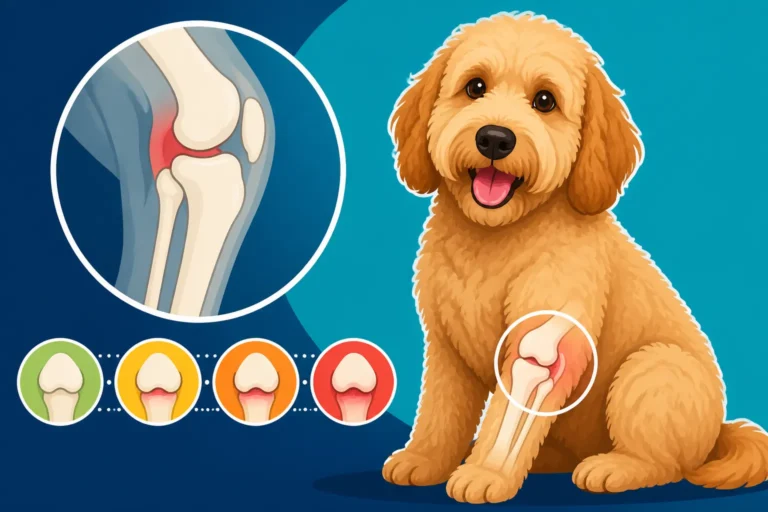
- Hip and Elbow Dysplasia: Both Golden Retrievers and Standard Poodles are prone to these debilitating joint conditions. Golden Retrievers are particularly notorious for hip dysplasia, with rates that can be quite high in un-tested lines. Poodles also carry a risk, especially larger Poodles. So, a Goldendoodle can easily inherit a genetic predisposition to poor joint conformation from both parents. Simply being a hybrid doesn't magically ensure perfectly formed joints if both parental lines have issues. Goldendoodle Hip Dysplasia at 15 to 20 Percent is a real concern that highlights this shared vulnerability.
- Progressive Retinal Atrophy (PRA): This is a group of degenerative eye diseases that eventually leads to blindness. Certain forms of PRA are found in both Golden Retrievers and Poodles. As we touched on earlier, Progressive Retinal Atrophy Carried by Both Goldendoodle Lines means that even an F1 Goldendoodle could inherit two copies of a faulty gene if both parents are carriers. In such a scenario, hybrid vigor offers absolutely no protection. Comprehensive eye exams and DNA testing for specific PRA variants are crucial here.
- Cataracts: While PRA leads to blindness, cataracts (clouding of the eye lens) can also be inherited in both breeds and contribute to vision loss.
- Patellar Luxation: More common in smaller Poodles, but it can occur in Goldens too. If a Mini or Toy Goldendoodle has a Poodle parent predisposed to slipping kneecaps, the Goldendoodle is at risk.
- Von Willebrand Disease (vWD): This is a bleeding disorder found in both Golden Retrievers and Poodles. It’s crucial for breeding parents to be tested for this, as hybrid status doesn't reduce the risk if both parents are carriers.
- Thyroid Disease: Hypothyroidism is a relatively common endocrine disorder in both Golden Retrievers and Poodles. A Goldendoodle could inherit this predisposition from either side.
The sheer volume of shared genetic predispositions means that a Goldendoodle isn’t starting from a clean slate. Instead, it’s inheriting from two gene pools that have their own, sometimes overlapping, challenges.
Why "Hybrid" Doesn't Offer Immunity
The expectation that a "hybrid" dog is somehow immune to diseases is a dangerous oversimplification. While increased genetic diversity can offer some protection against certain recessive diseases, it’s not a magic bullet. For a disease to be completely "covered" by hybrid vigor, only one of the parent breeds should carry the gene for that specific disease, and the other parent must be completely clear of it. When both parent breeds have a known incidence of the same condition, the protective effect of heterozygosity is significantly reduced, or even negated entirely.
Consider the example of cancer. Golden Retrievers have a notoriously high incidence of certain cancers, which contributes to the alarming Cancer Risk a Goldendoodle Carries From the Golden Side. While Poodles generally have lower cancer rates for some types, they are not cancer-free and can be predisposed to others. A Goldendoodle might still be at a significant risk for cancer due to its Golden Retriever lineage, even with the Poodle genetics in the mix. The "hybrid" status does not confer immunity; it merely shuffles the genetic deck, and if the cards for a particular disease are present in both halves of the deck, they can still be drawn.
This is precisely why choosing a responsible breeder who performs thorough, transparent, and verifiable health testing on both parent dogs is far more critical than simply relying on the "hybrid" label. Without this diligence, you could end up with a Goldendoodle that inherits the worst of both worlds, rather than the best. It's not about being a hybrid; it's about the quality of the genes being combined. Many owners find themselves navigating unexpected health challenges, discovering that their Goldendoodle needs specialized care for issues like Addison's Disease a Goldendoodle Gets From the Poodle or managing chronic Goldendoodle Ear Infections Under a Furnished Ear, which can be costly and emotionally taxing. This is also where a good pet insurance plan like one from Healthy Paws can be incredibly valuable, helping to mitigate the financial shock of unexpected health issues that "hybrid vigor" didn't prevent.
The Critical Role of Responsible Breeding and Health Testing
After delving into the nuances of hybrid vigor and the shared disease pool, it becomes abundantly clear that the true guardian of a Goldendoodle's health isn't its "hybrid" status, but the integrity and diligence of its breeder. Relying on the vague promise of heterosis without concrete evidence of health screening is a recipe for potential heartache and significant financial strain down the road.
Individual Health Clearances for Both Parents
This point cannot be stressed enough: a truly responsible Goldendoodle breeder prioritizes comprehensive individual health clearances for both the Golden Retriever parent and the Poodle parent. They don't just say their dogs are "healthy" or "vet checked"; they provide verifiable documentation from independent veterinary specialists and reputable organizations. This goes far beyond a general vet visit.
These clearances typically include:
- OFA/PennHIP for Hips and Elbows: These radiographic evaluations assess the structural integrity of the hip and elbow joints, aiming to reduce the incidence of debilitating conditions like dysplasia. You should be able to see "Good," "Excellent," or "Fair" for hips and "Normal" for elbows.
- OFA/CERF Eye Exams: Annual examinations by a board-certified veterinary ophthalmologist to screen for inherited eye diseases, including various forms of PRA, cataracts, and other issues that can lead to vision impairment or blindness.
- OFA Cardiac Exams: Evaluation of the heart by a board-certified veterinary cardiologist to rule out congenital heart defects.
- Genetic DNA Panels: Utilizing services like Embark or Paw Print Genetics to screen for a wide array of breed-specific genetic diseases that can be passed down. This includes conditions such as Von Willebrand's Disease (vWD), Progressive Retinal Atrophy (PRA), Neonatal Encephalopathy with Seizures (NEwS), Degenerative Myelopathy (DM), and Ichthyosis, among others. Crucially, these tests identify carriers, allowing breeders to make informed pairing decisions to avoid producing affected puppies.
A reputable breeder will not only perform these tests but will also be transparent and eager to share the results with prospective buyers. They understand that these documents are your assurance that they are doing everything in their power to produce healthy puppies. These aren't just papers; they are a commitment to reducing suffering and ensuring a better life for their dogs. Remember, you should always be allowed to review these documents, and a breeder who hesitates or makes excuses is a red flag. Knowing What Health Papers a Goldendoodle Breeder Should Show is your right as a buyer.
Transparency in Breeder Practices
Beyond just the health tests, transparency in overall breeding practices is a hallmark of a responsible breeder who understands that hybrid vigor isn't a free pass. They should be open about their facility, their dogs' living conditions, and their breeding philosophy. This isn't just about avoiding puppy mills; it's about finding someone who genuinely cares about the well-being of the puppies they produce.
A transparent breeder will:
- Allow visits to their premises: They’ll let you see where the puppies are raised and interact with the mother (dam) and potentially the father (sire) if he is on-site. This gives you a firsthand look at the environment and the temperament of the parent dogs.
- Be knowledgeable about both parent breeds: They should be able to discuss the health and temperament traits of Golden Retrievers and Poodles, and how these might manifest in their Goldendoodle puppies. They won't just parrot generic "hybrid vigor" claims.
- Provide a detailed health guarantee/contract: This legally binding document should outline the breeder's responsibility regarding genetic health issues and what recourse you have if a problem arises.
- Grill you with questions: A good breeder is vetting you as much as you're vetting them. They want to ensure their puppies are going to responsible, loving homes.
- Be selective about their breeding pairs: They won't just breed any two dogs because they are Golden Retrievers and Poodles. They will carefully select pairings based on health, temperament, and conformation, always aiming to improve the next generation.
- Be clear about what a Goldendoodle actually is: They will accurately explain Goldendoodle Generations From F1 to Multigen, and the potential variations in coat and temperament in each, rather than making unrealistic promises.
In essence, a responsible breeder acts as a filter, carefully curating the genetic material that goes into each litter. They understand that while Goldendoodles can be wonderful companions, their health is a direct reflection of the thought and care put into their breeding, not just a given due to their crossbred nature. This proactive approach by breeders, combined with pet parents like you doing your homework, is the strongest defense against the potential pitfalls of relying on exaggerated hybrid vigor claims. When considering the lifetime costs, including potential vet bills, having pet insurance from a provider like Healthy Paws can also provide crucial peace of mind for unexpected health issues.
Managing Expectations: Beyond the "Healthier Dog" Slogan
The marketing around "hybrid vigor" for Goldendoodles can set incredibly high expectations. Many new owners come home believing they have a genetically superior dog, practically immune to the common ailments of its purebred ancestors. This often leads to a rude awakening when health issues inevitably arise, leaving owners feeling confused, frustrated, and unprepared. It's crucial to manage these expectations with a healthy dose of realism.
The Importance of Ongoing Veterinary Care
Even the most impeccably bred Goldendoodle, from parents with flawless health clearances, is not impervious to illness. Just like humans, dogs can develop health problems that aren't purely genetic or inherited. Accidents happen, infections strike, and age takes its toll. Therefore, ongoing, proactive veterinary care is paramount for any dog, Goldendoodle or otherwise.
This means:
- Regular Wellness Exams: Annual (or bi-annual for seniors) check-ups are critical for early detection of problems. Your vet can catch subtle changes that you might miss, such as a new heart murmur, a change in coat condition indicative of thyroid issues, or early signs of arthritis.
- Vaccinations and Parasite Prevention: Staying up-to-date on core vaccinations and maintaining consistent flea, tick, and heartworm prevention are non-negotiable for protecting your Goldendoodle from preventable diseases.
- Dental Care: Goldendoodles, especially the smaller sizes, can be prone to dental crowding in the smaller sizes, which can lead to plaque buildup, gum disease, and tooth loss if not addressed. Regular dental cleanings (both at home and professionally) are a must.
- Nutrition and Weight Management: Feeding a high-quality, balanced diet appropriate for your Goldendoodle's size and activity level is foundational to good health. Overweight dogs are significantly more prone to joint issues, diabetes, and other health problems, regardless of their genetic background. The thick Goldendoodle coat can easily hide weight gain, so regular body condition checks are important.
- Grooming: A Goldendoodle's coat, regardless of type, requires significant maintenance. Failing to keep up with brushing and professional grooming can lead to severe matting, skin infections, and discomfort, all of which require veterinary intervention. You can read more about Brushing a Goldendoodle Often Enough to Stop Matting to stay ahead of these issues.
It’s important to remember that a vet's job isn't just to treat illness, but to prevent it. Your Goldendoodle deserves the same diligent healthcare as any other family member, and the "hybrid" label doesn't exempt them from needing it.
Planning for Potential Health Issues
Despite best efforts, Goldendoodles can still face significant health challenges, both inherited and acquired. Blind faith in hybrid vigor can leave owners emotionally and financially unprepared for these realities. It's essential to plan for potential health issues and understand that even a "good" cross can still have expensive problems.
Consider these common scenarios:
- Joint Problems: Even with careful breeding, Goldendoodles can still develop hip or elbow dysplasia, patellar luxation, or cruciate ligament tears due to genetics, growth, or injury. These conditions often require expensive diagnostics, medications, physical therapy, and potentially surgery, which can run into thousands of dollars.
- Allergies and Skin Issues: Goldendoodles are often prone to allergies, leading to chronic itching, skin infections, and ear problems. Goldendoodle Allergies and Itchy Skin are a frequent complaint among owners. Managing allergies can involve special diets, medications, allergy shots, and frequent vet visits, incurring ongoing costs.
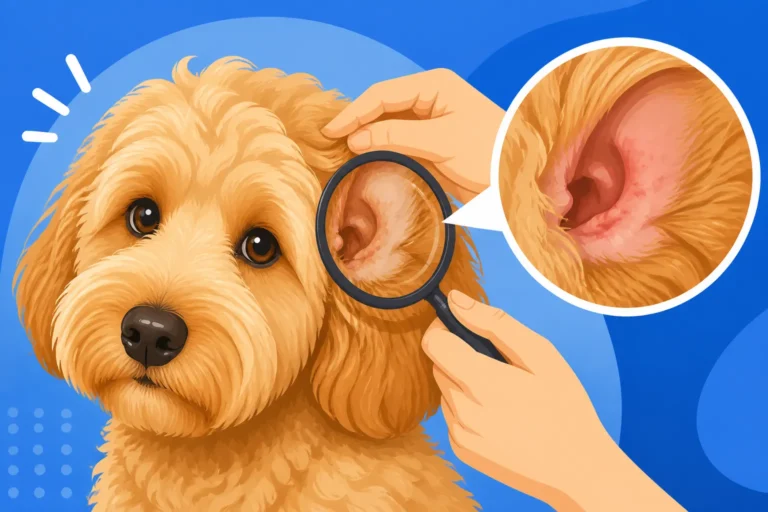
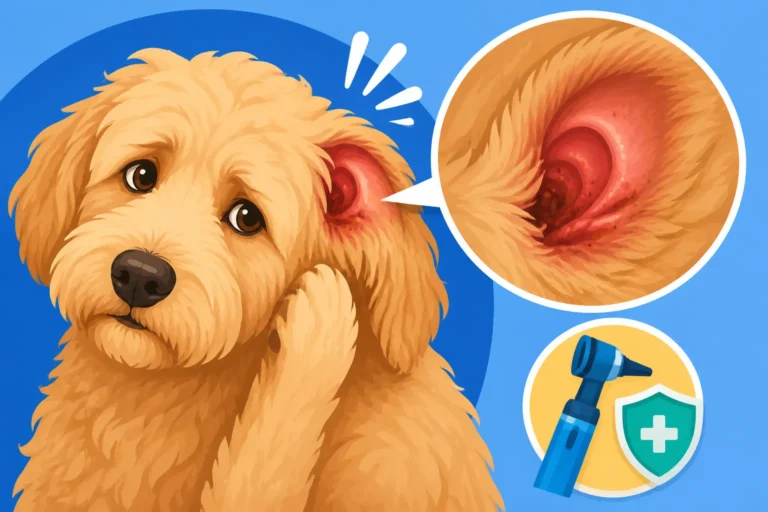
- Ear Infections: Due to their floppy, furnished ears, Goldendoodles are highly susceptible to ear infections. While often treatable, chronic infections can become costly and frustrating. Regular Cleaning a Goldendoodle Ear Before It Gets Infected is a crucial preventative measure.
- Cancers: While some hope the Poodle genetics might mitigate the Golden Retriever's high cancer risk, Goldendoodles can still be affected by various forms of cancer. Treatment, including surgery, chemotherapy, and radiation, is incredibly expensive.
- Autoimmune Diseases: Poodles are known for predispositions to Addison's disease and other autoimmune conditions. A Goldendoodle can inherit this susceptibility, and lifelong medication for such conditions can be a significant financial commitment.
This is precisely why pet insurance becomes a critical tool for Goldendoodle owners. Companies like Healthy Paws offer coverage that can significantly ease the financial burden of unexpected illnesses or accidents. Imagining a scenario where your beloved Goldendoodle suddenly needs emergency surgery for bloat (a risk in larger dogs) or extensive treatment for an aggressive cancer without any financial safety net is daunting. Healthy Paws can provide that safety net, allowing you to make medical decisions based on what's best for your dog, rather than solely on your bank account. Without a robust plan for potential health challenges, the "healthier dog" slogan can quickly turn into a source of immense stress and regret.
The Bottom Line: A Healthy Goldendoodle is a Well-Bred Goldendoodle
At the end of the day, the journey of bringing a Goldendoodle into your life should be filled with joy and excitement, not confusion or false promises. The concept of "hybrid vigor" has been a powerful marketing tool for Goldendoodles, often overshadowing the complex reality of canine genetics. While there's a kernel of scientific truth to it, simply crossing two breeds doesn't guarantee a super-healthy dog.
Focusing on Individual Dog Health, Not Breed Status
What truly matters for your Goldendoodle's health, longevity, and quality of life isn't whether it’s an F1, F1b, or multigen, or whether it's generically labeled a "hybrid." What matters most is the individual genetic health of both of its parents. A Goldendoodle from two thoroughly health-tested purebred parents, or from two equally health-tested Goldendoodle parents, will inherently have a better chance at a long, healthy life than a Goldendoodle whose parents' health status is unknown or disregarded.
Think of it this way: a mixed breed dog adopted from a shelter, whose parents' health history is a complete mystery, might also possess hybrid vigor. But without any health testing on the lineage, that's just a roll of the dice. Similarly, a Goldendoodle from a breeder who skips comprehensive health clearances is essentially the same gamble, but with a much higher price tag. The real value lies in the responsible breeding practices and the verifiable health data backing each parent. This is why when people ask, Whether a Goldendoodle Is Healthier Than a Purebred, the only honest answer is: it depends entirely on the specific breeding.
Ultimately, your focus should be on finding a Goldendoodle whose parents have undergone a full spectrum of breed-specific health tests, including OFA clearances for hips, elbows, and heart, annual eye certifications, and DNA testing for conditions like PRA, vWD, and Addison's disease. These tests provide concrete evidence of a breeder's commitment to health, far surpassing any vague claims of "hybrid vigor." Understanding What a Goldendoodle Inherits From Each Parent Breed also helps you anticipate specific health considerations relevant to your dog's unique genetic makeup.
Advocating for Informed Decision-Making
As a prospective or current Goldendoodle owner, you are your dog's strongest advocate. This means arming yourself with knowledge and asking tough questions. Don't be afraid to delve deep into a breeder's practices, demand to see health certificates, and speak with their veterinarian if possible. If a breeder is unwilling or unable to provide transparent answers and documentation, it’s a significant red flag.
The goal isn't to scare you away from Goldendoodles; they can be absolutely wonderful, loving, and intelligent companions. The goal is to ensure you enter into Goldendoodle ownership with realistic expectations and the tools to make the most informed decisions possible. Being prepared for potential health challenges, understanding the limitations of the "hybrid vigor" claim, and knowing that ongoing care and potential costs are part of any dog's life will make you a better, more resilient owner. Investing in pet insurance from companies like Healthy Paws is also a practical way to prepare for unforeseen medical expenses, providing peace of mind regardless of what genetics or life throws your way. By being proactive and informed, you can help ensure your Goldendoodle lives the happiest, healthiest life possible, a life far more secure than any general "hybrid vigor" claim could ever guarantee.
Disclaimer
Please note that the information provided in this article is intended for educational purposes only and should not be taken as professional veterinary advice. Always consult with a qualified veterinarian for any health concerns or before making any decisions about your Goldendoodle's care or treatment.