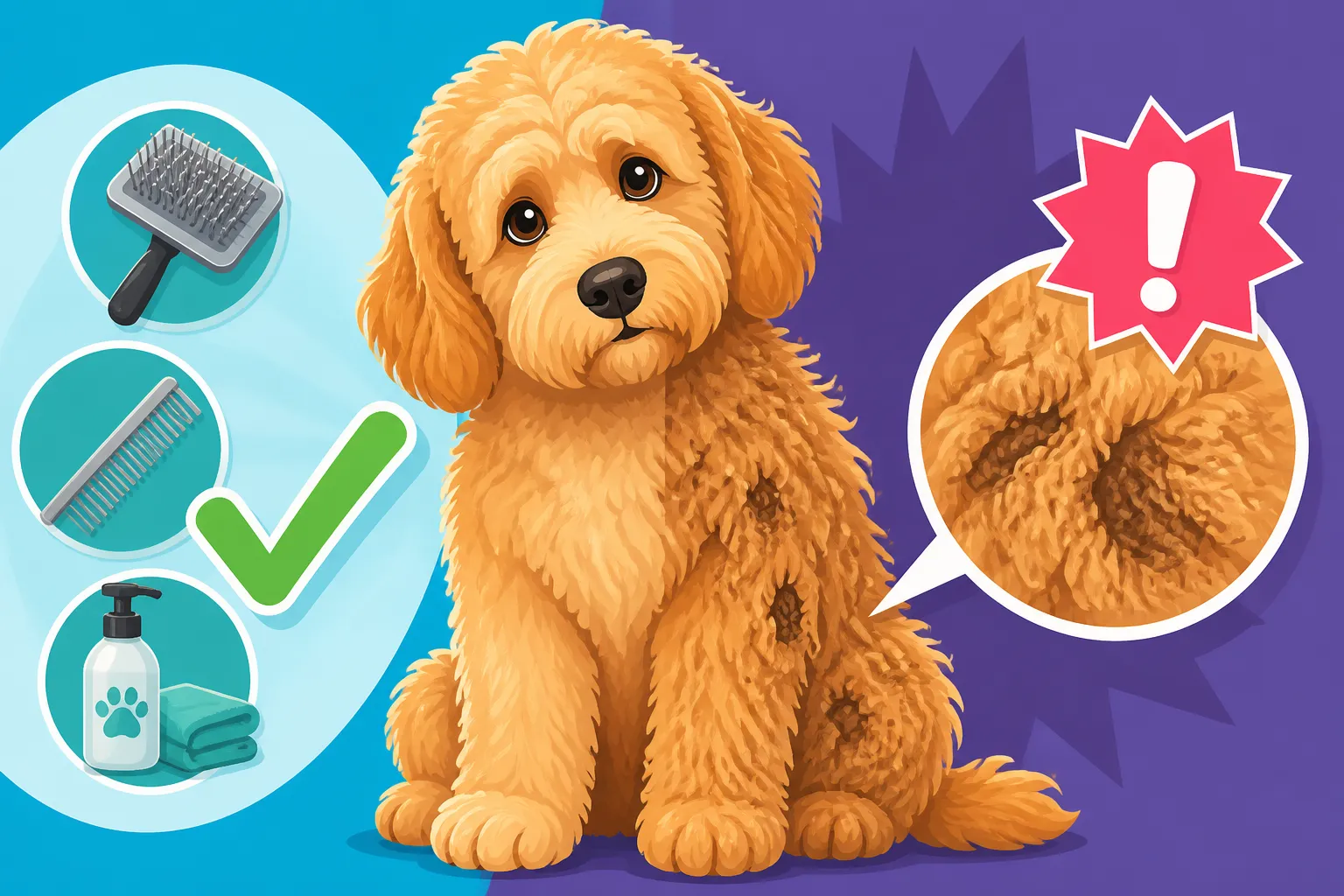
Why a Goldendoodle Suddenly Mats at Nine Months
It’s a scenario many Goldendoodle owners face: your adorable, fluffy puppy sailed through its first few months with a relatively easy-to-manage coat, and then, almost overnight, mats appear as if by magic. One day your brush glides through, the next it snags, and before you know it, you're battling tangles behind the ears, under the collar, and in the armpits. This sudden onset of matting, especially around the nine-month mark, isn't just frustrating; it's a clear sign your Goldendoodle is experiencing its "coat change," a crucial developmental phase that demands a shift in your grooming routine. This guide will walk you through what's happening to your Goldendoodle's coat during this challenging period and how you can proactively manage it.
The Great Coat Change: Why It Happens Around Nine Months
The "coat change" is a fundamental, sometimes baffling, part of growing up for many Goldendoodles. It's the period when their soft, often wispy puppy fur starts to give way to their denser, adult coat. This transition doesn't happen neatly; it’s a chaotic process where the finer puppy hair gets trapped by the coarser, thicker adult hair growing in, leading to a perfect storm for mat formation. Imagine trying to comb through two different textures of hair that are actively trying to intertwine – that’s essentially what’s happening on your Goldendoodle’s body.
This phenomenon typically kicks in between 8 and 12 months of age, with 9 months often being the peak of its intensity. It’s not just about shedding; it’s about the quality of the hair changing and the new growth intermingling with the old. The puppy coat is usually much softer and finer, almost like baby hair. The adult coat, depending on the Goldendoodle's genetics, can range from wavy to tightly curly, and it's generally thicker and more resilient. When these two different textures grow out together, the puppy coat acts like Velcro, clinging to the emerging adult hair and forming tight, painful knots close to the skin. This is why you might suddenly find huge mats even if you've been brushing regularly – the old routine just isn't enough anymore. You'll need to double down on your efforts, or you'll find yourself paying for serious dematting surcharges at the groomer.
Understanding the Biology Behind the Transition
Genetics play a huge role in the timing and severity of this coat change. Both Golden Retrievers and Poodles contribute to the Goldendoodle’s coat, and while Golden Retrievers tend to shed their puppy coat more gradually, the Poodle influence can introduce a distinct "blowing of the coat" phase. The Poodle's characteristic non-shedding, continually growing hair is what gives many Goldendoodles their low-shedding qualities, but it also means that dead hair doesn't fall out easily. Instead, it stays trapped within the new growth, which is why regular grooming is paramount. During this specific nine-month transition, the body is actively replacing the entire puppy coat, and because Goldendoodles have that "non-shedding" trait from the Poodle, those loose puppy hairs have nowhere to go but to tangle with the new, stronger adult hairs. It's a double-edged sword: less loose hair around the house, but more work to prevent mats on the dog itself.
Moreover, hormones and nutrition also influence coat health, though the genetic predisposition to the coat change is the primary driver. Ensuring your Goldendoodle is on a high-quality diet, perhaps from a brand like Ollie, can support overall skin and coat health, but it won't prevent the coat change from happening. It's more about how well the coat handles the process. Just like human teenagers go through growth spurts and body changes, your Goldendoodle is maturing, and its coat is reflecting that. It’s a completely normal, albeit challenging, part of their development. Understanding that this is a natural phase can help manage expectations and reinforce the need for consistent, diligent grooming. You'll want to read up on Why a Goldendoodle Puppy Coat Predicts Nothing because that soft, fluffy puppy coat is often a red herring for what's to come.
Common Areas for Mats During This Phase
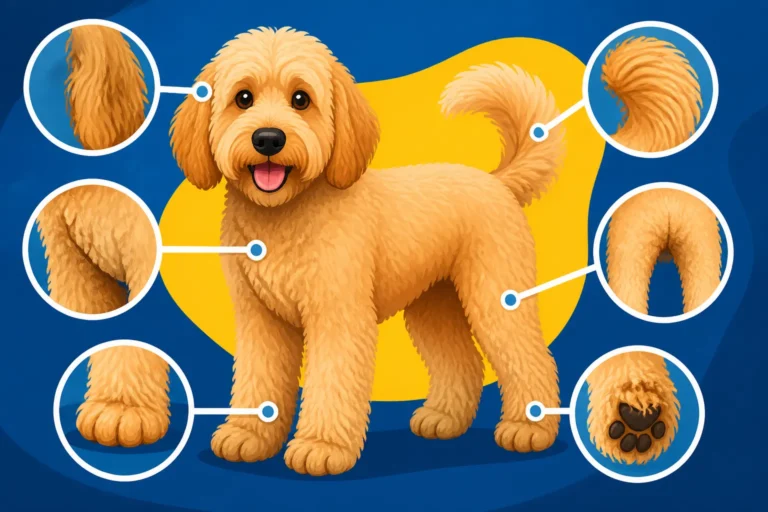
During the coat change, certain areas on your Goldendoodle are notorious for developing mats faster and more severely than others. These "hot spots" are typically areas of friction or where hair tends to be finer and denser. The most common culprits include behind the ears, under the collar or harness, in the armpits, and around the groin and tail base. These are places where movement and rubbing cause hair to felt together quickly. If you run your fingers through these areas and feel small, hard clumps, those are mats forming. These can quickly tighten and pull on the skin, becoming incredibly painful if left unaddressed. It’s a common scenario for owners to find a seemingly small mat behind an ear one day, only for it to balloon into a dense, painful felt pad within a couple of days if not brushed out immediately.
The belly and leg furnishings (the longer hair on the legs) are also prone to matting, especially in more active dogs who roll on the ground or run through brush. Even the facial hair, particularly the beard and around the eyes, can become a tangled mess, collecting food debris and moisture which exacerbates matting. This period is a real test of an owner's grooming dedication. Many Goldendoodles end up at the groomer severely matted around this age, simply because their owners weren't prepared for the intensity of the coat change. Knowing where to look and being proactive with your brushing in these specific areas can make a world of difference in preventing severe matting. You'll quickly discover that Behind the Ears and the First Goldendoodle Mats are often the first tell-tale signs of the coat change starting.
Preventing Mats During the Transition Period
Successfully navigating the Goldendoodle coat change requires a significant upgrade to your grooming routine. What worked for your fluffy puppy likely won't cut it now. The key is consistency, the right tools, and understanding proper brushing techniques. Think of it as a daily battle you need to win, otherwise, the mats will definitely win the war! This is where brands like Chewy and Amazon become your best friends, offering a vast array of brushes, combs, and detangling sprays to help you stock your grooming arsenal.
Essential Grooming Tools for the Coat Change
Before you even start brushing, you need to ensure you have the right equipment. Using the wrong tools or outdated tools will be ineffective and can even cause discomfort to your Goldendoodle, making them dread grooming sessions. A good quality slicker brush and a sturdy metal comb are non-negotiable.
Here’s a breakdown of the essentials:
| Tool | Purpose | Key Features | Why It's Crucial During Coat Change |
|---|---|---|---|
| Slicker Brush | Detangling, removing loose undercoat and puppy hair | Fine, bent wires; comfortable handle | Reaches deep into the coat, separates intertwining hairs, removes trapped puppy fur. |
| Metal Comb | Checking for mats, finishing brush-out, working out small tangles | Wide and fine tooth sections, blunt ends | Confirms complete detangling, crucial for finding hidden mats close to the skin. |
| Detangling Spray | Loosens mats, protects hair from breakage, adds moisture | Dog-specific formula, non-greasy | Makes brushing easier, prevents static, reduces pain for the dog. |
| Pin Brush | General brushing, fluffing coat (less for detangling severe mats) | Metal pins with rounded tips | Good for superficial brushing and keeping the topcoat tidy, especially for longer coats. |
| Mat Splitter | Carefully cutting through tight mats too difficult to brush out | Sharp blade with a guard | Last resort for severe mats; use with extreme caution to avoid skin injury. |
The slicker brush will be your primary weapon against mats. Look for one with firm but flexible pins. The metal comb, especially one with both wide and fine-toothed sections, is essential for "line brushing" and making sure you’ve gotten all the way down to the skin. Without the comb, you might just be brushing the top layer of the coat, leaving mats brewing underneath. Invest in a good detangling spray; it can make a world of difference in reducing static and easing the brush through stubborn tangles. You can find excellent options for all these tools on platforms like Chewy or Amazon. Remember, regular grooming should start early in a Goldendoodle's life, as discussed in Training a Goldendoodle Puppy for the Grooming Table, to make this transition easier.
Mastering the Art of Line Brushing
Line brushing is the most effective technique for preventing mats, especially during the coat change. It's a meticulous process, but it's the only way to ensure you're reaching all the way down to the skin, where mats typically form. Here's how to do it:
- Section the Coat: Start with your Goldendoodle lying down or standing comfortably. Begin at the bottom of a leg or flank. Use one hand to part the hair horizontally, revealing a small strip of skin.
- Brush in Layers: With your other hand, use the slicker brush to brush this exposed strip of hair upwards and outwards, away from the skin. Brush in small, gentle strokes. You're essentially working against the grain of the hair growth to get to the roots.
- Work Through the Section: Once that small section is free of tangles, move your parting hand up slightly, revealing another strip of skin directly above the one you just brushed. Repeat the brushing process, working your way up the body in small sections.
- Confirm with a Comb: After you've brushed a section with the slicker, always follow up with your metal comb. The comb should be able to glide smoothly through the hair, from the skin all the way to the ends, without snagging. If it snags, you've missed a mat, and you need to go back with the slicker brush. The comb is your ultimate truth-teller when it comes to finding hidden mats.
- Be Thorough: Work methodically across the entire body, paying extra attention to those mat-prone areas like behind the ears, armpits, and under the collar. This entire process can take quite a while, especially if your Goldendoodle has a dense or curly coat. This is not a five-minute job; you're looking at 30 minutes to an hour or more, daily or every other day, during the coat change. Consistency is key, as explained in Daily Brushing Through a Goldendoodle Coat Change.
This method ensures no hair is left unbrushed, preventing mats from forming close to the skin where they are hardest to remove. It takes patience, but it’s far less stressful and painful for your dog than having to deal with severe matting later on. Many owners underestimate the dedication required for Why a Goldendoodle Mats in a Week Without Brushing, but with the coat change, this fact becomes abundantly clear.
The Role of Detangling Sprays and Conditioners
During this challenging period, detangling sprays and leave-in conditioners become indispensable allies. They don’t just smell nice; they actually lubricate the hair strands, making it easier for your brush to glide through and reducing friction that can lead to breakage and matting.
Before you start a brushing session, lightly mist the section of hair you’re working on with a dog-specific detangling spray. This helps to loosen any minor tangles and protects the hair from damage during brushing. It also helps to prevent static electricity, which can make tangles worse. For tougher spots, you can apply a bit more spray and gently work it in with your fingers before using your slicker brush. Some owners even use a leave-in conditioner after bathing to help keep the coat hydrated and less prone to matting. Just be sure to use products formulated specifically for dogs, as human products can upset their skin's pH balance or contain ingredients that are toxic if ingested. Brands carried by Chewy often have a wide selection of these specialized grooming aids.
Remember, these products are aids, not solutions to replace actual brushing. They make the job easier, but they don't do the work for you. Consistent, thorough brushing with the right tools, facilitated by detangling sprays, is your best defense against mats.
When to Seek Professional Help (and How to Maintain Between Visits)
Even with the most diligent home grooming, the coat change can be overwhelming. There might be times when you need to call in the professionals. A skilled groomer can be an invaluable partner during this phase, not just for de-matting but also for guiding you on how to best care for your Goldendoodle’s evolving coat.
Recognizing When a Mat is Beyond Home Care
It's tempting to try and tackle every mat yourself, but there comes a point when a mat is simply too tight, too large, or too close to the skin to safely remove at home. If you're struggling to get your metal comb through a mat after applying detangling spray and gently working at it for several minutes, it's likely time to seek professional help. Trying to force a brush or comb through a severe mat will only cause pain and distress to your dog, potentially leading to a negative association with grooming.
Signs a mat is severe:
- Tight to the Skin: You can't see skin underneath the mat, and it feels hard and dense.
- Pulling the Skin: The skin around the mat appears red, irritated, or stretched.
- Dog Shows Discomfort: Your Goldendoodle yelps, bites, or tries to escape during grooming.
- Multiple Large Mats: The problem is widespread, not just a small isolated tangle.
In these situations, a professional groomer has specialized tools and experience to safely remove the mats, often by shaving them out. They prioritize the dog's comfort and will know the best way to address the issue without causing further pain or injury. Be prepared that severe matting often requires a full shave-down, which might not be the look you envisioned, but it’s often the kindest option for your dog. This is precisely why Why a Groomer Shaves a Matted Goldendoodle is such a common scenario for many owners.
The Groomer’s Role During the Coat Change
A professional groomer can be your secret weapon during the coat change. They are experienced with Goldendoodle coats and the unique challenges they present. During this period, you might find yourself booking appointments more frequently than before. Instead of waiting the usual 8-10 weeks, consider booking every 4-6 weeks to keep on top of the changing coat. This allows the groomer to catch minor tangles before they escalate into severe mats.
When you bring your Goldendoodle to the groomer, be upfront about your struggles. Tell them about the matting, and they can offer advice specific to your dog's coat type. They can also perform a "puppy trim" that keeps the coat shorter and more manageable during the transition, making your home grooming tasks much easier. They can also educate you on The Three Goldendoodle Coat Types and How to Tell Them, helping you understand what you're up against. Regular professional grooming appointments, combined with consistent home maintenance, are truly the best defense against severe matting during this tricky phase. Don't underestimate the value of professional intervention to keep your Goldendoodle comfortable and mat-free.
Maintaining Your Goldendoodle's Coat Between Professional Grooms
Even with regular trips to the groomer, your daily home grooming routine remains critically important. The groomer can do a fantastic job, but if you neglect brushing for weeks between appointments, mats will reappear. Think of professional grooming as a reset button and your home routine as the maintenance that keeps it from getting tangled again.
During the coat change, commit to daily or at least every-other-day line brushing. Focus on the mat-prone areas, as discussed earlier. If you find a small mat, don't let it grow. Gently work it out immediately using your slicker brush and metal comb, aided by a detangling spray. Regular bathing at home, with a good quality dog shampoo and conditioner, followed by thorough blow-drying and brushing, can also help keep the coat clean and less prone to tangling. Just remember, a damp coat can mat extremely quickly if not dried properly, so ensure your Goldendoodle is bone dry after a bath before putting them back into their crate or letting them run around.
Consider enrolling in a local dog grooming workshop or watching online tutorials (there are many great ones available via a quick search on Amazon or YouTube) specifically for Goldendoodle grooming. Learning proper techniques can empower you to tackle minor issues yourself and better communicate with your professional groomer. Remember that Booking a Goldendoodle Groom Every Six to Eight Weeks is usually the standard, but during the coat change, you might need to adjust this frequency to every four to six weeks. It's an investment of time and sometimes money, but it’s far less costly and painful than dealing with a severely matted dog that needs to be shaved down to the skin.
Dealing with Existing Mats and Preventing Future Ones
Finding mats can be disheartening, especially when you've been trying your best. But don't despair! With persistence and the right approach, you can manage the situation. Preventing future mats during this notorious coat change period is all about consistency and adaptation.
Safely Removing Small, Manageable Mats
For small, isolated mats that aren't too tight to the skin, you can try to remove them at home. The key words here are "small" and "manageable." If it's larger than a quarter or very tight, refer back to the advice about professional help.
Here’s a gentle approach:
- Locate the Mat: Pinpoint the mat and gently separate a small section of hair around it.
- Apply Detangler: Spray a generous amount of dog-specific detangling spray directly onto the mat. Let it sit for a minute or two to penetrate the hair.
- Use Fingers First: Gently try to pull the mat apart with your fingers, working from the outer edges inward. This breaks up the larger clump.
- Tease with a Comb: Using the fine-toothed end of your metal comb, or even just the very tips of the slicker brush, gently tease out small strands of hair from the very edge of the mat. Work slowly, one strand at a time, always pulling away from the skin. Hold the hair at the base of the mat close to the skin with your other hand to prevent pulling on your dog’s skin, which can be painful.
- Brush and Comb: Once the mat is mostly loosened, use your slicker brush to comb through the area, followed by your metal comb to ensure it's completely clear.
- Praise and Reward: Make it a positive experience with lots of praise and treats, perhaps some delicious, healthy options from Ollie that your dog loves.
Remember, patience is crucial. Never rip or pull at a mat, as this will cause significant pain and make your Goldendoodle fearful of grooming. If at any point your dog shows significant discomfort or aggression, stop and consider professional help. Sometimes, a mat splitter (used with extreme caution) or even blunt-nosed scissors can be used to carefully cut into a mat (never across it, and always parallel to the skin) to break it up before combing, but this is best done by an experienced hand.
Long-Term Strategies for a Mat-Free Goldendoodle
Once you've navigated the coat change, you'll still need to maintain a consistent grooming routine to keep future mats at bay. Here are some long-term strategies:
- Establish a Schedule: Even after the coat change, regular brushing 2-3 times a week (or daily for very curly coats) with a thorough line brushing technique is essential. Incorporate it into your daily routine, perhaps while you're watching TV.
- Regular Professional Grooms: Continue with professional grooming appointments every 6-8 weeks. This keeps the coat at a manageable length and allows groomers to tackle any areas you might miss.
- Invest in Quality Products: High-quality dog shampoos, conditioners, and detangling sprays help maintain coat health and make brushing easier. You can find a vast selection on Chewy.
- Consider Shorter Haircuts: If you find home grooming too challenging or time-consuming, talk to your groomer about a shorter haircut, like a "kennel clip" or a "sport cut." While many people love the fluffy teddy bear look, a shorter cut can significantly reduce the risk of matting and cut down on grooming time. A discussion with your groomer about Blade Lengths for a Goldendoodle Haircut can help you find a style that works for you and your dog.
- Address Problem Areas Proactively: Always pay extra attention to those mat-prone areas: behind the ears, armpits, and under harnesses or collars. These areas will always be the first to mat up.
- Nutrition and Hydration: A healthy diet contributes to a healthy coat. Ensure your Goldendoodle is getting appropriate nutrition, which can include omega fatty acids, to support skin and coat health. Brands like Ollie focus on fresh, balanced meals that can have a positive impact.
- Proper Gear: Ensure collars and harnesses fit properly and aren't rubbing or causing friction that encourages matting. Consider wider, softer collars if your dog is prone to neck mats.
- Teach Grooming Compliance: Even if your Goldendoodle is older, continue with cooperative care training. Make grooming a positive, calm experience using treats and praise. The more comfortable your dog is, the easier and more effective grooming will be.
By understanding the "why" behind the nine-month coat change and committing to a proactive, consistent grooming routine, you can ensure your Goldendoodle remains happy, healthy, and mat-free throughout its life. It's a journey, not a destination, but a well-groomed Goldendoodle is a joy to behold and a testament to your dedication!
Disclaimer
This article is for general informational purposes only and does not constitute professional advice. Laws, prices and regulations vary by location and change over time. Consult a qualified professional for guidance on your specific situation.