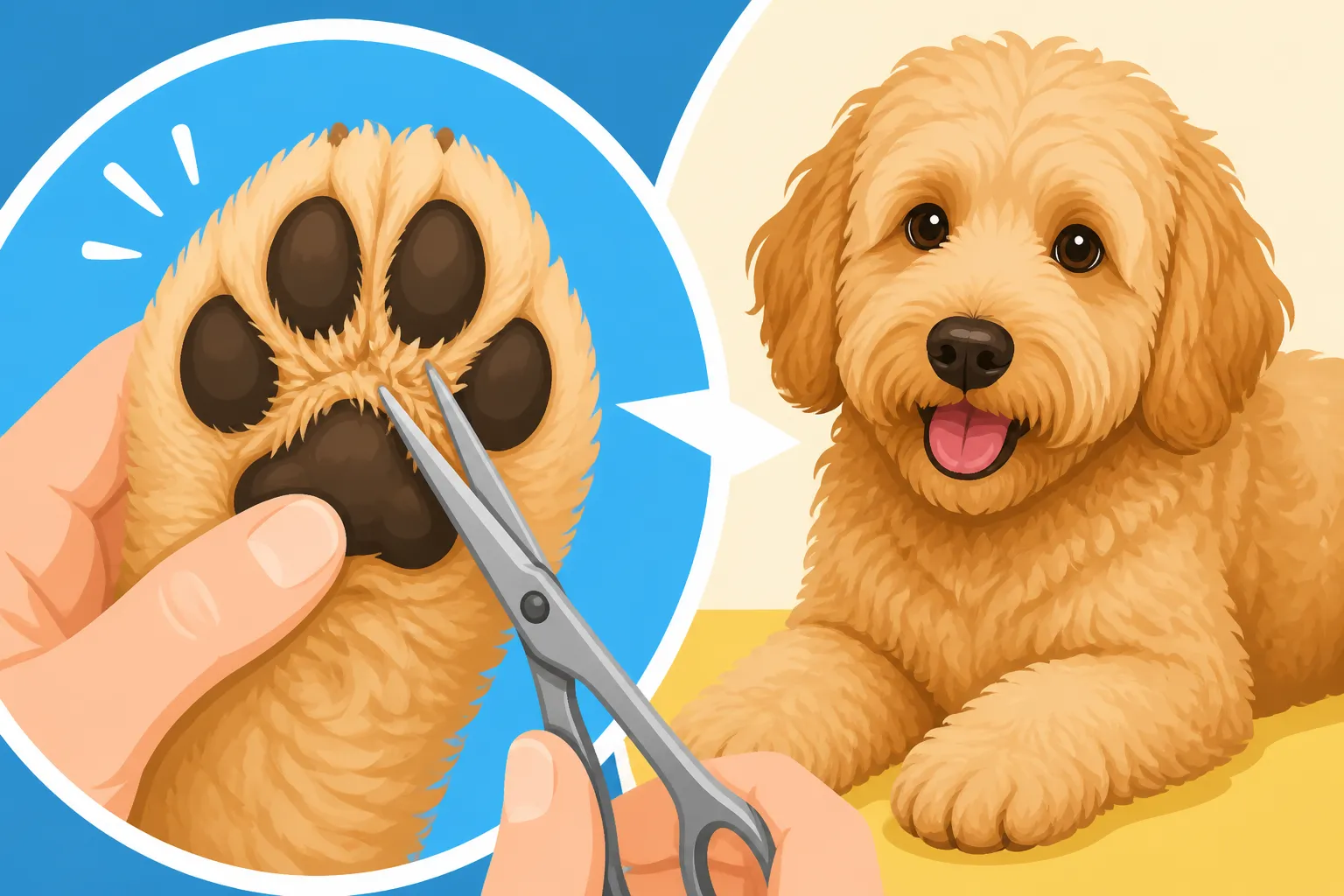
Trimming Hair Between Goldendoodle Paw Pads
Oh, the Goldendoodle paw pad! It seems like such a small area, doesn't it? But if you're a Goldendoodle parent, you know that the hair that sprouts between those adorable little toe beans can become a tangled, matted mess that causes all sorts of problems for your furry friend. It's a real frustration when your otherwise happy pup starts slipping on the kitchen floor or constantly chewing at their paws. This guide is all about taking control of that fuzzy situation, providing you with a step-by-step approach to safely and effectively trimming the hair between your Goldendoodle's paw pads, making their life, and yours, a whole lot more comfortable.
Why Trimming Paw Pad Hair is Non-Negotiable for Goldendoodles
You might think it's just a cosmetic thing, trimming that little bit of hair, but for a Goldendoodle, it’s far from it. Their Poodle heritage means they often have incredibly fast-growing hair, and the fur between their paw pads is no exception. Left untended, this can lead to a whole host of discomforts and even serious health issues for your beloved companion. It’s not about aesthetics; it’s about their safety, hygiene, and overall well-being.
The 'Skating Rink' Effect and Joint Strain
Imagine trying to walk on ice while wearing furry slippers. That's essentially what your Goldendoodle experiences when the hair between their paw pads grows too long. This excessive hair reduces the natural traction their paw pads are designed to provide, turning your smooth hardwood or tile floors into an unexpected skating rink. I've seen countless Goldendoodles, especially the larger standard sizes, struggle with this. They'll take tentative, splayed steps, or worse, they'll slip and slide, sometimes losing their footing entirely.
This constant slipping isn't just a funny quirk; it puts immense strain on their joints. Every time they slide, their muscles and ligaments are working overtime to compensate, trying to keep them upright. For a breed already prone to orthopedic concerns like hip and elbow dysplasia, this added stress can be detrimental. Imagine the repetitive jarring on joints like the hips and elbows from daily slips – it can exacerbate existing conditions or contribute to their development over time. Proper paw pad grooming becomes a crucial part of preventative care, helping to ensure stability and reduce the long-term wear and tear on their precious joints. You want your Goldendoodle to move with confidence and comfort, not to constantly worry about traction. If you're concerned about joint health, take a peek at our article on Goldendoodle Hip Dysplasia and the OFA Numbers.
A Haven for Dirt, Debris, and Mats
Those tufts of hair between the paw pads act like tiny sponges and Velcro, picking up every bit of dirt, dust, mud, and outdoor debris imaginable. After a walk in the park or a romp in the backyard, you'll find burrs, tiny pebbles, grass seeds, and all sorts of grime embedded deep within that fur. Not only does this track dirt all over your house – a minor inconvenience, I know – but it can also be incredibly irritating for your dog.
Beyond the daily grime, this trapped hair is a prime candidate for matting. Mats between the paw pads are notoriously painful because they pull on the delicate skin with every step. They can become so dense that they restrict the natural splay and movement of the toes, causing an unnatural gait and significant discomfort. In severe cases, mats can even cut off circulation or hide infections, as moisture and bacteria get trapped underneath. I've witnessed rescues bringing in Goldendoodles with paw pad mats so severe they had to be sedated for removal, revealing raw, inflamed skin underneath. It’s a completely preventable situation with regular maintenance. Keeping that area tidy not only keeps your home cleaner but, more importantly, keeps your Goldendoodle's paws healthy and pain-free. This ties into the broader topic of Why Goldendoodle Matting Is Almost Always Preventable, a battle many Goldendoodle owners face.
Essential Tools for a Safe and Successful Paw Trim
Before you even think about tackling those furry feet, you need to gather the right equipment. Using the wrong tools can be ineffective, frustrating, and even dangerous for your Goldendoodle. Think of it like cooking – you wouldn't try to chop vegetables with a butter knife, right? The same logic applies to grooming your dog's sensitive paw pads. Having the right arsenal will make the job much easier, safer, and ultimately, more successful.
Choosing the Right Clippers and Scissors
When it comes to trimming the hair between those delicate paw pads, you essentially have two main options: clippers or scissors. Both have their advantages and require a bit of finesse.
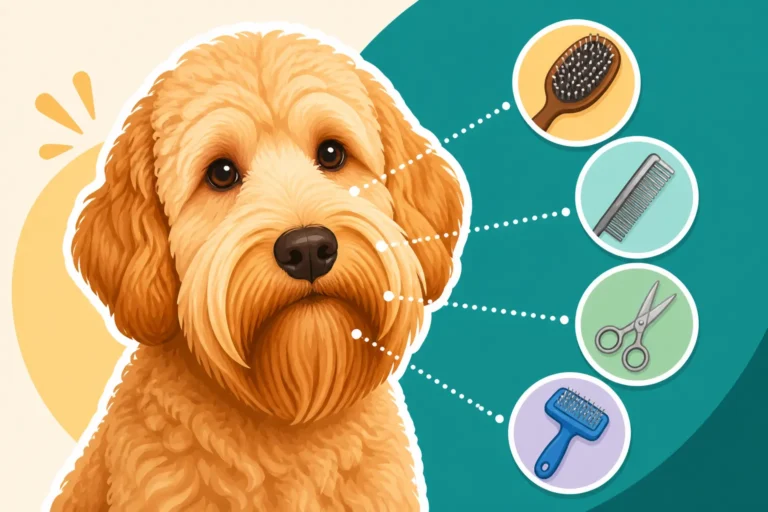
For clippers, you're not going to use those big, powerful body clippers you might use for a full haircut. Instead, opt for small, quiet, precision trimmers specifically designed for sensitive areas like paws, face, and sanitary regions. These typically have smaller blades that are less intimidating and easier to maneuver in tight spaces. The quiet motor is a huge bonus, especially if your Goldendoodle is a bit wary of grooming tools. Many pet supply stores and online retailers like Amazon offer these mini trimmers, often marketed as "paw trimmers" or "detail trimmers." They come in corded or cordless versions, with cordless offering more flexibility. The key is their narrow blade, which allows you to get between the pads without accidentally clipping a toe or the sensitive skin around it.
If you prefer scissors, safety is paramount. You absolutely must use blunt-nosed grooming scissors. Regular sharp-tipped scissors are incredibly dangerous for this job. One sudden movement from your dog, or a slight misjudgment on your part, and you could easily poke or cut their paw pad, or worse, clip a nail too short. Blunt-nosed scissors have rounded tips, significantly reducing the risk of accidental injury. Even with blunt tips, always remember the golden rule: keep the tips pointing away from the paw pad, or parallel to it, never directly into it. Many experienced groomers actually prefer scissors for this job because it allows for more precise control and a more natural finish, but it does require a steady hand and a calm dog.
Beyond the Blade: Combs, Styptic Powder, and Treats
Your trimming tools are important, but they’re only part of the puzzle. A few other items will ensure a smooth, safe, and positive experience for both you and your Goldendoodle.
First up, a fine-toothed comb is non-negotiable. Before you even touch a clipper or scissor, you need to comb out the hair between the pads. This helps you identify any existing mats, which should be very carefully detangled or, if severe, removed by a professional. Combing also separates the hair, making it easier to see what you're trimming and preventing you from cutting into a clump of hair that's actually connected to the skin further up. It's like combing your own hair before a haircut – you get a cleaner, more even result and avoid pulling.
Next, and this is a big one, keep styptic powder within arm's reach. Accidents happen, especially when you're working with a wiggly dog and sharp objects. Even the most experienced groomer can nick a paw pad or cut a nail a tad too short. Styptic powder quickly stops minor bleeding. It's a lifesaver for peace of mind and for minimizing your dog's discomfort if a little mishap occurs. You can find it easily at any pet store or through online retailers.
Finally, let's talk about treats! High-value treats are your best friend here. This isn't just about bribery; it's about positive reinforcement and making grooming a pleasant experience. Every time your Goldendoodle tolerates handling, sits still, or allows you to trim a bit of hair, follow it immediately with a small, delicious treat and verbal praise. This builds a positive association with paw care. Consider a lick mat smeared with peanut butter or cream cheese (check for xylitol in peanut butter – it's toxic!) to keep them distracted and happy during the session. We talk a lot about positive reinforcement in our article on Marker Training a Goldendoodle From Week One and how it can totally transform difficult training or grooming tasks into something enjoyable for your pup.
Oh, and one more thing: a non-slip mat. If you're working on a hard surface, place a rubber mat down for your Goldendoodle to stand or lie on. This provides stability, preventing them from slipping and potentially causing a sudden movement that could lead to an accident.
Step-by-Step Guide to Trimming Goldendoodle Paw Pads
Alright, gear's ready, mindset's calm. Now, let's get into the nitty-gritty of actually trimming those paw pads. This isn't a race; it's a careful, methodical process that prioritizes your Goldendoodle's comfort and safety above all else. Remember, patience is your most valuable tool here.
Preparation and Desensitization
Before you even pick up the clippers or scissors, the real work begins with preparation. The absolute best time to start getting your Goldendoodle comfortable with paw handling is when they're a puppy. Every day, gently touch their paws, toes, and pads. Praise them, give them a treat. Make it a normal, positive part of their routine. Even if you have an adult Goldendoodle who is already sensitive about their feet, it’s never too late to start a desensitization protocol. Our guide on Handling a Goldendoodle's Paws Every Single Day offers some great tips for this.
When it's time for a trim, choose a quiet, calm environment where you won't be interrupted. Turn off the TV, tell the kids to play quietly in another room, and make sure your Goldendoodle has recently relieved themselves and had a bit of exercise to burn off excess energy. A tired dog is often a more cooperative dog. Have your treats ready and within easy reach. You might even consider having another person there to gently hold your dog and offer treats, especially if they are new to this process or a bit squirmy.
Once you’re settled, gently hold your Goldendoodle's paw. Start by carefully inspecting it. Look for any cuts, scrapes, stickers, or bits of debris stuck in the fur. This is also your chance to check for mats. If you find small mats, try to gently tease them apart with your fingers or the fine-toothed comb. If they're dense and close to the skin, it might be safer to leave them for a professional groomer, as cutting into a mat can be very dangerous. Gently separate the toes and look at the hair growing between the pads. You'll likely see how it's starting to protrude beyond the pads themselves, creating that "fuzzy slipper" effect.
The Trimming Technique: Clippers vs. Scissors
Now for the actual trimming. Whether you're using clippers or scissors, the principle is the same: remove the hair that extends beyond the paw pads, but do not dig into the delicate skin between the pads.
Using Clippers:
If you're using a small paw trimmer, gently spread your Goldendoodle's toes with one hand, exposing the hair. Hold the clipper parallel to the paw pad. You want to skim the top of the hair, moving the clipper slowly and steadily. Work from the center of the paw outwards, being extremely careful around the nails and the sensitive areas between the pads. Don't press down or try to get a super close shave; a little bit of stubble is perfectly fine and safer than going too short. The goal is to get the hair flush with the paw pads so it doesn't touch the ground when your dog stands. After trimming, gently comb through the area to check for any missed spots or uneven patches.
Using Scissors:
If you’ve opted for blunt-nosed scissors, this requires even more precision and a very steady hand. Place your Goldendoodle's paw on a flat, stable surface, like your lap or a non-slip mat. Carefully lift small tufts of hair that are protruding from between the paw pads. Hold the scissors parallel to the paw pad, never pointing them directly into the paw. Snip only the hair that extends past the pad. You can also carefully trim around the perimeter of each paw pad, creating a neat, clean edge. Many people find it easiest to have their Goldendoodle standing or sitting so you can see where the hair hangs when weight is on the paw. This helps ensure you're only removing the hair that makes contact with the floor. Again, comb through to check your work and ensure no long strands remain.
No matter which tool you use, take frequent breaks, offer praise and treats, and don't be afraid to stop if your Goldendoodle gets too stressed. It’s better to do a little bit at a time over several days than to traumatize them with one long, unpleasant session.
Post-Trim Care and Consistency
Once you’ve finished trimming all four paws, take a moment to do a final check. Run your fingers over the paw pads and between the toes, feeling for any stray long hairs or missed patches. Look for any signs of irritation or redness. If you notice any, it might be a good idea to apply a gentle paw balm to soothe the skin. Brands like Chewy and Ollie offer excellent natural paw balms that can help keep the pads moisturized and healthy.
The most important step after trimming is to lavish your Goldendoodle with praise and high-value treats. Make it a celebration! This reinforces that paw handling and trimming are positive experiences, making future sessions much easier.
Consistency is truly key when it comes to paw pad grooming. Goldendoodles, with their fast-growing hair, will need this area trimmed regularly. Depending on their individual hair growth and activity level, you'll likely find yourself needing to do this every 2 to 4 weeks. If you wait too long, the hair will grow out, collect more debris, and possibly mat, making the next session more challenging. Regular maintenance prevents problems from escalating. Think of it like brushing your teeth – it's a routine task that prevents bigger issues down the line. Keep an eye on the hair length; as soon as you notice it starting to protrude or your dog slipping more often, it's time for a trim. This regular upkeep is part of the larger picture of your Goldendoodle's grooming needs, much like the advice in How Often a Goldendoodle Needs a Professional Groom for their full coat.
Common Pitfalls and Troubleshooting
Even with the best intentions and the right tools, grooming your Goldendoodle's paw pads can present some challenges. It's a delicate area, and not every dog is thrilled about having their feet handled. Understanding common issues and how to navigate them can turn a potentially stressful situation into a manageable one.
Dealing with a Wiggly Goldendoodle
Ah, the wiggly Goldendoodle. We've all been there! Trying to trim tiny bits of hair on a paw that insists on dancing around is enough to test anyone's patience. The first step is acknowledging that it's normal for dogs to be a bit squirmy, especially if they're not used to paw handling or if they've had a negative experience in the past. Never try to force your Goldendoodle to sit still or hold them down aggressively. This will only create fear and make future grooming sessions even harder.
Instead, start with very short sessions. If your Goldendoodle only tolerates 30 seconds of paw handling before getting antsy, then do 30 seconds. Praise and reward them lavishly for that small window of cooperation, then let them go. Gradually increase the duration over days or weeks. You might find success with a distraction technique, like a lick mat smeared with dog-safe peanut butter or yogurt. This gives them something enjoyable to focus on, often making them less aware of what you're doing with their paws. Sometimes, having a second person can be incredibly helpful: one person can offer treats and gentle reassurance while the other focuses on the trimming. Consistency and positive reinforcement are your greatest allies here. Remember that building up tolerance for grooming, like discussed in Training a Goldendoodle Puppy for the Grooming Table, is a marathon, not a sprint.
Accidental Nicks and What to Do
Despite your best efforts and careful technique, minor accidents can happen. A Goldendoodle might suddenly jerk their paw, or you might misjudge an angle. The most common mishap is a small nick on a paw pad or cutting a nail too short, exposing the quick. It's unsettling, but don't panic.
If you see a small amount of blood, immediately grab your styptic powder. Apply a pinch of the powder directly to the bleeding area and apply gentle, firm pressure for about 30 seconds to a minute. The powder contains agents that help constrict blood vessels and promote clotting. In most cases, this will stop the bleeding quickly. Reassure your Goldendoodle with calm words; they'll often react more to your stress than to the actual nick. Once the bleeding has stopped, monitor the paw for the next day or two to ensure it doesn't reopen and shows no signs of infection (like swelling, redness, or pus).
However, if the cut is deep, bleeding is profuse and won't stop with styptic powder and pressure, or if your dog is in a lot of pain, don't hesitate to contact your veterinarian. They can assess the injury, clean it properly, and provide any necessary treatment to prevent infection or further complications. It's always better to be safe than sorry when it comes to your dog's health.
Why You Might Need Professional Help
While home grooming for paw pads is absolutely doable for many Goldendoodle owners, there are definitely times when enlisting the help of a professional groomer is the smartest, safest option. You shouldn't feel like you're failing if you need to call in the cavalry!
One major scenario is severe matting. If the hair between your Goldendoodle's paw pads has become a solid, impenetrable mat, especially if it's pulling on the skin or causing pain, trying to remove it yourself with clippers or scissors can be incredibly risky. A professional groomer has specialized tools and techniques to safely remove severe mats, often using very fine blades and working with extreme caution to avoid injuring the skin underneath. They also have experience with anxious dogs and can use gentle handling methods to minimize stress. Trying to cut out a severe mat at home could easily lead to a significant injury or make your Goldendoodle terrified of future grooming.
Another reason to seek professional help is if your Goldendoodle has extreme anxiety or aggression when it comes to paw handling. Some dogs have had previous bad experiences, or they might just have a very low tolerance for having their feet touched. Forcing the issue at home can damage your bond and potentially lead to bites. A professional groomer might be able to work through the anxiety more effectively, or they can advise you on behavioral modification techniques. In some cases, a vet might even recommend mild sedation for grooming if the anxiety is severe. Don't let your Goldendoodle suffer; if you're struggling, a professional can provide the expertise and tools to get the job done safely and with the least amount of stress for your beloved companion. They are masters of their craft, and knowing when to seek their expertise is part of being a responsible Goldendoodle parent. They are also knowledgeable about the specific needs of a Goldendoodle's coat, as outlined in our discussions about What Happens at a Goldendoodle Grooming Appointment.
| Feature | Small Clippers (Paw Trimmer) | Blunt-Nosed Scissors |
|---|---|---|
| Ease of Use | Generally easier for beginners, less risk of nicks to pads | Requires more precision and a very steady hand |
| Safety | Lower risk of accidental cuts dueppers | Blunt tips reduce poke risk, but still requires extreme care |
| Speed | Can be faster for larger areas of overgrown hair | Slower, more meticulous, good for touch-ups |
| Noise Level | Quiet, less intimidating for sensitive dogs | Silent, no motor noise to startle dog |
| Maneuverability | Excellent for tight spaces between pads | Good for lifting and snipping specific tufts |
| Maintenance | Blades need cleaning and oiling, occasional replacement | Keep clean and sharp |
| Ideal For | Regular maintenance, dogs new to paw grooming, nervous dogs | Experienced groomers, detail work, specific tufts, less hair |
Disclaimer
This article is for general informational purposes only and does not constitute professional advice. Laws, prices and regulations vary by location and change over time. Consult a qualified professional for guidance on your specific situation.