Raw Feeding a Goldendoodle and the Beard Problem
Many Goldendoodle parents consider switching to a raw food diet for their beloved companions, drawn by the promise of vibrant health benefits. However, a common frustration that quickly arises is managing the sheer mess a raw diet creates, especially when you have a Goldendoodle with that beautiful, often very fluffy, beard. This guide dives into the realities of raw feeding, exploring the benefits, potential pitfalls, and, most importantly, offering practical strategies to tackle the notorious "beard problem" head-on, ensuring both hygiene and health for your furry family member.
The Allure of Raw Feeding for Goldendoodles
It's completely understandable why so many Goldendoodle owners start looking into raw feeding. You love your dog, you want the best for them, and you hear so much buzz about how a raw diet can transform a dog's health. The idea of feeding a more "natural" diet, something closer to what a canine ancestor might eat, really resonates with a lot of us. It feels instinctively right, doesn't it?
Why Owners Consider Raw Diets
The anecdotes from raw-fed dog owners are powerful. You hear about shinier coats, cleaner teeth, better energy levels, and even improvements in chronic conditions. For Goldendoodle parents, these stories can be particularly appealing. We know our dogs can be prone to skin sensitivities, allergies, and sometimes have less-than-stellar dental hygiene despite our best efforts. Imagine if a simple diet change could help with Goldendoodle Allergies and Itchy Skin or reduce the need for constant Dental Cleaning Costs for a Toy Goldendoodle. These are big promises, and they often lead people down the raw feeding path. Owners might observe their Goldendoodle struggling with loose stools or dull fur on commercial kibble, leading them to believe that a more digestible, unprocessed diet could be the answer. The thought of feeding ingredients you can actually recognize, instead of a long list of processed components, also provides a sense of control and clarity that many appreciate.
Understanding Different Raw Approaches
When you step into the world of raw feeding, you quickly realize it's not a single, monolithic thing. There are several popular approaches, and understanding them is key to choosing what might work for your Goldendoodle and your household.
The most common are:
- BARF (Biologically Appropriate Raw Food / Bones and Raw Food): This approach emphasizes feeding a diet composed of raw meat, bones, organs, and a smaller percentage of fruits, vegetables, and supplements. The idea is to replicate the diverse diet a wild canine might consume, providing a wide array of nutrients. It aims for nutritional completeness through variety over time.
- Prey Model Raw (PMR): This method is even more focused on mimicking a wild predator's diet, primarily consisting of muscle meat, raw meaty bones, and organs, with little to no plant matter. The ratios are often quite specific, like 80% muscle meat, 10% bone, and 10% organ meat (5% liver, 5% other secreting organs).
- Commercial Raw Diets: For many, the convenience of pre-prepared commercial raw diets is a lifesaver. These come in various forms – frozen patties, freeze-dried nuggets, or even dehydrated options – that are often formulated to be nutritionally complete. Brands often source high-quality ingredients and sometimes include a balanced mix of meat, organs, bones, and produce. This can be a great entry point for those intimidated by DIY raw feeding, and many options can be found through retailers like Chewy or on platforms like Amazon.
Each approach has its advocates and its complexities. DIY raw feeding, especially BARF or PMR, requires significant research and dedication to ensure nutritional balance, which is absolutely critical for your Goldendoodle's long-term health. An unbalanced diet can lead to serious deficiencies or excesses that manifest as health problems down the line. It's a huge commitment, and one that requires careful planning, not just throwing some chicken legs in a bowl.
Navigating the "Beard Problem" with Raw Food
Ah, the beard. That glorious, fluffy, often endearing Goldendoodle beard. It's one of their most charming features, but when you introduce raw, meaty, sometimes messy food into the equation, that beard quickly transforms from a source of joy to a magnet for every last morsel. It’s a challenge many raw-feeding Goldendoodle owners discover early on, and it can be a real sticking point.
The Mess Factor: What Happens at Mealtime
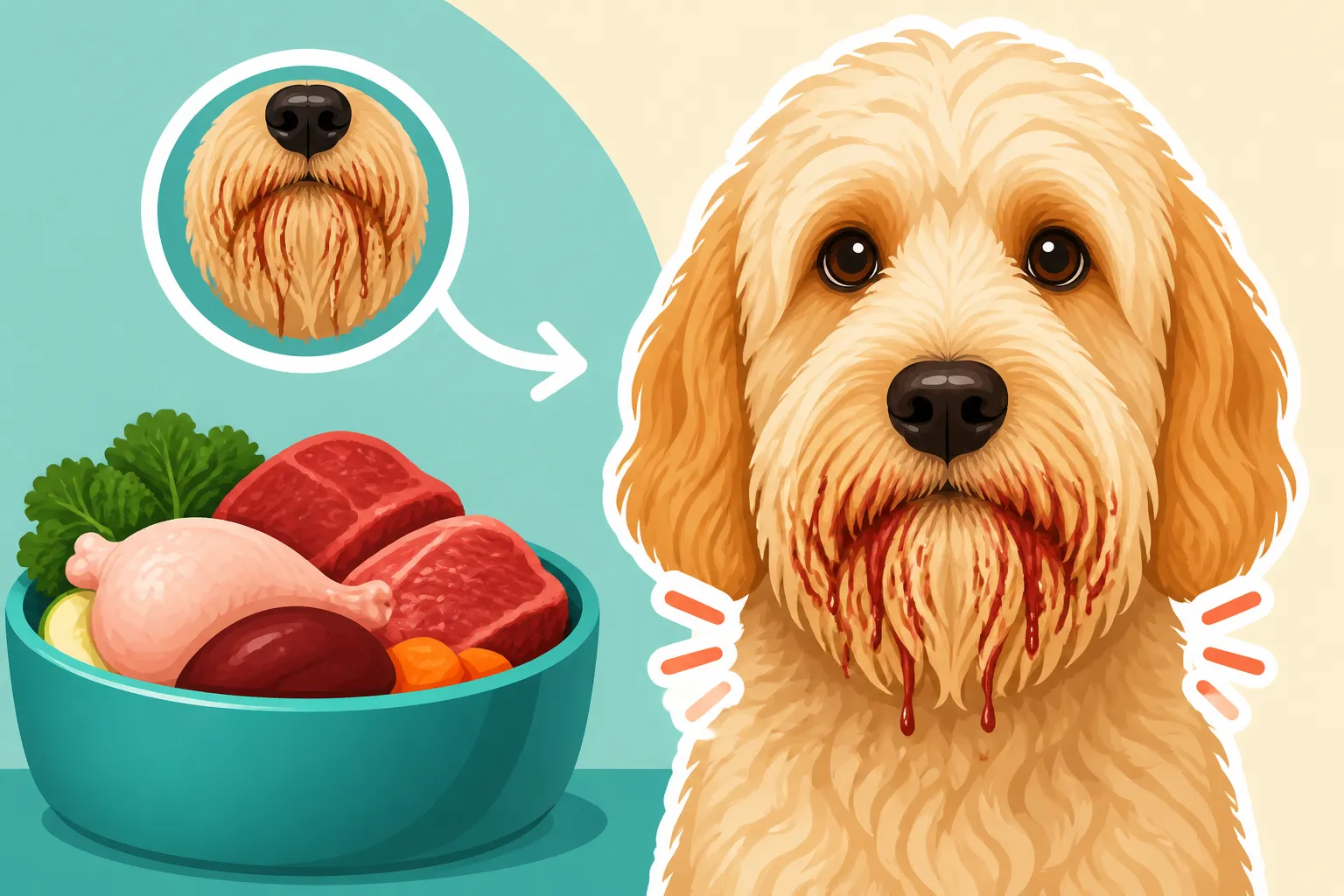
Let's be real: raw feeding can be inherently messy. You're dealing with raw meat, often ground or in chunks, sometimes with bone fragments, and it’s rarely a neat, dry kibble experience. When your Goldendoodle dives headfirst into that bowl, their lovely long beard acts like a sponge, soaking up juices, collecting bits of meat, and generally becoming a rather unappetizing repository for their meal. It’s not just the beard either; ears can trail into the bowl, and even the chest fur can get splattered.
Imagine a beautiful, creamy Goldendoodle, just finished a meal of ground beef and vegetables. Their muzzle is stained red, bits of carrot are clinging to their chin, and the long beard hair is matted with food residue. It’s a sticky, potentially smelly situation, and if not addressed immediately, it can lead to bigger problems than just a bit of a mess. This isn't just about aesthetics; it's about hygiene and preventing health issues, as we'll explore. It often means you're doing a mini-clean-up operation after every single meal, which can add significant time to your daily routine, especially if your Goldendoodle eats twice a day.
Practical Solutions for a Cleaner Beard
Don't despair! Many Goldendoodle owners successfully raw feed without their furry friends looking like they've just had a food fight. It just takes a little extra planning and some clever tricks.
Here's how to tackle that beard problem:
- Specialized Bowls: Ditch the wide, flat bowls. Look for bowls designed to minimize mess for long-eared or bearded dogs. These often have a narrower opening or a raised center to keep the face out of the bulk of the food. Stainless steel is always best for hygiene, as it's easy to sanitize thoroughly after each raw meal. You might also consider Water Bowls That Keep a Goldendoodle Beard Dry for their drinking station, applying a similar principle.
- Mealtime Hair Management:
- Snoods: These fabric tubes are worn over a dog's head, covering their ears and beard, keeping them completely out of the food bowl. They come in various sizes and fabrics, and once your Goldendoodle gets used to it, it can be a game-changer.
- Hair Clips/Bands: For shorter beards, a simple clip or soft hair tie can gather the beard hair up and away from the food.
- Post-Meal Cleaning Routine: This is non-negotiable. Immediately after your Goldendoodle finishes eating, you need to clean their face and beard.
- Warm Damp Cloth: A simple warm, damp cloth is often sufficient for minor messes.
- Pet Wipes: Keep pet-safe cleansing wipes handy. These are great for quick clean-ups, especially for removing oily residue. You can find excellent options on Amazon or Chewy.
- Quick Rinse: For particularly messy meals, a quick rinse of the beard under a faucet with lukewarm water, followed by gentle towel drying, might be necessary. This also helps with Cleaning a Goldendoodle Beard After Every Meal which should become part of your daily rhythm.
- Short Beard Trim: While it might seem drastic, some owners opt for a shorter trim on their Goldendoodle's beard. This doesn't mean sacrificing their signature look entirely, but keeping the hair around the mouth and chin just a little shorter can significantly reduce food accumulation. Discuss this with your groomer to find a style that works.
Remember, consistency is key. Your Goldendoodle will quickly learn what to expect after meals, and with patience, these steps will become second nature.
Hygiene and Health Concerns from a Messy Beard
Beyond the simple "ick" factor of a dirty beard, there are genuine hygiene and health concerns that Goldendoodle owners need to take seriously when raw feeding. Leaving raw food residue on your dog's face isn't just unsightly; it can create a breeding ground for bacteria and yeast, leading to skin irritation and potential infections.
Here’s why it's so important to be diligent:
- Bacterial Growth: Raw meat contains bacteria like Salmonella and E. coli. While a dog's digestive system is generally more robust than a human's, these bacteria can still pose a risk, especially if they linger on the skin or are transferred to household surfaces. A damp, food-laden beard is an ideal environment for bacteria to multiply, potentially leading to skin infections or digestive upset if ingested later. This is particularly concerning for families with young children or immunocompromised individuals.
- Yeast Infections and Skin Irritation: Constant dampness and food particles can irritate the delicate skin around your Goldendoodle's mouth and chin. This irritation can quickly escalate into a yeast infection (often characterized by a reddish-brown stain and a distinct odor) or bacterial dermatitis. These conditions are uncomfortable for your dog, causing itching, rubbing, and potentially leading to further infection. You might also notice similar issues occurring around their ears if they dip into the bowl.
- Odor: Simply put, a beard constantly coated in raw food residue will start to smell. No one wants a stinky snuggle buddy, and it's a clear sign that hygiene isn't being maintained adequately. A persistent foul odor could also signal an underlying yeast or bacterial issue that needs attention.
- Spread of Contamination: A Goldendoodle with a dirty raw-food beard can easily transfer bacteria to furniture, carpets, and even you when they lean in for a cuddle. This cross-contamination is a serious public health concern, especially in homes where food preparation areas are not kept strictly separate from pet feeding zones.
This isn't to scare you away from raw feeding, but to underscore the importance of strict hygiene protocols. A clean beard isn't just about looking good; it's fundamental to your Goldendoodle's health and the safety of your home. Incorporating pet-safe shampoos like those found on Chewy or Amazon for regular beard washes can also help prevent issues.
Essential Considerations Before Switching to Raw
Deciding to switch your Goldendoodle to a raw diet is a big step, and it's one that shouldn't be taken lightly or without thorough preparation. It's not as simple as swapping out kibble for meat; there are crucial factors to consider that impact your dog's health, your wallet, and your daily routine.
Nutritional Balance and Professional Guidance
Perhaps the single most critical aspect of raw feeding is ensuring a complete and balanced diet. Unlike commercial kibble, which is legally required to meet specific nutritional standards (like those set by AAFCO in North America), a homemade raw diet places the entire responsibility on you. This isn't just about feeding meat; it's about providing the right ratios of muscle meat, organ meat, bone, and any necessary supplements to meet all of your Goldendoodle's dietary needs. Deficiencies or excesses in vitamins, minerals, or amino acids can lead to serious, long-term health problems. This is especially vital during a Goldendoodle puppy's growth phase, where imbalances can affect bone and joint development.
Therefore, consulting with a veterinarian who is knowledgeable in canine nutrition or a certified veterinary nutritionist is paramount. They can help you formulate a diet plan tailored to your Goldendoodle's age, size (whether it's a Standard, Mini, or Toy), activity level, and any specific health conditions. Just because a dog can eat raw doesn't mean any raw diet is good for them. You wouldn't want to inadvertently cause issues like those discussed in Goldendoodle Vomiting and When It Matters or Goldendoodle Diarrhea Lasting More Than Two Days due to an improper diet. Even if you opt for a commercial raw brand, it's wise to discuss it with your vet to ensure it's truly complete and suitable. A well-balanced diet is the foundation of health, irrespective of whether you're looking at What to Look For on a Goldendoodle Food Bag for kibble or planning out a raw menu.
Sourcing, Storage, and Safety Protocols
Working with raw meat requires a strong commitment to food safety, for both your Goldendoodle and your family. The same rules apply as when you prepare raw meat for human consumption, but arguably with even stricter vigilance given the dog's mouth-to-face contact.
- Sourcing Quality Ingredients: You'll need reliable sources for human-grade meat, bones, and organs. This might involve building relationships with local butchers, farmers, or specialized raw pet food suppliers. Quality matters significantly, as lower-grade meats can carry higher bacterial loads.
- Safe Storage: Raw food needs dedicated freezer and refrigerator space. You can't just toss it in with your family's groceries without proper containment. Air-tight containers are essential to prevent cross-contamination. Thawing raw meat should always happen in the refrigerator, not on the counter, and any defrosted food should be consumed within a couple of days.
- Strict Hygiene in the Home:
- Dedicated Utensils and Surfaces: Have separate cutting boards, knives, and bowls for your Goldendoodle's raw food prep that are not used for human food.
- Thorough Cleaning: After every meal, bowls, prep surfaces, and any utensils used must be thoroughly washed with hot, soapy water and ideally sanitized. This also extends to immediate clean-up of your Goldendoodle's face and beard, as discussed earlier.
- Handwashing: Always wash your hands thoroughly with soap and water after handling raw food or touching your Goldendoodle's mouth area after a meal.
- Managing Contamination: Be mindful of where your Goldendoodle walks, plays, and sleeps after eating. Avoid allowing them onto kitchen counters or human eating areas until their face is clean.
These protocols might seem extensive, but they are crucial for preventing the spread of foodborne pathogens and keeping your household safe.
Cost Implications of a Raw Diet
Let's not sugarcoat it: raw feeding, particularly with high-quality ingredients, is generally more expensive than feeding commercial kibble. This is one of the biggest deterrents for many owners. The exact cost will vary wildly depending on your location, the types of meat you source, whether you buy in bulk, and the size of your Goldendoodle (a Standard Goldendoodle eats significantly more than a Mini or Toy). For instance, finding Daily Calories for a Standard Goldendoodle in raw form will be a much larger expense than sourcing it from kibble.
Here’s a breakdown of the typical cost considerations:
- Ingredient Costs: High-quality muscle meat, organs, and bones from reputable sources often carry a premium price tag. You're essentially buying human-grade food, which is priced accordingly.
- Commercial Raw Food: Pre-prepared commercial raw diets, while convenient, are often even more expensive per serving than DIY raw feeding, due to the processing, packaging, and marketing involved. Brands like Ollie, which offer fresh, balanced meals (often stepping stone to raw or a raw-like alternative), typically come with a higher price point than traditional kibble.
- Storage Costs: You might need to invest in an additional freezer if you plan to buy in bulk to save money, adding to the initial setup cost.
- Supplement Costs: If your Goldendoodle's diet requires specific supplements to ensure complete nutrition, these will also factor into the ongoing expenses.
- Time Cost: While not a monetary cost, the time commitment for researching, sourcing, preparing, and cleaning up after raw meals is significant and should be factored into your decision. Your time is valuable, too!
Before making the switch, it's wise to do a thorough budget assessment. Calculate what you're currently spending on food, then research the local cost of raw ingredients or commercial raw brands. Don't forget to include the "beard cleaning supplies" and any other incidentals. Understanding the full financial picture upfront will help you avoid sticker shock and ensure you can sustain this diet responsibly for your Goldendoodle's entire life. This is one of those Goldendoodle Costs Across a Full Lifetime that can really add up.
Disclaimer
This article is for general informational purposes only and does not constitute professional advice. Laws, prices and regulations vary by location and change over time. Consult a qualified professional for guidance on your specific situation.