What a Goldendoodle Inherits From Each Parent Breed
It’s incredibly common to fall in love with the Goldendoodle’s charming looks and sweet disposition, only to wonder how on earth you end up with such a unique dog from two very different parent breeds. Many new owners feel a bit lost trying to predict what their puppy will become, or why their Goldendoodle acts the way it does. This comprehensive guide will meticulously break down the fascinating genetic lottery that unfolds when a Golden Retriever and a Poodle combine, helping you understand the myriad traits your Goldendoodle might inherit and what that means for their health, temperament, and appearance.
Understanding the Goldendoodle's Genetic Blueprint
When you bring a Goldendoodle into your life, you're not just getting a cute, fluffy face; you're welcoming a fascinating genetic experiment. The beauty and challenge of owning a Goldendoodle lie precisely in this genetic blend – a mix of two distinct, beloved purebred dogs. It’s not simply a matter of taking half from one and half from the other; it’s a complex interplay of dominant and recessive genes that determines everything from their coat type to their personality quirks. Understanding this foundational genetic blueprint is key to appreciating your unique companion.
The 50/50 F1 Foundation
The original "F1" Goldendoodle is typically a 50/50 mix, meaning one parent is a purebred Golden Retriever and the other is a purebred Poodle. This first-generation cross is often touted for its "hybrid vigor," a concept that suggests crossbred animals may be healthier and more robust than their purebred parents due to increased genetic diversity. However, the reality of The Goldendoodle Hybrid Vigor Claim and Where It Breaks is more nuanced. While an F1 might benefit from a broader gene pool for some traits, it also means a wider range of expression for all traits. You can see puppies in the same F1 litter that look dramatically different – some with straighter hair like a Golden, others with curlier coats like a Poodle, and everything in between. This unpredictability in appearance and even temperament is a hallmark of the F1 generation because it's the first time these two very different genetic lines are mingling directly. It's truly a genetic roll of the dice, and while exciting, it means you can't always guarantee specific traits.
Beyond F1: The Influence of Backcrosses and Multigens
As breeders sought more consistency in traits like shedding and coat type, the Goldendoodle lineage evolved beyond the F1. This led to generations like the F1b, F2, and "multigen" Goldendoodles. An F1b, for example, is a backcross, typically 75% Poodle and 25% Golden Retriever. This happens when an F1 Goldendoodle is bred back to a purebred Poodle. The intention here is to increase the Poodle's influence, often to achieve a curlier, less-shedding coat. Similarly, an F2 Goldendoodle is a second-generation cross, usually from breeding two F1 Goldendoodles together. Multigen Goldendoodles involve breeding F3 or higher generations, aiming for even greater consistency across traits. Each successive generation attempts to solidify certain desired characteristics, but it also means that the genetic contributions from each original parent breed become more intertwined and less distinct. While breeders might achieve more predictable coat types in multigens, the complex blend means that even subtle, less desirable traits can still pop up, illustrating that the genetic blueprint is always a dynamic rather than static entity.
Physical Traits: A Goldendoodle's Exterior and Interior
One of the most exciting, and sometimes perplexing, aspects of Goldendoodles is the vast array of physical characteristics they can inherit. They are truly a mixed bag, and it's rare to find two Goldendoodles that look exactly alike. From the texture of their fur to their overall size and the unique "furnishings" on their faces, the Golden Retriever and Poodle genes battle it out, creating endless variations.
Coat Types and Shedding Levels
The Goldendoodle's coat is arguably its most famous, and often most variable, feature. You can typically find three main Goldendoodle coat types: straight (often called "flat"), wavy, and curly. The straight coat, which is less common but definitely appears, usually comes more from the Golden Retriever side, often sheds more, and might not have the characteristic "doodle" look. Wavy coats are a blend, offering that soft, flowing appearance that many people associate with Goldendoodles. The curly coat is heavily influenced by the Poodle parent, resembling a Poodle's tight curls and generally being the lowest shedding option. However, it's crucial to understand that no dog is truly hypoallergenic, and even a curly Goldendoodle can cause allergic reactions in sensitive individuals, as explained in articles like Why No Goldendoodle Is Truly Hypoallergenic. The shedding level isn't solely dependent on curl either; it's a complex interaction of genes. Sometimes, even puppies from the same litter can have drastically different coats, making it a guessing game until your Goldendoodle's adult coat truly emerges, typically around The Goldendoodle Coat Change at Eight to Twelve Months. This makes choosing the right grooming tools and establishing a consistent routine essential, as matting can be a nightmare regardless of coat type.
Size and Build Variations
The size of a Goldendoodle is another area where parentage plays a direct role. Poodles come in Standard, Miniature, and Toy varieties, and the size of the Poodle parent directly dictates the potential size range of the Goldendoodle offspring. For instance, a Standard Poodle bred with a Golden Retriever will produce Standard Goldendoodles, typically weighing between 50 to 90 pounds. If a Miniature Poodle is used, you'll get Mini Goldendoodles, usually in the 25-45 pound range. And for the tiniest companions, Toy Poodles create Toy Goldendoodles, often under 25 pounds. The Golden Retriever parent, being a single, large size, contributes to the overall robust build and bone structure. This means even a Mini Goldendoodle might have a sturdy frame, rather than the delicate build of some smaller purebreds. It's a spectrum, and predicting the exact adult weight and height from a puppy can be tricky, as littermates can sometimes vary quite a bit. Responsible breeders will consider the size of both parents and their ancestry to give prospective owners a reasonable estimate, but nature always holds a few surprises.
Facial Features and Furnishings
Beyond the coat and size, the Goldendoodle’s unique facial features are a direct result of their genetic inheritance, particularly the presence of what's called "furnishings." Furnishings are the longer hair on the face, eyebrows, and mustache that give Goldendoodles their characteristic "doodle" look. This trait comes solely from the Poodle side and is governed by a dominant gene. If a Goldendoodle inherits this gene, they will have furnishings, regardless of how straight or curly their body coat might be. Goldendoodles without furnishings, often called "unfurnished" or "flat-faced," will have a smoother face more reminiscent of a Golden Retriever. This difference in facial hair significantly impacts grooming needs, as furnished Goldendoodles will require regular trimming around their eyes and mouth to prevent matting and maintain hygiene. The eye color can range from the warm brown often seen in Golden Retrievers to lighter shades, and ear set, while generally pendant like both parents, can also vary slightly in length and how close they lie to the head. It's these small, intricate details that truly showcase the unique genetic tapestry of each individual Goldendoodle, and they're what makes them such visually diverse and captivating dogs.
Temperament and Behavior: A Mix of Personalities
The Goldendoodle's endearing personality is one of its biggest draws. They’re often described as friendly, intelligent, and eager to please, inheriting a wonderful blend of traits from both the Golden Retriever and the Poodle. However, just like physical traits, the exact combination can vary, leading to a spectrum of unique temperaments in individual dogs. Understanding the foundational personalities of the parent breeds helps to anticipate what kind of Goldendoodle you might bring home.
The Golden Retriever's Affectionate Nature
The Golden Retriever is renowned for its friendly, tolerant, and devoted nature. They are quintessential family dogs, known for their unwavering loyalty and boundless affection. This breed was originally developed as a hunting companion, specifically for retrieving game, which instilled in them a strong desire to please their human companions and a biddable temperament. Goldens are generally patient with children and other pets, making them fantastic additions to bustling households. Their playful spirit and enthusiasm for life are infectious, and they thrive on interaction and being an integral part of family activities. From the Golden Retriever, your Goldendoodle is likely to inherit that deep well of friendliness, a desire to be by your side, and an innate gentleness that makes them so easy to love. They often retain the "soft mouth" of their retrieving ancestors, meaning they can carry objects delicately, and usually show little aggression, preferring to make friends with everyone they meet.
The Poodle's Intelligence and Sensitivity
On the other side of the genetic equation, we have the Poodle, a breed celebrated for its exceptional intelligence and elegant demeanor. Poodles are incredibly smart, ranking among the most intelligent dog breeds, which makes them highly trainable. They excel in obedience, agility, and other dog sports, often picking up new commands with remarkable speed. This mental acumen means a Goldendoodle can be a quick learner, often surprising owners with how fast they grasp concepts, a trait detailed in articles like Why a Goldendoodle Learns Faster Than Most Crosses. However, Poodles also tend to be quite sensitive and can be more prone to anxiety if not properly socialized or if left alone for long periods. They thrive on mental stimulation and can become bored or destructive if their intelligent minds aren't engaged. From the Poodle, your Goldendoodle may inherit a sharp mind, a desire for mental challenges, and a degree of sensitivity. They might be more perceptive to your moods and need more structured play and training to prevent boredom, which can sometimes manifest as unwanted behaviors like excessive barking or chewing.
Combining Traits: The Goldendoodle Personality
When these two powerful temperaments merge, you often get a Goldendoodle that embodies the best of both worlds. They typically possess the Golden Retriever's characteristic cheerfulness, patience, and unwavering loyalty, combined with the Poodle's sharp intellect, adaptability, and sometimes a slightly mischievous streak. This blend usually results in a dog that is highly sociable, enjoys being around people and other animals, and is eager to participate in family life. However, it also means they can inherit the potential for separation anxiety from both lines, or be prone to "hyper-friendliness" where they struggle with impulse control around new people or dogs. It's a combination that can be incredibly rewarding but also requires consistent training and socialization from a young age. Understanding these potential inherited traits, as highlighted in comprehensive guides like Goldendoodle Temperament From Two Parent Breeds, allows owners to proactively address behaviors and nurture a well-rounded, happy companion. Just remember that every Goldendoodle is an individual, and while the genetic predispositions are there, environment and training play an enormous role in shaping their ultimate personality.
Health Predispositions: What Lies Beneath the Surface
The quest for a healthy Goldendoodle often hinges on the hope of "hybrid vigor" mitigating purebred health issues. While crossbreeding can indeed broaden the gene pool, it doesn't automatically eliminate the risk of inheriting health problems. In fact, Goldendoodles can inherit any condition that either of their parent breeds is predisposed to. This is why understanding the specific health concerns of both Golden Retrievers and Poodles is crucial for any prospective Goldendoodle owner. Knowledge is your best tool in ensuring a long, healthy life for your furry friend.
Joint Issues from Both Sides
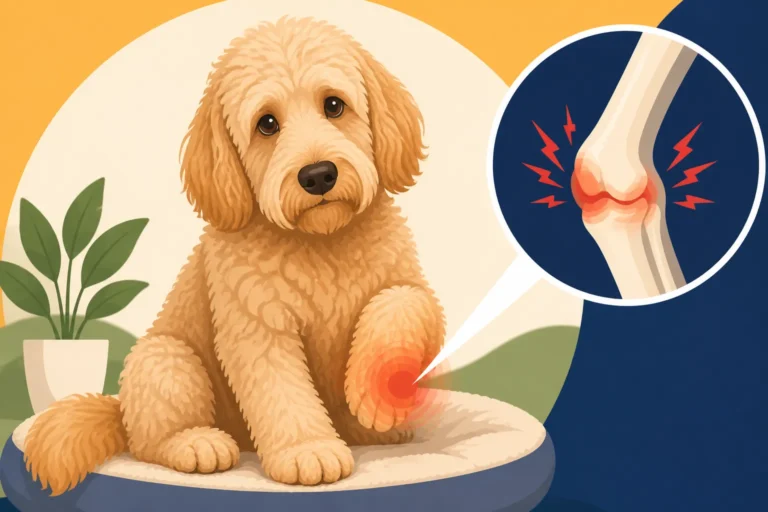
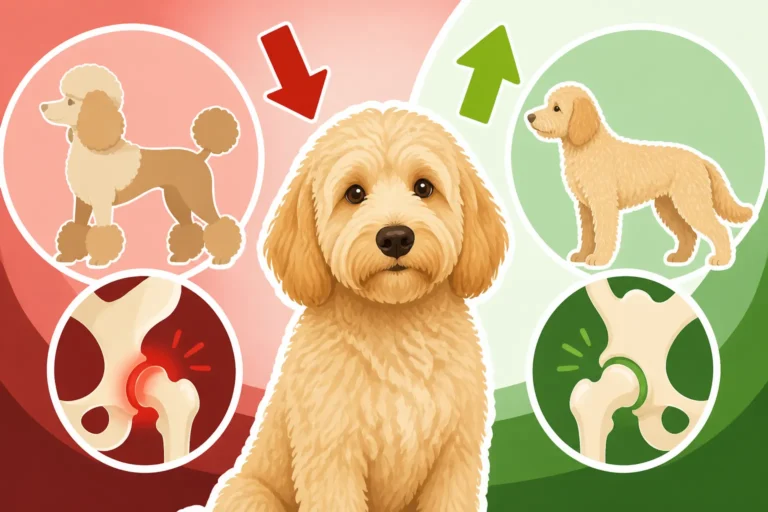
Both Golden Retrievers and Standard Poodles are prone to certain orthopedic issues, making joint problems a significant concern for Goldendoodles. Hip and elbow dysplasia are at the top of this list. Hip dysplasia, a malformation of the hip joint, is notoriously common in Golden Retrievers, with a notable percentage of them affected. Similarly, while Poodles may have a slightly lower incidence than Goldens, they are not immune to it, and both breeds can pass on the genetic propensity for elbow dysplasia. For Goldendoodles, this means a significant risk of developing these painful conditions. For instance, Goldendoodle Hip Dysplasia at 15 to 20 Percent indicates the prevalence. Symptoms might not show up until later in life, manifesting as limping, difficulty getting up, or reluctance to exercise. Early screening of parent dogs through organizations like the Orthopedic Foundation for Animals (OFA) is paramount, as is maintaining a healthy weight for your Goldendoodle to minimize stress on their joints. Pet insurance plans, such as those offered by Healthy Paws, can be invaluable for covering the often substantial costs associated with diagnosing and treating these chronic joint conditions, from X-rays to potential surgeries or long-term medication.
Eye Conditions from Parent Breeds
Eye health is another area where Goldendoodles can inherit predispositions from both parents. Progressive Retinal Atrophy (PRA) is a particularly concerning condition that can be carried by both Golden Retrievers and Poodles. As discussed in Progressive Retinal Atrophy Carried by Both Goldendoodle Lines, this is a degenerative disease that leads to eventual blindness. Both breeds are also prone to other eye issues like cataracts, which can develop at any age and may require surgical intervention. Responsible breeders should conduct thorough eye examinations, often by a board-certified veterinary ophthalmologist, on both parent dogs to screen for these hereditary conditions. DNA testing is available for certain forms of PRA, ensuring that affected or carrier dogs are not bred together, which can prevent puppies from inheriting two copies of the faulty gene and thus developing the disease. Catching these issues early, or ideally preventing them through careful breeding, is vital for your Goldendoodle's quality of life.
Endocrine and Immune System Concerns
Beyond structural and ocular issues, Goldendoodles can inherit sensitivities related to their endocrine and immune systems. Addison's Disease, for example, is a serious adrenal gland disorder that the Goldendoodle primarily gets from the Poodle side of its lineage, as detailed in Addison's Disease a Goldendoodle Gets From the Poodle. This condition, if untreated, can be life-threatening and is often difficult to diagnose due to its vague and episodic symptoms. Hypothyroidism, where the thyroid gland doesn't produce enough hormones, is another common concern in both parent breeds. It can lead to weight gain, lethargy, and significant coat changes like thinning or dryness. Autoimmune diseases, in general, seem to have a higher prevalence in Poodles, and this susceptibility can be passed on to Goldendoodles. Regular veterinary check-ups are essential for monitoring for these conditions, especially as your Goldendoodle ages. Again, having a robust pet insurance plan, like the comprehensive coverage provided by Healthy Paws, can offer peace of mind when dealing with chronic and often costly endocrine and immune system treatments, ensuring you can afford the best care for your dog without financial strain.
Cancer Risks Inherited from Golden Retrievers
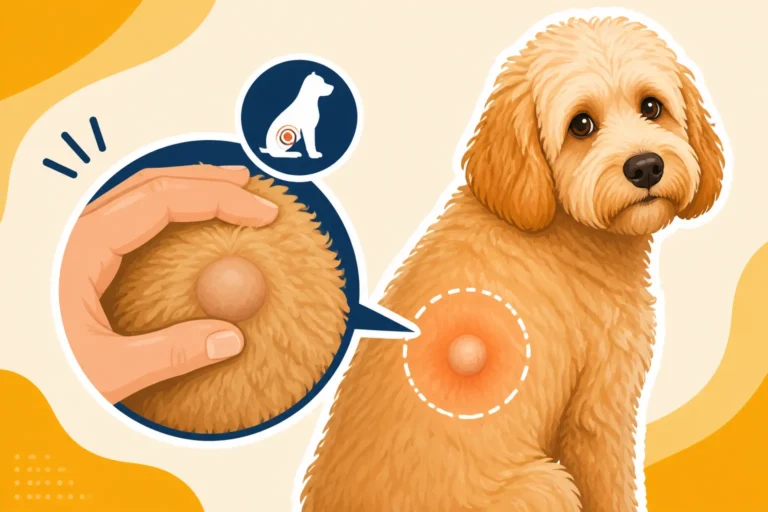
Perhaps one of the most heartbreaking inheritances for a Goldendoodle comes from its Golden Retriever parent: a heightened risk of certain cancers. Golden Retrievers have one of the highest incidences of cancer among all dog breeds. Cancers such as lymphoma, hemangiosarcoma, and mast cell tumors are tragically common in the breed. While the Poodle side might offer some dilution of this risk, Goldendoodles undeniably carry this predisposition. As explored in Cancer Risk a Goldendoodle Carries From the Golden Side, early detection and prompt treatment are critical. This means vigilant monitoring for any lumps, bumps, or changes in your dog's behavior or appetite. While you can't prevent cancer through breeding alone, breeders who carefully select Golden Retriever lines with good longevity and lower cancer rates can help reduce the odds. Even with the best breeding practices, the risk remains, making preventative care and understanding the warning signs paramount.
The Unpredictability Factor: Why No Two Goldendoodles Are Alike
Despite the best efforts of breeders and the growing understanding of canine genetics, Goldendoodles remain wonderfully unpredictable. This isn't a flaw, but rather an inherent characteristic of a hybrid dog. While we can discuss tendencies and probabilities based on parent breeds, the final outcome in any individual puppy is always a unique genetic lottery. This unpredictability is precisely why diligent research and responsible breeding practices are so vital.
The Genetic Lottery in Action
Think of a Goldendoodle litter as a collection of individually drawn tickets in a complex genetic lottery. Each puppy receives a unique combination of genes from its Golden Retriever and Poodle parents. Even littermates, sharing the same parents, can look and act remarkably different. You might have one puppy with a flat, shedding coat and a high Golden Retriever drive, another with tight Poodle curls and a more reserved personality, and a third that's a perfect blend of both. This variability is a defining characteristic, especially in early generations like the F1. It's why relying solely on a puppy's appearance at eight weeks to predict its adult coat, size, or temperament is often a fool's errand. The genes for coat type, for instance, are complex, and what looks fluffy and non-shedding as a puppy might change dramatically during The Goldendoodle Coat Change at Eight to Twelve Months. This genetic lottery is both the charm and the challenge of the Goldendoodle, requiring prospective owners to be open to a wider range of traits than they might expect from a purebred dog.
Why an F1 Goldendoodle Is the Least Predictable
The F1 Goldendoodle, being a 50/50 mix of two purebreds, is arguably the most unpredictable generation in terms of appearance and some health traits. When you cross two distinct purebreds, you're essentially shuffling a deck of cards where all the cards are either "Golden" or "Poodle." There hasn't been enough selective breeding over generations to stabilize the expression of specific traits. This means that recessive genes from either parent, which might typically be masked, have a higher chance of pairing up and expressing themselves. For example, some F1 Goldendoodles might inherit the "improper coat" gene from their Golden Retriever lineage and exhibit a flat, shedding coat, despite promises of low-shedding. In terms of health, while hybrid vigor can sometimes offer protection, it doesn't guarantee a clean bill. Instead, an F1 can inherit any health predisposition from either parent, making a wide range of potential health issues relevant. This inherent variability is why a good breeder will emphasize Why Testing Beats the Word Hybrid on a Goldendoodle and focus on the health clearances of the parent dogs rather than relying on the "F1" label alone to guarantee specific outcomes.
Responsible Breeding: Mitigating Genetic Risks
Given the vast genetic possibilities and the potential for inheriting various health conditions, responsible breeding practices are not just important for Goldendoodles, they are absolutely critical. Since the Goldendoodle is a crossbreed and not recognized by major kennel clubs like the AKC, there are no breed-specific health registries or standardized requirements. This puts the onus entirely on individual breeders to conduct proper health testing and make ethical breeding decisions.
The Importance of Parent Health Testing
This cannot be stressed enough: the health of your Goldendoodle puppy is directly linked to the health of its parents. Reputable breeders will perform comprehensive health testing on both the Golden Retriever and Poodle parents for conditions known to affect their respective breeds. This includes screenings for hip and elbow dysplasia through organizations like OFA or PennHIP, eye certifications by a veterinary ophthalmologist (CERF/OFA Eye Certification), and cardiac exams. Furthermore, genetic DNA tests are available for a growing number of inherited diseases such as Progressive Retinal Atrophy (PRA), Von Willebrand's Disease, and Ichthyosis, among others. A breeder should be transparent and willing to show you the official, verifiable results for both the sire and dam, not just tell you they "tested clear." For a deeper dive into what to look for, check out Health Testing Both Goldendoodle Parents Should Have. These clearances are not foolproof guarantees, but they significantly reduce the likelihood of your puppy inheriting severe, preventable genetic conditions. A lack of transparent health testing is a major red flag, and it's where prospective owners often fall victim to unethical practices.
Choosing a Reputable Breeder
Navigating the world of Goldendoodle breeders can feel like a minefield, given the lack of official breed oversight. A truly reputable breeder isn't just someone who produces puppies; they are health advocates and stewards of the breed. They will prioritize the health, temperament, and welfare of their breeding dogs and puppies above all else. When researching, look for breeders who:
- Provide verifiable health clearances: Demand to see OFA certificates, CERF results, and DNA panel results for both parents. Don't settle for "vet checked" as a substitute.
- Are transparent and willing to educate: They should be happy to answer all your questions, discuss the health history of their lines, and explain the different Goldendoodle generations.
- Emphasize temperament: They should be breeding for stable, friendly temperaments suitable for family life. They’ll usually ask you a lot of questions to ensure a good fit.
- Offer a health guarantee: A limited health guarantee against specific genetic conditions is standard practice for responsible breeders, though it's important to read the terms carefully.
- Keep puppies with their mother until at least 8 weeks: This allows for crucial early socialization and development.
- Limit litter frequency: Breeding females should not be bred too frequently, allowing them time to recover.
- Have clean, well-maintained facilities: Whether it's their home or a dedicated kennel, the environment should be clean and stimulating for puppies.
Reputable breeders may have waiting lists, and their puppies might come with a higher price tag, but the investment in a healthy, well-adjusted Goldendoodle is priceless. It can also save you significant veterinary costs down the line, although it's always wise to consider pet insurance, like Healthy Paws, to help manage unexpected health issues that no amount of breeding can completely prevent. Remember, while a Goldendoodle isn't a recognized breed, you still deserve the same level of care and transparency from your breeder as you would from a purebred counterpart.
Comparing Inherited Traits in Goldendoodles
To help visualize the blend of characteristics your Goldendoodle might inherit, here's a comparative table of common traits from their Golden Retriever and Poodle parents. Remember, these are tendencies, and individual dogs will vary widely!
| Trait | Golden Retriever Tendencies | Poodle Tendencies | Goldendoodle Potential Inheritance |
|---|---|---|---|
| Coat Type | Flat, straight, sheds moderately to heavily | Curly, dense, low-shedding (often considered hypoallergenic) | Straight, wavy, or curly; shedding levels vary from low to moderate/heavy |
| Grooming Needs | Regular brushing to manage shedding, occasional trimming | Frequent brushing, professional grooming every 4-6 weeks to prevent matting | Regular to frequent brushing, professional grooming every 6-8 weeks, specific tools for doodle coats |
| Size | Large (55-75 lbs, 21-24 inches) | Standard (45-70 lbs, 18-24 inches), Miniature (10-15 lbs, 10-15 inches), Toy (4-6 lbs, up to 10 inches) | Standard, Medium, Mini, or Toy depending on Poodle parent; 15-90+ lbs |
| Temperament | Affectionate, outgoing, eager to please, gentle, playful | Intelligent, active, sensitive, sometimes reserved with strangers, eager to learn | Friendly, intelligent, affectionate, playful, highly trainable; can be sensitive or prone to separation anxiety |
| Energy Level | Moderate to high, requires daily exercise | Moderate to high, requires mental and physical stimulation | Moderate to high, needs daily exercise and mental enrichment |
| Trainability | High, very biddable, responsive to positive reinforcement | Very high, intelligent, excels in obedience and dog sports | Very high, quick learners, respond best to positive reinforcement |
| Common Health Concerns | Hip/Elbow Dysplasia, Cancer (Lymphoma, Hemangiosarcoma), PRA, Cardiac issues | Hip/Elbow Dysplasia, Addison's Disease, PRA, Bloat, Sebaceous Adenitis, Thyroid issues | Can inherit any of the above; joint issues, eye conditions, endocrine diseases, and cancer are concerns |
| Socialization | Naturally friendly, good with kids and other pets | Can be wary of strangers if not socialized, good with familiar people/pets | Generally very social, but early and broad socialization is still key |
Disclaimer
Please remember that this article is intended for informational purposes only and should not be considered a substitute for professional veterinary advice. Always consult with a qualified veterinarian for any health concerns or before making any decisions about your Goldendoodle's care, treatment, or diet. Individual results and experiences may vary.