Exercising a Goldendoodle in Snow and Ice
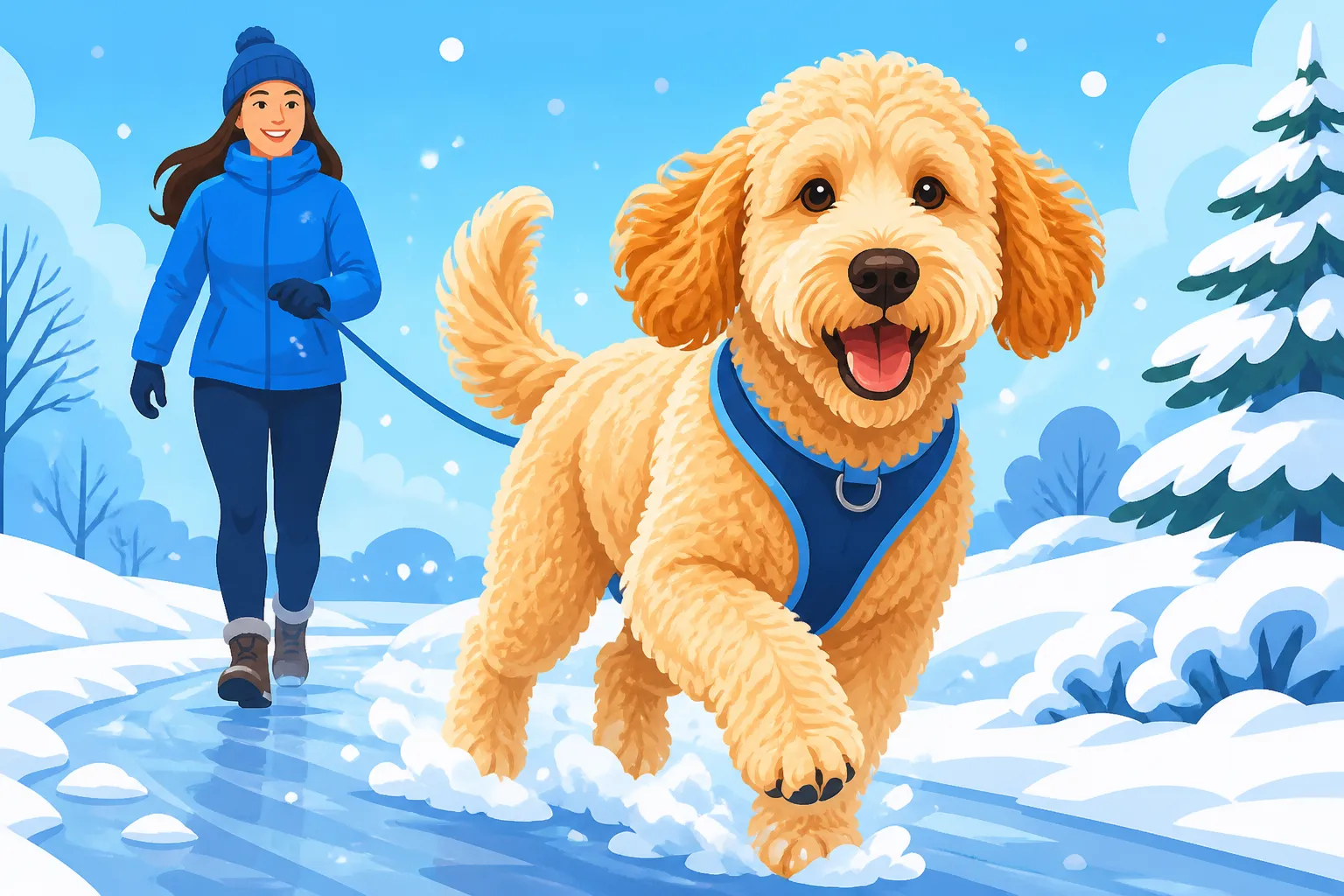
The winter wonderland outside might look beautiful, but for Goldendoodle parents, it often brings a unique set of challenges when it comes to keeping our furry friends happy and exercised. That energetic, playful spirit doesn't magically disappear just because there's a foot of snow on the ground or the sidewalks are slick with ice. It's frustrating to see your dog cooped up, pacing, or getting bored when they're used to longer adventures. This guide is here to walk you through how to safely and effectively exercise your Goldendoodle, even when Jack Frost is nipping at their paws and the wind is howling.
Navigating Winter with Your Goldendoodle: Unique Challenges
Goldendoodles are truly wonderful dogs, but their unique blend of Golden Retriever and Poodle traits means they have some specific considerations when facing harsh winter weather. It's not just about bundling up; it's about understanding how their coat, their energy levels, and even their joint health are affected by snow and ice. We want them to have fun, not end up with an injury or a nasty ice burn.
Goldendoodle Coat Considerations in Snow
Ah, the Goldendoodle coat. It's one of their most defining features and often the reason we fall in love with them, but it can be a real magnet for snow and ice. Whether your Goldendoodle has that signature curly, wavy, or even the rarer straighter coat, snow has a way of clinging to it. You know the drill: after just a few minutes of romping, your beautiful fluffy dog turns into a walking, barking snow sculpture, laden with ice balls. These snowballs can be incredibly uncomfortable, pulling at their skin, causing localized frostbite if left too long, and leading to nasty mats when they melt. It’s particularly bad around their legs, belly, and armpits.
Furthermore, the long hair that many Goldendoodles sport around their paws can gather ice and debris between the pads, which can cause pain and even lacerations. It's a constant battle, and it's easy to get discouraged when every outdoor adventure means a lengthy, cold, and often uncooperative de-snowing session back inside. Understanding The Three Goldendoodle Coat Types and How to Tell Them can help you anticipate some of these issues, but snow doesn't discriminate.
Joint Health and Icy Conditions
Goldendoodles, especially the larger standard and medium sizes, are known to be predisposed to certain joint conditions, inherited from both parent breeds. Things like hip and elbow dysplasia can be a concern, and even without a diagnosed condition, an unexpected slip or fall on ice can cause a significant injury. Imagine your Goldendoodle, full of beans and racing after a squirrel, suddenly losing their footing on a patch of black ice. The potential for sprains, strains, or even more serious ligament tears (like a cruciate tear) is very real.
This isn't to say your Goldendoodle should be bubble-wrapped all winter, but it does mean extra vigilance is required. You're trying to balance their need for exercise with the very real risk of a painful injury that could lead to expensive vet bills and a long recovery. Older Goldendoodles, or those already experiencing some Goldendoodle Arthritis After the Age of Eight, are even more vulnerable, making cautious movement a top priority.
Temperature Sensitivity and Cold Weather
While Golden Retrievers have a thick double coat built for cold, and Poodles, despite their elegant appearance, are robust dogs that can handle cool weather, the Goldendoodle’s hybrid coat can be less predictable. Some Doodles might have a denser coat that offers good insulation, while others, particularly those with a more open or single-layer curly coat, might feel the cold more keenly. Size also plays a role; a tiny Toy Goldendoodle will get cold much faster than a robust Standard.
It's not just about their core body temperature, either. Their ears, paws, and tail tips are more susceptible to frostbite. If you're out in truly frigid temperatures, or if your Goldendoodle has a short "puppy cut" for the winter, they'll need additional protection. Ignoring these signs can lead to discomfort, illness, or even dangerous conditions like hypothermia. You want your Goldendoodle to love winter, not shiver through it.
Essential Gear and Preparations for Snowy Goldendoodle Walks
Facing the winter elements with your Goldendoodle doesn't have to be a battle. With the right preparation and gear, you can ensure your dog stays safe, warm, and comfortable, allowing them to truly enjoy their outdoor time. Think of it like dressing for a ski trip – you wouldn't go out in jeans and a t-shirt, and your Goldendoodle needs their own specialized kit.
Paw Protection is Paramount
The number one rule for winter walks with a Goldendoodle? Protect those paws! The combination of ice, snow, road salt, de-icing chemicals, and frigid temperatures can be incredibly harsh on their sensitive paw pads. Not only can the cold cause discomfort, but salt and chemicals can lead to painful irritation, cracking, and even chemical burns. Plus, as we mentioned, snow and ice can pack between their paw pads, causing painful clumps.
This is where dog booties come in. Finding the right pair can be a bit of a Goldilocks situation – some are too flimsy, some fall off, and some your Goldendoodle will simply refuse to wear. But persistence is key. Look for booties with good traction to help prevent slips and a secure fastening mechanism. Brands like Ruffwear or Muttluks offer robust options, and you can often find a wide selection of various styles and sizes on Chewy that cater to all Goldendoodle sizes, from Toy to Standard. Introduce them slowly, perhaps just for a few minutes at a time indoors, with lots of positive reinforcement.
If booties are a no-go, paw wax is a fantastic alternative. Products like Musher's Secret create a breathable barrier on the pads, protecting them from salt, ice, and hot pavement in summer. It also provides a bit of extra grip. Simply rub a generous amount onto each paw pad before heading out. Regularly trimming the hair between your Goldendoodle's paw pads also helps prevent snow and ice from accumulating, making both booties and paw wax more effective. This is a crucial step for preventing Goldendoodle Paw Pad Hair and Slipping.
Winter Coats and Sweaters
While their fluffy coats offer some natural insulation, not all Goldendoodles are created equal when it comes to cold tolerance. A large, robust Standard Goldendoodle with a dense, woolly coat might be fine in moderately cold temperatures for a good romp, but a smaller Mini or Toy Goldendoodle, or one with a shorter haircut, will definitely benefit from a warm coat or sweater. Dogs that are very young, very old, or have underlying health conditions are also more susceptible to the cold.
When choosing a coat, look for something waterproof or water-resistant to keep snow and ice from soaking through to their skin. It should offer good coverage, especially over their back and belly, and allow for a full range of motion. Think about adjustable straps for a snug fit that won't chafe. Just like with booties, you can find many options from trusted retailers on Amazon, often with customer reviews that can guide you on fit for a Goldendoodle's unique body shape. A good rule of thumb: if you're bundling up, your Goldendoodle probably needs an extra layer too.
Post-Walk Cleanup Routine
The outdoor fun isn't over until the post-walk cleanup is complete. This step is critical for preventing health issues and maintaining their beautiful coat. When you come back inside, those adorable snowballs clinging to their fur will start to melt, leading to dampness, matting, and potentially skin irritation from absorbed road salt or chemicals.
Here’s a quick and efficient routine:
- Towels Ready: Have a designated "dog towel" by the door.
- Paw Rinse/Wipe: Immediately wipe or rinse their paws with warm water to remove all traces of salt, ice melt, and grime. A small bucket or a paw washer device can be very effective here.
- Belly and Leg Check: Gently wipe down their belly and lower legs, where snow and slush often accumulate.
- Snowball Removal: If snowballs have formed in their fur, don't pull them! Use your fingers to gently break them up, or if they're frozen solid, a hairdryer on a cool setting (held at a safe distance) can help them melt without discomfort. You might even find a detangler spray helpful for working through any icy clumps or nascent mats. This proactive approach can prevent How Matting Adds Hundreds to a Goldendoodle Year.
- Drying: Thoroughly dry your Goldendoodle with a towel, paying special attention to ears, paws, and any areas where the coat is thick. This prevents chilling and reduces the risk of skin infections.
Establishing this routine from day one helps your Goldendoodle tolerate and even appreciate the process, making winter adventures much more enjoyable for both of you.
| Paw Protection Method | Pros | Cons | Best For |
|---|---|---|---|
| Dog Booties | Comprehensive protection from salt, ice, cold | Can be hard to fit, some dogs refuse to wear them, can fall off | Long walks, heavy snow, deep cold, chemical exposure, sensitive paws |
| Paw Wax (e.g., Musher's Secret) | Easy to apply, natural feel, adds grip, less restrictive | Less protection than booties in extreme conditions, needs reapplication | Moderate cold, road salt, general winter protection, dogs dislike booties |
| Trimming Paw Hair | Prevents ice/snow accumulation, improves grip | Requires regular maintenance, doesn't protect pads from chemicals | All Goldendoodles, especially those with thick paw furnishings |
Safe Exercise Strategies for Goldendoodles in Winter
When the snow flies and the ice clings, our usual routine for exercising our Goldendoodles often needs a serious rethink. It's not just about pushing through; it's about adapting so they can still burn off that boundless energy without putting themselves at risk. The key is to be flexible, listen to your dog, and embrace new ways to keep their bodies moving and their minds engaged.
Adjusting Walk Duration and Intensity
You know your Goldendoodle has an impressive amount of energy. The Golden Retriever in them loves to retrieve and explore, and the Poodle brings intelligence and a desire for activity. But a long, leisurely walk on a snowy, icy day might not be the best idea. The cold can lead to faster heat loss, especially for smaller Doodles or those with shorter coats. Slipping hazards are everywhere, and repetitive high-impact movements on uneven, slippery terrain can strain joints.
Instead, consider shorter, more frequent outdoor excursions. Aim for 15-20 minute bursts of activity rather than one long, hour-long trek. Focus on quality over quantity. Keep them moving, but avoid activities that encourage sudden stops, rapid changes in direction, or high jumps, which significantly increase the risk of injury. A brisk walk on a cleared path is often preferable to a chaotic romp in deep, untracked snow. This adjustment helps to minimize exposure to extreme cold and reduces the chances of them slipping.
Avoiding Slippery Surfaces and Hazardous Areas
This might seem obvious, but it's surprising how quickly an eager Goldendoodle can drag you into a questionable area. Be extra mindful of where you're walking. Sidewalks and pathways that have been cleared are generally safer, but always be on the lookout for hidden patches of black ice, which can be nearly invisible. Avoid steep hills or uneven terrain that could lead to a loss of footing.
Frozen bodies of water, like ponds or lakes, are also extremely dangerous. What looks like solid ice might be thin and unstable, and a Goldendoodle's natural curiosity or retriever instinct could lead them into treacherous situations. Always keep your Goldendoodle on a leash around frozen water, and ideally, steer clear of it altogether. Goldendoodle Recall in an Open Field is something we all work on, but winter conditions add another layer of risk to off-leash play.
Also, remember the hidden dangers of de-icing chemicals. Many common ice melts are toxic if ingested, and even non-toxic ones can cause irritation to paws. Stick to paths you know are treated with pet-safe alternatives, or assume all treated surfaces are hazardous and proceed with excellent paw protection and a thorough post-walk cleaning.
Indoor Exercise Alternatives
When outdoor conditions are genuinely too harsh – think blizzard warnings, dangerously low temperatures, or widespread ice – it's time to get creative indoors. Your Goldendoodle still needs to burn off steam, and their intelligent Poodle side means they crave mental stimulation as much as physical.
Here are some ideas to keep them happy and tired:
- Puzzle Toys and Snuffle Mats: These are fantastic for engaging their brains. Fill a puzzle toy with kibble or healthy treats, and watch them work to figure it out. Snuffle mats allow them to use their incredible sense of smell to forage for food, which is surprisingly tiring. You can find excellent options on Chewy that are durable enough for a Goldendoodle.
- Indoor Fetch or Tug: Clear a safe space in your home and play a modified game of fetch with soft toys. A game of tug-of-war is also great for burning energy, but make sure to teach a "drop it" command to keep it controlled.
- Training Sessions: Winter is the perfect time to brush up on old commands or teach new tricks. Goldendoodles are highly intelligent and love to learn. Five to ten-minute training bursts several times a day can be incredibly effective at tiring them out mentally. Consider teaching "shake a paw," "spin," or "weave through legs." Rewards like small, chewy treats from Ollie can keep them motivated. The Thinking Work That Actually Tires a Goldendoodle is just as important as physical exercise.
- "Find It" Games: Hide treats or favorite toys around the house and have your Goldendoodle sniff them out. Start easy, then make it more challenging. This leverages their natural retriever instincts and provides great mental enrichment.
- Stair Sprints: If you have stairs and your Goldendoodle is healthy with no joint issues, a few supervised trips up and down can provide a quick burst of cardio. Always be mindful of their body and don't overdo it.
By mixing and matching these indoor activities with shorter, safe outdoor excursions, you can keep your Goldendoodle well-exercised, mentally stimulated, and happy throughout the winter months, avoiding the cabin fever that can lead to destructive behaviors.
Recognizing and Responding to Winter Hazards
Even with the best preparation, winter can throw unexpected curveballs. It's crucial for Goldendoodle owners to be vigilant, recognize the signs of trouble, and know how to respond quickly to keep their beloved companions safe. Being prepared for the worst allows us to enjoy the best of winter with our Doodles.
Signs of Hypothermia or Frostbite
While Goldendoodles have a decent coat, they are not immune to the cold. Prolonged exposure, especially in very low temperatures or wet conditions, can lead to hypothermia (dangerously low body temperature) or frostbite (tissue damage from freezing).
Signs of Hypothermia:
- Shivering: Initially, this is the body's attempt to warm itself.
- Lethargy and Weakness: Your Goldendoodle might seem unusually tired or unwilling to move.
- Stumbling or Lack of Coordination: As body temperature drops, muscle control diminishes.
- Cold to the Touch: Especially on the ears, paws, and tail.
- Slow, Shallow Breathing and Heart Rate: In severe cases, these vital signs will decline.
Signs of Frostbite:
- Cold, Pale Skin: Affected areas (often ears, tail, paws) may look waxy or bluish.
- Pain Upon Touching: Your dog may yelp or pull away.
- Swelling: As tissues thaw, they may become swollen and red.
- Blisters or Skin Discoloration: In severe cases, blackening or hardened skin may appear days later.
If you suspect hypothermia, get your Goldendoodle inside immediately, wrap them in warm blankets, and contact your vet. For frostbite, gently warm the area with lukewarm (not hot) water, but do not rub or massage the affected tissue, as this can cause further damage. Seek veterinary attention promptly. Prevention is always best: keep walks short in extreme cold, dress your dog appropriately, and watch for any signs of discomfort.
Ingesting Ice Melt or Antifreeze
These substances are incredibly common in winter, and tragically, many are highly toxic to dogs. Antifreeze, in particular, has a sweet taste that can be appealing to curious canines, but even a small amount can be fatal, causing acute kidney failure. Ice melts, while varying in toxicity, can cause gastrointestinal upset (vomiting, diarrhea), paw irritation, and in larger quantities, more severe issues.
What to do if your Goldendoodle ingests a hazardous substance:
- Act Immediately: Do not wait for symptoms to appear. The sooner treatment begins, the better the prognosis.
- Contact Your Vet or a Pet Poison Helpline: Have the product name (if known) ready. They will advise you on whether to induce vomiting or proceed directly to the clinic.
- Do Not Induce Vomiting Unless Instructed: Some substances can cause more harm coming back up.
The best defense is prevention. Wipe your Goldendoodle’s paws thoroughly after every walk, especially if you've been on treated sidewalks, to remove any residues before they can lick them off. Store all automotive and de-icing products in secure locations out of your dog’s reach. Be mindful of puddles in parking lots or near garages, as these could contain spilled antifreeze.
Dealing with Snowballs and Ice in Fur
It’s an almost inevitable part of winter life with a Goldendoodle: those infuriating snowballs that cling to their beautiful fur. As mentioned earlier, these aren't just an aesthetic problem; they can pull at the skin, cause painful mats, and even lead to localized frostbite.
How to safely remove them:
- Gentle Approach: Never try to yank or pull snowballs off. This will hurt your Goldendoodle and can damage their skin and coat, making them resistant to future grooming.
- Warm Water: A quick rinse with lukewarm water in a tub or with a handheld sprayer can melt snowballs quickly.
- Blow Dryer (Cool Setting): A low, cool setting on a pet-specific force dryer or even your own hairdryer (held at a safe distance and never on hot) can melt the snow and ice. Keep the air moving to avoid overheating one spot.
- Paw-Specific Care: For ice packed between paw pads, a warm, damp cloth held against the paw can help, followed by gentle separation with your fingers.
- Detangler Spray: A good detangler spray can help the snow and ice slide out of the fur more easily. This is also key for preventing Why a Goldendoodle Mats in a Week Without Brushing.
Regular grooming during winter is more important than ever. Keep your Goldendoodle's coat well-brushed to prevent mats from forming, which can then become prime locations for snow and ice to adhere. Consider a slightly shorter clip for winter on their legs and belly to reduce the surface area for snow to cling, while leaving their body coat long enough for warmth. Brushing a Goldendoodle Often Enough to Stop Matting will make winter life easier for both of you.
Disclaimer
This article is for general informational purposes only and does not constitute professional advice. Laws, prices and regulations vary by location and change over time. Consult a qualified professional for guidance on your specific situation.