The Human Foods That Poison a Goldendoodle
It’s a scenario many Goldendoodle parents know all too well: you’re cooking dinner, and suddenly, those big, soulful eyes are looking up at you from under a mop of curls, silently begging for a taste. Or perhaps your clever Goldendoodle, with their impressive Golden Retriever intelligence and Poodle problem-solving skills, has managed to counter-surf a forgotten snack. It’s natural to want to share everything with our furry family members, but the truth is, many common human foods that are perfectly safe, or even healthy, for us can be incredibly dangerous, even deadly, for our beloved dogs. This guide is here to shed light on those hidden dangers, helping you understand exactly what to keep out of your Goldendoodle’s reach to ensure their safety and well-being.
The Sweet and Savory Traps: Chocolate, Xylitol, and Alliums
The kitchen often holds the most tempting treats for our Goldendoodles, but it’s also a minefield of potential poisons. From sweet indulgences to savory staples, understanding which common human foods pose a serious threat is paramount.
Chocolate and Caffeine: A Bitter Truth
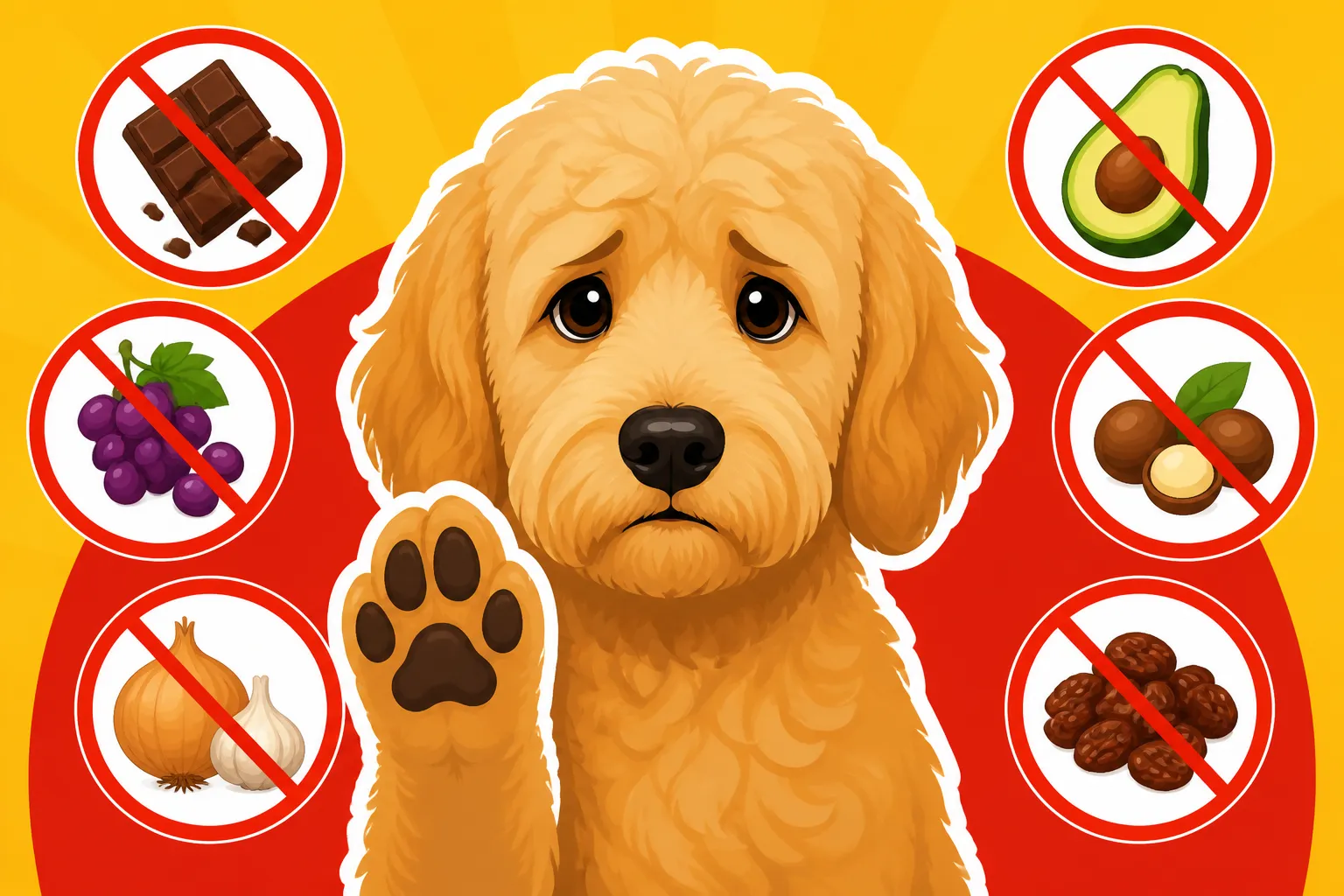
Chocolate is perhaps the most widely known toxic food for dogs, and for good reason. It contains theobromine, a stimulant similar to caffeine, which dogs metabolize much more slowly than humans. This means it can build up to toxic levels in their system, leading to a range of severe symptoms. Darker chocolates and baking chocolate contain higher concentrations of theobromine and are thus far more dangerous than milk chocolate. Even a small amount of dark chocolate can cause significant distress in a Goldendoodle, while a larger quantity could be fatal. Think about those holiday treats or even that unattended brownie on the counter – they're not just a forbidden pleasure, they're a serious health risk.
Symptoms of chocolate poisoning can vary depending on the amount and type consumed, but often include vomiting, diarrhea, increased thirst, restlessness, hyperactivity, tremors, elevated heart rate, and seizures. If you suspect your Goldendoodle has eaten chocolate, it's always an emergency, even if they seem fine initially. The effects can be delayed. Similarly, any products containing caffeine – like coffee beans, grounds, tea bags, or even some energy drinks – should be kept strictly away from your Goldendoodle. Like theobromine, caffeine is a stimulant that can overstimulate their nervous system, causing similar frightening symptoms. It's a double whammy of danger lurking in many households.
Xylitol: The Silent Sweetener
Xylitol is a sugar substitute found in an alarming number of everyday products, from sugar-free gum and mints to certain toothpastes, peanut butters, and even some medications and baked goods. For dogs, xylitol is incredibly toxic, far more so than chocolate. When a Goldendoodle ingests xylitol, it causes a rapid and massive release of insulin from their pancreas, leading to a sudden and severe drop in blood sugar (hypoglycemia). This can happen within 10-60 minutes of ingestion and can quickly become life-threatening.
The severity of the reaction depends on the amount consumed and the dog's size. Even a small amount, like a few pieces of sugar-free gum, can be enough to cause serious problems for a Goldendoodle. Symptoms of xylitol poisoning include vomiting, lethargy, loss of coordination, seizures, and collapse. In higher doses, xylitol can also lead to liver failure, which is often irreversible and fatal. It’s a truly insidious poison because it's so common in products we use daily. Always check ingredient labels, especially on peanut butter jars, if you use it for treats or to hide pills. Many brands have switched to xylitol, and it's something every Goldendoodle owner absolutely needs to be aware of. Keeping products like these locked away or simply out of the house is the safest bet.
Onions, Garlic, Leeks, and Chives: The Allium Family Threat
These flavorful members of the Allium family are kitchen staples for many, but they contain compounds (thiosulphates) that are toxic to dogs, cats, and even some other animals. These compounds can damage a Goldendoodle's red blood cells, leading to hemolytic anemia, a condition where the red blood cells burst. While cooking them can reduce their potency slightly, it doesn't eliminate the danger entirely. This means that foods seasoned with onion powder, garlic powder, or even small pieces of cooked onion can still be harmful.
The effects of allium toxicity might not appear immediately; it can take several days for symptoms to manifest, making it harder to link back to a specific meal. Symptoms include lethargy, weakness, pale gums, reduced appetite, vomiting, diarrhea, and reddish-brown urine (a sign of red blood cell damage). It's not just large quantities that are dangerous; repeated small ingestions can also build up toxicity over time. Imagine that stray garlic clove dropped on the floor or the leftover casserole with cooked onions – these are silent threats. When preparing meals, be extra diligent about keeping these ingredients and any scraps out of your Goldendoodle’s reach. This also means being careful with certain baby foods or broths that might contain onion or garlic powder as hidden ingredients.
Fruits, Nuts, and Rising Dough: Unexpected Kitchen Hazards
Beyond the obvious dangers, there's a whole host of other human foods that can cause serious issues for your curious Goldendoodle. Some might seem healthy, while others are simply common household items that can lead to significant distress.
Grapes and Raisins: The Mysterious Menace
Grapes and raisins are perhaps one of the most puzzling toxic foods for dogs because the exact mechanism of their toxicity isn't fully understood, and the amount that causes a problem varies wildly between individual dogs. What is known, however, is that even a small handful of grapes or a few raisins can cause acute kidney failure in some Goldendoodles. This can happen whether they're fresh, dried, or in baked goods like cookies or fruitcake. It's truly a mystery why some dogs are severely affected while others seem to tolerate them, but the risk is far too high to ever gamble with.
Symptoms typically begin within hours of ingestion and can include vomiting, diarrhea, lethargy, decreased appetite, and abdominal pain. As kidney damage progresses, symptoms can escalate to increased thirst and urination, and eventually, a complete inability to produce urine, which is a critical sign of kidney failure. If you know or suspect your Goldendoodle has eaten grapes or raisins, consider it an emergency and contact your vet immediately. Rapid intervention can sometimes prevent the most severe outcomes. This is one of those times when even a tiny dropped snack should trigger alarm bells. You can find more information about recognizing serious symptoms in Goldendoodle Vomiting and When It Matters or Goldendoodle Diarrhea Lasting More Than Two Days.
Avocado: Pitfalls and Persin
Avocado contains a fungicidal toxin called persin, which is generally harmless to humans but can be toxic to dogs in large quantities. The persin is present in the fruit itself, the leaves, the bark, and especially the pit. While many dogs might not show severe reactions to a small piece of avocado flesh, it's best to avoid it, particularly the pit and skin. The larger concern with the avocado pit, aside from persin, is that it poses a significant choking hazard or can cause an intestinal obstruction if swallowed by a Goldendoodle. A large Goldendoodle might be able to swallow it whole, leading to a blockage that requires emergency surgery.
Symptoms of persin toxicity in dogs can include vomiting and diarrhea, but significant issues are generally rare unless a very large amount is consumed or your particular Goldendoodle is sensitive. However, the physical danger of the pit cannot be overstated. When preparing avocados, ensure pits and skins are immediately discarded into a secure bin that your Goldendoodle cannot access, especially if you have a known "trash raider" like many Goldendoodles are. You might need to focus on A Goldendoodle Raiding the Trash to keep your furry friend safe from such incidents.
Macadamia Nuts: More Than Just a Stomach Upset
Macadamia nuts are highly toxic to dogs, though the exact toxic compound and mechanism are still unknown. Unlike some other nuts, the danger isn't primarily choking or high fat content (though those are also concerns). Ingestion of macadamia nuts, even in small amounts, can cause severe reactions in Goldendoodles. It doesn't take many to cause a problem; sometimes just a few nuts are enough to induce symptoms.
Symptoms typically appear within 12 hours of ingestion and can include weakness, particularly in the hind limbs, tremors, vomiting, fever, and depression. While these symptoms are rarely fatal, they can be incredibly distressing for your Goldendoodle and often require veterinary supportive care. The good news is that most dogs recover fully within 24 to 48 hours with appropriate treatment. Still, prevention is key. Macadamia nuts are often found in cookies, trail mixes, and other baked goods, so always be vigilant about sharing human snacks. Keep an eye out for any unusual lumps in products you purchase, and if your Goldendoodle is known for Goldendoodle Puppy Chewing Through Furniture or other inappropriate chewing, secure all human foods.
Yeast Dough: A Rising Problem
Unbaked yeast dough is a serious double threat to Goldendoodles. First, the yeast in the dough will continue to rise and ferment in the warm, moist environment of your Goldendoodle's stomach. As it ferments, it produces alcohol. This can lead to alcohol poisoning, which is a dire emergency. Secondly, the rising dough itself can expand dramatically in the stomach, causing bloating, severe pain, and potentially gastric dilatation-volvulus (GDV), also known as bloat. Bloat is a life-threatening condition where the stomach twists, trapping gas and fluid, and requires immediate emergency surgery. Bloat Risk in a Standard Goldendoodle is already a concern for larger Goldendoodles, and ingesting yeast dough significantly increases that risk.
Symptoms of yeast dough ingestion include a distended abdomen, vomiting (often attempts without producing much), drooling, weakness, disorientation, and signs of abdominal pain. If you suspect your Goldendoodle has eaten raw dough, it is an absolute emergency. Do not wait for symptoms to appear; seek immediate veterinary attention. This includes raw bread dough, pizza dough, or any other dough made with yeast. Always secure rising dough in an inaccessible place, like a high cupboard or oven, and ensure all scraps are immediately thrown into a secure, lidded trash can.
Beyond Food: Other Ingestible Dangers in a Goldendoodle Home
While the focus is often on food, there are other items in a typical home that, if ingested, can pose a severe threat to your Goldendoodle's health. Accidental ingestion happens easily with a curious, intelligent dog that might chew on anything within reach.
Alcohol: No Drinks for Dogs
Alcohol, in any form, is toxic to Goldendoodles. Their bodies process alcohol much less efficiently than humans, making them far more susceptible to its intoxicating and harmful effects. This includes alcoholic beverages like beer, wine, and spirits, as well as foods that contain alcohol, such as certain desserts, raw yeast dough (as mentioned), or even some mouthwashes and hand sanitizers. Even small amounts can lead to alcohol poisoning.
Symptoms of alcohol poisoning can include vomiting, diarrhea, disorientation, lethargy, difficulty walking, tremors, difficulty breathing, decreased body temperature, and in severe cases, seizures, coma, and even death. It's never acceptable to give your Goldendoodle even a tiny sip of an alcoholic drink as a "joke" or "treat." Any exposure should be taken seriously. Keep all alcoholic beverages and products containing alcohol securely stored and out of reach. Remember that your Goldendoodle might be drawn to the sweet smell of certain drinks or cocktails, so vigilance is paramount.
Bones: Not the Treat You Think
While raw bones might be a contentious topic among dog owners, cooked bones are universally agreed upon as a significant danger. Cooked bones, especially chicken, turkey, or pork bones, become brittle and can splinter easily. These sharp fragments can cause serious damage anywhere along your Goldendoodle's digestive tract: they can get lodged in the throat, break teeth (especially for a Goldendoodle with Goldendoodle Dental Crowding in the Smaller Sizes), puncture the esophagus, stomach, or intestines, or cause severe blockages. Even small bone fragments can lead to painful constipation or rectal bleeding.
The dangers of cooked bones far outweigh any perceived benefit. It's best to avoid giving any cooked bones, including those leftover from your dinner plate. If your Goldendoodle manages to steal and eat cooked bones, monitor them closely for signs of distress such as vomiting, straining to defecate, lethargy, or loss of appetite, and consult your veterinarian immediately. It’s a common misconception that bones are natural dog treats, but for our domesticated Goldendoodles, especially cooked ones, they are a hazard. Opt for safe, digestible chews from reputable brands found on sites like Chewy or Amazon.
Fatty Scraps and Pan Drippings: A Recipe for Pancreatitis
While not directly toxic in the same way as chocolate or xylitol, exceedingly fatty foods can be extremely dangerous for Goldendoodles, leading to a painful and potentially life-threatening condition called pancreatitis. This includes things like bacon grease, fat trimmed from meat, fried foods, and rich gravies or sauces. When a Goldendoodle consumes a large amount of fat, their pancreas can become inflamed.
Symptoms of pancreatitis include severe abdominal pain, repeated vomiting, diarrhea, lethargy, loss of appetite, and a hunched posture. Pancreatitis often requires hospitalization, intravenous fluids, pain medication, and dietary management. Some Goldendoodles are more sensitive than others, and even a single fatty meal can trigger an attack. To avoid this painful condition, always dispose of fatty scraps and pan drippings securely. It might be tempting to share that delicious piece of fatty steak, but a lean, cooked piece of meat without seasoning is a far safer occasional treat. When choosing dog food, look for balanced options, perhaps even considering services like Ollie for fresh, vet-approved meals if your Goldendoodle has a sensitive stomach, rather than experimenting with fatty human foods.
Medication: Not Just for Humans
It might seem obvious, but human medications are one of the most common causes of accidental poisoning in dogs. Goldendoodles, with their curious noses and sometimes indiscriminate chewing habits, can easily get into pill bottles left on counters or in accessible cabinets. Over-the-counter pain relievers like ibuprofen (Advil, Motrin), naproxen (Aleve), and acetaminophen (Tylenol) are highly toxic to dogs and can cause severe liver damage, kidney failure, stomach ulcers, and bleeding disorders. Prescription medications for humans, such as antidepressants, blood pressure medications, or ADHD drugs, can also cause devastating effects.
Always keep all medications, both over-the-counter and prescription, in secure, dog-proof containers and out of your Goldendoodle's reach. Treat dropped pills like an emergency and secure your dog away from the area until you've thoroughly cleaned it. If you suspect your Goldendoodle has ingested any human medication, contact your veterinarian or a pet poison control hotline immediately. Do not wait for symptoms to appear; knowing what they ingested allows for much more effective and timely treatment. When it comes to something like this, The First Call After a Goldendoodle Eats Something is not just important, it's critical.
Safe Snacking Alternatives for Your Goldendoodle
So, with all these dangers, what can you share with your Goldendoodle? Thankfully, there are plenty of safe and healthy human foods that make excellent treats in moderation. These can be a fantastic way to bond with your Goldendoodle and add some variety to their diet without risking their health.
Here's a quick overview of some Goldendoodle-friendly human snacks:
| Food Item | Preparation Notes | Benefits |
|---|---|---|
| Carrots | Raw, peeled, cut into bite-sized pieces | Good for dental health, rich in Vitamin A, low calorie |
| Green Beans | Cooked or raw, plain (no salt or butter) | Fiber, vitamins, low calorie, good for weight management |
| Apples | Sliced, cored, seeds removed (apple seeds contain cyanide) | Vitamins A & C, fiber, fresh breath |
| Bananas | Peeled, small pieces in moderation | Potassium, vitamins, but high in sugar so use sparingly |
| Blueberries | Fresh or frozen | Antioxidants, vitamins, small size for easy eating |
| Watermelon | Seedless, rind removed | Hydrating, vitamins, refreshing |
| Plain Chicken | Cooked, unseasoned, shredded (no skin or bones) | Lean protein, great for training or sensitive stomachs |
| Plain Turkey | Cooked, unseasoned, shredded (no skin or bones) | Lean protein, easily digestible |
| Peanut Butter | Check label for no xylitol, natural, unsalted variety in moderation | Protein, healthy fats (good for hiding pills!), enrichment toy filler |
| Pumpkin | Plain, canned pumpkin puree (not pie filling) | Excellent for digestive health, fiber, Vitamin A |
| Sweet Potatoes | Cooked, plain (steamed or baked), peeled | Fiber, Vitamin B6, C, potassium, beta-carotene |
Always introduce new foods slowly and in small quantities to avoid upsetting your Goldendoodle's stomach. While many Goldendoodles are robust, some can develop Goldendoodle Food Allergies Showing on the Skin or other digestive upsets. Remember, these are treats and should only make up a small portion of their daily caloric intake. The bulk of their diet should always come from a high-quality, balanced commercial dog food, like those available on Chewy. When buying commercial food, it's always wise to know What to Look For on a Goldendoodle Food Bag.
If your Goldendoodle is known for its incredible ability to find and ingest anything, consider specific training like Teaching Leave It to a Goldendoodle to prevent accidental ingestion of harmful items. A well-trained Goldendoodle is a safer Goldendoodle, and preventative measures are always better than emergency vet visits.
Disclaimer
This article is for general informational purposes only and does not constitute professional advice. Laws, prices and regulations vary by location and change over time. Consult a qualified professional for guidance on your specific situation.