The F1 Goldendoodle at Fifty Fifty
The world of Goldendoodles can feel a bit like a secret club with all its F1, F1b, Multigen talk, and if you're feeling lost, you are absolutely not alone. Many aspiring Goldendoodle parents stumble over these terms, especially when trying to understand what the different generations actually mean for their future furry family member. This guide is here to cut through the confusion and give you a crystal-clear picture of the F1 Goldendoodle – the original "fifty-fifty" cross – so you can confidently decide if this delightful generation is the right match for your home.
Understanding Goldendoodle Generations: The Starting Point
When you first dive into the Goldendoodle world, you'll quickly encounter terms like F1, F1b, F2, and so on. It can feel like decoding a secret language, but it's actually quite straightforward once you grasp the basics. The "F" simply stands for "Filial Hybrid," which essentially means "first-generation hybrid" or "offspring." The number after it tells you which generation of crossbreeding you're looking at. For many, the F1 Goldendoodle is the purest form of the cross, offering that initial blend of two beloved breeds.
What "F1" Actually Stands For
An F1 Goldendoodle is the very first generation of this incredible crossbreed. It's the direct result of breeding a purebred Golden Retriever with a purebred Poodle. Think of it as the ultimate "fifty-fifty" split – 50% Golden Retriever and 50% Poodle. This is where the magic begins, where the distinct traits of each parent breed first combine in a brand new way. There's a certain charm to the F1, as it represents the foundational pairing that started the whole Goldendoodle craze.
This direct cross is often touted for something called What Hybrid Vigor Means for a Goldendoodle. While hybrid vigor itself is a fascinating concept, it's really important to understand that its impact isn't guaranteed and can't eliminate the need for careful health testing in the parent dogs. Still, the idea that you're getting a fresh genetic mix is appealing to many. What you get with an F1 is a truly unique individual, a direct product of those two distinct purebred lines.
The Golden Retriever and Poodle Blend
With an F1 Goldendoodle, you're getting an even genetic contribution from both the Golden Retriever and the Poodle. This means your puppy has inherited a rich tapestry of traits from two highly intelligent, friendly, and active breeds. From the Golden Retriever side, you can expect that famous sweet disposition, unwavering loyalty, and an eager-to-please attitude. They're often described as sunshine in dog form, always ready for an adventure or a cuddle.
On the Poodle side, you're looking at exceptional intelligence, a mischievous playful streak, and often a more sensitive nature. Poodles are renowned for their trainability and their striking, often non-shedding, coats. The F1 Goldendoodle seeks to combine these qualities, hoping for the gentle nature of a Golden with the smarts and lower-shedding coat potential of a Poodle. Understanding What a Goldendoodle Inherits From Each Parent Breed is crucial when considering an F1, as their traits truly are a direct blend.
Why the First Generation Matters
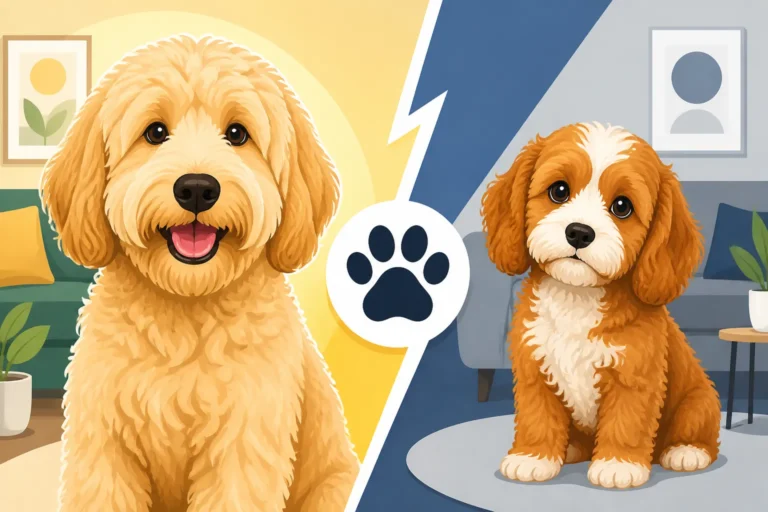
The F1 generation is significant because it's the initial genetic soup, the first time these two breeds mix. This means that while there's a certain predictability in getting a mix of traits from both parents, there's also a wide range of possibilities within a single litter. You might see some puppies lean more heavily towards their Golden Retriever parent in appearance or temperament, while others might strongly resemble their Poodle lineage. This variability is a defining characteristic of the F1, and it's what makes each F1 Goldendoodle truly an individual.
Many breeders and owners believe the F1 generation offers the most balanced representation of both parent breeds. It's the starting point before any "backcrossing" to either parent breed, which is what creates F1b or F2b generations. If you're looking for that quintessential Goldendoodle look and personality, the one that first captured the hearts of so many, the F1 is often considered the benchmark. It’s a wonderful illustration of Why a Goldendoodle Is a Cross and Not a Breed, as it embodies the deliberate mixing of two distinct purebreds.
Unpacking the F1 Goldendoodle's Temperament
One of the biggest draws of the Goldendoodle, and especially the F1, is their famously delightful temperament. They often combine the best qualities of both parent breeds, resulting in a dog that is typically friendly, intelligent, and eager to please. However, it's not a guarantee, and understanding the nuances of these combined traits is essential for any potential owner. This isn't a passive dog; they come with big personalities and needs.
The Best of Both Worlds: Retriever Affection and Poodle Intelligence
Imagine a dog that greets you with an enthusiastic tail wag, eyes shining with boundless affection, and then, with a little guidance, picks up a new command in just a few repetitions. That's the ideal F1 Goldendoodle temperament in a nutshell. They often inherit the Golden Retriever's famous "will to please" and their affectionate, social nature, making them wonderful family companions. These are dogs who thrive on being part of the family action, not relegated to the backyard.
Coupled with this is the sharp intellect of the Poodle. Poodles are highly intelligent dogs, known for their problem-solving abilities and quick learning. This translates into an F1 Goldendoodle that can be remarkably easy to train, often excelling in obedience and even more advanced activities like agility or scent work. However, this intelligence also means they need mental stimulation; a bored Goldendoodle can quickly become a mischievous Goldendoodle. For more on what makes them tick, check out Goldendoodle Temperament From Two Parent Breeds.
Managing High Energy and Social Needs
Despite their calm demeanor indoors, F1 Goldendoodles are generally active dogs with considerable energy reserves. Both Golden Retrievers and Poodles were bred for working roles, and that drive doesn't simply disappear in the cross. They need consistent daily exercise, not just a quick trip around the block. This could be a vigorous walk, a spirited game of fetch, or even swimming – many Goldendoodles absolutely adore water, thanks to their retriever heritage. Without enough physical and mental outlets, that energy can manifest as destructive chewing, excessive barking, or endless "zoomies" indoors.
Beyond physical activity, F1 Goldendoodles also have significant social needs. They thrive on interaction with their human families and can be prone to separation anxiety if left alone for extended periods without proper training. They want to be where you are, doing what you're doing. This "Velcro dog" tendency is endearing to many, but it's a critical consideration for households where everyone is out of the house for long workdays. Training to build independence, even just short periods alone, is vital from a young age.
Early Socialization and Training Essentials
Because F1 Goldendoodles are such intelligent and social creatures, early and consistent training and socialization are absolutely non-negotiable. Starting from the moment they come home, expose your puppy to a wide variety of sights, sounds, people, and other well-behaved dogs in a positive and controlled manner. This helps them develop into well-adjusted, confident adults who aren't easily startled or overwhelmed. A good puppy class is an excellent investment, offering both socialization opportunities and foundational obedience skills.
Positive reinforcement methods work wonders with F1 Goldendoodles, as they are often highly motivated by praise, treats, and toys. They want to please you, making them very responsive to reward-based training. Consistency is key – everyone in the household should use the same commands and expectations. Addressing common puppy behaviors like nipping, house-training, and polite greetings from the start will prevent them from becoming bigger issues later. If you need a starting point for training, consider Training a Goldendoodle That Wants to Please You.
The F1 Coat: The Great Unknown
Ah, the F1 Goldendoodle coat! This is perhaps the biggest variable and the area that causes the most confusion and, dare I say, heartbreak for new owners expecting a specific look or shedding level. Because the F1 is a direct 50/50 mix, their coat genetics are truly a toss-up. You're getting one set of genes from the Golden and one from the Poodle, and how those genes express themselves can vary wildly even within the same litter.
The Wide Spectrum of F1 Coat Types
Unlike later generations that are bred back to a Poodle to increase the likelihood of a curly, low-shedding coat, the F1 generation can produce a vast array of coat types. You might see:
- Straight/Flat Coats: These coats often resemble a Golden Retriever's coat, though perhaps a bit softer. They usually shed moderately to heavily, similar to a Golden.
- Wavy/Fleece Coats: This is often considered the "classic" Goldendoodle look, with soft, flowing waves. These coats typically shed lightly to moderately.
- Curly/Wool Coats: These coats are tighter, resembling a Poodle's coat. They are generally the lowest shedding of the F1 coats.
It's nearly impossible to definitively predict an F1 puppy's adult coat type from its puppy fluff. A fluffy, wavy puppy could mature into a straight, shedding adult, or vice-versa. For a deeper dive into these variations, check out The Three Goldendoodle Coat Types and How to Tell Them. The lesson here is to fall in love with the dog first, not the imagined coat.
Shedding Expectations (or lack thereof)
This is where the reality of the F1 Goldendoodle often clashes with expectations. Many people are drawn to Goldendoodles by the promise of a "hypoallergenic" or "non-shedding" dog. While the Poodle parent contributes genes for a low-shedding coat, the Golden Retriever parent contributes genes for shedding. In an F1 Goldendoodle, you have an equal chance of getting either.
Therefore, an F1 Goldendoodle is not guaranteed to be non-shedding. Many F1s do shed, sometimes quite a bit. Those with straighter coats will shed more, while those with wavier or curlier coats will shed less, but few are truly "non-shedding." If you or a family member has severe allergies, an F1 Goldendoodle is a significant gamble. It's truly important to manage your expectations around this; a dog's coat is one area where Why a Goldendoodle Puppy Coat Predicts Nothing really rings true. You might still find yourself needing lint rollers and a good vacuum!
Grooming Requirements for an F1 Coat
Regardless of the specific coat type an F1 Goldendoodle ends up with, one thing is certain: they all require consistent grooming. Even a "low-shedding" F1 will still shed some hair, and that hair often gets caught in the existing coat, leading to matting if not brushed out regularly.
- Brushing: For wavy or curly F1 coats, daily or every-other-day brushing is a must to prevent mats. Straight-coated F1s might get by with slightly less frequent brushing, but still need attention to remove loose hair. A good slicker brush and metal comb are your best friends. Don't forget those mat-prone areas like behind the ears, armpits, and under the collar! Brushing a Goldendoodle Often Enough to Stop Matting will be your mantra.
- Professional Grooming: Most F1 Goldendoodles will need professional grooming every 6-8 weeks, regardless of how much they shed. This includes bathing, blow-drying (which is crucial for doodle coats), trimming, and sanitary clips. This can be a significant cost over their lifetime, so it's vital to budget for it. You can explore this further in Goldendoodle Grooming as the Biggest Line in the Budget.
- At-Home Care: Between professional grooms, you'll need to stay on top of brushing, nail trims, and ear cleaning. Their furnished ears (if they have them) can be prone to infections, so a weekly ear check and cleaning with a vet-approved solution are important. Regular paw pad trims also prevent slipping and discomfort. Many Goldendoodle owners find great grooming supplies and tools on sites like Chewy to keep their pups looking their best between salon visits.
Health Considerations for F1 Goldendoodles
Just like any dog, Goldendoodles come with their own set of potential health challenges, and the F1 generation is no exception. While the concept of "hybrid vigor" is often discussed, it's crucial for prospective owners to understand what that actually means and, more importantly, what it doesn't mean. No dog is immune to health issues, and informed choices start with knowing the risks.
The Promise of Hybrid Vigor (and its limits)
Hybrid vigor, also known as heterosis, is the idea that the first cross between two unrelated purebred lines can result in offspring that are healthier, more robust, and have greater genetic diversity than either parent breed. The theory is that by mixing genes, you reduce the chances of inheriting two copies of a recessive gene for a specific disease that might be common in one purebred line.
However, The Goldendoodle Hybrid Vigor Claim and Where It Breaks is an important read. Hybrid vigor is not a magic bullet that makes Goldendoodles immune to all diseases. It primarily works against recessive genetic diseases where the parent breeds don't share common genetic predispositions. If a disease is dominant, or if both parent breeds carry the same recessive gene for a particular condition (which happens more often than you might think!), then hybrid vigor offers little protection. It’s also often a temporary effect, lessening in subsequent generations like F2 or Multigen.
Common Health Issues from Both Parent Breeds
Because an F1 Goldendoodle is 50% Golden Retriever and 50% Poodle, they are susceptible to any health conditions that affect either of those parent breeds. This means prospective owners need to be aware of the potential for a wide range of issues.
- Orthopedic Problems: Both Golden Retrievers and Poodles can suffer from hip and elbow dysplasia. Patellar luxation (slipping kneecaps) is also seen, especially in smaller Poodles, which can affect Mini or Toy Goldendoodles.
- Eye Conditions: Progressive Retinal Atrophy (PRA) and cataracts are concerns in both breeds.
- Heart Conditions: Subvalvular Aortic Stenosis (SAS) is a heart condition sometimes found in Golden Retrievers.
- Endocrine Issues: Addison's disease (from the Poodle side) and hypothyroidism (from both sides) are known concerns.
- Bloat: Standard Goldendoodles, like their Poodle parent, can be at risk for Gastric Dilatation-Volvulus (GDV), a life-threatening twisting of the stomach.
- Cancer: Golden Retrievers, in particular, have a higher rate of certain cancers, such as lymphoma, hemangiosarcoma, and mast cell tumors. An F1 Goldendoodle can inherit this predisposition.
Understanding these potential risks helps you make informed decisions about finding a breeder and providing proactive care for your F1 Goldendoodle.
The Importance of Parent Health Testing
Given the potential for inherited health issues from both parent breeds, the absolute most critical step in ensuring you bring home a healthy F1 Goldendoodle is to verify that both parent dogs have undergone comprehensive health testing. A reputable breeder will not only perform these tests but will also be transparent about the results and willing to share official documentation.
Here's what to look for:
- OFA (Orthopedic Foundation for Animals) Certifications: Clearances for hips, elbows, and patellas (knees). These should be graded as "Good" or "Excellent" for hips, and "Normal" for elbows and patellas. You can verify these numbers online.
- Eye Exams: Annual eye exams by a board-certified veterinary ophthalmologist (CAER or CERF).
- Cardiac Clearances: Exam by a board-certified veterinary cardiologist.
- Genetic DNA Panels: Tests for conditions like Progressive Retinal Atrophy (PRA-prcd), Von Willebrand's Disease (vWD), Neonatal Encephalopathy with Seizures (NEWS), and others. A breeder should be able to show that the parents are "clear" or "carrier" (and if a carrier, that they are only bred to a clear dog).
Never take a breeder's word for it. Always ask to see the official paperwork, including registered names and numbers, and cross-reference them on the OFA website. This due diligence is paramount. Dive deeper into what tests are needed with Health Testing Both Goldendoodle Parents Should Have.
What to Expect When Bringing Home an F1 Goldendoodle
Bringing any puppy home is an exciting but significant undertaking, and an F1 Goldendoodle is no different. From the initial search for a breeder to preparing your home and navigating that whirlwind first year, there's a lot to consider. These intelligent and active dogs require preparation, patience, and a whole lot of love.
Finding a Reputable F1 Breeder
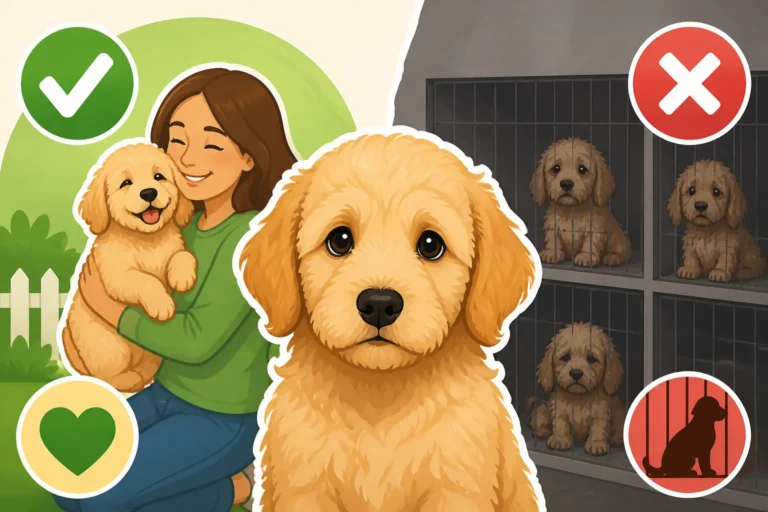
Finding the right F1 Goldendoodle breeder is arguably the most important decision you'll make. A reputable breeder prioritizes the health and welfare of their dogs, conducts thorough health testing on parents, and invests in the proper care and socialization of their puppies. They won't just be selling puppies; they'll be interviewing you to ensure their pups are going to good homes.
What to look for:
- Health Testing Transparency: As mentioned, insist on seeing official OFA and DNA test results for both parent dogs.
- Ethical Breeding Practices: The parents should be healthy, well-tempered, and live as family pets, not in kennels. Litters should be spaced appropriately.
- Puppy Environment: Puppies should be raised in a clean, stimulating home environment, not in a sterile or isolated setting. They should be exposed to age-appropriate sights and sounds.
- Socialization: Puppies should have early handling and socialization exposure.
- Health Guarantee: A written health guarantee against genetic conditions.
- References: A good breeder will have references from past puppy buyers and their veterinarian.
- Questions for You: Expect the breeder to ask you many questions about your lifestyle, experience, and living situation.
Avoid breeders who have multiple litters at once, cannot provide health clearances, don't allow you to meet the parents (at least the mother), or seem overly focused on rare colors or specific coat types without discussing health. You can often find great breeders through word-of-mouth or breed-specific online communities. For more on this, check out The DNA Panel a Goldendoodle Breeder Should Run.
Preparing for Your F1 Puppy
Once you've found your F1 Goldendoodle, the preparation begins! Creating a safe, welcoming, and stimulating environment is key to helping your puppy adjust and thrive.
Essential items you'll need:
- Crate: A size-appropriate crate that will comfortably fit your adult Goldendoodle, with a divider for puppyhood. Many owners find durable, comfortable crates and beds for their puppies at retailers like Chewy.
- Food: Your puppy's current food, to avoid stomach upset during the transition.
- Food and Water Bowls: Stainless steel or ceramic are generally best.
- Collar/Harness and Leash: Start with a comfortable, lightweight collar and leash.
- Toys: A variety of chew toys, puzzle toys, and soft toys to keep their active minds and mouths busy.
- Grooming Supplies: A slicker brush, metal comb, nail clippers, and puppy shampoo.
- Enzyme Cleaner: For inevitable accidents during house training.
- Bedding: Washable bedding for their crate and designated resting spots.
Ensure your home is puppy-proofed: secure electrical cords, put away hazardous chemicals, block off stairs if necessary, and remove anything valuable or dangerous that a curious puppy might chew or ingest. Setting up a "puppy zone" where they can safely play and explore under supervision is a great idea.
The First Year: Growth and Development
The first year with an F1 Goldendoodle is a period of immense growth, learning, and bonding. They grow rapidly, both physically and mentally, and it's essential to provide consistent guidance and care.
- Veterinary Care: Schedule a vet check-up within a few days of bringing your puppy home. Follow your vet's vaccination schedule and discuss parasite prevention.
- Nutrition: Feed a high-quality puppy food formulated for large breeds if you have a Standard Goldendoodle, to support healthy bone and joint development. Consult your vet for feeding guidelines.
- Training and Socialization: Continue with puppy classes, daily training sessions, and positive socialization experiences. This is the crucial window for shaping their behavior.
- Exercise: Gradually increase exercise as your puppy grows, being mindful of their developing joints. Avoid strenuous, high-impact activities until their growth plates have closed, usually around 12-18 months.
- Coat Change: Be prepared for the dreaded "coat change" between 8-12 months, where their soft puppy coat transitions to their adult coat. This period often sees a significant increase in matting, requiring even more diligent brushing.
An F1 Goldendoodle will bring immense joy and companionship to your life, but they require dedication, education, and commitment. By understanding their unique traits, potential health considerations, and grooming needs, you're setting both yourself and your furry friend up for a happy, healthy life together.
| Feature | F1 Goldendoodle (50% Golden Retriever / 50% Poodle) |
|---|---|
| Genetic Mix | Purebred Golden Retriever x Purebred Poodle |
| Predictability | Moderate to High variability within litters |
| Temperament | Generally intelligent, friendly, eager to please, high energy |
| Coat Types | Wide spectrum: Straight, Wavy (Fleece), Curly (Wool) |
| Shedding Level | Highly variable; can range from low to moderate/heavy |
| Grooming Needs | High; daily brushing for most, professional grooms every 6-8 weeks |
| Hybrid Vigor | Potential for increased genetic diversity against some recessive diseases |
| Health Risks | Inherits risks from BOTH Golden Retrievers and Poodles |
| Health Testing Need | Crucial for both parent dogs (Hips, Elbows, Eyes, Heart, DNA) |
Disclaimer
This article is for general informational purposes only and does not constitute professional advice. Laws, prices and regulations vary by location and change over time. Consult a qualified professional for guidance on your specific situation.