The Toy Goldendoodle Under Fifteen Inches
Bringing a Goldendoodle into your life is an exciting prospect, but if you've been searching for a truly tiny companion, you've likely stumbled upon a lot of conflicting information about "Toy" Goldendoodles. Many prospective owners are promised a dog that will remain conveniently small, only to find their beloved puppy growing far larger than anticipated. This guide will walk you through what genuinely defines a Toy Goldendoodle under fifteen inches, the realities of breeding for such a specific size, and the unique care considerations for these petite pups, helping you navigate the journey with realistic expectations.
What Defines a Toy Goldendoodle Under Fifteen Inches?
When you envision a Goldendoodle, the image that often comes to mind is a medium to large fluffy dog, full of bouncy energy. However, the allure of the Goldendoodle has led to a fascinating proliferation of sizes, with the "Toy" category promising all the charm in a much smaller package. But what exactly qualifies as a Toy Goldendoodle, especially one that stays under a specific height like fifteen inches at the shoulder? It's a question that can be surprisingly complex for new owners.
The Elusive "Toy" Designation
Unlike established purebreds where size standards are rigidly defined by kennel clubs, the Goldendoodle, being a hybrid, doesn't have a universally agreed-upon breed standard for size. This means that what one breeder calls a "Toy" Goldendoodle, another might classify as a "Miniature," and yet another might consider it on the larger end of a "Teacup." The term "Toy" generally implies the smallest of the Goldendoodle spectrum, usually ranging from under 10 pounds to around 20 pounds, and typically under 15 inches tall. However, without official oversight, these definitions can be incredibly fluid and are often left to individual breeders to interpret, which can lead to significant discrepancies.
This lack of standardization can be a real source of frustration for families hoping for a specific size. You might see a puppy advertised as a "Toy," only for it to eventually mature into a dog weighing 30 pounds and standing 18 inches tall—a perfectly lovely dog, but not the tiny companion you expected. It highlights the importance of asking detailed questions about parentage, expected adult weight and height, and even looking at full-grown siblings from previous litters if possible.
Understanding the Size Spectrum
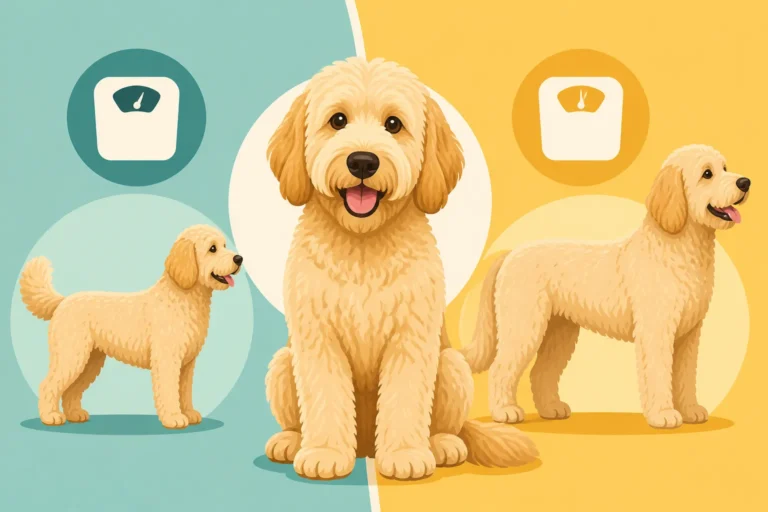
To put the "under fifteen inches" into perspective, let's consider the broader Goldendoodle size categories. A Standard Goldendoodle can easily reach 22-26 inches and weigh 50-90 pounds, sometimes more. The Medium Goldendoodle often falls between 17-20 inches and 36-50 pounds. The Miniature (or Mini) Goldendoodle is typically 14-17 inches and 25-35 pounds. So, a Goldendoodle truly under fifteen inches is at the very smallest end of the Mini category or firmly in the "Toy" range, if one were to create a consistent scale.
This scale matters because it directly impacts everything from their daily calorie needs to their exercise requirements and even how they navigate your home. A dog under fifteen inches has different physical capabilities and vulnerabilities than one that is, say, seventeen inches. It's not just a few inches; it's a completely different scale of dog. Understanding these nuances helps you appreciate the significant difference between a truly small Goldendoodle and one that merely starts out tiny.
How Height is Measured
When discussing a Goldendoodle's height, especially for a specific cut-off like fifteen inches, it's crucial to understand how that measurement is taken. Dogs are typically measured at the withers, which is the highest point of their shoulder blades. This is not the top of their head when standing, which can be considerably higher, especially for a dog with a fluffy head or long neck. The dog should be standing squarely on a level surface, and a measuring stick or proper dog height ruler is used.
An accurate measurement at the withers provides a consistent benchmark for size. It's not uncommon for owners to mistakenly measure to the top of the head, leading to an overestimation of their dog's true height and therefore a misunderstanding of what "under fifteen inches" truly means. This precision is especially important if you have restrictions from a landlord or want to ensure your Goldendoodle will remain within a specific size for travel or apartment living. You want to avoid any surprises as your puppy grows, so clarify with your breeder exactly how they measure their dogs.
The Breeding Behind Tiny Goldendoodles
Achieving a Goldendoodle that consistently stays under fifteen inches isn't as simple as breeding two small dogs together. The genetics are a fascinating, often unpredictable, mix, and responsible breeders put a lot of thought and effort into producing healthy, appropriately sized smaller Goldendoodles. Understanding this process can illuminate why finding a true Toy Goldendoodle requires careful research.
The Poodle's Influence on Size
The smaller sizes of Goldendoodles, including those under fifteen inches, almost exclusively come from the Poodle side of the family. Golden Retrievers are consistently medium to large dogs, so to reduce the size significantly, a Miniature or Toy Poodle is bred with a Golden Retriever (to create an F1 Mini/Toy Goldendoodle) or, more commonly, with an existing Goldendoodle (to create F1b or Multigen variations). The Poodle parent's size is the primary determinant for the eventual size of the Goldendoodle offspring. A Toy Poodle, by AKC standards, is typically 10 inches or under at the shoulder, while Miniature Poodles are generally 10-15 inches.
When a breeder aims for a Goldendoodle under fifteen inches, they are almost certainly using a Miniature Poodle (on the smaller end of its spectrum) or a Toy Poodle as one of the foundation parents. This heavy reliance on the Poodle bloodline can also influence other traits, such as coat type, often resulting in curlier, lower-shedding coats, and some aspects of temperament. It's a delicate balance to retain the beloved Golden Retriever traits while scaling down the physical size.
Navigating Breeder Claims for Miniatures
It's easy to get swept up in the excitement when you see listings for "Teacup" or "Micro" Goldendoodles. However, these terms often lack clear definitions and can sometimes be red flags for less reputable breeding practices. A truly tiny Goldendoodle requires careful breeding and health screening, not just marketing buzzwords. Reputable breeders aiming for small sizes will be transparent about the parent dogs' sizes, health clearances, and the typical size range of their puppies. They won't promise a specific weight or height down to the inch, as genetics always have a degree of variability.
When researching, always ask to see the parents, or at least photos and information about them. Look at their heights and weights. A breeder should be able to tell you the adult Toy Goldendoodle Height and Weight range they expect, rather than guaranteeing an exact figure. They should also be able to explain the specific generation (F1, F1b, Multigen) and how that generation contributes to the desired size. Beware of any breeder who suggests that "hybrid vigor" automatically guarantees a healthy, tiny dog without proper health testing of the parents.
Genetic Predictability for Small Sizes
While the Poodle parent's size is crucial, predicting the exact adult size of a Goldendoodle puppy, especially at the smaller end, can still be tricky. Even within the same litter, there can be a range of sizes, reflecting the genetic lottery of crossbreeding. For Goldendoodles under fifteen inches, breeders often aim for specific generations like F1b (first-generation backcross, typically 75% Poodle, 25% Golden Retriever) or Multigen Goldendoodles, where several generations of small Goldendoodles have been bred. These generations tend to offer more predictability in terms of size and coat traits.
A common pitfall is falling for the cuteness of a tiny puppy without considering its growth potential. Puppies grow exponentially in their first few months, and a small eight-week-old Goldendoodle might still outgrow a very small size class. A good breeder will use tools like puppy weight charts and knowledge of parent and grandparent sizes to give you the most accurate estimate possible. If you are specifically looking for a Goldendoodle that will stay small, discussing the projected adult size with the breeder, and understanding the generations they are breeding, is paramount. They should have a clear track record of producing dogs within your desired size range.
| Goldendoodle Size Category | Typical Height (at withers) | Typical Weight | Common Poodle Parent Size |
|---|---|---|---|
| Standard | 22-26+ inches | 50-90+ lbs | Standard Poodle |
| Medium | 17-21 inches | 36-50 lbs | Miniature Poodle |
| Mini | 14-17 inches | 25-35 lbs | Miniature Poodle |
| Toy (Under 15 inches) | Under 15 inches | Under 25 lbs | Toy or Small Miniature Poodle |
Daily Care Considerations for Your Petite Companion
While all Goldendoodles require dedicated care, a Toy Goldendoodle under fifteen inches has specific needs that differ from their larger cousins. Their smaller stature impacts everything from their dietary requirements to their grooming routine and how much exercise they truly need. Understanding these distinctions is key to providing a happy, healthy life for your tiny friend.
Tailored Nutrition for Small Stomachs
It might seem counterintuitive, but smaller dogs often have higher metabolic rates than larger ones, meaning they require a denser caloric intake per pound of body weight. However, their tiny stomachs mean they can only eat small amounts at a time. This necessitates high-quality, nutrient-dense kibble specifically formulated for small breeds. These foods are designed with smaller kibble pieces that are easier for little mouths to chew and digest, and they contain concentrated nutrients to meet their energy demands without overfeeding. You'll want to carefully follow feeding guidelines, as overfeeding can quickly lead to obesity in a small dog, putting undue strain on their delicate joints.
Finding the right food is crucial, and brands like those available on Chewy often have excellent selections of small-breed specific formulas. You might consider Feeding a Toy Goldendoodle Small Meals two or even three times a day, rather than one large meal, to better manage their energy levels and digestion. Monitoring their weight and body condition is essential, as their fluffy coats can sometimes hide weight gain. Always discuss your Goldendoodle's diet with your veterinarian to ensure they are getting appropriate Daily Calories for a Toy Goldendoodle.
Grooming the Miniature Coat
Even though they are small, a Goldendoodle under fifteen inches with a proper Goldendoodle coat (meaning it has "furnishings" – the facial hair, beard, and mustache) will require just as much, if not more, diligent grooming as a larger one. Their dense, often curly or wavy coats are prone to matting, especially behind the ears, in the armpits, and around collars or harnesses. Because they are closer to the ground, they can also pick up more debris and dampness, which exacerbates matting. Daily brushing with a slicker brush and a metal comb is not just a suggestion; it's a necessity to prevent painful mats from forming.
Regular professional grooming, typically every 6-8 weeks, is also indispensable. A professional groomer can tackle those hard-to-reach spots and maintain a healthy coat length, preventing mats from getting out of control. If you plan to tackle some grooming at home, invest in good quality tools and practice frequently to get your little one accustomed to the process. Don't forget their delicate facial hair; keeping it trimmed around the eyes is important for vision and hygiene.
Exercise Needs for a Small Frame
While a Toy Goldendoodle won't need the same marathon runs as a Standard Goldendoodle, they still have significant exercise needs. Goldendoodles, regardless of size, inherit an active, intelligent lineage from both the Golden Retriever and Poodle. A fifteen-inch Goldendoodle might be small, but they are often surprisingly energetic and playful. Daily walks are essential, not just for physical exercise but also for mental stimulation through sniffing and exploring. Think two to three shorter walks throughout the day, rather than one long, exhausting trek.
Beyond walks, playtime in a secure yard or indoors is vital. Fetch, tug-of-war, and puzzle toys can burn off energy and engage their smart brains. Remember that their smaller legs mean they cover less ground, but their enthusiasm is just as boundless. Avoiding excessive jumping, especially from furniture, is crucial for their developing joints, particularly given the risk of conditions like Why Small Goldendoodles Slip Kneecaps. Even small jumps can put significant strain on their tiny bodies over time.
Health Vulnerabilities Unique to Smaller Goldendoodles
While Goldendoodles, in general, are prone to certain health conditions inherited from their parent breeds, the "Toy" size category introduces specific vulnerabilities that owners of larger Goldendoodles might not encounter as frequently. These unique challenges mean that understanding and proactive care are even more critical for your pint-sized companion.
Joint and Bone Health Concerns
One of the most pressing health concerns for Goldendoodles under fifteen inches is patellar luxation, or "slipping kneecaps." This condition, common in many small breeds, occurs when the kneecap (patella) moves out of its normal groove. It can range from mild (Grade 1) to severe (Grade 4), causing lameness, pain, and eventually arthritis. While Goldendoodles can inherit hip and elbow dysplasia from both parent breeds, patellar luxation is a distinct concern that often manifests in smaller dogs. Responsible breeders will screen their Poodle breeding stock for patellar luxation to minimize the risk in puppies.
Owners need to be vigilant for any signs of limping, skipping, or reluctance to use a hind leg. Managing a Toy Goldendoodle's Goldendoodle Weight Gain and the Strain on Joints is paramount, as extra pounds place unnecessary stress on these delicate joints. Providing joint support supplements, if recommended by your vet, and ensuring they have good footing (like carpets or runners on slippery floors) can help. Unfortunately, in more severe cases, surgery can be required, and it's a significant undertaking for such a small dog.
Dental Challenges in a Small Mouth
Smaller dogs, including Toy Goldendoodles, are particularly prone to dental problems like overcrowding and early onset periodontal disease. Their mouths are simply smaller, but they still have the same number of teeth as a large dog, leading to teeth being packed in too tightly. This overcrowding creates nooks and crannies where food particles and bacteria can easily accumulate, forming plaque and tartar. Left unchecked, this can lead to painful gum disease, infections, and even tooth loss. Furthermore, some small Goldendoodles may experience Retained Puppy Teeth in a Mini Goldendoodle, where the baby teeth don't fall out when the adult teeth emerge, causing further overcrowding.
Regular dental care from an early age is non-negotiable for a Goldendoodle under fifteen inches. Daily toothbrushing is the gold standard, along with dental chews recommended by your vet. While many pet supply stores and online retailers like Chewy offer a variety of dental care products, always check with your veterinarian to find appropriate and safe options. Professional dental cleanings under anesthesia will likely be necessary periodically throughout their life, starting earlier than for many larger breeds. This proactive approach can save your dog from significant pain and expensive extractions down the line.
Anesthesia and Surgical Risks
Any time a dog goes under general anesthesia, there are inherent risks, but these risks can be heightened for very small dogs like a Toy Goldendoodle under fifteen inches. Their tiny bodies have a smaller blood volume, making them more susceptible to temperature fluctuations and making accurate anesthetic dosing more challenging. Their respiratory systems are also more delicate. This is a critical factor to consider for routine procedures like spaying or neutering, dental cleanings, or any necessary surgeries.
When your Goldendoodle needs anesthesia, it's vital to choose a veterinary practice that is experienced with small breeds and employs stringent monitoring protocols. This includes pre-anesthetic blood work to assess organ function, intravenous fluids to maintain hydration and blood pressure, and dedicated monitoring of heart rate, respiration, and body temperature throughout the procedure and recovery. Discussing these concerns with your veterinarian and ensuring they have the right equipment and expertise for Anesthesia Risk for a Toy Goldendoodle can provide significant peace of mind.
Living with a Toy Goldendoodle: Adapting Your Home and Lifestyle
Bringing a Toy Goldendoodle into your home means more than just having a smaller version of a popular breed; it means adapting your living space and daily routines to cater to their unique needs and perspective. Life with a dog under fifteen inches is different, and embracing these adjustments ensures both you and your Goldendoodle thrive together.
Navigating a Big World from a Small Perspective
Imagine living in a world where every step down from a sofa is a significant leap, where kitchen counters are insurmountable mountains, and where every large person or dog seems like a giant. This is the reality for a Goldendoodle under fifteen inches. Their small size means they perceive their environment very differently. Steps, furniture, and even getting in and out of the car can present physical challenges. This isn't just about convenience; it's about safety and preventing injuries to their small joints.
Consider adding pet stairs or ramps next to sofas and beds to make access easier and safer. When traveling, use a secure booster seat or a carrier that offers protection and a view for your petite pup. Their small stature also makes them more susceptible to being accidentally stepped on or overlooked, especially in busy households with children or other pets. Teaching children how to interact gently and being mindful of their presence is crucial. Everything from their food bowl placement to their Crate Size Set by Goldendoodle Size Category needs to be considered from their diminutive point of view.
Training and Socialization for a Little Dog
Sometimes, owners mistakenly assume that because a small dog can't do as much "damage" as a large one, training and socialization aren't as critical. This couldn't be further from the truth. A Goldendoodle, regardless of size, is intelligent and needs mental stimulation and appropriate social experiences. Without proper training, a Toy Goldendoodle can develop behavioral issues like excessive barking, fear-aggression, or separation anxiety, which can be just as disruptive (if not more so) than with a larger dog, precisely because they are often more integrated into our daily lives.
Early and consistent positive reinforcement training is vital. Enroll them in puppy classes where they can learn basic obedience and socialize safely with other appropriately sized, vaccinated puppies. Socialization should expose them to a variety of sights, sounds, people, and gentle dogs to build confidence. Because they are small, they can sometimes be more prone to fear-based reactions if not properly socialized. A well-socialized Toy Goldendoodle is a joy, confident and comfortable in various situations, rather than a nervous, yappy companion.
Travel and Transport Considerations
The compact size of a Toy Goldendoodle makes them excellent travel companions, but it also comes with specific considerations. When flying, a Goldendoodle under fifteen inches might qualify to fly in the cabin with you, tucked under the seat in an airline-approved carrier. This is a significant advantage over larger dogs who must travel in cargo. However, airline rules vary widely and change frequently, so always check with your specific airline far in advance for their current policies, carrier dimensions, and booking requirements.
For car travel, a secure car seat or crate is not just about safety in an accident; it also prevents your small dog from becoming a projectile or distraction. A small booster seat allows them to see out the window safely, reducing anxiety and motion sickness for some. Whether you're making a quick trip to the store or embarking on a long vacation, ensuring your Goldendoodle is comfortable and safe in transit is key. Many excellent travel accessories for small dogs, from carriers to car seats, are readily available on platforms like Chewy, making it easier to keep your little adventurer safe on the go.
Disclaimer
This article is for general informational purposes only and does not constitute professional advice. Laws, prices and regulations vary by location and change over time. Consult a qualified professional for guidance on your specific situation.