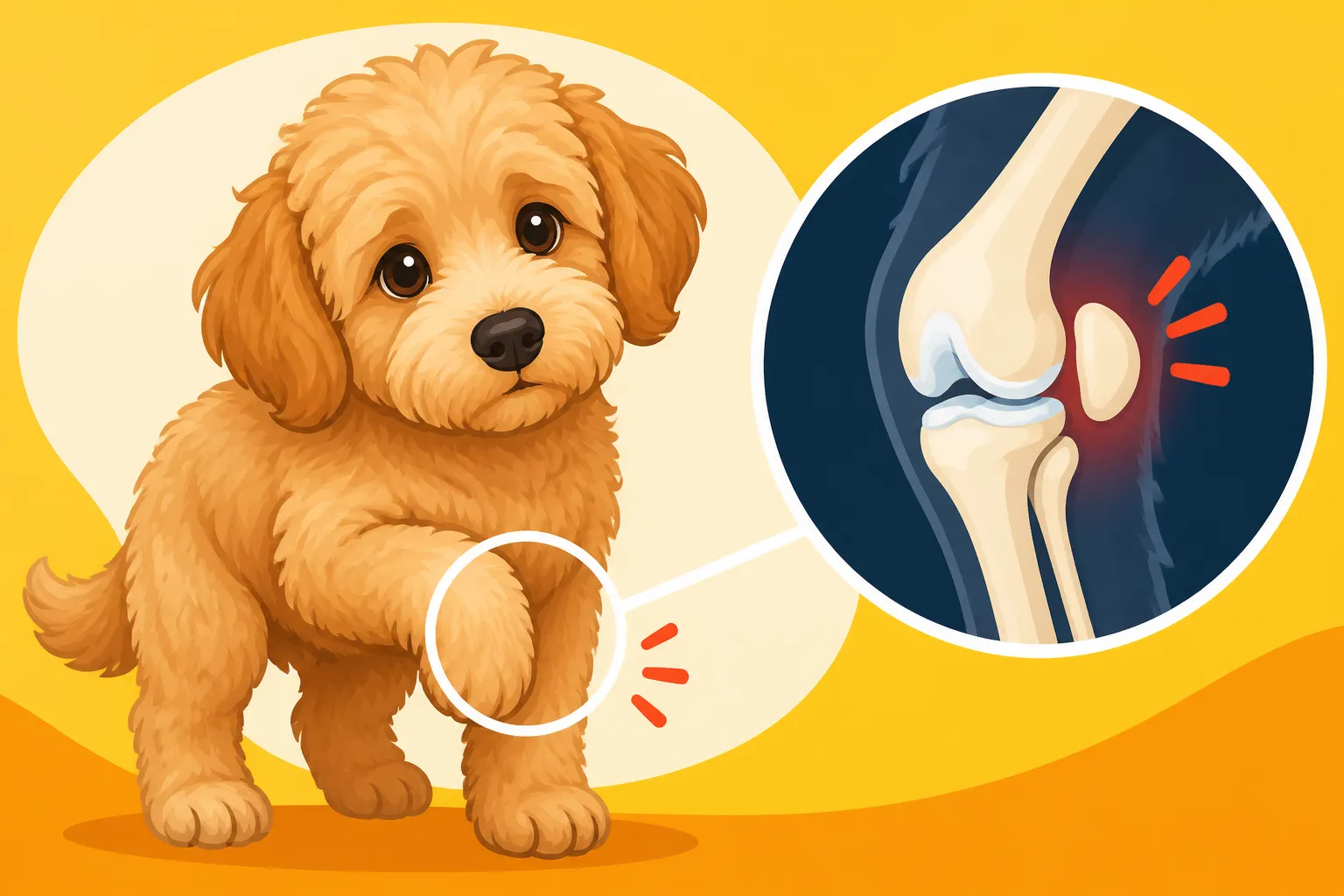
Why Small Goldendoodles Slip Kneecaps
It's incredibly unsettling when your energetic little Goldendoodle suddenly starts skipping a step, holding up a leg, or even yelping in pain. If you've got a smaller Goldendoodle, particularly a mini or toy size, and you've noticed this kind of intermittent lameness, you might be dealing with a slipped kneecap, medically known as patellar luxation. This guide will walk you through what this common condition means for your compact companion, why it often affects smaller Doodles, and how you can manage it to keep them comfortable and happy.
Understanding Patellar Luxation in Goldendoodles
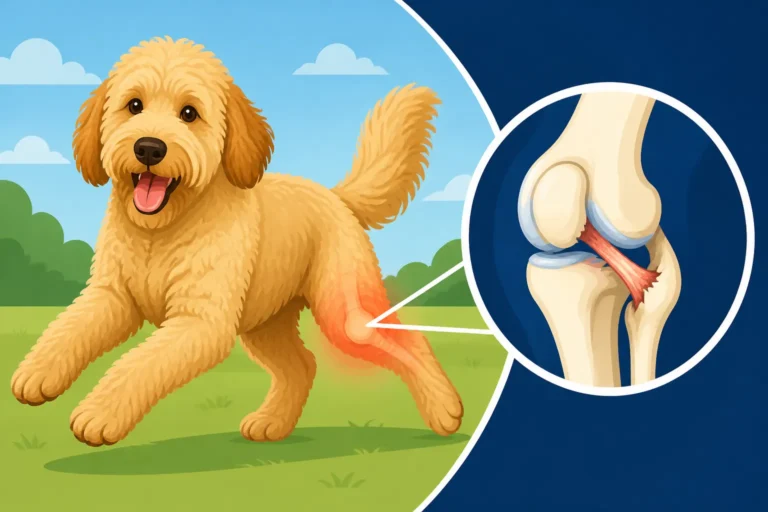
When we talk about a "slipped kneecap" in dogs, we're referring to patellar luxation, a condition where the patella, or kneecap, dislocates from its normal position in the trochlear groove of the femur (thigh bone). Instead of gliding smoothly up and down this groove as your dog bends and straightens their knee, it pops out to either the inside (medial luxation) or, less commonly, the outside (lateral luxation) of the leg. This can range from a mild, occasional pop to a severe, constant dislocation that causes significant pain and lameness.
What Exactly is Patellar Luxation?
Think of your own kneecap; it sits in a groove at the end of your thigh bone, held in place by ligaments and muscles, allowing your knee to bend smoothly. In dogs, especially smaller breeds and their crosses like Mini and Toy Goldendoodles, this groove can sometimes be too shallow, or the surrounding structures might not be aligned correctly. When the kneecap slips out, it can cause the dog to suddenly lift its leg for a few steps, skip, or even hold the leg up for a brief period before it pops back into place. This is why you might see your Goldendoodle momentarily "bunny hopping" or having an awkward gait. The severity of patellar luxation is typically graded on a scale from one to four, with Grade 1 being the mildest and Grade 4 being the most severe. This grading helps your vet determine the best course of action. You can learn more about the specifics of Kneecap Grades One Through Four in a Goldendoodle to understand what each level means for your pet.
The Four Grades of Patellar Luxation
The grading system isn't just arbitrary; it's a crucial tool for vets to assess the condition and predict its progression.
- Grade 1: This is the mildest form. The kneecap can be manually luxated (pushed out of place) but will spontaneously return to its normal position. Your Goldendoodle might only show signs of lameness occasionally, perhaps a slight skip now and then, especially after activity. Many dogs live with Grade 1 luxation for years without needing surgical intervention, but it’s still important to monitor.
- Grade 2: The kneecap luxates spontaneously, but it can also pop back into place on its own or with a gentle manipulation from your Goldendoodle as they extend their leg. You'll likely see more frequent skipping, and your dog might hold their leg up for longer periods. This grade often progresses over time and might eventually require surgery, especially if it causes pain or significantly impacts their quality of life.
- Grade 3: In this stage, the kneecap is luxated most of the time. While you might be able to manually push it back into the groove, it will slip out again almost immediately. Your Goldendoodle will likely show consistent lameness, a noticeable crouched gait, and may experience discomfort or pain. Surgery is almost always recommended for Grade 3 luxation to prevent further joint damage and improve mobility.
- Grade 4: This is the most severe form. The kneecap is permanently luxated and cannot be manually put back into the groove. The trochlear groove is often completely flat or even convex, meaning there's no anatomical space for the kneecap to sit properly. Dogs with Grade 4 luxation experience severe lameness, pain, and a significantly altered gait, often walking with their knees bent. This grade almost always requires complex surgical correction.
Understanding these grades helps you and your vet make informed decisions about managing your Goldendoodle's condition and ensuring they receive the appropriate care at the right time.
Why Smaller Goldendoodles Are More Prone to Slipped Kneecaps
It's a frustrating reality for owners of smaller Doodles: they seem to be predisposed to certain joint issues that larger dogs might not face as commonly. Patellar luxation is definitely one of those. While Goldendoodles inherit traits from both Golden Retrievers and Poodles, the smaller varieties lean heavily into the Poodle genetics for size, and unfortunately, Poodles—especially Miniatures and Toys—are well-known carriers of this particular joint vulnerability. This is also why understanding Goldendoodle Joint Health by Size Category is so vital for owners.
Anatomical Differences and Genetic Predisposition
The primary reason smaller Goldendoodles are more susceptible to patellar luxation comes down to their bone structure and how their joints are formed. In smaller breeds, there's a higher incidence of what's called conformational abnormalities. This means their bones aren't quite aligned perfectly from the hip down to the foot. The thigh bone (femur) might be slightly curved, or the attachment points for the quadriceps muscle might be too far to the inside or outside, pulling the kneecap out of its groove. The trochlear groove itself, where the kneecap should sit, can often be too shallow in these dogs, offering less stability.
This isn't just a random occurrence; it's largely genetic. The predisposition to patellar luxation is heritable, meaning it's passed down from parent dogs to their puppies. Since Miniature and Toy Poodles are known to carry this genetic tendency, when they're bred to create smaller Goldendoodles, that vulnerability often comes along for the ride. Responsible breeders will perform genetic health testing and orthopedic evaluations like OFA (Orthopedic Foundation for Animals) clearances on their breeding dogs to try and minimize the risk. However, it’s not a perfect science, and even with careful breeding, some puppies can still inherit the condition. This highlights the importance of asking about The DNA Panel a Goldendoodle Breeder Should Run for their breeding stock.
The Role of Trauma and Lifestyle
While genetics lay the groundwork, environmental factors and lifestyle can certainly play a role in exacerbating or even triggering patellar luxation, especially in dogs already predisposed to it. A sudden, awkward twist during play, a misstep off a couch, or even just repeated jarring motions can cause a kneecap to pop out, and if the groove is shallow, it might not seat itself back properly. Imagine a child running and suddenly tripping – that kind of unexpected impact or twist can do it.
For smaller Goldendoodles, activities like jumping off furniture, leaping onto hard surfaces, or even roughhousing with much larger dogs can put undue stress on their developing or already compromised knee joints. While your Goldendoodle might have boundless energy and love to jump, allowing them to do so repeatedly, especially from heights, can contribute to the onset or worsening of patellar luxation. This is why managing their environment and discouraging certain behaviors, such as teaching them Why a Goldendoodle Should Not Jump Off Furniture, can be crucial preventative measures. Obesity also adds extra strain to all joints, including the knees, making it harder for the kneecap to stay in place and potentially worsening any existing luxation.
Recognizing the Signs and What to Do Next
It can be really scary as an owner to see your Goldendoodle suddenly limping or showing signs of discomfort. When it comes to patellar luxation, the symptoms can sometimes be subtle or intermittent, making it a bit tricky to pinpoint at first. But knowing what to look for can help you act quickly and get your furry friend the care they need.
Common Symptoms to Watch For
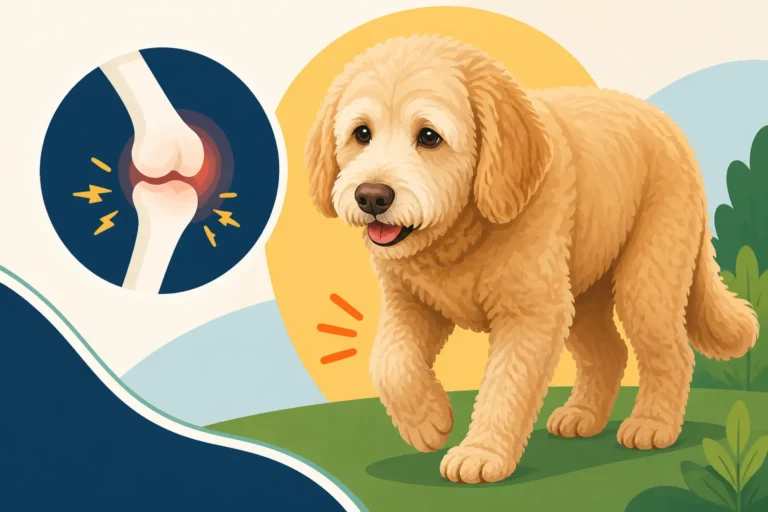
The most classic sign of patellar luxation in a small Goldendoodle is an intermittent "skip" or "hop" in their gait. Your dog might be trotting along happily, and then suddenly lift one back leg for a few steps, often shaking it out, before putting it back down and continuing as if nothing happened. This is usually when the kneecap has popped out and then either goes back in on its own or with a little self-manipulation from your dog.
Other signs can include:
- Occasional limping: Especially after exercise or getting up from rest.
- Holding a hind leg up: Sometimes for a few seconds, sometimes longer, avoiding putting weight on it.
- Reluctance to jump or use stairs: They might hesitate or show pain when attempting these movements.
- A "bow-legged" appearance: In severe cases, particularly with medial luxation, the leg might appear bowed as the dog tries to compensate for the kneecap being out of place.
- Stiffness or pain: While patellar luxation isn't always painful, especially in lower grades, it can cause discomfort, especially if the cartilage is wearing down or arthritis is setting in.
- Clicking sound: You might hear a faint clicking or popping sound as the kneecap moves in and out of place.
If you notice any of these symptoms, even if they seem minor, it’s always best to get your Goldendoodle checked by your veterinarian. Early diagnosis can make a big difference in managing the condition and preventing it from worsening.
Diagnosis and Treatment Options
When you take your Goldendoodle to the vet with concerns about a slipped kneecap, your vet will perform a thorough orthopedic examination. This involves palpating (feeling) the knee joint, flexing and extending the leg, and gently trying to move the kneecap to see if it luxates and to assess its stability. Based on this physical exam, they can usually determine if patellar luxation is present and assign a grade. X-rays are also commonly taken to assess the overall bone alignment, the depth of the trochlear groove, and to check for any signs of arthritis or other related conditions. This is similar to how vets approach other joint issues like Goldendoodle Hip Dysplasia and the OFA Numbers.
Once diagnosed, the treatment plan depends heavily on the grade of luxation, your Goldendoodle's age, and their overall comfort level.
Non-Surgical Management:
For Grade 1 and sometimes Grade 2 luxations that aren't causing significant pain or lameness, conservative management is often recommended.
- Weight management: Keeping your Goldendoodle at a healthy weight is paramount to reduce stress on their joints. Even a few extra pounds can make a huge difference. You can find useful information on how your Goldendoodle's weight affects their joints in our article, Goldendoodle Weight and the Load on Its Joints.
- Controlled exercise: Low-impact exercises like walking and swimming are great. Avoid activities that involve excessive jumping, twisting, or sudden stops and starts, which can aggravate the knee.
- Joint supplements: Products containing glucosamine, chondroitin, and MSM can help support joint cartilage health and reduce inflammation. Your vet can recommend appropriate brands and dosages.
- Anti-inflammatory medications: In some cases, your vet might prescribe non-steroidal anti-inflammatory drugs (NSAIDs) to manage pain and inflammation during flare-ups.
Surgical Intervention:
For higher-grade luxations (Grade 2 that causes consistent problems, Grade 3, and Grade 4) or when conservative management isn't enough to keep your Goldendoodle comfortable, surgery is often the most effective solution. The goal of surgery is to realign the kneecap and deepen the trochlear groove so it stays in place. Common surgical techniques include:
- Trochlear wedge or block resection: This involves deepening the trochlear groove to provide a more secure channel for the kneecap.
- Tibial crest transposition: This procedure moves the attachment point of the patellar ligament (which connects the kneecap to the shin bone) to correct the alignment.
- Lateral imbrication: Tightening the joint capsule on the outside of the knee to prevent the kneecap from slipping inward.
- Corrective osteotomy: In very severe cases with significant bone deformities, bone cuts may be performed to realign the entire limb.
The recovery from knee surgery can take several weeks or months, involving strict rest, pain management, and often physical therapy. Understanding Physical Therapy After Goldendoodle Knee Surgery is essential for a smooth rehabilitation. While the thought of surgery can be daunting, it often provides excellent results, significantly improving the dog's comfort and mobility.
Considering the potential costs involved, especially if surgery becomes necessary, having pet insurance like Healthy Paws can be a real lifesaver. Policies can help cover a significant portion of diagnostic tests, medications, and surgical expenses, taking a huge financial burden off your shoulders. It’s worth looking into Goldendoodle Insurance Premiums by Size and how they might apply to unexpected veterinary bills such as Goldendoodle Knee Surgery Costs by Size.
Preventing and Managing Patellar Luxation Long-Term
Living with a Goldendoodle prone to or diagnosed with patellar luxation doesn't mean a life of constant worry. With proactive care, smart management, and regular veterinary check-ups, you can significantly improve their quality of life and potentially prevent the condition from worsening. It's all about being a vigilant and responsible pet parent.
Lifestyle Adjustments for Joint Health
Making a few adjustments to your Goldendoodle's daily routine and environment can go a long way in protecting their knees:
- Maintain an ideal weight: This cannot be stressed enough. Excess weight puts incredible strain on all joints, particularly the knees. Work with your vet to determine your Goldendoodle’s ideal body condition and feed them accordingly. Regular monitoring of their weight, especially if they are a Senior Goldendoodle Mobility and Arthritis concern, is crucial.
- Controlled, low-impact exercise: Instead of high-intensity, stop-and-start games, opt for consistent, moderate activities. Daily walks on varied terrain (grass, dirt paths) are excellent. Swimming is fantastic because it's non-weight bearing but still builds muscle around the joints, offering natural support. Avoid activities that encourage excessive jumping, sudden twists, or quick pivots, which can displace the kneecap.
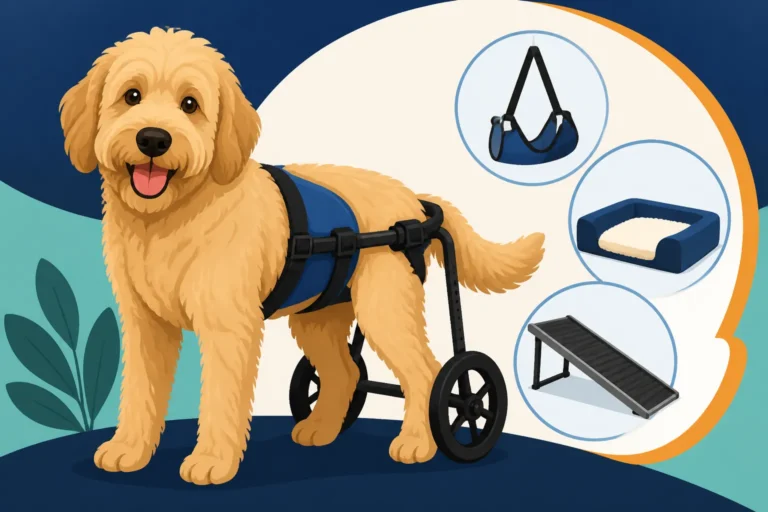
- Ramp or stair use: Provide ramps or dog stairs for accessing furniture, beds, and vehicles to prevent jarring impacts from jumping up or down. This reduces stress on their knees and other joints.
- Non-slip flooring: If you have hardwood or tile floors, consider adding rugs or runners in high-traffic areas. Slipping can lead to awkward falls and potential luxations.
- Proper nail care: Keeping your Goldendoodle's nails trimmed prevents their paws from splaying, which can alter their gait and put undue pressure on leg joints.
These simple, consistent efforts create a safer, more joint-friendly environment for your Goldendoodle.
Supplements and Veterinary Care
Beyond lifestyle changes, certain supplements and a consistent veterinary care plan are vital for long-term management.
- Joint supplements: As mentioned earlier, supplements containing ingredients like glucosamine, chondroitin, MSM, and omega-3 fatty acids can support cartilage health, reduce inflammation, and may slow the progression of arthritis, which often accompanies long-term luxation. Always discuss specific products and dosages with your vet to ensure they're appropriate for your Goldendoodle's size and condition.
- Regular veterinary check-ups: Even if your Goldendoodle isn't showing obvious signs of pain, routine vet visits (at least annually, more frequently if they have a diagnosed condition) are essential. Your vet can monitor the condition of their knees, check for any progression of the luxation, and assess for the onset of arthritis. They can also provide guidance on Goldendoodle Growth Plates by Size Category in puppies to ensure proper development.
- Pain management: If your Goldendoodle does experience discomfort, your vet can prescribe appropriate pain relief. This might include NSAIDs, gabapentin, or other medications to manage chronic pain and improve their quality of life.
- Physical therapy: For dogs undergoing surgery or those with more advanced non-surgical cases, a veterinary physical therapist can design a tailored program. This can include hydrotherapy, therapeutic exercises, and massage to strengthen muscles, improve range of motion, and reduce pain.
Remember, a luxating patella is a lifelong condition for many small Goldendoodles, but with dedicated care, they can still lead full, active, and happy lives. Proactive management, regular vet visits, and a commitment to their joint health will be your best tools in ensuring their comfort and well-being. Keeping Healthy Paws pet insurance active from an early age can help ensure you're financially prepared for any unexpected diagnostics, medications, or surgical needs that may arise.
Disclaimer
This article is for general informational purposes only and does not constitute professional advice. Laws, prices and regulations vary by location and change over time. Consult a qualified professional for guidance on your specific situation.