Why a Goldendoodle Has No Breed Club Health Scheme
It can be incredibly confusing and even frustrating when you start researching Goldendoodle health, only to discover there isn't one definitive source or official health scheme like you'd find for a purebred dog. Many prospective owners feel lost, wondering where to turn for reliable information on preventing genetic conditions. This guide will meticulously explain why Goldendoodles don't have a breed club health scheme and, more importantly, empower you with the knowledge to navigate their health needs effectively.
The Fundamental Challenge: Goldendoodles Aren't a Recognized Breed
The core reason there's no official Goldendoodle health scheme comes down to a simple, yet often misunderstood, fact: Goldendoodles are not a recognized breed by major kennel clubs. This isn't a knock on their wonderful personalities or their place in our homes, but it has significant implications for how their health information is organized and regulated.
What "Breed" Actually Means in the Canine World
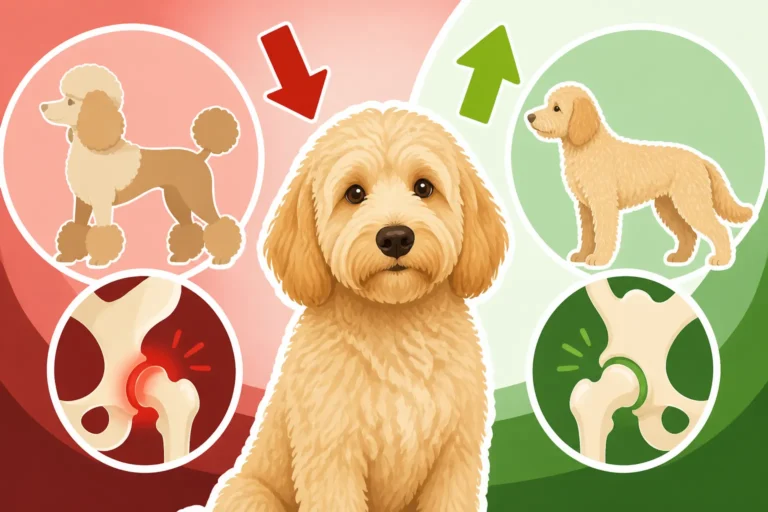
When we talk about a "breed" in the official sense, we're referring to a group of dogs that consistently produce offspring with predictable characteristics over many generations. This includes not just their looks, but also their temperament, size, and, crucially, their health predispositions. Achieving breed recognition from organizations like the American Kennel Club (AKC) is a rigorous, multi-decade process. It involves establishing a breed standard, maintaining a comprehensive registry of pedigrees, proving consistency in offspring, and demonstrating a large, geographically diverse population. For example, the Golden Retriever and Poodle, the parent breeds of the Goldendoodle, have spent centuries being selectively bred to meet these exact criteria.
The Role of Kennel Clubs Like the AKC
Kennel clubs are the gatekeepers and stewards of purebred dogs. They set the breed standards, register litters, maintain stud books, and, critically for our discussion, often mandate or strongly recommend specific health screenings for breeding animals. These health schemes are developed by veterinarians and breed experts who know the specific genetic weaknesses that have emerged within a particular breed over generations. They create a framework for breeders to follow, ensuring that dogs entering the gene pool are free from — or at least tested for — common hereditary diseases. This systematic approach aims to improve the overall health of the breed over time, providing a roadmap for responsible breeding. Without this kind of formal structure, it’s much harder to track health trends or ensure consistent breeding practices.
Why Crossbreeds Fall Outside Official Recognition
Goldendoodles are what we call a "hybrid" or "crossbreed," a deliberate mix of two distinct purebreds: the Golden Retriever and the Poodle. While they may have consistent traits that are highly desirable, they haven't gone through the generations of selective breeding and standardization required for official breed status. Because of this, they exist outside the traditional kennel club framework. There's no single, universally accepted Goldendoodle breed standard, no central registry overseen by the AKC or a similar body, and therefore, no official breed club health scheme to dictate what health tests all Goldendoodle parents must undergo. This isn't unique to Goldendoodles; it applies to all "designer dogs," from Labradoodles to Bernedoodles and everything in between. It means the responsibility for ensuring healthy breeding practices largely falls to individual breeders, rather than a governing body. You might be interested in delving deeper into Why No Kennel Club Recognizes the Goldendoodle to understand the full picture here.
The Golden Retriever and Poodle: Parent Breed Health Schemes
While Goldendoodles themselves don't have a breed club health scheme, their parent breeds, the Golden Retriever and the Poodle, certainly do. Understanding these existing schemes is paramount because the health of a Goldendoodle is directly inherited from its parentage. Responsible Goldendoodle breeders rely heavily on these established purebred health protocols to inform their own breeding decisions.
Golden Retriever Club of America (GRCA) Health Directives
The Golden Retriever Club of America (GRCA) takes canine health very seriously, and for good reason. Golden Retrievers are prone to certain hereditary conditions, notably hip and elbow dysplasia, various forms of cancer (especially hemangiosarcoma and lymphoma), and certain eye and heart conditions. To combat these, the GRCA strongly recommends specific health clearances for all breeding Golden Retrievers. These include hip and elbow evaluations through the Orthopedic Foundation for Animals (OFA) or PennHIP, annual eye examinations by a board-certified veterinary ophthalmologist (CAER), and a cardiac examination by a board-certified veterinary cardiologist to check for subvalvular aortic stenosis (SAS). Breeders who are members of the GRCA adhere to these guidelines, striving to produce healthy puppies. When you encounter a Goldendoodle breeder, they should be able to provide these exact certifications for their Golden Retriever parent.
Poodle Club of America (PCA) Health Recommendations
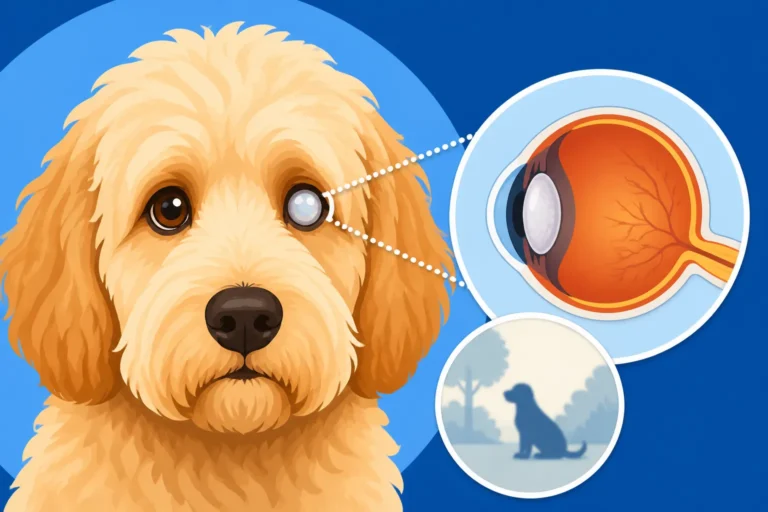
Similarly, the Poodle Club of America (PCA) has comprehensive health recommendations tailored to the Poodle breed. Poodles, while generally robust, have their own set of genetic predispositions, including hip dysplasia, patellar luxation, progressive retinal atrophy (PRA), Von Willebrand's disease (a bleeding disorder), Addison's disease, and certain thyroid conditions. The PCA recommends hip evaluations (OFA or PennHIP), eye exams (CAER), patellar evaluations, and genetic testing for progressive retinal atrophy (PRA-prcd) and Von Willebrand's disease (vWD). For Standard Poodles, an OFA thyroid evaluation is also advised. These recommendations help Poodle breeders make informed decisions to minimize the risk of passing on these conditions. A reputable Goldendoodle breeder will have all these relevant Poodle health clearances available, ensuring their Poodle parent is just as thoroughly screened as their Golden Retriever. Knowing that both parent lines can carry conditions like Progressive Retinal Atrophy Carried by Both Goldendoodle Lines makes these tests even more critical.
The Benefit of Structured Health Testing for Purebreds
The structured health testing protocols established by purebred breed clubs offer immense benefits. They provide a clear, standardized benchmark for breeders, allowing for transparent evaluation of potential breeding dogs. When a dog has "OFA Excellent Hips" or is "PRA Clear," these aren't just arbitrary statements; they refer to specific, recognized tests and results that are often publicly verifiable. This transparency builds trust and helps prospective puppy buyers make informed choices. Furthermore, by consistently screening for known genetic diseases, these programs collectively work to reduce the prevalence of these conditions within the breed's gene pool over many generations. It's a long-term commitment to canine welfare, and it’s why understanding these parent breed schemes is so vital for anyone considering a Goldendoodle. Without this foundation, the Goldendoodle would essentially be a genetic gamble.
What the Lack of a Breed Club Means for Goldendoodle Health
Since Goldendoodles don't have an official breed club or a universally mandated health scheme, it creates a unique landscape for owners and breeders alike. This absence of a central authority means there's less standardization, making it harder for prospective puppy buyers to compare apples to apples when evaluating breeders.
No Centralized Database for Health Information
One of the biggest consequences is the lack of a centralized, publicly accessible database for Goldendoodle health information. For purebreds, you can often look up a dog's health clearances directly on sites like the OFA, sometimes even seeing several generations of health history. With Goldendoodles, because they aren't registered with these traditional kennel clubs, there's no single repository for this data. This means that each Goldendoodle breeder essentially operates independently, responsible for maintaining their own records and providing them directly to buyers. It places a greater burden on the buyer to meticulously vet breeders and demand to see physical copies of all health certifications for both parent dogs. This can feel overwhelming, especially for first-time dog owners who aren't familiar with the specific tests needed for Goldendoodle parents, such as The DNA Panel a Goldendoodle Breeder Should Run.
The Impact on Standardized Health Testing Protocols
Without a breed club dictating specific health testing protocols, there's no uniform standard that all Goldendoodle breeders must adhere to. While reputable breeders will follow the recommendations for the Golden Retriever and Poodle parent breeds, others might cut corners. This leads to a wide variation in breeding practices and, consequently, in the health outcomes of puppies. Some breeders might only conduct a few basic tests, while others might skip them altogether, relying on the often-misleading notion of "hybrid vigor" to suggest their dogs are inherently healthier. However, hybrid vigor, which suggests crossbreds are healthier, is often exaggerated or misunderstood, especially as Goldendoodle generations move beyond F1. It's crucial to remember that The Goldendoodle Hybrid Vigor Claim and Where It Breaks easily without proper health testing. This lack of standardization makes it difficult for a buyer to know if they are truly getting a puppy from health-tested lines unless they are extremely diligent in their research and questioning.
Navigating Breeder Claims Without Uniform Oversight
This is where things can get tricky. Without a governing body, breeder claims about the health of their lines or the "guarantee" they offer can be difficult to verify. You might hear terms like "health certified" or "vet checked," but these can mean very different things. A "vet check" is a basic physical exam and isn't the same as comprehensive genetic and orthopedic screenings. Some breeders may belong to voluntary organizations, like the Goldendoodle Association of North America (GANA), which do set some health testing guidelines. However, membership in such groups is voluntary, and their oversight doesn't carry the same weight as an AKC-affiliated breed club. It means a buyer has to become their own expert, asking probing questions, understanding what constitutes proper health testing, and being prepared to walk away if a breeder isn't transparent or can't provide verifiable results, such as OFA Clearances on a Goldendoodle Sire and Dam.
Industry Efforts to Bridge the Gap: Doodle Associations
Recognizing the need for some level of guidance and standardization in the absence of traditional breed club recognition, several organizations have emerged within the "doodle" community. These associations aim to provide resources, educate breeders, and offer some form of quality assurance for Goldendoodle owners.
The Role of Organizations Like GANA (Goldendoodle Association of North America)
One of the most prominent organizations is the Goldendoodle Association of North America (GANA). GANA was formed to promote responsible breeding practices and the continued development of the Goldendoodle. They maintain a voluntary registry and have established health testing recommendations for their member breeders. For instance, GANA recommends specific OFA or PennHIP clearances for hips and elbows, cardiac clearances, eye exams, and certain DNA tests for conditions prevalent in Golden Retrievers and Poodles, such as PRA, Von Willebrand's disease, and Ichthyosis. When a breeder is GANA-registered, it indicates they've committed to following these guidelines, offering a layer of accountability that wouldn't otherwise exist. While not a breed club in the traditional sense, GANA provides a framework that helps guide prospective owners toward more responsible breeding programs. You can learn more about What GANA Does for Goldendoodle Buyers to understand their specific contributions.
Limitations of Voluntary Associations Compared to Breed Clubs
While organizations like GANA are valuable, it's important to understand their limitations. Unlike traditional breed clubs recognized by major kennel clubs, membership in these doodle associations is entirely voluntary. This means there's no universal enforcement, and a significant number of Goldendoodle breeders may operate outside of their guidelines. The "standards" they set are recommendations rather than strict, industry-wide mandates. There isn't the same level of centralized data collection, long-term genetic tracking, or disciplinary power that a formal breed club possesses. This difference means that while GANA-affiliated breeders are often a safer bet, buyers still need to do their due diligence. A GANA certification is a good start, but it doesn't replace the need for an owner to personally verify all parent health clearances and ask detailed questions about the breeder's practices.
How Reputable Breeders Step Up
In this unregulated landscape, truly reputable Goldendoodle breeders become the unsung heroes. They understand the health challenges inherent in both Golden Retrievers and Poodles and proactively commit to rigorous health testing for all their breeding dogs. These breeders don't just meet the minimum recommendations of voluntary associations; they often go above and beyond, utilizing all available genetic tests and orthopedic evaluations. They are transparent, willing to share all health certificates, explain genetic conditions, and even provide references from past puppy buyers. They meticulously research pedigrees of their parent dogs, aiming to breed away from known issues like Goldendoodle Hip Dysplasia at 15 to 20 Percent or Goldendoodle Ear Infections Under a Furnished Ear. These breeders are essentially creating their own "health scheme" through their dedication, acting as responsible stewards of the Goldendoodle's future health. They understand that a health guarantee is only as good as the testing and transparency behind it.
Empowering Goldendoodle Owners: Taking Health Into Your Own Hands
Since there's no official Goldendoodle breed club health scheme, the responsibility for ensuring your furry family member's well-being largely rests on your shoulders, both in choosing a puppy and in providing lifelong care. This might sound daunting, but it also empowers you to be a proactive advocate for your dog's health.
The Importance of Thorough Parent Health Testing
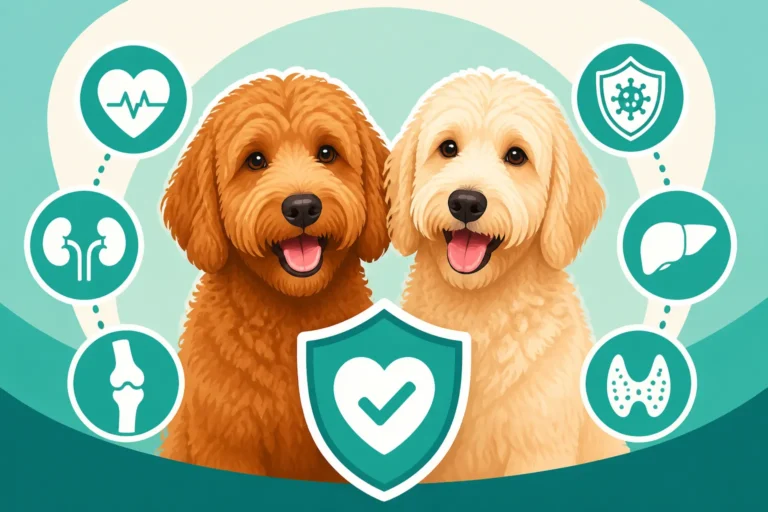
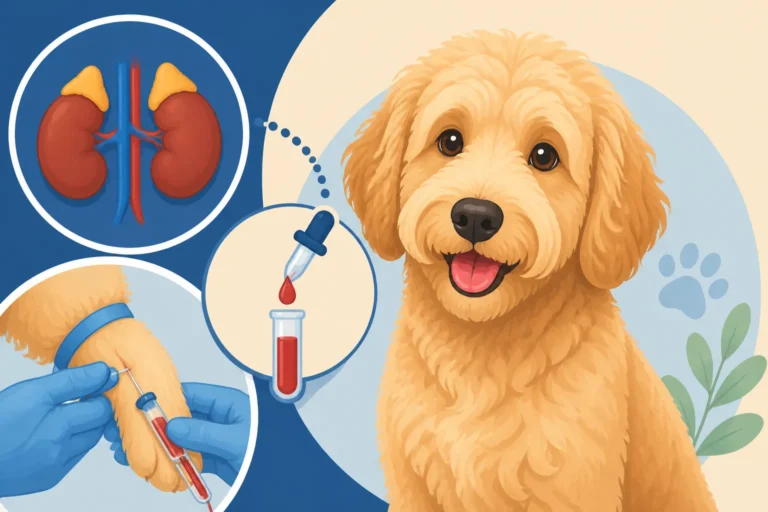
When looking for a Goldendoodle puppy, the single most impactful thing you can do is to ensure that both parent dogs have undergone comprehensive health testing relevant to their respective breeds. This means asking a breeder for proof of OFA or PennHIP clearances for hips and elbows, current eye certifications from a veterinary ophthalmologist, and cardiac clearances for both the Golden Retriever and Poodle parents. Additionally, inquire about DNA testing for conditions like Progressive Retinal Atrophy (PRA), Von Willebrand's disease, and Ichthyosis, which are common in these breeds. Don't just take a breeder's word for it; ask to see the actual certificates and understand what the results mean. If a breeder is evasive or cannot produce these documents, it's a major red flag. This meticulous research into Health Testing Both Goldendoodle Parents Should Have is your best defense against hereditary issues. While there are organizations like Healthy Paws that offer comprehensive pet insurance plans, relying solely on insurance to cover genetic conditions without proper breeder screening is a risky approach.
Understanding Common Goldendoodle Health Concerns
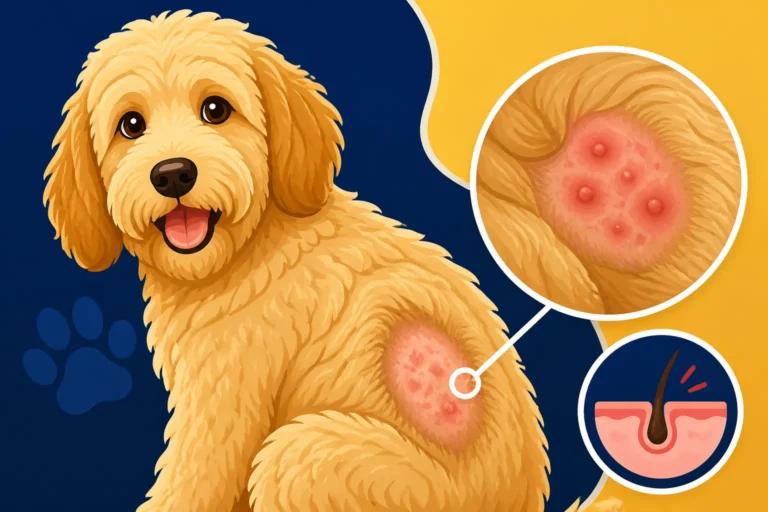
Even with the most diligent health testing, no dog is immune to all health problems. Goldendoodles, inheriting genes from both parent breeds, are still susceptible to a range of common conditions. Beyond the hereditary issues mentioned, they can experience allergies, skin irritations, ear infections (especially those with "furnished" or hairy ears), and bloat (particularly standard sizes). Knowing these potential issues ahead of time allows you to be vigilant. Pay attention to changes in their coat, excessive scratching, head shaking, or any signs of discomfort. Regular vet check-ups are non-negotiable, and openly discussing these breed-specific predispositions with your veterinarian can help create a tailored preventive care plan. Understanding the Goldendoodle Lifespan and What a Cross Really Buys You also means being prepared for potential health challenges throughout their life.
Proactive Care and Veterinary Partnerships
Your partnership with a trusted veterinarian is paramount. They will be your guide through your Goldendoodle's health journey, from puppy vaccinations to senior care. Establish a relationship early on and don't hesitate to ask questions. Regular wellness exams, proper nutrition appropriate for their size and activity level, consistent grooming (especially ear cleaning and coat brushing to prevent matting), and adequate exercise are all crucial components of proactive care. Consider regular dental cleanings to prevent periodontal disease, which can have wider health implications. Investing in pet insurance from providers like Healthy Paws can also provide peace of mind for unexpected illnesses or accidents. Even though Goldendoodles lack a breed-specific health scheme, by being informed, selective in your breeder choice, and proactive in their care, you can give your beloved Goldendoodle the best possible chance at a long, healthy, and happy life.
| Feature | Purebred Breed Club Health Scheme | Goldendoodle Association/Reputable Breeder Guidelines |
|---|---|---|
| Official Recognition | Recognized by major kennel clubs (e.g., AKC) | Not recognized by major kennel clubs |
| Mandatory Testing | Often mandated or strongly recommended for breeding dogs | Voluntary commitment by member/reputable breeders |
| Centralized Database | Publicly accessible databases (e.g., OFA) for health clearances | No single, universal database; records held by individual breeders |
| Standardization | High level of standardized tests and protocols across the breed | Varies widely; relies on breeders following parent breed protocols |
| Oversight & Enforcement | Strong oversight, potential for disciplinary action | Limited oversight, relies on breeder integrity and voluntary adherence |
| Focus | Eradicating/reducing genetic diseases across generations of a breed | Promoting responsible breeding and informed decisions for crossbreeds |
Disclaimer
The information provided in this article is for general informational purposes only and is not a substitute for professional veterinary advice. Always consult with a qualified veterinarian for any health concerns or before making any decisions about your Goldendoodle's medical care or breeding practices.