Why Testing Beats the Word Hybrid on a Goldendoodle
When you start looking for a Goldendoodle puppy, you’ll undoubtedly hear the term "hybrid vigor" thrown around a lot. It's often presented as this magical shield that protects these wonderful crossbreeds from the health issues purebreds face, promising a healthier dog simply because it's a mix. But let's be real: this idea, while appealing, can be incredibly misleading. This guide is here to cut through the marketing fluff and explain precisely why relying on the "hybrid" label alone is a gamble, and why diligent health testing of both parent dogs is the only true way to approach bringing a healthy Goldendoodle into your home.
The Lure of "Hybrid Vigor" and Its Genetic Reality
It’s easy to get swept up in the idea of a Goldendoodle being inherently healthier. The term "hybrid vigor" sounds so scientific and reassuring, doesn't it? It suggests that by simply mixing two different breeds, you sidestep all those pesky genetic problems. But the reality is a little more nuanced, and understanding this distinction is crucial for any prospective Goldendoodle owner.
What Hybrid Vigor Actually Promises
In genetics, "hybrid vigor" (or heterosis) refers to the increased strength, growth, fertility, and health that can sometimes be seen in offspring resulting from the crossing of two different purebred lines. The scientific premise behind it is relatively simple: many genetic diseases are recessive, meaning a dog needs two copies of a faulty gene (one from each parent) to actually develop the condition. If you cross two unrelated purebreds, each carrying different recessive genes for different diseases, the offspring (the hybrid) might only inherit one copy of each faulty gene. Since they have a dominant healthy gene from the other parent, they won't express the disease. It essentially masks the bad genes.
This sounds fantastic on paper, right? It promises a reduction in the incidence of certain recessive genetic conditions, and for a Goldendoodle, it means that if the Golden Retriever parent carries a recessive gene for one specific condition, and the Poodle parent carries a recessive gene for a different specific condition, their F1 offspring might be healthier in terms of those particular recessive diseases. It’s why the concept holds such appeal for many people looking for a robust family pet.
Where the "Hybrid" Claim Falls Short for Goldendoodles
While hybrid vigor can offer some benefits regarding simple recessive genetic diseases, it's far from a blanket health guarantee. The claim often falls short because it oversimplifies the complex genetics of canine health. Many serious health conditions that Goldendoodles can inherit from their Golden Retriever and Poodle lineage are not simple recessive traits; they are what we call polygenic. This means they are influenced by multiple genes working together, as well as significant environmental factors.
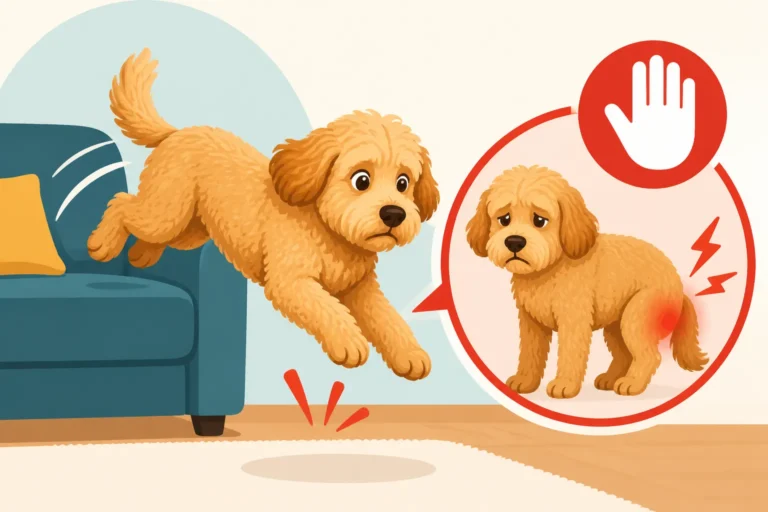
Take hip and elbow dysplasia, for example. These aren't caused by a single recessive gene that can be easily "masked" by crossing breeds. They are complex conditions where numerous genes contribute to the dog's joint structure, and factors like diet, exercise, and growth rate also play a massive role. Both Golden Retrievers and Standard Poodles, the foundation breeds for Goldendoodles, have a known predisposition to hip and elbow dysplasia. So, simply crossing them doesn't magically eliminate this risk. If both parents have poor joint conformation or carry many of the genes associated with these conditions, their Goldendoodle puppies are still very much at risk, regardless of any "hybrid" status. In fact, relying on the hybrid claim can give owners a false sense of security, leading them to overlook crucial health information. For a deeper dive, you might want to read about The Goldendoodle Hybrid Vigor Claim and Where It Breaks.
It's also important to remember that some conditions are shared across both parent breeds. If both Golden Retrievers and Poodles are susceptible to a certain genetic issue, then even a "hybrid" Goldendoodle could easily inherit two copies of the problematic gene. This is where relying solely on the word "hybrid" becomes a dangerous gamble, as it dismisses the very real genetic predispositions that still exist in the crossbreed. Should an unforeseen health issue arise, a good pet insurance plan like those offered by Healthy Paws can provide a crucial financial safety net, regardless of whether a dog is purebred or a hybrid.
Unpacking the Critical Need for Parent Health Testing
Given the limitations of the hybrid vigor claim, the true cornerstone of ensuring a healthy Goldendoodle is diligent, comprehensive health testing of both parent dogs. This isn't just a suggestion; it's an absolute necessity for ethical breeding and for providing prospective owners with genuine peace of mind. Without this testing, you’re essentially buying a puppy blind, hoping for the best.
What Comprehensive Health Testing Involves for Goldendoodle Parents
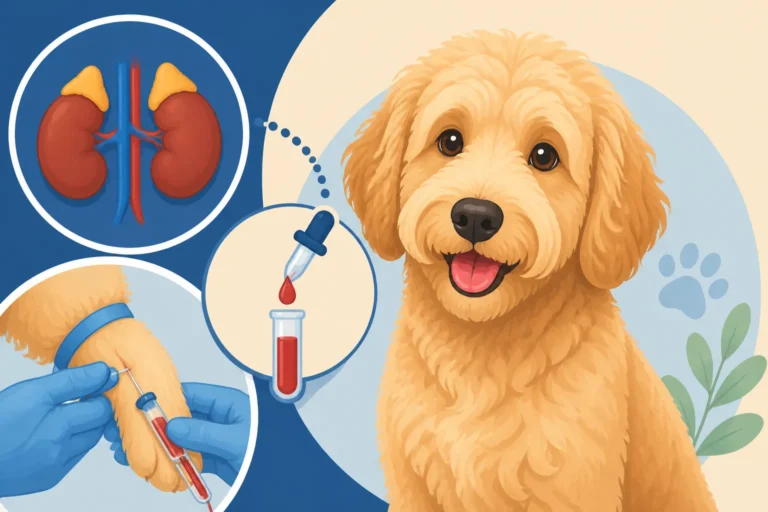
A reputable breeder doesn't just breed two good-looking dogs and call them "healthy" because they're a "hybrid." They meticulously screen their breeding stock for the genetic and orthopedic conditions known to affect Golden Retrievers and Poodles. This involves a battery of tests and certifications from veterinary specialists.
For starters, there are orthopedic evaluations. The Orthopedic Foundation for Animals (OFA) provides standardized ratings for hips and elbows, assessing the quality of the joints and identifying signs of dysplasia. Breeders should provide OFA certificates for both parents, ideally with "Good" or "Excellent" hip scores and "Normal" elbow scores. Some breeders might also use PennHIP evaluations for hips, which offers a different, sometimes earlier, assessment of hip laxity. Both are valuable tools. Patellar luxation, especially in smaller Goldendoodle varieties, is another orthopedic concern that can be screened by OFA.
Beyond bones and joints, eye health is paramount. Both parent breeds are susceptible to conditions like Progressive Retinal Atrophy (PRA), which can lead to blindness. Breeders should have annual eye exams performed by a board-certified veterinary ophthalmologist (CERF or OFA Eye Certification Registry exams) to screen for hereditary eye diseases. Specific DNA tests for common forms of PRA are also crucial, allowing breeders to know if a dog is clear, a carrier, or affected. You can learn more about Progressive Retinal Atrophy Carried by Both Goldendoodle Lines and how it impacts Goldendoodles.
Cardiac clearances are also essential, especially from the Golden Retriever side, which can be prone to certain heart conditions like subvalvular aortic stenosis (SAS). A veterinary cardiologist should perform an echocardiogram and clear the parents for breeding.
Finally, DNA panels have become indispensable. These tests can screen for a multitude of genetic diseases with a simple cheek swab. For Goldendoodles, this often includes testing for Von Willebrand Disease (a bleeding disorder), Ichthyosis (a skin condition common in Golden Retrievers), Neonatal Encephalopathy with Seizures (NEwS), Degenerative Myelopathy, and certain forms of PRA. While Addison's disease (Addison's Disease a Goldendoodle Gets From the Poodle) and certain thyroid issues are often screened through blood tests rather than simple DNA panels, these are also critical components of a comprehensive health picture. A breeder should be transparent and provide results for all relevant tests. Diving deeper into Health Testing Both Goldendoodle Parents Should Have and The DNA Panel a Goldendoodle Breeder Should Run can give you a clearer picture of what to look for. And remember to ask about OFA Clearances on a Goldendoodle Sire and Dam.
Why the "Hybrid" Label Can Be a Dangerous Distraction
The frustration many experienced Goldendoodle owners feel stems from breeders who market their puppies heavily on the "hybrid" aspect, suggesting it makes health testing redundant. This is a dangerous misconception that can lead to heartbreak and significant veterinary bills down the line. Even with hybrid vigor at play, Goldendoodles are still genetically predisposed to the conditions carried by their parent breeds if those parents aren't adequately screened.
For example, hip dysplasia remains a significant concern, with Goldendoodles facing a risk that can be as high as Goldendoodle Hip Dysplasia at 15 to 20 Percent if not bred carefully. Imagine bringing home a puppy only to discover at a year old that it needs expensive, painful hip surgery. That's a devastating blow, both emotionally and financially. This is where insurance providers like Healthy Paws can offer real support, though preventative testing would have been the ideal first step.
Similarly, specific cancers, particularly lymphoma and hemangiosarcoma, have a higher incidence in Golden Retrievers, and this Cancer Risk a Goldendoodle Carries From the Golden Side doesn't simply disappear because you’ve added Poodle genes. While cancer is often multifactorial, selecting breeding stock with healthy, long-lived lineages and no early onset cancer is a responsible breeding practice that goes far beyond a simple hybrid claim.
The bottom line is that a Goldendoodle can still inherit these serious conditions if its parents carry the genes, even if the "hybrid" status theoretically reduces the overall population risk for some diseases. The hybrid label is a general concept; health testing provides specific, actionable data about the individual dogs in a breeding program. Without that data, you're not getting a healthier dog; you're just getting a dog whose potential health issues are unknown.
Empowering Yourself: Questions to Ask and Records to See
As a prospective Goldendoodle owner, you hold a lot of power. You have the right to ask questions, and a reputable breeder will be more than happy to provide comprehensive answers and proof. This proactive approach is your best defense against future heartache and ensures you're supporting ethical breeding practices.
What to Demand from a Reputable Goldendoodle Breeder
When you connect with a breeder, don't be shy about asking for specifics. The first thing you should inquire about is their health testing protocols for both the sire (father) and dam (mother) of the litter. Ask for their registered names and whether they have OFA certifications for hips, elbows, and eyes. A good breeder will readily provide the registration numbers for both parents, allowing you to independently verify their OFA results directly on the OFA website. This transparency is key. You might also want to ask about specific DNA panels that have been run. For instance, are the parents clear for common forms of PRA or Von Willebrand's? For more detailed guidance, consider reviewing What Health Papers a Goldendoodle Breeder Should Show.
Don't settle for vague answers like "the vet says they're healthy" or "they come from healthy lines." You need to see the actual documentation. This includes OFA certificates, CERF eye exam results, and DNA test results from reputable labs like Embark or Paw Print Genetics. Learn how to accurately interpret these results by reading resources like Reading a Goldendoodle Parent's OFA Record. A responsible breeder will have these records organized and available for you to review. If a breeder is hesitant, defensive, or tries to divert your attention back to the "hybrid" nature of their dogs, it should be a major red flag. They might not have done the testing, or the results might not be favorable. Your diligence here protects both you and the puppies.
The Long-Term Impact of Informed Choices
Making an informed choice based on comprehensive health testing has a profound long-term impact on your Goldendoodle's health and your wallet. Investing time upfront to verify parent health testing can potentially save you thousands of dollars in vet bills for preventable genetic conditions later in your dog's life. More importantly, it can save your beloved companion from pain and suffering.
A Goldendoodle from health-tested parents has a much higher likelihood of living a long, healthy, and happy life, which is what every dog owner dreams of. While no amount of testing can guarantee a dog will never face any health issues (life happens, after all!), it drastically reduces the risk of inheriting debilitating genetic conditions. This foundation of health also contributes to a better overall quality of life and potentially extends their Goldendoodle Lifespan and What a Cross Really Buys You. Many wonder Whether a Goldendoodle Really Lives Longer Than a Purebred, and the answer is often tied to responsible breeding and health testing.
Even with the best breeding practices, unexpected illnesses or accidents can occur. This is where having pet insurance, such as a plan from Healthy Paws, can be incredibly valuable. It helps manage the financial burden of unforeseen veterinary care, allowing you to focus on your dog's recovery without added stress. However, it's always better to start with the strongest possible genetic foundation through proper health screening of the parents.
Here's a simple comparison to help visualize the difference:
| Aspect | Relying on "Hybrid Vigor" Claim | Comprehensive Health Testing Approach | Outcome for Your Goldendoodle |
|---|---|---|---|
| Genetic Basis | Assumes heterosis protects against all inherited diseases. | Specifically identifies known risks from both parent breeds. | Reduced risk of inheriting known genetic conditions from the parent lines. |
| Disease Risk | Unknown, as specific genetic predispositions are not assessed. | Quantified risk for specific conditions like hip dysplasia, PRA. | Higher probability of good joint health, clear vision, and overall genetic soundness. |
| Breeder Transparency | Often vague; relies on anecdotal evidence or general statements. | Provides verifiable documents (OFA, DNA results, vet reports). | You have clear, documented proof of parental health, empowering your decision. |
| Future Vet Costs | Potentially higher due to unforeseen genetic conditions. | Potentially lower due to proactive risk mitigation. | Fewer unexpected health emergencies, potentially lower lifetime vet expenses. |
| Peace of Mind for Owner | False sense of security based on a generalized concept. | True peace of mind based on specific, scientific data. | Confidence in your puppy's genetic background, leading to a more enjoyable ownership experience. |
Disclaimer
Please remember that the information provided in this article is for educational and informational purposes only and does not constitute veterinary advice. Always consult with a qualified veterinarian for any health concerns or before making any decisions about your pet's health or treatment.