Joint Support Dosed to Goldendoodle Size Category
One of the most common worries I hear from Goldendoodle parents is about joint health. It's truly heartbreaking to see your bouncy, happy companion start to slow down, limp, or show signs of discomfort, and trying to figure out the right joint support can feel like navigating a maze. With Goldendoodles coming in so many different sizes, from tiny Toys to towering Standards, knowing how to properly dose those crucial joint supplements is absolutely vital. This guide is here to cut through the confusion and help you understand how to tailor joint support to your Goldendoodle's specific size category, aiming for a lifetime of comfort and mobility.
Understanding Goldendoodle Joint Vulnerabilities Across Sizes
It’s easy to think that if you have a smaller Goldendoodle, they’re somehow immune to the big joint problems often associated with larger breeds. The truth is, Goldendoodles of all sizes inherit a complex genetic lottery from both their Golden Retriever and Poodle lineage, making them susceptible to a range of orthopedic issues. Understanding these inherent vulnerabilities is the first step in proactive joint care.
The Genetic Blueprint for Joint Issues
Both the Golden Retriever and Poodle parent breeds carry predispositions for common orthopedic conditions, which means your Goldendoodle gets a double dose of potential risk. The big ones we often talk about are hip and elbow dysplasia. Hip dysplasia, for example, is a condition where the hip joint doesn't form correctly, leading to looseness and eventual arthritis. While you might associate this more with a 70-pound Standard Goldendoodle, even a Mini Goldendoodle can be affected, albeit sometimes with less severe clinical signs due to their lighter weight. The same goes for elbow dysplasia, which involves multiple developmental abnormalities of the elbow joint. It's a cruel twist of genetics that these issues can affect dogs regardless of their overall size, simply because the underlying structural flaw is there. This is why understanding Goldendoodle Hip Dysplasia at 15 to 20 Percent is so important, as is recognizing Goldendoodle Elbow Dysplasia From Both Parent Breeds.
Growth Plate Concerns in Growing Goldendoodles
Puppyhood and adolescence are incredibly sensitive times for any growing dog, and Goldendoodles are no exception. Their bones are growing rapidly, and the "growth plates" – areas of cartilage near the ends of bones – are open and vulnerable. In larger Goldendoodles, these plates remain open for longer, making them more susceptible to injury from excessive or inappropriate exercise. Think of a gangly Standard Goldendoodle puppy, all legs and clumsy movements; a hard fall, a misstep during an intense play session, or even too much repetitive strain (like endless fetching on hard surfaces) can damage these delicate growth plates. This can lead to long-term issues and improper bone development. It's not just about what supplements they need, but also about managing their activity levels carefully during this crucial developmental phase. A good example is avoiding high-impact activities and excessive jumping until their growth plates have closed, usually around 12-18 months, depending on their ultimate size.
Patellar Luxation and Cruciate Ligament Tears in Smaller Doodles
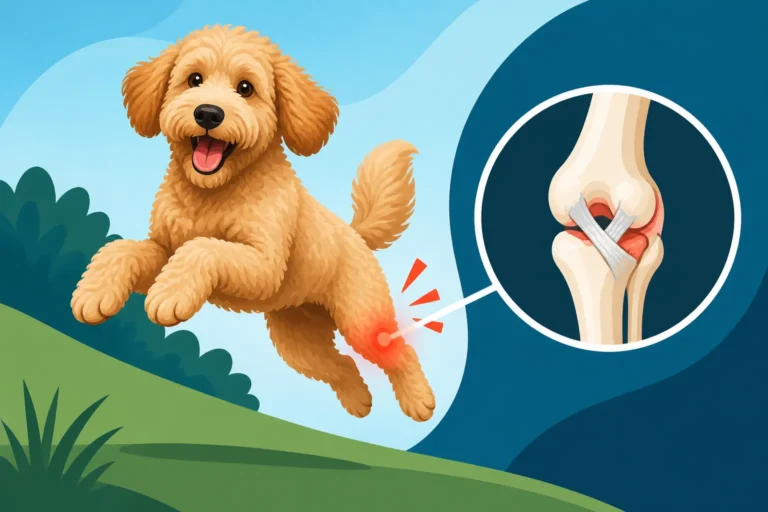
While larger Goldendoodles might face a higher incidence of hip and elbow issues due to sheer weight and genetics, smaller Goldendoodles have their own unique set of joint challenges. Patellar luxation, often referred to as "slipping kneecaps," is a condition where the kneecap dislocates from its normal position. This is far more common in smaller breeds, including Toy and Mini Poodles, which means it can be passed directly to your smaller Goldendoodle. You might see your little one skip a step, hold up a back leg for a few strides, and then be perfectly fine again. While some cases are mild, severe luxation can cause pain and lead to arthritis down the line.
Beyond patellar luxation, cruciate ligament tears are another significant concern across all sizes, but particularly in active Goldendoodles. The cranial cruciate ligament (CCL) in a dog's knee is analogous to the ACL in humans. A sudden twist, jump, or even chronic degeneration can cause it to tear, leading to lameness. We’ve seen many lively Mini Goldendoodles who love to play fetch or agility develop Cruciate Tears in an Active Goldendoodle, requiring significant veterinary intervention. These kinds of injuries highlight that joint issues aren't just about weight-bearing stress, but also about the dynamic forces exerted on joints during daily activity.
Deciphering Joint Support Ingredients and Their Benefits
Once you understand the potential vulnerabilities, the next step is to explore the actual ingredients that make up joint support supplements. It can be overwhelming with all the different brands and combinations out there, but certain ingredients have stood the test of time and science for their ability to support canine joint health.
Glucosamine and Chondroitin: The Foundation of Joint Health
If you've ever looked into joint supplements for dogs (or even for yourself!), you've undoubtedly come across glucosamine and chondroitin. These two are the dynamic duo of joint support, and for good reason. Glucosamine is an amino sugar that plays a crucial role in maintaining healthy cartilage, the cushioning material that protects the ends of bones in a joint. It helps in the synthesis of glycosaminoglycans (GAGs), which are key components of cartilage. Think of it as providing the building blocks for resilient, healthy joint tissue.
Chondroitin sulfate, on the other hand, is a complex carbohydrate that also contributes to cartilage formation and elasticity. It helps attract and hold water within the cartilage, which is essential for its shock-absorbing properties. Moreover, chondroitin can help inhibit enzymes that break down cartilage, thus slowing the progression of joint degeneration. When combined, glucosamine and chondroitin work synergistically to support the structural integrity of joints, reduce inflammation, and help lubricate the joint for smoother movement. The quality of these ingredients can vary widely between supplements, so always look for reputable brands that list their ingredient sources and purity.
MSM and Omega-3 Fatty Acids for Inflammation
Beyond structural support, managing inflammation is a huge part of keeping a Goldendoodle’s joints comfortable, especially as they age or if they're dealing with a diagnosed condition like arthritis. Methylsulfonylmethane, or MSM, is a naturally occurring sulfur compound known for its anti-inflammatory and pain-relieving properties. It’s often included in joint supplements because it can help reduce discomfort and swelling associated with joint issues. For a Goldendoodle showing early signs of stiffness or even just for general proactive care, MSM can make a noticeable difference in their comfort levels and overall mobility.
Omega-3 fatty acids, particularly EPA and DHA found in fish oil and green-lipped mussel, are also powerful anti-inflammatory agents. They work by modulating the body's inflammatory pathways, essentially calming down the immune response that contributes to pain and swelling in arthritic joints. Regular supplementation with high-quality omega-3s can significantly reduce joint pain and improve mobility, making daily activities more enjoyable for your Goldendoodle. Not all fish oils are created equal, so look for products that are molecularly distilled to remove toxins and that provide clear concentrations of EPA and DHA. For instance, many vets recommend brands like Nordic Naturals or Zesty Paws for their quality and potency. This kind of ongoing support can be a lifesaver, and it’s why many owners consider getting pet insurance like Healthy Paws, which can help cover the costs of vet visits, diagnostics, and even some ongoing treatments if joint issues develop.
Lesser-Known but Powerful Ingredients: Turmeric, ASU, and Hyaluronic Acid
While glucosamine, chondroitin, MSM, and omega-3s are the mainstays, other ingredients offer valuable benefits and are increasingly found in comprehensive joint formulas. Turmeric, for instance, contains curcumin, a compound with potent anti-inflammatory and antioxidant properties. It's been used in traditional medicine for centuries and is now gaining recognition in veterinary science for its potential to reduce joint pain and stiffness. However, it's important to use formulations specifically designed for dogs, as human turmeric supplements might not be bioavailable enough or could contain additives harmful to pets.
ASU, or avocado soybean unsaponifiables, is a natural vegetable extract that has been shown to reduce inflammation and promote cartilage repair. It works by preventing the breakdown of cartilage and encouraging its regeneration, making it a powerful addition to a joint support regimen. Hyaluronic acid (HA) is another ingredient that acts as a major component of synovial fluid, which lubricates joints. Supplementing with HA can improve joint lubrication and shock absorption, contributing to smoother movement and reduced friction. For a Goldendoodle dealing with Goldendoodle Arthritis After the Age of Eight, these additional ingredients can offer a more holistic approach to managing discomfort and supporting long-term joint health.
Dosing Joint Supplements by Goldendoodle Size Category
This is where many Goldendoodle owners get stuck. Unlike a generic "one-size-fits-all" supplement, proper dosing of joint support is absolutely critical and depends heavily on your dog's size and weight. Giving too little might render the supplement ineffective, while giving too much is rarely harmful with these particular supplements, but certainly wasteful.
Standard Goldendoodles: Heavy Lifters, Higher Doses
Standard Goldendoodles typically weigh between 50 and 90 pounds, sometimes even more. Their sheer size means their joints bear a much greater load than their smaller counterparts. Consequently, they require higher doses of active ingredients to achieve therapeutic levels in their system.
For glucosamine, a common starting dose for a large dog might range from 1,000 mg to 1,500 mg per day, often split into two doses (morning and evening). Chondroitin is usually dosed at about half the amount of glucosamine, so around 500 mg to 750 mg daily. MSM might be in the range of 500 mg to 1,000 mg daily. These are general guidelines, and it's always best to follow the specific instructions on the product label for your dog's weight category. Many reputable brands, like Nutramax's Dasuquin or Cosequin, provide clear weight-based dosing charts. Consistency is paramount; these supplements aren't like painkillers that offer immediate relief. They work cumulatively over weeks or even months to build up in the system and provide their full benefits. Once you've reached a maintenance dose, stick with it every single day to ensure continuous support.
Medium and Mini Goldendoodles: Tailoring the Support
Medium Goldendoodles often fall into the 35-50 pound range, while Mini Goldendoodles typically weigh between 25 and 35 pounds. While they don't carry the extreme weight of a Standard, their joints are still actively working and benefit significantly from support. Their dosage will be lower than a Standard, but still substantial.
For a Goldendoodle in this middle range, glucosamine might be dosed between 500 mg and 1,000 mg daily, with chondroitin at 250 mg to 500 mg. MSM would typically be 250 mg to 500 mg. Again, these are approximate figures, and checking the product's recommended dosage for your specific dog's weight is crucial. Some supplements come in chewable tablets that can be easily broken in half, or in soft chews that offer varying strengths, making it simpler to tailor the dose. Remember, even a lively Mini Goldendoodle running and jumping constantly is putting repetitive stress on their joints, making proactive supplementation a smart choice. Regular vet check-ups are also important to monitor their joint health, and having pet insurance like Healthy Paws can give you peace of mind that these check-ups, diagnostics, and any necessary treatments are covered.
Toy Goldendoodles: Small But Still Susceptible
Toy Goldendoodles are generally under 25 pounds, and while their light weight might make joint problems seem less severe, they are certainly not immune. In fact, some issues, like patellar luxation, are more prevalent in smaller breeds. The challenge with Toy Goldendoodles is administering a precise, small dose.
For these pint-sized pups, glucosamine might be in the 250 mg to 500 mg range, with chondroitin at 125 mg to 250 mg, and MSM around 125 mg to 250 mg. Many brands offer small-breed specific formulations or liquid options that allow for very precise dosing with a dropper. It's often easier to find chewable soft treats designed for smaller dogs that already have the correct lower dosage per chew. Even though they're small, maintaining their joint health is just as important for their quality of life. Don't fall into the trap of thinking a small dog doesn't need joint support just because they seem agile. Their tiny joints are still under constant stress from running, jumping, and playing.
Here's a general guideline for dosing common joint support ingredients based on Goldendoodle size:
| Goldendoodle Size Category | Weight Range (approx.) | Glucosamine (daily) | Chondroitin (daily) | MSM (daily) | Omega-3s (EPA/DHA daily) |
|---|---|---|---|---|---|
| Toy | Under 25 lbs | 250-500 mg | 125-250 mg | 125-250 mg | 100-250 mg |
| Mini/Medium | 25-50 lbs | 500-1,000 mg | 250-500 mg | 250-500 mg | 250-500 mg |
| Standard | 50-90+ lbs | 1,000-1,500 mg | 500-750 mg | 500-1,000 mg | 500-1,000 mg |
Note: These are general guidelines. Always consult your veterinarian and follow specific product instructions. Omega-3 doses refer to the combined EPA and DHA content.
Integrating Joint Support into a Holistic Care Plan
Supplements are just one piece of the puzzle. For your Goldendoodle to truly thrive with healthy joints, you need a holistic approach that includes diet, exercise, and regular veterinary oversight. It’s about creating an environment where their joints can be as healthy as possible throughout their entire life.
The Role of Weight Management and Lean Body Condition
This cannot be stressed enough: maintaining a healthy, lean body weight is perhaps the single most impactful thing you can do for your Goldendoodle's joint health. Every extra pound your dog carries puts increased strain on their joints, accelerating wear and tear and worsening conditions like arthritis or dysplasia. It’s truly heartbreaking to see a dog suffering from preventable joint pain simply because they're overweight.
The challenge with Goldendoodles is their glorious, fluffy coats can be quite deceptive, making it hard to spot weight gain. You might think your dog is perfectly fine, but underneath all that fur could be an extra five, ten, or even twenty pounds. It's vital to learn how to feel your dog's ribs, spine, and waistline regularly, rather than just relying on visual cues. You should be able to easily feel their ribs without pressing hard, and they should have a discernible waist when viewed from above. If you're struggling to keep the weight off, review your Goldendoodle’s diet and consider methods like Keeping a Goldendoodle Lean When the Coat Hides It. Adjusting their daily calorie intake and ensuring they get proper exercise is crucial. A Goldendoodle carrying too much weight, even an active one, is setting themselves up for more severe Goldendoodle Arthritis After the Age of Eight and other painful joint conditions earlier in life.
Appropriate Exercise and Activity Modification
Exercise is essential for maintaining muscle mass, which helps support and stabilize joints. However, the type and intensity of exercise are just as important as the quantity, especially for Goldendoodles prone to joint issues. High-impact activities like repetitive jumping, abrupt stops, and quick turns can put immense stress on joints and are best minimized, especially during puppyhood when growth plates are still open. For instance, constantly letting your Goldendoodle jump off high furniture or repeatedly throwing a ball for long distances on hard surfaces can be detrimental. You might want to explore alternatives like Why a Goldendoodle Should Not Jump Off Furniture.
Instead, focus on low-impact activities. Swimming is a fantastic option as it provides excellent cardiovascular and muscle-building exercise without any impact on the joints. Leash walks, hiking on soft trails, and gentle playtime are also great choices. For Goldendoodle puppies, remember the "five-minute rule" – for every month of age, they should get about five minutes of structured exercise, twice a day, to protect their developing joints. As they mature, tailor their activity to their individual needs and any existing joint conditions. If your Goldendoodle has undergone surgery, like for a cruciate tear, understanding Physical Therapy After Goldendoodle Knee Surgery becomes invaluable for their recovery and long-term joint health.
When to Start and Consulting Your Vet
A common question is, "When should I start giving my Goldendoodle joint supplements?" For breeds known to be predisposed to joint issues, a proactive approach is often recommended. Many vets suggest starting joint supplements around 1-2 years of age, or even earlier if your dog is a large breed or has a known genetic predisposition (e.g., parents with fair OFA scores). Don't wait until you see obvious signs of lameness or pain. By that point, significant joint damage may have already occurred.
Ultimately, your veterinarian is your best resource. Before starting any new supplement regimen, always consult with your vet. They can accurately assess your Goldendoodle's overall health, review their family history for orthopedic conditions, and recommend the most appropriate type and dosage of joint support tailored to your dog's specific needs, size, and lifestyle. They can also perform physical examinations and, if necessary, recommend diagnostic imaging like X-rays to get a clearer picture of your dog's joint health. Early diagnosis and intervention can make a world of difference in managing conditions and maintaining your Goldendoodle's mobility and comfort for years to come. Remember, unforeseen health issues can be costly, and pet insurance from providers like Healthy Paws can be a real lifeline, helping you cover unexpected vet bills for diagnostics, medications, and even surgeries related to joint problems.
Disclaimer
The information provided in this guide is for general educational purposes only and should not be considered a substitute for professional veterinary advice. Always consult with a qualified veterinarian for any health concerns or before making any decisions about your Goldendoodle's care, diet, or treatment plan.