Whether Plucking Ear Hair Prevents Goldendoodle Infections
The joy of a Goldendoodle is undeniable, but if you've ever battled a persistent ear infection with your furry friend, you know the frustration. Many Goldendoodle parents wonder if plucking the hair from their dog's ear canal is the secret weapon to prevent those itchy, painful episodes. This guide dives deep into that common belief, exploring why Goldendoodle ears are so prone to issues and whether ear hair plucking truly offers the solution or inadvertently creates new problems.
The Goldendoodle's Unique Ear Challenge
Goldendoodles, with their delightful mix of Golden Retriever friendliness and Poodle intelligence, also inherit specific physical traits that can make ear health a recurring concern. Those adorable floppy ears and the lush coat often combine to create an environment ripe for trouble.
The Furnished Ear Canal and Its Predicament
One of the defining characteristics of a Goldendoodle, particularly those with more Poodle influence, is the presence of "furnishings" – the longer hair on their face, eyebrows, and yes, inside their ears. This hair isn't just on the outer flap; it can grow deep within the ear canal. When you combine this dense internal hair growth with the typical floppy ear structure of a Goldendoodle, you've got a perfect storm for trapping moisture and warmth. Imagine trying to air out a humid room with the windows perpetually closed and covered in thick drapes – that's a Goldendoodle's ear canal after a swim or even just a humid day. This moist, warm environment is exactly what yeast and bacteria love, setting the stage for recurring infections. For a deeper dive into this, you might find our article on Goldendoodle Ear Hair and Chronic Infection particularly insightful.
Why Moisture and Warmth Spell Trouble for Ears
The ear canal in dogs, especially those with floppy ears, is shaped like an L, making it inherently harder for debris, wax, and moisture to escape. When excessive hair lines this canal, it acts like a wick, drawing moisture further in and holding it against the skin. This isn't just about swimming; even bath time, a rainy walk, or just natural humidity can introduce moisture that then struggles to evaporate.
Consider a scenario where your Goldendoodle, maybe a rambunctious standard size like Barnaby from Asheville, loves to splash in the creek on hikes. His floppy ears, already a bit damp from the humidity, become saturated. If the hair deep in his ear canals acts like a sponge, that water isn't just going to magically dry out. The warmth inside the ear, combined with this trapped moisture, creates a dark, humid incubator where opportunistic microbes like Malassezia yeast or various bacteria can flourish. This leads to that tell-tale redness, itchiness, and foul odor that Goldendoodle owners know all too well.
The Great Debate: Does Ear Hair Plucking Prevent Infections?
For years, the conventional wisdom among many groomers and even some veterinarians was that plucking ear hair was a crucial step in preventing ear infections in breeds like Goldendoodles. The reasoning seemed sound: remove the hair, improve airflow, reduce moisture, prevent infections. However, modern veterinary understanding has introduced a more nuanced perspective, challenging this long-held practice.
The Traditional View: Airflow is King
Many Goldendoodle owners have been advised, often by their groomers, to regularly pluck their dog's ear hair. The belief is that by removing the dense tufts of hair from the ear canal, you open up the pathway for air circulation. This improved airflow, it's argued, helps to keep the ear canal dry, reducing the warm, moist environment where yeast and bacteria thrive. This approach aims to minimize the "furnishing" effect within the ear, believing it to be the primary cause of recurrent issues.
Imagine a Goldendoodle named Daisy from coastal California, where humidity is often high. Her owners were advised to pluck her ears regularly to combat chronic yeast infections. They diligently went to the groomer every few weeks, hoping that each pluck would be a step toward a healthier, itch-free Daisy. This method certainly feels proactive, and for some dogs, it appears to help initially by physically removing a medium for moisture and debris. However, the long-term impact needs a closer look.
The Emerging Counter-Argument: Plucking Can Do More Harm Than Good
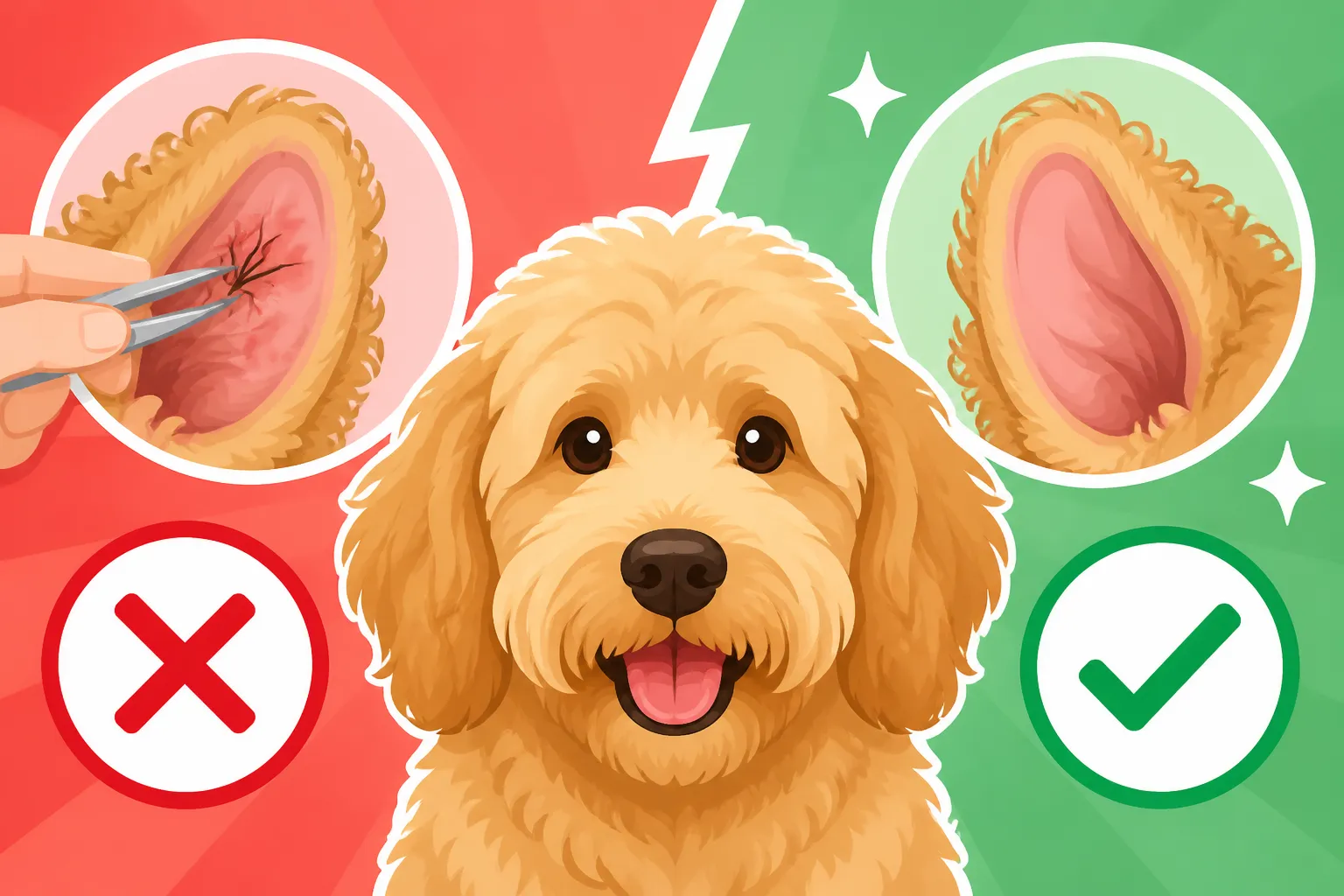
While the intention behind ear hair plucking is good, a growing body of veterinary evidence suggests that the act of plucking itself can inadvertently cause more problems than it solves. Every time a hair is plucked, it can create microscopic trauma to the delicate lining of the ear canal. This trauma can lead to:
- Micro-abrasions and inflammation: The skin inside the ear is very sensitive. Plucking can cause tiny tears or irritations, making the ear canal inflamed. An inflamed ear canal is not a healthy one and can actually become more susceptible to infection because its natural defenses are compromised.
- Folliculitis: The hair follicles themselves can become inflamed or infected after plucking, leading to pain and further irritation.
- Disrupted natural defenses: The hairs, even those inside the canal, play a role in trapping foreign particles and debris and moving them out of the ear. Aggressively removing them can interfere with this natural self-cleaning mechanism.
- Increased pain and sensitivity: Repeated plucking can make a dog's ears incredibly sensitive and painful, making future ear examinations or cleanings a dreaded experience.
Veterinarians are increasingly recommending a less invasive approach. Instead of routinely plucking, the focus is shifting to managing the environment within the ear without causing trauma. A Goldendoodle like Finn from Portland, Oregon, who struggled with recurrent infections despite regular plucking, might find relief when his vet recommends discontinuing plucking and focusing instead on consistent, gentle cleaning.
Here's a quick comparison of the perceived benefits versus the actual risks of ear plucking:
| Aspect | Perceived Benefit of Plucking | Potential Risk/Drawback of Plucking |
|---|---|---|
| Airflow | Improves air circulation, drying the canal. | Inflammation from trauma can worsen air circulation. |
| Moisture Control | Removes hair that traps moisture, keeping ears dry. | Trauma can lead to swelling, trapping more moisture. |
| Infection Prevention | Eliminates breeding ground for bacteria/yeast. | Micro-trauma creates entry points for pathogens. |
| Comfort | Clears out itchy hair. | Can cause pain, inflammation, and increased sensitivity. |
| Natural Defenses | Helps ears stay clean. | Disrupts natural hair follicle function. |
It's clear that what once seemed like a straightforward solution is now seen as potentially counterproductive. If your Goldendoodle struggles with ear issues, and you're considering a pet insurance plan like those offered by Healthy Paws, understanding the most up-to-date best practices for ear care can help you avoid claims related to unnecessary procedures.
Better Strategies for Goldendoodle Ear Health
Given the shift in veterinary understanding, the focus for Goldendoodle ear care has moved away from routine plucking and towards consistent, gentle maintenance and proactive measures. It's all about creating an environment where infections struggle to take hold, rather than reacting once they've begun.
Regular Cleaning and Inspection
This is truly the cornerstone of good Goldendoodle ear health. Regular, gentle cleaning helps remove wax, debris, and any incipient moisture before it can cause problems.
- Weekly Routine: Aim to clean your Goldendoodle's ears at least once a week, and more frequently if they swim or get bathed often.
- Appropriate Cleansers: Talk to your veterinarian about the best ear cleaning solution for your Goldendoodle. Many effective over-the-counter options exist, but some are better suited for specific ear conditions or sensitivities. Avoid harsh chemicals, alcohol-based solutions, or anything not specifically designed for canine ears, as these can irritate the delicate skin.
- How to Clean:
- Hold the ear flap up and squirt the cleaner directly into the ear canal until it's full.
- Massage the base of the ear gently for 20-30 seconds. You should hear a squishing sound as the liquid moves around. This helps to loosen wax and debris.
- Allow your Goldendoodle to shake their head. This is the fun (and messy) part where they naturally expel much of the loosened gunk.
- Use a cotton ball or soft gauze wrapped around your finger to gently wipe out the visible outer part of the ear canal and the underside of the ear flap. Never insert cotton swabs (Q-tips) into the ear canal, as this can push debris deeper or damage the eardrum.
- What to Look For: During your weekly inspection and cleaning, pay close attention to the color of the skin, any discharge, and the smell. Healthy ears should be pale pink, have minimal to no odor, and only a small amount of light brown wax. Redness, swelling, dark brown or yellow discharge, a strong odor (often yeasty or foul), or excessive head shaking or scratching are all red flags that warrant a vet visit. If your Goldendoodle's ears seem to be a constant battle, our guide on Cleaning a Goldendoodle Ear Before It Gets Infected can offer more in-depth steps.
Professional Grooming Beyond Plucking
Professional groomers who understand Goldendoodle coats and ear structures can be invaluable. Instead of aggressive plucking, they can offer alternatives that support ear health without causing trauma.
- Trimming Hair at the Opening: A knowledgeable groomer can use blunt-nosed scissors or clippers to carefully trim the hair that grows around the opening of the ear canal. This helps to prevent matting that could block airflow and also makes it easier for you to clean the outer ear. This is distinct from plucking hair inside the canal.
- Sanitary Trims for Ear Flaps: Keeping the hair on the underside of the ear flap trimmed short can also help improve air circulation to the ear opening and prevent moisture from being held against the skin.
- Thorough Drying: After every bath, and especially after swimming, it is absolutely critical to dry your Goldendoodle's ears thoroughly. Your groomer can show you how to use a low-heat setting on a dog-specific force dryer (never a human hairdryer on high heat!) to dry the interior of the ear canal after cleaning or bathing. Even a towel can help dry the outer ear and flap. This step is often overlooked but can make a huge difference in preventing moisture-related infections.
Early Detection and Veterinary Care
Even with the best preventive measures, Goldendoodles can still get ear infections. Their genetic predisposition, floppy ears, and sometimes an underlying allergy can make them vulnerable. The key is to catch problems early and seek professional veterinary advice promptly.
- Know the Signs: Be vigilant for subtle changes: increased head shaking, pawing at ears, rubbing ears on furniture, redness inside the ear flap, a discharge, or an unusual smell. Don't wait for a full-blown, painful infection.
- Vet Visit at First Sign: If you notice any of these symptoms, schedule an appointment with your veterinarian. They can properly diagnose the type of infection (yeast, bacterial, mites, foreign body) and prescribe the correct medication. Self-treating with over-the-counter remedies without a proper diagnosis can sometimes worsen the problem or delay effective treatment.
- Addressing Underlying Causes: Recurrent ear infections often point to an underlying issue, such as allergies (food or environmental), thyroid disease, or even autoimmune conditions. Your vet can investigate these possibilities. For example, if your Goldendoodle experiences Goldendoodle Allergies and Itchy Skin, this could manifest as chronic ear problems. If your Goldendoodle is prone to frequent ear infections, sometimes returning every month, our article on Goldendoodle Ear Infections That Return Every Month provides additional guidance on managing persistent issues. Pet insurance providers like Healthy Paws can be a real lifeline here, helping to cover the costs of diagnostics and long-term treatment plans for chronic conditions that lead to ear problems.
When Plucking Might Still Be Considered (With Extreme Caution)
While routine ear hair plucking is largely discouraged by modern veterinary practice due to the risk of micro-trauma and inflammation, there are extremely rare circumstances where it might be considered. However, this decision should never be made lightly or performed by an untrained individual.
Severe Hair Growth and Complete Blockage
In some very rare cases, a Goldendoodle might have such an extraordinarily dense growth of hair deep within the ear canal that it forms a literal physical barrier, completely blocking air circulation and preventing any ear cleaning solution from reaching the deeper parts of the canal. This extreme level of blockage can lead to constant moisture and debris accumulation, creating an unmanageable environment for infection. For more on how ear structure contributes to this, explore Why a Furnished Goldendoodle Ear Stays Damp.
In such an unusual scenario, and only after a thorough examination by a veterinarian, the vet might recommend a very selective and cautious removal of some of this hair. This would not be a routine plucking but a targeted intervention to open up the canal for better medical management and to allow prescribed medications to penetrate properly. The goal isn't to prevent infection through plucking, but to create access for treatment and more effective regular cleaning.
Vet Consultation is Absolutely Key
Under no circumstances should you, or your groomer, attempt to pluck your Goldendoodle's ear hair without direct, explicit instruction and supervision from a licensed veterinarian. If your vet does deem it necessary, they will likely perform the procedure themselves or guide a veterinary technician on how to do it with minimal trauma. They might use specialized tools or even sedation to ensure the dog's comfort and prevent injury.
It's critical to understand that this would be a medical decision based on a unique, severe condition, not a general recommendation for ear health. If your vet suggests plucking, don't hesitate to ask detailed questions about why it's necessary for your specific dog, what risks are involved, and how it will be done to minimize trauma. Remember, the general consensus is to avoid it, so any deviation from this should be thoroughly explained and medically justified. Having pet insurance, like a plan from Healthy Paws, can provide peace of mind in these rare instances, as specialist consultations or procedures performed by a vet would typically be covered, ensuring your dog gets the best possible care without financial stress being an obstacle.
Disclaimer
The information provided in this article is for general informational purposes only and is not a substitute for professional veterinary advice. Always consult with a qualified veterinarian for any health concerns or before making any decisions related to your Goldendoodle's medical care.