Anesthesia Risk for a Toy Goldendoodle
It's completely normal to feel a knot in your stomach when your beloved Toy Goldendoodle needs anesthesia. The worry about your small companion going under for a procedure, even a routine one, can be overwhelming. This guide aims to ease some of that anxiety by thoroughly explaining the unique considerations for Toy Goldendoodles regarding anesthesia, outlining the crucial steps veterinarians take to ensure safety, and empowering you with questions to ask your vet so you feel fully informed and prepared.
Why Toy Goldendoodles Present Unique Anesthesia Considerations
When it comes to anesthesia, not all dogs are created equal. While advances in veterinary medicine have made anesthesia significantly safer than in decades past, smaller dogs like Toy Goldendoodles often require an extra layer of careful consideration due to their specific physiology. Their smaller body mass and unique metabolic rates mean that anesthetics behave differently in their systems compared to larger breeds.
Metabolic Rate and Drug Dosage
One of the primary differences for a Toy Goldendoodle is their metabolic rate. Small dogs tend to have a higher surface area to volume ratio, which means they can lose body heat more quickly, but also metabolize drugs faster or, conversely, sometimes slower, depending on the drug and their individual liver function. This delicate balance requires precise drug dosing. A dose that's perfectly safe for a 60-pound Standard Goldendoodle would be dangerously high for a 15-pound Toy Goldendoodle. Veterinarians must meticulously calculate dosages based on lean body weight, not just overall weight, and often choose specific anesthetic agents known to be safer and more easily reversible in smaller patients. This isn't a one-size-fits-all situation; each Toy Goldendoodle's unique body chemistry influences how they'll respond.
Thermoregulation Challenges in Smaller Dogs
Maintaining body temperature, or thermoregulation, is a critical concern for any patient under anesthesia, but it's particularly challenging for Toy Goldendoodles. Their smaller size means they lose heat to the environment much faster than larger dogs. Anesthesia itself suppresses the body's natural ability to regulate temperature, leading to hypothermia. Hypothermia can slow down drug metabolism, prolong recovery times, and increase the risk of complications like cardiac issues. Because of this, veterinary teams are incredibly diligent about keeping small patients warm. You'll often see them using warmed intravenous fluids, circulating warm air blankets, heating pads (with careful monitoring to prevent burns), and even snuggly blankets before and after the procedure. This attention to maintaining warmth is a non-negotiable part of safe anesthesia for your pint-sized pal.
Breed-Specific Sensitivities and Health Concerns
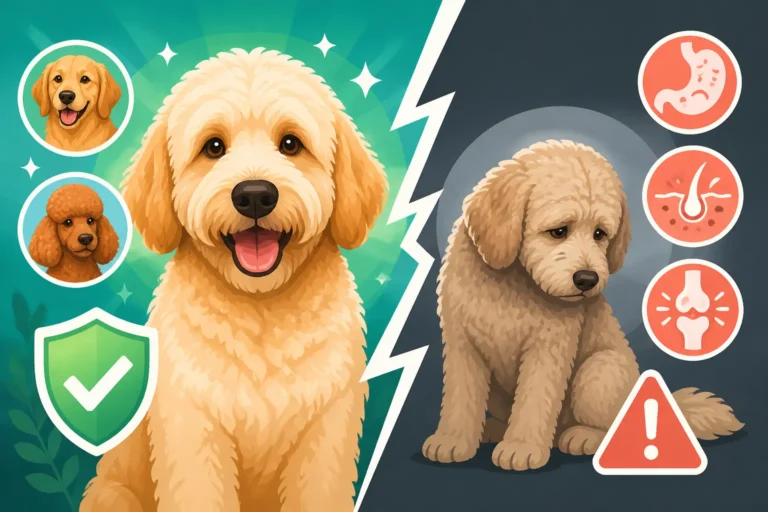
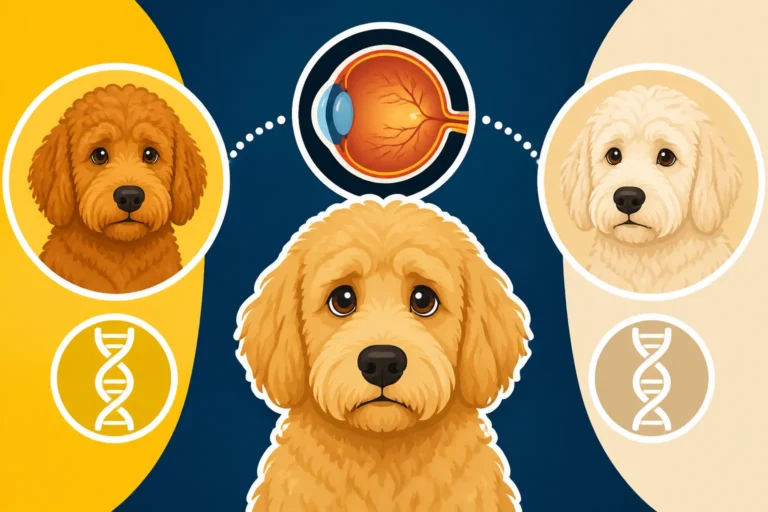
While Goldendoodles generally boast a robust genetic background, inheriting traits from both Golden Retrievers and Poodles, there can still be sensitivities to consider. For instance, Poodles can be predisposed to certain conditions like Addison's Disease, which can impact how they handle stress and anesthesia. While a Toy Goldendoodle may primarily inherit its size from a Miniature or Toy Poodle parent, they can still inherit the Poodle's genetic tendencies. Before any anesthetic procedure, your vet will perform a thorough physical exam to look for any underlying conditions. Some Toy Goldendoodles might also be more prone to Dental Crowding in a Toy Goldendoodle Mouth, which often necessitates dental cleaning under anesthesia. If your Goldendoodle has any known allergies or sensitivities, make sure your vet is fully aware, as this can influence the choice of anesthetic agents. Understanding What a Goldendoodle Inherits From Each Parent Breed can give you a better idea of potential predispositions, though individual variation is always present.
Before the Anesthesia: Essential Pre-Operative Steps
The preparation before your Toy Goldendoodle goes under anesthesia is just as important, if not more so, than the procedure itself. A thorough pre-operative workup is your vet's best tool for identifying potential risks and tailoring the anesthetic plan specifically for your dog. Never skip these steps; they are your Goldendoodle's first line of defense.
Comprehensive Physical Examination
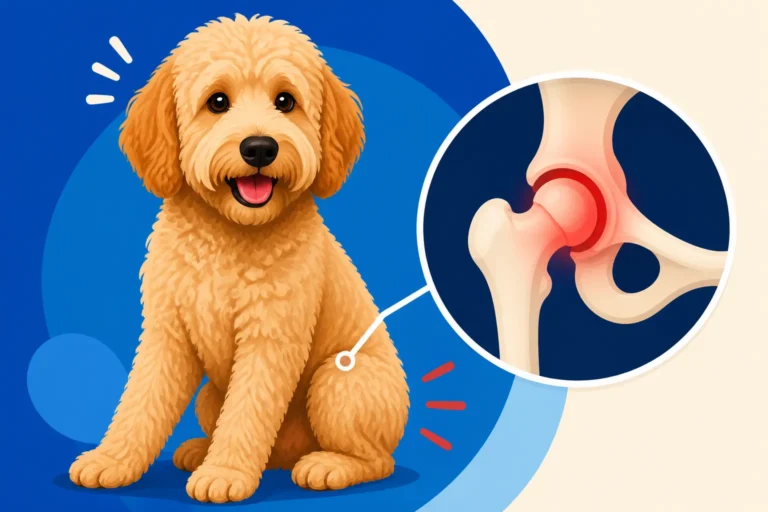
Every anesthetic procedure, whether it's for a routine spay/neuter or something more complex like addressing Goldendoodle Hip Dysplasia at 15 to 20 Percent, must begin with a complete physical examination. Your vet will listen to your Goldendoodle's heart and lungs, check their hydration status, assess their overall body condition, and look for any signs of illness. They'll pay close attention to heart murmurs, abnormal lung sounds, or any indicators of organ dysfunction. This examination helps establish a baseline of health and can uncover subtle issues that might increase anesthetic risk. For instance, a mild heart murmur might require additional diagnostics before proceeding. Don't be shy about asking your vet to explain their findings; it's your right to understand your dog's health status.
Pre-Anesthetic Blood Work
This is a non-negotiable step for us, and honestly, it should be for any responsible vet. Pre-anesthetic blood work provides vital information about your Goldendoodle's internal organ function. It helps evaluate kidney and liver function, which are crucial for metabolizing and eliminating anesthetic drugs. It also checks red and white blood cell counts, ensuring there are no hidden infections or anemia. For Toy Goldendoodles, these tests are especially important because their smaller organs might be more sensitive to drug effects. Abnormalities in blood work can prompt your vet to adjust the anesthetic protocol, prescribe supportive medications, or even postpone the procedure until the underlying issue is resolved. Think of it as a comprehensive internal health check that significantly reduces risk. If your pup is a senior, discuss The Senior Panel a Goldendoodle Should Have at Nine with your vet, as older dogs often have more complex needs.
Communicating Health History and Concerns
You know your Toy Goldendoodle best, and your input is invaluable. Before the procedure, have an open conversation with your vet about your dog's complete health history. This includes any previous illnesses, medications (even supplements), allergies, unusual behaviors, or reactions to past sedations. Has your Goldendoodle ever experienced Goldendoodle Vomiting and When It Matters? Does it suffer from Goldendoodle Allergies and Itchy Skin? Even seemingly minor details can be critical. Discuss your specific fears or concerns about anesthesia. A good vet will take the time to answer all your questions, explain the specific drugs they plan to use, and detail the monitoring protocols they have in place. Don't feel rushed or intimidated; this is your chance to advocate for your dog.
| Pre-Anesthetic Consideration | Why It Matters for a Toy Goldendoodle | Mitigation Strategy |
|---|---|---|
| Small Body Mass | Higher risk of hypothermia, precise dosing critical. | Warmed IV fluids, circulating air blankets, close temperature monitoring. |
| Higher Metabolic Rate | Drugs may be metabolized differently/faster. | Careful drug selection, meticulous weight-based dosing, slower administration. |
| Organ Function (Liver/Kidney) | Essential for drug processing and elimination. | Comprehensive pre-anesthetic blood work to assess function. |
| Heart/Lung Health | Anesthesia stresses cardiovascular and respiratory systems. | Thorough physical exam, potentially chest X-rays/ECG for pre-existing conditions. |
| Hydration Status | Dehydration complicates drug delivery and recovery. | IV fluid therapy before, during, and after procedure. |
| Breed Predispositions | Potential for Addison's Disease, certain cardiac issues. | Detailed health history review, targeted diagnostics if indicated. |
During the Procedure: Monitoring and Safety Protocols
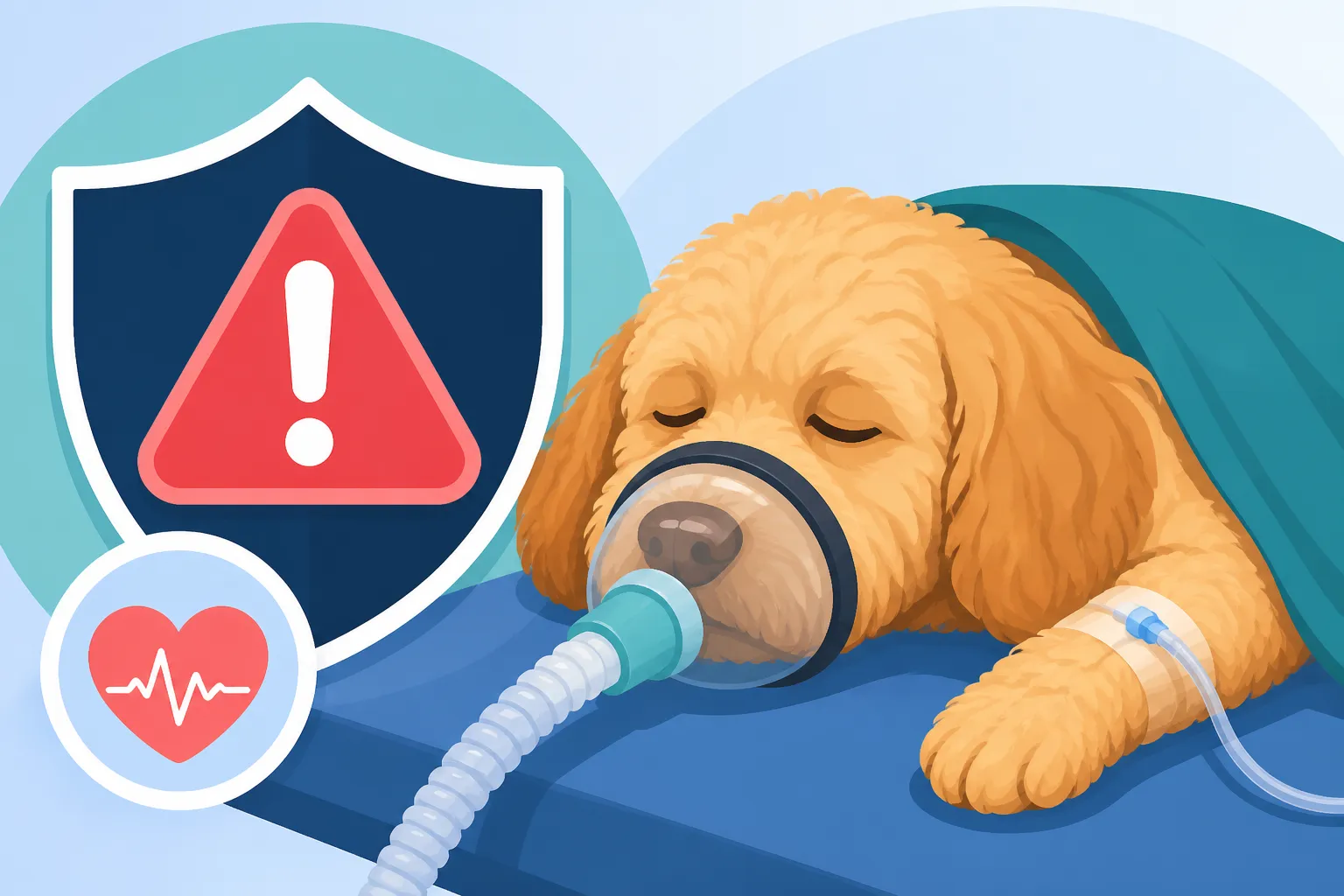
Once your Toy Goldendoodle is under anesthesia, the veterinary team's focus shifts to vigilant monitoring and maintaining their safety throughout the entire procedure. Modern veterinary clinics employ sophisticated equipment and highly trained personnel to keep a close eye on your dog's vital signs, drastically reducing risks.
Advanced Monitoring Equipment and Techniques
Today's veterinary anesthesia is a far cry from what it was even a decade or two ago. For a Toy Goldendoodle, the monitoring is especially intensive. Here's what you can expect a dedicated team to be tracking:
- Heart Rate and Rhythm (ECG): An electrocardiogram (ECG) continuously displays your dog's heart activity, allowing the team to detect any arrhythmias or changes in heart rate immediately. This is crucial for small dogs who can be more sensitive to anesthetic effects on their cardiovascular system.
- Oxygen Saturation (Pulse Oximetry): A pulse oximeter measures the percentage of oxygen in your dog's blood. Low oxygen levels can indicate breathing difficulties, and prompt intervention can prevent serious complications.
- Blood Pressure: Regular blood pressure readings are vital. Anesthesia can cause a drop in blood pressure, which can impair blood flow to organs. Maintaining stable blood pressure ensures adequate perfusion of organs like kidneys and brain.
- Carbon Dioxide Levels (Capnography): Capnography measures the amount of carbon dioxide in your Goldendoodle's exhaled breath, providing real-time information about ventilation and circulation. It tells the team if your dog is breathing effectively and if the anesthetic depth is appropriate.
- Body Temperature: As discussed, hypothermia is a significant concern for small dogs. Temperature is continuously monitored using a rectal probe, and measures are taken to maintain normal body temperature throughout the procedure.
- Respiratory Rate: The number of breaths per minute is manually observed and often confirmed by the capnograph.
This comprehensive monitoring allows the veterinary team to make immediate adjustments to the anesthetic gases or supportive medications, ensuring your Toy Goldendoodle remains stable and safe.
Dedicated Anesthetic Personnel
This is a critical factor and something you should always inquire about. For any anesthetic procedure, especially for a smaller patient like a Toy Goldendoodle, there should be a dedicated individual whose sole responsibility is to monitor your dog's anesthesia. This is typically a credentialed veterinary technician or assistant who has specialized training in anesthesia. They are not assisting with the surgery; their eyes are glued to the monitors, their hands are on your dog, and they are constantly communicating with the veterinarian. Their expertise in interpreting vital signs and responding to changes is paramount. This level of dedicated care significantly enhances safety and allows for immediate response if an issue arises.
Choosing the Right Anesthetic Protocol
Your veterinarian will select an anesthetic protocol specifically tailored to your Toy Goldendoodle's age, health status, and the type of procedure being performed. They'll consider factors like how quickly the drugs are metabolized and eliminated, and how easily they can be reversed.
- Pre-medication: Often, a combination of sedatives and pain medication is given before the main anesthetic. This helps your dog relax, reduces anxiety, and often means less general anesthetic is needed, contributing to a smoother induction and recovery.
- Induction: A short-acting injectable anesthetic is typically used to allow for the placement of an endotracheal tube (breathing tube) into the trachea. This tube ensures a secure airway and allows for the administration of anesthetic gas and oxygen, as well as providing a pathway for assisted ventilation if needed.
- Maintenance: Anesthesia is usually maintained with a gas anesthetic mixed with oxygen, delivered through the endotracheal tube. This allows for very precise control over the depth of anesthesia, which can be adjusted quickly as needed. Local nerve blocks are often incorporated into the plan for painful procedures, such as a neuter or dental extraction, which further reduces the amount of general anesthesia required.
These carefully chosen protocols, combined with diligent monitoring, work together to make the anesthetic experience as safe as possible for your precious Goldendoodle.
After the Anesthesia: Recovery and At-Home Care
The journey doesn't end when the procedure is over. The recovery period, both immediately after anesthesia at the clinic and in the days that follow at home, is a crucial time for your Toy Goldendoodle's continued well-being. Proper care during this phase helps prevent complications and ensures a smooth return to their happy, energetic self.
Immediate Post-Anesthetic Monitoring at the Clinic
Once the procedure is complete and the anesthetic gas is turned off, your Goldendoodle will be moved to a recovery area, but the monitoring certainly doesn't stop. They will continue to be closely watched by the veterinary team as they slowly wake up. This immediate post-operative period is vital, especially for smaller dogs, for several reasons:
- Temperature Regulation: Even with all the warming measures during surgery, small dogs can still experience a dip in body temperature as the anesthetic wears off. The recovery team will continue to provide warmth with blankets or incubators until your Goldendoodle can maintain their own body temperature.
- Breathing and Circulation: The team will monitor their breathing effort, rate, and gum color to ensure proper oxygenation. They'll also check heart rate and rhythm. Anesthetic drugs take time to fully leave the system, and close monitoring ensures no lingering effects cause respiratory or cardiovascular depression.
- Pain Management: As your Goldendoodle wakes up, pain management becomes paramount. Many clinics use multi-modal pain relief, meaning a combination of different pain medications to target pain from various angles. This could include injectable medications given before or during surgery, local nerve blocks, and oral medications sent home with you. It's important to keep your Goldendoodle comfortable, as pain can delay healing and cause undue stress.
- Emergence Delirium: Some dogs, especially after certain anesthetic drugs, can experience a period of disorientation or distress as they wake up. They might whine, cry, or thrash around. The recovery team can provide gentle reassurance and sometimes additional calming medication if needed to make this phase less stressful for your dog.
Your vet will ensure your Goldendoodle is warm, comfortable, and stable before they even consider sending them home. Don't hesitate to ask about their recovery protocols and what signs they look for before discharge.
At-Home Recovery and Potential Complications
Bringing your Toy Goldendoodle home after anesthesia can be nerve-wracking. They might still be a bit groggy, unsteady, or even a little nauseous. Here’s what to expect and how to handle it:
- Rest and Quiet: Provide a quiet, comfortable, and warm place for your Goldendoodle to rest. Limit activity and jumping, especially if they've had surgery. Keep them away from other pets or boisterous children for the first 24-48 hours.
- Food and Water: Offer small amounts of water a few hours after coming home. If they tolerate that, you can offer a small, bland meal (like boiled chicken and rice) a bit later. Follow your vet’s specific feeding instructions. Some dogs may experience nausea, so don’t force food.
- Medication: Administer any prescribed pain medications or antibiotics exactly as directed. Consistent pain relief is key to a smooth recovery. Set reminders if necessary.
- Monitoring Incisions: If your Goldendoodle had surgery, check the incision site daily for redness, swelling, discharge, or any signs of opening. Prevent your Goldendoodle from licking or chewing the incision, using an E-collar if necessary. A properly fitted E-collar is crucial; sometimes, a "comfy cone" or inflatable collar might be more comfortable for a smaller dog.
- Watch for Complications: While rare, complications can occur. Watch for excessive lethargy, persistent vomiting or diarrhea, difficulty breathing, pale gums, uncontrolled pain, or any unusual swelling around the incision site. If you notice any of these, contact your vet immediately. This is where having pet insurance, like a plan from Healthy Paws, can truly provide peace of mind, covering unexpected emergency vet visits if complications arise.
It’s important to remember that every dog recovers at its own pace. Some Toy Goldendoodles bounce back quickly, while others may take a few days to return to their normal selves. Be patient, follow your vet's instructions meticulously, and don't hesitate to call them with any concerns.
Long-Term Considerations and Follow-Up
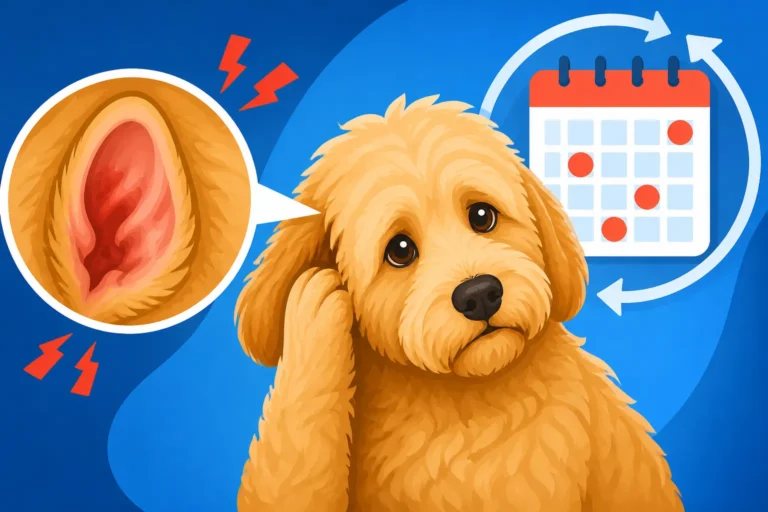
Depending on the procedure, your Toy Goldendoodle may need a follow-up appointment for suture removal or a check-up. Even after a seemingly minor procedure, it’s good practice to discuss any lingering concerns with your vet. For instance, if the anesthesia was related to a chronic issue like recurrent Goldendoodle Ear Infections That Return Every Month, your vet might provide long-term management strategies.
Also, consider discussing the long-term health implications and preventive care for your Goldendoodle. Things like appropriate Goldendoodle Weight and the Load on Its Joints can impact overall health and future anesthesia risks. Having a plan for ongoing wellness, including regular check-ups and preventative screenings, is the best way to ensure your Toy Goldendoodle lives a long, healthy life. Thinking ahead about potential health issues and how they might lead to vet visits, or even surgical interventions, is also where exploring options like Healthy Paws can be beneficial. It helps cushion the financial impact of unforeseen medical needs throughout your Goldendoodle's life, from puppyhood after their initial Goldendoodle Vaccination and Puppy Health Checks to their senior years when they may require more frequent Senior Goldendoodle Vet Visits After Nine.
The experience of anesthesia, while anxiety-inducing for owners, is a routine and safe part of modern veterinary care, especially when handled with the meticulous attention to detail required for small breeds like your Toy Goldendoodle. By being informed and working closely with your vet, you can ensure the best possible outcome for your furry family member.
Disclaimer
The information provided in this article is for general informational purposes only and is not a substitute for professional veterinary advice. Always consult with a qualified veterinarian for any health concerns or before making any decisions related to your pet's medical care.