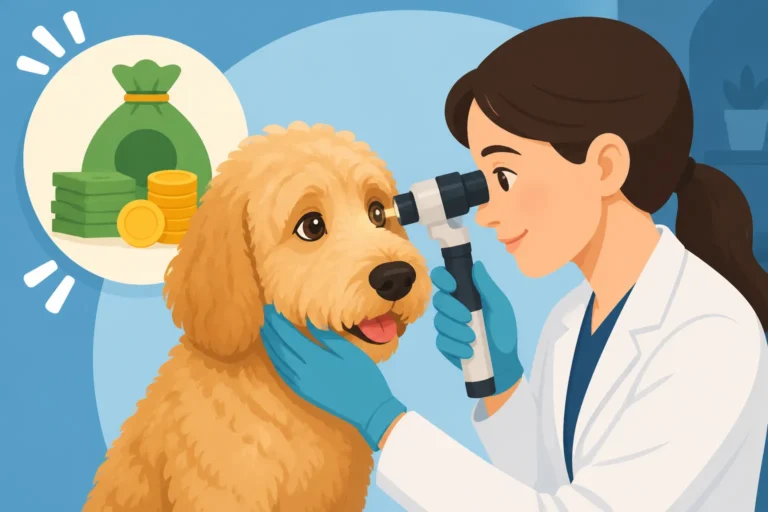
Insuring a Goldendoodle Past the Age of Eight
As Goldendoodle parents, we adore our furry companions, but there comes a point where the youthful exuberance starts to wane, and with it, the specter of aging-related health issues. Trying to navigate pet insurance when your beloved Goldendoodle is already past the age of eight can feel like trying to solve a complex puzzle with missing pieces, especially when you're faced with skyrocketing premiums or outright denials. This guide will meticulously break down the unique challenges and options for insuring your senior Goldendoodle, offering practical advice to help you secure the best possible care for their golden years.
The Shifting Landscape of Goldendoodle Insurance After Eight
When your Goldendoodle hits the eight-year mark, they're officially entering their senior years, and unfortunately, pet insurance companies view this milestone through a different lens. What might have been an easy-to-insure pup becomes a higher-risk client, and this change in perception significantly impacts your coverage options and costs. It's not personal; it's just how the actuarial tables are set up, but it certainly feels personal when you're looking at those renewal statements or new quotes.
Why Age Makes a Difference to Insurers
From an insurance perspective, age isn't just a number; it's a primary indicator of increased risk. Just like with human health insurance, as dogs get older, they are statistically more prone to developing a myriad of health problems. Think about it: a spry two-year-old Goldendoodle might just need routine vaccinations and perhaps a bandage for a scraped paw, but an eight-year-old is looking at potential arthritis, dental issues, or even more serious conditions like cancer or organ decline. Insurers calculate premiums based on the likelihood of claims, and with senior dogs, that likelihood rises dramatically. They know that vet visits will likely become more frequent and involve more complex, and therefore more expensive, diagnostic tests and treatments. This isn't unique to Goldendoodles, but given their size variations and genetic predispositions, their risk profile can be quite specific.
Pre-Existing Conditions and the Age Barrier
One of the biggest hurdles when trying to insure an older Goldendoodle, or any senior pet for that matter, is the concept of pre-existing conditions. If your Goldendoodle has already been diagnosed with a chronic illness or has a history of certain recurring issues before you enroll them in a new policy, that condition will almost certainly be excluded from coverage. This means if your eight-year-old Goldendoodle has been receiving treatment for allergies, or has a documented history of Goldendoodle Hip Dysplasia at 15 to 20 Percent, any future costs related to these issues won't be covered by a new plan. Even if you're just switching providers, a gap in coverage or a new application might lead to previous minor ailments being re-classified as pre-existing, even if they were covered under your old policy. It’s a frustrating reality for many pet parents who suddenly realize their furry friend’s health history works against them.
The Reality of Renewing or Starting a Policy Late
If you've had continuous pet insurance coverage since your Goldendoodle was a puppy, renewing your existing policy is generally the best-case scenario. While your premiums will undoubtedly increase with age, your existing insurer typically continues to cover conditions that arose after your initial enrollment, even if they've become chronic. They consider these "covered conditions" that developed during your policy's active term. However, if you're trying to purchase a new policy for a Goldendoodle over eight, you'll face significant challenges. Many providers, like some of the larger ones you might find via Chewy's pet insurance marketplace, might have age caps for new enrollments, or the premiums will be prohibitively expensive. Those that do offer coverage for older dogs often have stricter waiting periods, higher deductibles, and more exclusions for conditions commonly seen in senior pets. It’s a harsh reality that often leaves owners scrambling for options, wishing they had enrolled their furry family member years earlier when they were still bounding around with boundless puppy energy.
Common Health Concerns in Goldendoodles Over Eight and Insurance Implications
As Goldendoodles gracefully enter their senior years, typically starting around age eight for standard sizes and slightly later for minis and toys, their bodies begin to experience wear and tear. Just like us, they become more susceptible to certain health conditions that can be both expensive and emotionally taxing to manage. Understanding these common ailments is crucial when evaluating pet insurance, as coverage for these issues can make a world of difference.
Arthritis and Joint Issues
Arthritis, especially osteoarthritis, is incredibly common in older Goldendoodles, particularly the larger standard sizes. Years of running, jumping, and just general activity take a toll on their joints, leading to inflammation, pain, and reduced mobility. You might notice your once-agile Goldendoodle is now slower to get up, struggles with stairs, or shows stiffness after a nap. This condition often stems from underlying issues like hip or elbow dysplasia that might have been subclinical for years, or simply from aging. When it comes to insurance, if your dog was diagnosed with arthritis before your policy started, it will be considered pre-existing and likely excluded. However, if they developed it after enrollment, most comprehensive plans will cover the costs associated with diagnosis, medications, joint supplements, and even physical therapy. It's vital to have a clear understanding of what "treatment" for chronic conditions entails under your policy, as some may have annual limits or require specific diagnostics to be covered. You might find resources on Goldendoodle Arthritis After the Age of Eight or Senior Goldendoodle Mobility and Arthritis helpful for managing symptoms, but insurance plays a key role in covering the financial burden.
Cancer Risk as a Goldendoodle Ages
Sadly, cancer is a leading cause of death in older dogs, and Goldendoodles, inheriting genetics from both Golden Retrievers and Poodles, can be prone to certain types. Golden Retrievers, for instance, have a higher predisposition to various cancers, including lymphoma, hemangiosarcoma, and mast cell tumors. As your Goldendoodle crosses the eight-year threshold, the risk of developing such conditions increases significantly. The costs associated with cancer treatment—ranging from diagnostics like biopsies and imaging, to chemotherapy, radiation, and surgery—can easily run into the tens of thousands of dollars. For an older Goldendoodle, an insurance policy taken out years ago would cover these new diagnoses. If you're trying to get a new policy for an older dog, any lumps, bumps, or suspicious symptoms noted in their vet records prior to enrollment could be flagged as pre-existing conditions, even if they haven't been fully diagnosed as cancerous yet. This is where companies like Healthy Paws, known for comprehensive coverage, might still exclude certain conditions based on the waiting period and veterinary history, even for a new, seemingly healthy older dog. It's a somber but necessary consideration for any Goldendoodle owner. Checking for information on Cancer Risk a Goldendoodle Carries From the Golden Side can provide more context.
Organ Function Decline and Chronic Illnesses
Beyond joint issues and cancer, senior Goldendoodles are also at a higher risk for a range of chronic illnesses related to organ function decline. These can include kidney disease, liver disease, heart conditions (such as degenerative valve disease), and endocrine disorders like Thyroid Disease and a Goldendoodle Losing Coat or diabetes. These conditions often require ongoing medication, specialized diets, regular monitoring through blood tests, and potentially advanced treatments. For example, a senior Goldendoodle might start needing a prescription diet for early-stage kidney disease or daily medication for a heart murmur that has progressed.
The financial implications of these chronic conditions are substantial. Regular vet check-ups, specialized diagnostics, and lifelong medications can quickly add up. If these conditions are diagnosed after your insurance policy's waiting periods and enrollment, a comprehensive plan will be invaluable. However, if your Goldendoodle already has a documented history of, say, elevated kidney values or a diagnosed heart murmur before you apply for insurance, it will almost certainly be considered a pre-existing condition and excluded. This is why securing insurance early in a dog's life is always recommended, but if you're past that point, understanding these potential issues is key to making informed decisions about whatever limited coverage might be available to you.
Navigating Insurance Options for Your Senior Goldendoodle
Insuring a Goldendoodle over the age of eight presents a distinct set of challenges, but it's not an impossible task. The key is to be realistic about what coverage you can expect, understand the nuances of different policy types, and explore all available avenues to ensure your senior companion receives the best possible care. It truly requires a careful balance between expected costs, potential risks, and your own budget.
Comparing Accident-Only vs. Comprehensive Plans
When looking at pet insurance for a senior Goldendoodle, you'll primarily encounter two main types of policies: accident-only and comprehensive (also known as accident & illness).
-
Accident-Only Plans: These are typically less expensive and, as the name suggests, only cover costs related to unforeseen accidents. Think broken bones, lacerations from stepping on glass, or injuries sustained from a car accident. For an older Goldendoodle, this type of plan might seem appealing due to the lower premiums, and it does offer peace of mind for sudden, unexpected trauma. However, it explicitly excludes coverage for illnesses, chronic conditions, and any age-related diseases that are more common in senior dogs. If your primary concern is the escalating risk of illnesses like cancer or organ failure, an accident-only plan won't provide any financial relief for those situations. It's a bare-bones approach that might suit a tight budget, but it leaves many significant senior health costs uncovered.
-
Comprehensive (Accident & Illness) Plans: These plans offer much broader coverage, encompassing both accidents and illnesses, including many of the chronic conditions we've discussed, provided they aren't pre-existing. This would typically cover diagnostics, treatments, surgeries, and medications for new illnesses. For a senior Goldendoodle, if you can secure one of these policies, it's generally the preferred option, as it addresses the higher likelihood of age-related diseases. However, the catch for older dogs is that the premiums will be significantly higher than for a younger dog, and stricter limitations or exclusions for conditions that are nearly universal in senior pets might apply. You'll also face the challenge of pre-existing condition clauses, which means anything documented in their vet history before enrollment won't be covered. Some companies might even have specific caps on the age they'll enroll a dog for a comprehensive plan. For instance, if your Goldendoodle is ten, finding a robust comprehensive plan that will cover new illnesses might be very difficult, making a strong case for consistent coverage throughout their life.
Understanding Waiting Periods and Deductibles
Beyond the type of plan, two critical aspects to understand for senior Goldendoodle insurance are waiting periods and deductibles. These aren't just fine print; they directly impact when your coverage begins and how much you pay out of pocket.
-
Waiting Periods: Almost all pet insurance policies, especially new ones, have waiting periods. These are specific lengths of time that must pass after you purchase the policy before certain conditions become eligible for coverage. Common waiting periods include 14 days for illnesses and sometimes shorter periods (e.g., 2-3 days) for accidents. For orthopedic conditions like hip or elbow dysplasia, these waiting periods can be much longer, often 6 months or even a year, to prevent owners from signing up only when they suspect an issue. For an older Goldendoodle, these waiting periods are crucial. If your dog gets sick during a waiting period, that illness will be considered pre-existing and won't be covered, even if it wasn't documented before enrollment. This means careful timing and reading the policy terms are absolutely essential when insuring an older pet.
-
Deductibles: This is the amount of money you are responsible for paying out of pocket before your insurance coverage kicks in. Most policies offer different deductible options (e.g., $250, $500, $1,000). A higher deductible usually results in a lower monthly premium, and vice-versa. For a senior Goldendoodle, where vet visits and potential claims might be more frequent and expensive, choosing a deductible requires careful consideration. A lower deductible means the insurance starts paying sooner, which could save you money over the long run if you anticipate many claims. However, it also means higher monthly payments. Conversely, a high deductible might keep monthly costs down, but you'll have to pay a larger chunk of each new claim yourself. When factoring in the total yearly cost, consider how many times you realistically expect to meet that deductible, especially for conditions like recurring ear infections or managing Goldendoodle Joint Health by Size Category with ongoing medication.
Exploring Alternatives and Supplements to Full Coverage
Sometimes, traditional full-coverage insurance just isn't feasible for a senior Goldendoodle, whether due to cost, pre-existing conditions, or age restrictions. But that doesn't mean you're without options. It just means you need to get a little creative with your financial planning for their care.
One popular alternative is to create a dedicated emergency savings fund. Instead of paying monthly premiums to an insurer, you can set aside that same amount (or more) into a high-yield savings account specifically for your dog's veterinary needs. This fund can cover anything, including pre-existing conditions, without worrying about deductibles, waiting periods, or exclusions. The downside is that if a major, expensive health crisis strikes early, you might not have accumulated enough funds yet.
Another option is to look into wellness plans offered by some veterinary clinics or third-party providers. While not insurance, these plans often cover routine care like annual exams, vaccinations, and sometimes even dental cleanings. Some may also include discounts on diagnostics or medications. While they don't cover unexpected illnesses or accidents, they can help manage the predictable costs of senior care. Brands like Chewy sometimes partner with wellness programs, or your local vet might offer their own.
Finally, consider discount programs or loyalty programs offered by some pharmacies or pet stores for medications. For example, if your Goldendoodle needs lifelong medication for a condition like Addison's Disease, finding discounted sources can significantly reduce recurring costs. Some fresh food delivery services like Ollie also focus on nutrition that can support overall health, potentially reducing the frequency of some health issues, although this is more preventative than a direct alternative to emergency care. While these aren't insurance, they are practical ways to reduce the financial strain of caring for an aging Goldendoodle, allowing you to prioritize their comfort and well-being.
Strategies for Keeping Your Older Goldendoodle Covered
Even if you're facing challenges with new insurance policies for your senior Goldendoodle, there are still proactive steps you can take to ensure they receive the best possible medical care without completely draining your savings. These strategies focus on maintaining existing coverage, maximizing benefits, and preparing for future financial needs.
The Value of Continuous Coverage
If you already have a pet insurance policy for your Goldendoodle that you started when they were younger, holding onto it is paramount. The biggest advantage of continuous coverage is that conditions that developed after your initial enrollment date and waiting periods are typically covered, even if they have become chronic or age-related. This is a critical distinction from trying to get new coverage, where those same conditions would be deemed pre-existing and excluded. For example, if your Goldendoodle developed Progressive Retinal Atrophy and the Goldendoodle Eye Test at age five, your existing policy would likely continue to cover related vet visits and treatments as long as you maintain your policy.
Avoid lapsing your coverage at all costs. Even a short gap can lead to your existing health issues being re-classified as pre-existing when you try to restart or switch policies. While premiums will increase each year as your Goldendoodle ages, the value of having major health conditions covered far outweighs the potential savings of dropping coverage and hoping for the best. Review your policy annually to understand any changes, but generally, sticking with your long-term provider like Healthy Paws, who offers lifetime per-condition benefits, is the most secure path for senior Goldendoodles.
Maximizing Your Policy's Benefits and Claims
Having a policy is one thing; effectively using it is another. To get the most out of your Goldendoodle's senior pet insurance, meticulous record-keeping and understanding your policy's specifics are crucial. Always keep detailed records of all vet visits, diagnoses, treatments, and costs. This will be invaluable when submitting claims, as insurance companies often require comprehensive documentation.
Beyond record-keeping, it's essential to understand your policy's annual limits, reimbursement percentages, and specific exclusions. Some policies might have a per-condition limit, while others have an annual maximum. Knowing these details helps you anticipate your out-of-pocket expenses. For instance, if your Goldendoodle is diagnosed with cancer, understanding the exact coverage for chemotherapy versus surgery will help you make treatment decisions. Don't hesitate to call your insurance provider and clarify any confusing terms or discuss pre-authorization for expensive procedures. Being an active advocate for your Goldendoodle and staying informed about your policy can significantly impact your financial outcomes during their senior years. You might find information on Goldendoodle Insurance Premiums by Size useful for future planning as well.
Financial Planning Beyond Insurance
While pet insurance is a powerful tool, relying solely on it, especially for an older Goldendoodle, might not be enough. Comprehensive financial planning for your senior dog's care involves looking at the bigger picture. Creating an dedicated emergency fund, as mentioned earlier, is a fantastic supplement to any insurance policy. This fund can cover deductibles, co-pays, treatments for pre-existing conditions, or even services that insurance doesn't cover, such as specialized grooming for an arthritic dog or behavioral therapy for age-related cognitive decline.
Budgeting for routine senior care is also important. This includes more frequent vet check-ups (like The Senior Panel a Goldendoodle Should Have at Nine), prescription diets (such as those offered through Chewy's pharmacy or Ollie's fresh food plans), and joint supplements. These regular costs, while not always covered by insurance, are vital for maintaining your senior Goldendoodle's quality of life. Consider discussing payment plans with your veterinarian for large expenses, or exploring veterinary credit cards that offer deferred interest options. Ultimately, a combination of continuous insurance coverage, a robust emergency fund, and smart budgeting will provide the most secure safety net for your beloved Goldendoodle as they enjoy their golden years, ensuring you can prioritize their health and happiness without overwhelming financial stress.
Disclaimer
Please note that this article provides general information and recommendations. Pet insurance policies, coverage, and terms can vary significantly by provider, location, and the specific plan chosen. It is always recommended to thoroughly review policy documents, speak directly with insurance representatives, and consult with your veterinarian to determine the best healthcare and financial plan for your individual Goldendoodle.