Crate Training a Velcro Goldendoodle
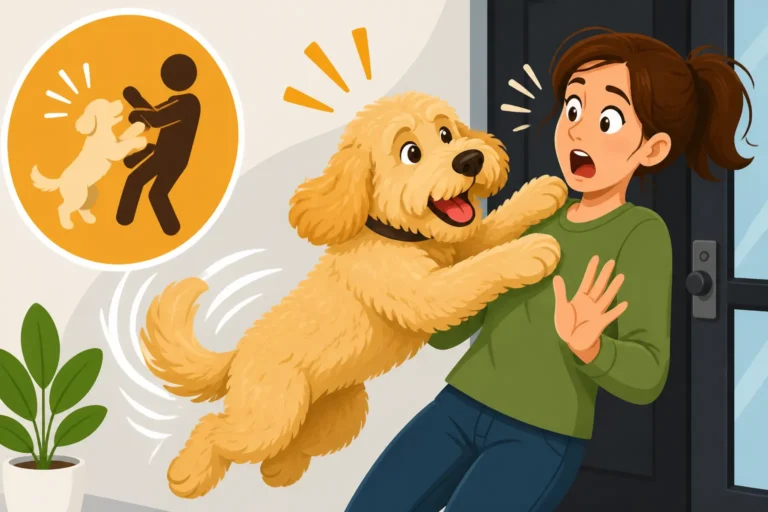
Ah, the Goldendoodle. Wonderful, loving, often a complete shadow, right? Many of us Goldendoodle parents find ourselves completely adored, which is lovely, until we need to, say, use the bathroom alone or, heaven forbid, leave the house. That intense bond, combined with a crate, can feel like a recipe for guilt and chaos. This guide is all about helping you gently and effectively crate train your "Velcro" Goldendoodle, transforming the crate from a scary separation space into their favorite cozy den, without breaking that precious bond you share.
Understanding the "Velcro" Goldendoodle's Need for Proximity
It's not just in your head; many Goldendoodles are truly "Velcro dogs" by nature. They thrive on companionship, and while that's one of their most endearing qualities, it can make things like alone time, and especially crate training, a real challenge. Understanding why they're so attached can help you approach training with more empathy and patience.
The Genetic Blend: Poodle Intelligence and Retriever Affection
Your Goldendoodle is a beautiful mix of two highly intelligent and people-oriented breeds: the Golden Retriever and the Poodle. Golden Retrievers are famous for their biddability and unwavering devotion, often wanting to be right by their human's side at all times. They were bred to work closely with people, and that desire to please and be involved translates into a strong attachment. Poodles, too, are highly intelligent and often form deep bonds with their families, sometimes to the point of being a bit "one-person" dogs, though they usually love everyone. This combination means your Goldendoodle comes pre-programmed with a strong desire for connection.
This isn't a flaw; it's a feature! They want to know what you're doing, where you're going, and if they can help. This inherited trait means they might be more prone to developing strong attachments than some other breeds. It's why they often pick up cues so quickly, but it also means they notice your absence keenly. The key is to leverage their intelligence and desire to please into understanding that the crate is a positive, temporary space, not a permanent banishment.
The Roots of Clinginess: How Puppyhood Shapes Attachment
Beyond genetics, early experiences play a massive role. A Goldendoodle puppy who has been constantly with their littermates and mother, then suddenly comes into a new home where they are the sole focus of affection, can naturally develop a very strong dependency. If they've never truly experienced being comfortably alone for short periods, the crate can feel like a profound and distressing isolation.
Think about it from their perspective: they're used to constant warmth, scent, and presence. Suddenly, they're in a new place, and then poof, you're gone. It's not malicious; it's simply a lack of conditioning for solitude. This is why addressing Goldendoodle Separation Anxiety From Both Parent Lines early on is crucial. It’s not just about getting them to tolerate the crate, but teaching them to be comfortable with their own company, even when you're just in the next room.
Why Crate Training Feels Like a Betrayal to Them
For a truly "Velcro" Goldendoodle, the crate isn't just a physical barrier; it can feel like an emotional one. They might interpret being put in a crate, especially if they haven't been properly introduced to it, as being punished or abandoned. Their deep desire for connection makes any separation, even a short one, feel disproportionately significant. This can manifest as intense vocalization, frantic attempts to escape, or even self-harm in extreme cases.
It's a common frustration for owners who just want their dog to be safe and secure while they're out. You bought the crate with the best intentions – for safety, for potty training, for a den – but your Goldendoodle sees it as the ultimate obstacle between them and you. Recognizing this emotional component allows us to approach crate training not as a battle of wills, but as a gentle process of building trust and positive associations.
Creating a Crate Haven, Not a Jail Cell
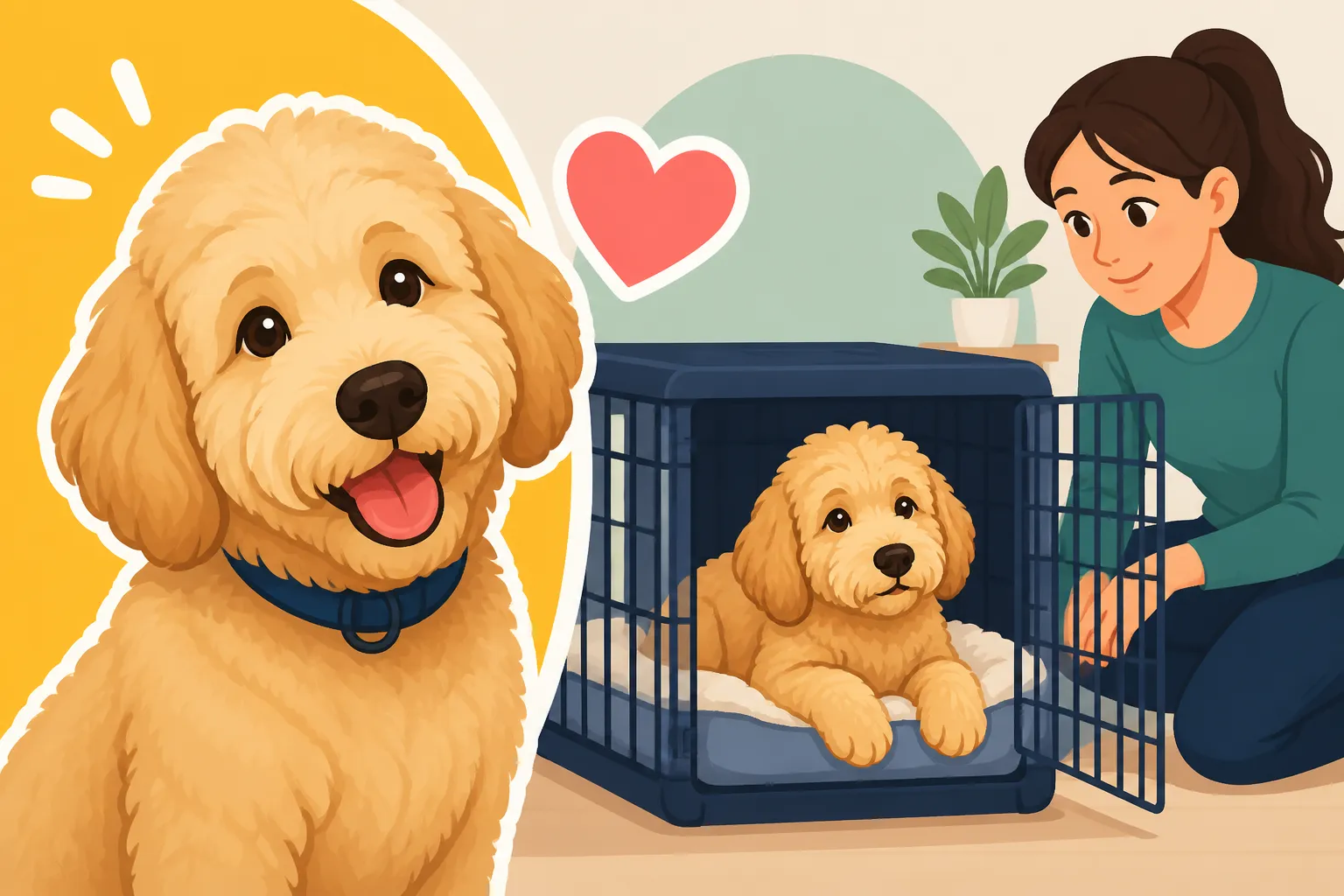
The crate should never feel like a punishment or a dreary confinement. For a Goldendoodle, especially one with a clingy personality, it needs to be an inviting, comfortable, and safe space that they choose to enter. We're aiming for a personal sanctuary, a quiet room where they can relax.
Choosing the Right Crate and Its Placement
First things first, the crate itself. Size matters! Your Goldendoodle should be able to stand up, turn around, and lie down comfortably. Too big, and they might use one end as a potty area. Too small, and it's simply uncomfortable. For standard Goldendoodles, you're often looking at larger sizes, while a mini or toy Goldendoodle will need something much smaller. Wire crates are popular because they offer good ventilation and visibility, but many Goldendoodles thrive with a solid-sided or plastic travel crate, which feels more den-like and secure. You can find a wide variety of options on Amazon, from basic wire crates to more stylish furniture-style crates that blend into your home.
Placement is equally important. For your "Velcro" Goldendoodle, initially, the crate should be in a central location where they can still see and hear you, like your living room or bedroom. Moving it to an isolated basement right away is a recipe for disaster. As they grow more comfortable, you can gradually move it to a quieter, permanent spot, but for the initial stages, proximity is key to easing their anxiety. The goal is for them to associate the crate with being near you in a relaxed way, even if they're inside and you're outside.
Making the Crate Irresistibly Comfortable and Safe
Once you have the right crate, it's time to make it appealing. Think cozy! Soft bedding is a must – a plush bed, a favorite blanket, or even an old t-shirt with your scent on it. However, if your Goldendoodle is a chewer, especially during their puppy chewing phase, opt for durable, chew-resistant bedding or a simple towel until you know they won't ingest it. A water bowl that attaches to the crate bars is also a good idea, ensuring they stay hydrated, especially if they'll be in there for more than an hour or two.
Safety first! Ensure there are no loose wires, sharp edges, or small parts that could be chewed off and swallowed. Some Goldendoodles can be quite ingenious escape artists or persistent chewers, so monitor their initial interactions with the crate contents. The crate should always be a positive place, never used for punishment. If they associate the crate with being reprimanded, it will be much harder to build that positive relationship.
Essential Tools for Crate Success: Toys, Treats, and Covers
Beyond bedding, specific tools can make a huge difference. High-value, long-lasting chew toys are your best friend here. Think KONGs filled with peanut butter, cream cheese, or wet food, frozen to make them last longer. These provide a positive distraction and associate the crate with delicious things. Puzzle toys that occupy a Goldendoodle for an hour can also be invaluable.
A crate cover can create a den-like atmosphere, reducing visual stimulation and helping some Goldendoodles settle down more easily. The darkness can signal "sleep time" or "quiet time." And don't forget the treats! Tiny, delicious, irresistible treats are essential for rewarding voluntary entry and calm behavior inside the crate. You want to make the crate feel like the best restaurant in town, where all the good stuff happens.
The Gentle Art of Introducing the Crate: A Step-by-Step Guide
Crate training a "Velcro" Goldendoodle isn't a race; it's a marathon of tiny, positive steps. Patience is your most important tool. Rushing the process will only create negative associations and make future training harder.
The "Party in the Crate" Method for Positive Association
The very first step is to make the crate the most wonderful place on earth, even without the door being closed. Start by scattering high-value treats inside the crate, letting your Goldendoodle discover them and go in and out freely. Don't close the door. Just let them explore, sniff, and enjoy the treats. You can also toss a favorite toy inside. Say "crate!" or "kennel!" cheerfully each time they go in.
Once they're happily entering to retrieve treats or toys, start feeding them meals inside the crate. Leave the door open initially. As they eat, praise them softly. Over several meals, you can start gently closing the door for a few seconds while they're eating, then opening it again before they finish. The goal is for them to be so focused on their food that they barely notice the door closing. This method turns the crate into a place where good things always happen.
Gradually Increasing Crate Duration with You Present
After successful "party in the crate" sessions and mealtime door closures, you can begin to increase the time the door stays closed, always with you nearby. Start with just a minute or two. Sit quietly next to the crate, maybe reading a book or watching TV. When your Goldendoodle is quiet and relaxed, open the door and let them out, offering calm praise. Avoid making a big fuss over their release, as this can inadvertently reward frantic behavior.
The key here is gradual escalation. If your Goldendoodle starts to fuss, you've likely gone too fast. Revert to a shorter, more successful duration. The goal is successful repetitions, not pushing limits. You might do several short sessions throughout the day. Remember that Goldendoodle training sessions and how long to run them should always be short, positive, and end on a good note.
Introducing Short Absences: The First Steps Towards Independence
This is often the hardest part for a "Velcro" Goldendoodle. Once they're comfortable in the crate with you nearby, you can start introducing very short absences. Begin by putting them in the crate with a stuffed KONG or chew toy, closing the door, and then just stepping out of sight for a few seconds – maybe into another room, or just around the corner. Come back before they start to whine or get anxious. If you can, come back when they are quiet.
Slowly increase the duration of these absences. A few seconds, then a minute, then five minutes. Don't make a big deal out of leaving or returning. No dramatic goodbyes or over-the-top greetings. Treat it as a normal, everyday occurrence. This teaches them that you always come back. This phase is crucial for Building Alone Time for a Goldendoodle in Minutes.
Here’s a sample schedule for gradually increasing crate time:
| Session | Duration Inside Crate (Door Closed) | Your Location | Activity | Notes |
|---|---|---|---|---|
| 1 | 1-5 minutes | Visible, nearby | Quiet activity | Release if calm, don't reward fuss |
| 2 | 5-10 minutes | Visible, nearby | Quiet activity | Repeat multiple times a day |
| 3 | 10-15 minutes | Out of sight (briefly) | Step into another room | Return before whining starts |
| 4 | 15-30 minutes | Out of sight (longer) | Short household tasks | Provide a stuffed KONG |
| 5 | 30-60 minutes | Out of sight (longer) | Leave the house for short errand | Ensure potty break before |
Navigating Crying, Whining, and True Separation Anxiety
This is where many Goldendoodle owners hit a wall. It's heartbreaking to hear your beloved dog cry, and it's natural to want to comfort them. However, it's vital to differentiate between normal puppy protest and genuine distress.
Distinguishing Protest from Panic: Reading Your Goldendoodle's Cues
A young Goldendoodle puppy might whine or cry for a few minutes when first crated. This is often just protest – they're bored, they want attention, or they need to go potty. This kind of crying usually subsides after a few minutes once they realize it doesn't get a reaction. However, true separation anxiety is different. The crying is often frantic, persistent, and accompanied by other signs of distress: excessive drooling, destructive chewing, frantic attempts to escape that can cause injury, pacing, or even self-harm. Knowing The Signs a Goldendoodle Cannot Cope Alone is critical for your dog's well-being.
If your Goldendoodle is simply protesting, consistently ignoring it (after ensuring all needs like potty and hunger are met) can be effective. But if it's true panic, ignoring it can worsen the anxiety. Observe their body language: are they just complaining, or are they truly stressed, panting excessively, or hyperventilating? This distinction guides your response.
When to Ignore and When to Intervene
It's a tough call, and one that causes a lot of guilt. If you've been doing gradual training, and your Goldendoodle is just offering a few minutes of "woe is me" whines before settling, it's generally best to ignore it. Going to them when they cry reinforces the idea that crying gets your attention and release. Wait for a lull in the crying, even a second of quiet, before you open the crate. This rewards the quiet behavior.
However, if the crying escalates into frantic barking, howling, destructive behavior, or signs of extreme panic, you must intervene. This is not defiance; it's distress. In these cases, your Goldendoodle is genuinely suffering. You might need to step back in the training, reduce the duration, or even seek professional help from a veterinary behaviorist or certified professional dog trainer. A trainer from a program like BAXTER & Bella might offer specific strategies for highly anxious dogs.
Strategies for Soothing a Goldendoodle with Separation Anxiety
If your Goldendoodle genuinely suffers from separation anxiety, simply pushing through crate training can be detrimental. You'll need a multi-faceted approach. One strategy is desensitization and counter-conditioning, which involves very slowly exposing them to the cues of your departure (picking up keys, putting on shoes) without actually leaving, and pairing these cues with positive experiences.
Environmental enrichment, like a constantly available KONG or puzzle toy during alone time, can help. Consider calming aids: diffusers that release dog-appeasing pheromones, calming treats, or even, in severe cases, anti-anxiety medication prescribed by your vet. Providing plenty of physical and mental exercise before crating can also help them settle. A tired Goldendoodle is a calm Goldendoodle! Ensuring they have had adequate Goldendoodle Exercise and Mental Work Every Day is vital, as a bored or under-exercised dog will have more pent-up energy to express their anxiety.
Long-Term Crate Habits and Maintaining a Positive Relationship
Crate training isn't a "one and done" deal, especially with a Goldendoodle. It's an ongoing process of positive reinforcement and consistent routine that keeps the crate a valuable part of their life.
Integrating the Crate into Daily Routines
Once your Goldendoodle is comfortable, the crate should become a natural part of their daily life, not just for when you leave. Encourage them to take naps in it, offer their favorite chew toy only when they're in the crate, and occasionally feed them meals inside. This prevents them from associating the crate only with your departure, which can heighten anxiety.
Establish a routine: a potty break, a chew toy, into the crate, and then your departure. Consistency helps your Goldendoodle understand expectations. Many Goldendoodle owners use the crate for quiet time, even when they're home, to provide their dog with a safe space away from household bustle. This is especially useful for Goldendoodles that struggle to "turn off" their attention-seeking tendencies.
Keeping the Crate a Safe Retreat for Life
The crate should remain a positive, safe space for your Goldendoodle throughout their life. Never use it for punishment or as a "timeout" for bad behavior. If they make a mistake, redirect them, but don't banish them to their safe space. This undermines all your hard work in building positive associations.
Even when your Goldendoodle is completely trustworthy outside the crate, having it available as an optional den can be beneficial. It's a secure place they can retreat to when stressed (e.g., during thunderstorms or fireworks), when guests are over, or just when they need some peace and quiet. Some Goldendoodles genuinely love their crates and will seek them out voluntarily. It becomes their personal bedroom.
Addressing Regressions and Reinforcing Good Habits
Life happens, and sometimes a Goldendoodle might regress in their crate training. This could be due to a change in routine, a stressful event, or even a sudden health issue. If your Goldendoodle who was once happy in their crate suddenly starts to resist it, first rule out any medical reasons with your vet. Pain or discomfort can make a dog hesitant to enter or settle in their crate.
If it's behavioral, simply go back to basics. Revisit the "party in the crate" method, shorten the duration of crate time, and gradually build back up. Reinforce the positive associations with high-value treats and praise. Remember that consistency and patience are always key. Even if your Goldendoodle is older, you can always go back to reinforcing those good habits.
Disclaimer
This article is for general informational purposes only and does not constitute professional advice. Laws, prices and regulations vary by location and change over time. Consult a qualified professional for guidance on your specific situation.