Getting a Second Dog for a Goldendoodle That Panics
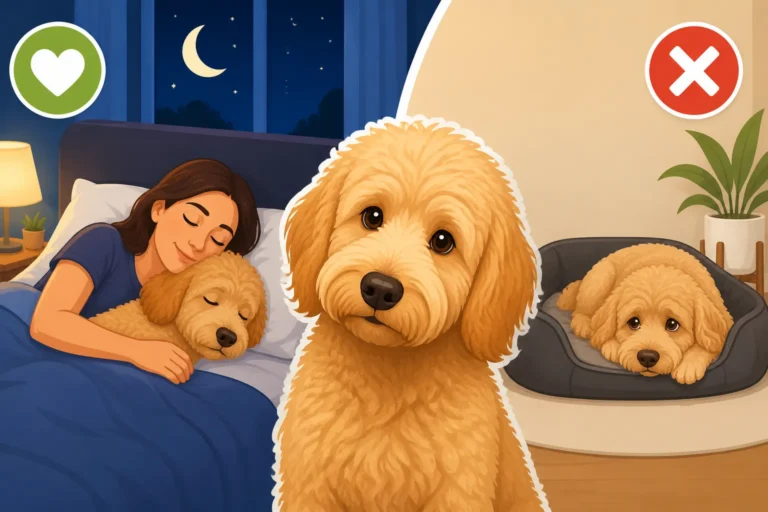
It’s heartbreaking to watch your Goldendoodle struggle with separation anxiety, pacing, whining, or even destructive behavior the moment you step out the door. You’ve probably considered every possible solution, and the idea of getting a second dog to keep your lonely pup company often floats to the top of the list. It feels intuitive, doesn’t it? A companion would surely ease their distress. However, while a second dog can sometimes be a wonderful addition to a household, it's not a guaranteed cure for separation anxiety, and in some cases, it can even complicate matters. This guide will walk you through the nuances of Goldendoodle separation anxiety, explore whether a second dog is truly the right path for your specific situation, and offer practical advice for a smoother transition if you decide to expand your furry family.
Understanding Your Goldendoodle's Separation Anxiety
Before diving into solutions, it’s crucial to truly understand what's behind your Goldendoodle's distress. Goldendoodles, combining the affectionate nature of Golden Retrievers and the intelligent, often sensitive temperament of Poodles, are prone to forming incredibly strong bonds with their human families. This "Velcro dog" tendency, as many owners lovingly call it, can unfortunately make them highly susceptible to separation anxiety. They genuinely adore being with you, and your absence can trigger real panic.
Common Signs of Separation Anxiety
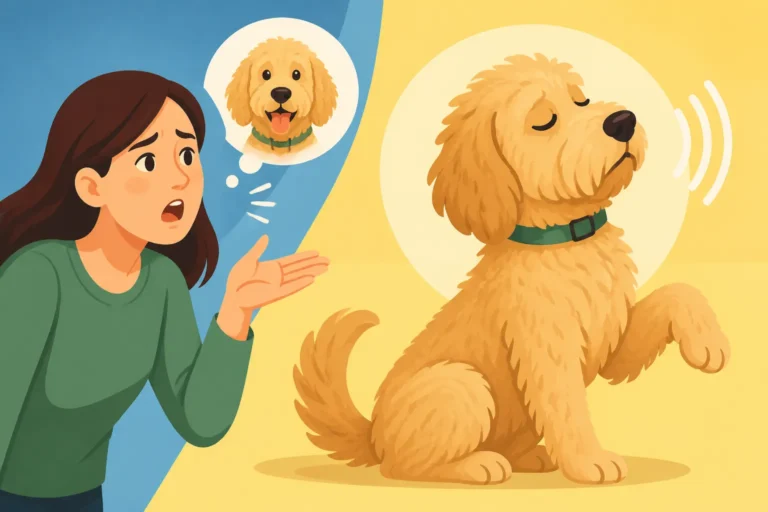
Your Goldendoodle isn't just "being naughty" when they act out while you're gone; they're genuinely suffering. The signs can vary, but they often paint a clear picture of distress. You might come home to chewed furniture, scratched doors, or even accidents on the floor from a dog who is otherwise perfectly house-trained. Excessive barking, howling, or whining are common complaints from neighbors. Some Goldendoodles will pant excessively, drool, or try to escape their confinement, sometimes injuring themselves in the process. Others might refuse to eat or drink until you return. These behaviors aren't about malice; they're desperate attempts to cope with overwhelming fear and loneliness. If you've ever wondered The Signs a Goldendoodle Cannot Cope Alone, it's often more than just a little sadness; it's genuine panic.
Why a Second Dog Seems Like a Quick Fix
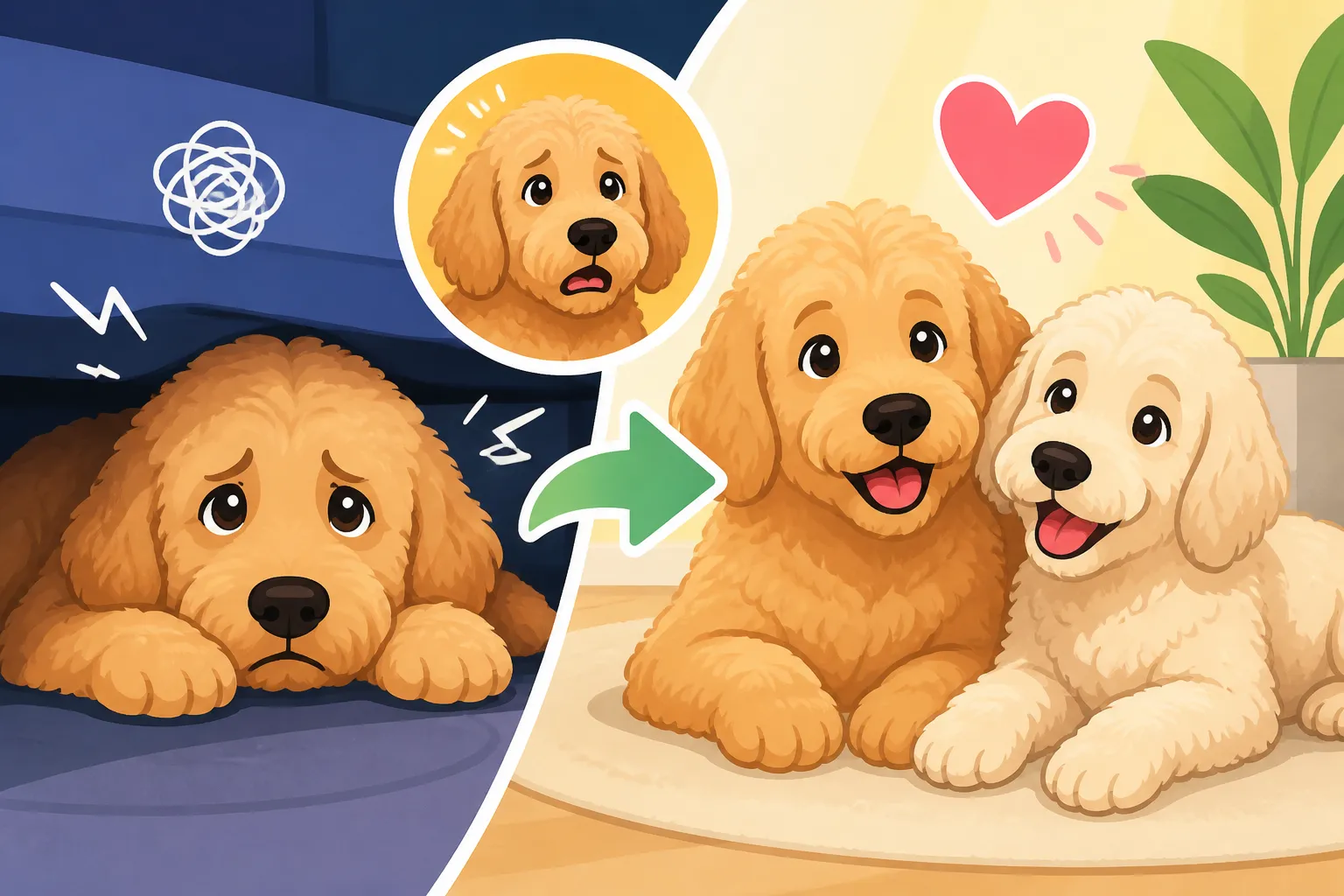
The logic behind getting a second dog to alleviate separation anxiety seems sound on the surface. If your Goldendoodle is lonely, another dog would provide companionship, right? It's a natural human instinct to try and fill an emotional void with another presence. Many owners hope that the new dog will become a comforting buddy, distracting their anxious Goldendoodle from their absence. They envision the two dogs curled up together, playing happily, or simply existing peacefully, making the time alone less frightening. This idea is particularly appealing for breeds known for their strong social drives, and Goldendoodles certainly fit that description, often thriving in multi-dog households.
Potential Risks and Realities of Getting a Second Dog
While the idea of a companion sounds lovely, the reality is more complex. A second dog is a significant commitment, and for a Goldendoodle with separation anxiety, it's not a guaranteed remedy and can even introduce new challenges.
The "Velcro Dog" Tendency Can Transfer
One of the biggest misconceptions is that a second dog will automatically shift your Goldendoodle's focus away from you. The truth is, your Goldendoodle's attachment is often directed specifically at their primary human caregivers. If their anxiety stems from being separated from you, another dog might not fill that particular void. In some cases, the anxious Goldendoodle might simply transfer their intense attachment to the new dog, creating a new "Velcro pair" where both dogs become anxious when separated from each other, or if the new dog is taken away from the anxious one. This doesn't solve the core issue of the Goldendoodle's inability to cope with alone time. You might still find yourself with two distressed dogs rather than one.
Potential for Co-Anxiety or New Problems
Instead of alleviating anxiety, introducing a second dog can sometimes spread it. If your existing Goldendoodle is highly anxious, their distress can be contagious. A calm, confident new puppy might pick up on the existing dog's stress signals, leading them to develop anxiety as well. This is particularly true if the new dog is also a young, impressionable puppy. Furthermore, a second dog brings its own personality and needs. What if the new dog doesn't get along with your Goldendoodle as well as you hoped? What if the new dog is boisterous and overwhelms your sensitive Goldendoodle, or develops its own behavioral challenges that now need addressing? You could end up with double the training, double the vet bills, and double the anxiety. This is why understanding Goldendoodle Separation Anxiety From Both Parent Lines is key, as their genetic predispositions can make them particularly susceptible to these kinds of emotional challenges.
Logistical Challenges and Increased Demands
Even if a second dog does help a bit with your Goldendoodle's loneliness, you are still adding another living creature with its own needs, personality, and potential issues. This means more food, more vet bills, more grooming (especially if you get another Goldendoodle, doubling your need for thorough brushing sessions to avoid matting!), and more training time. If you're struggling to manage one Goldendoodle's anxiety, imagine managing two.
Consider the following:
- Training: Both dogs will need individual training, reinforcement, and socialization. Your Goldendoodle might benefit from a refresher course, and the new dog will need to learn house manners from scratch. Programs like BAXTER & Bella offer online resources that can be incredibly helpful for new puppy owners, guiding you through crucial early training steps.
- Exercise: Two Goldendoodles, especially if they are similar in energy levels, will demand substantial daily exercise and mental stimulation. Goldendoodle Exercise and Mental Work Every Day is non-negotiable for their well-being.
- Personal Attention: Even with two dogs, both will still crave individual attention from you. Can you commit to quality one-on-one time with each dog every day? This is vital for maintaining your bond and preventing jealousy or resource guarding issues.
- Future Separations: What happens when you need to travel or board your dogs? Finding boarding facilities that can accommodate two dogs, especially if one has anxiety, can be more challenging and expensive.
Table: Weighing the Decision – A Second Dog for Goldendoodle Anxiety
| Factor | Potential Benefit (If all goes well) | Potential Risk (If things go wrong) |
|---|---|---|
| Companionship | May alleviate loneliness and provide distraction. | Anxiety can transfer to new dog or become co-anxiety. |
| Activity Level | Dogs can play together, fulfilling exercise needs. | New dog's energy might not match, leading to friction or further stress. |
| Sense of Security | A calmer presence might provide comfort. | New dog might be fearful or increase overall household stress. |
| Human Focus | May reduce intense focus on owner, fostering independence. | Anxious Goldendoodle might still be solely focused on human's return. |
| Cost & Time | Minimal additional cost if you already have supplies. | Double the food, vet care, grooming, training, and unforeseen expenses. |
| Training Needs | New dog learns from existing dog's good habits. | Both dogs may develop bad habits or existing dog teaches new dog anxiety. |
| Alone Time | May help The Hours a Velcro Goldendoodle Can Manage Alone | May not change alone time tolerance at all, or worsen it for both. |
Introducing a New Dog to an Anxious Goldendoodle
If, after careful consideration, you decide that a second dog is the right step for your family, the introduction process is absolutely critical, especially with an anxious Goldendoodle. Rushing it can create more problems than it solves.
Choosing the Right Companion
This isn't just about picking any puppy. For a Goldendoodle with separation anxiety, you need to be incredibly thoughtful about the new dog's temperament. Look for a dog that is:
- Calm and Confident: Avoid high-strung, overly energetic, or fearful puppies. A calm, resilient dog is less likely to be negatively influenced by your Goldendoodle's anxiety and may even have a calming effect.
- Age-Appropriate: A confident adult dog (2+ years) might be a better fit than a very young puppy. An adult often has a more established personality and may be less prone to mirroring anxiety. However, some anxious dogs do better with a gentle, non-threatening puppy who looks to them for guidance, if the existing dog is not overwhelmed.
- Energy Level Match: While an anxious Goldendoodle needs a calm presence, they also need a playmate who isn't completely sedentary. A moderate energy match will allow for healthy play without overstimulating the anxious dog.
- No Prior Issues: Avoid bringing a second dog into the home who has its own history of anxiety or behavioral problems, as this would likely compound your challenges rather than alleviate them.
Gradual Introduction Techniques
The first meeting sets the stage. Don't just throw them together in the living room.
- Neutral Territory First: Arrange for the dogs to meet on neutral ground, like a park or a friend's yard, before bringing the new dog home. Both dogs should be on leashes with separate handlers, allowing them to sniff and observe each other without direct pressure. Keep it short and positive.
- Separate Spaces at Home: When you first bring the new dog home, they should have their own designated, safe space that your Goldendoodle cannot access. This could be a crate in another room, a separate bedroom, or a pen. This allows them to decompress and get used to each other's scent without constant interaction. Rotate which dog gets free roam of common areas while the other is in their space.
- Scent Swapping: Before they even see each other, swap blankets or toys between their spaces. This allows them to become familiar with each other's scent, which is a major form of communication for dogs.
- Parallel Walks: Take them for walks together, initially with distance between them, gradually decreasing it as they become more comfortable. This helps them bond while moving forward in a structured, calm activity.
- Supervised Interactions: Once they seem comfortable with scent and proximity, allow short, supervised interactions in a common area. Keep these brief and positive, ending before either dog shows signs of stress. Use high-value treats to create positive associations.
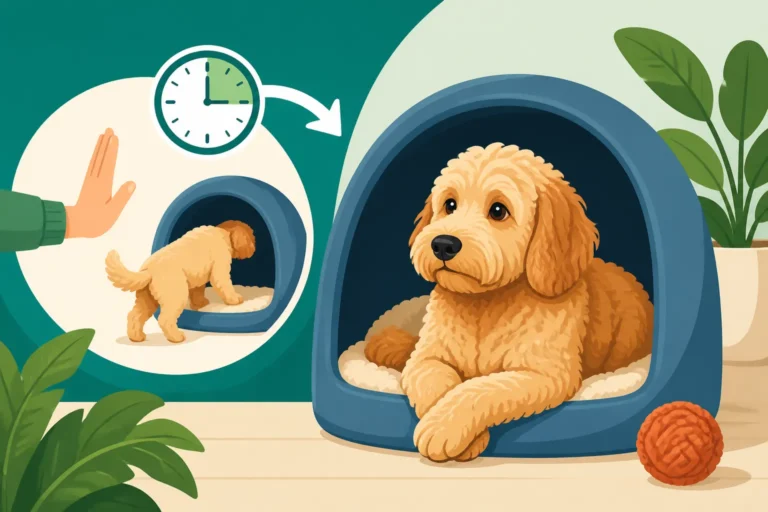
- Crate Training: Ensure both dogs are comfortable with crate training. This provides a safe haven for each dog and is invaluable for managing alone time, especially if you're trying to build Building Alone Time for a Goldendoodle in Minutes. You can find comfortable crates for all Goldendoodle sizes on Amazon.
Ensuring Individual Attention and Preventing Resource Guarding
Even with a new companion, your Goldendoodle still needs to feel secure in their bond with you. Continue with your regular routines, including walks, play, and cuddle time. Make sure you dedicate individual time to each dog every day. This prevents jealousy and reinforces that your affection isn't divided, but rather expanded.
Be vigilant about resource guarding – dogs can become protective of food, toys, sleeping spots, or even human attention. Feed them in separate areas, give them their own toys, and ensure high-value items are managed carefully. For guidance on introducing dogs and managing multiple dog households, consider online resources. An online puppy school like BAXTER & Bella can offer structured support and expert advice on these crucial early stages, not just for a puppy but for integrating a new dog into an existing family.
Beyond the Second Dog: Comprehensive Anxiety Management
While a second dog might be part of your plan, it's essential to remember that it's rarely a standalone solution for genuine separation anxiety. A multi-faceted approach is almost always necessary.
Behavioral Modification and Training
This is the cornerstone of treating separation anxiety. It involves slowly and systematically desensitizing your Goldendoodle to your departure cues and building their confidence in being alone.
- Desensitization: Start by practicing short departures that don't trigger anxiety. Pick up your keys, jingle them, then sit back down. Put on your coat, then take it off. Gradually increase the duration of your absence, starting with seconds, then minutes. The goal is for your Goldendoodle to realize that these cues don't always mean you're leaving for good, and that when you do leave, you always come back.
- Counter-Conditioning: Pair your departures with something positive, like a high-value treat puzzle or a Kong stuffed with frozen peanut butter. This helps your dog associate your leaving with something good, rather than terrifying. You can find excellent puzzle feeders and enrichment toys on Amazon.
- "Relax" Cues: Teach your Goldendoodle to settle on a mat or bed using a "place" command. This helps them learn to calm themselves and can be a fantastic tool during departures. Goldendoodle Place Training on a Bed or Mat can be a game-changer.
- Independence Training: Don't reinforce "Velcro" behavior. Encourage your Goldendoodle to spend time in another room, or to settle quietly while you move around the house. This builds a healthy sense of independence. If you have a dog that follows you A Goldendoodle That Follows You Room to Room, actively encouraging them to stay put for short periods can be very helpful.
Environmental Enrichment and Exercise
A tired dog is a happy dog, and a mentally stimulated dog is less likely to be anxious.
- Physical Exercise: Ensure your Goldendoodle gets ample physical exercise before you leave. A good, long walk or a vigorous play session can help burn off excess energy that might otherwise fuel their anxiety. Remember, The Hour or Two a Goldendoodle Needs Each Day is crucial, and it's even better if this can be split across multiple sessions.
- Mental Stimulation: Goldendoodles are intelligent and need to use their brains. Puzzle toys, scent games, and training sessions can tire them out mentally, which is often more effective than physical exercise alone for calming an anxious mind. Puzzle Toys That Occupy a Goldendoodle for an Hour are a great investment.
- Calming Aids: Consider calming pheromone diffusers, thundershirts, or calming supplements (always consult your vet first). These can provide a baseline level of comfort for some dogs.
Professional Help
Sometimes, anxiety is too severe for owners to manage alone. Don't hesitate to seek professional help.
- Certified Professional Dog Trainer (CPDT): Look for a trainer specializing in positive reinforcement and behavioral issues. They can guide you through tailored desensitization and counter-conditioning protocols. Finding a Trainer for a Goldendoodle who understands separation anxiety is vital.
- Veterinary Behaviorist: For severe cases, a veterinary behaviorist (a DVM with specialized training in animal behavior) can offer comprehensive behavior plans, and if appropriate, prescribe medication to help manage the anxiety. Medications don't "cure" anxiety but can lower your Goldendoodle's stress levels enough for behavioral modification to be more effective. If you're exploring Anxiety Medication for a Goldendoodle, this is the expert to consult.
- Doggy Daycare: For some Goldendoodles, especially those whose anxiety is primarily about loneliness, a reputable doggy daycare can be a temporary solution for workdays. This offers supervision, exercise, and companionship. However, it's not a cure, and some highly anxious dogs may not thrive in such a stimulating environment. It's worth considering Whether Doggy Daycare Fixes Goldendoodle Anxiety for your specific dog.
Ultimately, getting a second dog for an anxious Goldendoodle can be a wonderful decision, enriching the lives of both dogs and your family. However, it's not a magic bullet for separation anxiety. It requires careful planning, a thoughtful introduction, and continued dedication to addressing the root causes of your Goldendoodle's distress. By combining a suitable companion with comprehensive training, enrichment, and professional guidance, you can create a happy, harmonious home for all your furry family members.
Disclaimer
This article is for general informational purposes only and does not constitute professional advice. Laws, prices and regulations vary by location and change over time. Consult a qualified professional for guidance on your specific situation.