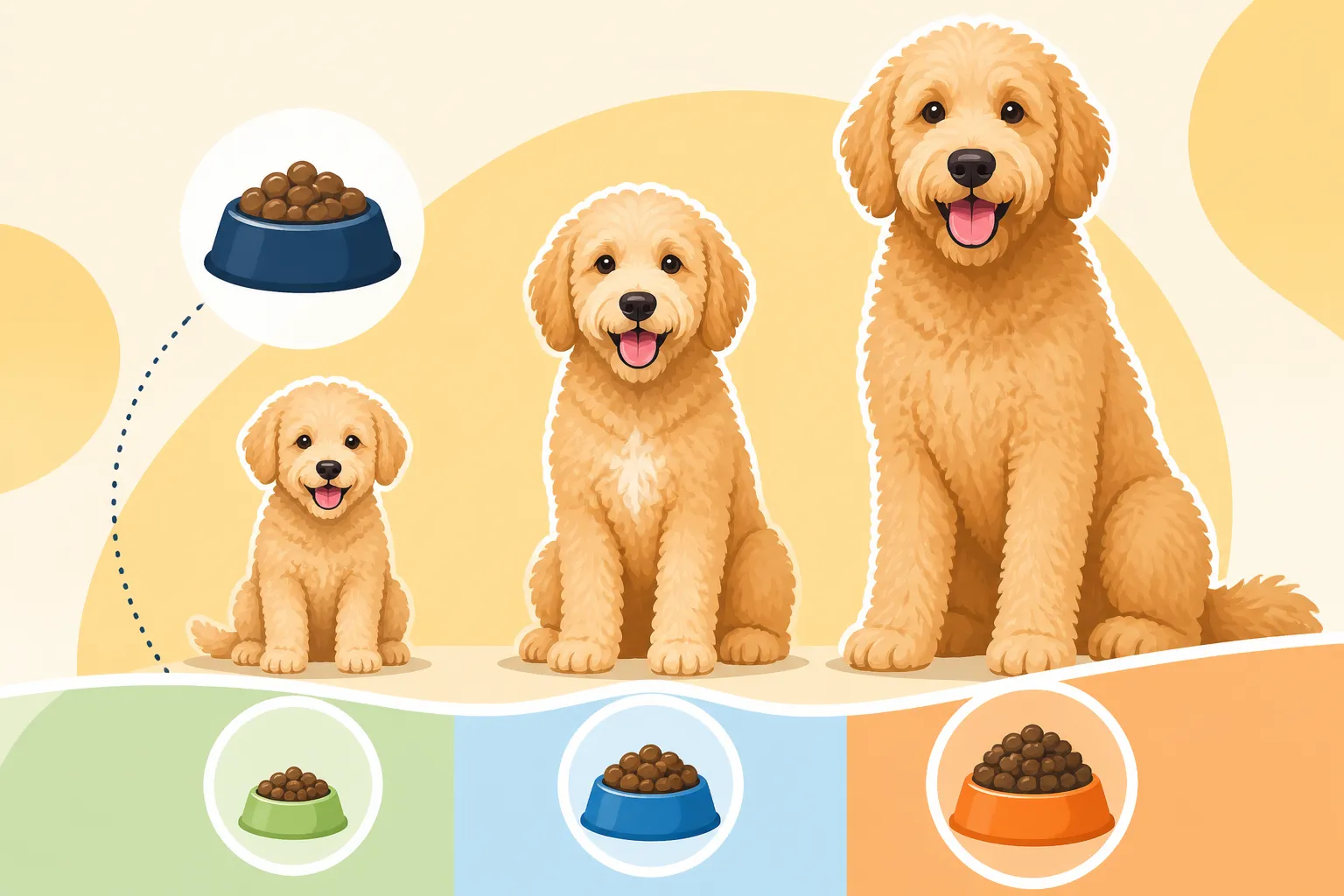
Feeding a Goldendoodle by Size Category
One of the biggest anxieties I hear from new Goldendoodle parents is often centered around food: "Am I feeding them enough? Too much? What kind of food? How do I even know what’s right for my particular fluffy friend?" It's a completely valid concern because, unlike a purebred dog with easily referenced breed standards, Goldendoodles come in such a wide range of sizes and energy levels, making a one-size-fits-all feeding guide feel impossible. This comprehensive guide will break down how to properly nourish your Goldendoodle, from tiny Toys to robust Standards, ensuring they thrive at every life stage.
Understanding Your Goldendoodle's Unique Nutritional Needs
Goldendoodles are a cross between Golden Retrievers and Poodles, and this blend gives them a fantastic, often energetic, personality. But it also means their nutritional requirements can vary quite a bit, not just by size, but also by their individual metabolism and activity level. You can't just pick a bag of dog food and assume it's perfect; you need to understand the science behind what keeps them healthy, happy, and full of life. It’s not just about filling a bowl, it’s about providing the right fuel for their specific engine.
The Role of Calories, Protein, and Fat
When we talk about dog food, it's easy to get lost in marketing jargon. But at its core, you're looking at calories, protein, and fat. Calories are the energy units, and they need to match your dog's daily expenditure. A Goldendoodle who spends all day zooming around the yard and going for long hikes will naturally need more calories than one who prefers short strolls and couch cuddles. Protein is crucial for muscle development and repair, something especially vital during the rapid growth phase of puppies and for maintaining condition in active adults. Healthy fats provide concentrated energy, support skin and coat health (hello, beautiful Goldendoodle curls!), and aid in nutrient absorption. Too little fat, and their coat can look dull; too much, and you're looking at potential weight gain and digestive upset. It’s a delicate balance.
Your Goldendoodle's life stage also dramatically influences these needs. A rapidly growing puppy needs a much higher calorie and protein density than a senior dog whose metabolism has slowed down and whose activity might be less intense. Ignoring these shifts can lead to either undernourishment, stunting growth and development, or overfeeding, leading to obesity and joint strain. It's a journey, not a static destination, and your Goldendoodle's food needs will evolve right along with them.
Why Size and Activity Level Matter So Much
Think about it: a 15-pound Toy Goldendoodle bounding around has a completely different energy output and metabolic rate than a 70-pound Standard Goldendoodle with a calm demeanor. Their body mass, surface area, and even how efficiently they convert food into energy are distinct. A smaller dog, generally speaking, has a higher metabolic rate per pound of body weight and often burns through calories more quickly, requiring more frequent, smaller meals or higher calorie density in their food. A larger dog needs appropriate calorie intake to support their significant muscle and bone structure, but also needs careful monitoring to avoid excessive growth that can strain developing joints.
Beyond just their physical size, their daily routine is a huge factor. A Goldendoodle that goes to doggy daycare five days a week and enjoys long runs with you on the weekends needs a much more calorie-dense diet than a Goldendoodle that lives a more sedentary apartment life. Ignoring this can mean a dog that's constantly hungry and under-fueled, or, more commonly, one that's slowly but surely packing on the pounds. It's about tailoring the approach to your Goldendoodle, not just the general breed type. You are the expert on your dog's daily life, and that insight is paramount in making feeding decisions.
Standard Goldendoodles: Fueling a Gentle Giant
The majestic Standard Goldendoodle, often weighing in at 50 to 90 pounds or more, truly embodies the "gentle giant" moniker. These dogs have significant physical structures to maintain, from their large bones to their powerful muscles. Getting their nutrition right is paramount, especially during their extended growth phase, to prevent common large-breed issues and ensure a long, healthy life.
Daily Calorie Requirements and Meal Frequency
For an adult Standard Goldendoodle, daily calorie needs can range dramatically based on activity. A very active dog might need anywhere from 1,800 to 2,500 calories per day, possibly even more if they are working dogs or intensely athletic. A less active, senior, or more sedate Standard might only require 1,200 to 1,800 calories. These are just estimates, of course, and the real guide is your dog's body condition. We’ll talk more about how to assess that later.
Meal frequency for adult Standard Goldendoodles is typically twice a day. This helps with digestion, prevents them from feeling overly hungry, and can even help mitigate the risk of bloat, a serious condition that larger, deep-chested breeds like Goldendoodles can be prone to. Bloat Risk in a Standard Goldendoodle is a terrifying concern for many large-dog owners, and thoughtful feeding practices are one piece of prevention. Dividing their daily ration into two meals, perhaps morning and evening, is a common and effective strategy. For puppies, expect to feed three or four times a day, gradually reducing as they mature.
Choosing the Right Kibble for Large Breeds
When you're looking for food for your Standard Goldendoodle, especially as a puppy, seeking out "large breed" formulas is a smart move. These foods aren't just bigger kibble pieces; they are specifically formulated with controlled calcium and phosphorus levels to support the slower, more steady growth rate necessary for large breed puppies. Rapid growth in large breeds can put undue stress on developing joints, potentially exacerbating conditions like hip and elbow dysplasia. Large Breed Puppy Food for a Standard Goldendoodle is formulated to prevent this by promoting a healthier, slower rate of bone development.
For adult Standards, a high-quality kibble with a good balance of protein, fat, and carbohydrates is key. Look for a named meat source as the first ingredient, and healthy whole grains or appropriate alternative carbohydrates. Some brands offer specific "large breed adult" formulas which can be beneficial, again, due to tailored mineral levels and joint support ingredients like glucosamine and chondroitin. Checking out options on platforms like Chewy or your local pet store can give you a good overview of what's available and what brands prioritize large breed health.
Managing Growth and Preventing Joint Issues
The growth period for a Standard Goldendoodle puppy can extend up to 18-24 months, much longer than smaller breeds. During this time, managing their weight and growth rate is crucial for long-term joint health. Overfeeding a puppy, even with a large-breed specific food, can lead to excessive weight gain and stress on their still-forming joints. It's a common mistake, born of good intentions, to want to see a puppy plump, but lean is truly mean when it comes to growing large breeds.
Regular body condition assessments are essential. You should be able to easily feel their ribs with slight pressure, and they should have a discernible waist when viewed from above. If you're struggling to feel those ribs, it's time to slightly reduce their food intake. Early vigilance can make a huge difference in preventing or minimizing the impact of conditions like hip and elbow dysplasia. Goldendoodle Hip Dysplasia and the OFA Numbers clearly shows how prevalent these issues can be, and proper nutrition during growth is a powerful preventative measure you can take.
Medium Goldendoodles: Balancing Energy and Growth
Medium Goldendoodles often fall into the 35-50 pound range, offering a wonderful middle ground between the larger Standards and the smaller Minis. They still have plenty of energy and enthusiasm, but their physical demands are different from their bigger relatives. Feeding them correctly means finding that sweet spot between providing enough fuel for their active lifestyle without overdoing it.
Calorie Guidelines for Active and Moderate Medium Doodles
An adult Medium Goldendoodle will typically require somewhere between 1,000 and 1,700 calories per day, depending heavily on their individual activity level. If your Medium Goldendoodle is a perpetual motion machine, always ready for a game of fetch or a brisk walk, they'll lean towards the higher end. If they're more of a leisurely companion, enjoying shorter outings and lots of snuggle time, their needs will be lower. It's tempting to generalize, but remember that even within this size category, personalities and energy outputs vary wildly.
Like their Standard counterparts, Medium Goldendoodles generally benefit from two meals a day. This helps keep their energy levels stable throughout the day and prevents large fluctuations in blood sugar, which can impact their mood and behavior. For growing puppies in this size range, three meals a day is appropriate, transitioning to two meals as they approach their first birthday. Consistency in feeding times can also help regulate their digestive system and make potty training easier.
Selecting Quality Food to Support Their Lifestyle
For Medium Goldendoodles, a high-quality adult dog food designed for "all breeds" or "medium breeds" is usually a good fit. Look for foods that offer a balanced nutritional profile, with moderate protein and fat content. Since they are often active, ensuring good quality protein for muscle maintenance and repair is still important. Ingredients that support joint health, such as glucosamine and chondroitin, can be a beneficial addition for any Goldendoodle, as joint issues can affect all sizes, not just the giants.
Consider foods that also include omega-3 fatty acids, often derived from fish oil. These contribute to skin and coat health, which is incredibly important for maintaining that beautiful Goldendoodle fluff and preventing common skin issues. A lustrous coat isn't just for looks; it's a sign of internal health. You can find excellent options from reputable brands through online retailers like Chewy, making it easy to compare ingredients and customer reviews to find the best fit for your dog's specific needs and your budget.
Avoiding the "Middle Ground" Weight Creep
One challenge with Medium Goldendoodles is that their "middle ground" size can sometimes make it harder to spot gradual weight gain. They might not look as obviously overweight as a smaller dog, nor do they carry the sheer mass of a Standard that makes extra pounds more apparent. This makes regular body condition checks even more critical. You need to be diligent about feeling for ribs and observing their waistline.
It's easy to accidentally overfeed a medium-sized dog with good intentions. A few extra treats here, a slightly larger scoop there, and suddenly those extra calories add up. If your Goldendoodle starts showing signs of being a bit chunky – you can't easily feel their ribs, their waist disappears, or they seem less enthusiastic about exercise – it’s a clear sign that adjustments are needed. Being proactive about their weight is one of the kindest things you can do for their long-term health, helping to prevent strain on their joints and other health complications. Goldendoodle Weight and the Load on Its Joints explores this topic in more detail, highlighting the importance of keeping them lean.
Mini Goldendoodles: Precision Feeding for Smaller Frames
Mini Goldendoodles typically weigh between 15 and 35 pounds, bringing all the charm of their larger relatives into a more compact package. While their smaller size might suggest simpler feeding, it actually calls for more precision. Their faster metabolisms and smaller stomachs mean different considerations for calorie density, meal timing, and even dental health.
Specific Calorie Needs for Mini Goldendoodles
A mature Mini Goldendoodle might need anywhere from 500 to 1,200 calories per day, again, depending heavily on their activity level. A 20-pound Mini who is a whirlwind of energy and plays constantly will certainly need more fuel than a 30-pound Mini who prefers a more relaxed pace. Their metabolism tends to be faster than larger dogs, meaning they burn through calories more quickly and can become hypoglycemic (low blood sugar) if meals are skipped or too far apart, especially as puppies.
For adult Mini Goldendoodles, two meals a day is standard, but some highly active or very small Minis might benefit from three smaller meals to keep their energy consistent. For puppies, definitely aim for three to four meals a day to support their rapid growth and prevent blood sugar dips. Daily Calories for a Mini Goldendoodle can give you a better grasp of the typical range, but remember, every dog is an individual.
Kibble Size and Dental Health Considerations
With smaller mouths and teeth, the size of the kibble becomes a real consideration for Mini Goldendoodles. While some larger kibble can help slow down fast eaters and encourage chewing, if it's too big, it can be difficult for them to manage. Conversely, very small kibble can be swallowed too quickly without adequate chewing, potentially leading to digestive issues or less benefit for dental hygiene.
Dental crowding can also be a more pronounced issue in smaller dogs. When their adult teeth come in, they might not have enough space, leading to misalignment or retained puppy teeth. This creates pockets where food particles can get trapped, increasing the risk of tartar buildup and gum disease. Choosing a kibble that encourages chewing, along with a consistent dental care routine, is vital. You might want to explore specific dental-focused kibbles or incorporate dental chews into their routine. Retained Puppy Teeth in a Mini Goldendoodle can be a significant problem, and good dental care starts with what they eat.
Avoiding Hypoglycemia in Small, Energetic Doodles
Because of their smaller body mass and often higher metabolism, Mini Goldendoodles, particularly as puppies, can be more susceptible to hypoglycemia if they don't eat regularly. This can manifest as lethargy, weakness, disorientation, or even seizures in severe cases. It's a scary thought for any dog owner!
To prevent this, ensure consistent meal times and avoid prolonged periods without food. If your Mini Goldendoodle is particularly active or prone to skipping meals, discuss options with your vet. Sometimes, a small, healthy snack between meals can help maintain their blood sugar. Always make sure they have access to fresh water, too, as dehydration can exacerbate many health issues. Monitoring their energy levels and behavior after meals is a good way to gauge if their feeding schedule is working for them.
Toy Goldendoodles: Tiny Tummies and High Metabolism
The smallest of the Goldendoodle family, Toy Goldendoodles typically weigh under 15 pounds. These adorable companions have incredibly fast metabolisms packed into their little bodies, which means their feeding strategy needs to be quite distinct. What works for a Standard Goldendoodle definitely won't work for a Toy!
Feeding a Toy Goldendoodle Small, Frequent Meals
Due to their high metabolism and tiny tummies, Toy Goldendoodles often do best with smaller, more frequent meals throughout the day. Instead of two larger meals, consider three or even four small meals. This approach helps maintain stable blood sugar levels, provides a steady stream of energy, and prevents their small stomachs from being overloaded. Skipping meals or going too long between feedings can quickly lead to hypoglycemia, just like with Mini Goldendoodles, but potentially more acutely due to their even smaller size.
An adult Toy Goldendoodle might need between 300 and 700 calories per day, but this can vary immensely based on their individual energy output. Some Toy Goldendoodles are little pocket rockets, while others are content to be lap warmers. Paying close attention to their weight and energy levels is your best indicator. Using a consistent schedule, perhaps breakfast, lunch, dinner, and a small bedtime snack, can be very beneficial. Feeding a Toy Goldendoodle Small Meals provides more insights into this specific need.
Selecting Appropriately Sized and Nutrient-Dense Foods
For Toy Goldendoodles, "small breed" specific formulas are often the best choice. These foods are designed with smaller kibble sizes that are easier for their little mouths to chew and swallow. Crucially, small breed formulas are also often more calorie-dense, meaning your Toy Goldendoodle gets more nutrition in a smaller volume of food, which is ideal for their high metabolism and limited stomach capacity.
When selecting food, focus on high-quality ingredients. Look for lean protein sources, easily digestible carbohydrates, and healthy fats. Given their predisposition to dental problems, choosing a food that promotes dental health, or supplementing with appropriate dental chews, is incredibly important. Platforms like Amazon offer a wide array of small-breed specific foods and dental products tailored for tiny mouths. Don't be shy about asking your vet for recommendations on brands that suit your Toy Goldendoodle's specific health needs.
Dental Care for Toy Goldendoodles
Dental health is a critical, and often overlooked, aspect of caring for Toy Goldendoodles. Their tiny jaws can be prone to severe dental crowding, which creates perfect hiding spots for plaque and tartar. Left unchecked, this can lead to painful gum disease, tooth decay, and even systemic health issues as bacteria spread from the mouth to other organs. Dental Crowding in a Toy Goldendoodle Mouth can be a serious concern for owners.
Daily toothbrushing is the gold standard for preventing dental disease. Start early, making it a positive experience with a tiny toothbrush and dog-specific toothpaste. Beyond brushing, incorporating vet-approved dental chews and even considering dental-specific kibbles can help. Regular professional dental cleanings under anesthesia, as recommended by your veterinarian, are often necessary to maintain optimal oral health throughout their lives. Don't wait until you notice bad breath or visible tartar; by then, the problem is often advanced.
Navigating Food Choices and Special Considerations
Deciding what to feed your Goldendoodle isn't just about size and calories; it's also about understanding the vast landscape of dog food options and knowing how to respond to individual sensitivities. From kibble to fresh food, and managing allergies, there's a lot to consider.
Kibble, Wet, Fresh, and Raw Diets
The world of dog food has expanded dramatically, offering more choices than ever before:
- Kibble: Still the most popular and convenient option, kibble offers a complete and balanced nutritional profile. Quality can vary greatly, so always read ingredient labels carefully. Good kibble provides convenience and is usually the most budget-friendly option.
- Wet Food: Often more palatable and hydrating, wet food can be a good option for picky eaters or dogs needing extra moisture. It's typically less calorie-dense than kibble, meaning you might need to feed more by volume. Some owners mix wet food with kibble for added appeal.
- Fresh Food (Cooked): Services like Ollie deliver pre-portioned, human-grade, cooked meals right to your door. This option is often highly palatable, uses whole ingredients, and can be easier to digest for some dogs. It tends to be more expensive than kibble.
- Raw Food: Proponents believe raw diets offer superior nutrition, mimicking what a dog would eat in the wild. However, raw feeding requires extensive knowledge to ensure it's balanced and safely prepared to avoid bacterial contamination risks for both dog and human. It's crucial to consult with a veterinary nutritionist if considering a raw diet.
There's no single "best" diet for every Goldendoodle. The ideal choice depends on your dog's individual needs, your budget, and your comfort level with preparation. Consistency is often more important than the specific type of food, as long as it's high quality and nutritionally complete.
Spotting and Managing Food Allergies
Goldendoodles can, unfortunately, be prone to allergies, and food allergies often manifest as skin issues rather than digestive upset. If your Goldendoodle is excessively itchy, chewing their paws, has recurring ear infections, or shows persistent skin redness, food allergies could be a culprit. Goldendoodle Food Allergies Showing on the Skin can be incredibly frustrating to deal with, and it often requires detective work.
Identifying a food allergy usually involves an elimination diet. This means feeding a novel protein (one your dog has never eaten before, like venison or duck) and a single carbohydrate source (like potato or peas) for 8-12 weeks, strictly avoiding all other foods, treats, and even flavored medications. If symptoms improve, ingredients are then slowly reintroduced one by one to pinpoint the allergen. This process requires dedication and patience, but it's often the most reliable way to identify the offending ingredient. Always work with your veterinarian through an elimination trial to ensure your dog remains nutritionally balanced.
What to Avoid: Common Toxins and Problematic Ingredients
Knowing what not to feed your Goldendoodle is just as important as knowing what to feed them. Certain human foods are toxic and can be life-threatening. Common culprits include chocolate, xylitol (an artificial sweetener found in many sugar-free products), grapes and raisins, onions, garlic, and avocado. Even seemingly innocuous items like macadamia nuts or excessive amounts of certain fruit pits can be dangerous. The Human Foods That Poison a Goldendoodle is an essential read for every owner.
Beyond direct toxins, some ingredients in dog food can be problematic for sensitive Goldendoodles. While grains are generally not the root cause of allergies (protein sources are more common), some dogs may have sensitivities to specific grains or artificial additives, colors, and preservatives. Always review ingredient lists, opting for foods with whole, recognizable ingredients. If your dog exhibits digestive upset or skin issues on a particular food, it might be worth exploring options with simpler ingredient panels or consulting your vet about a change.
| Goldendoodle Size | Weight Range (Adult) | Typical Daily Calories (Adult, Moderate Activity) | Meal Frequency (Adult) | Key Considerations |
|---|---|---|---|---|
| Standard | 50-90+ lbs | 1,500 – 2,200 | 2 times/day | Large breed formula (puppy), joint support, bloat risk awareness, slower growth. |
| Medium | 35-50 lbs | 1,000 – 1,700 | 2 times/day | Balanced protein/fat, joint health, monitor for "middle ground" weight creep, good for "all breed" foods. |
| Mini | 15-35 lbs | 500 – 1,200 | 2-3 times/day | Small breed formula, appropriate kibble size, dental crowding risk, monitor for hypoglycemia. |
| Toy | Under 15 lbs | 300 – 700 | 3-4 times/day | Small breed formula (calorie-dense), tiny kibble, high risk for hypoglycemia, intensive dental care, small stomach capacity. |
Note: Calorie estimates are general. Individual needs vary greatly based on metabolism, age, and activity level. Always consult your veterinarian for specific dietary recommendations.
Monitoring Weight and Adjusting Rations
Feeding a Goldendoodle isn't a set-it-and-forget-it task. Their needs change over time, and what was perfect for them as a puppy might not be right for them as an adult, or later, as a senior. The key is to be observant, weigh regularly, and adjust their food intake as needed.
The Importance of Regular Body Condition Scoring
Forget the number on the scale for a moment; body condition score (BCS) is a far more accurate way to assess your Goldendoodle's health than just weight. A Goldendoodle's fluffy coat can be incredibly deceptive, hiding both weight gain and loss! The ideal BCS for most dogs is a 4 or 5 out of 9, meaning they are lean and healthy.
To assess your Goldendoodle, run your hands along their sides. You should be able to easily feel their ribs without pressing too hard, much like feeling the back of your hand. When viewed from above, they should have a discernible waist, an hourglass shape, rather than looking like a barrel. From the side, their abdomen should tuck up slightly, not hang down. If you can't easily feel their ribs, or they look round, it's a sign they are overweight. If their ribs are very prominent and visible without touching, they might be underweight. Your vet can show you how to properly assess your dog's BCS during their annual check-up.
Adjusting for Life Stages: Puppy, Adult, Senior
Each stage of your Goldendoodle's life comes with different nutritional demands:
- Puppies: Growing Goldendoodles, especially Standards, need a lot of calories, protein, and specific mineral balances to support their rapid development. Look for high-quality "large breed puppy" food for Standards and Mediums, and "small breed puppy" food for Minis and Toys. You'll be feeding more frequent, smaller meals. The goal is steady, not rapid, growth, particularly for larger sizes to protect their developing joints. Goldendoodle Puppy Growth Chart by Size can help you track their progress, but don't obsess over making them the biggest puppy; healthy growth is the aim.
- Adults: Once your Goldendoodle reaches maturity (typically 12-18 months for smaller sizes, up to 24 months for Standards), their rapid growth slows, and their calorie needs will decrease. This is the prime time for accidental weight gain if you don't adjust their food. Transition them to an "adult" formula appropriate for their size and activity level.
- Seniors: As Goldendoodles age (typically around 7-9 years old, depending on size), their metabolism slows further, and their activity often decreases. They may also develop conditions like arthritis or reduced muscle mass. Senior formulas are often lower in calories to prevent weight gain and may include ingredients to support joint health, cognitive function, and organ health. Cutting Calories for a Goldendoodle Past Nine is often a necessary adjustment.
The Role of Treats and Supplements
Treats are wonderful for training and bonding, but they are also a significant source of extra calories. It's easy to forget that those little training treats or bedtime biscuits add up! Make sure treats constitute no more than 10% of your Goldendoodle's total daily caloric intake. Opt for low-calorie, healthy treats, or even use pieces of their regular kibble for training. If you're giving a lot of treats, remember to reduce their main meal portion accordingly.
Supplements can play a role, but they should never replace a balanced diet or be given without veterinary guidance. For Goldendoodles, joint supplements containing glucosamine and chondroitin are popular, especially for larger breeds or older dogs prone to arthritis. Omega-3 fatty acids can support skin, coat, and joint health. However, quality varies wildly, so always choose reputable brands and discuss any supplements with your vet to ensure they are appropriate and won't interact with any medications or existing conditions.
Beyond the Bowl: Water, Routines, and Environmental Factors
Feeding your Goldendoodle goes beyond just what's in their food bowl. How they drink, when they eat, and even the environment they eat in can all play a significant role in their overall health and well-being.
Ensuring Adequate Hydration
Water is arguably the most critical nutrient, and often the most overlooked. Your Goldendoodle needs constant access to fresh, clean water. Dehydration can lead to serious health problems, from kidney issues to heatstroke. It's especially important for active Goldendoodles, those on dry kibble diets, or during warmer weather.
Consider having multiple water bowls around the house, especially if you have a larger home or multiple pets. Stainless steel bowls are often recommended as they are easy to clean and sanitize, preventing bacterial buildup. For Goldendoodles with long beards and furnishings, water can quickly make a mess and lead to dampness around their mouth, which can cause skin irritation or staining. Elevated bowls or specialized "no-splash" bowls can help keep their beard drier. Water Bowls That Keep a Goldendoodle Beard Dry are a great invention! Change their water at least once a day, or more frequently if it gets dirty or slimy.
Establishing a Consistent Feeding Routine
Dogs thrive on routine, and Goldendoodles are no exception. A consistent feeding schedule helps regulate their digestive system, makes potty training easier for puppies, and reduces anxiety around food. Knowing when to expect their meals provides a sense of security and predictability.
Try to feed your Goldendoodle at roughly the same times each day. This means waking up a little earlier on weekends if you typically feed them early on weekdays, or having someone else feed them if you're away during their usual mealtime. If you have a Goldendoodle who eats very quickly, consider using a slow feeder bowl. These bowls have obstacles that force your dog to eat around them, slowing down their intake and reducing the risk of gulping air, which can contribute to digestive upset and even bloat. Many varieties of slow feeders are available on Chewy or Amazon.
Environmental Factors and Mealtime Peace
The environment where your Goldendoodle eats can significantly impact their comfort and digestion. Ensure their feeding area is quiet, calm, and free from disturbances from other pets or young children. If you have multiple dogs, feed them separately to prevent resource guarding or one dog eating another's portion.
Using elevated food bowls can be beneficial for larger Goldendoodles, as it can reduce strain on their neck and joints while eating. However, some studies suggest that elevated bowls might increase the risk of bloat in certain breeds, so it’s always best to discuss this with your vet if you have concerns, especially with a Standard Goldendoodle. For smaller Goldendoodles, a mat under their bowl can simply keep things tidy. Ultimately, the goal is to create a peaceful, comfortable dining experience for your beloved Goldendoodle, allowing them to eat at their own pace and digest their food without stress.
Disclaimer
This article is for general informational purposes only and does not constitute professional advice. Laws, prices and regulations vary by location and change over time. Consult a qualified professional for guidance on your specific situation.