Daily Calories by Goldendoodle Size Category
One of the biggest head-scratchers for Goldendoodle parents is figuring out exactly how much food their furry friend truly needs. Generic feeding charts on the back of a kibble bag rarely account for the unique blend of Poodle intelligence and Golden Retriever zest that makes our Doodles so special, leading to confusion and often, weight management challenges. This comprehensive guide will demystify your Goldendoodle's daily calorie requirements, breaking down needs by size category and highlighting the critical factors that help you fine-tune their diet for optimal health and boundless energy.
Why Your Goldendoodle's Calorie Needs Aren't One-Size-Fits-All
It’s tempting to look at a bag of dog food and follow the "feed X cups per Y pounds of body weight" chart, but for a Goldendoodle, that's often just a starting point – and sometimes not even a good one. Our Doodles come in such a wide range of sizes, activity levels, and genetic predispositions that a blanket recommendation simply won't cut it. What works for a couch-potato Mini Goldendoodle will drastically underfeed an agility-star Standard, and vice versa. Understanding this fundamental variability is the first step toward tailoring a truly effective nutrition plan.
The Myth of the Generic Feeding Chart
Dog food labels are designed for the masses, not for the individual nuances of a crossbreed like the Goldendoodle. They provide averages, assuming a typical activity level and metabolism that might not apply to your energetic companion. Think about it: a Border Collie and a Basset Hound of the same weight would have vastly different calorie requirements, wouldn't they? The same principle applies to Goldendoodles. Their Golden Retriever heritage often means a higher drive and eagerness to please, translating to more energy expenditure, while the Poodle side can bring a certain metabolic efficiency or a tendency toward joint issues that require careful weight management.
Beyond the activity level, factors like age, whether they've been spayed or neutered, and their individual metabolism play huge roles. A growing puppy devours calories to build muscle and bone, while a senior dog typically needs far less to maintain condition. Hormonal changes after spaying or neutering often slow metabolism, making it easier to gain weight if calorie intake isn't adjusted. It’s a delicate balance, and getting it right means looking beyond the bag and truly observing your Goldendoodle.
Calculating Resting Energy Requirements (RER)
Before we dive into specific sizes, it’s helpful to understand the basic science behind calorie needs. The Resting Energy Requirement (RER) is the amount of energy an animal needs to perform basic bodily functions like breathing, maintaining body temperature, and organ function while at rest. It's the absolute minimum. For dogs, a common formula to estimate RER in kilocalories (kcal) per day is:
RER (kcal/day) = 70 * (Body Weight in kg)^0.75
Now, before you reach for a calculator and groan at the exponents, understand that this is the starting point. Your dog doesn't just rest all day! They walk, play, eat, and think. To get to their actual daily caloric needs, you then multiply their RER by an "activity factor" or "metabolic factor" which varies based on their life stage and lifestyle. This factor can range from 1.0 for a very inactive, neutered adult to 3.0 for a highly active working dog or a growing puppy.
| Dog Status | Metabolic Factor (Multiplier for RER) |
|---|---|
| Neutered/Spayed Adult Dog | 1.6 |
| Intact Adult Dog | 1.8 |
| Inactive/Obese-Prone Adult Dog | 1.2 – 1.4 |
| Weight Loss (Calorie Restriction) | 1.0 – 1.2 |
| Senior Dog | 1.2 – 1.4 |
| Active/Working Dog | 2.0 – 5.0 (highly variable) |
| Growing Puppy (0-4 months) | 2.5 – 3.0 |
| Growing Puppy (4-12 months) | 2.0 – 2.5 |
| Pregnant Dog (early) | 1.8 |
| Pregnant Dog (late) | 3.0 – 5.0 |
| Lactating Dog | 4.0 – 8.0 (depends on litter size) |
This table gives you a much better framework than a generic bag label. For instance, a neutered adult Goldendoodle would likely use a factor of 1.6 to 1.8, but if they're a total couch potato, it might drop to 1.4. Conversely, if your Goldendoodle is tearing it up at the dog park every day, their needs will be much higher. Remember, these are guidelines, and Measuring Goldendoodle Food by Weight is always more accurate than using volume.
Deciphering Daily Calories for Standard Goldendoodles
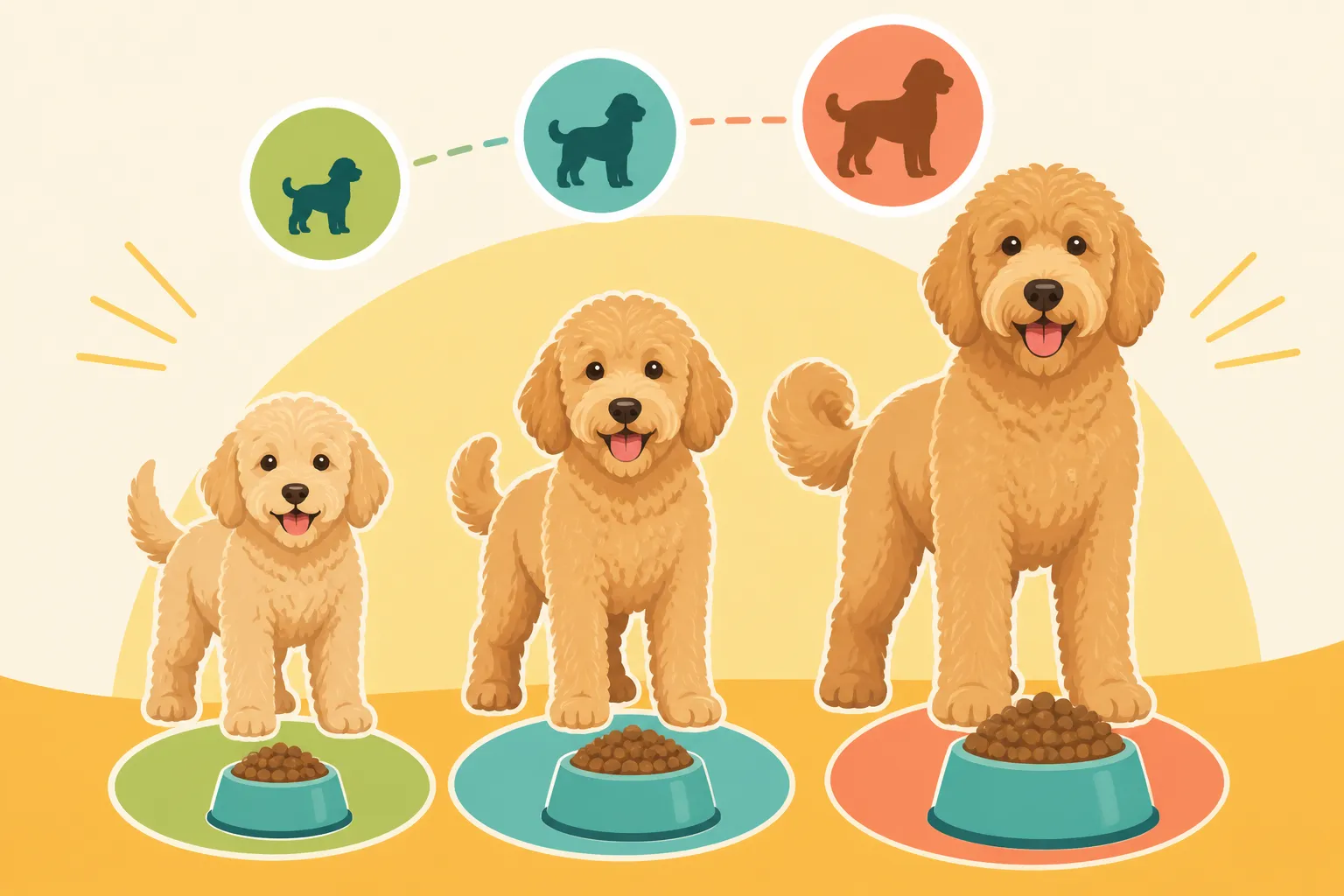
Standard Goldendoodles are often the largest of the bunch, typically weighing between 50 and 90 pounds, though some can push past 100. Their impressive size means they require a significant amount of fuel to power their bodies, maintain muscle mass, and support their joints. Because they are often quite active and playful, underfeeding can lead to lethargy and nutritional deficiencies, while overfeeding can quickly contribute to painful conditions like Goldendoodle Arthritis After the Age of Eight and hip dysplasia.
Growth Spurts in a Standard Goldendoodle Puppy
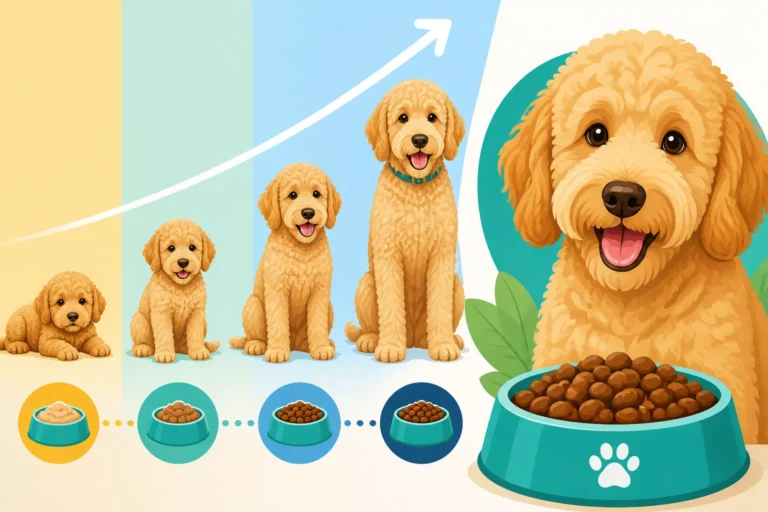
A Standard Goldendoodle puppy is like a rapidly expanding sponge, absorbing nutrients and calories at an astonishing rate. From eight weeks to around 18 months, they are growing from a tiny fluffball into a substantial dog. During this period, their caloric needs per pound of body weight are much higher than an adult's. A young puppy (0-4 months) might need upwards of 2.5 to 3 times their RER, gradually decreasing as they approach maturity.
It's crucial to feed a high-quality, large-breed puppy formula designed to support healthy, steady growth. Rapid growth in large breeds can put undue stress on developing joints, so while you need to provide ample calories, you also don't want to overfeed and encourage excessive weight gain too quickly. Monitor their body condition weekly – you should be able to feel their ribs easily without seeing them sharply protruding, and they should have a discernible waist. You can find many large breed puppy food options on Chewy, often with detailed nutritional breakdowns.
Adult Standard Goldendoodle Maintenance
Once your Standard Goldendoodle reaches maturity, typically between 18 months and two years, their caloric needs will shift. They no longer require the same intensity of calories for growth, but their activity level will be a major determinant. A Standard Goldendoodle that enjoys daily long walks, runs at the dog park, or participates in dog sports will need substantially more calories than one who spends most of their day napping on the sofa.
For an average active, neutered adult Standard Goldendoodle, you might be looking at anywhere from 1,200 to 2,000+ calories per day, depending on their exact weight and energy output. For instance, a 70-pound active adult Goldendoodle could fall into the 1,500-1,800 kcal/day range. However, if that same Goldendoodle is a certified agility champion, their needs could easily exceed 2,000-2,500 kcal/day on training days. Conversely, a less active, older Standard Goldendoodle might thrive on 1,000-1,200 calories. This is why paying close attention to their weight and energy levels is paramount. Regularly check Goldendoodle Body Condition Under a Thick Coat to ensure they're not carrying too much weight.
Calorie Considerations for Medium and Mini Goldendoodles
Medium and Mini Goldendoodles bring their own unique considerations to the table when it comes to calorie intake. While they are smaller than their Standard counterparts, they are often just as active, if not more so, with bundles of playful energy. Their smaller size, however, means that excess calories can accumulate even faster, leading to weight gain and associated health problems if not managed carefully.
Medium Goldendoodle: Bridging the Gap
Medium Goldendoodles typically weigh between 30 and 50 pounds, sitting in a sweet spot between the larger Standards and the smaller Minis. They often combine the sturdy build of a smaller Golden Retriever with the agility of a Medium Poodle, resulting in an athletic and energetic dog. Their calorie needs will reflect this balance. A growing Medium Goldendoodle puppy, much like a Standard, will require a calorie-dense puppy food, but in proportionally smaller quantities.
For an adult Medium Goldendoodle, daily calorie intake usually falls within the range of 800 to 1,200 calories, assuming a moderate to active lifestyle. A 40-pound intact adult Goldendoodle who loves long hikes might need around 1,000-1,100 calories, while a spayed, moderately active 35-pound Goldendoodle might do well on 850-950 calories. It's really about their individual output. If you notice your Medium Goldendoodle starting to look a bit round, it's a clear sign to dial back the portions or increase their exercise.
Mini Goldendoodle: Tiny Package, Big Energy
Mini Goldendoodles are adorable bundles of joy, usually weighing between 15 and 30 pounds. Don't let their size fool you; many Minis possess the same energetic spirit as their larger relatives! Their Poodle heritage can often make them quite agile and playful. Because they are smaller, every single kibble counts more. An extra handful of treats can quickly make up a significant percentage of their daily caloric intake, making weight management a persistent concern. For more specific guidance on feeding them, check out Daily Calories for a Mini Goldendoodle.
An adult Mini Goldendoodle typically needs between 500 and 800 calories per day, depending on their exact size and activity. For example, a 25-pound spayed adult Mini Goldendoodle who enjoys daily walks and playtime might thrive on 650-750 calories. A highly active Mini Goldendoodle might push towards the higher end, while a very sedentary one might need closer to 500-600. It's easy to accidentally overfeed smaller dogs, especially with treats, so be mindful of every morsel. Keeping a Goldendoodle Lean When the Coat Hides It is especially important for these smaller dogs whose thick coats can obscure early signs of weight gain.
Meeting the Tiny Needs of Toy Goldendoodles
The smallest of the Goldendoodle family, Toy Goldendoodles, usually weigh less than 15 pounds, sometimes as little as 5 or 6 pounds. Their diminutive size means their caloric needs are significantly lower than any other size category, and precise feeding is absolutely critical. What might be a small snack for a Standard Goldendoodle could be a substantial meal for a Toy, leading to easy overfeeding and potential health issues if not carefully monitored.
Fueling a Growing Toy Goldendoodle Puppy
Just like their larger cousins, Toy Goldendoodle puppies are growing machines, but on a much smaller scale. They need calorie-dense food formulated for small breed puppies, typically consuming anywhere from 200 to 400 calories per day depending on their current weight and growth rate. It’s important to offer smaller, more frequent meals to maintain stable blood sugar levels, especially when they are very young.
Always opt for kibble sizes appropriate for their tiny mouths to prevent choking and encourage proper chewing. Puppyhood is a critical time for developing good eating habits, so ensure they are eating a balanced diet. If you're struggling to find suitable options, many pet supply stores like Chewy offer a wide selection of small-breed puppy foods that can be filtered by size.
Adult Toy Goldendoodle Maintenance
Once a Toy Goldendoodle reaches adulthood, usually around 8-10 months, their caloric needs drop considerably. For an average adult Toy Goldendoodle, daily calorie intake can range from as low as 150-200 calories for a less active dog up to 350-400 calories for a very active one. For instance, a 10-pound spayed adult Toy Goldendoodle with a moderate activity level might need about 250-300 calories a day.
Because these dogs are so small, it's incredibly easy to overfeed them. Treats, table scraps, and even extra-large training rewards can quickly add up. If you're using treats for training, factor them into their daily calorie allowance. Many Toy Goldendoodle owners find that Feeding a Toy Goldendoodle Small Meals throughout the day helps manage their energy and prevents begging. Consider using a small food puzzle to make mealtime last longer and provide mental stimulation.
Key Factors That Influence Your Goldendoodle's Calorie Intake
Beyond size and age, several other critical factors can drastically alter your Goldendoodle's daily caloric needs. Ignoring these can lead to unintended weight gain or loss, impacting their overall health and longevity. It’s not just about what size category they fall into; it’s about their individual life circumstances.
Activity Level and Exercise Regimen
This is perhaps the most obvious, but often underestimated, factor. A Goldendoodle that gets an hour-long brisk walk or run daily, plays fetch for extended periods, or participates in dog sports like agility or flyball will burn significantly more calories than a Goldendoodle whose main form of exercise is a leisurely stroll around the block. If your Goldendoodle is highly active, their metabolic factor could be 2.0 or even higher. Conversely, if your dog is mostly sedentary, you'll need to use a lower multiplier to prevent weight gain.
Think about the difference between your own caloric needs on a day you spend hiking versus a day spent binge-watching TV. It's no different for our dogs. If you increase your Goldendoodle's exercise, you might need to slightly increase their food. If their activity decreases (e.g., due to an injury or bad weather keeping them indoors), their food intake should probably decrease too. This constant adjustment is key to maintaining a healthy weight.
Spay/Neuter Status and Metabolism Shifts
Spaying or neutering your Goldendoodle often leads to a significant decrease in their metabolic rate. Hormone changes post-surgery mean their bodies burn calories less efficiently, and they tend to have a reduced drive to roam or seek mates, leading to a generally more sedentary lifestyle. This combination makes weight gain a very common issue for altered dogs. If you don't adjust their food intake after surgery, you'll almost certainly see the pounds creep on.
Many vets recommend reducing a dog's caloric intake by 20-30% after spaying or neutering to prevent weight gain. This might sound drastic, but it’s a necessary adjustment to match their new metabolic reality. It's a prime example of why generic feeding instructions don't always work and why you need to be proactive in Recalculating a Goldendoodle Ration After Neutering.
Health Conditions and Medications
Certain health conditions and medications can also impact your Goldendoodle's caloric needs. For instance, a dog recovering from surgery or illness might need extra calories for healing, or conversely, a reduced appetite might necessitate smaller, more enticing meals. Conditions like hypothyroidism can slow metabolism, leading to weight gain even on a normal diet, while hyperthyroidism (less common in dogs) can cause weight loss despite a good appetite.
Medications, especially steroids, can increase appetite, making it harder to control weight. Digestive issues, allergies, or chronic pain can also affect how well a dog absorbs nutrients or how active they are. If your Goldendoodle is on medication or dealing with a health issue, always consult your veterinarian for specific dietary recommendations. They can help you factor these complexities into their daily calorie calculations.
Signs Your Goldendoodle's Calories Need Adjusting (and How to Do It)
Figuring out the exact calorie count is only half the battle; the real art lies in observing your Goldendoodle and knowing when to make adjustments. Their body is constantly sending signals about their nutritional status, you just need to learn how to read them. It's a continuous process, not a one-time calculation.
Reading Your Goldendoodle's Body Condition Score
Because of their luscious coats, it can be tricky to tell if a Goldendoodle is gaining or losing weight just by looking at them. This is where the Body Condition Score (BCS) comes in handy. It’s a hands-on assessment that helps you feel past the fluff to evaluate their fat reserves. Here’s a quick guide:
| BCS (1-9 Scale) | Description | Action Needed |
|---|---|---|
| 1-3 (Underweight) | Ribs, spine, and pelvic bones easily visible from a distance. No fat layer. Severe abdominal tuck. Muscle loss evident. | Increase calories gradually, consult vet for underlying issues. |
| 4-5 (Ideal) | Ribs easily felt with slight fat cover, but not visible. Waist discernible when viewed from above. Abdominal tuck present. | Maintain current intake, monitor regularly. |
| 6-7 (Overweight) | Ribs palpable with difficulty; heavy fat cover. Waist barely discernible or absent. Abdominal tuck minimal or absent. Broad, flat back. | Decrease calories, increase exercise. Monitor closely for further gain. |
| 8-9 (Obese) | Ribs not palpable without significant pressure. Heavy fat deposits over spine and tail base. No waist or abdominal tuck. Obvious abdominal distention. | Significant calorie reduction, structured exercise, vet consultation essential. |
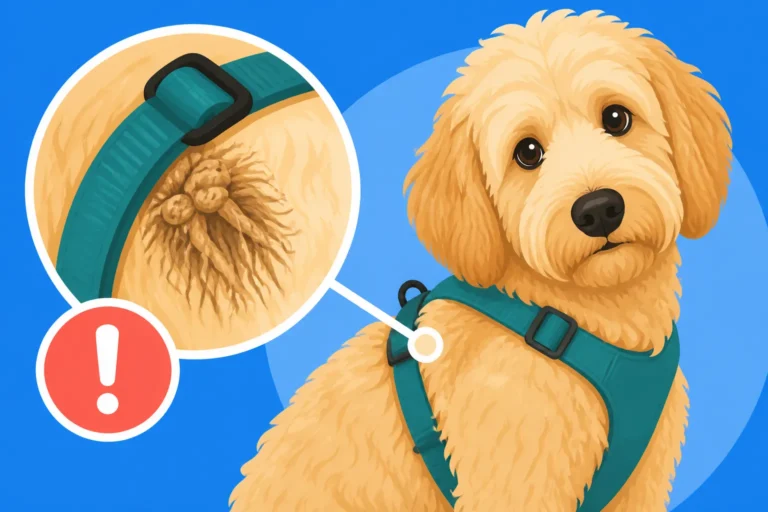
For a Goldendoodle, it's particularly important to physically feel for the ribs. You should be able to feel them quite easily, like feeling the knuckles on your hand, with just a thin layer of fat over them. If you have to press hard to feel them, your Goldendoodle is likely overweight. On the flip side, if you can clearly see their ribs or hip bones through their coat, they might be underweight. This skill is vital for Spotting Goldendoodle Weight Gain Through the Coat.
Adjusting Food Portions Gradually
Once you've assessed their body condition, you can make informed decisions about adjusting their food. The key word here is gradually. Drastic changes can upset their digestive system and make it harder to gauge the effectiveness of your adjustments. If your Goldendoodle needs to lose weight, start by reducing their daily calorie intake by 10-15%. Give it two to three weeks, then re-evaluate their BCS. If no change, reduce another 5-10%.
The same gradual approach applies to gaining weight or maintaining a higher activity level. Slowly increase their food by 10-15% and monitor for changes. It's a process of trial and error tailored to your individual dog. Remember to also factor in treats; if you're giving many treats, reduce their meal portions accordingly. If you're feeding a fresh food diet, like those offered by Ollie, their portioning guides can be very precise, but even then, observation is crucial.
Incorporating Smart Tools and Healthy Habits
Making sure your Goldendoodle gets the right amount of calories isn't just about the food itself; it's also about how you manage their meals. Using a digital kitchen scale to Measuring Goldendoodle Food by Weight is far more accurate than relying on measuring cups, which can vary wildly depending on kibble density. A "cup" of one brand's kibble might be 300 calories, while another's might be 450, even if the volume is the same.
Consider investing in slow feeder bowls, especially for Standards and Mediums, to prevent them from eating too quickly, which can reduce bloat risk and aid digestion. You can find excellent options on Amazon. Finally, make exercise a consistent part of their day. A Goldendoodle needs both physical and mental stimulation, and regular activity helps them burn calories and stay healthy, reducing the need for drastic dietary interventions. Don't forget that training treats add up, so choose low-calorie options or break larger treats into smaller pieces.
Disclaimer
This article is for general informational purposes only and does not constitute professional advice. Laws, prices and regulations vary by location and change over time. Consult a qualified professional for guidance on your specific situation.