Addison’s Disease a Goldendoodle Gets From the Poodle
Finding out your beloved Goldendoodle isn't quite right can be a deeply unsettling experience. Maybe they've been off their food for a few days, acting unusually lethargic, or perhaps they've suddenly collapsed, leaving you panicked and racing to the emergency vet. These vague and often fluctuating symptoms can be incredibly frustrating for owners and challenging for veterinarians to diagnose, but they are often the first whispers of a serious condition known as Addison's Disease. This guide is here to shed light on this tricky condition, especially how it impacts our Goldendoodles, largely due to their Poodle heritage, and what you need to know to recognize, manage, and live with it.
Understanding Addison's Disease in Goldendoodles
Addison's Disease, also medically known as hypoadrenocorticism, is one of those conditions that sounds incredibly complicated but essentially boils down to a fundamental imbalance in the body's chemistry. For Goldendoodle owners, understanding the basics can make all the difference in recognizing the signs early and advocating for your dog's health. It's a condition that often mimics other illnesses, making it a true diagnostic challenge.
What is Adrenocortical Insufficiency?
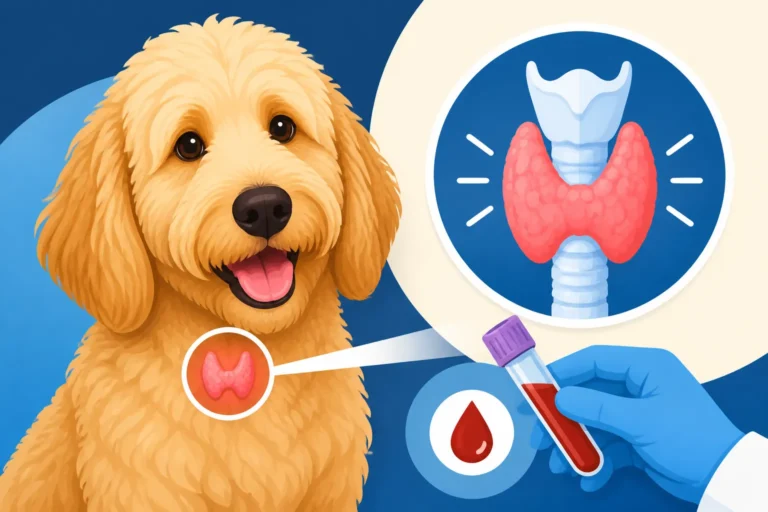
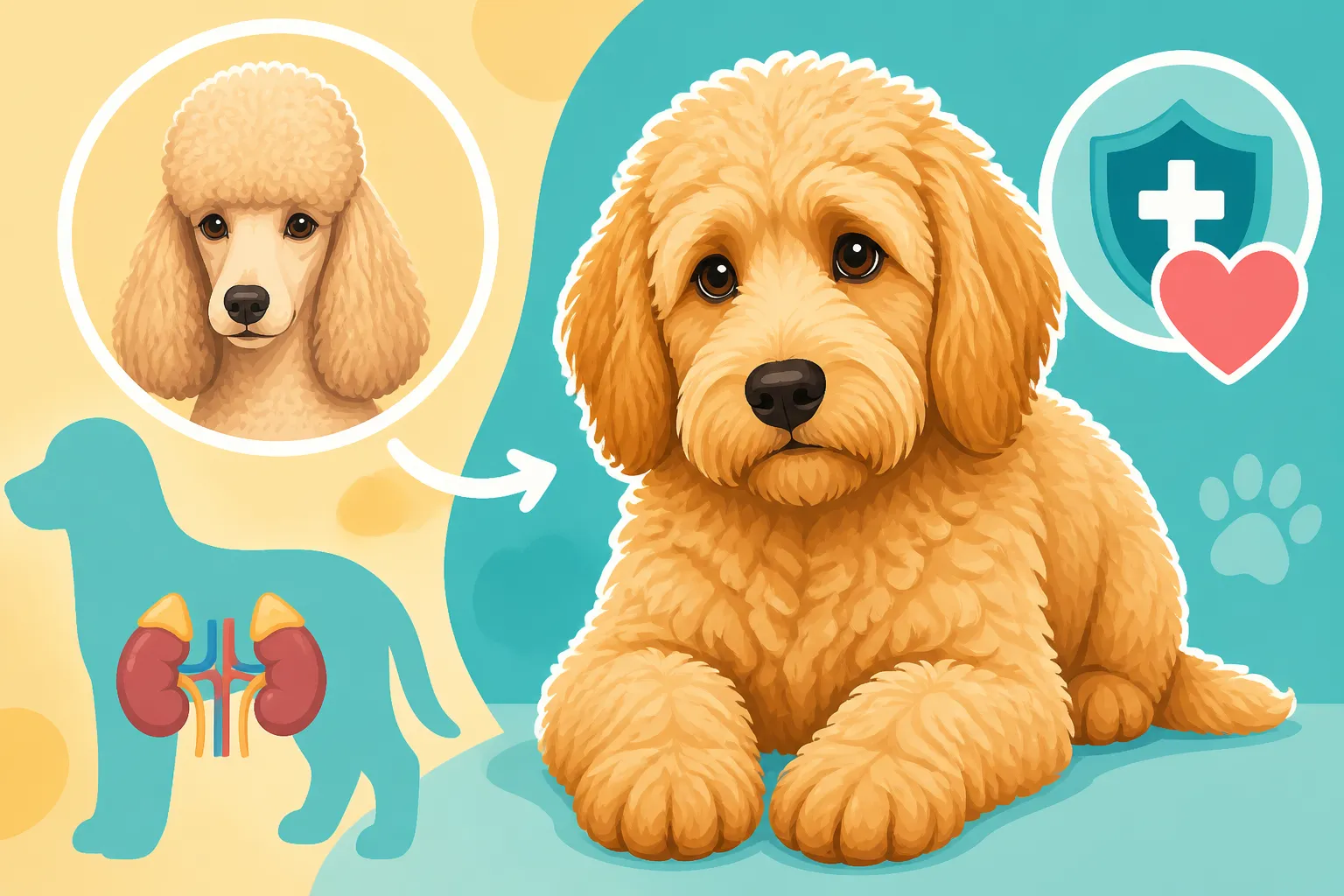
At its heart, Addison's Disease means your Goldendoodle's adrenal glands aren't doing their job properly. These two tiny glands, perched right above their kidneys, are crucial for producing vital hormones. Think of them as the body's miniature hormone factories. Specifically, they produce corticosteroids, which include cortisol, often called the "stress hormone," and mineralocorticoids, primarily aldosterone. Cortisol helps regulate metabolism, immune responses, and stress reactions, while aldosterone manages the balance of electrolytes like sodium and potassium, which are essential for normal heart and kidney function. When the adrenal glands fail to produce enough of these hormones, the body simply can't function as it should, leading to a cascade of problems that can range from subtle to life-threatening.
The primary reason for this failure, in most cases, is an autoimmune process where the dog's own immune system mistakenly attacks and destroys the adrenal tissue. It's a cruel twist of biology, where the body turns against itself. This is what we refer to as primary Addison's Disease. It's not something you can prevent with diet or exercise; it's an internal process that just happens.
Primary Versus Secondary Addison's
While primary Addison's, caused by the destruction of the adrenal glands themselves, is by far the most common form, it's worth knowing there's a less frequent type called secondary Addison's. This variant isn't about the adrenal glands failing directly, but rather about a problem higher up in the chain of command: the pituitary gland in the brain. The pituitary gland produces a hormone called ACTH (adrenocorticotropic hormone), which signals the adrenal glands to produce cortisol. If the pituitary gland isn't producing enough ACTH, then the adrenal glands won't be stimulated to make cortisol, even if they are perfectly capable of doing so. This type is much rarer in dogs and typically only affects cortisol production, not aldosterone.
The distinction between primary and secondary is important for diagnosis and treatment. However, for most Goldendoodle owners, when a vet says "Addison's," they're almost certainly referring to the primary, autoimmune form. This is the type that carries genetic predispositions in certain breeds, including, significantly, the Poodle, which directly impacts our Goldendoodle companions. Understanding this helps prepare you for the diagnostic process and the lifelong management ahead.
How Hormonal Deficiency Affects the Body
The lack of cortisol and aldosterone throws the body into disarray. Without enough cortisol, your Goldendoodle struggles to handle stress, their metabolism goes haywire, and their immune system can become compromised. This is why the symptoms can be so varied and often mirror other illnesses. They might feel generally unwell, nauseous, or simply "off." Their body is essentially running on empty when it comes to dealing with everyday stressors, let alone significant challenges.
Even more critically, the absence of aldosterone can lead to severe electrolyte imbalances. This means the normal levels of sodium and potassium in their blood are disrupted. Sodium levels drop (hyponatremia), and potassium levels rise (hyperkalemia). This electrolyte imbalance is extremely dangerous, affecting heart function, blood pressure, and kidney regulation. It can lead to severe dehydration, weakness, and potentially life-threatening cardiac arrhythmias. It's these electrolyte disturbances that are often the most immediate threat during an Addisonian crisis, making swift veterinary intervention absolutely essential to stabilize your dog.
The Poodle Connection: Why Goldendoodles Are at Risk
It’s no secret that Goldendoodles inherit a blend of traits from both the Golden Retriever and the Poodle. While we often celebrate the Poodle’s intelligence and the Golden’s friendly nature, we also need to be aware of the health predispositions that come from each side of the family tree. When it comes to Addison’s Disease, the Poodle influence is undeniable and significant.
Genetic Predisposition in Poodles
Standard Poodles, in particular, have a well-documented genetic predisposition to Addison's Disease. It’s one of the conditions that conscientious Poodle breeders rigorously screen for in their lines, even though there isn't a simple DNA test for it like there might be for other genetic disorders. The exact mode of inheritance is still not fully understood, but it's believed to be complex, involving multiple genes, rather than a single dominant or recessive gene. This polygenic nature makes it particularly challenging to eradicate from a breed's gene pool.
For decades, Poodle fanciers and veterinarians have observed a higher incidence of Addison's in this elegant breed compared to the general dog population. This means that if a dog has Poodle ancestry, the risk of developing Addison's Disease is inherently elevated. This predisposition is not a fault of the individual dog but rather a complex genetic legacy that must be acknowledged and understood by any owner or breeder working with Poodle lines. It's part of What a Goldendoodle Inherits From Each Parent Breed.
Inheritance in Goldendoodles
Given the significant Poodle contribution to the Goldendoodle, it naturally follows that Goldendoodles carry an increased risk of Addison's Disease. While combining two breeds can sometimes introduce hybrid vigor and potentially reduce the incidence of certain single-gene diseases, complex polygenic conditions like Addison's don't necessarily disappear just because you've introduced a different breed. If a Goldendoodle has a Standard Poodle parent, or even Poodle ancestry several generations back, the genetic blueprint for this predisposition could still be present.
The specific generation of your Goldendoodle can influence this risk. For instance, an F1 Goldendoodle (50% Golden Retriever, 50% Poodle) has a direct Poodle parent. An F1b Goldendoodle (75% Poodle, 25% Golden Retriever) has an even higher percentage of Poodle genetics, potentially increasing the risk further. While Why Goldendoodle Hybrid Vigor Fades After F1 explains general vigor, it doesn't always apply to complex genetic diseases. It's a roll of the genetic dice, and Goldendoodles, especially those leaning heavily on their Poodle side, often come up with a higher chance of developing Addison's.
Why a Cross Doesn't Dilute All Risks
There's a common misconception that crossbreeds like Goldendoodles are inherently healthier or free from the genetic baggage of their parent breeds. While it's true that hybrid vigor can offer some protection against recessive diseases where both parents would need to be carriers, it doesn't magically eliminate all genetic predispositions. Complex diseases like Addison's, which are thought to be polygenic (meaning multiple genes contribute to the risk), are much harder to "breed out" or dilute simply by crossing two different breeds.
The genes responsible for Addison's disease might still be present in the Goldendoodle's genetic makeup, even if they're mixed with Golden Retriever genes. A Goldendoodle is still carrying a portion of that Poodle genome, and with it, the increased likelihood of Addison's. This highlights why focusing on individual parent health testing, even for conditions without direct DNA tests, is so crucial, and why Why Testing Beats the Word Hybrid on a Goldendoodle is such a critical concept for prospective owners. Responsible breeders should be well aware of these risks and transparent about the health history of their Poodle lines.
Spotting the Subtle Signs of Addison's Disease
Addison's Disease is notoriously difficult to diagnose because its early signs are often vague, non-specific, and can come and go. It’s often called the "great imitator" because it can mimic a whole host of other, more common illnesses. This makes it incredibly frustrating for owners who know something is wrong but can't pinpoint it, and challenging for vets to identify without specific testing.
Vague and Fluctuating Symptoms
The symptoms of Addison's Disease are a real mixed bag. You might notice your Goldendoodle experiencing periods of lethargy, appearing unusually tired or uninterested in their usual activities. This can be easy to dismiss as a "bad day" or a temporary bug. They might have a decreased appetite, perhaps picking at their food or refusing meals altogether, which can also be intermittent. Vomiting and diarrhea are also common, but again, these can be caused by countless other issues, from dietary indiscretion to a viral infection. Sometimes, they might even show signs of abdominal pain or muscle weakness.
What makes these symptoms particularly insidious is their vague nature. Your Goldendoodle isn't displaying a clear, distinct symptom that immediately points to a single disease. Instead, it's a general malaise, a slow decline in their usual vibrancy that can sneak up on you over weeks or even months. This is exactly why it's so important to be observant of your Goldendoodle's normal behavior and energy levels, so you can spot even subtle shifts. If you've ever felt that nagging feeling that "something just isn't right," even if you can't articulate why, it's worth taking seriously. For more common issues, you might consult Goldendoodle Vomiting and When It Matters or Goldendoodle Diarrhea Lasting More Than Two Days, but persistent or recurring episodes should always raise a red flag for Addison's.
The Waxing and Waning Nature
One of the most challenging aspects of Addison's Disease is its "waxing and waning" nature. Your Goldendoodle might be severely ill one day, refusing food, listless, and weak, only to seem perfectly normal and energetic the next. This cyclical pattern makes it incredibly hard to catch. Owners might think their dog is recovering, only for the symptoms to return with a vengeance a few days or weeks later. This intermittent presentation often leads to delayed diagnosis because owners (and sometimes even vets) might not suspect a serious chronic condition when the dog appears to bounce back.
This can be incredibly confusing and emotionally draining for you as an owner. You might question yourself, wondering if you're overreacting or if your dog is truly sick. It’s this unpredictable ebb and flow of symptoms that distinguishes Addison’s from many acute illnesses. If you've noticed a pattern of recovery and relapse without a clear explanation, especially with periods of extreme lethargy or gastrointestinal upset, you should definitely discuss the possibility of Addison's Disease with your veterinarian. This inconsistency is a key indicator that something more systemic is at play.
Behavioral Changes to Watch For
Beyond the physical symptoms, Goldendoodles with Addison's Disease can also exhibit subtle behavioral changes. Because cortisol plays a role in stress regulation, a deficiency can make your dog less resilient to everyday stressors. They might become more anxious, withdrawn, or even show signs of depression. A previously outgoing and playful Goldendoodle might become unusually quiet, seeking solitude, or seem generally subdued. They might not greet you with the same enthusiasm, or they might lose interest in walks or playtime.
Some owners report their Goldendoodles becoming more sensitive to touch or exhibiting unusual shivering, even when not cold. While some of these symptoms, like lethargy or a general "down" demeanor, might be dismissed as an aging dog's slowing down, it's crucial to consider them in the context of other potential Addison's signs. If your Goldendoodle seems to be losing their sparkle, or if their personality has shifted without an obvious cause, it's another piece of the puzzle that points towards a systemic issue like Addison's. This is different from age-related cognitive decline, which is explored in articles like A Goldendoodle That Stops Recognizing the House, but a general listlessness or low mood should always warrant attention.
The "Addisonian Crisis": What Happens When It's Severe
While the early signs of Addison's can be subtle, the disease can escalate rapidly into a life-threatening emergency known as an Addisonian crisis. This is when the body's lack of essential hormones reaches a critical point, leading to a complete systemic collapse. It's a terrifying experience for any dog owner, and swift action is paramount to saving your Goldendoodle's life.
Recognizing the Emergency
An Addisonian crisis often comes on suddenly, sometimes without much prior warning, or following a period of the vague, waxing and waning symptoms described earlier. Your Goldendoodle might suddenly collapse, be extremely weak, or unable to stand. Severe vomiting and diarrhea, often accompanied by blood, are common, leading to rapid dehydration. They might also exhibit severe abdominal pain, muscle tremors, or even go into shock, with pale gums, a rapid and weak pulse, and an abnormally low body temperature. Some dogs might even have a slow, irregular heart rate due to severe electrolyte imbalances.
This is not merely your Goldendoodle having a bad day; it's a critical medical emergency. If you observe any of these severe symptoms, do not wait. Every minute counts. Immediate veterinary attention is absolutely crucial to stabilize your dog and correct the life-threatening imbalances. Many owners recount how their dog "crashed" seemingly out of nowhere, emphasizing how quickly the situation can deteriorate. Being aware of Addison's Disease Signs in a Goldendoodle, especially the sudden, dramatic ones, can literally be a lifesaver.
Immediate Veterinary Intervention
When your Goldendoodle arrives at the emergency vet in an Addisonian crisis, the veterinary team will immediately focus on stabilization. This typically involves aggressive intravenous (IV) fluid therapy to combat dehydration and low blood pressure. They will also administer high doses of corticosteroids intravenously, which quickly replace the missing hormones. This rapid influx of hormones, especially glucocorticoids, helps reverse the shock and allows the body to begin regulating itself again.
Electrolyte imbalances, particularly high potassium and low sodium, are a major concern during a crisis. The IV fluids and corticosteroids help to correct these imbalances, protecting the heart and other vital organs. Your vet will continuously monitor your Goldendoodle's blood pressure, heart rate, and electrolyte levels to ensure they are responding to treatment. The goal is to pull them back from the brink and get their body functioning stably again. It's an intensive process, often requiring overnight hospitalization and close observation.
Post-Crisis Care
Once your Goldendoodle has been stabilized after an Addisonian crisis, the immediate danger has passed, but the journey to long-term management begins. They will likely remain hospitalized for a day or two for continued observation, fluid therapy, and ongoing medication. During this time, the veterinary team will ensure their electrolytes are normalized and that they are eating and drinking on their own.
Before discharge, your vet will discuss the lifelong management plan, which includes regular medication and monitoring. You'll be given instructions on how to administer their medications, what symptoms to watch for, and when to schedule follow-up appointments. It's a lot to take in during a stressful time, but remember that with proper management, Goldendoodles who survive an Addisonian crisis can go on to live full, happy lives. This initial crisis is often the pivotal moment that leads to a definitive diagnosis and the start of effective treatment.
Diagnosing Addison's Disease: A Step-by-Step Approach
Because Addison's Disease presents with such non-specific symptoms, getting a definitive diagnosis can be a frustrating and sometimes lengthy process. Your vet will need to systematically rule out other conditions and perform specific tests to confirm Addison's. Patience and persistence are key here, both for you and your veterinary team.
Initial Bloodwork and Urinalysis
When your Goldendoodle isn't feeling well, the first step for most vets is a routine blood panel (complete blood count and chemistry) and a urinalysis. These tests can provide clues, but rarely offer a definitive diagnosis for Addison's. For example, blood tests might reveal elevated kidney values due to dehydration, low blood sugar, or an elevated potassium-to-sodium ratio (which is a strong indicator of Addison's, but not always present in every case). The white blood cell count might also be unusual – often, dogs with Addison's lack a stress leukogram, which is a specific pattern of white blood cells usually seen in stressed or sick animals with normal cortisol levels. Their red blood cell count might be slightly high due to dehydration.
A urinalysis can show if the urine is unusually dilute, even when the dog is dehydrated, which is another subtle clue. However, none of these findings alone are conclusive. Many other conditions can cause similar abnormalities, which is why your vet won't stop here if they suspect Addison's. They'll use these initial results to narrow down the possibilities and decide if further, more specific testing is warranted. It can feel like a fishing expedition, but each test helps build a clearer picture.
The ACTH Stimulation Test
The absolute gold standard for diagnosing Addison's Disease is the ACTH (adrenocorticotropic hormone) stimulation test. This test directly assesses the function of the adrenal glands. Here's how it generally works:
- Baseline Blood Sample: Your vet will first collect a blood sample from your Goldendoodle to measure their baseline cortisol level.
- ACTH Administration: A synthetic form of ACTH is then injected into your dog. This synthetic ACTH mimics the natural hormone that usually tells the adrenal glands to produce cortisol.
- Second Blood Sample: Approximately one hour after the injection, a second blood sample is taken to measure how much cortisol the adrenal glands produced in response to the ACTH.
If your Goldendoodle has Addison's Disease, their adrenal glands are damaged and unable to produce cortisol, so their cortisol levels will remain low, even after receiving the ACTH injection. A healthy dog, however, would show a significant increase in cortisol production. This test is highly accurate and is the definitive way to confirm the diagnosis. While it requires two blood draws and a waiting period, it provides the clear answer you and your vet need. This is truly The ACTH Test for a Goldendoodle.
Ruling Out Other Conditions
Before performing the ACTH stimulation test, your vet might recommend other diagnostic tests to rule out conditions that mimic Addison's. For instance, if your Goldendoodle is vomiting, X-rays might be taken to check for intestinal blockages or foreign bodies. Ultrasound might be used to examine the gastrointestinal tract, kidneys, or adrenal glands themselves. Sometimes, a dog may have a transient gastrointestinal upset that resolves on its own, so your vet will want to be sure it's not something simpler before pursuing the more specific and often more expensive Addison's testing.
Given the non-specific nature of the symptoms, your vet’s careful approach is important to ensure they are pursuing the correct diagnosis. It can be frustrating to wait and watch while your dog is clearly unwell, but a thorough diagnostic process prevents misdiagnosis and ensures the right treatment path. Being able to eliminate other common causes strengthens the case for Addison's if the ACTH test comes back positive.
Managing Addison's: Lifelong Treatment and Care
Once your Goldendoodle receives a confirmed diagnosis of Addison's Disease, the good news is that it is a highly manageable condition. It does require lifelong commitment to medication and regular monitoring, but with proper care, most Addisonian dogs can go on to live completely normal, high-quality lives.
Lifelong Medication
The cornerstone of Addison's treatment is replacing the hormones your Goldendoodle's adrenal glands can no longer produce. This typically involves two main types of medication:
- Mineralocorticoids: These replace the aldosterone. The most common medication is desoxycorticosterone pivalate (DOCP), often sold under brand names like Percorten-V or Zycortal. This is typically given as an injection every 25-30 days, either by your vet or, if you're comfortable, at home. Some dogs might be managed with daily oral fludrocortisone acetate (Florinef), though this can be less effective for some.
- Glucocorticoids: These replace the cortisol. Prednisone is the most common glucocorticoid used, given orally once a day. The dose is usually very low, just enough to help your Goldendoodle cope with normal stress and maintain their metabolism. In times of increased stress (like surgery, travel, or illness), the prednisone dose might need to be temporarily increased to prevent a crisis.
It's a delicate balance to find the right dosage for each individual Goldendoodle, and it may require some adjustment in the initial months of treatment. However, once stabilized, many dogs do incredibly well. This is truly about Lifelong Medication for an Addisonian Goldendoodle.
Dosage and Monitoring
The initial phase of treatment involves regular check-ups to fine-tune your Goldendoodle's medication dosage. This usually means blood tests every few weeks or months to monitor their electrolyte levels (sodium and potassium) and to ensure their prednisone dose is appropriate. The goal is to get the electrolytes into a normal range and to use the lowest effective dose of prednisone. Once stable, your vet might recommend blood work every 3-6 months.
It's essential to administer medications exactly as prescribed and not to miss doses. Even a slight disruption can destabilize your Goldendoodle and potentially trigger a crisis. You'll become intimately familiar with their medications and the schedule. If you ever have concerns about side effects or believe the dosage needs adjustment, always communicate with your vet. Never change the dosage on your own. Given the lifelong nature of this care, considering pet insurance like Healthy Paws can be incredibly beneficial for managing the ongoing costs of medication and regular veterinary visits, providing peace of mind.
Emergency Protocol for Stressful Situations
Even with daily medication, Addisonian Goldendoodles can be vulnerable to stress. A significant stressful event, such as a major illness, injury, surgery, or even a stressful car trip, can overwhelm their limited adrenal function and potentially trigger a crisis. Because their body can't produce extra cortisol to cope with stress, you might need to temporarily increase their glucocorticoid (prednisone) dose under your vet's guidance.
Your vet will likely provide you with an "emergency protocol" to follow. This often involves having extra prednisone on hand and knowing when and how to give a "stress dose." It’s a crucial safety net. Always inform your vet if your Addisonian Goldendoodle is facing a stressful situation so they can advise you on adjusting their medication. It’s better to be proactive than reactive when it comes to preventing a crisis.
Living with an Addisonian Goldendoodle: Prognosis and Quality of Life
Receiving an Addison's diagnosis for your Goldendoodle can feel overwhelming, but it's important to remember that it's a manageable condition. The prognosis for dogs with Addison's Disease, once correctly diagnosed and treated, is generally excellent. Most will go on to live full, happy lives.
Excellent Prognosis with Treatment
The vast majority of Goldendoodles diagnosed with Addison's Disease, especially those who survive an initial crisis, have a very good long-term prognosis. With consistent medication and regular veterinary monitoring, they can enjoy a normal lifespan and excellent quality of life. The challenge isn't curing the disease—because it's largely an autoimmune condition, there's no cure—but rather managing it effectively. Think of it like a human with diabetes needing insulin; it's a chronic condition requiring daily management, but it doesn't have to define their life.
Owners often report that once their Goldendoodle is stabilized on medication, they return to their normal, playful selves, full of energy and enthusiasm. The improvement can be quite dramatic, especially if they've been feeling unwell for an extended period before diagnosis. This return to normalcy is incredibly rewarding and a testament to the effectiveness of the treatment.
Routine Monitoring and Adjustments
Living with an Addisonian Goldendoodle means committing to a routine of regular vet visits and blood tests. Initially, these might be more frequent to ensure optimal medication levels. Once stable, your vet will likely recommend blood tests every few months (typically every 3-6 months) to check electrolyte levels and overall health. These routine checks are crucial for identifying any potential issues early and for making any necessary adjustments to their medication dosage.
It's important to be diligent about these appointments, even if your Goldendoodle seems perfectly fine. Underlying imbalances can sometimes develop subtly before outward symptoms appear. Your vet is your partner in managing this condition, and open communication about any changes you observe in your Goldendoodle's behavior, appetite, or energy levels is invaluable. Long-term medical conditions like Addison's Disease can accrue significant vet bills, and having comprehensive pet insurance such as Healthy Paws can significantly ease the financial burden of these routine monitoring appointments and medication refills.
Quality of Life Considerations
With proper management, the quality of life for an Addisonian Goldendoodle is virtually indistinguishable from that of a healthy dog. They can still enjoy walks, playtime, training, and all the activities they love. The main "consideration" is the owner's commitment to medication and monitoring.
However, it's wise to be mindful of exceptionally stressful situations. While routine stress is usually handled by their daily prednisone, extreme events might still require a temporary dose increase. Keep a consistent schedule, provide a calm home environment, and ensure they have access to fresh water at all times. If you have concerns about exercising your Goldendoodle or planning a long trip, discuss it with your vet. They can help you create a plan to ensure your Goldendoodle stays healthy and happy, no matter the circumstances. Your diligence and love are the most important factors in ensuring your Goldendoodle lives a full and vibrant life despite their diagnosis.
Preventative Measures and Breeder Responsibility
When it comes to Addison's Disease in Goldendoodles, "prevention" isn't as straightforward as it might be for a single-gene disorder. However, understanding the risks and making informed choices when acquiring a puppy can significantly reduce your chances of encountering this challenging condition. This largely falls on the shoulders of responsible breeders.
Breeder Health Testing
Unlike some genetic diseases where a simple DNA test can identify carriers, there is no single, direct DNA test for Addison's Disease that breeders can use to completely eliminate it from their lines. This is because, as mentioned, it's believed to be a polygenic disease, meaning multiple genes contribute to its development, and environmental factors might also play a role. However, this doesn't mean breeders are entirely without recourse.
Responsible Goldendoodle breeders, especially those using Standard Poodle lines, should be diligently tracking the health of their breeding dogs' ancestors and relatives. They should know if Addison's has occurred in their Poodle lines and be transparent about this. While they can't DNA test for it, they can make informed breeding decisions by avoiding lines with a high incidence of Addison's. They should also be keen observers of their own dogs' health and be prepared to remove any dog from their breeding program that develops Addison's. This commitment to line health, even without a specific DNA test, is a hallmark of a truly ethical breeder.
Choosing a Responsible Breeder
When looking for a Goldendoodle puppy, choosing a responsible breeder is paramount, particularly concerning conditions like Addison's. Don't just ask about "health testing" in general; ask specifically about the incidence of Addison's Disease in their Poodle lines. A good breeder will be knowledgeable about breed-specific health concerns and be open about the health history of their breeding dogs and their ancestors. They won't make vague claims about "hybrid vigor" automatically preventing all diseases.
A responsible breeder will:
- Be transparent: They should freely share information about their breeding dogs, including their Poodle parents' lineage and any known health issues in those lines.
- Have excellent veterinary records: They should provide veterinary records for the parents and puppies.
- Offer a health guarantee: While a guarantee can't prevent disease, it shows a breeder stands behind their puppies and may offer some financial recourse if a major genetic illness like Addison's develops early in life. This is often tied to Goldendoodle Puppies Sold With a Health Guarantee.
- Not breed from affected dogs: They should never breed a dog that has developed Addison's Disease.
- Ask you questions: A good breeder will interview you to ensure their puppy is going to a suitable home, showing they care about the welfare of their dogs long-term.
It's important to understand that even with the most responsible breeding practices, there's no 100% guarantee against Addison's. However, by choosing a breeder who is diligent and transparent about the health history of their Poodle lines, you significantly reduce your Goldendoodle's risk. For a broader overview of testing, check out Health Testing Both Goldendoodle Parents Should Have and The DNA Panel a Goldendoodle Breeder Should Run.
Knowing Your Dog's Lineage
If you've already brought a Goldendoodle home, knowing as much as possible about their lineage, particularly the Poodle side, can be incredibly helpful. If your breeder provided information about the parents and grandparents, hold onto it. While there's nothing you can do to prevent Addison's once a genetic predisposition is present, being aware of the risk factors means you can be more vigilant in observing your Goldendoodle for the subtle signs.
If your Goldendoodle is from a Poodle line known to have had cases of Addison's, you'll be more attuned to any unusual lethargy, vomiting, or other vague symptoms. This awareness can lead to earlier detection and diagnosis, which is critical for successful management. Early diagnosis can prevent the terrifying and life-threatening Addisonian crisis, allowing for a smoother transition to lifelong treatment and a much better outcome for your beloved companion.
| Symptom Category | Common Presentations | Less Common / Severe Presentations |
|---|---|---|
| General | Lethargy, weakness, decreased appetite, weight loss, shivering, general malaise | Collapse, profound weakness, shock (pale gums, weak pulse), severe dehydration, coma |
| Gastrointestinal | Intermittent vomiting, chronic or intermittent diarrhea, abdominal pain, increased thirst, increased urination (PU/PD) | Bloody vomit or diarrhea, severe dehydration, rapid deterioration |
| Electrolyte Imbalance | Subtle changes in heart rate, muscle weakness | Bradycardia (slow heart rate), cardiac arrhythmias, severe muscle weakness leading to inability to stand, kidney failure |
| Behavioral | Depression, withdrawn demeanor, increased anxiety, lack of enthusiasm | Disorientation, confusion, seizures (rarely) |
| Crisis Specific | (Often sudden onset) Severe weakness, collapse, shock, extreme gastrointestinal distress, life-threatening electrolyte imbalances |
Disclaimer
This article is intended for informational purposes only and is not a substitute for professional veterinary medical advice, diagnosis, or treatment. Always seek the advice of your veterinarian or other qualified animal health provider with any questions you may have regarding a medical condition. Never disregard professional veterinary advice or delay in seeking it because of something you have read in this article.